You’re at the fridge, hand on a strawberry, and your guinea pig is already wheek-ing at the cage bars like they know exactly what you’re holding.
And then the thought creeps in: is this actually safe for them?
Guinea pigs are expressive, joyful little creatures, and wanting to share something yummy with them is one of the best parts of owning a cavy.
But treats for guinea pigs are a topic that deserves real attention. The wrong snack, given too often or in the wrong amount, can quietly cause digestive trouble, weight gain, or worse.
Get it right, though, and treat time becomes a daily ritual that builds trust and keeps your piggy thriving.
This blog walks through exactly what’s safe, what’s not, and how to make every snack count.
How Healthy Treats Contribute to Guinea Pig Health
Treats play a bigger role in your guinea pig’s health than many owners realize.
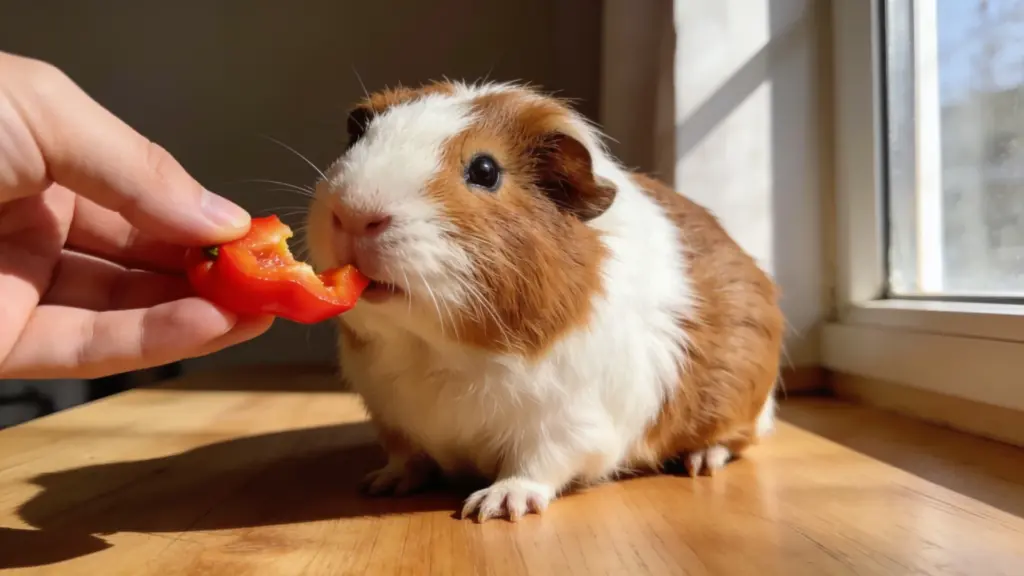
A small piece of bell pepper, parsley, cucumber, or another safe fresh food can become a gentle way to build trust, support handling, and make daily care feel positive.
Guinea pigs are social pets, so consistent, calm treat time can help them feel more secure around you, especially during grooming, health checks, or vet visits.
This matters most with vitamin C, because guinea pigs cannot make it on their own and need it every day from food.
Vitamin C-rich treats can support their regular diet of hay, pellets, and vegetables while helping reduce the risk of deficiency, weakness, rough coat, swollen joints, and other health problems over time, too.
The right treats, offered consistently, can help meet that daily requirement alongside their regular small-pet diet.
Best Treats for Guinea Pigs
Fresh produce is the gold standard for guinea pig treats. It’s close to what they’d forage in the wild, and the right choices deliver real vitamins alongside the snack.
1. Safe Vegetables
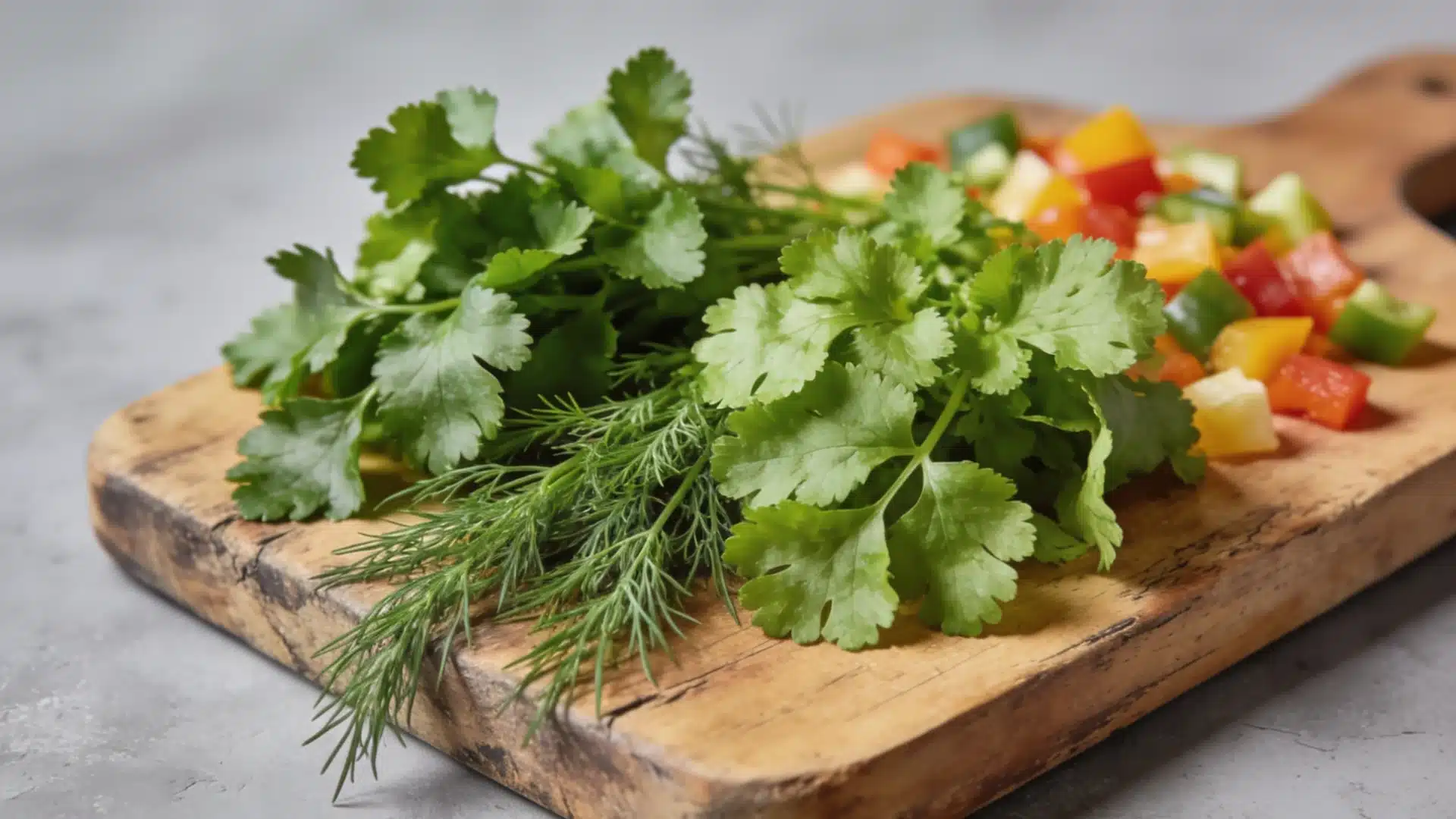
Vegetables are lower in sugar than fruit, which makes them the safer daily treat option. These are the ones cavies tend to love most:
- Red bell pepper: One of the best sources of vitamin C in the produce aisle, and guinea pigs genuinely go wild for it. A few small strips a few times a week is a solid routine.
- Leafy greens: Romaine lettuce, green leaf lettuce, and cilantro all work well. Rotate them to avoid overloading on any one nutrient.
- Cucumber: High water content makes it a great hot-weather treat. Low in sugar and gentle on the digestive system.
- Zucchini: Mild, low-calorie, and easy to prep, a thin slice is plenty for the guinea pig.
- Carrots: Guinea pigs adore the sweetness, but because of the natural sugar content, keep portions small and frequency to a few times a week rather than daily.
Note: Always wash produce thoroughly and remove any uneaten portions from the cage after a few hours to prevent spoilage.
2. Safe Fruits
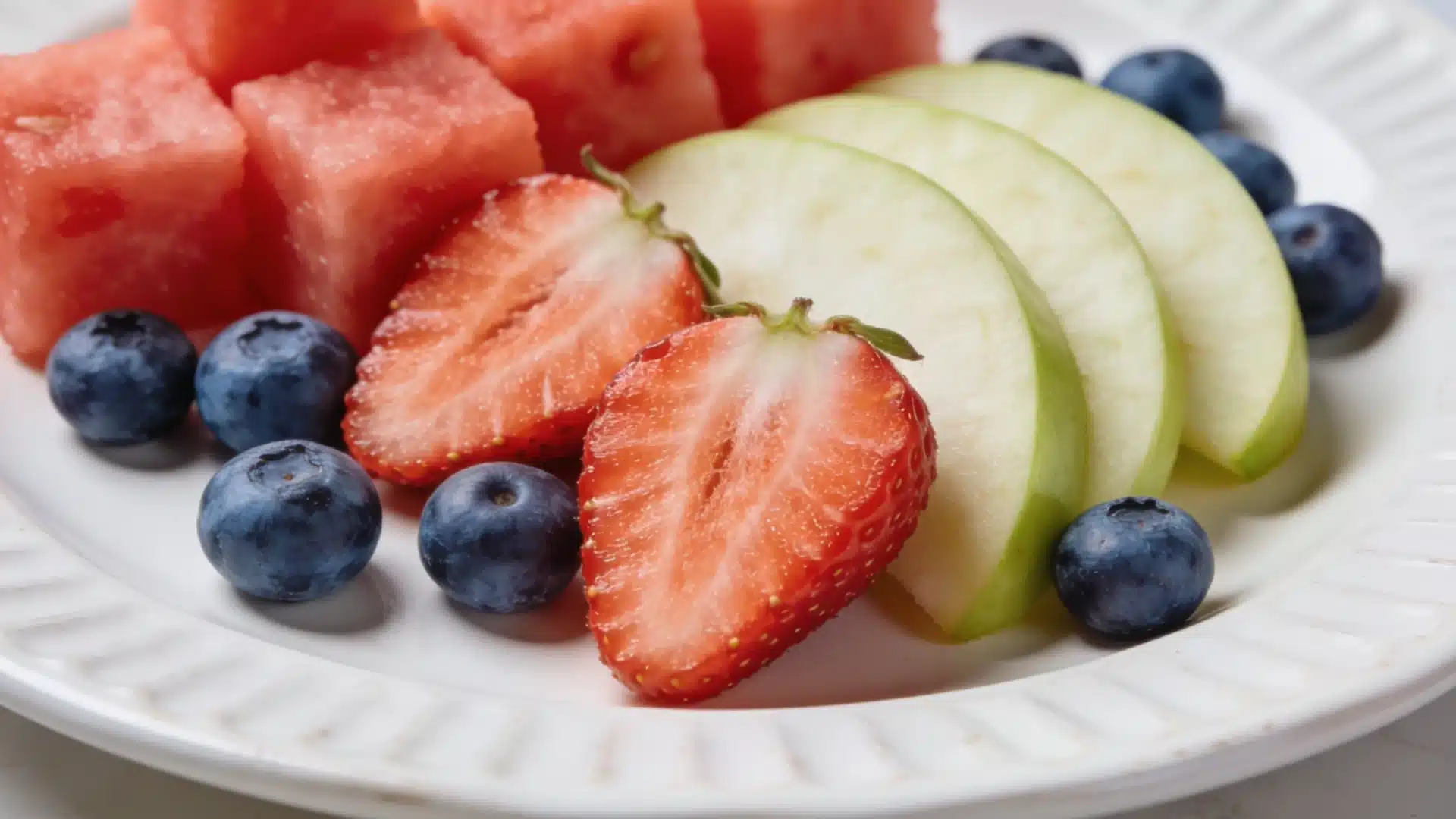
Fruit is where moderation really matters. The sugar content in most fruits is too high for daily feeding, but a small piece a few times a week is fine for healthy adult guinea pigs.
- Strawberries: A favorite across pretty much every piggy household. Rich in vitamin C and usually irresistible.
- Apple slices (seeds removed): Always remove the seeds before offering. A small wedge is a good portion size.
- Blueberries: Tiny, easy to portion, and packed with antioxidants. One or two at a time is enough.
- Watermelon: A hydrating summer treat. Offer a small seedless piece without the rind.
In my work advising pet parents on small animal diets, one of the most common mistakes I see is treating fruit as a daily staple rather than an occasional reward.
For more ideas on what healthy snacks look like for small pets, you should know that some safe snacks for small animals apply to hamsters as well.
Product recommendation: Kaytee Forti-Diet Wellness Snack with Timothy Hay and Vitamin C is a convenient store-bought option that pairs hay fiber with added vitamin C. It’s a good backup on days when fresh produce is running low.
3. Safe Herb and Dried Treats
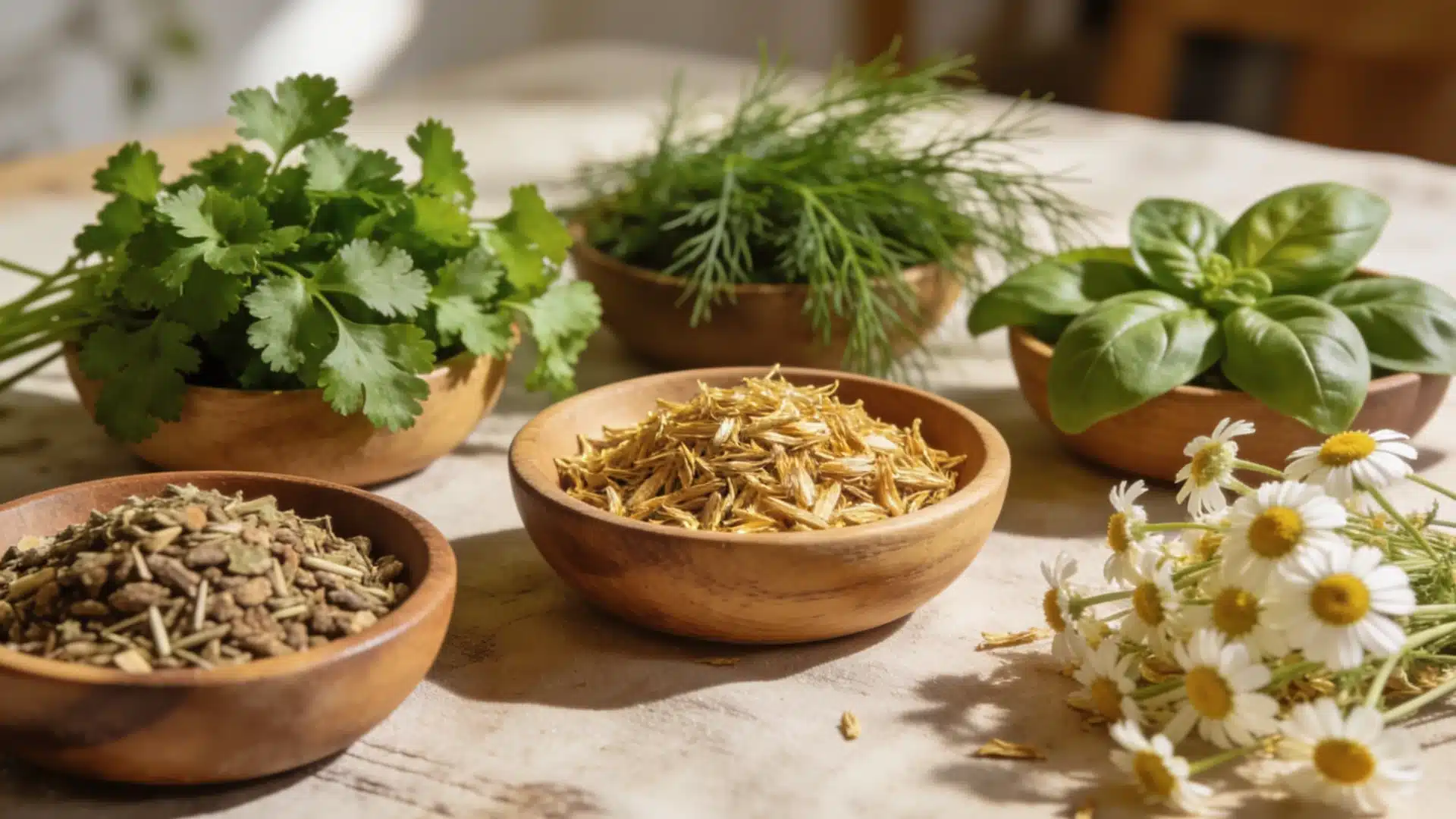
Fresh herbs are one of the most underrated treats in the guinea pig world. They’re low in sugar, easy to source, and most cavies respond to them with immediate excitement.
Fresh herbs to try:
- Parsley: Guinea pigs often love parsley, but offer small portions because calcium and oxalates may raise bladder risk over time.
- Cilantro: Cilantro is lower in calcium than parsley, usually well liked, and works nicely as a regular fresh herb treat option.
- Dill: Dill has a mild, fragrant flavor, so a tiny sprig can add variety without overwhelming your guinea pig’s meal routine.
- Basil: Basil leaves bring fresh flavor and variety, making them a simple rotation choice when served clean and in small amounts.
Dried herbs and forage mixes are also worth keeping on hand.
Foraging is a natural behavior for guinea pigs, and scattering dried chamomile, dried nettle, or a forage mix through their hay gives them something to sniff out and interact with, rather than just eating from a bowl.
Product recommendation: Oxbow Simple Rewards Baked Treats with Bell Pepper & Carrot is a clean, vet-recommended option made with real vegetables and no artificial additives. Guinea pigs tend to love them, and the ingredients list is short and honest.
4. Safe Store-Bought Treats
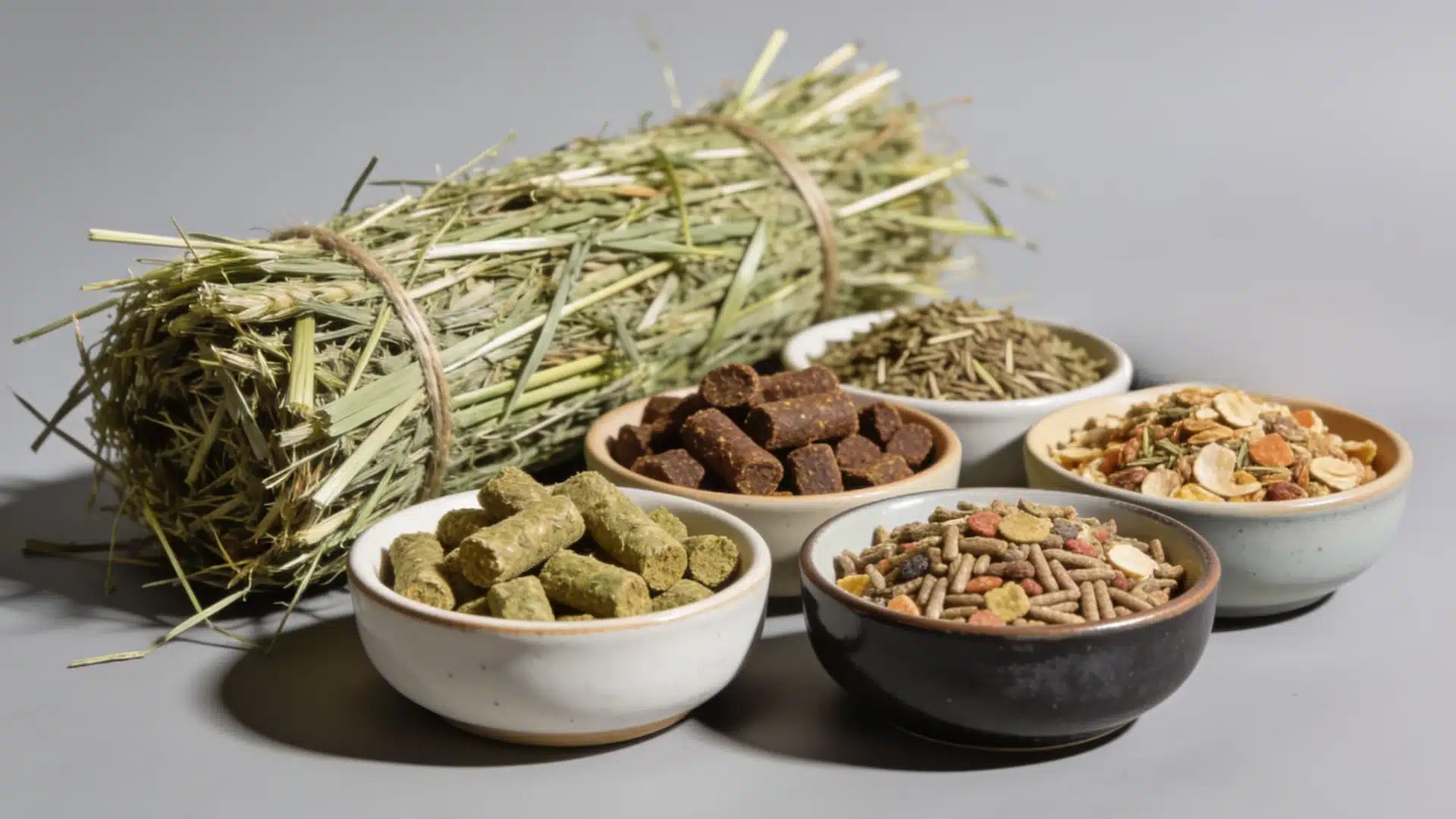
The pet aisle is full of brightly colored treats marketed at guinea pigs, and a lot of them are better left on the shelf.
Yogurt drops, sugary pellet bars, and dyed puffed treats are common offenders. They tend to be high in sugar, contain dairy (which guinea pigs can’t digest properly), and offer little nutritional value.
When you’re reading a label, here’s what actually matters:
- Short ingredient list: If you can’t pronounce half of it, put it back. Real food treats have real food ingredients.
- No added sugar: Sugar should not appear in the first several ingredients. Treat it as a deal-breaker.
- No dairy: Guinea pigs are lactose intolerant. Yogurt drops and cream-based treats are a no.
- No artificial dyes or preservatives: These add color and shelf life for the retailer, not value for your piggy.
Good commercial options worth keeping on the shelf include:
- Oxbow Natural Science Vitamin C Supplement: Shaped like a small cookie and often recommended by exotic vets. A half tablet daily for a healthy adult is a common recommendation from exotic vets.
- Kaytee Timothy Biscuits Baked Treats: Timothy hay-based with real fruit. Simple ingredients, good fiber content, and a texture that helps with dental wear.
Treats for Guinea Pigs that are a Red Flag
Some foods that seem harmless, or that you’d eat yourself without thinking twice, can be genuinely dangerous for guinea pigs.
A few are mildly problematic in large amounts; others are toxic even in small doses. The list below covers the most common risks that every cavy owner should know about.
| Food | Why It’s Unsafe |
|---|---|
| Chocolate | Toxic to guinea pigs. No exceptions, never offer it, even in tiny amounts. |
| Dairy Products | Guinea pigs are lactose intolerant. Cheese, milk, yogurt, and other dairy-based treats can cause serious digestive upset. |
| Onions and Garlic | Members of the Allium family that contain compounds capable of damaging red blood cells and causing anemia, even in small amounts. |
| Avocado | Contains persin, a natural fungicidal toxin that can be harmful to guinea pigs and other small animals. |
| Rhubarb | Highly toxic. Both the leaves and stalks should be avoided entirely. |
| Iceberg Lettuce | Not poisonous, but it provides very little nutritional value and may cause diarrhea due to its high water content. |
| Bread and Grains | Processed carbohydrates are unnecessary for guinea pigs and can disrupt the healthy balance of bacteria in the digestive tract. |
| Dried Fruit | Contains concentrated sugar levels that can contribute to obesity, digestive issues, and dental problems. |
| Grass Clippings from a Mower | Ferment rapidly after cutting and may contain toxic weeds or contaminants. Only fresh, hand-picked grass is considered safe. |
Disclaimer: If you suspect your guinea pig has eaten something harmful, contact an exotic vet promptly. Guinea pigs can decline quickly, and waiting to see how it plays out is not a safe approach.
How Often Should You Give Treats?
Treats work best when they’re occasional enough to feel special and frequent enough to build routine. A simple way to think about treats is to divide them into three categories.
Fresh vegetables can be offered daily (or nearly every day) in small portions alongside unlimited hay and measured pellets. If you use a vitamin C supplement, such as tablets, a half tablet daily is appropriate.
Fresh herbs can be offered several times per week and are a great way to add variety. Rotating different herbs helps prevent your guinea pig from getting too much of any one nutrient.
Treat foods should be given more sparingly. Fresh fruit is best limited to two or three times per week, with each serving about the size of your thumbnail.
Commercial baked or dried treats should be reserved for one or two times per week and should make up only a small part of the overall diet.
Simple Rule of Thumb: Daily = vegetables (and vitamin C if used) → Weekly = herbs → Occasional = fruit and commercial treats.
When introducing any new food, start with a very small piece and wait 24 hours before offering more. Guinea pigs have sensitive digestive systems, and a sudden addition to the diet can cause loose stools or bloating. If anything looks off, pull that food and try again after a week.
Conclusion
Treats for guinea pigs don’t need to be complicated. Stick to fresh vegetables as your everyday go-to; save fruit for a few times a week; rotate herbs for variety; and read every commercial treat label before it goes in the cage.
The short version: real food beats packaged treats almost every time, and keeping sugar intake low keeps your cavy healthy in the long term.
The most important thing is that the treatment time stays a positive moment, not an anxious one.
When you know what’s safe and what to skip, that little wheek at the fridge stops being stressful and starts being one of the best parts of your day.
What’s your guinea pig’s all-time favorite treat? Drop it in the comments. We’d love to build the ultimate piggy snack list together.
Frequently Asked Questions
Can Guinea Pigs Eat Carrots Every Day?
No. Carrots are safe but high in natural sugars, so they’re best offered as an occasional treat. A few small pieces, two to three times per week, are usually enough.
Are Pea Flakes Safe for Guinea Pigs?
Yes, in moderation. Pea flakes are a popular training treat, but their high protein content means only a few flakes per day should be given.
Can Baby Guinea Pigs Have the Same Treats as Adults?
Not always. Young guinea pigs should mainly eat alfalfa hay, pellets, and leafy greens. Fruits and sugary treats are best introduced when they’re older.
Do Store-Bought Guinea Pig Treats Contain Added Vitamins?
Some do, especially vitamin C. However, fresh vegetables remain the most reliable source since vitamins in packaged treats can degrade over time.