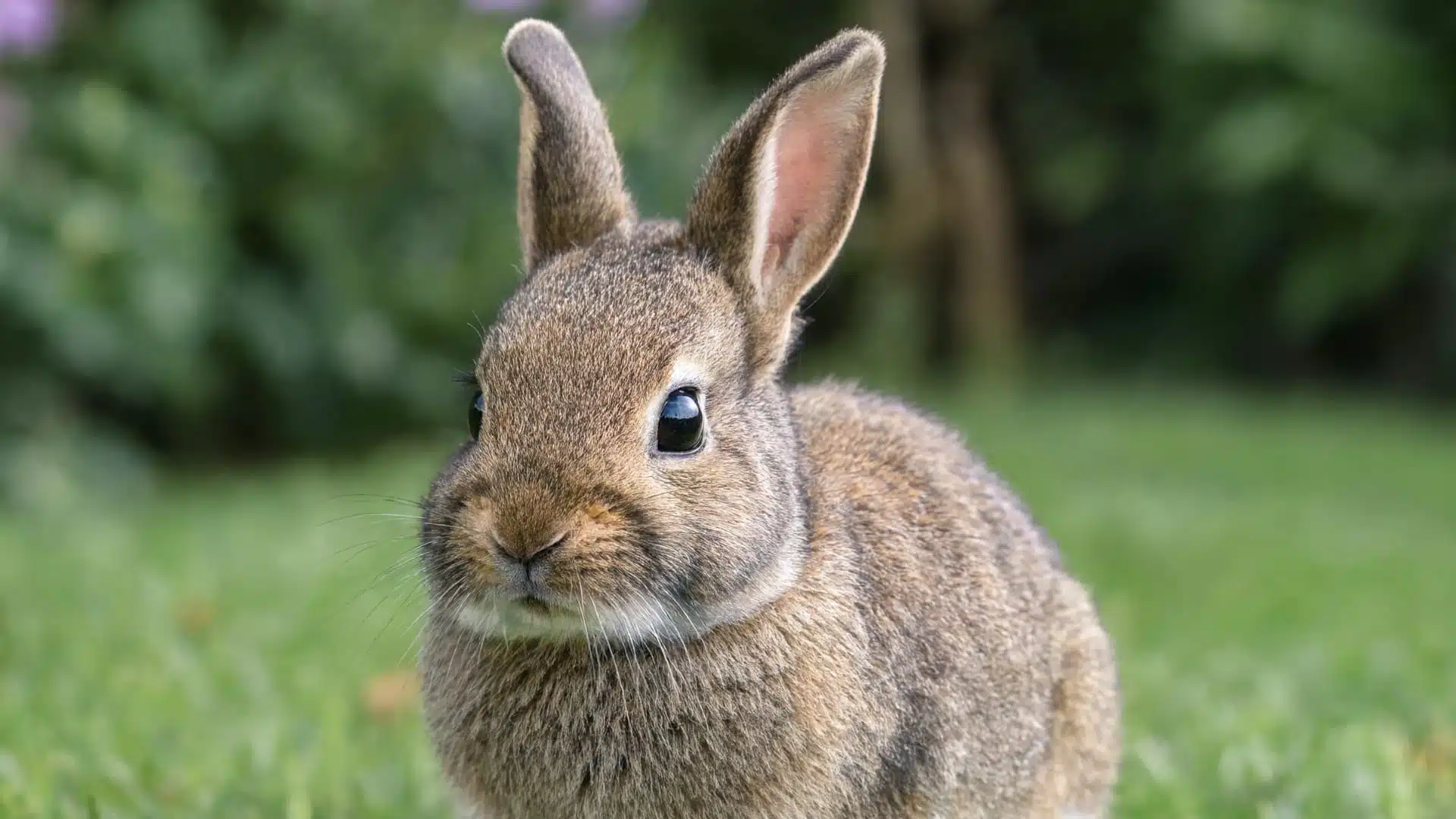
Most people think they know their rabbit pretty well.
They learn the feeding schedule, figure out the favorite spot, and call it done. But rabbits are quietly one of the most misunderstood pets out there.
Beneath the twitching nose and fluffy exterior is an animal with a complex biology, a real emotional life, and a set of behaviors that most owners never fully decode.
After years of working with rabbits in a clinical setting, I can tell you the gap between what owners assume and what is actually going on is wider than most expect.
This blog walks you through some of the most surprising, lesser-known, and genuinely useful bunny facts.
What Makes Rabbits Unique as Pets
Rabbits occupy a genuinely different space from cats and dogs.
They’re social and emotionally responsive, yet they communicate through body language rather than sound, which means most of their inner life goes unnoticed by owners who aren’t looking for it.
Unlike dogs, they don’t crave being picked up, and unlike cats, they thrive on a companion of their own kind.
They’re also prey animals by nature, which shapes everything from how they show affection to how they hide pain.
Understanding that difference is what separates a rabbit that merely survives in a home from one that genuinely thrives in it.
Surprising Bunny Facts About Behavior
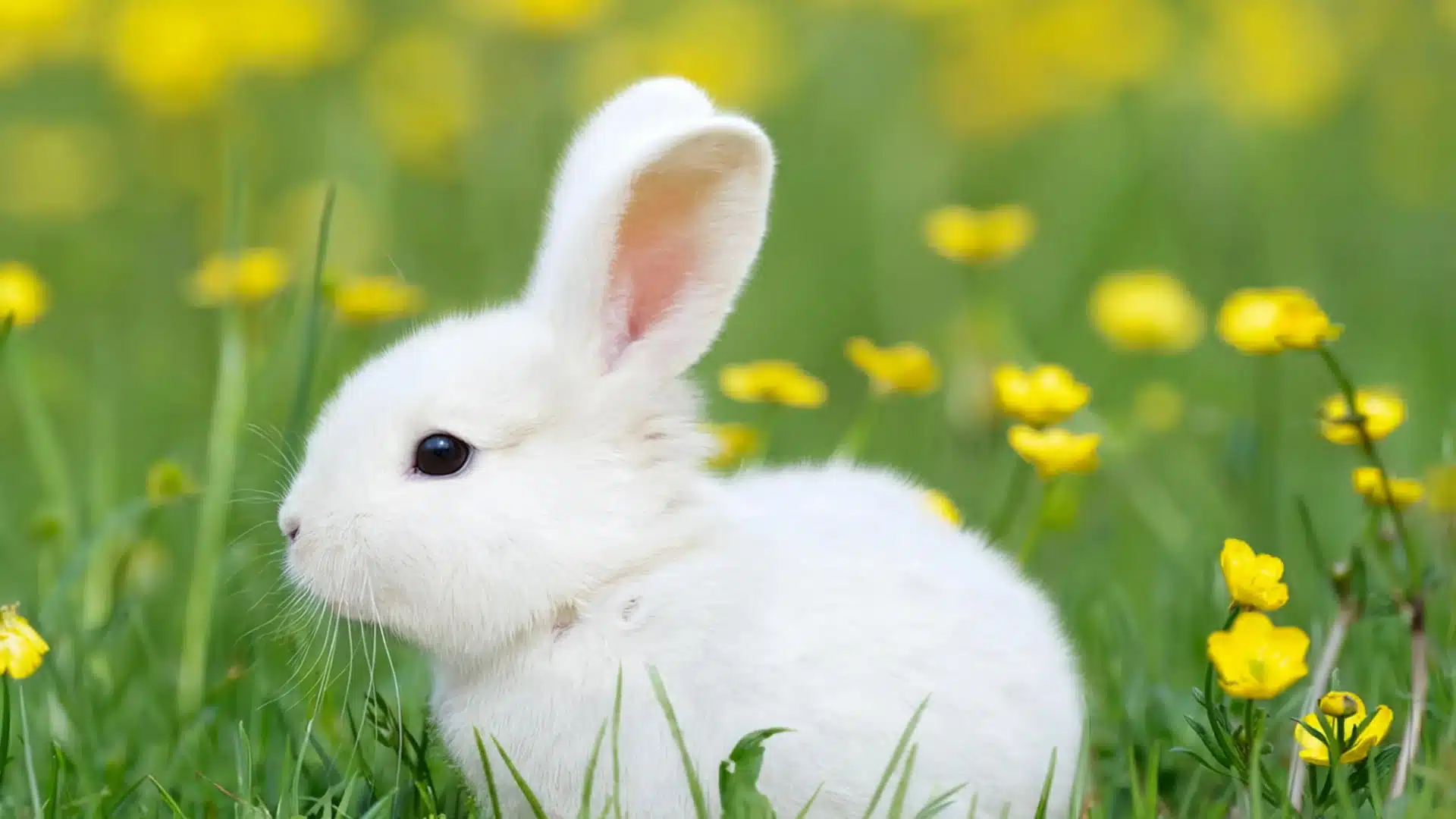
Rabbits have a rich emotional world that most owners only scratch the surface of. Understanding how they communicate, socialize, and express feelings makes a real difference in how you bond with them.
1. They “binky” to Show Pure Joy
If you’ve ever watched your rabbit leap into the air, twist sideways, and land like nothing happened, you just witnessed a binky.
It’s a full-body expression of happiness, and it’s one of the most delightful things a rabbit does. Binkies happen when a rabbit feels genuinely safe and content in its space.
A half-binky, which is just a quick flick of the head and ears, counts too. If your rabbit binkies around you, that’s about as clear a compliment as a prey animal will ever give.
2. Rabbits are Most Active at Dawn and Dusk
Rabbits are most active at dawn and dusk, a pattern called crepuscular behavior.
In the wild, those low-light windows offer enough visibility to forage while making it harder for predators to spot prey.
Your pet rabbit still runs on that internal clock, which explains the evening zoomies you didn’t ask for.
Setting up a comfortable, well-structured bunny cage setup that suits their natural activity rhythm makes a real difference in how settled and happy they stay throughout the day.
3. Their Ear Position is a Mood Ring
A rabbit’s ears say more than most people realize. Both ears forward and upright mean calm and curious. Ears rotating outward signal rising tension.
Ears pulled flat against the back mean genuinely annoyed or frightened.
Learning to read ear language is one of the fastest ways to tune into how your rabbit is actually feeling, especially since rabbits are subtle about distress and won’t make a fuss the way a dog would.
4. They Can Get Lonely and Depressed
Rabbits are social animals. In the wild, they live in colonies with established social structures, and that need for company doesn’t disappear in a home environment.
A rabbit left alone for long stretches can become withdrawn, lose interest in food, and stop engaging with its space.
These are real signs of depression, not just a quiet personality.
Providing rabbit toys for enrichment and regular interaction helps, but a bonded rabbit companion is often the most effective solution for a lonely bunny.
5. Thumping is Their Alarm System
That loud, deliberate thump with the back legs is not your rabbit being dramatic about dinner being late. In the wild, a thump sends a ground vibration through the warren, alerting the whole group to potential danger.
Pet rabbits still use it the same way. If yours thumps at something you can’t see or hear, it’s worth paying attention.
Their senses, particularly hearing and smell, pick up things we simply miss.
Surprising Rabbit Biology Facts

A rabbit’s body is built for survival in ways that look almost engineered. These lesser-known biology facts explain a lot of the quirky things your rabbit does every single day.
6. Their Teeth Never Stop Growing
All of a rabbit’s teeth grow continuously throughout their life, a dental structure called hypsodont dentition.
In a home environment, hay needs to make up the bulk of their diet for exactly this reason. Without enough roughage, the teeth overgrow.
Dental problems are among the most common health issues I see in pet rabbits, and almost all of them trace back to diet.
Pairing a hay-heavy diet with a good litter training routine also helps keep their living space clean and healthy.
7. They Eat a Special Type of Their Own Poop
This one surprises almost everyone the first time they see it.
Rabbits produce two types of droppings: the dry, round pellets you’re familiar with and soft, dark, cluster-like pellets called cecotropes.
Cecotropes are nutrient-rich droppings rabbits eat to absorb extra vitamins, minerals, and protein.
It’s a genuinely efficient system, even if it takes some getting used to as an owner.
8. Rabbits Cannot Vomit
The rabbit’s digestive tract moves in one direction only. Physically, the muscles aren’t arranged to allow reverse movement the way they are in cats or dogs.
The more serious consequence of this anatomy is that gastrointestinal stasis, where the gut slows down or stops, becomes a medical emergency fast.
A rabbit that stops eating or passing droppings needs vet attention the same day.
9. They Have Near-360° Vision with One Blind Spot
A rabbit’s eyes sit on the sides of its head, giving it a field of vision that covers nearly 360 degrees.
That’s an extraordinary amount of visual coverage for detecting movement from almost any angle.
The trade-off is that they have very limited depth perception and struggle to focus on things directly in front of their nose.
10. They Have Two Sets of Upper Incisors
Most people know rabbits have prominent front teeth.
What’s less known is that directly behind those two large incisors is a second, much smaller pair called peg teeth.
This double-incisor structure is the anatomical feature that officially distinguishes rabbits from rodents, which have only one set.
Rabbits belong to the order Lagomorpha, and the peg teeth are one of the defining characteristics of that group.
Fun Facts About Bunnies Every Owner Should Know

Some rabbit traits seem ordinary at first glance but turn out to be far more interesting once you understand what’s actually going on. These last three facts are the ones that tend to genuinely catch people off guard.
11. Rabbits Groom Themselves Like Cats
Rabbits lick their paws and clean their face and ears throughout the day, much like a cat would. This is a sign of a healthy, settled rabbit.
What owners often don’t realize is that bathing them is genuinely risky.
Rabbits can go into shock when wet, and the stress alone can cause serious harm.
There is also a risk of hypothermia if the rabbit stays damp, and wet fur can lead to flystrike in warmer months. A damp cloth on a soiled spot is always the safer choice.
Note: Never bathe a rabbit unless specifically instructed by a veterinarian. This is a health and safety issue, not a preference.
12. Their Ears Regulate Body Temperature
Those long ears do far more than pick up sound. A dense web of blood vessels runs just beneath the surface, radiating body heat into the air when temperatures rise.
It’s essentially a built-in cooling system.
This is also why ear health matters more than most owners expect; an infection or injury there can affect a lot more than your rabbit’s hearing.
13. They Can Jump Over 3 Feet High
Those powerful hind legs aren’t just for binkies. Rabbits can clear heights that catch even experienced owners off guard.
The world high-jump record for a rabbit stands at 39.2 inches, set by a rabbit named Mimrelunds Tosen in Denmark.
Domesticated rabbits can also reach speeds of up to 18 mph in short bursts and clear up to nine feet horizontally in a single leap.
Many pet rabbits routinely clear baby gates and low fences with little effort, which helps explain many of the great escapes people don’t see coming.
Signs Your Rabbit is Happy and Healthy
Once you know what to look for, a content rabbit is pretty easy to read. Here are seven signs that tell you your bunny is doing well.
- Binkying: Spontaneous mid-air leaps and twists mean your rabbit feels genuinely safe and happy in its environment.
- Relaxed posture: A rabbit flopped on its side or stretched out flat is deeply comfortable, not unwell. First-timers often panic at this, but it’s actually a great sign.
- Steady appetite: Consistent eating and normal volume of dry droppings throughout the day indicate a healthy, well-functioning digestive system.
- Active grooming: Regular self-grooming and grooming of you or a bonded rabbit companion show comfort and a settled state of mind.
- Curious exploration: A rabbit that actively investigates its space, sniffs around, and nudges objects is mentally engaged and not stressed.
- Purring while being petted: Soft tooth-grinding during gentle handling signals contentment, similar to a cat’s purr, and means your rabbit is enjoying the contact.
Conclusion
Rabbits are genuinely surprising animals. They are far more complex than they seem.
The biology is unusual, the emotional life is real, and the gap between what most people assume about them and what’s actually going on is wider than most pet owners expect.
Knowing your rabbit can get depressed matters. Their growing teeth and warning thumps also change daily care.
It also makes you a better owner, even if it starts with nothing more than curiosity.
The more you understand their behavior, the easier it becomes to notice small changes before they turn into real problems.
Got a bunny fact that surprised you when you first learned it? Drop it in the comments.
Frequently Asked Questions
How Long Do Rabbits Live as Pets?
With proper care, pet rabbits typically live between 8 and 12 years. Spayed or neutered rabbits tend to live longer and experience fewer health complications. Regular vet checkups and a hay-heavy diet go a long way toward a longer, healthier life.
Are Rabbits Good Pets for Children?
Rabbits can be wonderful family pets, but they’re better suited to calm, patient children rather than very young kids. Rabbits don’t enjoy being picked up and held the way cats or dogs do, and an accidental drop can injure them.
What is a Group of Rabbits Called?
A group of rabbits living together is called a colony or a herd. When they live in an interconnected underground tunnel system, that network is called a warren. A male rabbit is a buck, a female is a doe, and a baby rabbit is a kit or kitten.