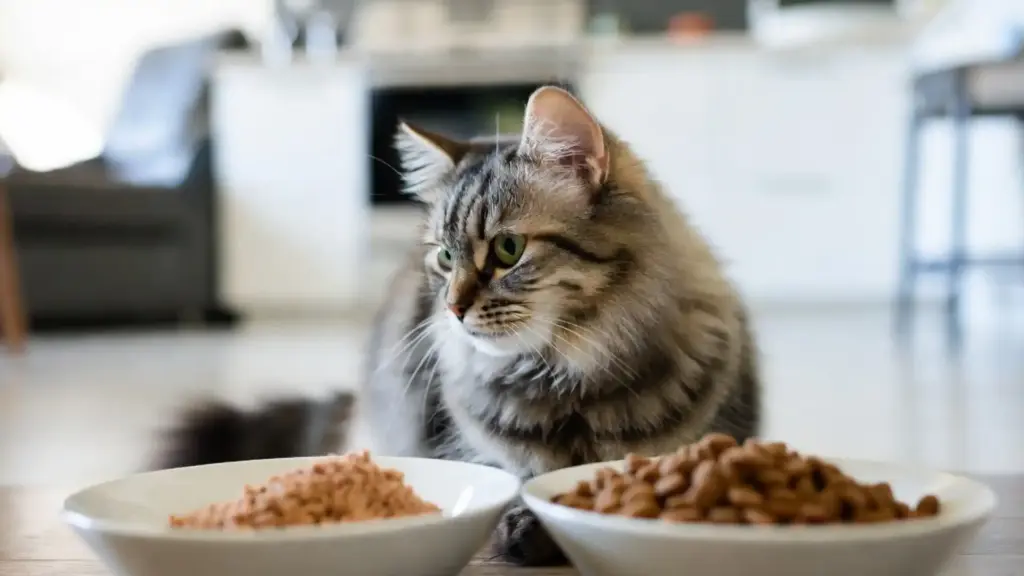
Cat feeding choices often seem straightforward until the wet vs. dry debate becomes relevant.
Many pet owners look for clear guidance on what truly supports long-term health without complicating daily routines.
What appears like a simple decision quickly turns into questions about hydration, nutrient balance, and eating habits.
Moisture levels, food quality, and how cats naturally behave around food all play a role in shaping the right approach.
Small differences in diet can lead to noticeable changes over time, especially in indoor cats.
This guide clarifies the confusion by breaking down what research shows and combining it with over a decade of hands-on experience working with cat owners and their everyday feeding challenges.
Is Wet Food Better for Cats?
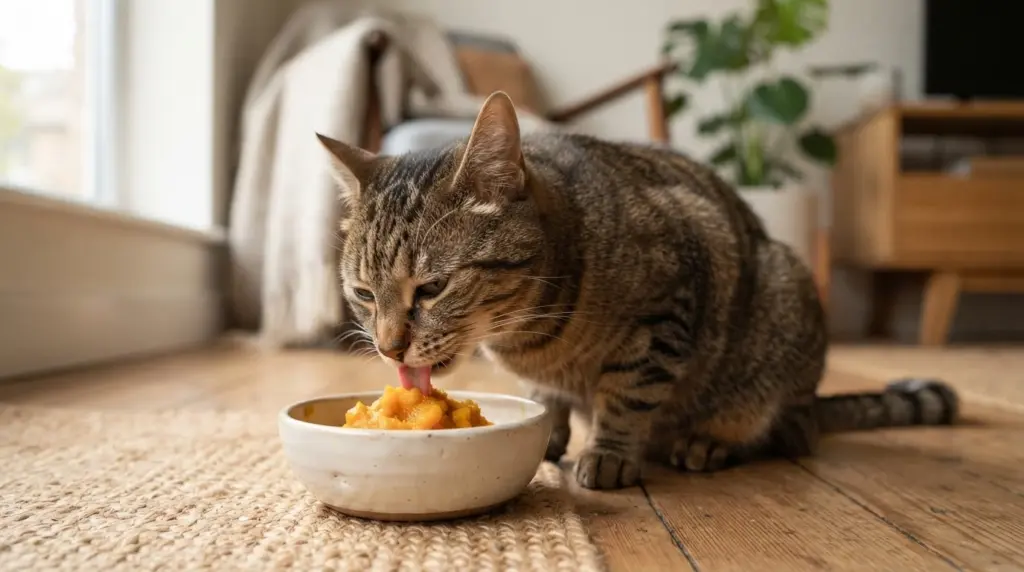
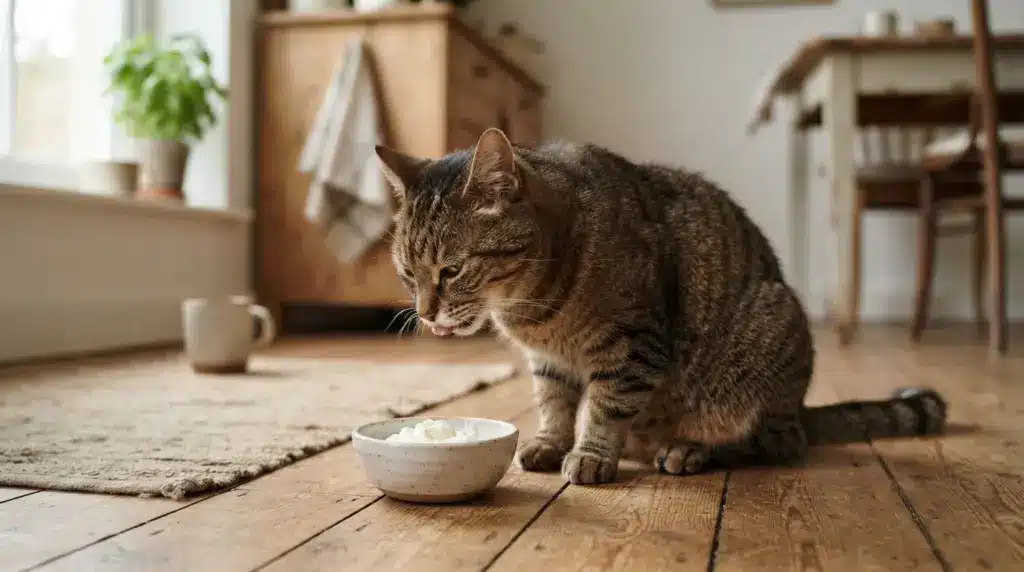
Wet food is often better for cats, especially for hydration and urinary health, but it depends on the cat’s needs.
Most cat owners don’t think much about food choices at first. Everything seems fine until a problem shows up.
A urinary issue, sudden weight gain, or water intake can change that quickly, and that’s when the choice between wet food and dry food starts to matter.
From real-life observation, one thing becomes clear. There is no one option that suits every cat.
Each cat has different needs based on age, lifestyle, and health, but some patterns are easy to notice.
Cats that need more hydration often do better with wet food, and the higher moisture helps support kidney and urinary function.
Some cats stay healthy on dry food, too. This works when portions are controlled, and the food quality is good.
Do Cats Really Need Wet Food?
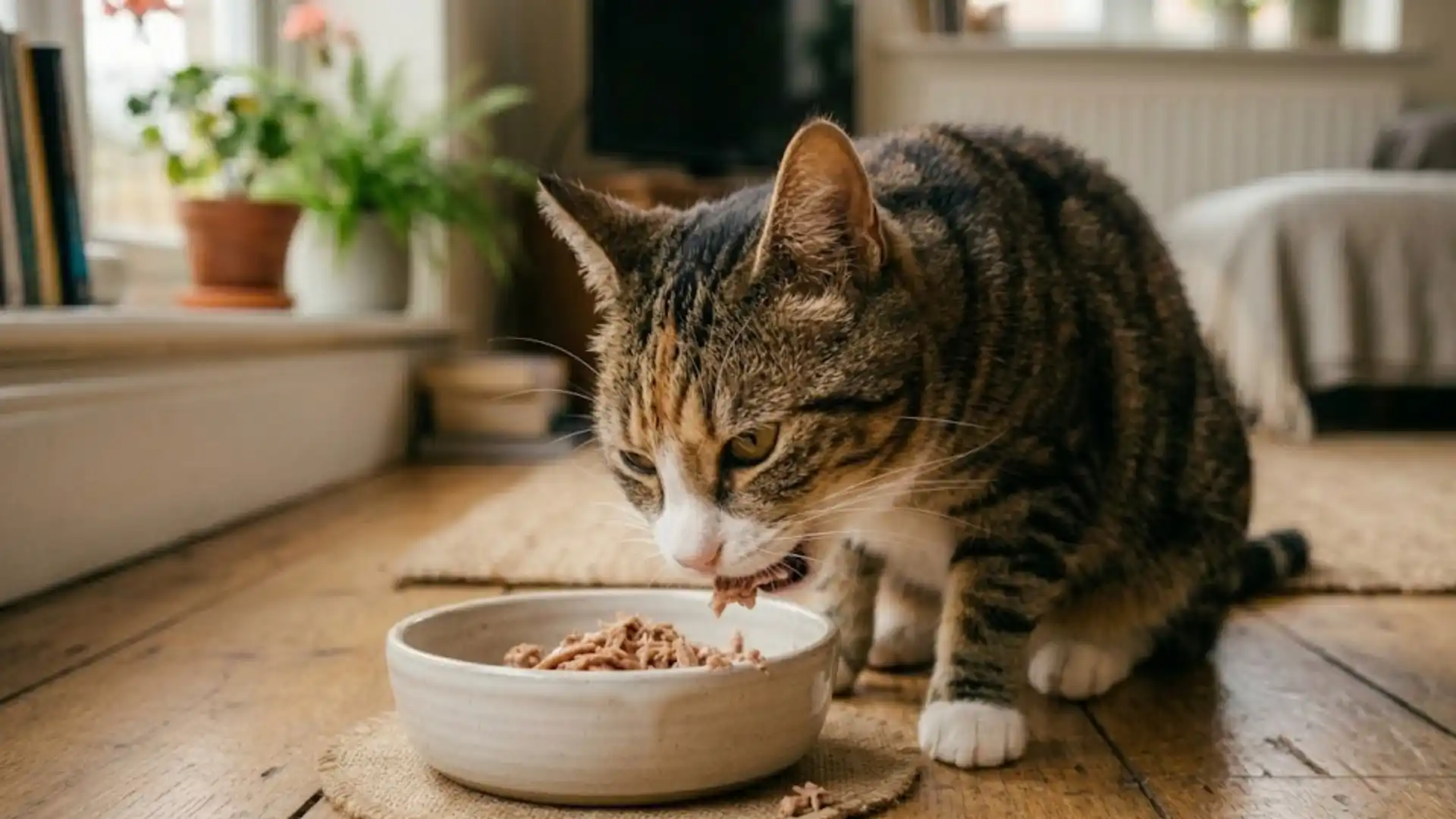
Cats do not require wet food if they are eating a complete and balanced diet and drinking enough water.
Veterinary guidance consistently supports this point. That said, wet food plays a valuable role in many cases.
Most cats naturally have a low thirst drive. In the wild, they get moisture from prey. Dry food does not provide the same water content, so hydration depends entirely on drinking habits
Dry cat food contains approximately 10% water; wet food contains up to 70–80%.
According to Cornell University College of Veterinary Medicine, cats should consume roughly 4 oz of water per 5 lbs of lean body weight daily. This makes the hydration gap concrete for the reader.
When Wet Food Becomes Important
- Cats that rarely drink water
- Cats prone to urinary or kidney issues
- Older cats with dental problems
- Picky eaters who avoid dry food
Wet food is not essential, but it often improves overall health. A mix of wet and dry food works well for many households.
What Vets Actually Say about wet and dry cat food
Most veterinarians don’t pick a universal winner between wet and dry food.
However, they consistently recommend moisture-rich diets for cats with urinary issues, kidney disease, diabetes, or obesity, conditions where hydration directly affects outcomes.
In my experience consulting with veterinary clinics in California, the most common recommendation I’ve heard from vets is not “feed wet food” or “feed dry food.”
It’s “know your individual cat.” A 3-year-old indoor cat with no health issues is a very different case from a 9-year-old cat with early kidney changes.
Who Should Definitely Feed Their Cat Wet Food
Not every cat requires wet food, but certain cats benefit far more than others. This section helps identify when it becomes the smarter choice.
1. Cats With Low Water Intake: Cats that rarely drink water are at higher risk of dehydration. Wet food provides moisture directly with each meal.
2. Cats With Urinary or Kidney Issues: Cats prone to urinary crystals or kidney problems benefit from higher moisture intake. Wet food helps dilute urine and supports urinary health.
3. Senior Cats (7+ Years): Older cats may struggle with chewing dry food. Wet food is easier to eat and supports hydration. Helps maintain appetite as activity levels change.
4. Overweight or Less Active Cats: Wet food has a lower calorie density compared to dry food. Helps cats feel full without overeating. Supports better weight control over time.
5. Picky Eaters: Cats that refuse dry food often respond better to wet food. Strong aroma and texture encourage consistent eating. Helps prevent skipped meals and poor nutrition.
Wet Food vs Dry Food: Nutrition at a Glance
This comparison highlights one of the biggest differences between wet and dry cat food: moisture and calorie density. Wet food contains significantly more water, which helps support hydration. On the other hand, dry food contains higher carbohydrate content.
| Nutrient | Wet Food (avg) | Dry Food (avg) |
|---|---|---|
| Moisture Content | 70–80% | 6–10% |
| Protein (dry matter) | 40–50% | 28–35% |
| Fat | 20–30% | 10–20% |
| Carbohydrates | 2–10% | 30–50% |
| Calories per 100g | ~80–100 kcal | ~340–400 kcal |
Key Reasons to Choose Wet Food for Your Pet
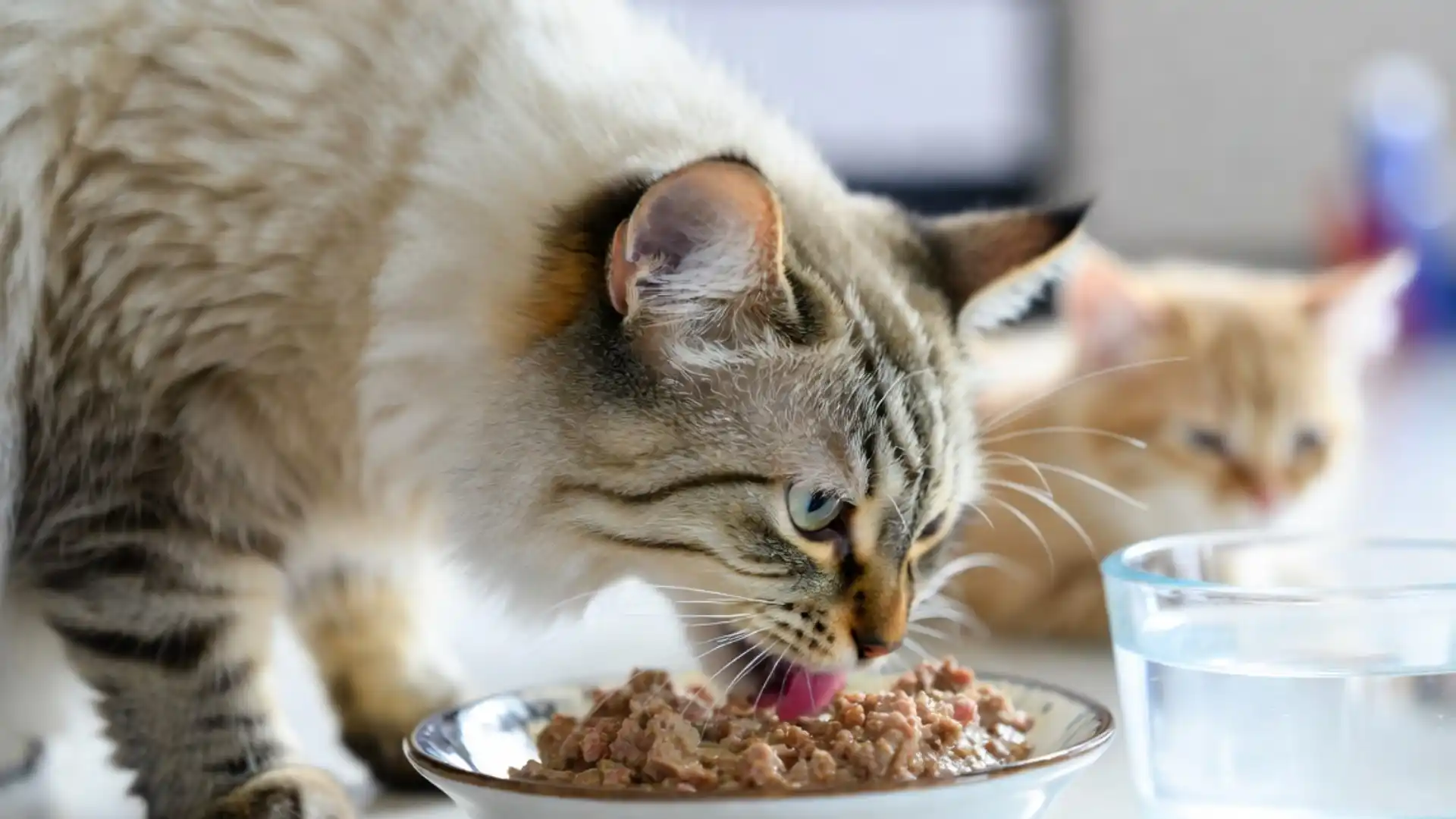
If you’re trying to decide whether wet food is better for cats or if it’s something your cat truly needs, most veterinarians point to a few consistent advantages. These benefits are not just preference-based; they directly support a cat’s health in practical ways.
1. Supports Hydration and Urinary Health
Cats are not naturally strong drinkers, which means they often do not consume enough water on their own. Wet food helps solve this by adding moisture directly into their diet, increasing daily fluid intake without effort.
This added hydration plays an important role in supporting kidney function and reducing the risk of urinary issues such as crystals or blockages.
2. Higher Protein and Lower Carbohydrates
Wet food is generally closer to what cats would eat in a natural setting. It tends to contain more protein and fewer fillers, which supports muscle maintenance and overall energy levels.
Since cats are obligate carnivores, a protein-rich diet better aligns with their biological needs.
3. Helps with Weight Management
Portion control becomes easier with wet food because it typically has lower calorie density. Cats can eat a satisfying amount without consuming excess calories, which helps maintain a healthy weight over time.
This can be especially useful for indoor cats or those prone to weight gain.
4. Easier to Eat and Digest
The soft texture of wet food makes it a practical choice for many cats. It works well for kittens that are still developing, older cats with reduced chewing ability, and pets dealing with dental concerns.
In addition, the softer consistency is often gentler on the digestive system.
5. More Appealing and Encourages Eating
Some cats can be selective with their meals. Wet food tends to have a stronger aroma and a texture that many cats prefer, which can encourage consistent eating.
This is especially helpful for picky eaters or cats that occasionally lose interest in food.
Wet vs Dry Cat Food: Pros, Cons & Balance
When Evaluating Better Food for Cats, It’s Important to Look Beyond Just the Benefits. Wet Food Offers Significant Advantages in Hydration and Taste. At the same time, Dry Food Remains Popular. A Clear Comparison Helps Create a More Realistic Feeding Approach.
| Factor | Wet Cat Food (limitations) | Dry Cat Food (why It Still Matters) |
|---|---|---|
| Cost per Meal | More Expensive per Serving, Especially for Multiple Cats | More Budget-Friendly for Daily Feeding |
| Shelf Life | Spoils Quickly After Opening, Must Be Used Fast | Long Shelf Life when Stored Properly |
| Storage Needs | Requires Refrigeration After Opening | No Refrigeration Needed, Easy Storage |
| Feeding Convenience | Needs Scheduled Feeding and Portion Control | Can Be Left out for Grazing or Used in Feeders |
| Cleanup & Maintenance | Bowls Need Frequent Cleaning Due to Residue and Odor | Minimal Cleanup Required |
| Dental Impact | No Chewing Resistance, Limited Dental Support | Crunchy Texture May Help Reduce Plaque Slightly |
| Food Waste | Uneaten Portions Often Go to Waste | Less Waste Due to Longer Usability |
| Best Use Case | Hydration, Picky Eaters, Health-Focused Feeding | Convenience, Budget, and Flexible Feeding Routines |
Benefits of Wet Cat Food for Overall Health
Wet cat food offers more than just taste. It supports hydration, nutrition, and daily eating habits in ways that can make a real difference over time. These advantages become especially noticeable in indoor cats and those with specific health needs.
- Improves daily hydration: Cats often do not drink enough water on their own. Wet food increases fluid intake naturally, helping maintain proper hydration without relying on drinking habits.
- Supports urinary and kidney function: Higher moisture levels help dilute urine, which can reduce the risk of common urinary issues such as crystals or blockages.
- Helps with weight control: Lower calorie density allows cats to eat satisfying portions without overeating. This supports healthier weight management, especially for indoor cats.
- Easier to chew and digest: Soft texture works well for kittens, older cats, and those with dental concerns. It is also easier on the digestive system.
- Encourages better eating habits: Stronger aroma and texture make wet food more appealing. This helps picky eaters stay consistent with their meals.
How to Choose the Right Wet Food for Your Cat
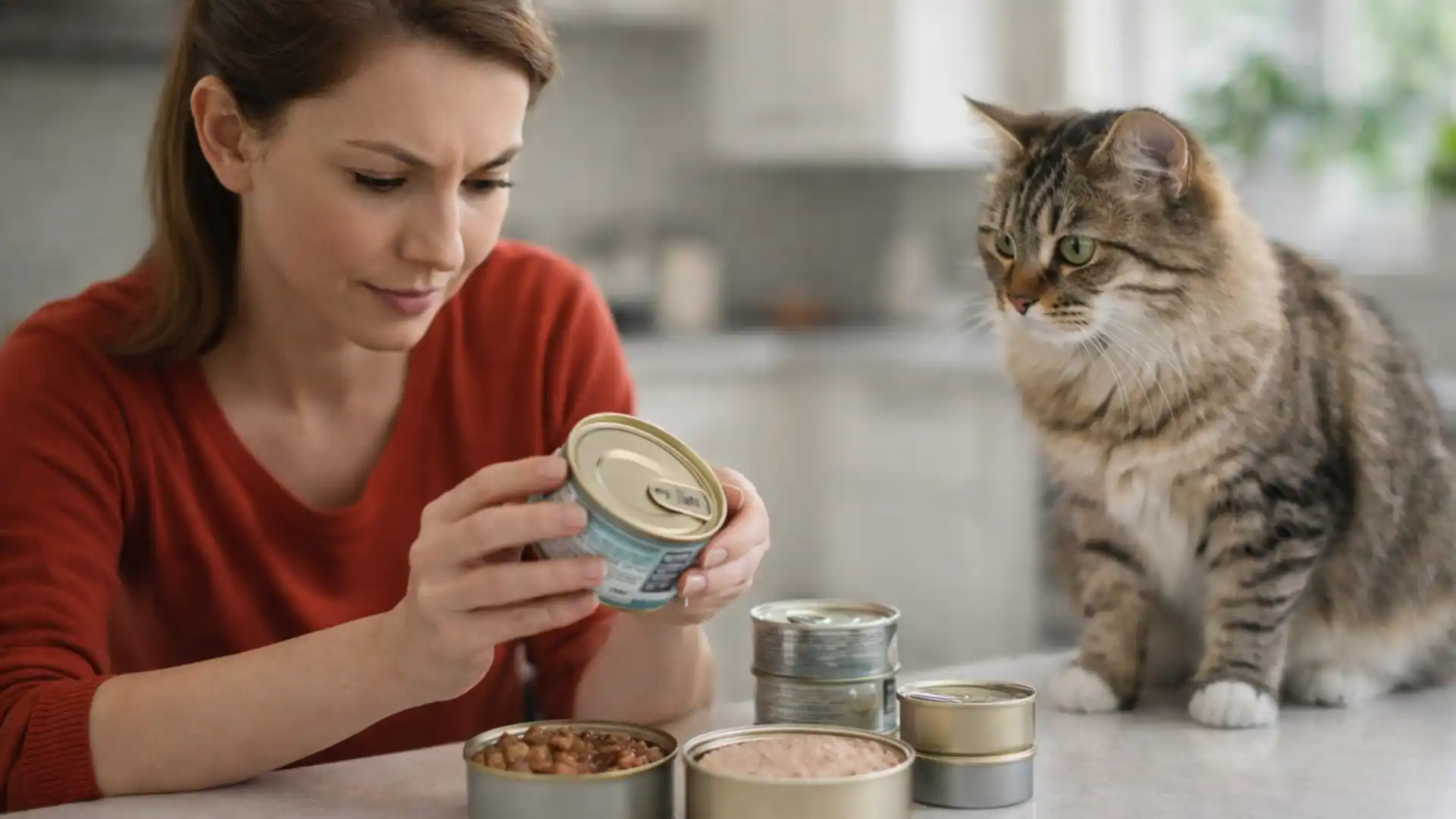
Choosing the right product matters just as much as the feeding method. Not all wet cat foods provide the same level of nutrition.
Start by checking for an AAFCO label, which confirms the food is complete and balanced for your cat’s life stage. Next, prioritize animal protein; the first ingredient should always be a named meat source such as chicken, fish, or turkey.
Avoid low-quality fillers such as excessive carbohydrates or plant-based proteins, which do not align with a cat’s obligate carnivore biology.
When I review labels with clients, one of the first things I look for is whether the protein source is named or vague. “chicken” as the first ingredient is very different from “poultry by-product meal.”
The more specific the label, the more transparent the brand tends to be about quality.
If you want a deeper look at high-protein cat food options worth considering, a detailed breakdown can help narrow the choices
Common Mistakes Cat Owners Make
Many cat owners follow routines that seem correct but can quietly affect a cat’s health over time. Understanding these common mistakes helps ensure better nutrition, hydration, and overall well-being for your cat.
Feeding only dry food without enough water: feeding only dry food without increasing water intake can lead to dehydration over time. Cats naturally have a low thirst drive and may not drink enough on their own.
Overfeeding due to free feeding: leaving food out all day makes it difficult to track how much your cat eats. Cats may consume more calories than they need if they don’t get proper portion control. This often leads to weight gain and long-term obesity concerns.
Ignoring cat preferences: not considering taste or texture can cause cats to avoid their food. Picky eaters may skip meals or eat inconsistently. This can result in poor nutrition and irregular feeding habits.
Assuming grain-free means healthier: many cat owners pay premium prices for grain-free wet food without realizing that the absence of grains doesn’t automatically mean higher protein or better nutrition.
Conclusion
Choosing the right feeding approach comes down to balance, not extremes. Moisture-rich meals can support hydration and appetite, while dry options bring convenience and cost control.
Each has a place depending on lifestyle, budget, and your cat’s individual needs.
The most effective routine often combines both, creating a system that supports health without adding unnecessary complexity.
Paying attention to portion size, food quality, and your cat’s response matters more than sticking to one format.
Every cat is different, and small adjustments can make a noticeable difference over time.
Review Your Current Feeding Routine, Make One Small Improvement Today, and Observe how Your Cat Responds over the Next Few Weeks.
Frequently Asked Questions
How Long Can Wet Cat Food Sit out Before It Goes Bad?
Wet cat food should not sit out for more than 1 to 2 hours at room temperature. After that, bacteria can grow quickly, making it unsafe for your cat to eat. uneaten portions should be discarded or refrigerated promptly.
Can Wet Cat Food Help with Hairball Control?
Wet food may help reduce hairballs by improving hydration, which supports smoother digestion. Better digestion can help hair pass through the system more easily instead of forming clumps.
Does Wet Cat Food Need to Be Warmed Before Serving?
Wet cat food does not need to be heated, but serving it at room temperature can improve the aroma and make it more appealing. If refrigerated, letting it sit out briefly or slightly warming it can help encourage eating.