Bringing home a tiny kitten feels sweet from the first look. One minute they are purring in your lap, and the next they are hiding under the couch like the whole house is too big.
That mix of joy and worry is normal, especially when everything feels new. This blog on how to take care of a kitten will walk you through the things that matter most, without making it feel hard.
You will learn what to feed your kitten, how to set up a safe space, when to book a vet visit, and how to start litter box training.
I will also cover playtime, home safety, social habits, and common mistakes that can make kitten care harder than it needs to be.
How to Take Care of a Kitten in the First Week?
The first week should feel calm, not rushed. Start by giving your kitten one quiet room where they can settle without feeling lost.
Add food, fresh water, a low litter box, a soft bed, safe toys, and a scratching post or pad in that space.
Keep the litter box away from the food and bed, so the room feels clean and easy to use. Let your kitten come to you when they feel ready, instead of pulling them out from a hiding spot.
Loud noise, busy rooms, and other pets can wait until they feel safer. Before they roam, check under furniture, cover wires, remove toxic plants, and pick up small objects they could chew or swallow.
Setting Up a Safe Space for Your Kitten
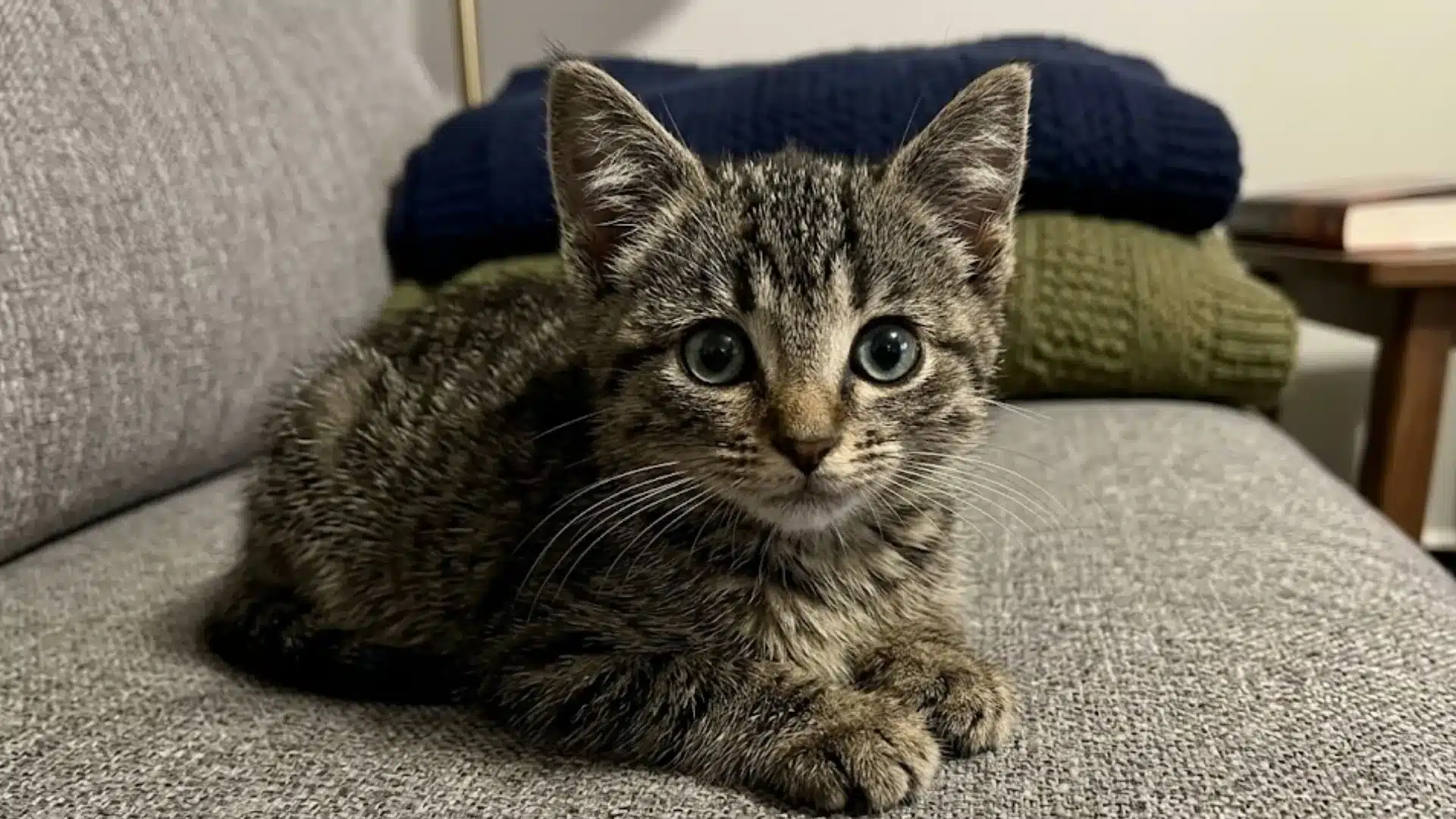
A kitten may look confident one moment and nervous the next. That is why choosing the right spot at home matters.
Have these basics ready before the kitten arrives. If you are not sure what to prioritize, the full list of cat essentials every new owner needs is a good place to start.
Some basic supplies should be ready before the kitten arrives:
- A soft and comfortable bed
- A low-sided litter box
- Food and water bowls
- Safe toys for playtime
- A scratching post or scratching pad
Once the space is set up, take time to kitten-proof the area. Cover loose wires, remove toxic plants, and pick up small objects that could be swallowed.
Blocking tight hiding spots can also prevent a nervous kitten from getting stuck in unsafe places.
What to Feed a Kitten and How Often?
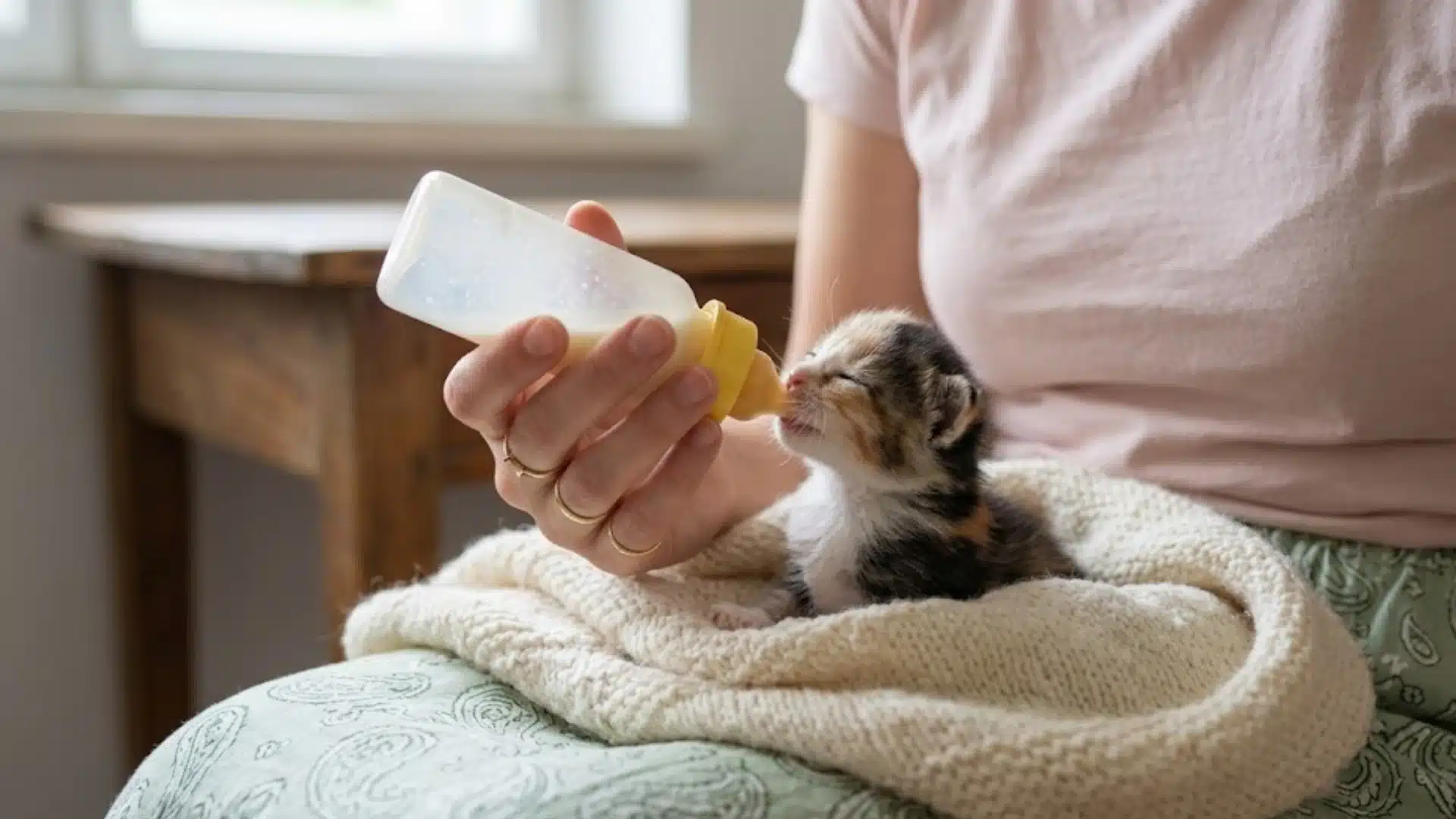
Good nutrition helps a kitten grow, stay active, and develop properly. Always choose food made for kittens because it contains more nutrients than adult cat food.
Both wet and dry food can work well. Wet food adds moisture to the diet, while dry food is convenient and can stay fresh longer. Fresh, clean water should also be available throughout the day.
A simple feeding routine can help keep things on track:
- Up to 3 months: 4 small meals daily
- 3 to 6 months: 3 meals daily
- 6 to 12 months: 2 to 3 meals daily
Some foods should never be offered to kittens. Avoid cow milk, bones, dog food, onions, garlic, chocolate, and salty or sugary human snacks.
These foods can upset the stomach or cause more serious health problems as the kitten grows.
How to Help a Kitten Use the Litter Box Without Stress?
Litter box training is easier when the setup feels simple and calm for your kitten.
Choose a low-sided box so they can climb in without trouble, and use unscented litter because strong smells can make some kittens avoid the box.
Keep it away from their food and bed, since cats like a clean space for eating and resting. After meals, naps, and playtime, gently place your kitten in the box so they start linking it with bathroom time.
Clean the box often, as a dirty box can lead to accidents around the home. If an accident happens, do not punish your kitten or rub their nose in it.
Clean the spot well and guide them back to the box next time with patience.
When to Take Your Kitten to the Vet?
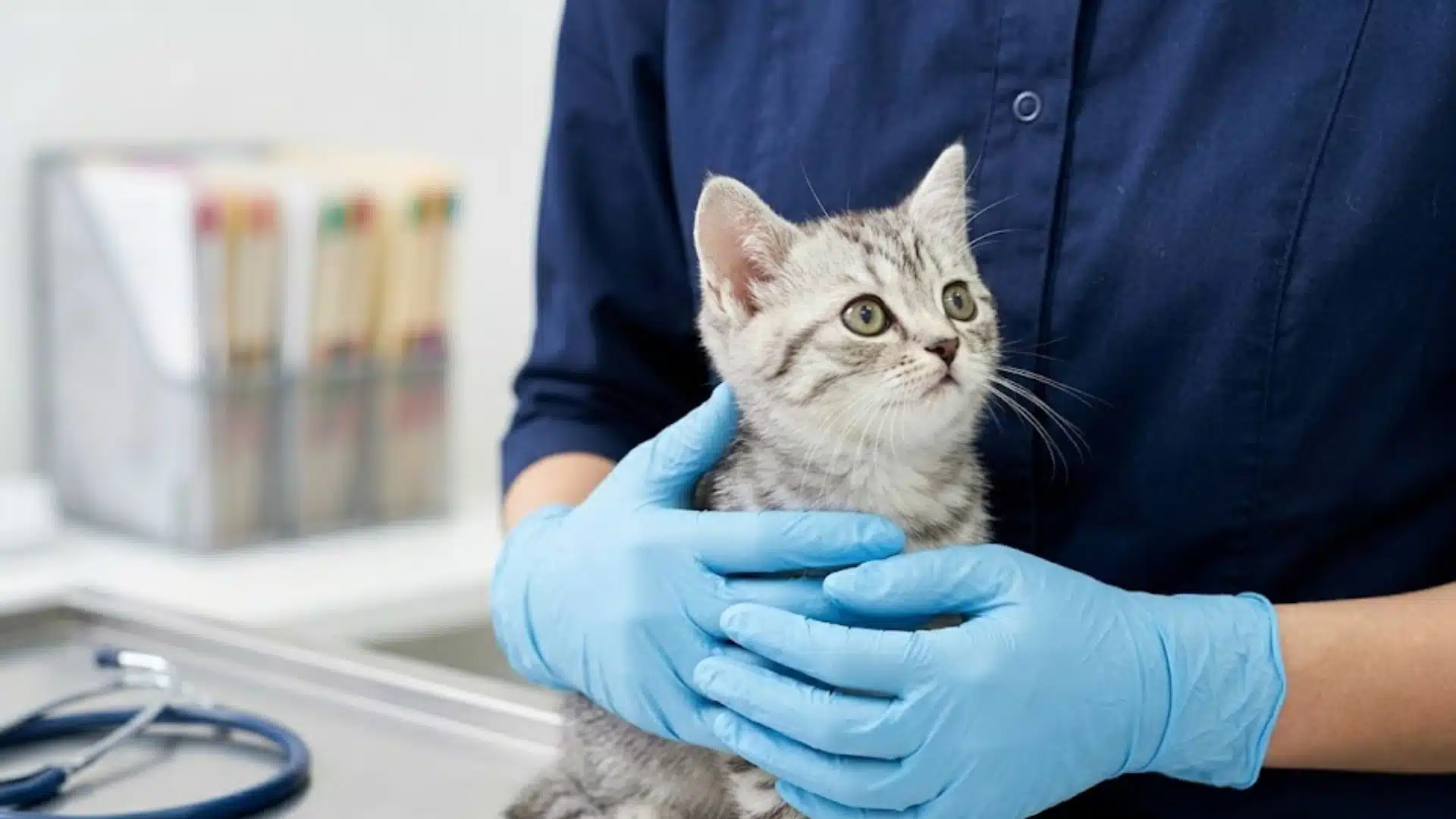
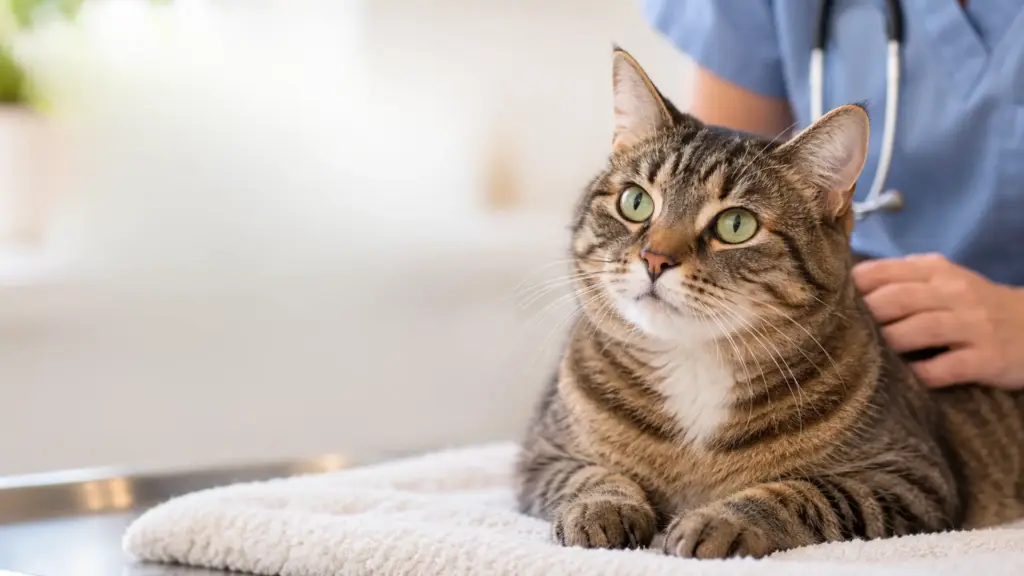
After adoption, book a first vet visit as soon as you can, even if your kitten looks healthy. A vet can check weight, eyes, ears, teeth, belly, and overall growth.
They can also guide you on vaccines, deworming, flea care, and the right schedule for follow-up visits.
Spaying or neutering should also be discussed early, since timing can depend on age, weight, and health. At home, watch for changes that do not feel normal.
A kitten needs vet care if they stop eating, vomits often, has diarrhea, seems weak, has trouble breathing, has eye discharge, or stops using the litter box.
Small kittens can go downhill fast, so it is better to call the vet early than wait and hope it passes.
For the full schedule and what each vaccine covers, the kitten vaccine schedule guide breaks it down clearly.
Basic Grooming Tips for Kittens
Cats do most of their own grooming, but starting hands-on grooming early makes a real difference. Kittens that get used to brushing, nail trims, and ear checks at a young age are much easier to handle at the vet and at home for the rest of their lives.
1. Brushing
Short-haired kittens can get by with a light brush a few times a week. Long-haired kittens need more frequent attention, daily if possible, to prevent mats.
Keep sessions short and calm, especially at first. Let your kitten sniff the brush before you use it. Use gentle strokes and stop before your kitten gets restless.
Offering a small treat afterward can help them connect brushing with a positive routine instead of stress.
2. Nail Trimming
Kitten nails grow fast and get sharp. Start handling your kitten’s paws early so they get used to it. Use kitten-sized nail clippers and trim only the clear tip of the nail every 2 to 3 weeks.
Avoid the pink “quick” because that is where the blood vessels are, and cutting into it hurts and bleeds. If you’re unsure, ask your vet to show you during a checkup.
Trim when your kitten is calm or sleepy, and do one or two nails at a time if needed.
3. Ear Checks
Check your kitten’s ears once a week. Clean ears look pale pink and have no odor. Redness, dark debris, or a yeasty smell can indicate infection or mites, and both need vet attention.
If cleaning is needed, use a vet-recommended ear solution; never insert anything into the ear canal.
Gently lift the ear flap and look inside without forcing anything. If your kitten scratches often or shakes their head, book a vet visit.
4. Bathing
Most kittens don’t need regular baths. If one does get into something messy, use lukewarm water and a kitten-safe shampoo.
Keep the bath short, avoid the face and ears, and dry gently with a warm towel. A hairdryer on the lowest, quietest setting can work, but many kittens find the noise stressful.
Keep the room warm afterward so your kitten does not get chilled. Praise them calmly and let them rest after the bath.
How to Help Your Kitten Feel Safe Around People and Pets?
Play and social time help a kitten build confidence and learn how to behave around people. Daily play sessions do not need to be long.
A few short sessions throughout the day can provide exercise, mental stimulation, and a healthy outlet for energy. It is also the best time to encourage good habits from the start.
Some simple ways to support healthy behavior include:
- Use toys instead of hands during play
- Handle your kitten gently and calmly
- Provide a scratching post or scratching pad
- Let them meet new people at their own pace
- Introduce other pets slowly and in stages
These early experiences can shape how a kitten reacts to new situations later in life. Patience matters more than speed.
A calm approach helps kittens feel safe, making it easier for them to trust people, enjoy playtime, and settle into their new home.
Real Owner Tips on How to Take Care of a Kitten
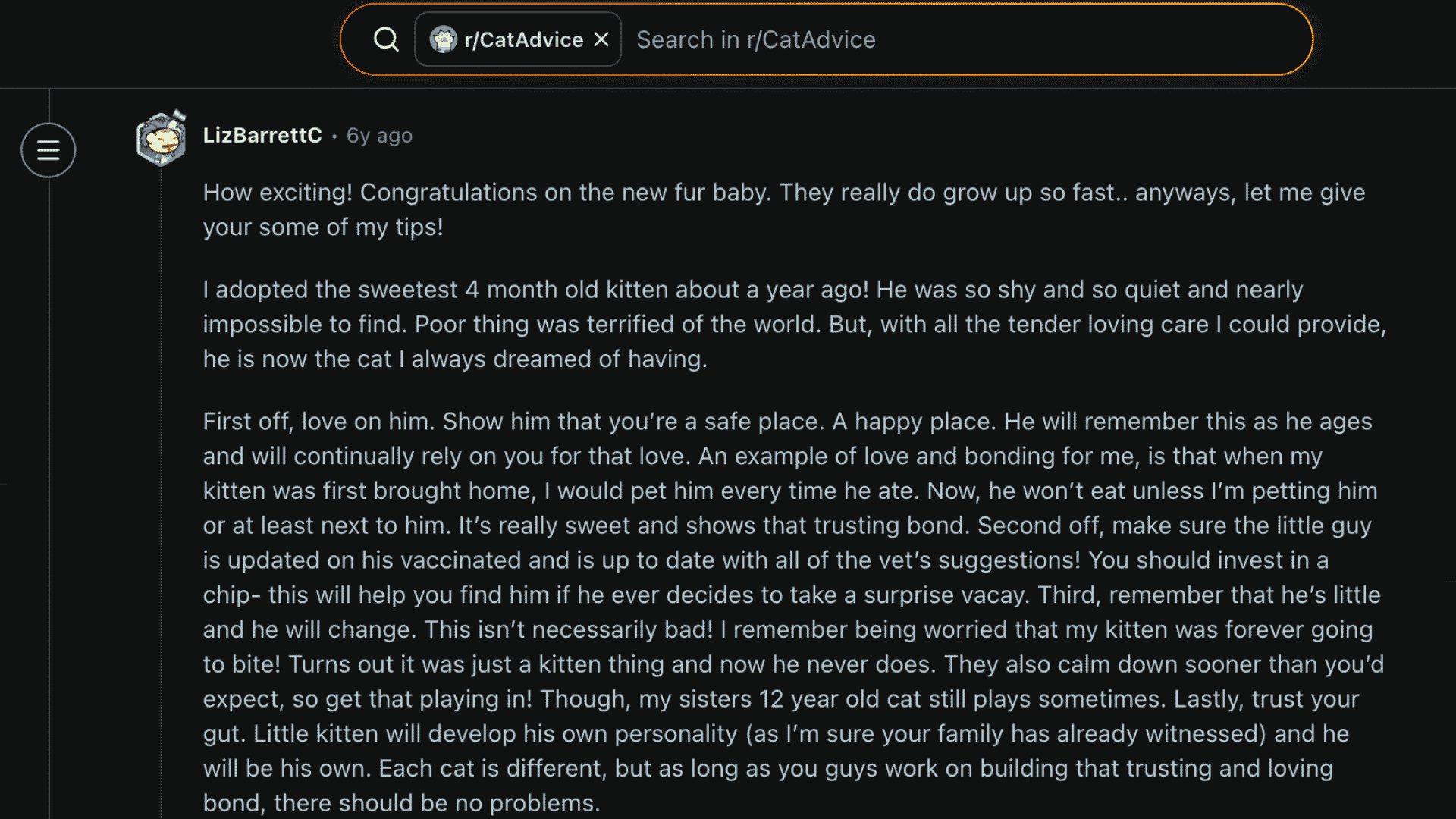
Reddit kitten owners often say patience matters more than anything else. A shy kitten may hide, watch from a distance, or act unsure for the first few days.
Give them space, speak gently, and let them come to you when they feel ready. One sweet way to build trust is to sit nearby during meals, so they connect food with safety and comfort.
This is a simple part of caring for a kitten that many new owners overlook. Keep fresh water out every day, and make sure they are actually drinking.
Play also helps their body and mind grow, so offer different toys instead of using your hands. Most of all, remember they are still babies. Show, guide, and stay patient while they learn.
How to Kitten-Proof Your Home?
Kittens are naturally curious, which means they can get into trouble faster than most owners expect.
Creating a safe home environment can prevent accidents and help a kitten settle in with confidence. Start by hiding or securing electrical cords, since many kittens enjoy chewing and playing with dangling objects.
Remove toxic houseplants that could be harmful if nibbled, and always keep washer and dryer doors closed when not in use. Toilet lids should also stay down to prevent falls.
Store cleaning products, medicines, and other household chemicals in locked cabinets or places your kitten cannot reach.
Take a walk around your home and block small gaps behind furniture or appliances where a kitten could squeeze through and become trapped.
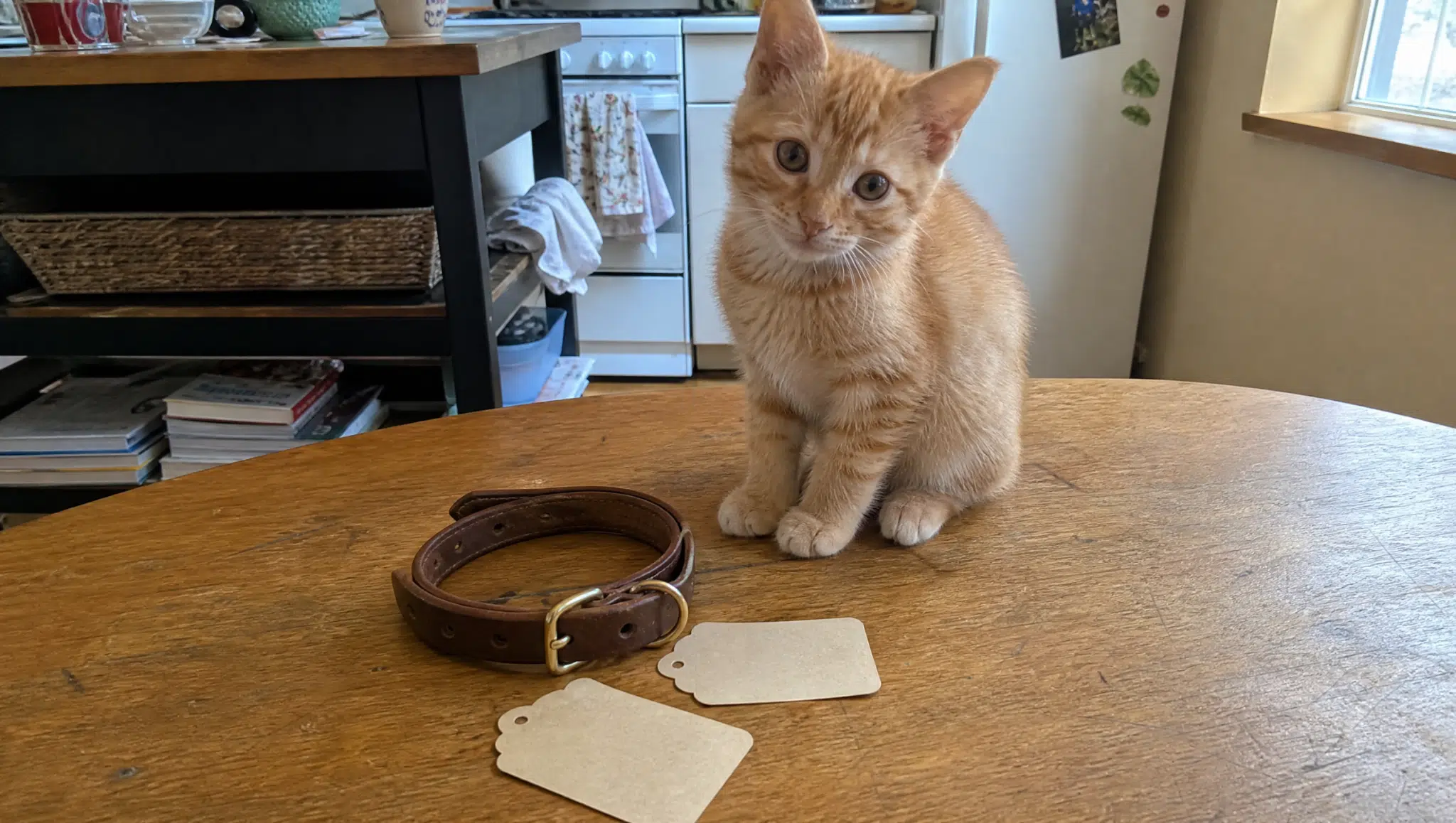
If a collar is needed, choose a breakaway design that can release safely if it gets caught on something.
Common Kitten Care Mistakes To Avoid
Small care mistakes can confuse a kitten or affect their health, so it helps to know what to avoid from the start.
- Feeding adult cat food too early: Kittens need food made for growth because adult cat food may not give enough calories, protein, and nutrients.
- Giving cow milk: Many kittens cannot digest cow milk well, and it can lead to stomach upset, loose stool, or discomfort.
- Skipping the vet visit: A first vet check helps spot parasites, illness, vaccine needs, and growth concerns before they become bigger problems.
- Letting them roam too soon: A full house can feel too big at first, and it may expose kittens to wires, gaps, and unsafe spots.
- Punishing accidents or biting: Punishment can make kittens scared of you, while gentle redirection teaches better litter habits and safer play.
- Forcing cuddles: Some kittens need time before they enjoy touch, so let them come closer when they feel safe.
- Ignoring sudden behavior changes: Poor appetite, hiding, weakness, vomiting, or litter box changes can signal illness and should not be brushed off.
Conclusion
Caring for a kitten feels much easier when you take it one step at a time. Start with a safe space, the right food, fresh water, and a clean litter box.
Add vet care, vaccines, deworming, flea checks, and spaying or neutering to keep their health on track.
Playtime, gentle handling, scratching posts, and slow introductions help them grow into a confident cat. Home safety also matters, from hiding cords to removing toxic plants and blocking small spaces.
Once meals, vet visits, play, safety, and routine are handled calmly, taking care of a kitten starts to feel less confusing and more natural.
The goal is not to be perfect, but to stay patient and notice what your kitten needs.
What helped your kitten settle in faster at home? Share your tips in the comments below.
Frequently Asked Questions
When Do Kittens Start Sleeping Through the Night?
Many kittens wake up at night because they have extra energy or feel unsure in a new home. A play session before bed and a calm sleeping spot can help them settle better.
Why Does My Kitten Bite During Play?
Kittens often bite during play because they are learning limits. Stop the game for a moment, then offer a toy so they learn that hands are not for biting.
How Often Should I Groom My Kitten?
Short-haired kittens may only need light brushing a few times a week, while long-haired kittens may need it more often. Keep sessions gentle and short so grooming feels safe.