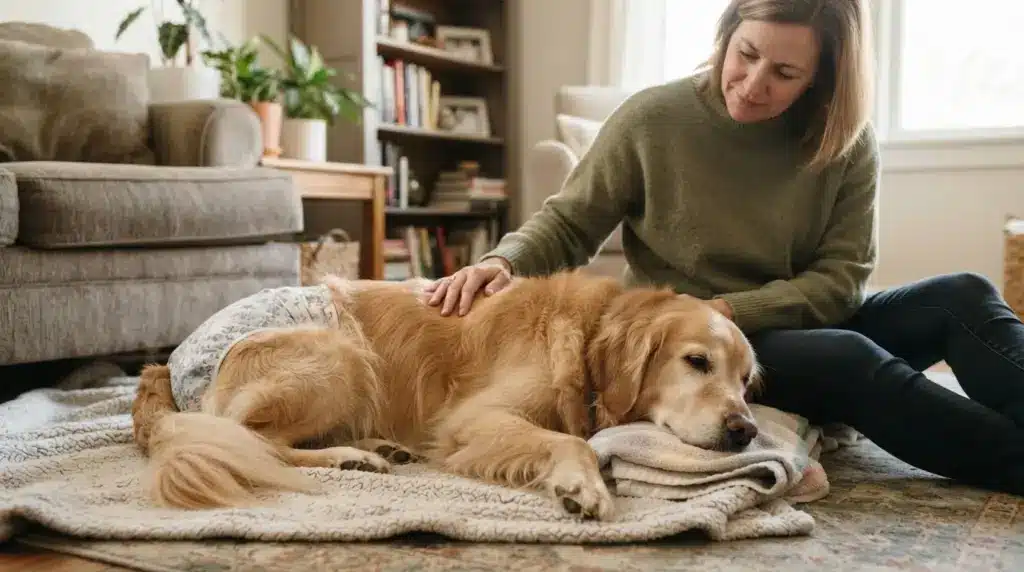
A heat cycle can bring spotting, restlessness, clinginess, and plenty of questions about what is normal. Those visible signs may continue for two to three weeks, even though the full reproductive cycle lasts much longer.
As a licensed veterinarian with more than 15 years of clinical experience, I understand how easily changing discharge or behavior can worry a pet parent. The exact duration varies between dogs, and each stage affects fertility, comfort, and care needs differently.
Understanding the dog heat cycle can help you manage hygiene, prevent an unwanted mating, and provide suitable supervision. It can also help you recognize your dog’s usual pattern. If signs seem unusual, severe, or prolonged, contact your veterinarian instead of relying on timing alone.
How Long Does a Dog Heat Cycle Last?
Most dogs show visible signs of heat for about two to three weeks, although some cycles may be shorter or longer.
During this time, bleeding often changes in amount and color, but it may stop before the fertile period has fully ended. For that reason, the end of discharge does not always mean the heat cycle is complete.
Visible heat mainly covers the stages when swelling, discharge, and mating behavior are noticeable, while the full reproductive cycle continues for several months before the next heat begins.
According to Cornell University College of Veterinary Medicine, bloody vaginal discharge commonly lasts 14 to 21 days. The dog estrous cycle has four stages, and the length of each stage can vary between individual dogs.
Because timing differs between dogs, recording the start and end of several cycles can help owners recognize their dog’s usual heat duration, understand typical cycle spacing, and notice significant changes.
Timing note: Cycle lengths vary. General ranges cannot identify your dog’s exact reproductive stage or predict when fertility begins and ends. |
What Are the Signs That a Dog Is Going into Heat?
Heat signs vary between dogs, but they usually show up as physical and behavioral changes. Watching both can help owners recognize when a cycle begins.
1. Physical Signs
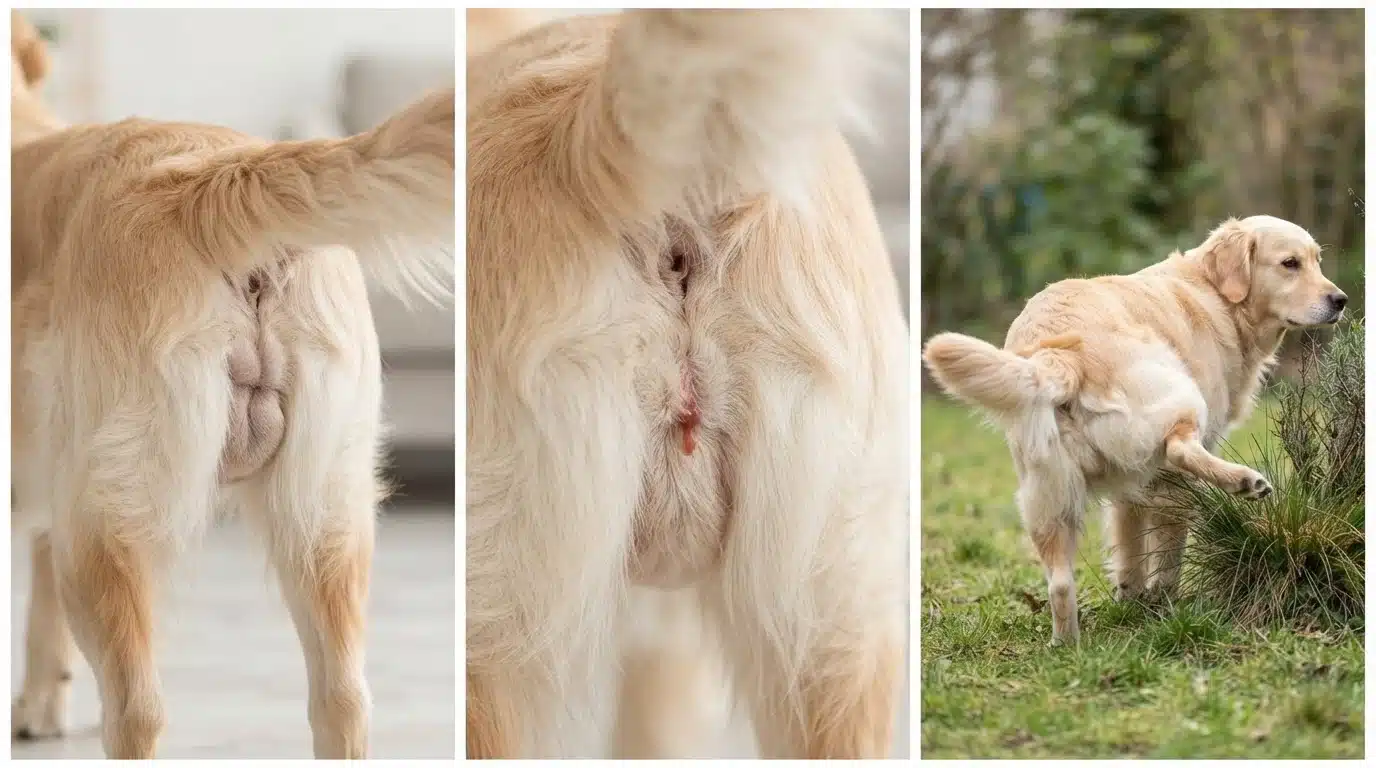
Physical changes are often the first noticeable clues that heat has started. Their intensity can vary between dogs and from one cycle to another.
| Aspect | What Owners May Notice |
|---|---|
| Swollen vulva | The vulva may look larger or more prominent than usual as heat begins. |
| Vaginal discharge | Discharge may appear bloody at first and become lighter as the cycle progresses. |
| Increased urination | A dog may urinate more often, sometimes leaving scent signals that attract male dogs. |
2. Behavior Changes
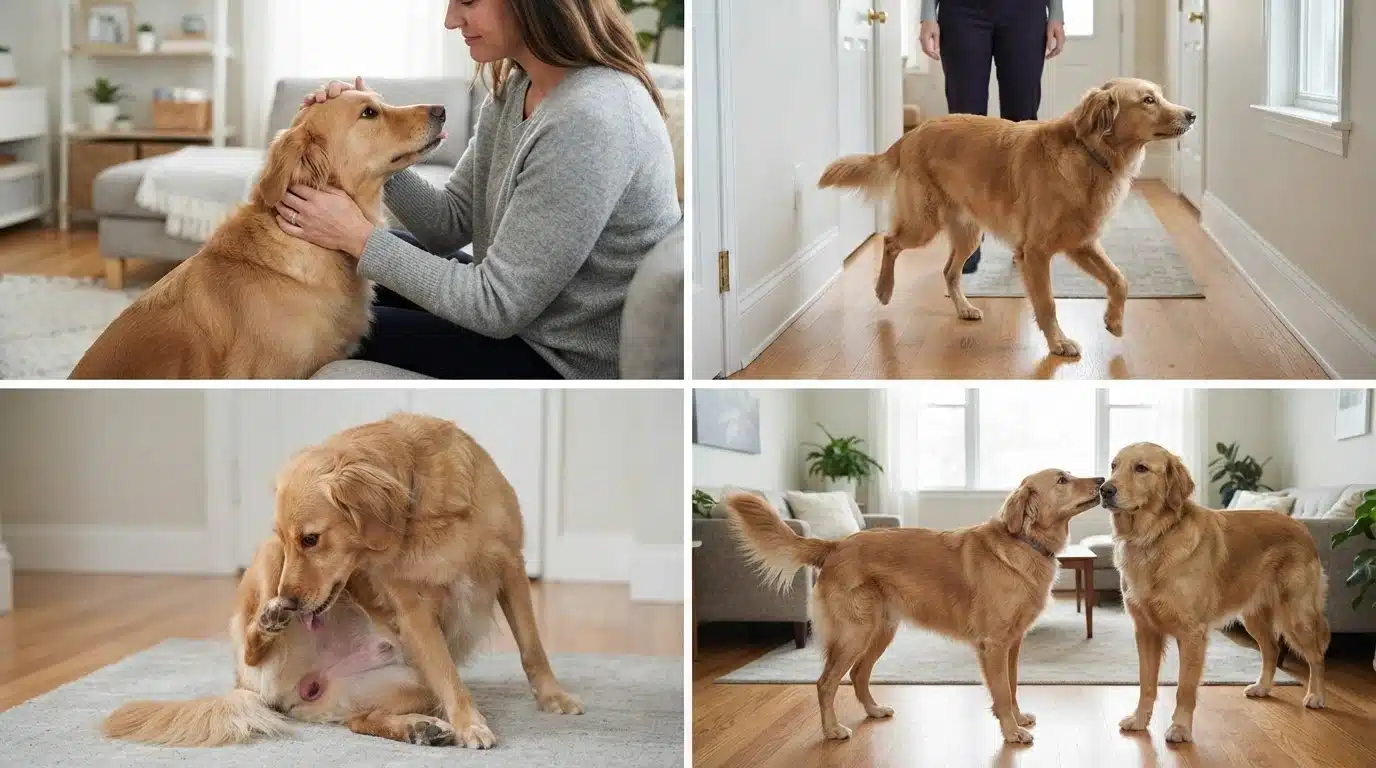
Behavior may also shift during heat as hormone levels change. Some dogs become more restless or affectionate, while others may act more reserved.
| Aspect | What Owners May Notice |
|---|---|
| Attention changes | Some dogs become more affectionate, while others may prefer extra space. |
| Restlessness | Pacing, increased activity, or difficulty settling may occur during heat. |
| Genital licking | More frequent licking around the vulva may occur with swelling or discharge. |
| Reactions toward male dogs | Interest in male dogs may increase, and responses can change as the cycle progresses. |
Because signs differ between dogs, tracking physical and behavioral changes over several cycles can help owners recognize their dog’s usual heat pattern more easily.
How Should You Care for and Keep a Dog Safe During Heat?
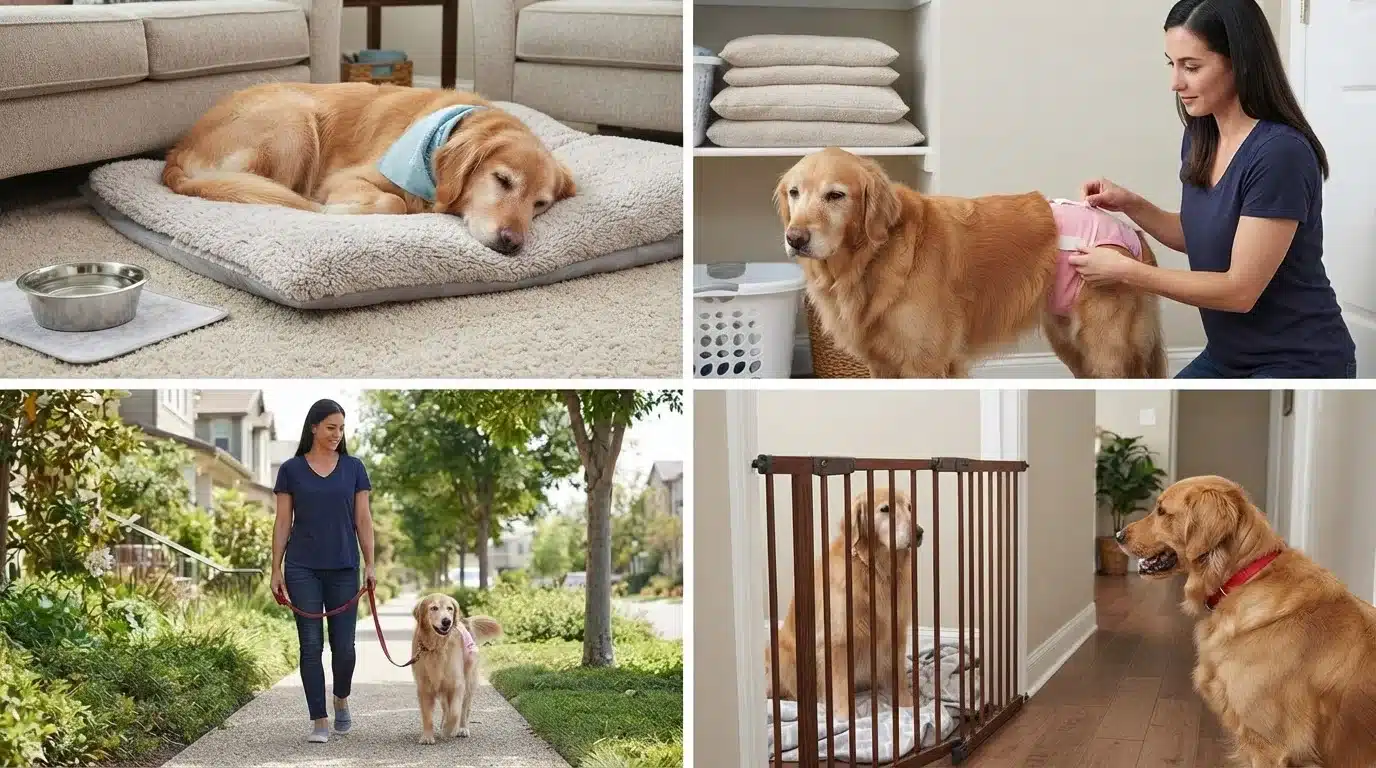
Caring for a dog in heat means balancing comfort, hygiene, supervision, and pregnancy prevention. A few practical routines can help her feel secure while reducing mess and the risk of unwanted mating.
1. Comfort and Daily Routine
Give your dog a quiet, comfortable place to rest, and keep fresh water available throughout the day. Continue her usual meals unless you notice a drop in appetite, and offer smaller portions if she seems less interested in food.
Adjust walks and play if she appears tired or restless. Some dogs seek extra affection, while others prefer space, so follow her cues and keep daily routines as calm and predictable as possible overall.
2. Hygiene and Discharge Management
Use washable bedding and follow a safe laundering routine to protect furniture and clean soiled areas promptly. A well-fitted dog diaper can help manage discharge, but change it regularly to reduce moisture and skin irritation.
Give your dog short diaper-free breaks in a clean, secure area so the skin can stay dry. Avoid harsh cleaning products around the genital area and note when discharge and other visible heat signs begin and end each day.
3. Outdoor Safety and Supervision
Keep your dog on a leash during every walk and supervise her outdoors, even inside a fenced yard. Avoid dog parks, daycare, and uncontrolled contact with intact male dogs while she is in heat.
Check fences, doors, and gates for weak points or openings before letting her outside. Male dogs may detect a female in heat from a distance, so consistent supervision is important throughout the visible heat period.
4. Pregnancy Prevention and Accidental Mating
Separate intact male and female dogs securely throughout the heat period, including inside the home. Dog diapers can manage discharge, but they do not prevent mating or pregnancy.
Do not assume the fertile period has ended simply because bleeding becomes lighter or stops. If an accidental mating occurs, contact your veterinarian promptly rather than attempting home remedies. Your veterinarian can explain the options and any health considerations for your dog.
Every heat cycle can feel slightly different, so use your dog’s behavior and usual pattern as a reference. Consistent care, hygiene, and supervision can help keep her comfortable and safe.
How Can You Prepare Your Home for a Dog in Heat?
Preparing your home before heat begins can make daily care easier. A few simple supplies and secure spaces can help manage hygiene, comfort, supervision, and pregnancy prevention.
| Area | What to Prepare | Why It Helps |
|---|---|---|
| Resting Space | Quiet bed or familiar area | Gives your dog a calm place to rest |
| Bedding | Washable blankets and covers | Makes discharge cleanup easier |
| Hygiene | Dog diapers and cleaning supplies | Helps manage discharge indoors |
| Outdoor Safety | Secure fences, gates, and doors | Reduces escape and unwanted contact |
| Walking Routine | Strong leash and quieter routes | Limits encounters with male dogs |
| Male Dog Separation | Separate rooms or secure barriers | Helps prevent accidental mating |
| Cycle Tracking | Calendar or simple notes | Helps record when signs start and end |
Preparing these basics ahead of time can reduce mess and stress while making it easier to keep your dog comfortable, supervised, and safe throughout her heat cycle.
How Can You Tell When Your Dog’s Heat Is Ending?
Heat usually ends gradually rather than suddenly. Watching changes in discharge, swelling, behavior, and male interest can help you recognize when visible signs are fading.
Step 1: Discharge Becomes Lighter or Decreases: Vaginal discharge often becomes lighter and less noticeable as heat progresses. However, bleeding stopping does not confirm that fertility has ended, so continued supervision around intact male dogs remains important.
Step 2: Vulvar Swelling Begins to Reduce: The vulva usually becomes less swollen as your dog moves beyond the receptive stage. Compare its appearance with earlier days rather than expecting swelling to disappear immediately or at once.
Step 3: Interest in Male Dogs Changes: Receptive behavior may decrease as estrus ends. Tail flagging, seeking male dogs, or allowing close approaches may become less frequent, although behavior can vary between individual dogs and cycles.
Step 4: Normal Behavior Gradually Returns: Restlessness, clinginess, increased genital licking, or changes in activity may gradually settle. Your dog may begin returning to her usual sleep, exercise, attention, and daily behavior patterns again.
Step 5: Record the End of Visible Signs: Note when discharge, swelling, and noticeable behavior changes have faded. Recording this date alongside the cycle start helps you compare future heats and recognize your dog’s usual duration.
Fading visible signs can suggest heat is ending, but they do not provide an exact fertility cutoff. Continue careful supervision until you are confident the cycle has passed.
| Fertility note: Fading discharge, reduced swelling, and changing behavior cannot confirm an exact fertility cutoff. Continue separating your dog from intact males until the complete cycle has passed. |
What Should You Avoid While Your Dog Is in Heat?
During heat, a few simple precautions can help reduce stress, hygiene problems, escape risks, and accidental mating while keeping your dog safer and more comfortable.
- Avoid Off-Leash Walks
- Skip Dog Parks and Daycare
- Do Not Leave Her Outside Unsupervised
- Avoid Contact with Intact Male Dogs
- Do Not Rely on Dog Diapers for Pregnancy Prevention
- Avoid Leaving Soiled Diapers on Too Long
Keep routines calm and predictable, and provide closer supervision throughout heat. Consistent safety and hygiene habits can help make the cycle easier to manage.
When Should You Contact a Veterinarian?
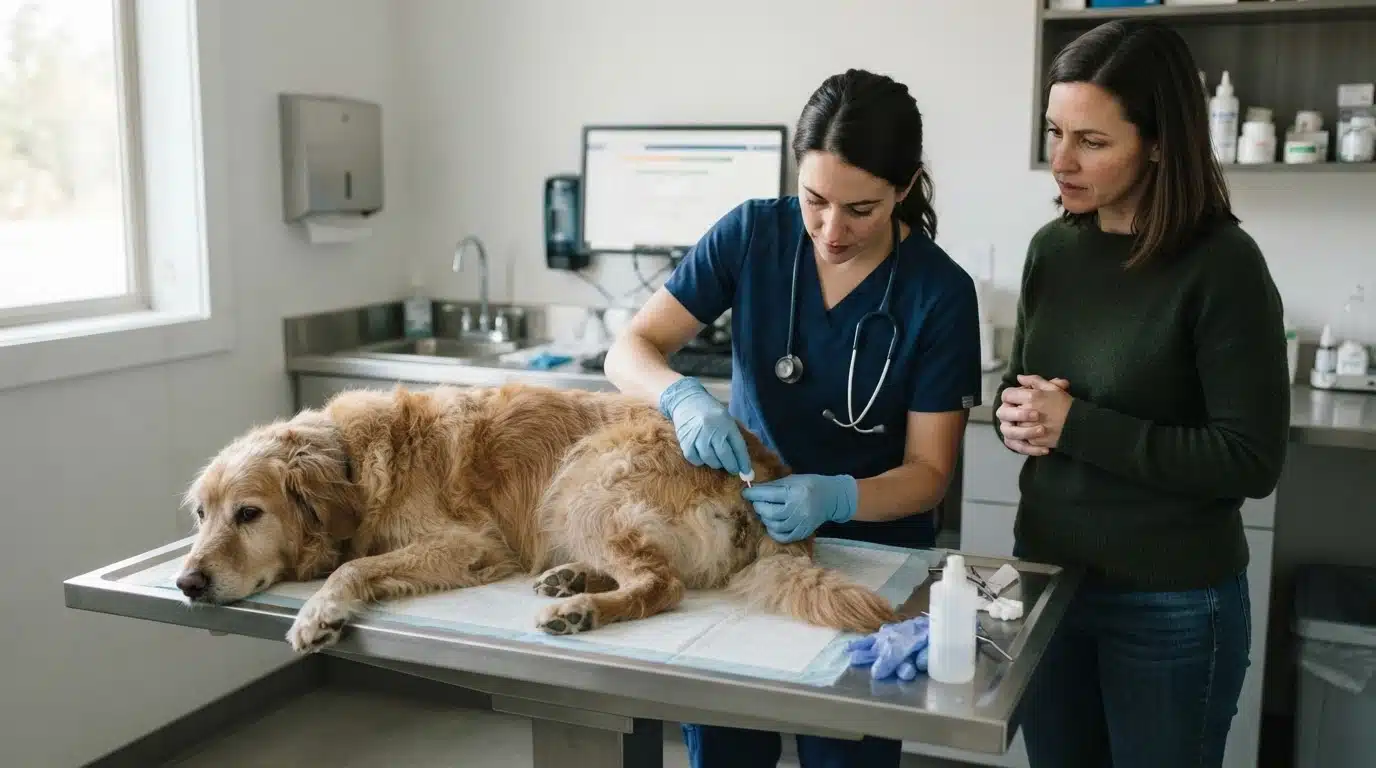
Some variation in heat timing is normal, but changes from your dog’s usual pattern may need veterinary attention. Firstly, contact your veterinarian if heat lasts much longer than usual.
Secondly, watch for heavy or unusual discharge. Thirdly, foul-smelling discharge may need prompt attention. Fourthly, fever or marked lethargy can signal illness.
Fifthly, vomiting or poor appetite should not be ignored. Sixthly, excessive thirst or urination may need assessment. Seventhly, seek advice for signs of pain or illness.
Eighth, discuss sudden cycle changes with your veterinarian. Ninthly, ask for guidance if you are unsure whether heat has ended. Finally, contact your veterinarian promptly if you suspect accidental mating.
Compare each cycle with your dog’s established pattern and seek veterinary advice when unusual symptoms or significant changes appear.
Urgent-care note: Foul-smelling discharge, fever, vomiting, marked lethargy, abdominal swelling, collapse, excessive thirst, or signs of pain may indicate a reproductive emergency and require prompt veterinary care. |
Final Say
Caring for a dog in heat involves watching physical and behavior changes, managing discharge, keeping her comfortable, and preventing contact with intact male dogs.
Simple preparation, steady routines, and close supervision can make the dog heat cycle easier to manage. Knowing your dog’s usual pattern can also help you recognize when heat is ending and when unusual changes may need veterinary attention.
So, how long are dogs in heat? Most show visible signs for about two to three weeks, though timing can vary between dogs. Comment below and share your experience caring for a dog in heat.
Frequently Asked Questions
Can a Dog Be Spayed While She Is in Heat?
Spaying during heat is possible, but Cornell advises waiting about two months after the cycle because surgery may be more complicated during heat.
Can a Dog Get Pregnant During Her First Heat?
Yes. A dog can become pregnant during her first heat once she reaches sexual maturity, even when her first reproductive cycle appears irregular or subtle.
Can Dogs Have a False Pregnancy After Heat?
Yes. Hormonal changes after heat can cause a false pregnancy, including nesting, mothering behavior, enlarged mammary glands, or milk production without an actual pregnancy.