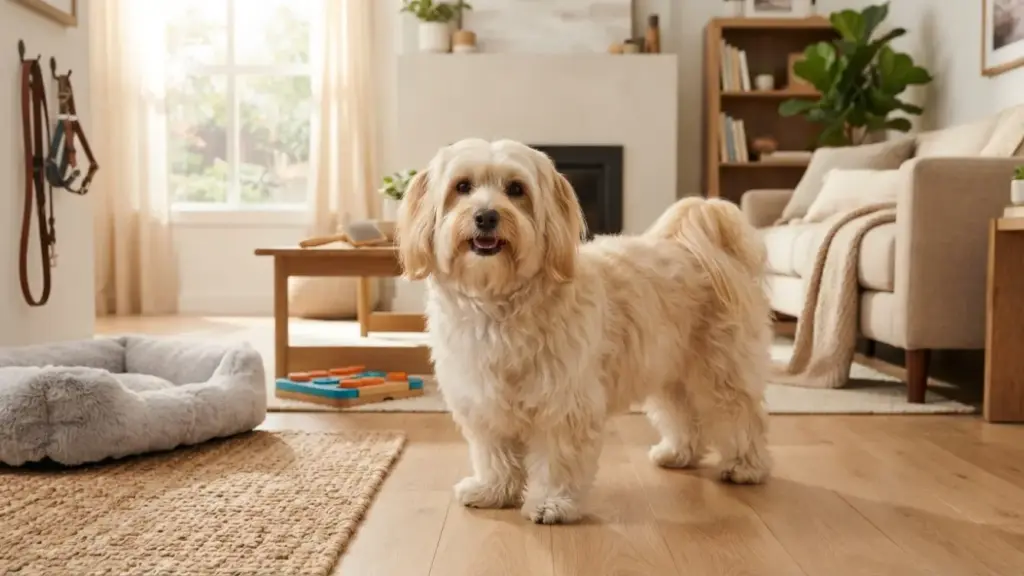
I still remember the first Havanese I met at a rescue intake. Within minutes of sitting on the floor, he’d curled into my lap like it was the only place he belonged. That’s this breed in a nutshell.
That silky coat makes people expect a quiet lap dog, but the reality is a playful, intelligent companion that wants to be involved in everything you do.
Before bringing one home, consider its size, temperament, grooming needs, barking tendencies, health, and ability to cope with time alone.
A Havanese can be a wonderful fit, but only if its need for companionship matches your daily routine.
Are Havanese Good Dogs?
Generally, yes, for people looking for an affectionate, trainable companion who genuinely wants to be part of family life, not just live alongside it.
Their compact size works well in many apartments, and their moderate activity needs are manageable for owners who can commit to daily walks and play.
The real tradeoff is independence, or the lack of it. Many Havanese want frequent contact, may bark at unfamiliar sounds, and can genuinely struggle when left alone for long stretches without gradual training. Their full coat also asks for real, hands-on care; this isn’t a wash-and-go breed.
The right owner for a Havanese wants a social small dog and has the time for training, grooming, and companionship. If you’re after a low-maintenance, independent pet, this probably isn’t your breed.
Havanese Breed Facts at a Glance
This quick profile summarizes the usual physical and behavioral characteristics. Individual dogs may differ because of genetics, health, physical condition, socialization, and upbringing.
| Characteristic | General Information |
|---|---|
| Origin | Cuba |
| Breed group | Toy Group |
| Adult height | 8.5 to 11.5 inches |
| Adult weight | Commonly 7 to 13 pounds |
| Life expectancy | Approximately 12 to 16 years |
| Temperament | Friendly, playful, alert, and intelligent |
| Coat | Long, soft, wavy double coat |
| Colors | All colors and marking patterns |
| Shedding | Low |
| Grooming | High for a full coat |
| Exercise | Moderate |
| Trainability | Usually responsive |
These figures describe a typical adult rather than a guarantee. A veterinarian can assess healthy growth, weight, and body condition for an individual dog.
How Cuban History Shaped the Breed
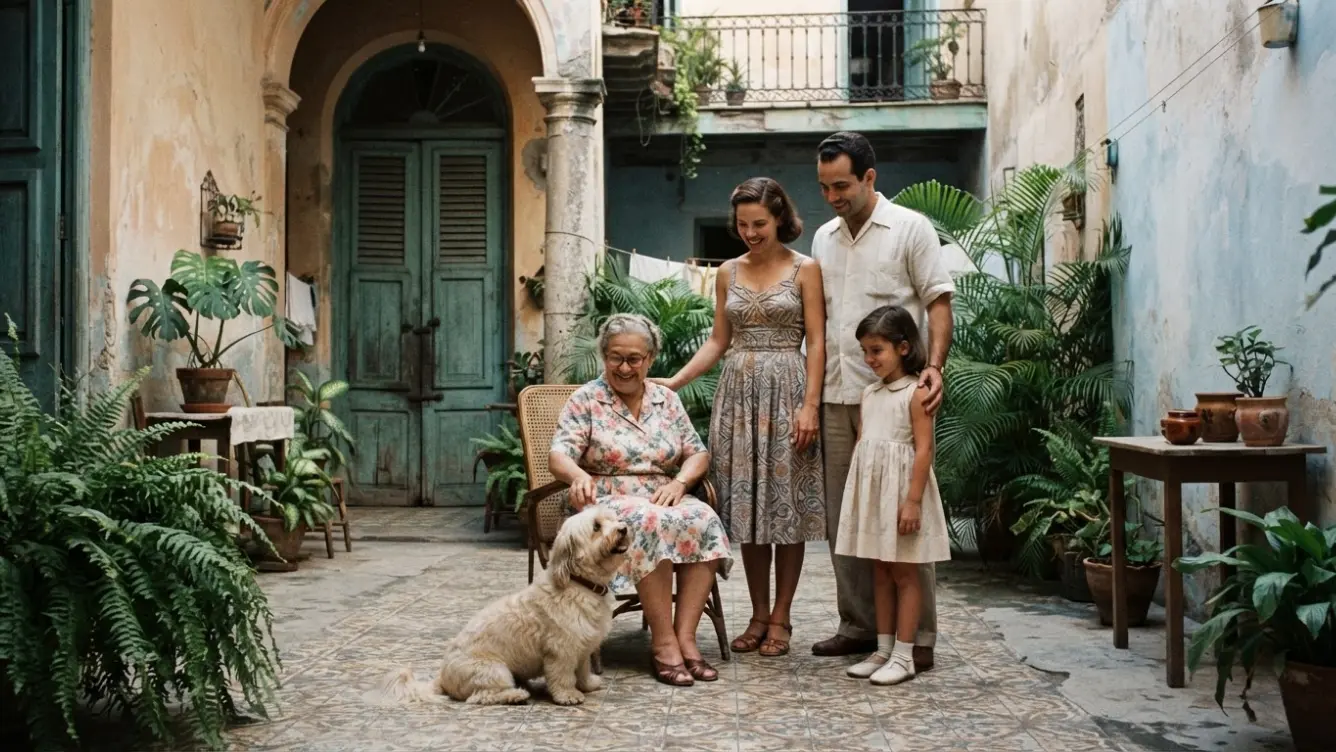
The Havanese is Cuba’s national dog, and it’s the only breed uniquely developed there. It belongs to the Bichon family, though the exact route its ancestors took to reach Cuba isn’t firmly documented; there are a few competing European-origin theories, so I’d take any single migration story with a grain of salt.
The breed later went through a real population scare. During the 1950s and 1960s, several Cuban families relocated to the United States and brought their dogs with them.
Those dogs became the foundation for much of the modern American population, which, when you think about it, means every Havanese curled up on an American couch today likely traces back to a small handful of dogs who made that journey.
The American Kennel Club formally recognized the breed in 1996, after decades of careful rebuilding and recordkeeping. Generations spent as a household companion, not a working dog, not a hunting dog, just a companion, shaped the deeply social behavior we see in the breed today.
That history is really the key to understanding why closeness with people runs so deep in this breed.
Havanese Characteristics, Temperament, and Health
Physical traits, behavior, exercise, health, and home compatibility shape daily life with this breed. Reviewing these areas together helps prospective owners assess its household fit.
1. Appearance and Adult Size

The Havanese has a compact body that is slightly longer than it is tall. Large, dark eyes, dropped ears, a plumed tail carried over the back, and a springy gait give the breed its recognizable appearance.
According to the official breed standard, adults stand 8.5 to 11.5 inches tall and commonly weigh 7 to 13 pounds, measurements worth keeping in mind when choosing gear sized to your dog for walks and outings. The long, soft coat may appear in any color or marking pattern.
2. Temperament Around People and Pets

These dogs are commonly social, playful, alert, and closely involved in household activity. Many enjoy family games and can live well with considerate children, friendly dogs, and cats when introductions are handled gradually.
They may initially remain watchful around visitors before becoming sociable. Genetics, early handling, health, and socialization influence individual behavior, while consistent boundaries can help prevent demanding habits.
3. Exercise and Training Needs
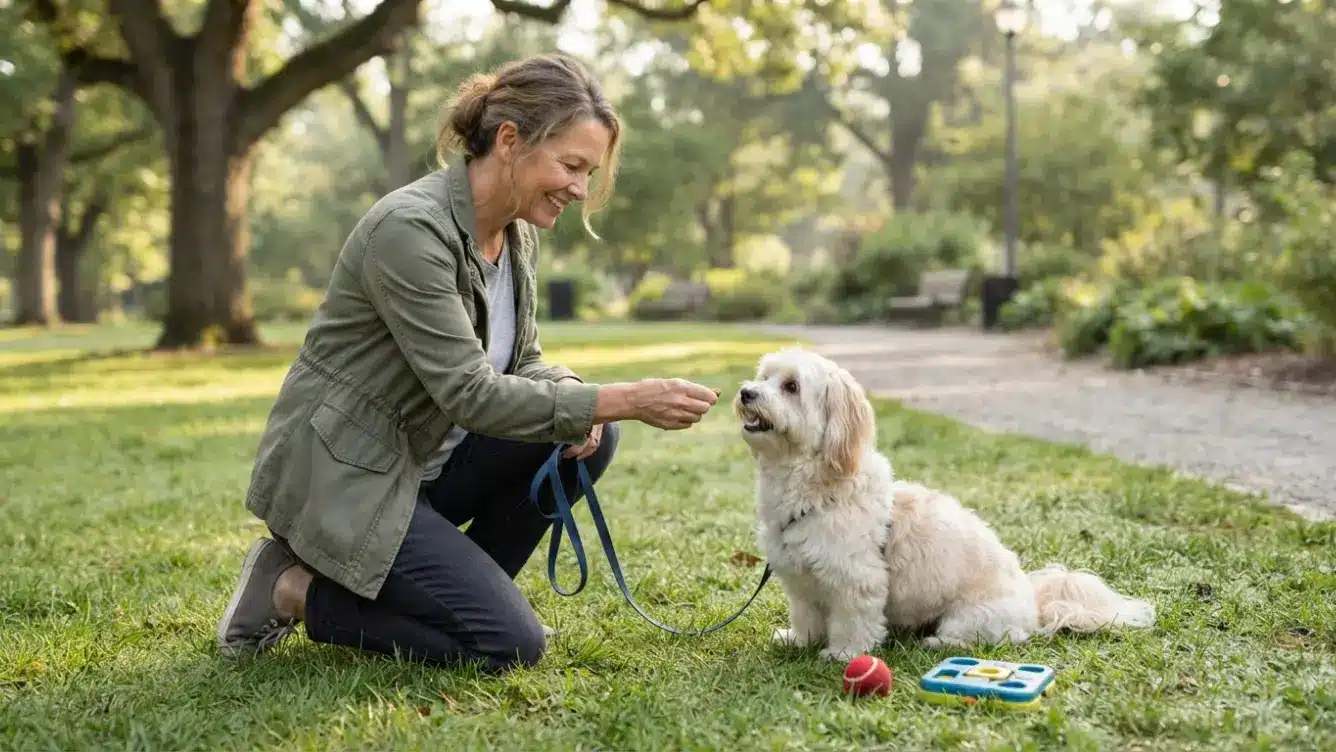
Daily walks, indoor play, sniffing games, fetch, and puzzle feeders provide suitable physical and mental activity, and choosing the right puzzle toy can make indoor days feel less repetitive. Exercise should match the dog’s age, health, physical condition, and individual energy level.
Brief, reward-based sessions work well for basic cues and leash manners. House-training may require frequent bathroom trips, close supervision, and immediate rewards because small puppies cannot wait for long periods.
4. Home and Lifestyle Fit
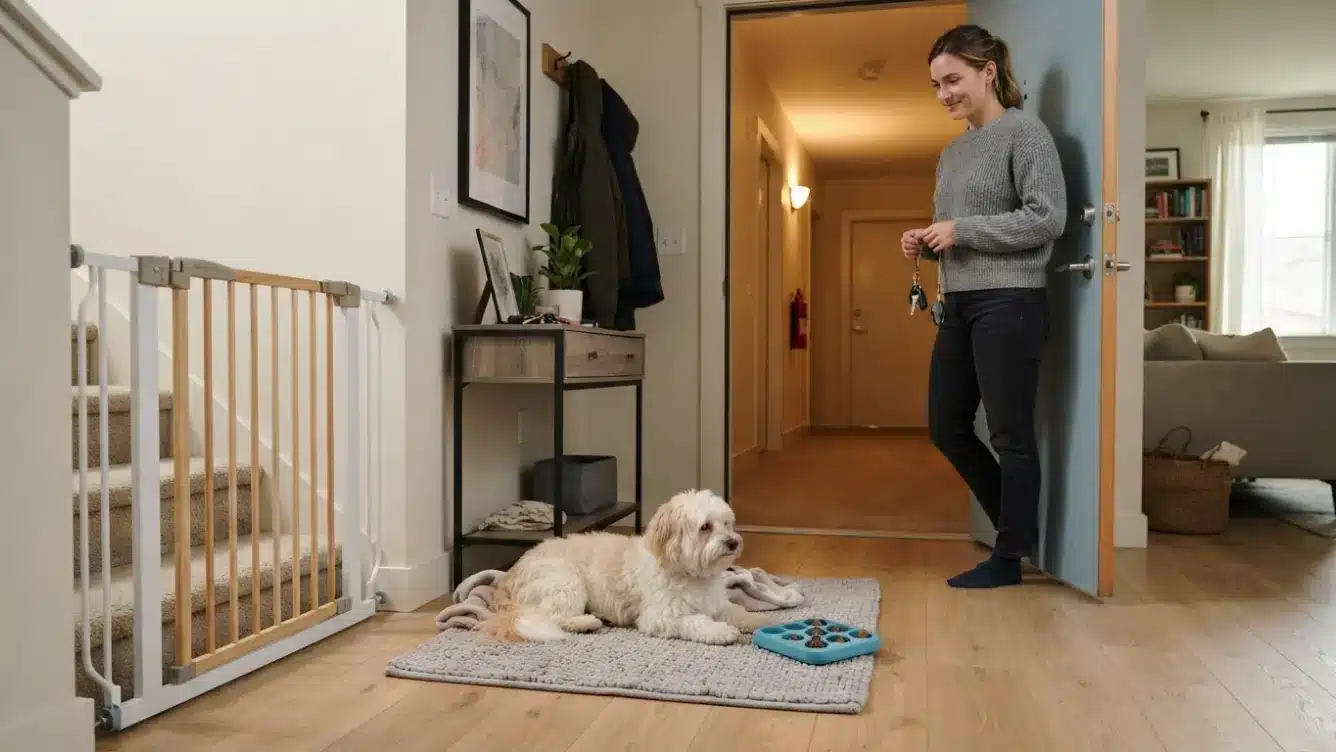
Small homes and apartments can work when activity, noise management, and toilet access are planned. Hallway sounds, visitors, and neighboring dogs may trigger barking, so calm training is especially important in shared buildings.
Brief absences should be introduced gradually, and a crate used thoughtfully can make that adjustment period easier for a dog prone to close attachment.
Households with long workdays may need a sitter or dog walker. Stairs, high furniture, and play with much larger dogs also require supervision.
5. Health and Lifespan
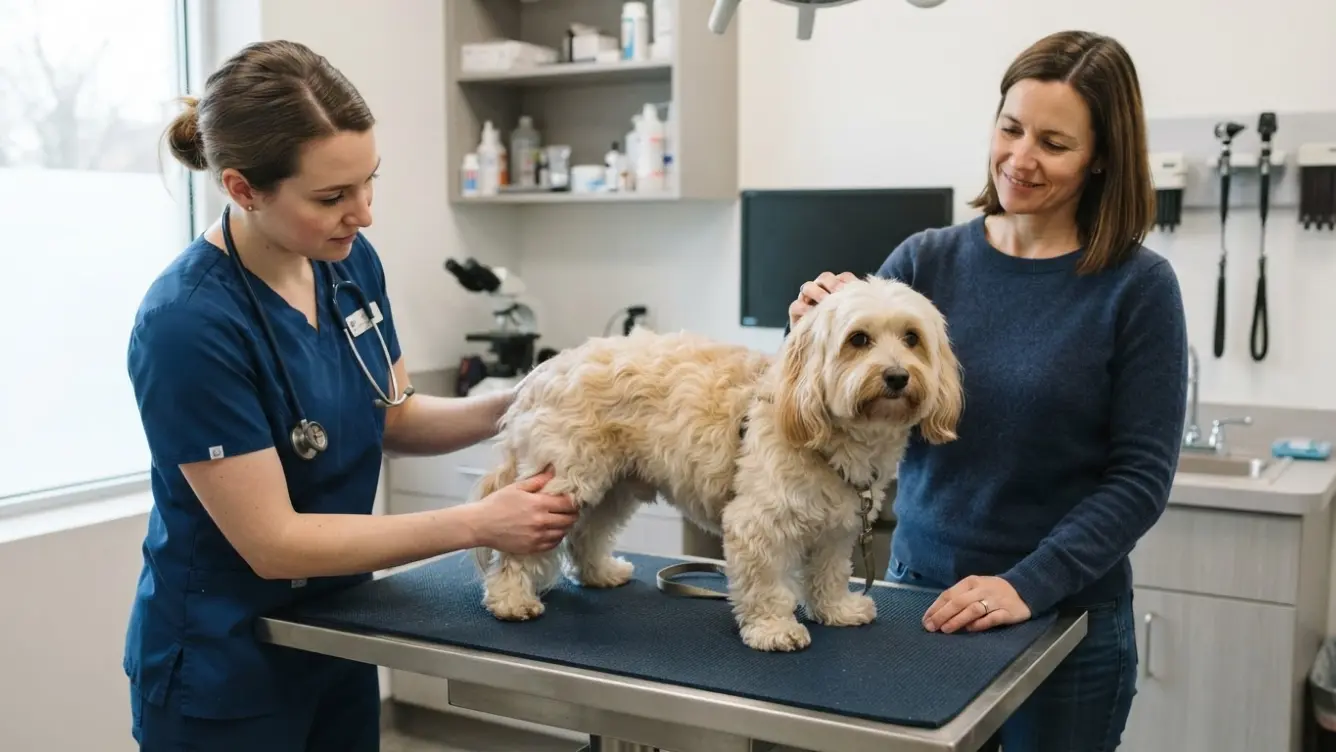
Havanese commonly live approximately 12 to 16 years. Health concerns monitored within the breed include patellar luxation, hip and eye problems, hearing loss, dental disease, Legg-Calvé-Perthes disease, and heart murmurs.
The American College of Veterinary Surgeons explains patellar luxation and its effect on normal kneecap positioning. The Havanese Club of America recommends parental screening for hearing, eyes, hips, and patellas. Screening reduces inherited risk but cannot guarantee lifelong health.
These points provide a realistic view of daily ownership beyond size and appearance. Coat maintenance is another major responsibility that deserves separate attention.
Choosing a Havanese and Planning Costs
Buying or adopting is only the initial expense. Location, age, health screening, coat condition, veterinary needs, and included services can change the total considerably.
| Expense | Approximate Cost | What Affects the Price |
|---|---|---|
| Breeder puppy | $2,000 to $3,000 | Location, pedigree, testing, registration, and breeder practices |
| Shelter adoption | $50 to $350 or more | Age, location, medical care, and included services |
| Breed-specific rescue | Varies by dog | Age, health, behavior, and treatment already provided |
| Professional grooming | $25 to $100 per session | Coat length, matting, services, and local rates |
| Annual adult dog care | $1,930 to $5,305 | Food, veterinary care, insurance, grooming, supplies, and training |
| Emergency fund | Based on household budget | Injury, illness, testing, medication, or urgent treatment |
Treat these as planning estimates rather than fixed national prices. Havanese Rescue Inc. notes its adoption fee varies depending on the dog’s age and health.
Before any payment changes hands, meet the puppy’s mother, request health results for both parents, review veterinary records, and read the sales contract closely. You can check parental screening records through the Orthopedic Foundation for Animals.
Steer clear of any seller who hides records, dodges reasonable questions, won’t allow visits, or pushes for immediate payment. A real cost plan should account for both the routine expenses and the unexpected vet bill that inevitably shows up eventually.
Maintaining the Havanese Coat
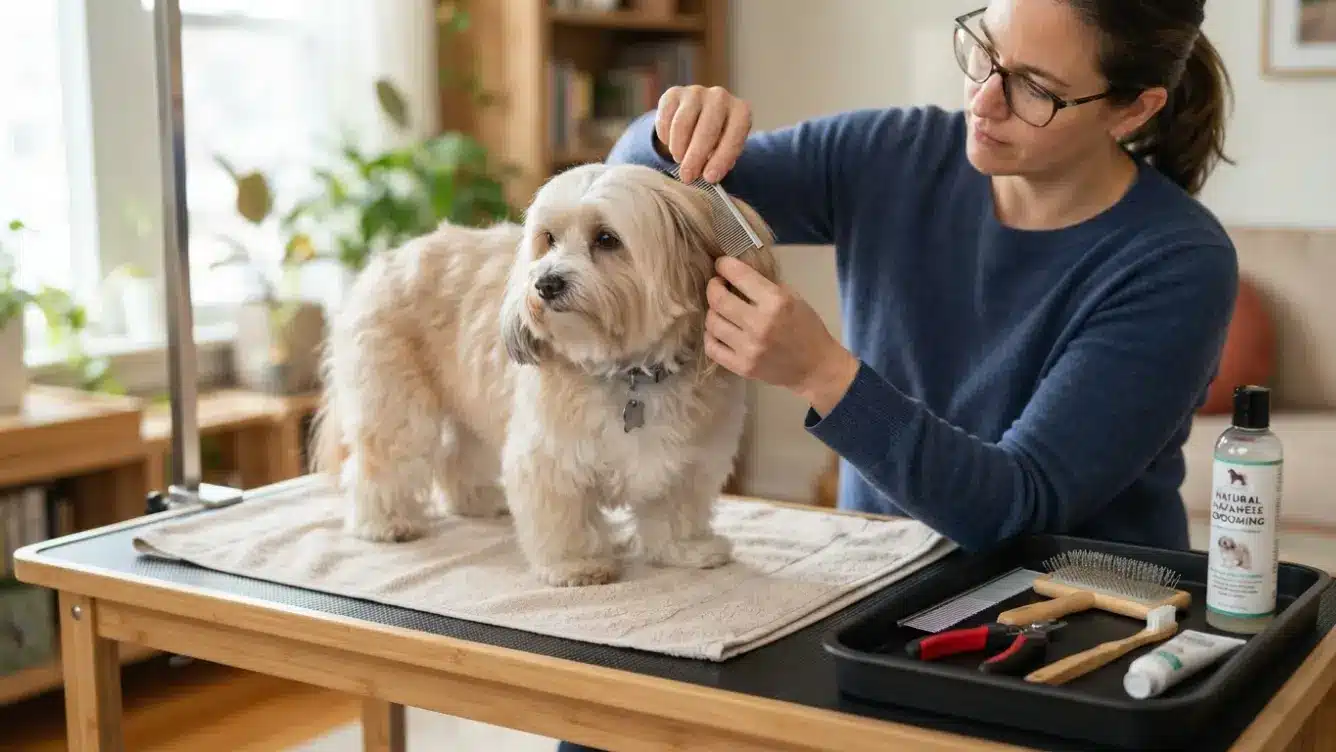
The coat sheds relatively little, but loose hair can remain trapped and form tangles. A full-length coat often needs daily or near-daily combing, particularly in areas where hair rubs or gathers. Routine care includes:
- Brushing and combing through the full coat
- Bathing when the coat becomes dirty
- Drying the hair thoroughly after baths
- Trimming hair around the paw pads
- Checking and cleaning the ears
- Cutting the nails regularly
- Brushing the teeth frequently
Pay close attention behind the ears, beneath the legs, around the collar, and near the tail. These areas can develop mats even when the coat surface looks tidy.
A shorter puppy cut reduces brushing time but still requires scheduled trimming and home care. Professional grooming expenses should be included when planning the household budget.
Havanese are often described as hypoallergenic, but no dog is completely free of allergens. People with allergies should spend time with adult dogs before adoption and discuss serious reactions with a medical professional.
Regular grooming protects skin comfort and makes developing tangles easier to notice. A few additional breed questions may still help before making the final decision.
Final Verdict
A Havanese dog can bring steady companionship, playful behavior, and an alert presence to daily life, but the decision should rest on more than appearance.
Think about one ordinary week in your home. Count the hours the dog would spend alone, the time available for brushing and training, and the room in your budget for grooming and veterinary care.
Meet adult dogs as well as puppies, since adults show the size, coat, and social habits you can expect more clearly. Ask breeders or rescue coordinators direct questions about health, temperament, and placement support.
If the answers match your schedule and expectations, start preparing a safe sleeping area, grooming supplies, and a calm first-week routine before bringing your companion home.
Frequently Asked Questions
Why Can a Puppy’s Coat Change Color?
Color can lighten, darken, or shift as the adult coat replaces puppy hair. Genetics determines the final pattern, and some shades change more noticeably than others. A breeder can discuss family coat history, but no exact result is guaranteed.
Can the Coat Be Corded?
Yes. The breed standard permits a corded coat, which develops as sections of hair form separate cords over time. This style still requires careful maintenance to keep the skin clean, prevent odor, and avoid painful matting near the roots.
Are Males and Females Different?
The breed standard uses the same height range for males and females. Individual size and behavior vary, so compare specific dogs rather than assuming one sex will always be calmer or easier to train at home.