

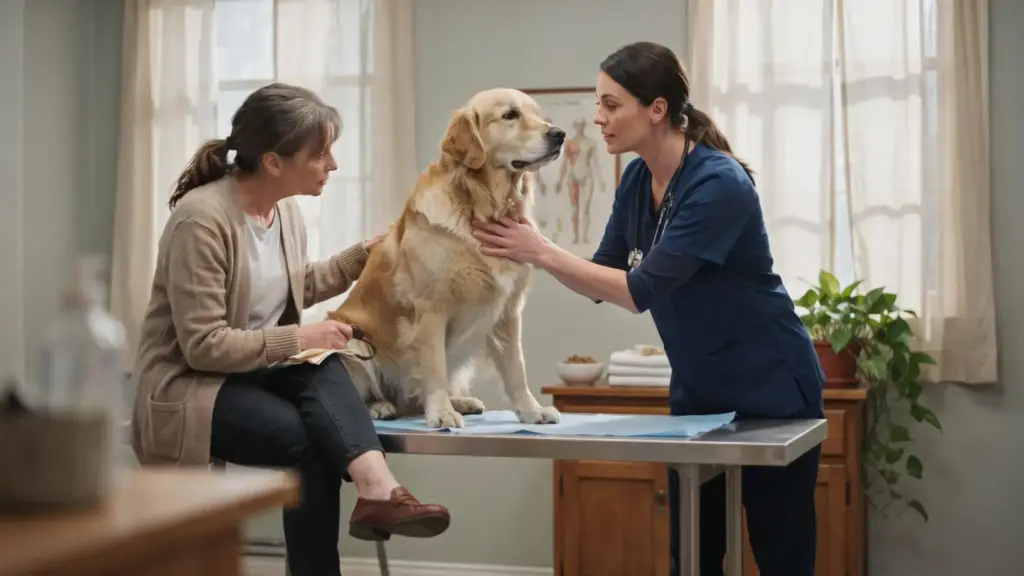
Every week, a dog walks into my clinic looking perfectly fine, until my hands find something under the fur that changes the whole visit.
Small changes like these are usually nothing, but sometimes they’re the first sign of cancer in dogs, a disease I’ve diagnosed often enough to know it affects roughly one in four dogs during their lifetime and remains a leading cause of death in dogs past age ten.
What trips up so many of my clients is that early dog cancer symptoms mimic ordinary aging. Below is what I actually look for, which breeds I watch more closely, and what treatment looks like once a diagnosis is confirmed.
What is Cancer, and Why Does It Develop?
This is the part I find clients understand least, so I keep my explanation simple in the exam room: cancer starts when something goes wrong in a cell’s growth instructions, and it divides without stopping instead of following the body’s normal checks and balances.
Instead of dying off on schedule like healthy cells, these cells keep multiplying and form a mass. Left alone, that mass can grow into nearby tissue or travel to other parts of the body through the blood or the lymph system, the network that normally helps fight infection.
Vets split canine cancer into two categories. A primary cancer grows directly where you find it. A secondary cancer has spread there from somewhere else, often the lungs or a lymph node. This distinction is one of the first things I clarify for a client, because it changes how I explain what comes next.
Common Types of Cancer in Dogs
In my years of practice, four types come up far more often than any others, and knowing which one I’m dealing with changes almost everything about how I approach treatment.
1. Lymphoma
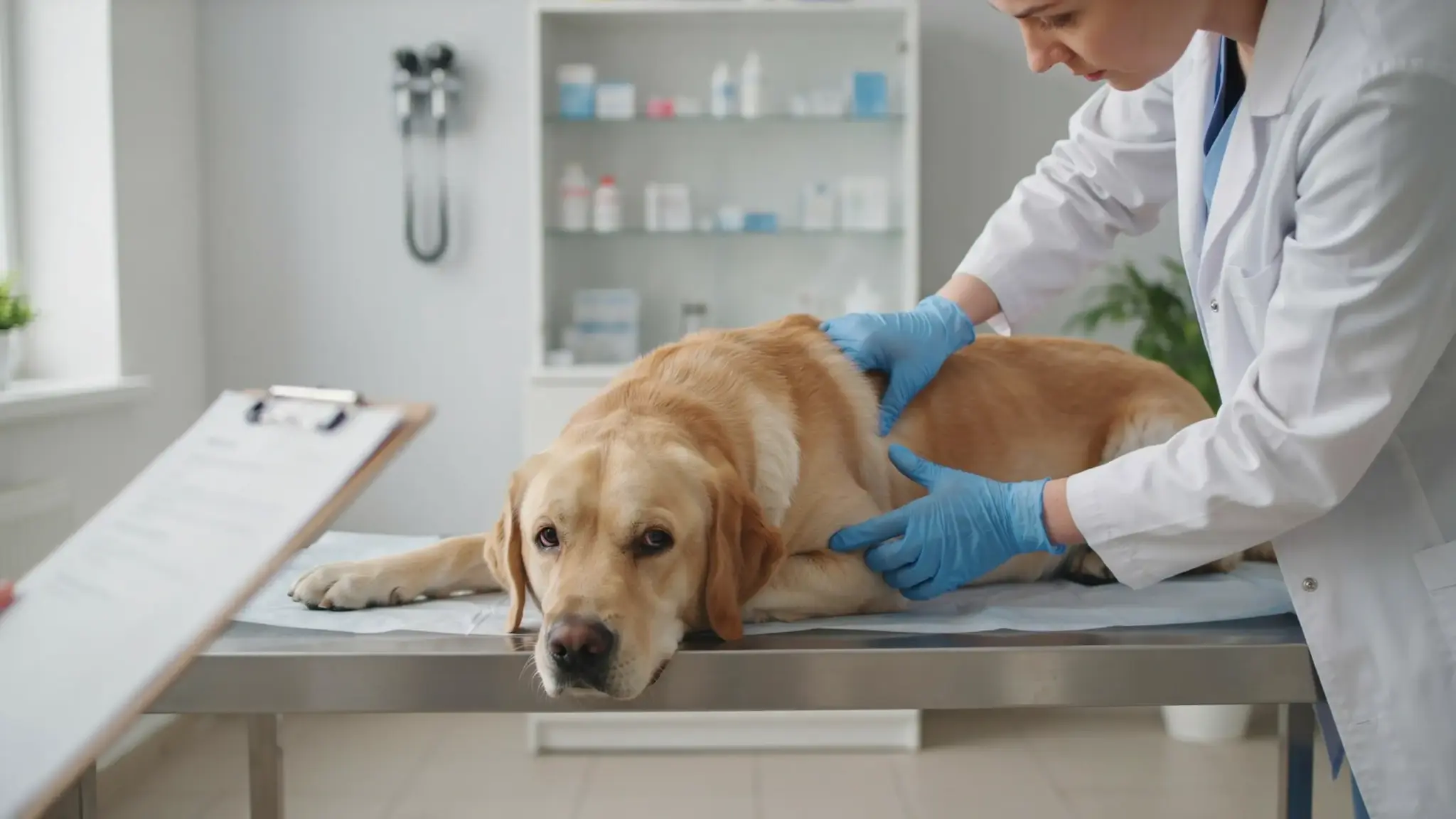
This is one of the most common cancers in dogs. It grows from cells in the immune system and often shows up as swollen lymph nodes under the jaw, in front of the shoulders, or behind the knees. Here is what sets it apart:
- Speed: grows quickly if left untreated, but responds well to chemotherapy in many dogs
- Location: usually the lymph nodes, though it can also affect the spleen, liver, or bone marrow
- Spread: often already present in multiple lymph nodes by the time it’s found
- Pain: rarely painful early on, which is why it’s easy to miss at first
I’ve caught more early lymphoma cases during a routine grooming or bathing check than during a scheduled physical, which is exactly why I ask my clients to run their hands over their dog’s neck and shoulders every few weeks, not just wait for the annual visit.
2. Mast Cell Tumors
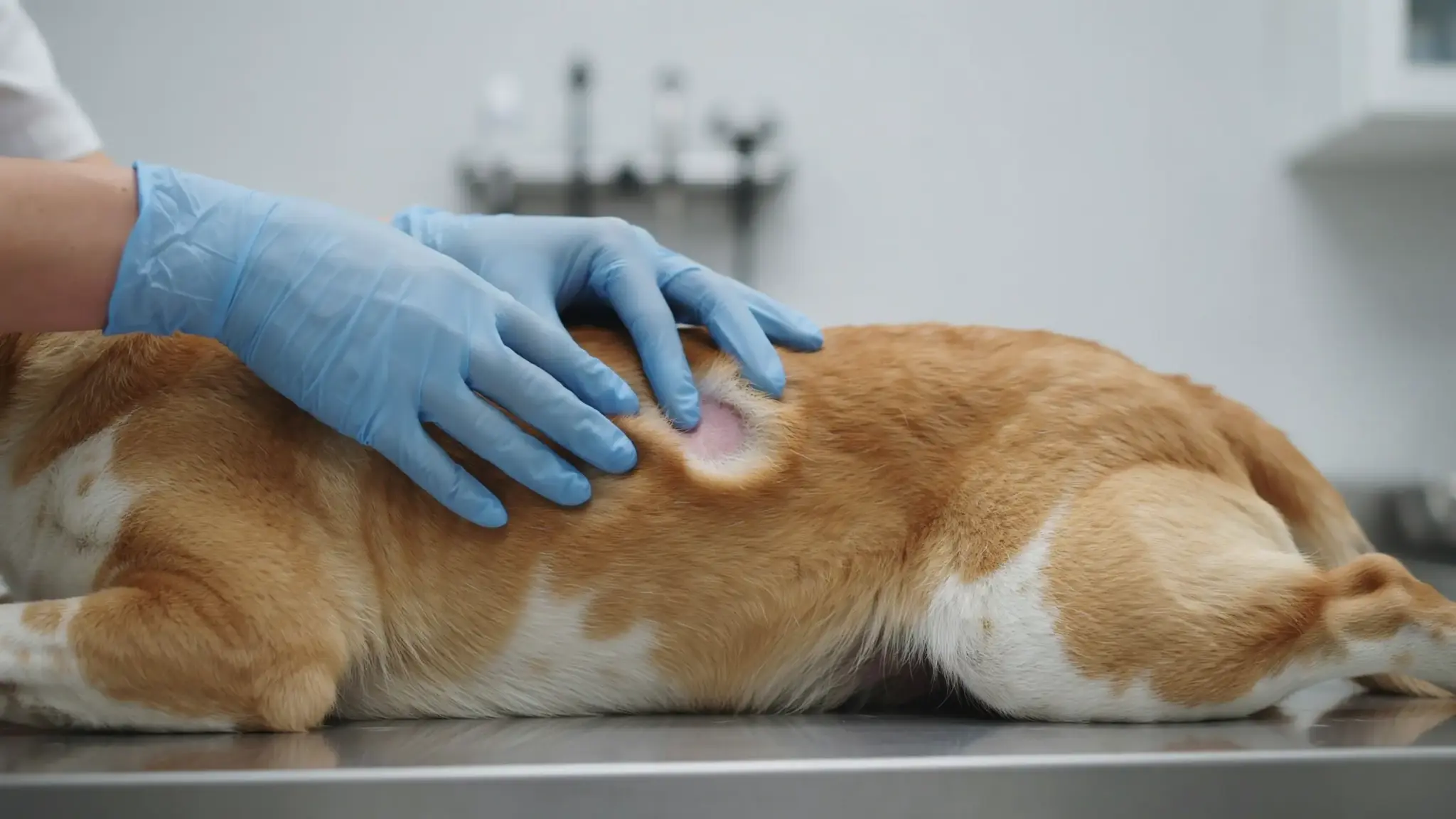
This is one of the most common skin cancers in dogs, and it can range from mild to aggressive depending on the grade. It begins in mast cells, which normally help the body respond to allergens and injury. Here is what sets it apart:
- Origin: develops from mast cells found in the skin and other tissues
- Location: can appear anywhere on the body, often as a raised or reddened skin lump
- Speed: behavior varies widely, from slow-growing to fast-spreading
- Spread: higher-grade tumors can reach the lymph nodes or internal organs
I can’t count how many mast cell tumors I’ve seen mistaken for an old bug bite or a wart before a client finally brought their dog in; some of those turned out to be grade II. I never guess with these myself; a needle aspirate takes me minutes and tells me exactly what I’m looking at.
3. Hemangiosarcoma
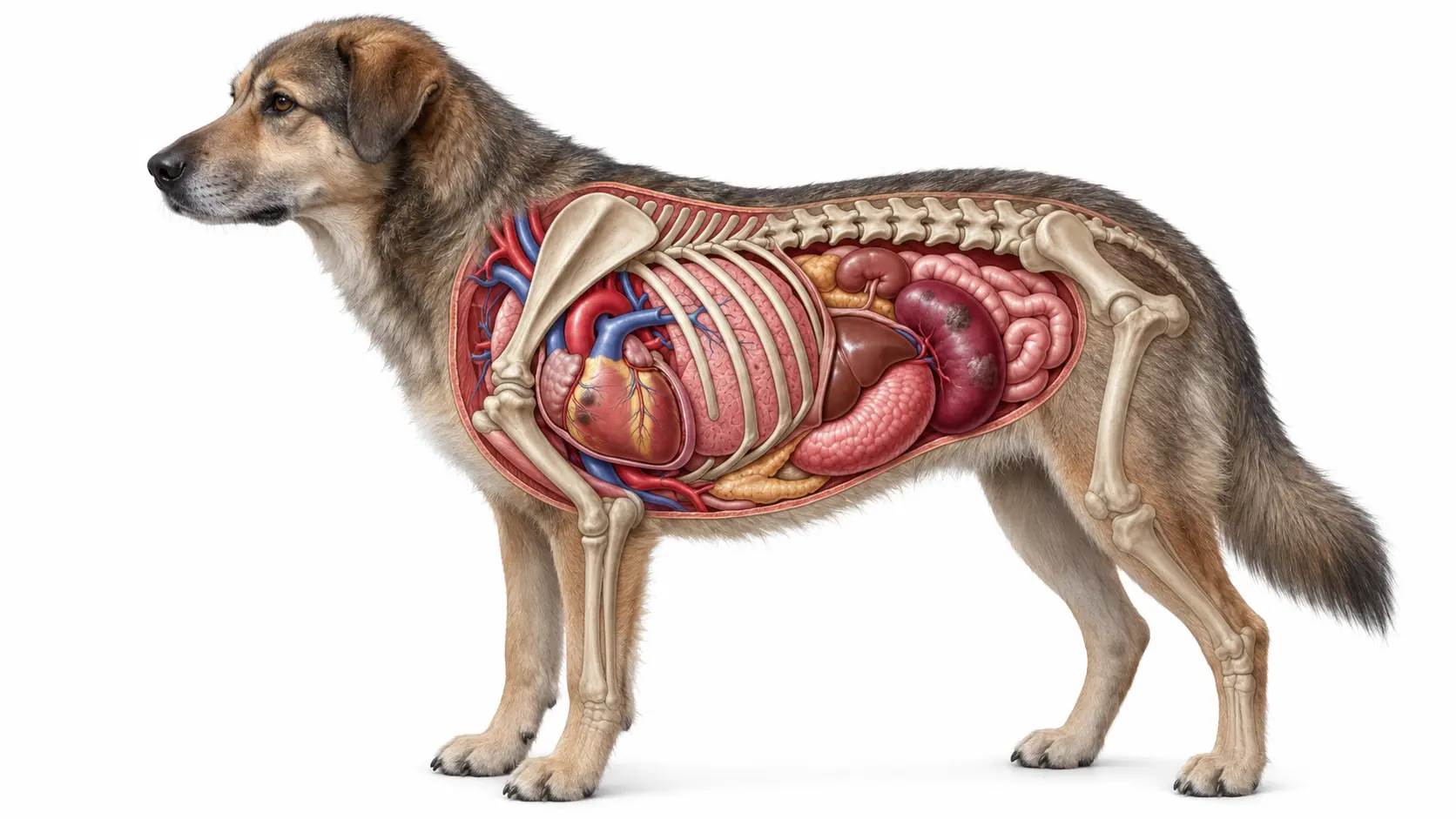
Hemangiosarcoma is an aggressive cancer that begins in blood vessel cells and often affects the spleen, heart, or skin. It spreads quickly and can cause sudden, serious bleeding. Here is what makes it different:
- Origin: develops from cells that form blood vessels
- Location: most often the spleen, but also the heart, liver, or skin
- Spread: can move through the bloodstream and reach other organs early
- Behavior: often progresses silently until a sudden collapse or internal bleed
This is one of the cancers I dread most in my own practice, because a dog can look completely normal at a checkup and then collapse a week later. It’s a big part of why I push so hard for regular senior bloodwork and imaging, even in dogs that seem fine.
4. Osteosarcoma
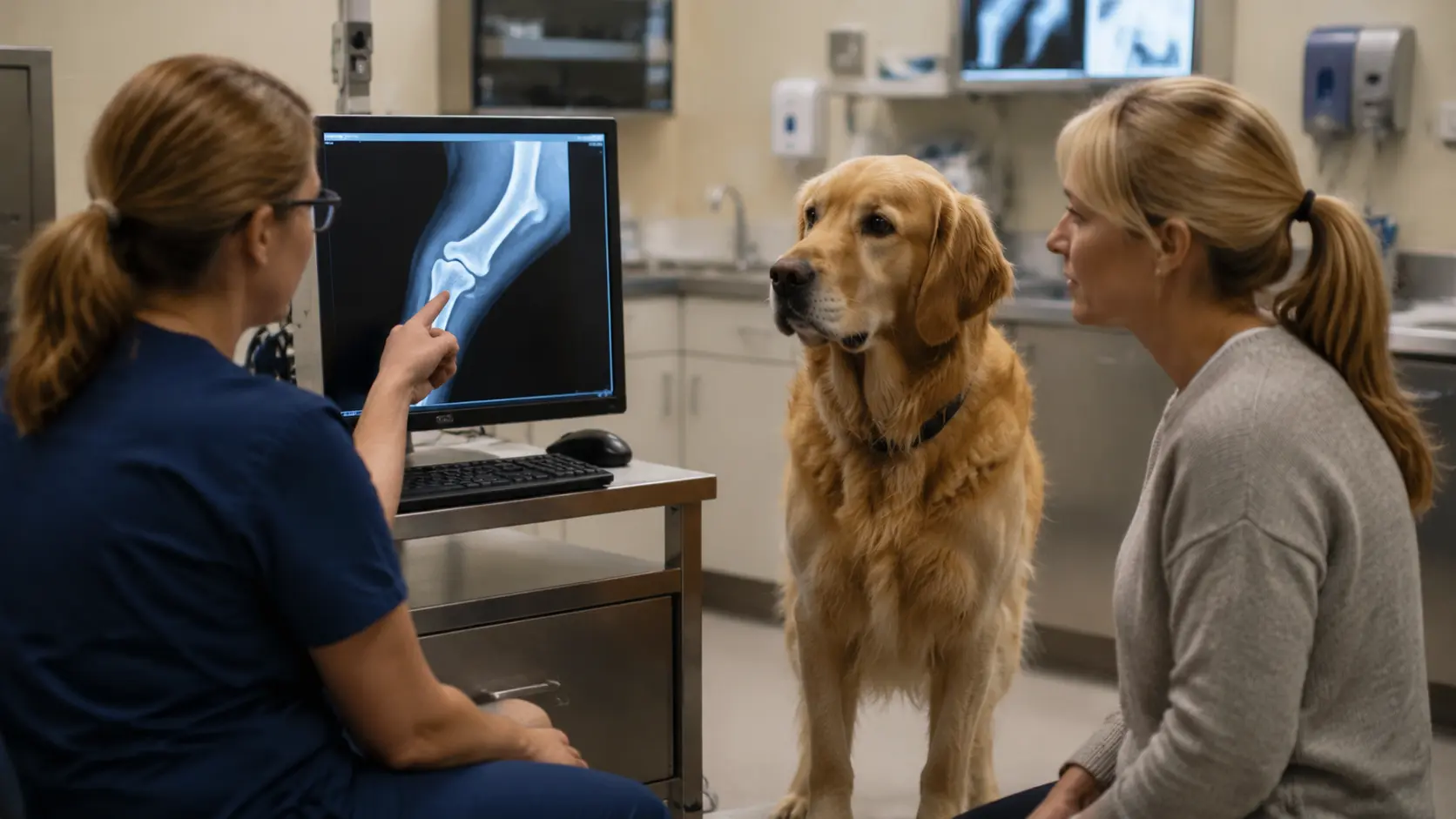
This is the most common bone cancer in dogs and tends to strike large and giant breeds. It grows fast, destroys bone from the inside, and often reaches the lungs early. Here is what sets it apart:
- Speed: grows and spreads faster than most other cancer types
- Location: usually the long leg bones, near the shoulder, wrist, or knee
- Spread: travels to the lungs early, which shapes the outlook
- Pain: causes severe, persistent pain as it eats away at the bone
This mix of quick growth and early spread is why fast diagnosis and treatment matter so much.
Cancer can also appear in the mammary glands, mouth, and internal organs, where there is no visible lump to warn you. Whatever the type or location, only a vet’s testing can confirm what you are dealing with, so spotting the early signs is the first real step.
Early Signs and Symptoms of Cancer in Dogs
Signs of cancer in dogs often look like normal aging, allergies, or a minor injury at first, which is exactly why they’re easy to brush off. These are the changes I ask about at every senior wellness visit I run: appetite, energy, breathing, and behavior. Common ones include:
- New or growing lumps: A lump that appears suddenly or keeps changing in size or shape
- Sores that won’t heal: A wound, scab, or ulcer that lingers for weeks instead of healing
- Unexplained weight loss: Losing weight without a change in diet or activity level
- Loss of appetite: Food that once excited your dog barely gets a sniff
- Persistent lethargy: Low energy that lasts for days or weeks rather than passing quickly
- Breathing changes: Labored, rapid, or shallow breathing that doesn’t resolve
- Bleeding or discharge: Unexplained bleeding from the nose, mouth, or elsewhere
- Offensive odor: A persistent bad smell, especially from the mouth or a skin lesion
- Lameness or stiffness: Limping or reduced interest in walks that doesn’t resolve with rest
Advisory: A lump, sore, or behavior change that lasts more than two weeks should not be ignored, especially in senior dogs. If symptoms persist or worsen, bloodwork and imaging can help identify cancer early, when treatment options are widest.
Which Dog Breeds Are Most at Risk?
The exact cause is still not fully understood. Researchers believe several things play a part. Genetics may raise the risk, and studies continue to look at environmental and lifestyle factors.
The clearest pattern is age and breed. Older dogs and certain breeds with known genetic predispositions are diagnosed far more often. This is why some breeds top the risk list.
Breed | Why is the risk higher |
|---|---|
Golden Retriever | Known for notably high overall cancer rates |
Boxer | Higher predisposition to mast cell tumors and lymphoma |
Elevated risk of histiocytic sarcoma and other cancers | |
Rottweiler | One of the most frequently diagnosed breeds for osteosarcoma |
Scottish Terrier | Higher rates of bladder and other cancers |
Flat-Coated Retriever | Common large breed with a raised occurrence of cancer |
Cancer is most common in middle-aged and older dogs, though some types can appear in younger dogs too. Regular checkups and early detection are part of why many dogs with cancer still go on to have good quality time.
Can You Lower Your Dog’s Cancer Risk?
This is where my preventive-medicine background shapes how I counsel clients. No single habit guarantees prevention, but a few things measurably shift the odds:
- Spay or neuter at the age your vet recommends: this lowers the risk of certain reproductive cancers, particularly when done before a dog’s first heat cycle in females
- Keep your dog at a healthy weight: excess body fat is linked to higher cancer risk in dogs, similar to the pattern seen in people
- Limit sun exposure on thin-coated or light-skinned dogs: UV exposure raises the risk of certain skin cancers in breeds with little fur or pigment
- Avoid unnecessary chemical exposure: some studies have linked herbicide and pesticide exposure in yards to higher rates of certain cancers, including bladder cancer
- Do a monthly at-home check: I teach my clients to run their hands over their dog’s body during grooming or bath time, feeling for new lumps the same way I would during an exam
- Keep up with annual (or biannual, for seniors) vet exams: most early cancers I find are caught on a routine physical, not because an owner noticed a symptom at home
None of this is a guarantee; genetics still carries the most weight, especially in high-risk breeds. But the exam-table catches are real in my experience, and they’re the reason I keep pushing clients toward that grooming-time habit even when their dog seems perfectly fine.
How Cancer Is Diagnosed
Diagnosing cancer in dogs involves several steps to confirm the tumor type and check if it has spread. Your vet combines physical exams, imaging, and lab tests to understand the condition and plan the right course of care.
- Exam and Imaging: Your vet checks for lumps, swelling, and overall condition. X-rays or ultrasound help identify changes inside the body.
- Biopsy and Lab Tests: A tissue or cell sample from the affected area helps confirm the tumor type. Lab tests identify the specific cancer involved.
- Staging Tests: Chest X-rays, bloodwork, or a CT scan help check if the cancer has spread, especially to the lungs or lymph nodes.
A complete diagnosis gives your vet important details about the tumor’s type, location, and stage. This information helps create a treatment plan based on your dog’s specific condition.
Treatment Options for Cancer in Dogs
The right plan depends on the cancer type, whether it has spread, and your dog’s age, health, and comfort. In my own practice, I rarely rely on just one approach; most plans I write combine at least two.
1. Surgery
This is often the first option I discuss when a tumor is contained to one area, since removal is the most direct way to eliminate the main source of disease.
Depending on location, this can mean removing a lump, a limb, or an affected organ. Recovery time varies by procedure, but many of the dogs I’ve operated on are back to normal daily activity within a few weeks of a straightforward tumor removal.
2. Chemotherapy
Some cancers, like lymphoma, respond especially well to chemotherapy; others use it to target hidden cancer cells after surgery. It’s usually recommended when cancer has spread or is likely to.
I’ve had clients brace themselves for the worst here, and I always tell them what I see clinically is usually much gentler than what they’re picturing from human treatment.
Dog cancer treatment with chemo uses lower doses aimed at quality of life rather than the more aggressive dosing used in human oncology, and side effects, when they happen, are usually mild: some fatigue or a few days of reduced appetite.
3. Radiation and Pain Relief
When surgery isn’t possible, radiation therapy may help reduce tumor size and relieve pain. Managing discomfort is a major part of treatment, especially as cancer progresses.
As noted by veterinary oncology guidance, veterinarians may use medications such as NSAIDs, gabapentin, and other pain-relief options to help dogs maintain a better quality of life.
Disclaimer: Always plan cancer treatment with your vet or a veterinary oncologist. The best option depends on the cancer type, spread, and your dog’s health. Seek care promptly if symptoms worsen.
What Does Cancer Treatment Actually Cost?
Cost is one of the first questions most of my clients ask, and it’s a conversation I try to have honestly rather than sidestep.
Item | Estimated Cost (USD) | What Affects It |
|---|---|---|
Diagnosis and staging | $300 – $1,500+ | Oncology consult, bloodwork, biopsy or histopathology, and imaging such as X-rays, ultrasound, or a CT scan |
Surgery | $500 – $5,000 | Tumor size, location, and how complex the removal is |
Chemotherapy | $150 – $600 per dose | Number of sessions and the drug protocol used |
Radiation | $1,000 – $5,000 palliative | Usually requires specialized equipment only at referral centers |
Combination treatment | $10,000 – $20,000+ | Surgery paired with chemo and/or radiation over the full course |
Pet insurance can offset much of this when the policy predates diagnosis. Tell me your budget early, and I’ll build a tiered plan around it.
Life Expectancy and Prognosis
Survival depends on the cancer type, how early it’s caught, and whether it has spread. Once cancer reaches the lungs or other major organs, the outlook is usually much worse. Here is what the numbers generally show:
- Treated with surgery alone: Outcomes vary widely by tumor type, with some dogs cured and others facing a return of disease.
- Treated with surgery plus chemotherapy or radiation: Median survival often extends further, with some dogs living a year or more depending on the cancer type.
- Palliative care only: When aggressive treatment isn’t suitable, supportive care focuses on managing pain, maintaining mobility, and preserving comfort. Survival varies based on the dog’s health and response to care.
These numbers reflect what I’ve seen across hundreds of cases in my own practice, but every dog I’ve treated has surprised me at least once, in both directions. They’re averages, not promises; earlier detection generally means more options on the table, not a guaranteed outcome.
What Real Dog Owners Say
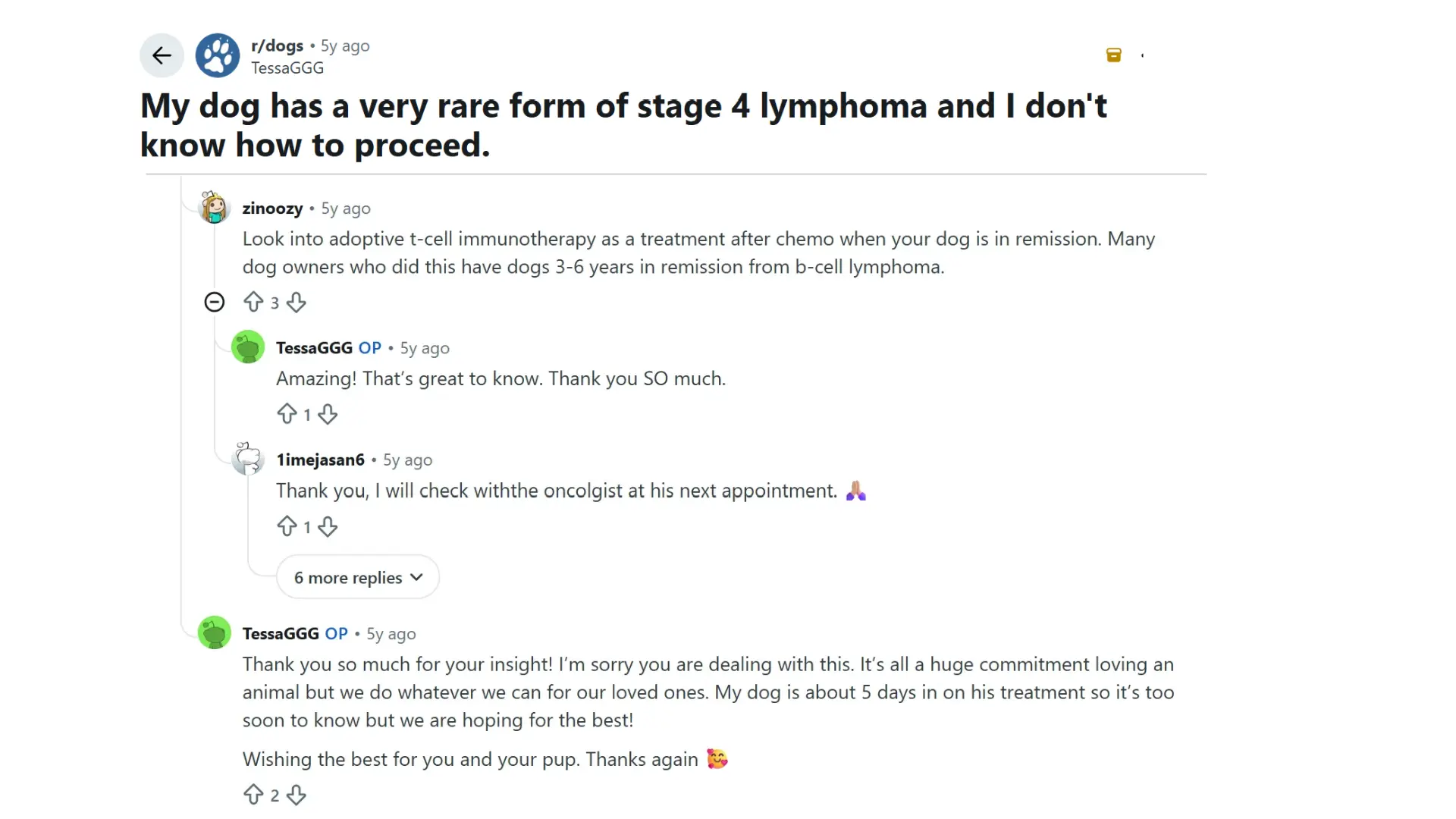
Real dog owners often describe cancer treatment as a mix of hope, uncertainty, and constant decision-making. In one Reddit discussion, a commenter suggested asking a veterinary oncologist about adoptive T-cell immunotherapy after chemotherapy, sharing that some dogs with B-cell lymphoma had stayed in remission for years.
The original poster responded with interest, while another owner said they planned to bring the idea up at their dog’s next oncology appointment.
The thread also shows how emotional treatment can feel, especially in the first few days, when families wait to see how their dog responds.
What stands out most is how owners trade treatment ideas and support one another, but these personal experiences should never replace advice from a veterinary oncologist who knows the dog’s diagnosis and treatment plan.
Caring for a Dog with Cancer
Daily care can make a real difference in keeping a dog with cancer comfortable. Small adjustments at home reduce strain and help you notice changes early. Holistic care, in my view, isn’t a replacement for medicine; it’s what I recommend alongside it.
- Pain: Follow your veterinarian’s medication plan and report any changes in discomfort.
- Nutrition: Ask your vet whether a diet change could help if appetite is affected.
- Rest: Provide a soft, supportive bed in a quiet area where your dog can relax.
- Routine: Keep activities gentle and adjust walks based on your dog’s energy level.
- Monitoring: Track changes in appetite, mood, mobility, and behavior.
- Checkups: Keep regular veterinary visits to review treatment and comfort levels.
Disclaimer: Home care supports comfort but doesn’t replace veterinary treatment. Contact your vet if pain worsens, mobility declines suddenly, breathing becomes difficult, or your dog refuses food or water for more than a day.
Signs a Dog May Be Near the End of Life
This is a difficult stage for any pet owner, but recognizing changes in your dog’s comfort and behavior can help you provide the right support.
Signs that quality of life may be declining include severe pain that medication no longer controls, weakness or trouble standing, refusing food, losing interest in family or activities, and breathing difficulties that may indicate cancer has spread to the lungs.
When these changes appear, speak openly with your veterinarian about your dog’s condition.
Together, you can make decisions focused on comfort, pain relief, and maintaining the best possible quality of life.
Final Thoughts: Helping Your Dog Through Cancer
Every dog’s case looks different, but one pattern holds across nearly all of the ones I’ve treated: catching cancer in dogs while it’s still localized gives your vet the most options and your dog the best odds at a comfortable outcome.
That means treating a persistent lump, sudden weight loss, or an unusual drop in energy as a reason to call your vet, not wait it out.
Watching for dog cancer symptoms won’t prevent every diagnosis, but it puts more choices on the table when it counts: for treatment, for pain management, for quality of life.
If your dog has been slowing down lately, that’s the exam I’d tell you to book this week. And if you’ve been through this with your own dog, I’d genuinely like to hear how it went in the comments.
Frequently Asked Questions
Is Cancer in Dogs Contagious to Other Pets?
No. Cancer cannot pass between animals or to people. It grows from a dog’s own cells, so there is no risk to other pets, children, or you.
Can Spaying or Neutering Lower Cancer Risk?
Spaying or neutering doesn’t guarantee protection, but it lowers the risk of certain cancers, like mammary tumors in females and some reproductive cancers in males, especially when done early.
Does Pet Insurance Cover Cancer Treatment?
Coverage depends on your policy and provider, but many pet insurance plans do cover cancer diagnostics and treatment, as long as the cancer wasn’t a pre-existing condition.
Should I Get a Second Opinion on a Diagnosis?
Yes, especially for an aggressive or unclear diagnosis. A veterinary oncologist can confirm the tumor type, review your options, and help you feel confident about the treatment plan.
Does Cancer in Dogs Come Back After Treatment?
Yes, it can. Even after successful treatment, hidden cancer cells may spread and form new tumors. Ongoing monitoring helps catch a recurrence early.