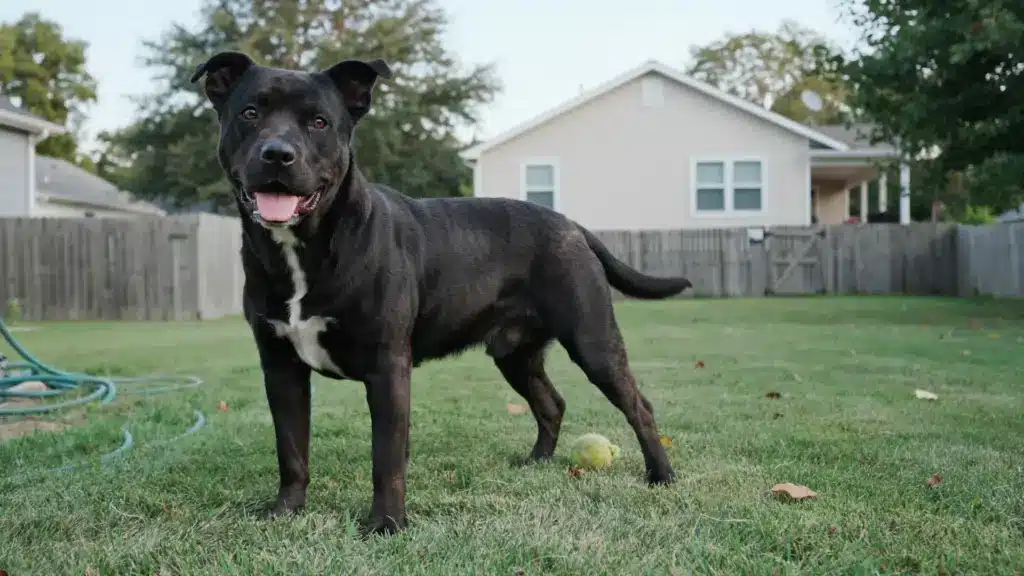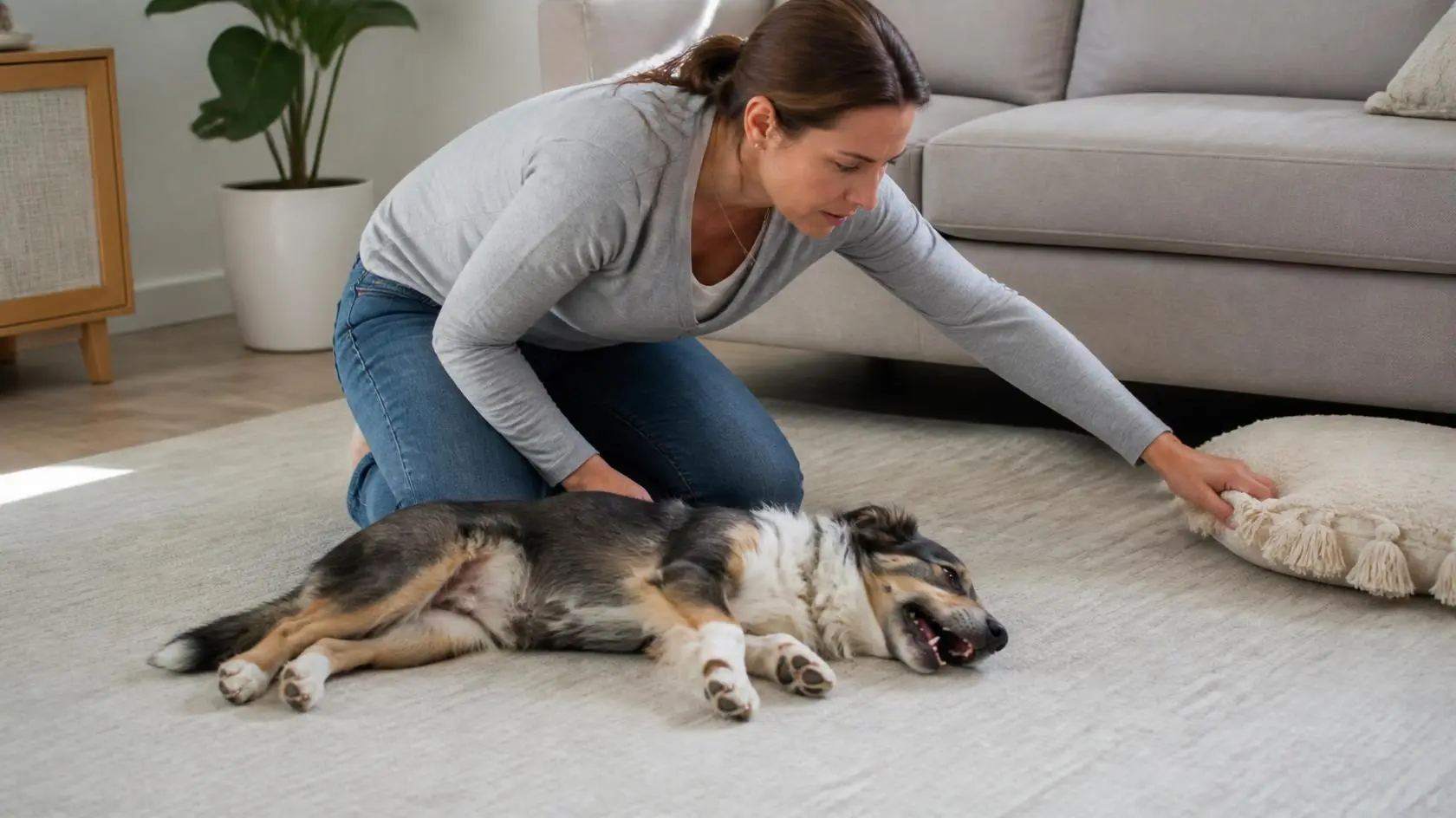



Imagine a dog small enough to fit comfortably on your lap but confident enough to act like it runs the entire household in every possible manner.
The Chihuahua Beagle mix, commonly known as the Cheagle, combines two beloved breeds into one entertaining and affectionate companion.
Cheagle combines loyalty, intelligence, curiosity, and a lively personality. Some lean toward the Beagle’s friendly nature, while others inherit the Chihuahua’s bold temperament.
Energy levels, training needs, health considerations, and family compatibility all play an important role in determining whether this hybrid is the right fit. Everything you need to know is covered below.
What is a Chihuahua Beagle Mix?
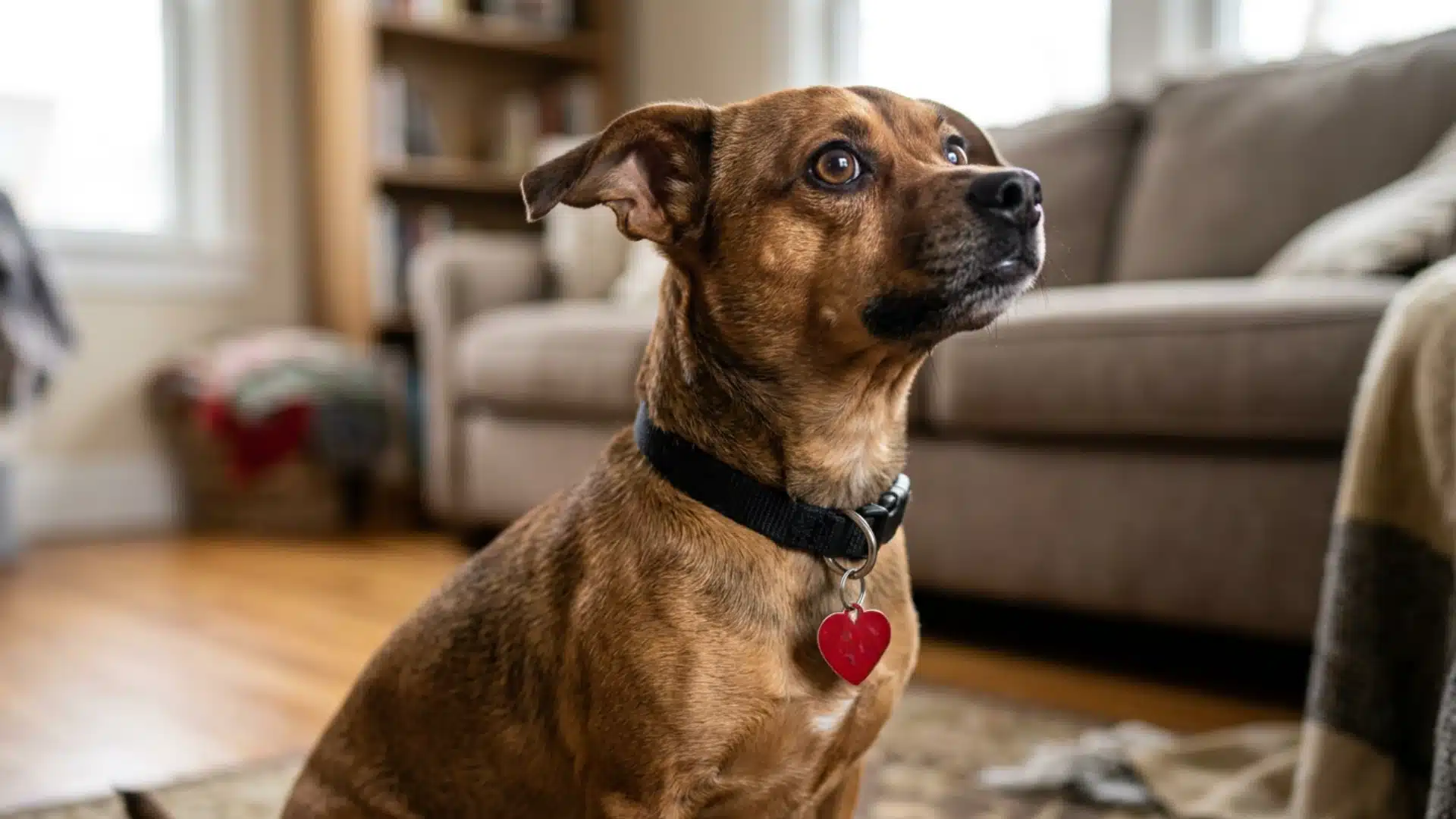
A Chihuahua Beagle mix is a designer hybrid created by crossing a Chihuahua with a Beagle.
Often called a Cheagle, the breed combines the Beagle’s friendly, scent-driven personality with the Chihuahua’s loyalty and confidence.
Unlike purebred dogs, Cheagles can inherit different traits from either parent. One puppy may look and act more like a Beagle, while another from the same litter may strongly resemble a Chihuahua.
Most Chihuahua Beagle mixes have a small, athletic build, bright eyes, and an alert expression. Coat length depends largely on the Chihuahua parent.
Short, smooth coats are most common, though some Cheagles develop medium-length fur with feathering around the ears, chest, or tail.
If you enjoy reading about other adorable small dog breeds that make loyal companions, the Cheagle fits right into that group.
Chihuahua Beagle Mix at a Glance
Before diving into appearance, here’s a quick overview of the Cheagle’s key characteristics:
| Characteristic | Details |
|---|---|
| Breed Name | Cheagle |
| Parent Breeds | Chihuahua and Beagle |
| Height | 9–15 inches |
| Weight | 9–20 pounds |
| Lifespan | 10–16 years |
| Coat Type | Short to medium length |
| Temperament | Loyal, playful, alert, and affectionate |
| Good With Children | Yes, with proper supervision |
| Good With Other Pets | Usually, with early socialization |
| Exercise Needs | Moderate |
| Shedding Level | Moderate |
| Recognition | American Canine Hybrid Club and other hybrid registries |
Chihuahua Beagle Mix: Behavior and Personality Traits
Personality is where the Chihuahua Beagle mix truly stands out. A Cheagle typically inherits a blend of both, creating a companion that is affectionate, entertaining, and full of character
- Affectionate and Loyal: Cheagles form strong bonds with their families and often enjoy cuddling or staying close to their favorite people.
- Playful and Energetic: Regular play and activity are important, as boredom can lead to unwanted behaviors.
- Alert and Watchful: Many Cheagles are quick to notice strangers, unusual sounds, or changes in their environment.
- Intelligent but Stubborn: Their intelligence makes them capable learners, though consistent training and patience are often required.
- Curious and Nose-Driven: A strong sense of smell inherited from the Beagle side can make Cheagles eager to investigate interesting scents.
What Does a Chihuahua Beagle Mix Look Like?
Most Cheagles have a rounded head, a moderately pointed muzzle, and large, expressive eyes that give them an alert and curious look.
Their compact bodies are small yet sturdy, making them surprisingly athletic for their size. Ear shape varies widely depending on genetics.
Some inherit the Beagle’s floppy ears, while others develop the Chihuahua’s upright, triangular ears. A medium-length tail may be straight or slightly curved.
Coat colors can be just as unpredictable. Common shades include tricolor (black, white, and tan), brown and white, cream, fawn, black, and tan. No two Cheagles look exactly alike, which is part of the breed’s appeal.
Are Cheagles Good Family Dogs and Other Pets?
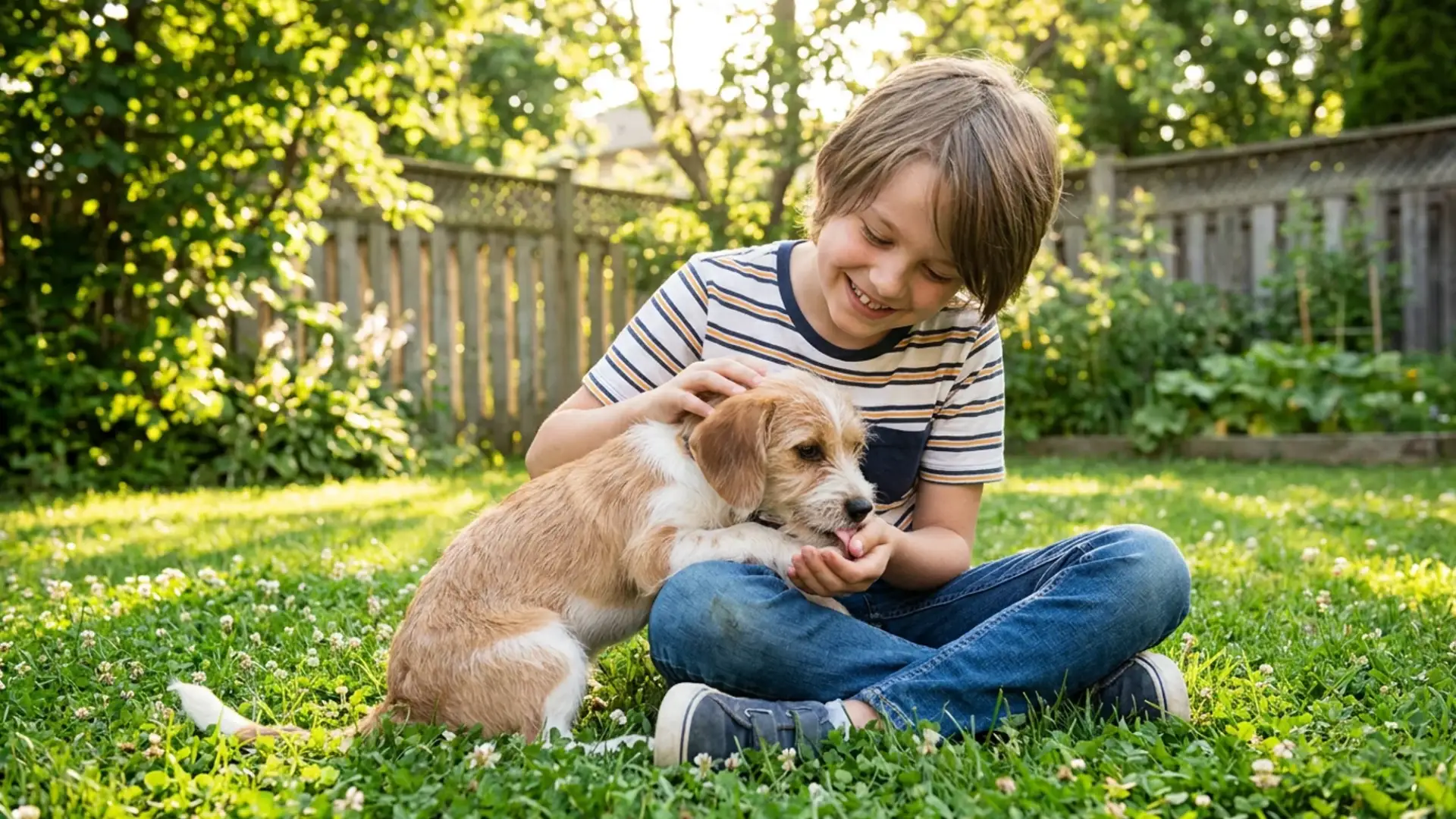
Cheagles are affectionate, playful dogs that thrive on family interaction and daily companionship. Their loyal nature and alert personality also make them effective little watchdogs around the home.
Older children are often a great match, while younger kids should always be supervised around small dogs during playtime. Early socialization helps Cheagles get along well with other dogs and cats.
Some may inherit the Beagle’s prey drive, so caution is recommended around small pets like rabbits, hamsters, and guinea pigs, especially when unsupervised.
With proper training, socialization, and attention, most Cheagles adapt well to family life and enjoy being involved in everyday activities with their people.
Pros and Cons of Owning a Chihuahua Beagle Mix
Before bringing home a Cheagle, it’s worth considering both the advantages and potential challenges of the breed.
| Pros | Cons |
|---|---|
| Compact size that works well in apartments, condos, and smaller homes | May develop separation anxiety when left alone for long periods |
| Affectionate and enjoys spending time with family members | Can be vocal without proper training and mental stimulation |
| Adaptable to a variety of households and lifestyles | An independent nature can make training more challenging |
| Long lifespan of 10 to 16 years with proper care | A strong scent drive may cause distractions outdoors |
| Playful personality that brings energy and entertainment | Requires early socialization for balanced behavior |
Cheagle Diet and Feeding Tips
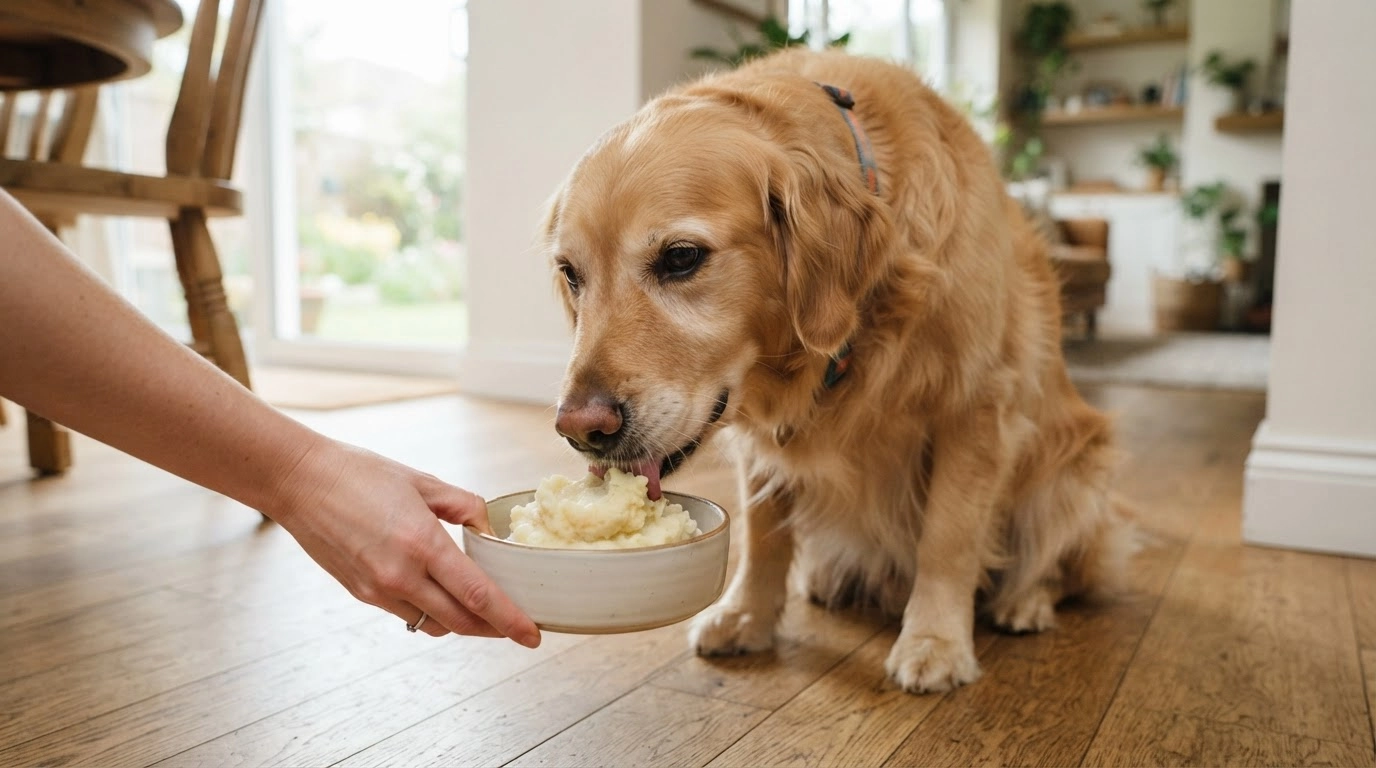
A Cheagle needs food that matches its age, size, and daily activity. Puppies need more frequent meals, while adults usually do well with a steady feeding routine.
Since this mix can be small, small-breed dog food may work better, especially if the kibble is easier to chew.
- Feed measured meals instead of free-feeding.
- Pick food made for small dogs when needed.
- Adjust portions based on weight, age, and energy level.
- Limit treats during training and daily snacking.
- Keep clean, fresh water available all day.
Beagle mixes often love food, so portion control matters. Too many treats can lead to weight gain fast, especially in a small dog. A vet can help choose the right food and serving size if weight, allergies, or stomach issues show up.
Here you go, broski:
Training a Chihuahua Beagle Mix
A Cheagle is smart, active, and sometimes stubborn, so training works best when it starts early and stays clear.
- Early socialization: Introduce your Cheagle to new people, places, sounds, and pets while they are young. This helps them grow into a more confident and relaxed dog.
- Recall training: Teach the come command early. Many Cheagles follow scents like Beagles, so they may get distracted fast when outside.
- Short sessions: Keep training sessions around 10 to 15 minutes. Short lessons help your dog stay focused without getting bored or frustrated.
- Positive rewards: Use praise, treats, and toys to reward good behavior. This keeps training fun and helps your Cheagle understand what you want.
- Barking control: Teach a quiet command early. Chihuahuas may bark for attention, alerts, or boredom, so steady training can help manage it.
- Crate training: Use a crate as a safe space, not a punishment. It can help with routine, rest, and mild separation stress.
- Daily activity: Give your Cheagle walks, playtime, puzzle toys, and scent games. A tired Cheagle is usually easier to train and calmer at home.
Chihuahua Beagle Mix: Grooming and Coat Care
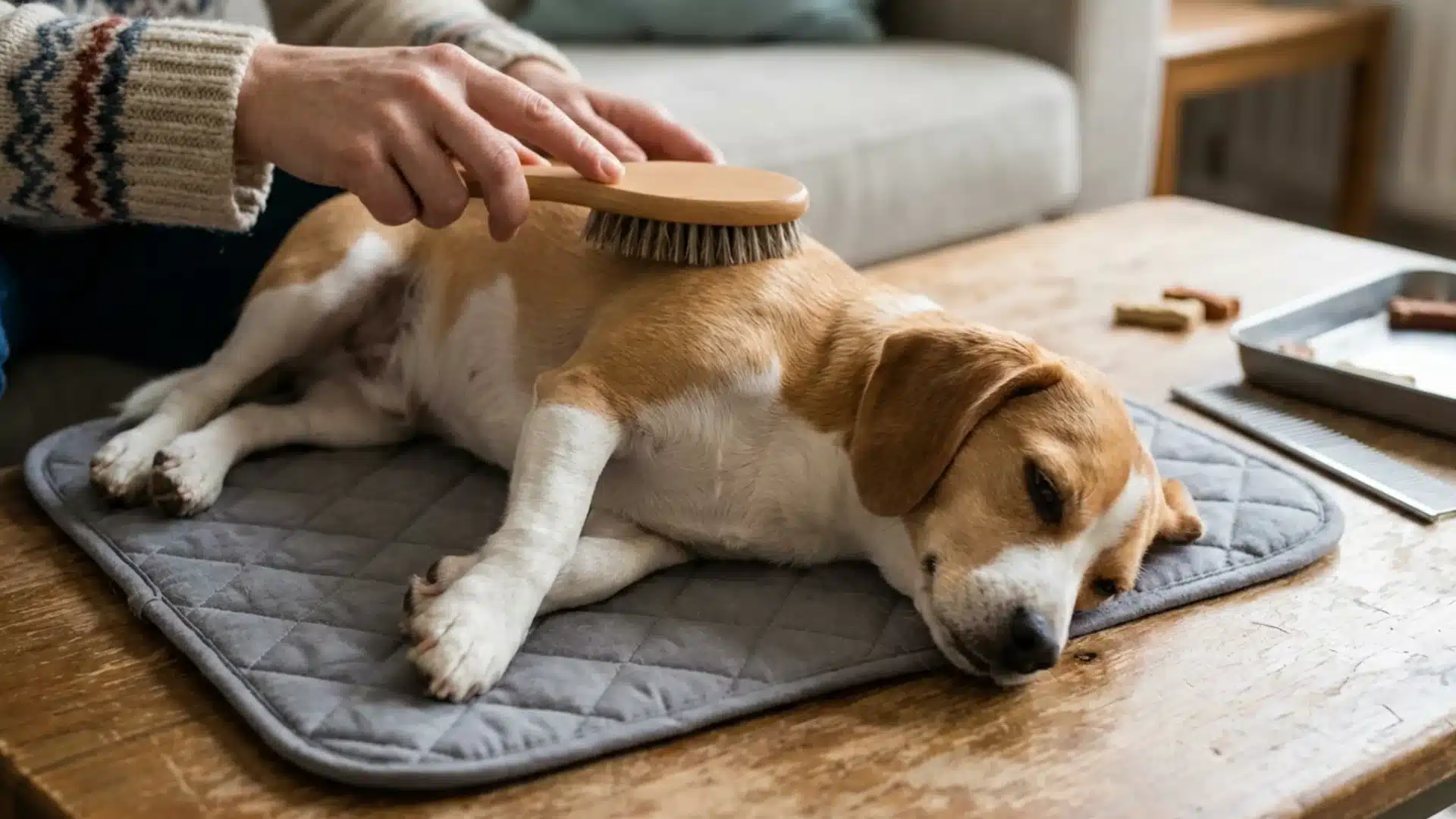
Cheagles are relatively low-maintenance dogs when it comes to grooming. Regular care helps keep their coat, skin, teeth, and nails in good condition while reducing the risk of common health issues.
- Brushing: Brush your Cheagle two to three times per week to remove loose hair and control shedding. Medium-coated dogs may need more frequent brushing to prevent tangles.
- Bathing: A bath every four to six weeks is usually enough for most Cheagles. Using a gentle dog shampoo helps remove dirt and odors without stripping the skin of its natural oils.
- Ear Care: Check your dog’s ears weekly for dirt, redness, or excess wax buildup. Regular cleaning can help prevent moisture-related infections, especially in dogs with floppy ears.
- Dental Care: Brush your Cheagle’s teeth several times a week to reduce plaque and tartar buildup. Regular dental care supports healthy gums and helps prevent bad breath and dental disease.
- Nail Trimming: Trim nails every three to four weeks or whenever they become noticeably long. Overgrown nails can cause discomfort and affect the way your dog walks.
- Eye Care: Gently wipe away any discharge around the eyes as needed. Regular cleaning helps keep the eye area comfortable and free from buildup.
How Much Does a Chihuahua Beagle Mix Cost?
The cost of a Chihuahua Beagle mix varies based on breeder reputation, location, and availability. Puppies from reputable breeders typically cost $500 to $1,200, while adoption fees usually range from $50 to $300.
Adoption is often more affordable and may include basic veterinary services. Reputable breeders generally provide health records and background information.
Owners should also budget for ongoing expenses such as food, veterinary care, grooming, toys, training, and pet insurance throughout the dog’s lifetime.
Unexpected costs can also arise, including emergency veterinary visits, medications, or specialized care. Setting aside a pet care budget can help manage these expenses more comfortably.
Common Health Problems in Chihuahua Beagle Mix Dogs
Chihuahuas are generally healthy dogs, but they can inherit health conditions from either parent breed.
- Patellar Luxation: A condition where the kneecap slips out of its normal position. Common in small breeds, it may cause limping, skipping steps, or difficulty walking.
- Hip Dysplasia: Abnormal development of the hip joint can lead to discomfort, stiffness, and reduced mobility over time.
- Hypoglycemia: Low blood sugar is most common in small puppies and can cause weakness, trembling, lethargy, or loss of coordination if left untreated.
- Hypothyroidism: Reduced thyroid function can slow metabolism, leading to weight gain, low energy levels, and changes in skin or coat quality.
- Epilepsy: Some Cheagles may inherit seizure disorders that require veterinary diagnosis and long-term management.
- Dental Disease: Small jaws often lead to crowded teeth, increasing the risk of plaque buildup, gum disease, and tooth loss without proper dental care.
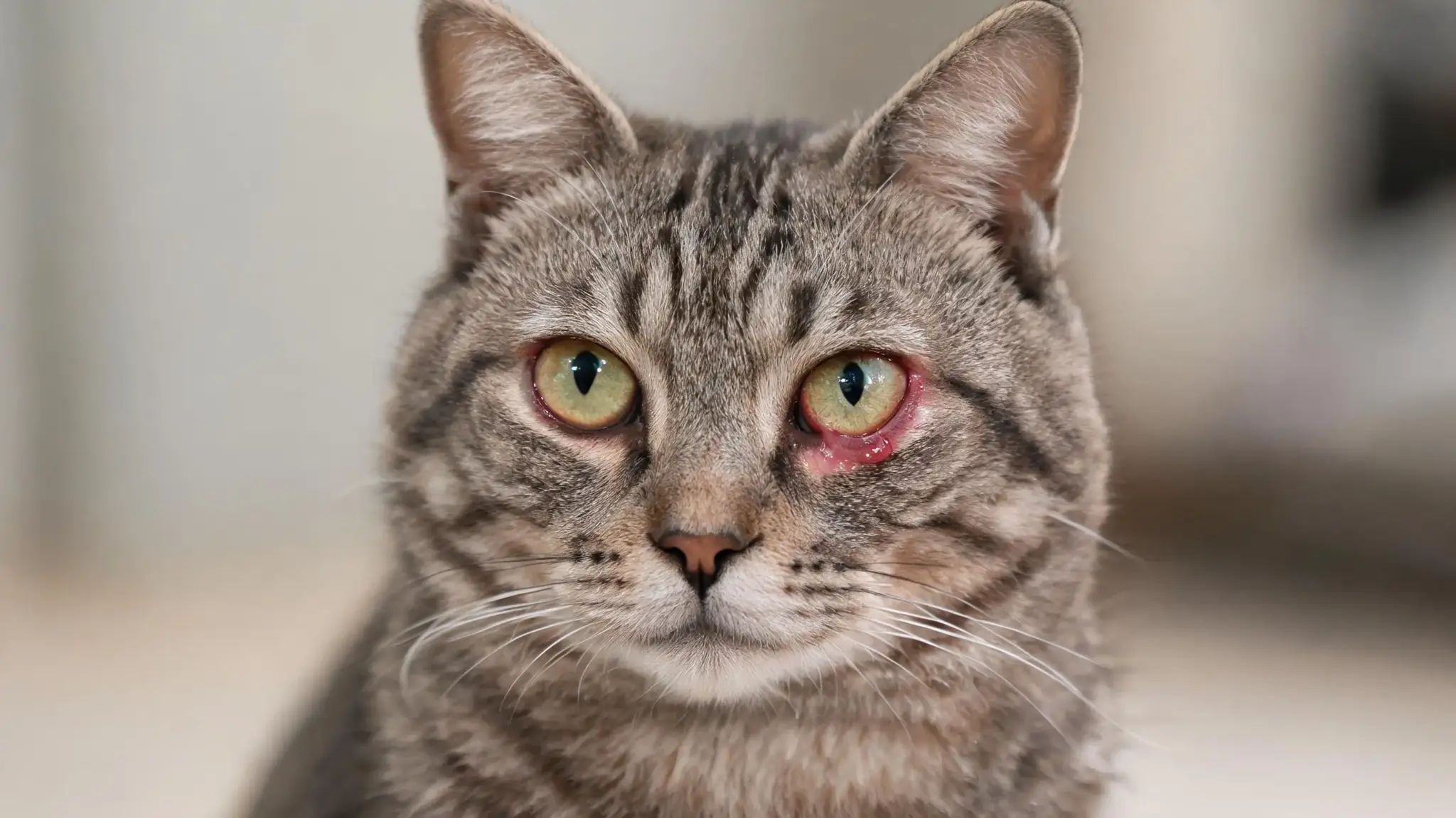
- Cherry Eye: A prolapsed gland in the third eyelid that appears as a red swelling in the corner of the eye and may require veterinary treatment.
Preventive Health Care for a Chihuahua Beagle Mix

Regular veterinary examinations are essential for monitoring your Cheagle’s overall health and detecting potential problems early.
Keeping vaccinations up to date also helps protect against common preventable diseases and supports long-term well-being.
Maintaining a healthy weight through proper nutrition and exercise can reduce stress on the joints and improve overall health.
Year-round parasite prevention and consistent dental care are equally important for protecting your dog from parasites, gum disease, and other avoidable health issues.
Conclusion
A Cheagle may be small, but it brings plenty of personality to the table. Equal parts curious, affectionate, and spirited, this hybrid offers a unique blend of traits that keeps life interesting.
Every Cheagle is a little different, making each one a unique companion with its own quirks, habits, and charm. Their adaptable nature allows them to fit into a variety of households when given proper care and attention.
For owners who appreciate an engaging companion and are willing to invest time in proper care and guidance, a Cheagle can become a beloved part of the family and a source of daily joy for years to come.
Already share your life with a Cheagle? Share your experience in the comments below. We’d love to hear about your dog’s personality, favorite habits, and what makes them special.
Frequently Asked Questions
Do Chihuahua Beagle Mixes Enjoy Traveling?
Many Cheagles adapt well to travel when introduced gradually. Short practice trips can help build confidence and reduce anxiety.
How Long Does a Chihuahua Beagle Mix Take to Reach Full Size?
Most Cheagles reach their adult height and weight between 10 and 12 months of age, although some continue filling out slightly afterward.
Do Cheagles Prefer One Family Member?
Many develop especially strong attachments to one person while still remaining affectionate toward the rest of the household.