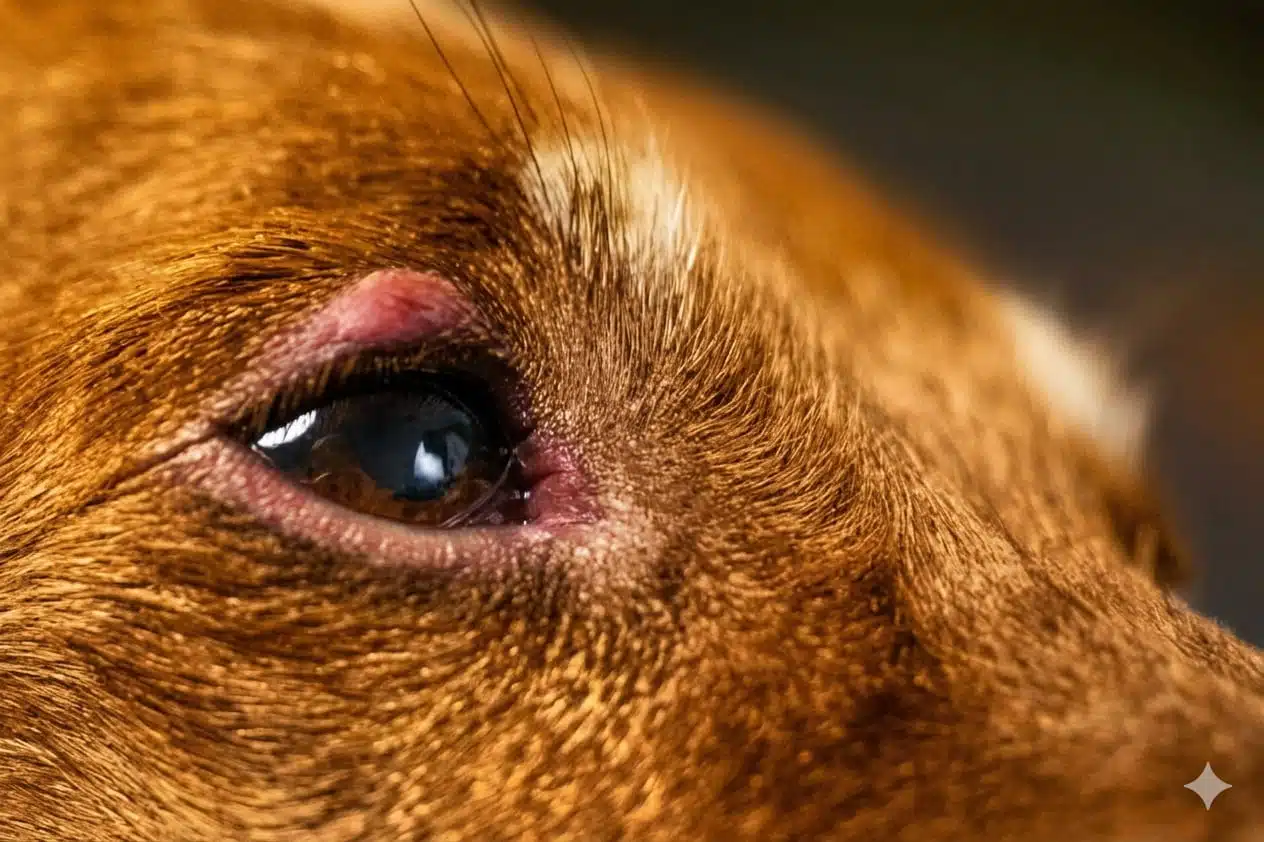
Imagine gently petting your dog when you suddenly feel a small bump on their eyelid. Your heart skips a beat as worries about serious eye problems flood in.
The good news is that most bumps on a dog’s eyelid are benign and highly treatable.
In my clinic, eyelid bumps are among the more frequent reasons owners come in looking worried, and most of the time I’m able to reassure them within the first few minutes of the exam.
That said, these lumps should never be ignored. A bump on a dog’s eyelid that rubs the cornea can cause ulcers, and occasionally these growths signal something that needs prompt care.
This guide will walk you through the most common causes, what to watch for, and the best steps to protect your dog’s vision and comfort.
Whether you’re a first-time pet parent or caring for a senior dog, you’ll gain clear, practical knowledge to make confident decisions.
Why Bumps on Dogs’ Eyelids Are So Common
Dogs’ eyelids contain dozens of tiny meibomian glands that produce the oily layer of the tear film, which helps keep the eyes lubricated and protected.
Since these glands are constantly exposed to dust, debris, and irritation, problems such as blockages, infections, and abnormal growths are quite common in dogs.
Age is one of the biggest risk factors, as middle-aged and senior dogs are more likely to develop meibomian gland disorders.
Certain breeds, especially brachycephalic dogs like Pugs, Shih Tzus, and Bulldogs, face a higher risk because their facial structure and prominent eyes increase irritation and exposure.
Dogs with bulging eyes are also more vulnerable to gland issues.
In younger dogs, a weaker or developing immune system can make viral warts around the eyelids more likely to appear, adding to the range of common meibomian gland conditions.
Common Causes of a Bump on a Dog’s Eyelid
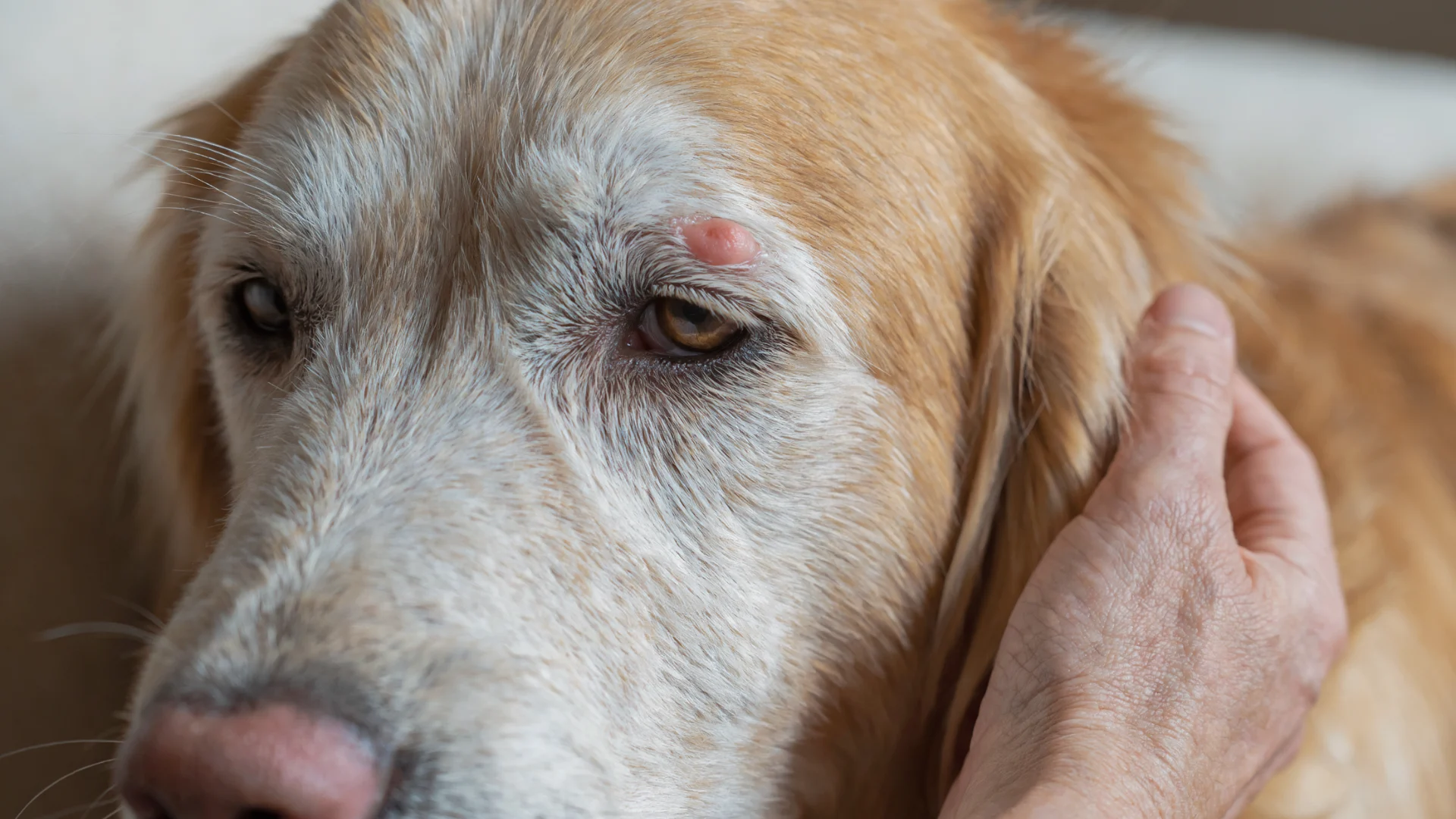
Eyelid bumps in dogs can develop from blocked glands, infections, viral growths, cysts, or tumors, making proper identification important for early treatment and eye protection.
1. Meibomian Gland Tumors/Adenomas
Meibomian gland tumors, or adenomas, are the most common eyelid masses in senior dogs, accounting for approximately 60% of cases.
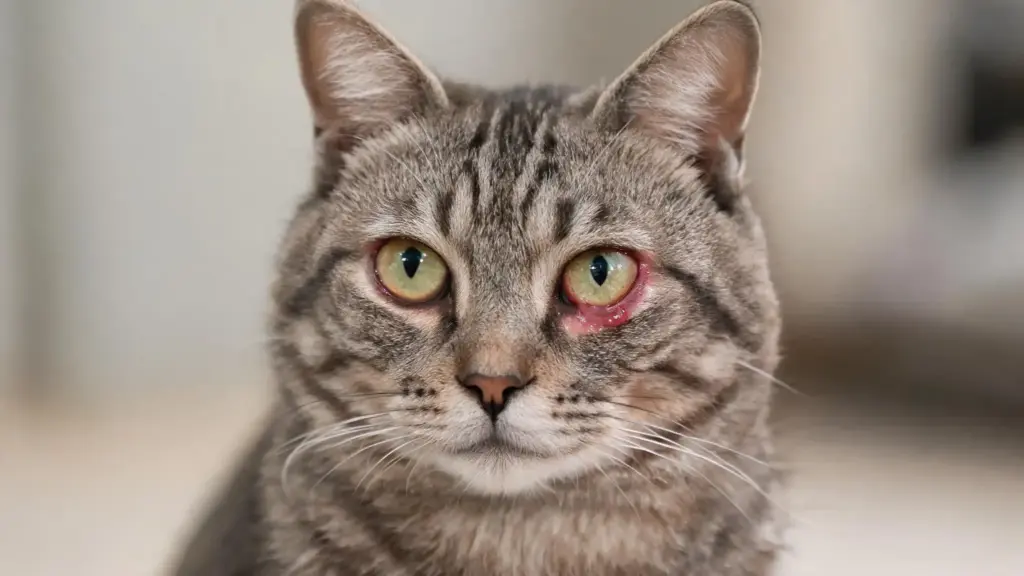
These are usually benign overgrowths from the oil-producing glands along the eyelid margin. They may appear as small pink, gray, brown, or pigmented bumps and often grow slowly.
Although they are not typically malignant, larger growths can rub against the eye, leading to redness, tearing, increased blinking, or discomfort.
2. Chalazion (Meibomian Cyst)
A chalazion forms when the duct of a meibomian gland becomes blocked, trapping oily material inside the eyelid.
This creates a firm, rounded lump that is usually painless and slow to develop. It may appear on the inside or outside of the eyelid.
Smaller chalazia may not bother the dog, but larger ones can press against the eye and cause tearing, extra blinking, or mild irritation.
3. Stye (Hordeolum)
A stye, also called a hordeolum, develops when a meibomian gland or nearby hair follicle becomes infected.
It usually looks red, swollen, tender, and may contain pus. Compared with a chalazion, a stye is often more uncomfortable and painful for the dog.
Dogs may squint, paw at the eye, blink more often, or react when the area is touched. Since infection is involved, veterinary care may be needed.
4. Warts/Papillomas
Warts or papillomas are viral growths caused by canine papillomavirus and are more common in younger dogs.
They often have a rough, cauliflower-like or cobblestone texture and may appear around the eyelids, mouth, or face.
Many papillomas are benign and can shrink or disappear as the dog’s immune system matures. However, if they grow near the eye, become irritated, bleed, or do not improve, a veterinarian should examine them.
5. Other Causes: Cysts, Allergic Reactions, and Tumors
Sebaceous cysts may feel like small, slow-growing bumps filled with oily material. Allergic reactions can cause sudden swelling and redness around the eyelid, often on both eyes at once.
Pigmented or fast-changing lumps need closer attention, as a small percentage of eyelid growths are malignant, including melanomas and squamous cell carcinomas.
Appearance alone cannot confirm whether a lump is benign. That’s why I always tell owners: don’t try to diagnose this one at home. A benign-looking bump can sometimes require early intervention.
Symptoms to Watch For
Watch for early signs of eye changes, because even a small eyelid bump can irritate the eye surface or become painful.
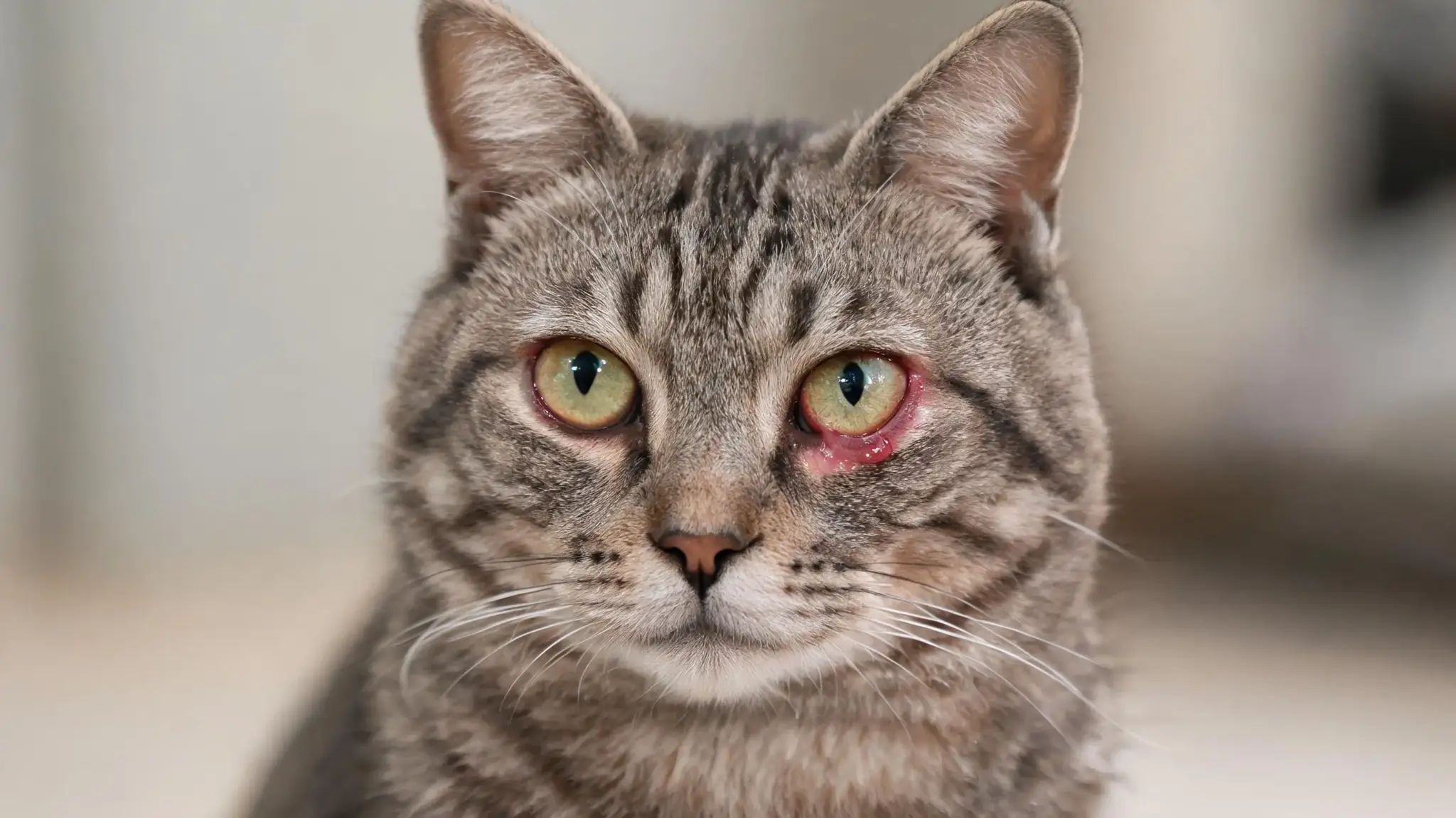
- Redness and swelling: The eyelid may look inflamed, puffy, or irritated around the bump. If swelling increases or the eye starts looking partly closed, the lump may be causing discomfort.
- Discharge: Watery, yellow, or green discharge can point to irritation or infection. Thick mucus, crusting, or repeated buildup around the eyelid should be checked by a vet. For a broader look at what different types of eye discharge mean, see our guide on dog eye infections.
- Squinting or rubbing: Dogs may blink more, keep the eye partly closed, paw at the face, or rub against furniture when the bump feels painful or irritating.
- Excessive tearing: Constant tearing may happen when the bump rubs the eyelid or eye surface. Over time, the fur below the eye may look wet or stained.
- Corneal contact or pain signs: If the bump contacts the cornea, it can increase the risk of an ulcer. Watch for cloudiness, sensitivity, restlessness, reduced playfulness, or avoiding touch near the face. If you notice pupil size differences alongside these symptoms, it may help to learn more about anisocoria in dogs.
Pro Tip from Experience: Take clear, well-lit photos weekly with a coin or ruler for scale. This helps your vet accurately track changes.
When to Visit the Vet and Look for Treatment Options
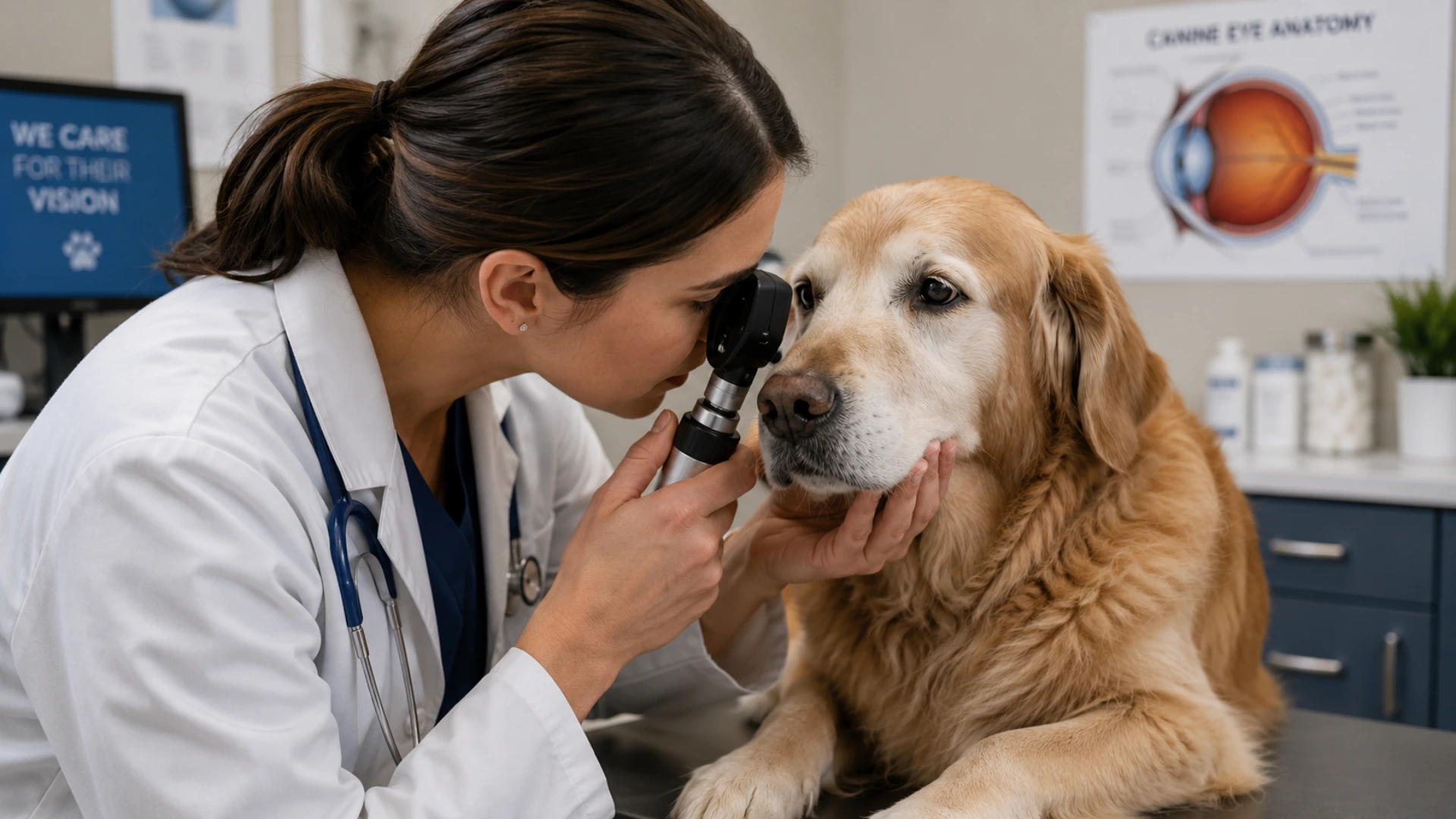
Any new eyelid bump in a dog should be checked by a veterinarian promptly, even if it looks small or harmless.
Early care helps prevent corneal ulcers, chronic irritation, discomfort, and possible vision problems.
Red flags include rapid growth, bleeding, eye cloudiness, vision changes, pain signs like squinting or pawing, multiple bumps, or symptoms affecting the whole body.
During diagnosis, vets may use fluorescein staining to check for corneal ulcers, cytology to examine cells from the lump, or biopsy to confirm whether the growth is benign or malignant.
Treatment depends on the cause. Small, non-irritating bumps may only need monitoring, while infections may require antibiotics or anti-inflammatory medication.
Larger or irritating growths may need excision, cryotherapy, or laser removal. Aftercare often includes an E-collar, eye drops, follow-ups, and fast recovery.
Safe Home Care Tips for a Dog Eyelid Bump
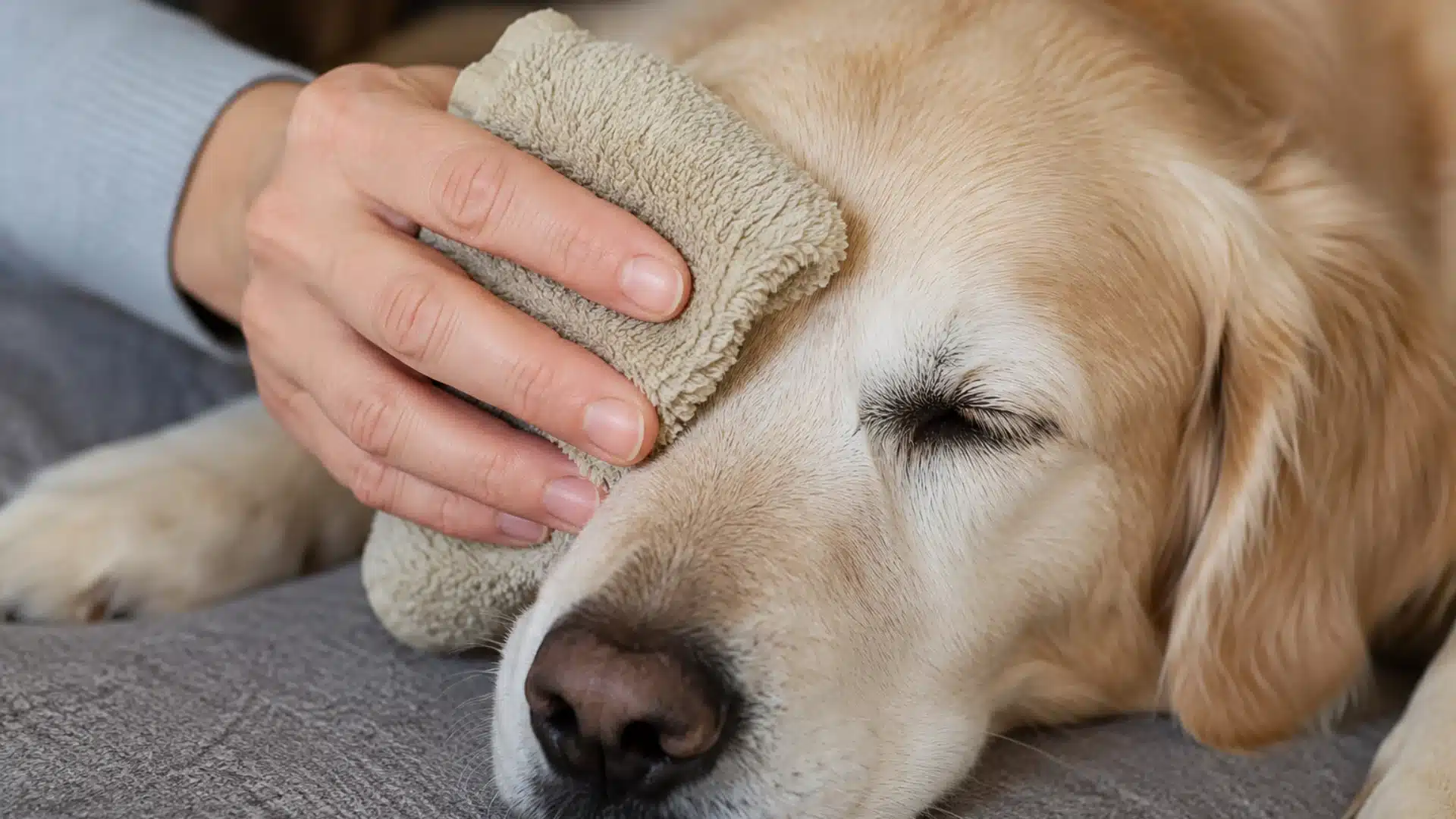
Some eyelid bumps can be treated at home, but a vet should still check them to rule out infection, ulcers, or tumors.
- Use warm compresses: Apply a clean, warm compress for 5 to 10 minutes, 2 to 3 times daily. This may help chalazions and styes by softening blocked oil and easing irritation.
- Keep pressure gentle: Hold the compress lightly against the eyelid. Do not press hard, rub the eye, or force drainage, as the eyelid area is delicate.
- Never squeeze or pop: Popping the bump can worsen infection, increase swelling, or damage the eye surface. It may also make the condition more painful.
- Avoid human eye products: Do not use human eye drops, creams, or ointments unless your vet approves them. Some products can irritate or harm a dog’s eyes.
- Focus on prevention: Clean the eye area gently, keep facial fur trimmed, schedule routine vet eye checks for senior dogs, and support immunity with a good diet and wellness care.
Conclusion
Noticing a small eyelid lump can feel worrying, but most cases become easier to manage when you act early.
This guide covered common causes, including meibomian gland tumors, chalazions, styes, papillomas, cysts, infections, and rare malignant growths.
It also explained symptoms to watch for, safe home support, diagnosis, treatment options, and why vet confirmation matters.
In many cases, a bump on your dog’s eyelid is benign, but it can still cause irritation, ulcers, pain, or vision problems if ignored.
Call your veterinarian today if you have spotted a new lump, and make eye health part of regular check-ups. Early care can protect your dog’s comfort and sight.
Have you noticed any changes in your dog’s eyelids recently? Share your experience or questions in the comments below.
Frequently Asked Questions
Will My Dog’s Eyelid Bump Go Away on Its Own without Treatment?
Some small styes or viral papillomas may shrink naturally, especially in younger dogs. However, blocked glands, tumors, or irritating growths may stay or worsen. Get it checked if it touches the eye or grows.
Can I Use Warm Compresses Safely on My Dog’s Eyelid Bump?
Yes, warm compresses can help when used gently. Apply a clean, warm cloth for short sessions. Avoid hard pressure, rubbing, squeezing, or medicated products unless your vet approves them first.
Should I Worry if My Senior Dog Has One?
Senior dogs commonly develop eyelid bumps, and many are benign. Still, older dogs can develop gland tumors or growths that rub the eye. A prompt vet visit helps prevent pain, ulcers, and vision issues.