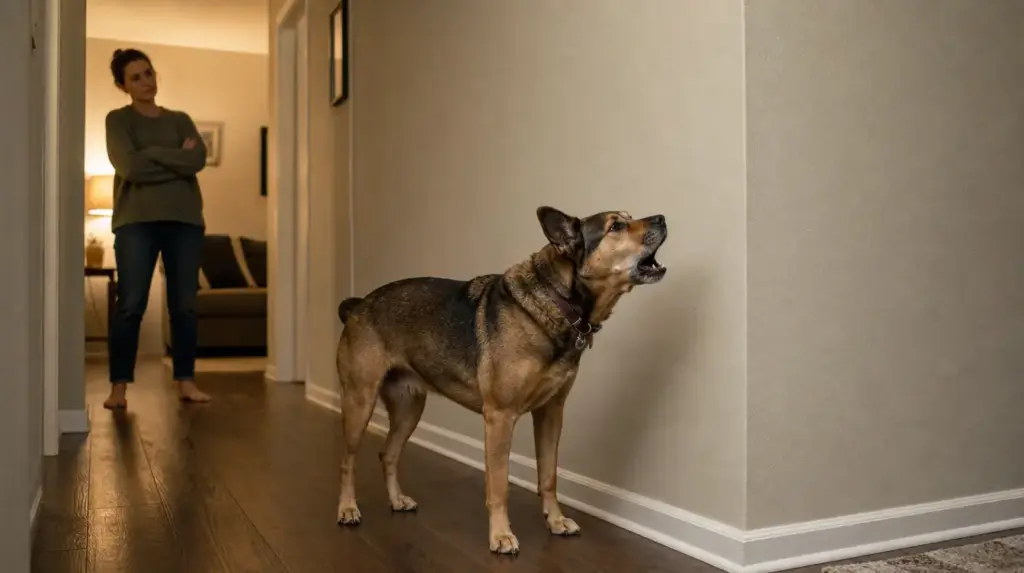
A wolf dog can turn from dream pet to daily stress faster than most new owners expect.
One day, you are admiring that wild look, and the next, you are checking fences, local laws, and whether your home is even ready.
That is why the real question is not just are wolf dogs dangerous, but are they safe for your family as pets? I get why people want them, because they look rare, loyal, strong, and almost movie-like.
But this choice needs more than love for wolf-like looks. I will be telling you about the real risks, care needs, legal concerns, and safer pet choices before you decide.
Before calling them good or bad pets, let us first understand what a wolf dog actually is.
Note: This guide is for informational purposes only and should not replace professional advice. If you are seriously considering a wolf dog, consult a certified animal behaviorist, speak with an experienced veterinarian, and verify your local laws before making any decision.
What is a Wolf Dog?
A wolf dog, also called a wolf-dog hybrid, is an animal with both domestic dog and wolf ancestry. These hybrids carry both wolf instincts and domestic dog traits, and that mix can make their behavior hard to predict.
Different Content Levels: Low, Mid, High
Wolf dog owners often use the content level to describe how much wolf ancestry an animal may have.
- Low-content wolf dogs have a smaller proportion of wolf genetics and tend to behave closer to domestic dogs. They are often more trainable and easier to manage in a home setting, though they still require more structure than most breeds.
- Mid-content wolf dogs retain more wolf instincts and are significantly more challenging to handle. They may be manageable for experienced owners with the right setup, but they are not suitable for most families.
- High-content wolf dogs are predominantly wolf in behavior and are generally not appropriate as pets. They require large enclosures, specialized diets, experienced handlers, and even then, their behavior can be unpredictable in ways that low-content animals are not.
Content level is not a perfect promise. Two animals with similar ancestry can still behave differently. That is part of the challenge.
Are Wolf Dogs Dangerous as Pets? Safety Risks and Legal Rules
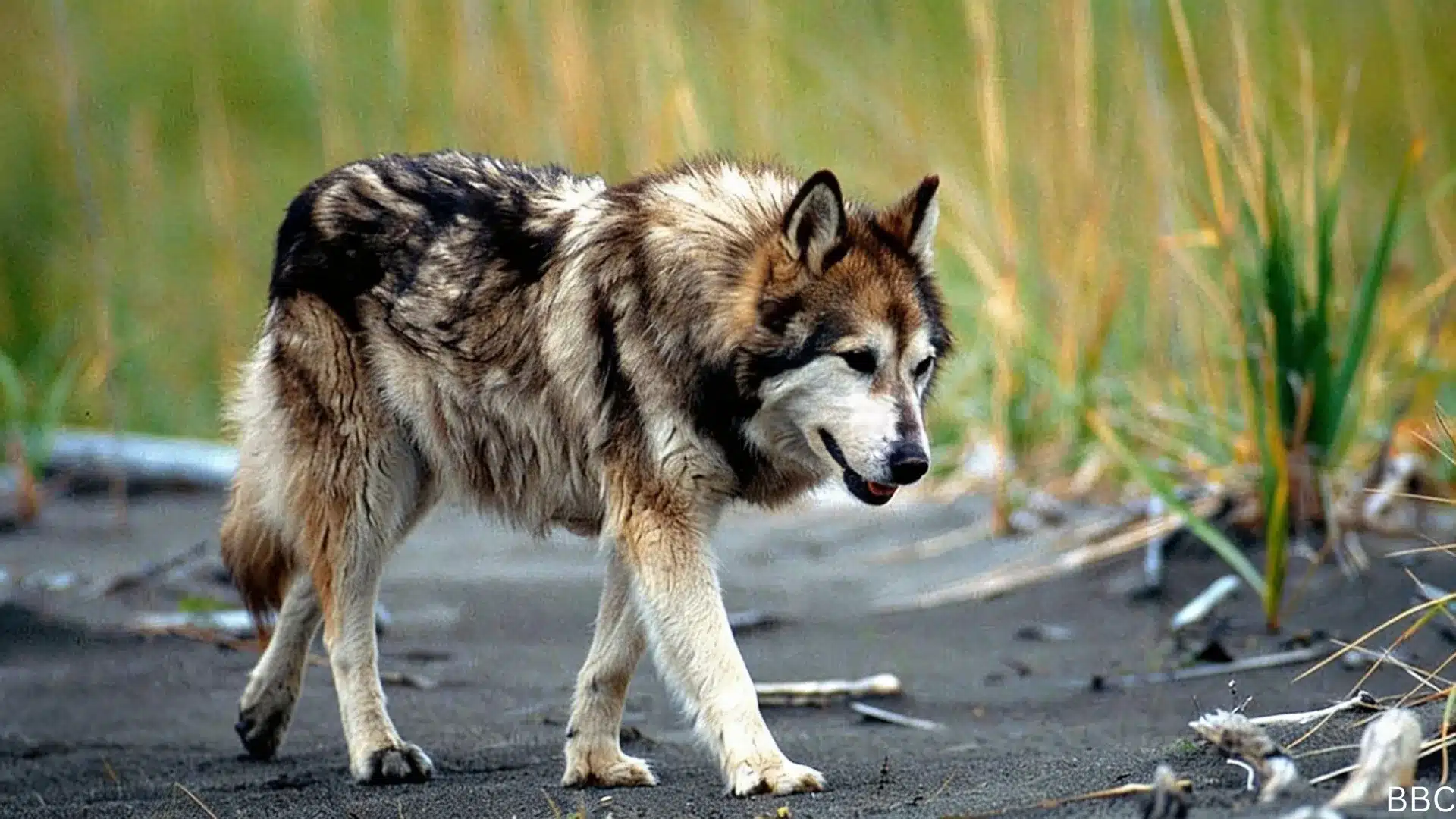
Yes, wolf dogs can be dangerous as pets, especially in the wrong home or with an inexperienced owner. The danger is not always about aggression.
It often comes from fear, strength, prey drive, poor socialization, escape behavior, and weak containment.
Here are the main safety risks to know before owning a wolf dog:
- High prey drive: A wolf dog may see cats, small pets, and even small children as fast-moving targets.
- Fear-based reactions: Strangers, loud sounds, new places, or sudden handling can make them react in unsafe ways.
- Escape behavior: Wolf dogs can dig, jump, and push through fencing that works fine for regular dogs.
- Hard daily management: Boarding, vet visits, travel, and normal pet routines can become much harder with a wolf dog.
Legal rules are just as important. Around 12 states ban wolf-dog hybrids entirely, including Connecticut, Hawaii, New York, Pennsylvania, and Rhode Island.
States like California, Florida, and Missouri allow them only with permits or specific conditions. Always verify current local rules first.
There is also a serious vaccine-liability issue. Standard rabies vaccines are not USDA-approved for wolf-dog hybrids, so a bite may be treated like an unvaccinated animal bite.
Many homeowner policies also do not cover wolf-dog incidents, which can leave the owner fully responsible.
Wolf Dog vs. Regular Dog
The clearest way to understand what separates a wolf dog from a domestic dog is to compare them directly across the factors that matter most to an owner.
| Factor | Wolf Dog | Regular Domestic Dog |
|---|---|---|
| Trainability | Difficult; may not respond reliably under stress | Varies by breed; generally trainable with consistent methods |
| Socialization | Requires intensive early work; still often unpredictable with strangers | Adapts well to standard socialization in most breeds |
| Prey Drive | High; may react to small children, cats, or fast-moving animals | Varies by breed; generally manageable with training |
| Escape Tendency | High, strong digger and jumper; requires reinforced, tall enclosures | Lower-standard fencing is usually adequate |
| Vet Care | Hard to find a vet experienced with hybrids; routine care is more complex | Widely available with any licensed veterinarian |
| Rabies Vaccine | USDA-approved vaccines not available for wolf dog hybrids | Standard approved vaccines widely available |
| Legal Status | Restricted or banned in many states and counties | No special legal restrictions in most areas |
| Insurance | Often excluded from standard homeowner’s policies | Covered under most standard homeowner’s insurance |
| Family Suitability | Generally not suitable; risk increases with young children | Yes, depending on breed and training |
| Exercise Needs | Very high; requires space, daily enrichment, and structured activity | Moderate to high, depending on breed |
Regular dogs have been selectively bred over thousands of years to live alongside people. A wolf-dog hybrid has not.
Even with experienced handlers, basic leash-training methods that work reliably for domestic dogs typically need significant modification when applied to wolf dogs, particularly in open or unpredictable outdoor environments.
What Wolf Dogs Need to Thrive

Some wolf dogs do form deep bonds with their handlers and live well in the right environment. The key phrase is the right environment.
Wolf dogs need daily physical exercise, mental stimulation, and a consistent daily routine. They do not do well with frequent boarding, travel, or sudden changes in their living situation.
Building a solid routine around enrichment activities for active dogs can give you a practical daily framework.
Though what works for a high-drive domestic breed will often need significant adjustment for a wolf dog. Diet is another area that sets wolf dogs apart.
Many do best on a high-quality, protein-rich diet, and some owners use carefully planned raw meat-based feeding.
Any dietary plan should be developed in consultation with a veterinarian who has specific experience with wolf dog hybrids, not general canine practice alone.
Tips to Keep in Mind While Petting a Wolf Dog
Before choosing a wolf dog, it is important to understand that they are not like regular family pets. Their needs can be intense, and their behavior may be harder to predict than that of a domestic dog.
- First-time owners: A wolf-dog is not a good choice for first-time pet owners.
- Not suitable for: Avoid a wolf dog if you live in an apartment, have small children, travel often, or want an easy companion.
- Ideal owner: A suitable owner should have strong canine-handling experience, secure land, proper fencing, and access to a vet who understands wolf dogs.
- Behavior planning: Owners should also have a backup plan for difficult behavior, escape attempts, or long-term care issues.
- Safer choice: For most people, a domestic dog breed is a safer and more practical option.
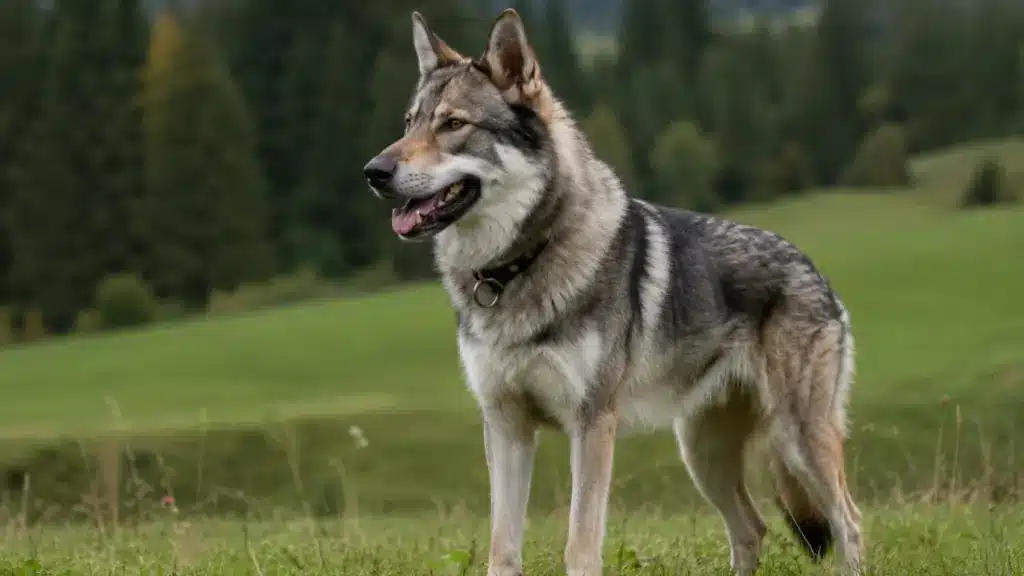
- Better alternatives: Siberian Huskies, Alaskan Malamutes, Tamaskans, Northern Inuit Dogs, and some shepherd mixes offer a wolf-like look without the same level of risk.
- Family suitability: These breeds are usually easier to train, manage, and keep in family homes.
Better Alternatives for Most Families
For most people, a domestic dog breed with a wolf-like appearance offers the look and spirit of a wolf dog without the same legal restrictions, insurance complications, or unpredictable instincts.
Siberian Huskies, Alaskan Malamutes, Tamaskans, Northern Inuit Dogs, Czechoslovakian Wolfdogs, and Saarloos Wolfdogs can all provide a striking wolf-like companion that is far easier to manage, insure, board, and train.
These breeds are still not low-effort pets. They need structure, consistent training, daily exercise, and patient owners.
But they do not carry the same unpredictable wild instincts, legal barriers, or health complications that come with true wolf dog hybrids.
If you are drawn specifically to wolves rather than the look of one, many wolf sanctuaries offer volunteer programs that allow meaningful contact with these animals in a responsible, supervised setting.
Conclusion
The honest answer to the question ‘Are wolf dogs dangerous?’ is simple: they can be when the home is not ready enough.
I would not blame the animal first, because the bigger problem is often poor planning, weak fencing, and low experience.
A good owner must think about space, laws, vet care, insurance, and backup plans before bringing one home for life. For most families, a wolf-like domestic breed is the safer path and gives the animal a better daily life.
If you still want one as your pet, speak to trained experts and check your local rules before making any serious decision.
Would you choose a wolf dog or a safer wolf-like breed for your home? Tell us, share with us in the comments below.
Frequently Asked Questions
Can Wolf Dogs Live Indoors?
Some may spend time indoors, but many do not do well as full-time indoor pets. They may chew, pace, mark, or become stressed when they lack enough space and outdoor containment.
Can You Take a Wolf Dog to a Dog Park?
Usually, it is not a good idea. Dog parks can be unpredictable, crowded, and stressful. Other dogs, strangers, fast movement, and noise may trigger unsafe reactions.
Do Wolf Dogs Bark Like Regular Dogs?
Some bark, but many are more likely to howl, whine, or use other vocal sounds. Their communication style can be different from that of a typical domestic dog.