Poodles have a way of noticing things before you say them out loud. One moment, you are setting up a puzzle, shifting your tone, or changing the routine. Next, they are already reacting like they know the next step.
I have spent years working alongside rescue dogs and studying breed behavior, and poodles still stand out in ways that surprise experienced handlers.
But are poodles smart in the ways that matter at home? Beyond tricks and obedience, can they read moods, learn routines, solve problems, and know when to stay close?
That is what this blog breaks down. By the end, you will know what poodle intelligence really looks like and whether that kind of smart fits your life.
Are Poodles Smart Compared to Other Dog Breeds?
In 1994, neuropsychologist Dr. Stanley Coren published “The Intelligence of Dogs,” surveying 199 obedience judges across North America to evaluate 138 breeds.
The results were clear: poodles landed second overall, with only the Border Collie outranking them.
That ranking is based on working and obedience intelligence, specifically how quickly a dog learns new commands and how reliably it responds.
Here’s a quick comparison of where popular breeds land in Coren’s rankings:
| Breed | Rank | Learning Speed |
|---|---|---|
| Border Collie | 1 | Under 5 repetitions |
| Poodle | 2 | Under 5 repetitions |
| German Shepherd | 3 | Under 5 repetitions |
| Golden Retriever | 4 | 5 repetitions or fewer |
| Doberman Pinscher | 5 | Under 5 repetitions |
Poodles and Golden Retrievers are both highly trainable, but the rankings place poodles consistently higher in obedience-based trials, though both breeds are genuinely easy to work with.
For the smartest dog breed comparison, poodles hold their own across every category, not just the structured tests.
Why are Poodles so Smart?
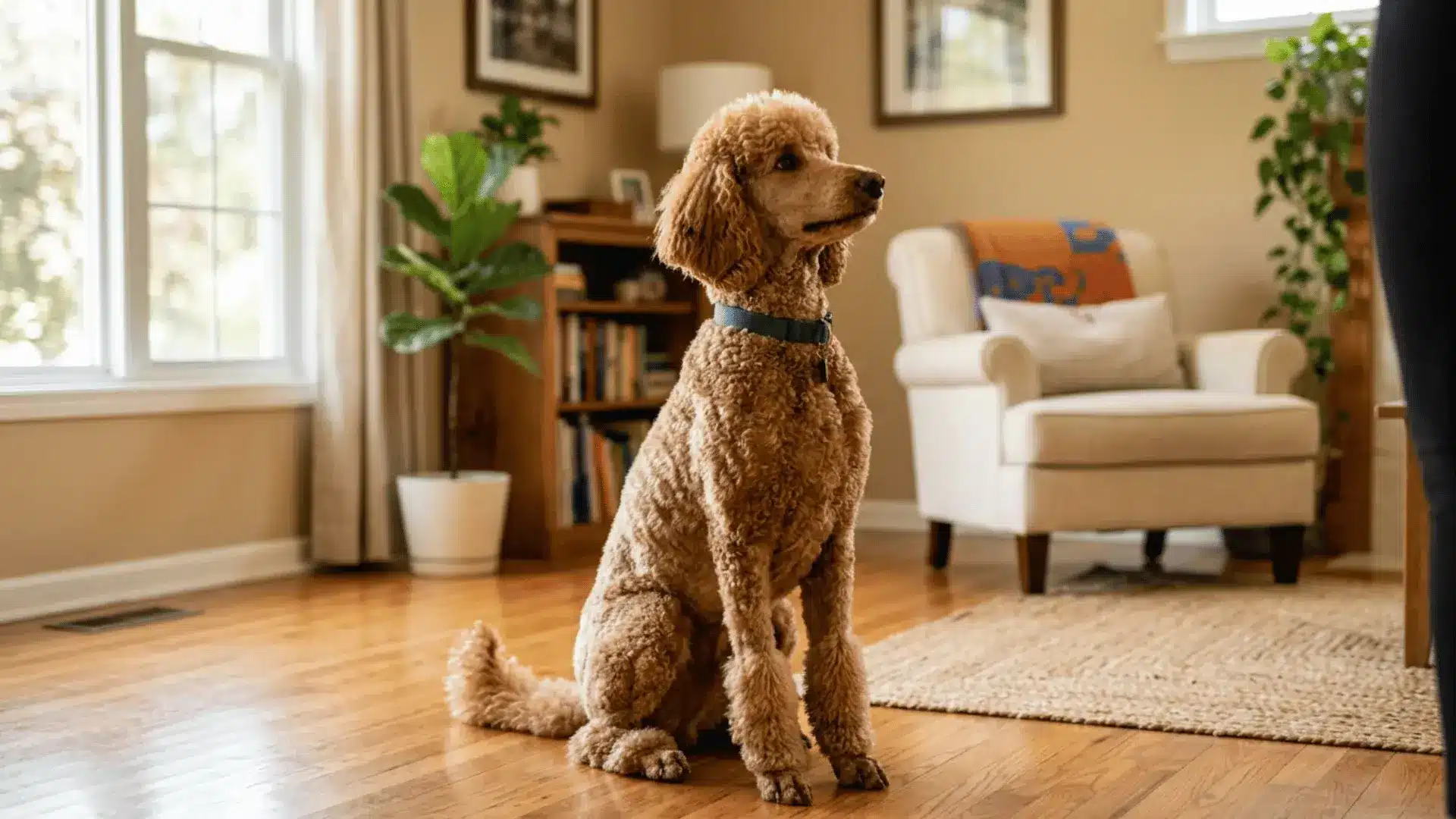
Poodles are smart because their history, trainability, and emotional awareness all shaped them into quick, responsive companions.
1. Bred to Work Closely with Humans
Most people picture poodles as polished show dogs, but they began as serious water retrievers in Germany and France.
Hunters relied on them to fetch game from lakes and rivers, which required strength, problem-solving, and close attention to human cues.
Even their curly coat served a purpose, with trims helping protect key areas while allowing easier movement in cold water.
2. Fast Command Learning
Poodles are known for learning new commands quickly, often picking them up in only a few repetitions. They also tend to respond reliably once they understand a cue.
That makes training easier, but it also means boredom can set in fast. Short, varied sessions work better than repeating the same commands in the same order every day.
3. Strong Emotional Awareness
Poodles do more than follow commands. They watch people closely, noticing tone, posture, mood, and small changes in behavior.
This emotional awareness helps them respond before a person gives a clear instruction. It also explains why many poodles bond deeply with their owners and may struggle with separation if alone time is not introduced gradually.
While not formally measured in Coren’s study, many behavioral studies support that poodles excel at reading human body language and tone.
Are All Poodle Sizes Equally Smart?
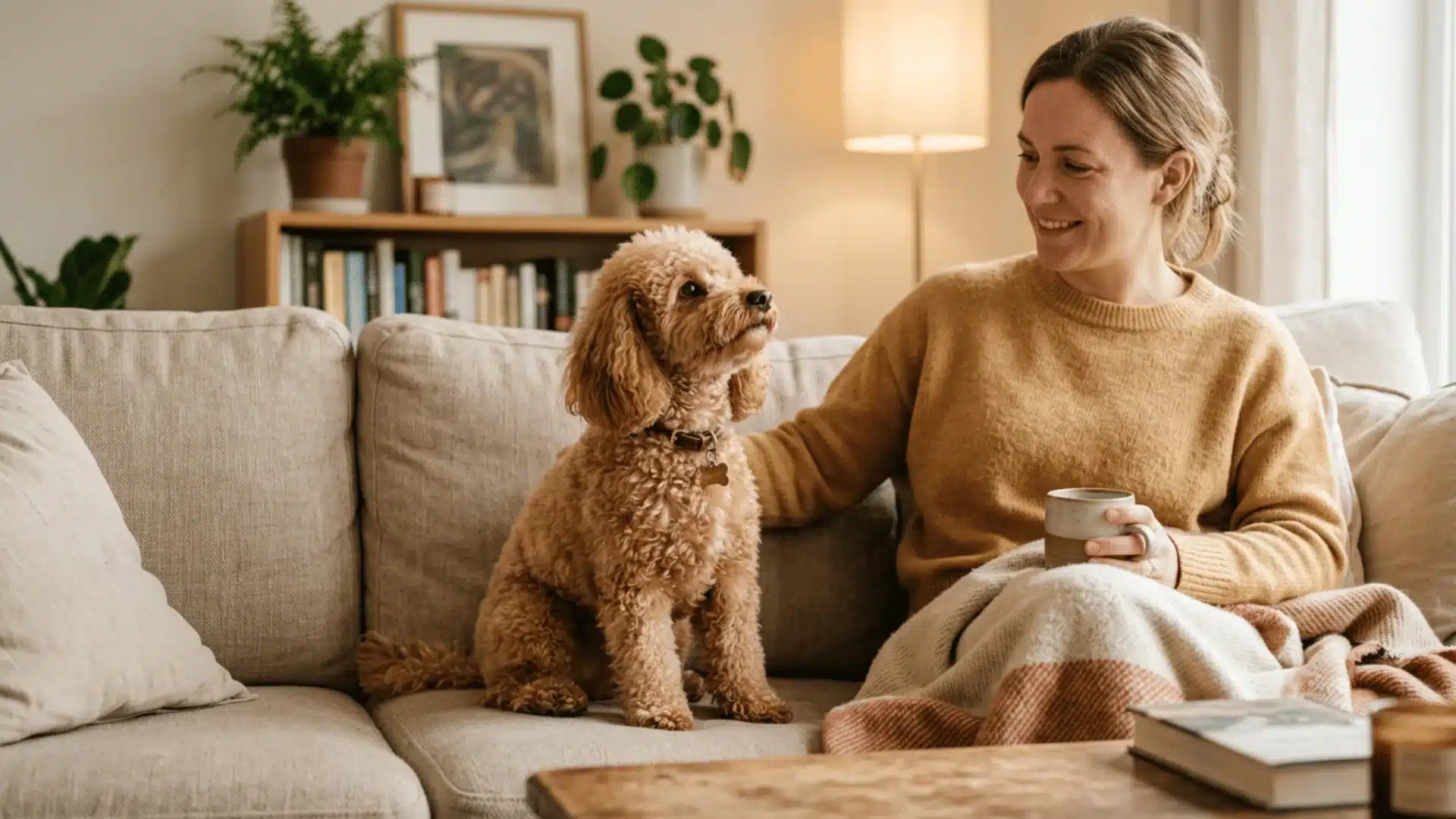
All three poodle sizes share the same genetic foundation and the same spot in Coren’s intelligence rankings.
The ranking treats poodles as one breed, so it does not split standard, miniature, and toy poodles into separate tiers. Still, their intelligence can look different in daily life.
Standard poodles often show stronger working-drive traits. They may retrieve more naturally, focus longer, and respond well to task-based training.
Miniature and toy poodles are just as sharp, but they often show it through alertness, routine learning, and social awareness.
Toy poodles, in particular, are often underestimated because of their size. They can learn 250+ words and signals, remember household routines, and quickly notice emotional changes.
What Types of Intelligence Do Poodles Have?
This is where poodle owners get genuinely surprised. The obedience ranking catches most people’s attention, but it’s only one dimension.
Coren identified three types of dog intelligence, and poodles score well across all three.
1. Working and Obedience Intelligence
This is the category behind the formal rankings: how quickly a dog learns commands, how reliably it follows cues, and how consistently it performs trained tasks. Poodles sit near the top here.
They can learn new behaviors in just a few repetitions, remember those lessons over the long term, and repeat them with steady accuracy when training is clear, consistent, rewarding, and part of everyday life with you.
2. Adaptive Intelligence
Adaptive intelligence is about figuring things out without being told. A poodle may notice that the leash appears before walks, learn the dog door after watching it once, or remember which cabinet holds treats.
This is where the breed often feels startlingly clever. Poodles read household patterns fast, solve small problems, and adjust quickly when furniture, routines, or rules change around them at home without fuss.
3. Instinctive Intelligence
Poodles were bred as water retrievers with strong instincts for swimming, fetching, and working closely with people.
They naturally excel at reading human cues, body language, and emotions. Many owners notice them staying closer during stressful days or responding to mood changes before anything is said.
This is the dimension that makes poodles excellent therapy and emotional support dogs, where emotional sensitivity matters more than trick speed.
Do Poodles Have Good Memory and Routine Awareness?
Poodles have a strong memory for daily patterns, repeated cues, and household routines. This is why many owners feel like their poodle knows what is about to happen before anyone says a word.
- Shoes may signal a walk, while keys may signal a car ride.
- Commands can stay familiar even after months without practice.
- Household rules are remembered, especially when enforced consistently.
- A regular 7 a.m. walk may have a poodle waiting by the door at 6:55.
- Toy names can be learned casually through everyday play.
This routine awareness makes poodles easier to train, but it also means inconsistency gets noticed quickly.
Are Poodles Easy to Train for First-Time Owners?
Usually, yes, poodles are easy to train, but only when their minds stay busy. They are people-focused, reward-driven, and quick to learn, so positive reinforcement works best.
Rewards help them understand which behaviors earn approval and make them want to repeat those actions. Short 10-15 minute sessions are better than long drills because poodles can lose interest when training feels repetitive.
Puzzle toys, problem-solving games, and clear routines also help keep them engaged between sessions. Consistent cues, timing, and rules make it easier for them to follow training.
Early socialization is just as important because smart dogs process new places, people, and sounds deeply. For poodles that struggle with being alone, crate training can help with adjustment.
Still, genetics is not everything. Breeder quality, early socialization, and daily owner consistency shape training success the most.
Can Smart Poodles Become Bored or Stubborn?
This is the part nobody warns you about before bringing one home. High intelligence in dogs is a double-edged thing. The same brainpower that makes training rewarding also makes boredom genuinely dangerous. Common problems that show up with under-stimulated poodles:
- Destructive behavior: Chewing, scratching, and rearranging furniture are typical signs of a bored poodle.
- Attention-seeking: Pawing, nudging, barking, or acting out when they aren’t getting enough mental engagement.
- Anxiety: Poodles that bond strongly with their owners can develop separation-related stress, especially when not given proper, gradual independence training. Using a crate to ease separation anxiety is one structured approach that many poodle owners have found genuinely helpful.
- Outsmarting rules: A poodle that figured out the gate latch is not doing it to be difficult. It did it because it could, and because no one made staying put more rewarding.
- Learning bad habits fast: The same speed that makes them great training subjects works against you when they accidentally learn the wrong thing.
I always tell people: a smart dog is only a joy when it’s occupied. The training isn’t just for the dog’s manners; it’s the primary way you keep a poodle’s mind busy enough to stay out of trouble.
What Do Poodle Owners Say About Their Intelligence?

The poodle community paints a pretty clear real-world picture: poodles are not just quick learners; they seem to absorb language daily.
Owners often describe them picking up commands, object names, and household routines through repetition, almost as if they are studying the people around them.
The same pattern appears with empathy. Many owners say their poodles react fast to crying, stress, sneezing, or changes in tone, often moving closer, checking in, or becoming calmer around the person who needs comfort.
That sensitivity also explains the famous expressive personality. When bored, ignored, or emotionally unsettled, they do not stay subtle for long.
They perform, push boundaries, demand attention, or invent problems to solve. The takeaway is simple: a poodle needs mental work, emotional connection, and daily involvement in family life to stay balanced.
Does Poodle Intelligence Come From Genetics or Training?
The breed ranking is a ceiling, not a guarantee. Genetics creates potential. Training and environment determine how much of that potential shows up day-to-day.
Factors that shape how intelligent an individual poodle seems:
- Breeder quality: Dogs from breeders who prioritize temperament and working traits typically show stronger engagement and trainability from an early age.
- Early socialization: Puppies exposed to a variety of people, sounds, environments, and situations develop more flexible, confident responses to novelty.
- Owner consistency: A poodle trained with clear, consistent rules will appear far smarter than one raised in an environment with mixed signals and no follow-through.
- Mental exercise: Just like physical fitness, cognitive ability strengthens with use. Dogs that regularly work through puzzles, training refreshers, and novel tasks show more adaptive problem-solving.
- Age and health: Cognitive ability stays sharper in dogs that get regular exercise, a quality diet, and routine veterinary care. Cognitive decline is a real consideration in older dogs.
How to Keep a Smart Poodle Mentally Stimulated?
A poodle that doesn’t have enough to do will find something to do. None of the options they invent are ones you’ll enjoy. These activities consistently work well:
- Puzzle feeders: Replace the regular food bowl with a slow feeder or puzzle toy at least a few meals per week.
- Scent games: Hide treats or a favorite toy and let the dog use its nose to find them. Sniff work is mentally exhausting in the best way.
- Trick training: Learning new tricks keeps both working and adaptive intelligence active. Rotate old tricks with new ones.
- Obedience refreshers: Short sessions reviewing commands keep responses sharp and give the dog a sense of purpose.
- Agility: Even casual agility setups in the backyard provide physical and mental challenge together.
- Hide-and-seek: A simple game with a person or a toy that taps natural tracking instincts.
- Toy rotation: Keeping the same toys out indefinitely dulls interest. Rotating them every few days restores novelty.
- Calm problem-solving games: Activities where the dog has to figure something out to earn a reward, without high arousal, are excellent for building patience alongside intelligence.
Conclusion
Yes, poodles are smart in a way that feels personal. They learn fast, remember routines, solve problems, and often read your mood better than you expect.
That mix of obedience, memory, and emotional awareness is what makes them stand out. But that intelligence needs direction.
A poodle with training, structure, and daily mental stimulation can become an incredible companion. A bored poodle can quickly become noisy, stubborn, or too creative for your peace of mind.
Give them consistent training, mental challenges, and emotional connection, and they will reward you with remarkable loyalty and companionship.
Have a poodle story? Drop a comment below and tell us one thing your poodle figured out that truly surprised you.
Frequently Asked Questions
Why Do Poodles Act So Human Sometimes?
Poodles watch people closely. They learn patterns, moods, words, and reactions, which makes their behavior feel unusually personal and human-like.
Do Poodles Get Bored More Easily than Other Breeds?
Intelligent poodles need mental engagement. Without puzzles, social time, or varied tasks, boredom can trigger chewing, pawing, or barking within days. This reflects breed needs, not misbehavior.
Are Poodles Harder to Live with Because They Are So Smart?
Sometimes, their intelligence is rewarding, but bored poodles may bark, test rules, demand attention, or create their own entertainment.