Your dog shadows you to the bathroom, loses their mind when you come home, and melts into you on the couch. It feels like loyalty.
But somewhere along the way, someone called it pack instinct, and suddenly you were supposed to be an “alpha.”
That label has shaped dog training advice for decades, and most of it was built on a foundation that scientists have since walked back.
Whether dogs are pack animals may sound like a simple question, but the real answer connects wolf behavior, domestication, and outdated research that has shaped dog training for too long.
This post breaks down where the pack theory came from, what feral and domestic dogs actually show us about canine social behavior, and what it means for how you live with your dog day to day.
What Does “Pack Animal” Actually Mean?
A pack is a stable social group whose members cooperate on survival tasks such as hunting, defending territory, raising young, and moving together.
That distinction matters when comparing three very different situations:
- Wolf pack: A family-based group with shared, coordinated survival roles.
- Pet dog household: A human-managed environment built around food, routine, space, training, and non-cooperative survival.
- Free-ranging dogs: Loose, shifting groupings shaped by food access, mating opportunity, and human proximity, not stable social contracts.
Dogs are social animals, but a social animal and a pack animal are not the same thing. A dog that bonds with you, plays with other dogs, or sleeps near the family is being social. That alone does not make it a pack member in any meaningful biological sense.
Where Does Pack Theory Come From?
Pack theory traces back to Rudolf Schenkel, a Swiss behaviorist who studied wolves at the Basel Zoo in the 1940s.
He observed intense competition and concluded that wolves lived by rigid hierarchies with aggressive “alphas” in charge.
That research became enormously influential and deeply flawed.
Schenkel was watching unrelated wolves in a cramped enclosure, not a natural family group.
David Mech, one of the world’s foremost wolf researchers, later clarified that wild wolf packs are simply a breeding pair and their offspring.
The “alpha” is just the parent. When that correction was ignored and the captive-wolf model was applied to domestic dogs anyway, the confusion compounded quickly.
Are Dogs and Wolves Actually the Same?
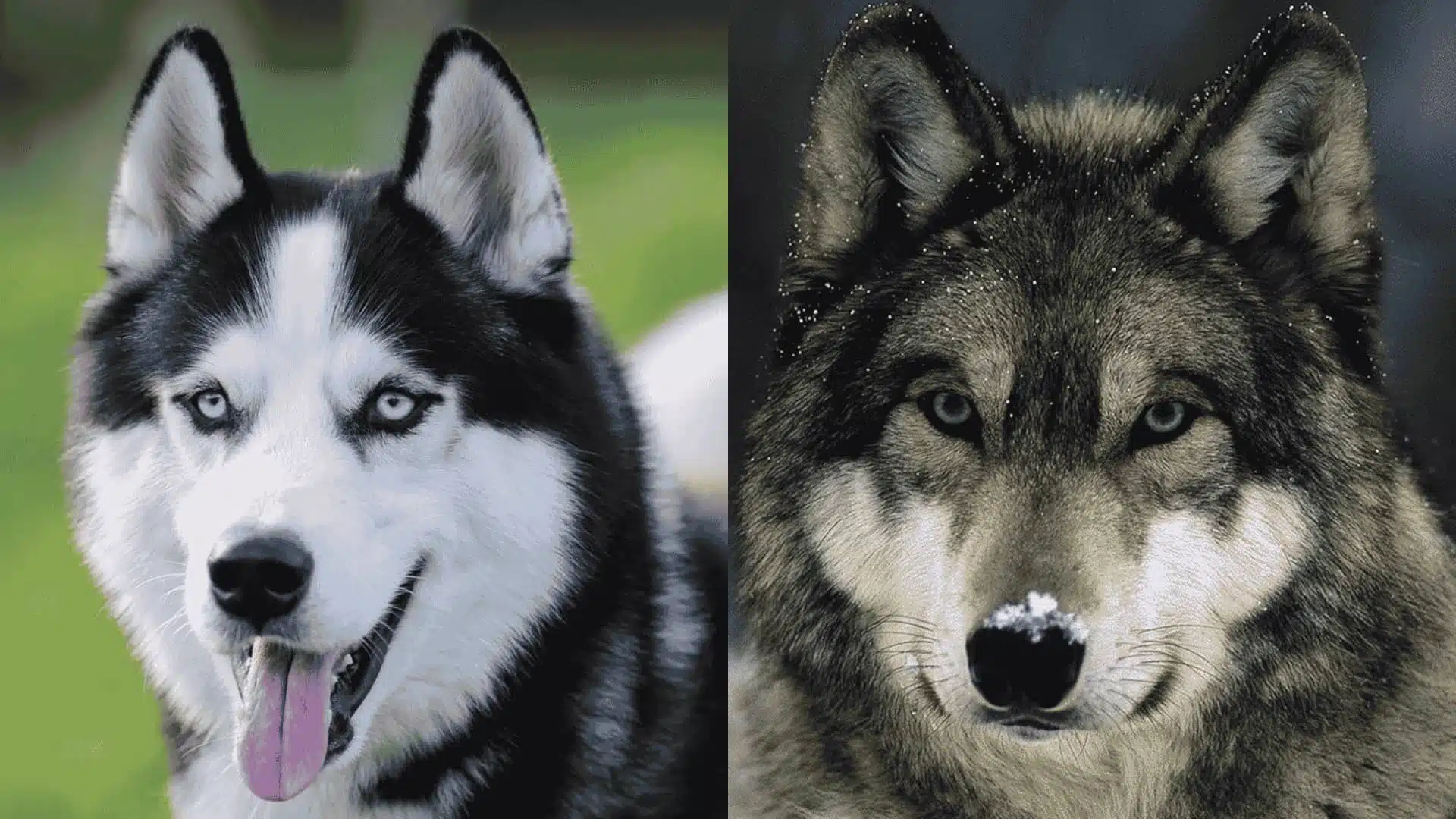
No, dogs and wolves are not the same, despite sharing a common ancestor.
Domestication pushed them in very different directions. The Merck Veterinary Manual notes that dogs form loose associations with unrelated dogs, unlike wolves, which live in family-based packs.
During that time, dogs evolved toward humans in measurable ways.
They follow pointed fingers, make bonding eye contact, and actively seek human social contact- things hand-raised wolves don’t reliably do.
‘Dogs also mature sexually at 6 to 12 months, compared to 2 years for wolves, and they lose the pre-caudal gland wolves use to mark pack members.
Calling them the same animal in a different size badly underestimates how much has changed.
What Feral Dogs Actually Do
If dogs were true pack animals, feral dogs living without human structure would form tight, stable packs. They don’t.
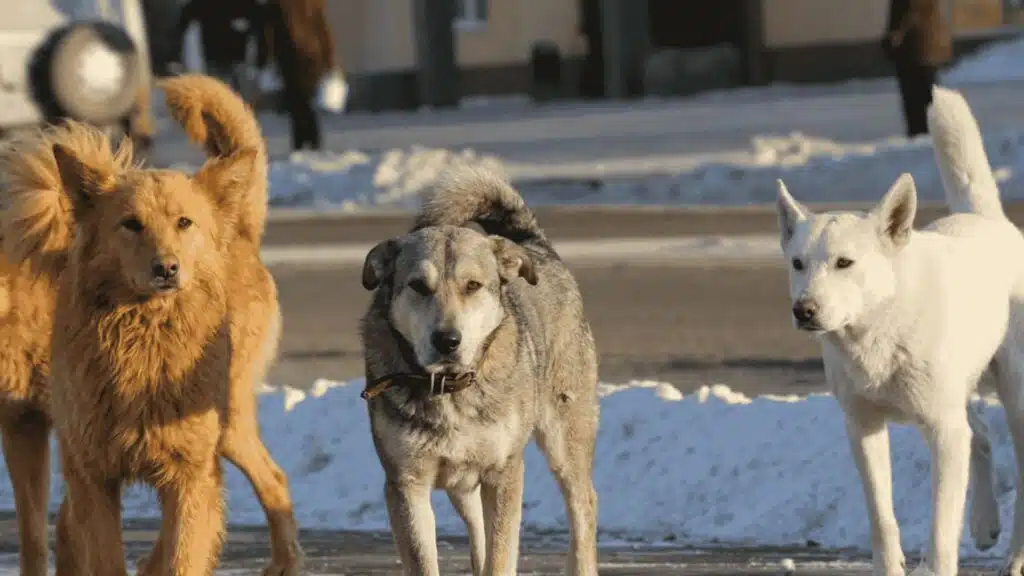
A three-year Italian study of feral dog social structure found that free-roaming dogs lived in loose groupings of breeding pairs and offspring, with no top-down hierarchy and no alpha controlling the group.
Romanian stray dog populations show the same pattern: casual, shifting associations rather than coordinated pack life.
Wolves hunt together, defend territory, and raise young as a stable unit. Feral dogs mostly scavenge solo.
That behavioral split tells us a lot. Without domestication shaping them toward human partnership, dogs still don’t default to wolf-style packs.
The Real Social Life of Domestic Dogs
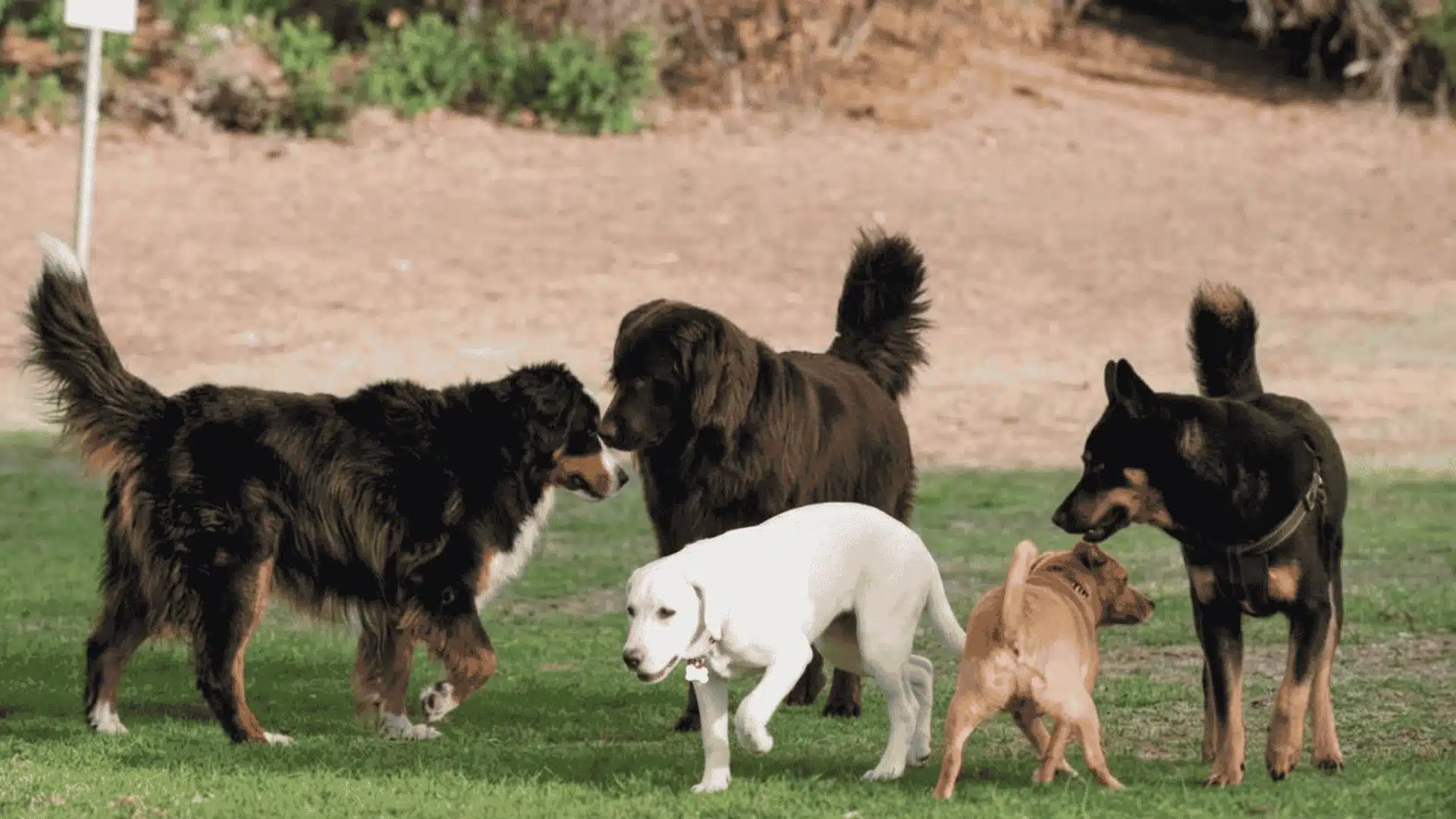
Dogs aren’t easy to categorize, and that’s actually the point.
The American Veterinary Society of Animal Behavior describes their social structure as highly adaptable, shaped more by environment and opportunity than by fixed rules, a flexibility that almost certainly developed through domestication.
Your dog’s social needs are real, just not wolf-shaped.
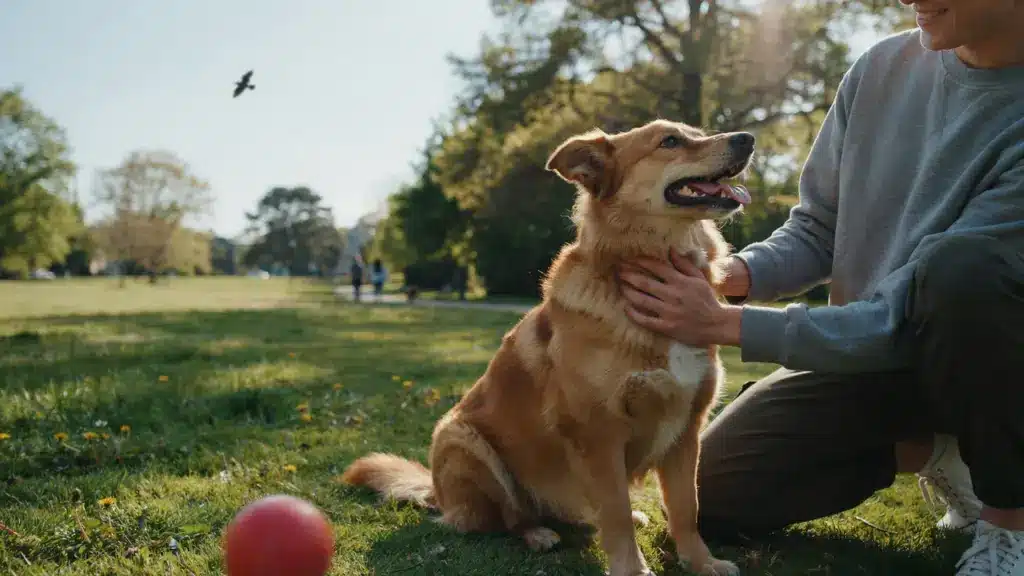
When your dog follows you room to room, that’s not a rank-monitoring behavior. It’s a species doing exactly what thousands of generations of selection built it to do: stay close to its person.
That human-oriented attachment is also why dog separation anxiety is so common, and it’s connection, not hierarchy, that drives the bond.
Why Pack Theory Can Cause Problems
Pack theory isn’t a harmless wrong answer. It shaped how millions of dogs were trained through alpha rolls, prong collars, and the idea that you needed to “eat before your dog” to claim rank.
Here are the most common places pack theory leads owners astray:
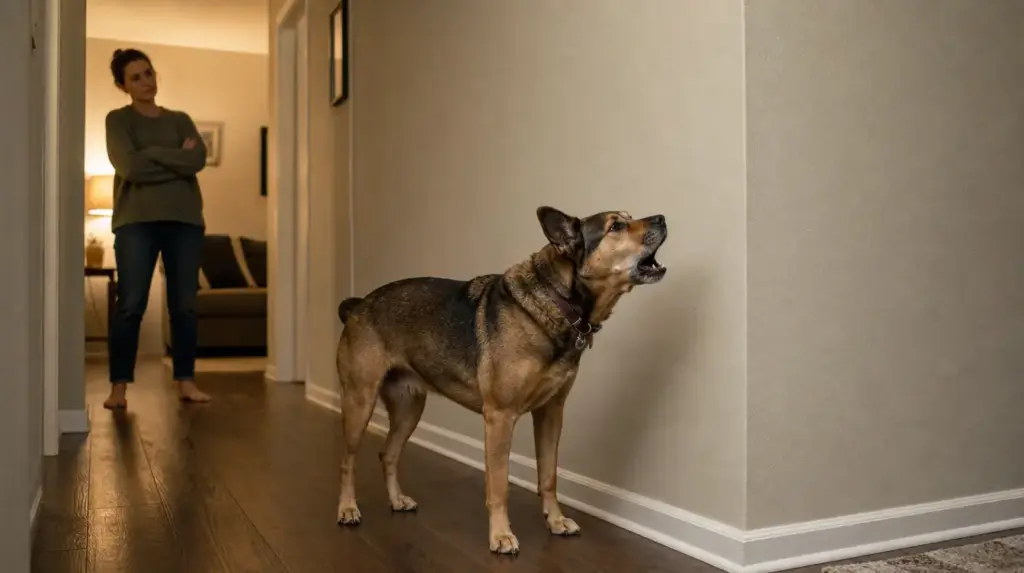
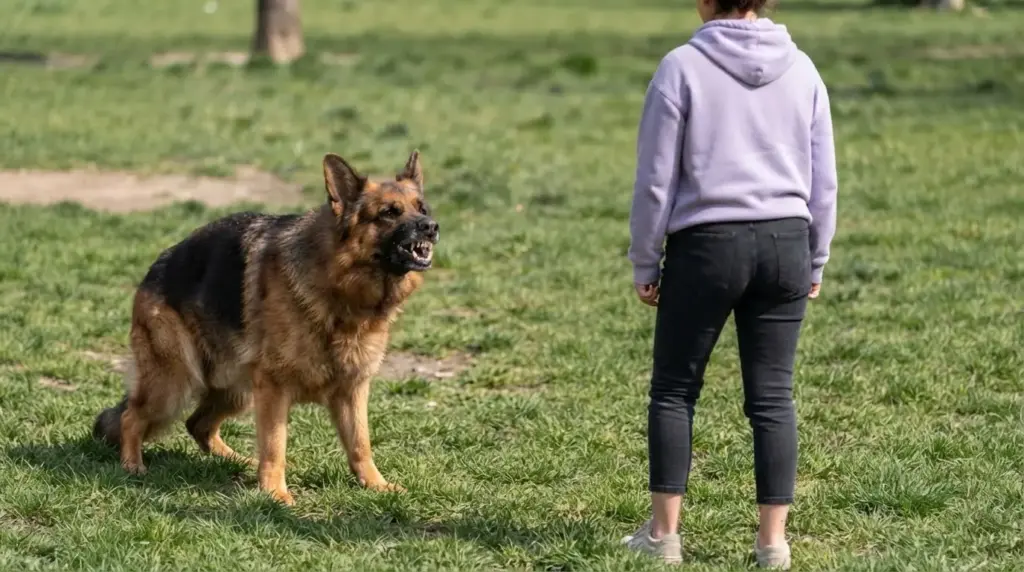
- Misreading a growl: Pack theory frames a growl as a dominance challenge. Behavioral science frames it as a warning. Punish the growl, and your dog learns to skip the warning next time. That’s how bites happen “out of nowhere.”
- Misreading crate stress: When a dog whines in a crate, that’s stress, not defiance. Treating it as defiance makes things worse.
- Misreading furniture access: Whether your dog is allowed on the couch is a household preference, not a dominance issue. There’s no rank signal either way.
- Misreading warm greetings: A dog that rushes the door isn’t challenging you. They’re expressing attachment.
The harm isn’t always dramatic. Sometimes it’s just a dog that’s confused, anxious, or shut down because their communication signals keep getting punished
Quick Signs Your Dog is Social, Not Pack-Driven
If you’re still unsure where your dog falls, these everyday behaviors tell the real story. None of them require a pack to explain; they just require a dog who trusts the people around them.
- Follows you between rooms: Attachment to a person, not territorial patrol of a pack’s range.
- Greets strangers warmly: A pack animal guards against outsiders; a domesticated dog often welcomes them.
- Plays with dogs it just met: Flexible social curiosity, not the careful rank-testing of pack members meeting for the first time.
- Settles alone without distress: A well-adjusted dog can self-regulate when its social needs are otherwise met; rigid pack animals struggle without their group.
- Responds to positive reinforcement: Learning through reward reflects a human-partnership brain, not a dominance-hierarchy one.
Conclusion
The pack animal label made sense years ago, when people knew less about dog behavior.
Now we know dogs are not trying to control the house or become the “alpha.”
They are social animals that have lived close to humans for thousands of years. They do best with trust, clear routines, kindness, and positive training.
This changes how we understand their behavior: a growl is a warning, not disrespect, and fear or stress is not stubbornness or a bad attitude.
So instead of trying to be the “pack leader,” focus on being calm, steady, and fair. That is what helps dogs feel safe and learn better.
Drop a comment below and tell us how you’re approaching your dog’s training and social needs.
Frequently Asked Questions
Do Dogs See Their Human Family as Their Pack?
Dogs do form strong social bonds with the humans they live with, but calling it a “pack” in the wolf sense isn’t quite accurate. Dogs are better described as forming attachment bonds with their human caregivers, relationships that are closer to a parent-child or close companion dynamic than a ranked hierarchy.
Can Multiple Dogs Living Together Create a Pack-Like Structure?
Dogs who live together do develop social relationships and may establish loose status differences in certain contexts, like who gets first access to a toy. But these relationships are fluid and situational, unlike the stable hierarchies seen in wolf packs.
Is It Wrong to Let Your Dog on the Couch if You Want to Maintain Authority?
No. The idea that access to furniture affects dominance comes directly from pack theory and isn’t supported by behavioral science. Whether your dog is allowed on the couch is simply a household rule you set based on preference and your dog’s behavior.