Your dog swallowed something harmful, and every minute feels urgent. As a veterinarian, I recommend calling a veterinary clinic or pet poison service before reaching for hydrogen peroxide.
How to induce vomiting in dogs depends on what was swallowed, how much, when it happened, and your dog’s condition. Making a dog vomit can cause burns, choking, or aspiration, which means liquid or vomit enters the lungs.
A veterinary professional may direct you to use fresh 3% hydrogen peroxide at home, but only after confirming vomiting is appropriate.
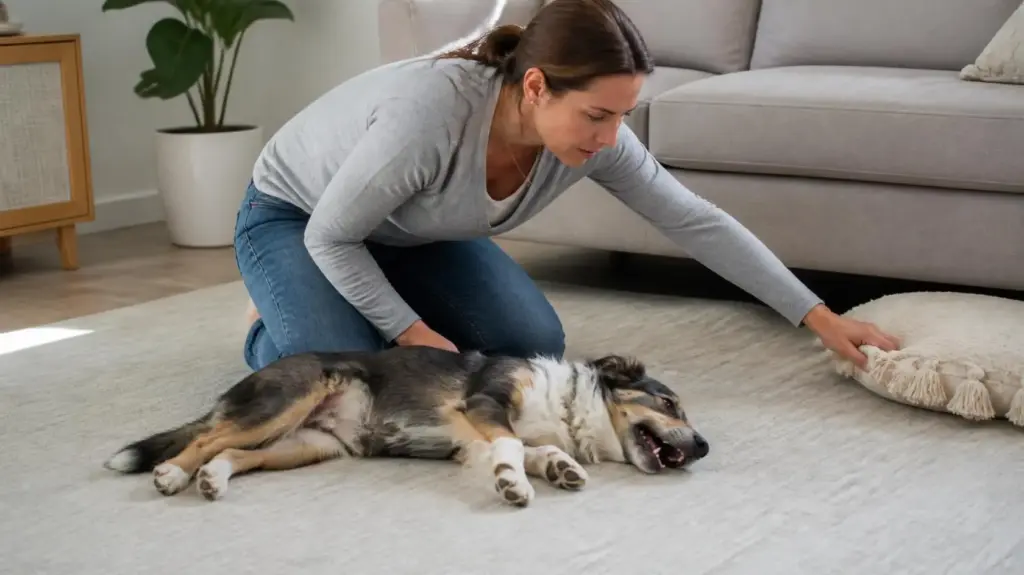
Keep the package nearby and report your dog’s weight, health conditions, symptoms, amount eaten, and exposure time. If your dog is weak, unconscious, seizing, or struggling to breathe, go to emergency care.
Medical Scope: This information supports an urgent conversation with a veterinary professional. It cannot identify the toxin, assess your dog’s airway, or replace an examination and treatment plan. |
Call Before Trying to Make Your Dog Vomit
Your first step is a phone call, not a home treatment. I recommend contacting your veterinarian, a nearby emergency clinic, or an animal poison service as soon as you suspect a harmful exposure.
Keep the package, label, or medication bottle nearby. According to Cornell poison guidance, you should explain what your dog swallowed, how much may be missing, and when the exposure happened. Share your dog’s weight, symptoms, medical conditions, and current medications.
A professional will consider the exact substance, amount, exposure time, symptoms, and your dog’s health. Vomiting may be approved when your dog is alert, can swallow normally, and has recently eaten something that is safe to bring back up.
Do not rely on a fixed one-hour or two-hour rule or treat an online example as permission to proceed. A product’s ingredients, concentration, coating, or combination with other substances can change the safest response.
When You Should Not Make Your Dog Vomit
Some substances cause more damage when they return through the mouth and esophagus. A dog who cannot protect the airway may also inhale liquid or vomit into the lungs.
Based on Merck veterinary guidance, do not try to cause vomiting when:
- Your dog is unconscious, weak, unusually drowsy, or having a seizure
- Your dog cannot swallow or breathe normally
- Your dog is already vomiting repeatedly
- Your dog swallowed a battery, caustic cleaner, petroleum product, or sharp object
- Your dog has a high risk of inhaling vomit
- Your dog has an enlarged esophagus or another swallowing disorder
- Your dog recently had abdominal surgery
Tell the professional about every symptom and existing condition. If any exclusion applies, leave for an emergency clinic rather than attempting treatment at home.
Hydrogen Peroxide Dosage for Dogs
Veterinary treatment is the safer choice when you can reach a clinic promptly. I recommend using 3% hydrogen peroxide at home only when a veterinarian or animal poison service directs you and immediate veterinary treatment is not practical, and being able to describe what dog poisoning symptoms typically look like can help that conversation move faster.
Merck lists 1 to 2 mL of 3% hydrogen peroxide per kilogram of body weight, with a maximum of 45 mL. This published range is not a personal dosing instruction. The professional handling your dog’s case should tell you the exact amount to give.
Do not use peroxide stronger than 3%. Never substitute salt, mustard, oil, milk, dish soap, syrup of ipecac, or physical gagging. These methods may fail and can cause poisoning, throat injuries, breathing complications, or other harm.
Product Check: Use only a bottle labeled 3% hydrogen peroxide for household first aid when specifically directed. Hair developer, industrial peroxide, and products with added ingredients are not substitutes. |
How to Induce Vomiting in Dogs at Home
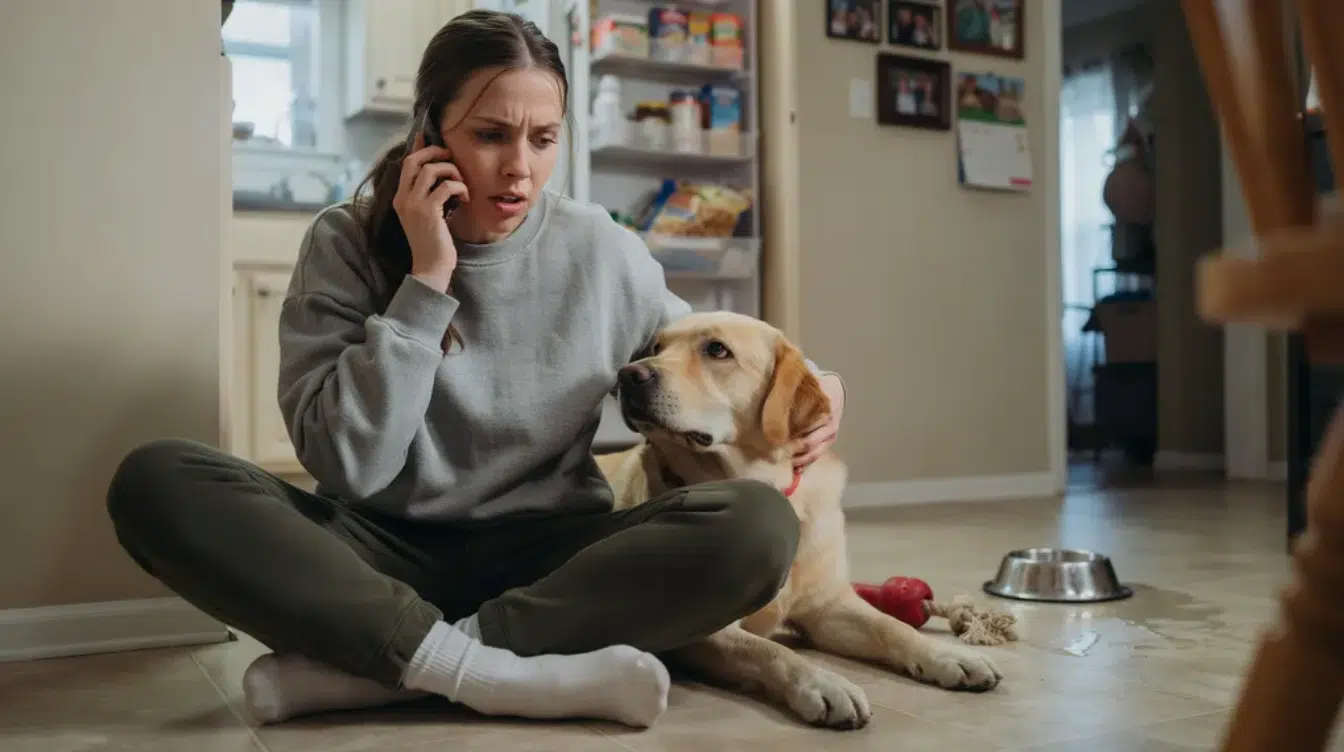
Begin only after a veterinarian or animal poison professional approves vomiting and provides an exact dose. Keep the phone nearby so you can follow any instructions specific to the exposure.
The following steps explain what to expect when a professional directs home treatment. Their directions should always take priority over general information.
1. Confirm the Substance and Exposure
Find the package, ingredient list, medication strength, or product label. Estimate how much is missing and when your dog swallowed it, whether that’s a household chemical or something as ordinary-seeming as how much chocolate a dog can safely have.
Do not taste an unknown substance or handle a leaking chemical with bare hands. Photograph the product if bringing the container is unsafe.
2. Record the Professional’s Instructions
Write down the approved dose, administration method, monitoring period, and follow-up plan. Ask whether your dog should eat a small amount of food first, because that advice depends on the exposure and your dog’s condition.
Keep the case number if you called an animal poison service. It can help the service or veterinary team continue the same treatment plan, which matters because some toxins, like certain rat poisons, cause delayed internal bleeding that only shows up after the initial treatment.
3. Measure the Directed Dose
Use only fresh 3% hydrogen peroxide. Measure the exact amount provided by the veterinary professional with a marked oral syringe or another accurate measuring device.
Do not estimate the dose, use a kitchen spoon of uncertain size, or give more in hopes of getting a faster response. A larger amount does not guarantee vomiting and may increase stomach irritation and other complications.
4. Give the Dose as Directed
Follow the administration method provided for your dog. Keep your dog’s head level and place the liquid into the side of the mouth without forcing it toward the throat.
Stop if your dog coughs, struggles, or cannot swallow normally. Do not restrain a distressed dog in a way that puts you or your dog at risk.
5. Monitor and Report the Result
Vomiting may begin within 10 to 15 minutes, but hydrogen peroxide does not work reliably in every dog. I do not recommend repeating the dose unless the professional handling the case specifically tells you to.
Keep your dog away from the vomit. Ask if you should save a sample or take a clear photograph, then report whether vomiting occurred and how your dog is acting.
These steps do not replace veterinary follow-up. Stay in contact with the professional until you receive clear instructions about monitoring, travel, food, water, and further treatment.
Handling Precaution: Vomit may contain the swallowed substance. Keep children and other animals away, avoid direct contact, and ask the veterinary professional how to collect or dispose of it safely. |
Caring for Your Dog After Vomiting
Vomiting does not confirm that the harmful substance is gone. Some toxins cause delayed effects or require an antidote, activated charcoal, fluids, testing, or continued monitoring.
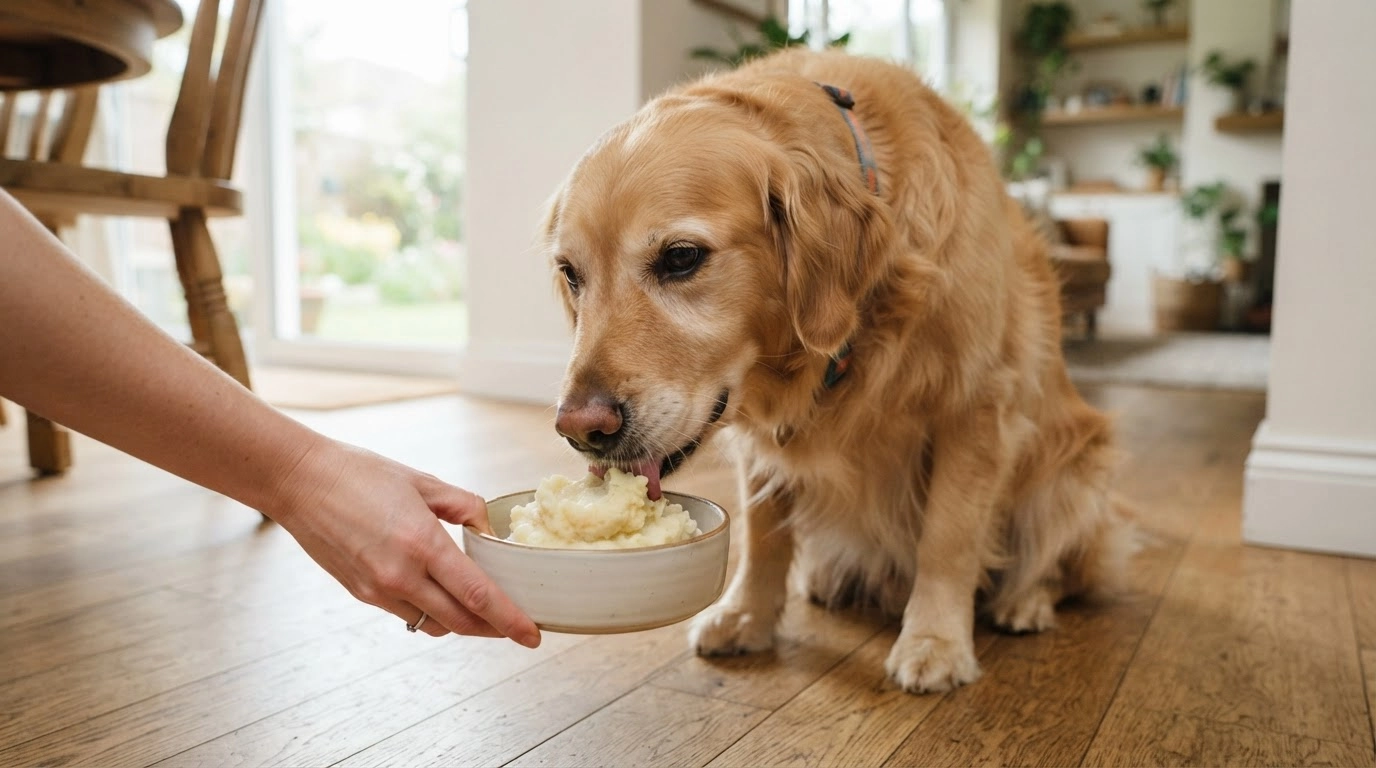
Do not offer food, water, medication, or another home treatment until the veterinary professional tells you what is safe. Report coughing, breathing changes, repeated vomiting, blood, weakness, tiredness, or unusual behavior immediately.
Follow all instructions regarding monitoring and further care. Even if your dog seems comfortable, appearance alone cannot confirm that the danger has passed.
Signs That Mean It’s Time for Emergency Care
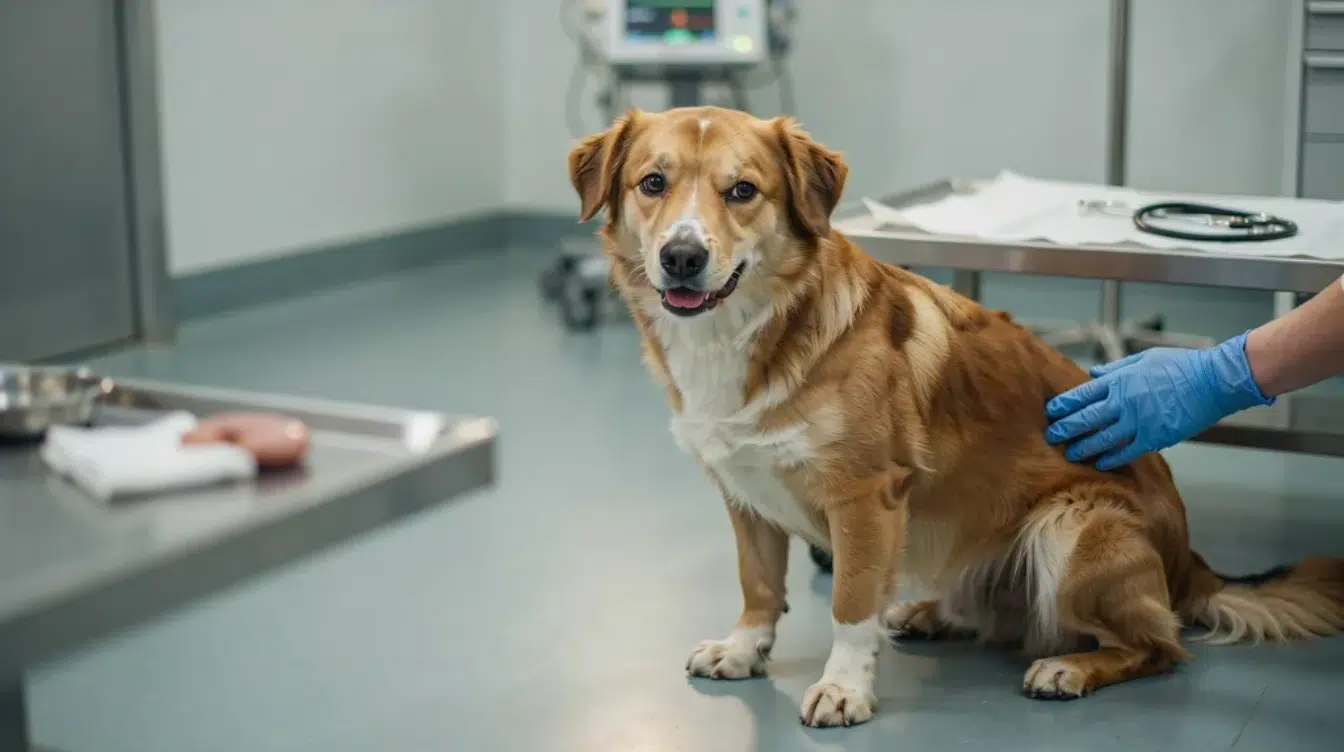
A dog’s condition can change after the original exposure or after vomiting begins. Know where the nearest open emergency hospital is before starting any professionally directed home treatment.
UC Davis emergency guidance supports prompt veterinary attention when vomiting or behavior becomes abnormal. Leave for an emergency hospital if your dog develops:
- Difficulty breathing or persistent coughing
- Pale, blue, gray, or unusually red gums
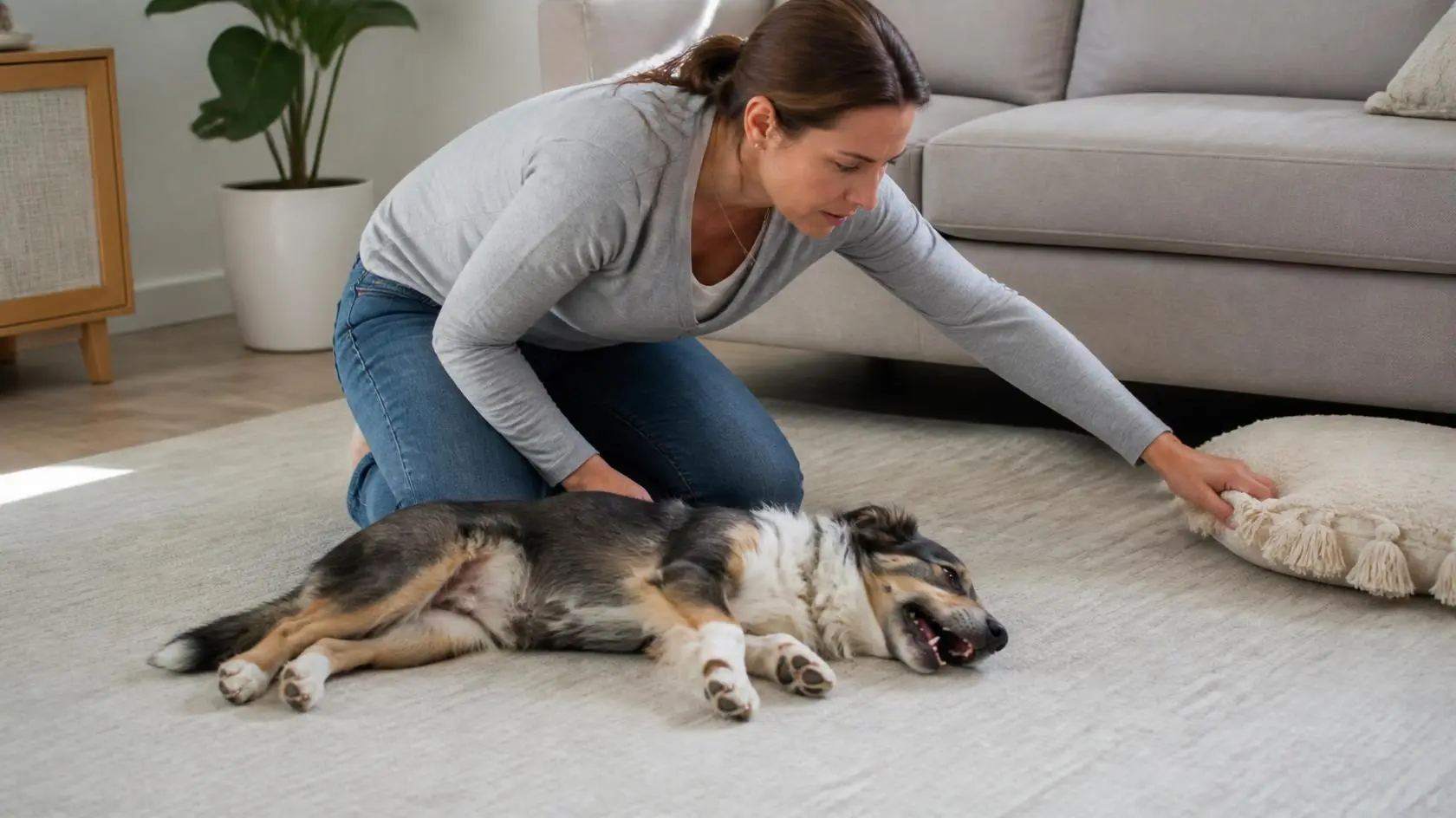
- A seizure, collapse, or loss of consciousness
- Severe weakness or inability to stand
- Blood in the vomit
- Repeated or prolonged vomiting
- Severe abdominal pain or swelling
- Sudden or worsening abnormal behavior
Call the hospital while another person prepares transportation if that will not delay departure. Bring the product information and your poison-service case number.
Transport Precaution: Do not drive with a loose or collapsing dog beside you. Use a secure carrier or restraint when possible, and ask another adult to monitor your dog during the trip. |
Simple Ways to Reduce Poisoning Risks
Accidents can happen even in a careful home. A few practical habits can reduce your dog’s exposure to common toxins and help you respond faster.
- Store medicines, supplements, cleaners, and chemicals in latched cabinets
- Keep chocolate, grapes, raisins, onions, and xylitol products out of reach
- Use secure trash cans and clear food from counters
- Check garages and yards for antifreeze, pesticides, fertilizers, and toxic plants
- Save your veterinarian and nearest emergency clinic in your phone
- Keep product packaging when transferring chemicals into a secure storage area
Check these safeguards whenever you bring home a new product or medication. Prevention cannot remove every risk, but it can reduce access and save time during an emergency.
Final Take
Knowing how to induce vomiting in dogs starts with knowing when not to try. As a veterinarian, I recommend calling your regular clinic, an emergency hospital, or a pet poison service before giving anything by mouth.
Be ready to share the product label, amount swallowed, exposure time, your dog’s weight, symptoms, and medical history. Follow the exact dose and directions you receive, then report whether your dog vomited and how your dog is acting.
Vomiting does not prove the danger has passed, because some toxins require further treatment and effects may be delayed.
If your dog becomes weak, collapses, struggles to breathe, has a seizure, or keeps vomiting, leave for emergency care. Save the emergency numbers in your phone now.
Frequently Asked Questions
Do Animal Poison Services Charge a Fee?
Animal poison services usually charge a consultation fee, while veterinary clinic costs vary by location and treatment. Ask about the fee when connected, and keep your case number so the service can provide consistent advice during follow-up calls.
Can I Make a Cat Vomit at Home?
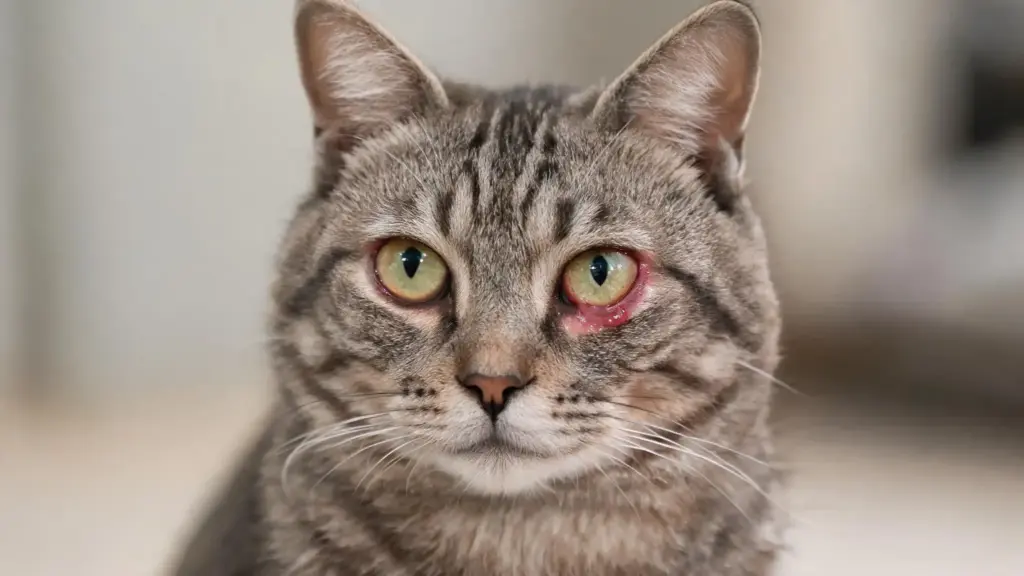
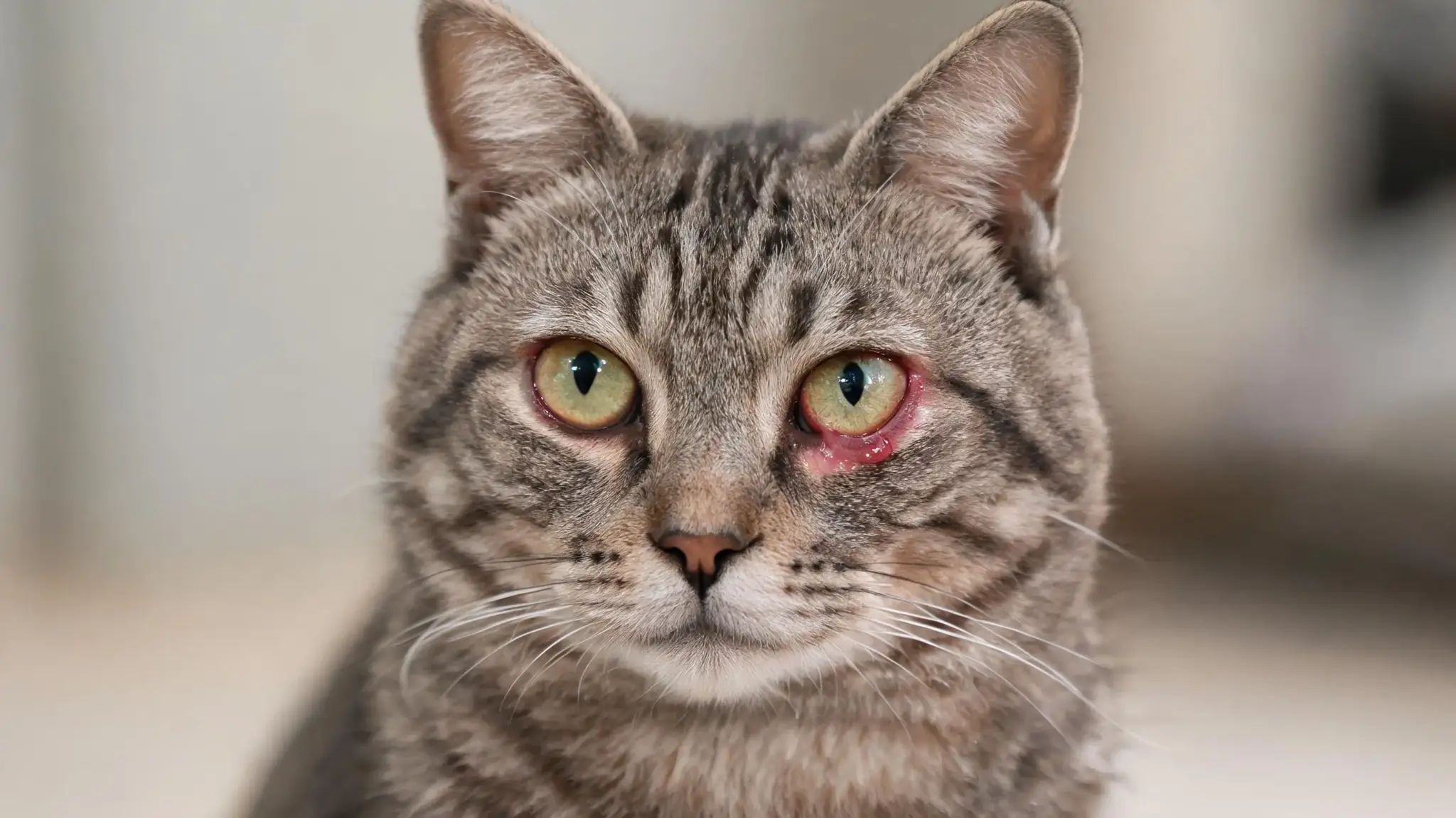
No. Hydrogen peroxide can injure a cat’s stomach and esophagus. If your cat swallows a possible toxin, call a veterinarian or animal poison service immediately, and do not give food, liquid, peroxide, or another treatment by mouth.
What Should I Bring to the Veterinary Clinic?
Bring or photograph the package, ingredient list, medication strength, and remaining contents. Note the likely amount and exposure time. Ask whether the veterinary team wants a vomit sample, a clear photograph, or your poison-service case number.
How Do Veterinary Clinics Cause Vomiting?
Veterinarians may use prescription medicine that works more predictably than hydrogen peroxide. The treatment chosen depends on the substance, dose, timing, symptoms, and the patient’s health, while the veterinary team monitors for complications and provides additional care when needed.