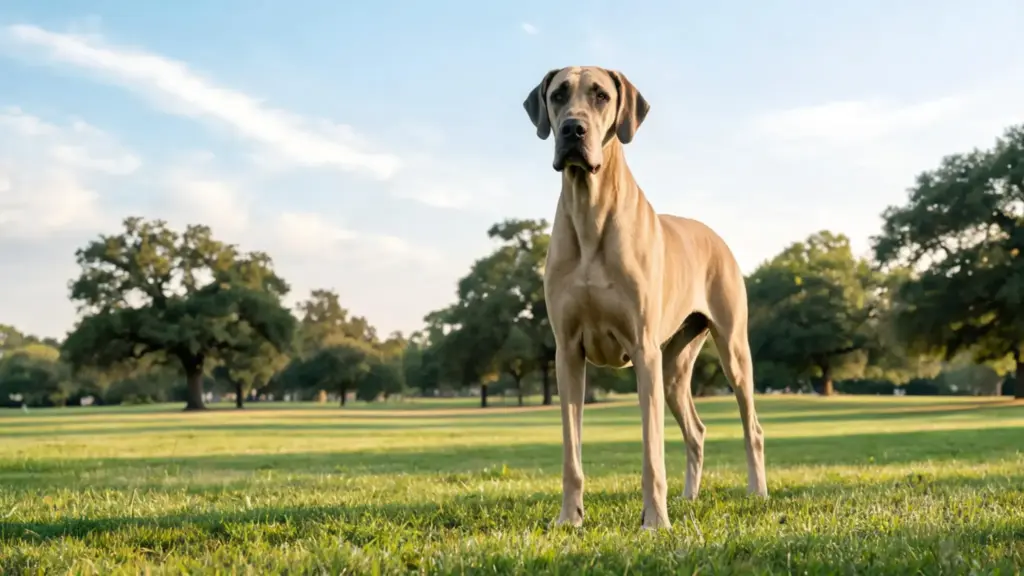
A Great Dane puppy can seem to grow between one nap and the next. In more than 15 years of veterinary practice, I’ve seen plenty of owners worry because their Dane looks leaner, heavier, or simply different from another puppy of the same age. With a giant breed, those frequent changes can make every weigh-in feel significant.
But Great Dane weight is only one part of the picture. I look at body condition, rib feel, waist shape, muscle development, appetite, movement, and growth trends alongside the number on the scale.
Expected weight ranges are still useful for spotting sudden changes or stalled growth. Below, I’ll break down adult breed figures and puppy estimates while explaining how to monitor healthy development without chasing the highest number on a growth chart.
How Much Does a Great Dane Weigh?
Great Danes are tall, athletic dogs rather than the heaviest of the giant breeds. Adult weight differs mainly by sex, frame, genetics, muscle, and body condition.
The American Kennel Club lists adult males at 140 to 175 pounds and adult females at 110 to 140 pounds. These are typical breed ranges, not required targets for every dog.
A healthy adult should have a visible waist when viewed from above and an abdominal tuck when viewed from the side. You should also be able to feel the ribs beneath a slight layer of fat.
Some healthy dogs may fall outside the published range because of their individual frame. Ask your veterinarian to assess body and muscle condition before changing food simply to reach a particular number. For a wider sense of scale, a full ranking of the largest dog breeds shows how the Great Dane compares overall.
Great Dane Weight Chart by Age
Great Danes do not follow one fixed growth curve. Puppy measurements are broad estimates because sex, bloodline, diet, health, and development can produce noticeable differences between dogs of the same age.
Use the chart to observe your puppy’s general direction rather than judge one weigh-in. Repeat measurements and veterinary body-condition checks provide more useful information.
| Age or Stage | Estimated Weight |
|---|---|
| 2 months | 18 to 27 pounds |
| 4 months | 50 to 65 pounds |
| 6 months | 70 to 100 pounds |
| 9 months | 85 to 120 pounds |
| 12 months | 90 to 135 pounds |
| Adult female | 110 to 140 pounds |
| Adult male | 140 to 175 pounds |
These ranges should not be treated as growth targets. A puppy may fall above or below one estimate and still be developing normally, particularly when its personal trend, appetite, movement, and body condition remain steady.
Great Dane Growth Stages
Great Danes develop more slowly than many smaller dogs, but growth does not follow a fixed schedule. Height, skeletal development, muscle, and body weight may progress at different rates.
Use each stage to understand what usually changes and what deserves closer attention. Your dog’s personal weight trend and veterinary body-condition assessments remain more useful than one isolated measurement.
1. Puppy Growth
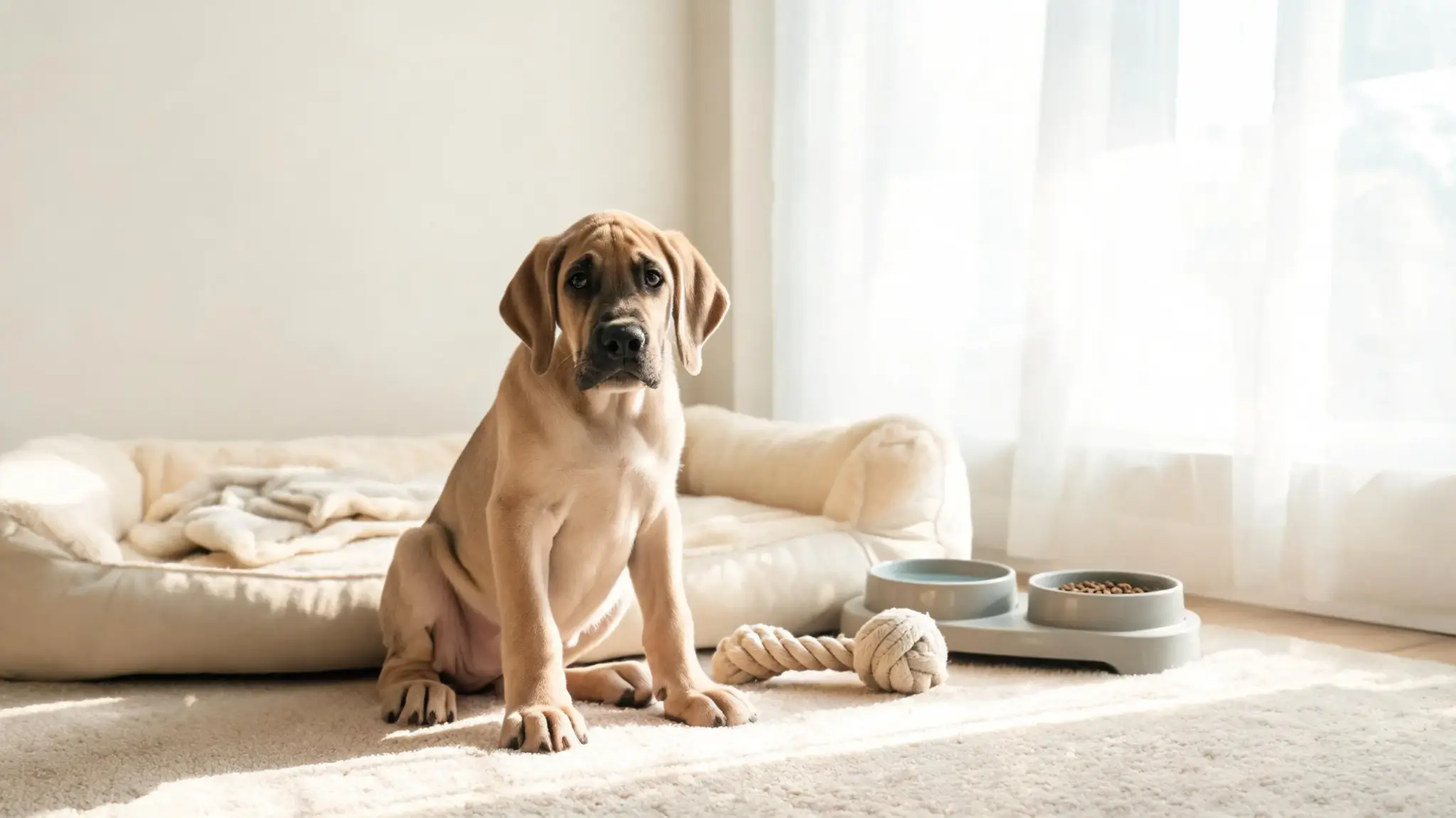
Great Dane puppies gain height and weight rapidly during their first year. They may appear narrow, leggy, or uneven while their chest, muscles, and overall frame are still developing.
Feed a complete and balanced diet intended for growth, including the growth of large-sized dogs. AAHA nutrition guidance recommends maintaining a lean body condition and avoiding excessive calcium intake in large and giant puppies.
Record weight regularly using the same scale when possible. Controlled play and short walks are suitable, but forced running, repeated jumping, and prolonged high-impact exercise may place unnecessary strain on developing bones and joints.
2. Adolescent Development
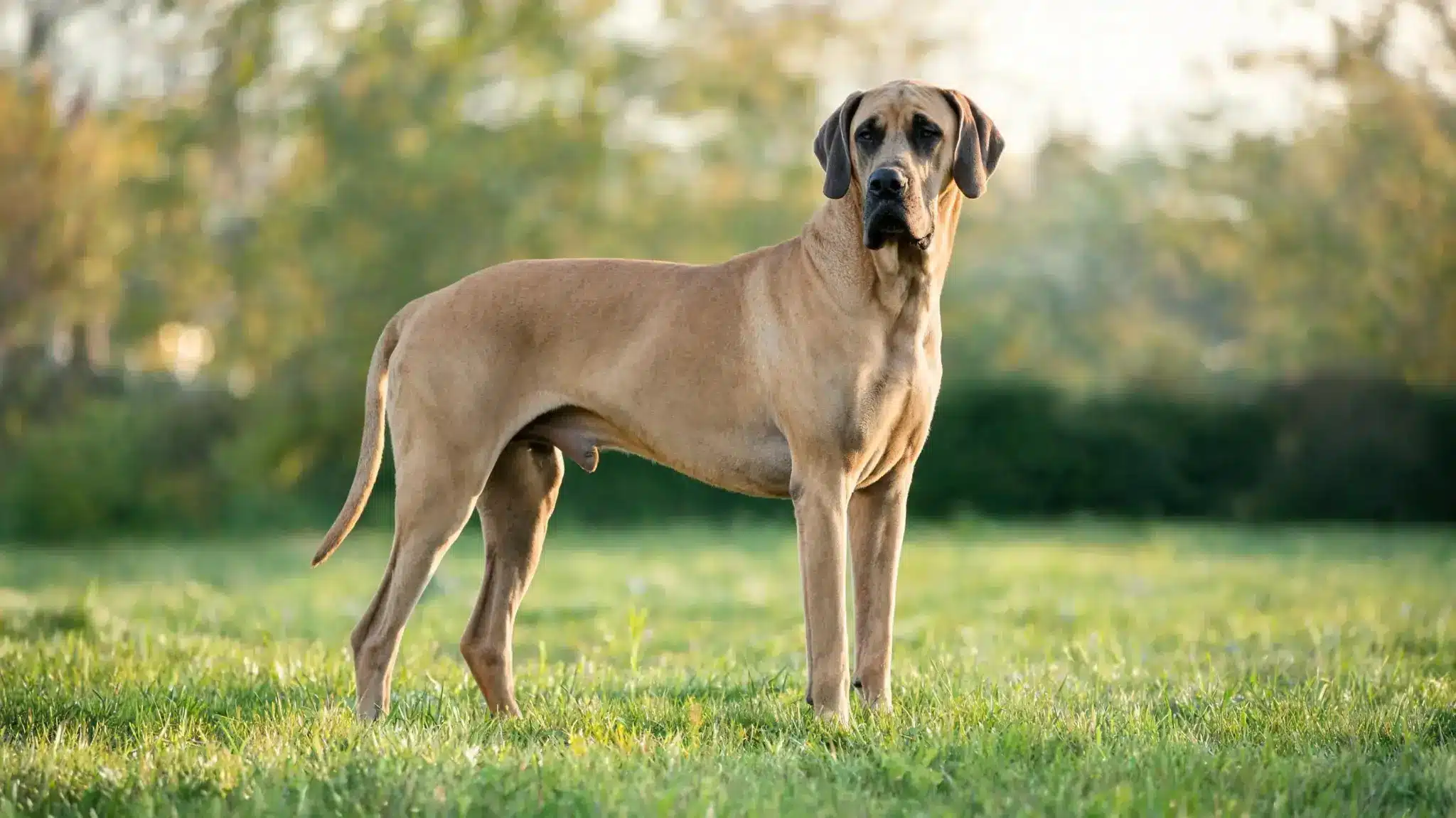
Growth often becomes less predictable as a Great Dane approaches adult height. Some adolescents gain height first and add chest width, muscle, and body substance later.
Large and giant dogs may continue developing for 18 to 24 months. A young Great Dane should not be pushed toward adult weight with larger meals, as faster growth does not alter the mature size determined mainly by genetics.
Watch the broader pattern rather than comparing one weigh-in with another dog. Appetite, movement, rib coverage, waist shape, muscle condition, and steady gains provide more useful context.
3. Adult and Senior Changes
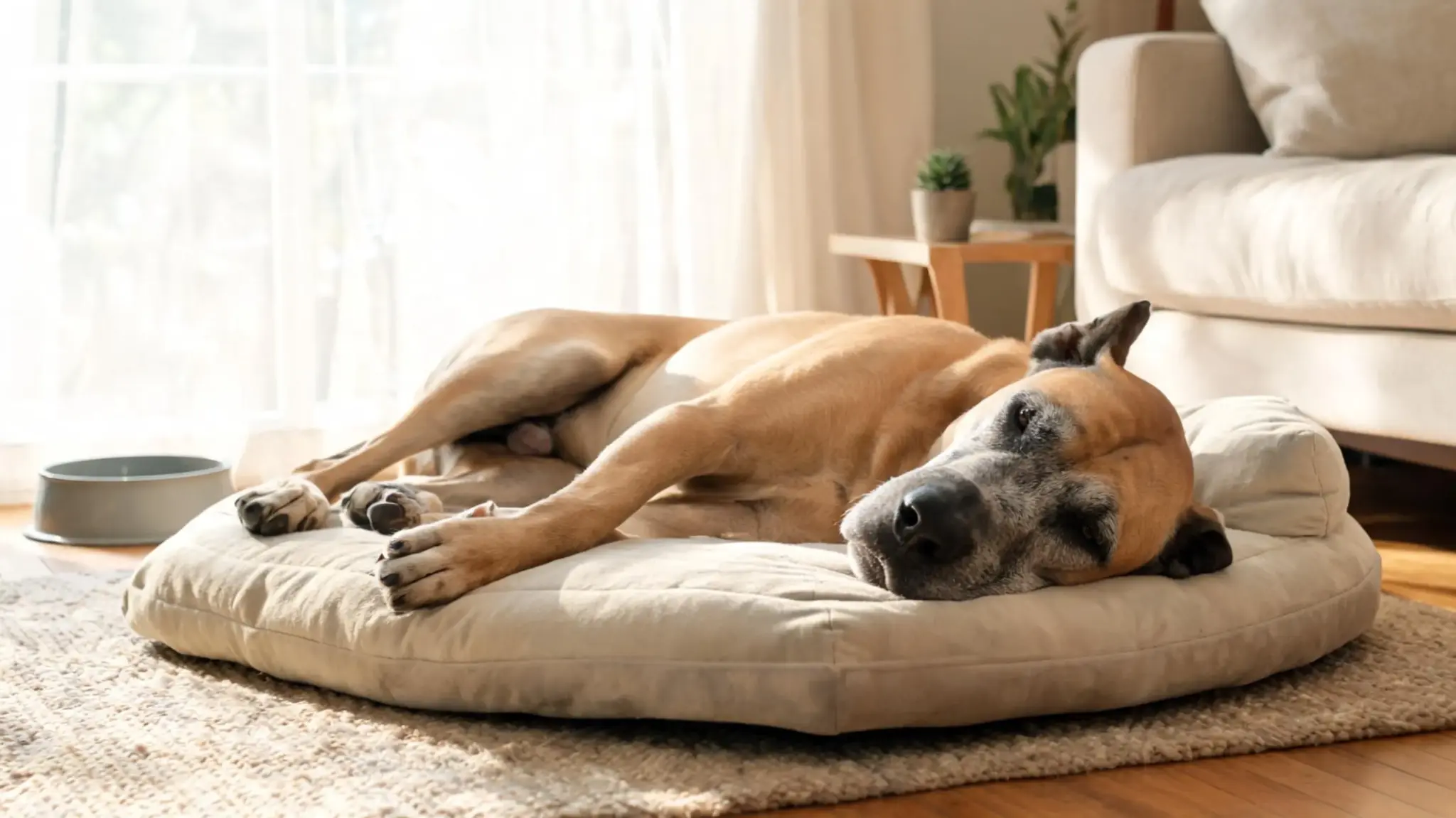
Adult males typically weigh 140 to 175 pounds, while females commonly weigh 110 to 140 pounds. Individual dogs may fall outside those ranges, so a veterinarian should assess body condition before you adjust food to reach a particular number, much like tracking a Tibetan Mastiff’s own size milestones requires the same kind of individual assessment.
As a Great Dane ages, reduced activity, illness, dental discomfort, or muscle loss may change its weight and body shape. Fat gain and muscle loss can also happen together, making the scale alone less useful.
Continue checking the ribs, waist, movement, appetite, and muscle around the shoulders, back, and hips. Report unexplained loss, rapid gain, reduced appetite, weakness, stiffness, or difficulty rising to your veterinarian.
Factors That Affect Great Dane Weight
Great Dane weight is influenced by several factors beyond age and breed standards. While these dogs naturally have a large frame, individual weight can vary depending on inherited traits, gender, nutrition, activity levels, and overall health.
Understanding these factors helps owners maintain a balanced weight range rather than focusing only on reaching a specific number.
- Genetics: A Great Dane’s bloodline plays an important role in determining its natural size, body structure, and weight potential. Some dogs may have heavier builds, while others may remain leaner even within the same breed.
- Gender: Male Great Danes are generally heavier and have larger frames compared with females. This difference is caused by natural variations in body structure and muscle development.
- Nutrition: A balanced diet supports healthy growth and weight maintenance. Overfeeding can contribute to unnecessary weight gain, while insufficient nutrition may affect proper development.
- Exercise: Regular, age-appropriate activity helps maintain muscle strength and supports a healthy body condition. Excessive exercise during growth periods should be avoided to protect developing joints.
- Health: Medical conditions, metabolism, and age-related changes can influence weight. Regular veterinary checkups help identify concerns and ensure proper weight management.
Maintaining a healthy weight for a Great Dane depends on balancing genetics, nutrition, activity, and overall care, rather than aiming for the largest possible size.
Great Dane Weight Compared with Other Large Breeds
Great Danes stand out mainly for height rather than maximum body mass. Several large breeds have broader frames and may weigh more despite standing at a similar or lower height.
The following ranges describe typical adults. Individual dogs may fall outside them because of sex, genetics, and body condition.
| Breed | Typical Adult Weight |
|---|---|
| Great Dane | 110 to 175 pounds |
| Mastiff | 120 to 230 pounds |
| Saint Bernard | 120 to 180 pounds |
| Newfoundland | 100 to 150 pounds |
| Tibetan Mastiff | 70 to 150 pounds |
A Mastiff may weigh considerably more than a Great Dane, while the Great Dane commonly appears taller and leaner, and the Saint Bernard’s own weight range shown above falls between the two. Weight alone therefore does not provide a complete comparison of breed size.
How to Maintain a Healthy Great Dane Weight
A healthy weight cannot be confirmed by the scale alone. Checking body shape, muscle, movement, appetite, and weight trends gives you a clearer view of your dog’s condition.
Focus on these areas:
- Measure meals: Use a consistent measuring tool and include treats when estimating daily food intake.
- Check the ribs: You should be able to feel them beneath a thin layer of fat without pressing firmly.
- Look for a waist: A healthy dog should have a visible waist from above and an abdominal tuck from the side.
- Monitor muscle: Check for changes around the shoulders, spine, hips, and rear legs.
- Match activity to health: Choose exercise suited to your dog’s age, fitness, joints, and veterinary recommendations.
- Record changes: Keep dated weights and photographs so gradual gain or loss is easier to notice.
Assess your dog regularly rather than waiting for a major physical change. Ask your veterinarian to confirm the body condition score and adjust feeding if the current trend is not suitable.
Real Owner Experiences Managing Great Dane Weight

Discussions among Great Dane owners often show that individual dogs can vary greatly in size, even within the same breed.
A Reddit discussion in the Great Dane community about how big individual Danes become highlights the differences in height, weight, age, and body structure between dogs.
Owners commonly compare their Great Danes’ measurements, including weight, height, and growth progress, to understand what is normal for the breed.
These discussions show that a specific number on the scale does not always determine whether a dog is healthy, as factors such as frame size, muscle development, genetics, and activity level also influence ideal weight.
Personal experiences from other owners can provide helpful insights into living with a giant breed, but weight management decisions should always consider an individual dog’s health, body condition, and veterinary guidance.
When a Weight Change Needs Veterinary Attention
Small fluctuations can occur because of meal timing, hydration, scale differences, and normal development. A sudden or ongoing change is more concerning when accompanied it changes in appetite, digestion, energy, or movement. Contact your veterinarian if your Great Dane has:
- Sudden or continuing weight loss
- Rapid gain without an expected feeding change
- Poor appetite or difficulty eating
- Repeated vomiting or diarrhea
- Loss of muscle around the back, shoulders, or hips
- Weakness, stiffness, pain, or difficulty rising
- A swollen abdomen or breathing difficulty
- Growth that appears to have stopped unexpectedly
A veterinarian can confirm the measurement, review the diet, assess body and muscle condition, and check for an underlying medical problem. Seek prompt care when weight change occurs with severe weakness, collapse, breathing trouble, or abdominal swelling.
Final Thoughts
Great Dane weight changes quickly during puppyhood and becomes more stable after physical maturity, but the scale never tells the complete story. Sex, frame, muscle, diet, activity, and health all affect an individual dog’s expected range.
Use age-based figures as estimates rather than targets. Track your dog’s trend, feel the ribs, look for a visible waist, and note changes in appetite, energy, or movement. Sudden loss, rapid gain, poor growth, or muscle decline warrants veterinary attention.
Steady development and a lean body condition matter more than reaching the top of a chart. Record your Great Dane’s weight and body condition today, then take those notes to the next veterinary appointment for a personal assessment.
Frequently Asked Questions
How Often Should I Weigh a Growing Puppy?
Ask your veterinarian how often to check your puppy, based on your puppy’s age and health. Using the same scale at similar times makes trends easier to compare. Avoid daily checks unless your veterinarian recommends them for a specific concern.
Can I Use a Bathroom Scale at Home?
A bathroom scale may work while your puppy is small enough to hold safely. Weigh yourself, then repeat the measurement while holding the puppy and subtract the difference. Use a veterinary scale once lifting becomes unsafe.
Should I Change Food After One Low Reading?
No. One result may reflect scale variation, meal timing, or normal growth differences. Confirm the measurement and review the longer trend. Contact your veterinarian before changing food or portion sizes, especially during rapid growth in giant breeds.
What Records Should I Take to the Veterinarian?
Bring dated weights, food labels, measured portions, treat amounts, recent photographs, and notes about appetite, stool, activity, and movement. These details help the veterinarian assess the reading alongside your dog’s growth, body condition, and muscle.