Bringing home a strong, wiggly puppy can feel equal parts joyful and overwhelming. The first weeks shape routines that can make daily life calmer for both of you.
In more than 15 years as a veterinarian in Minnesota, I have helped families manage preventive care, skin concerns, nutrition questions, and the everyday surprises of raising young dogs.
A pitbull puppy needs the same thoughtful foundation as any puppy: safe socialization, reward-based training, suitable food, rest, and patient supervision.
The label “pit bull” can describe different breeds and mixes, so appearance alone cannot predict size, health, or behavior.
I recommend focusing on the puppy in front of you while preparing for feeding, house training, chewing, exercise, local rules, and veterinary care.
What Is a Pit Bull Puppy?
A pit bull puppy is usually an American Pit Bull Terrier or a young dog from a related bull-and-terrier breed or mix. The term is used differently by registries, shelters, local authorities, and dog owners, so it does not always identify one exact breed.
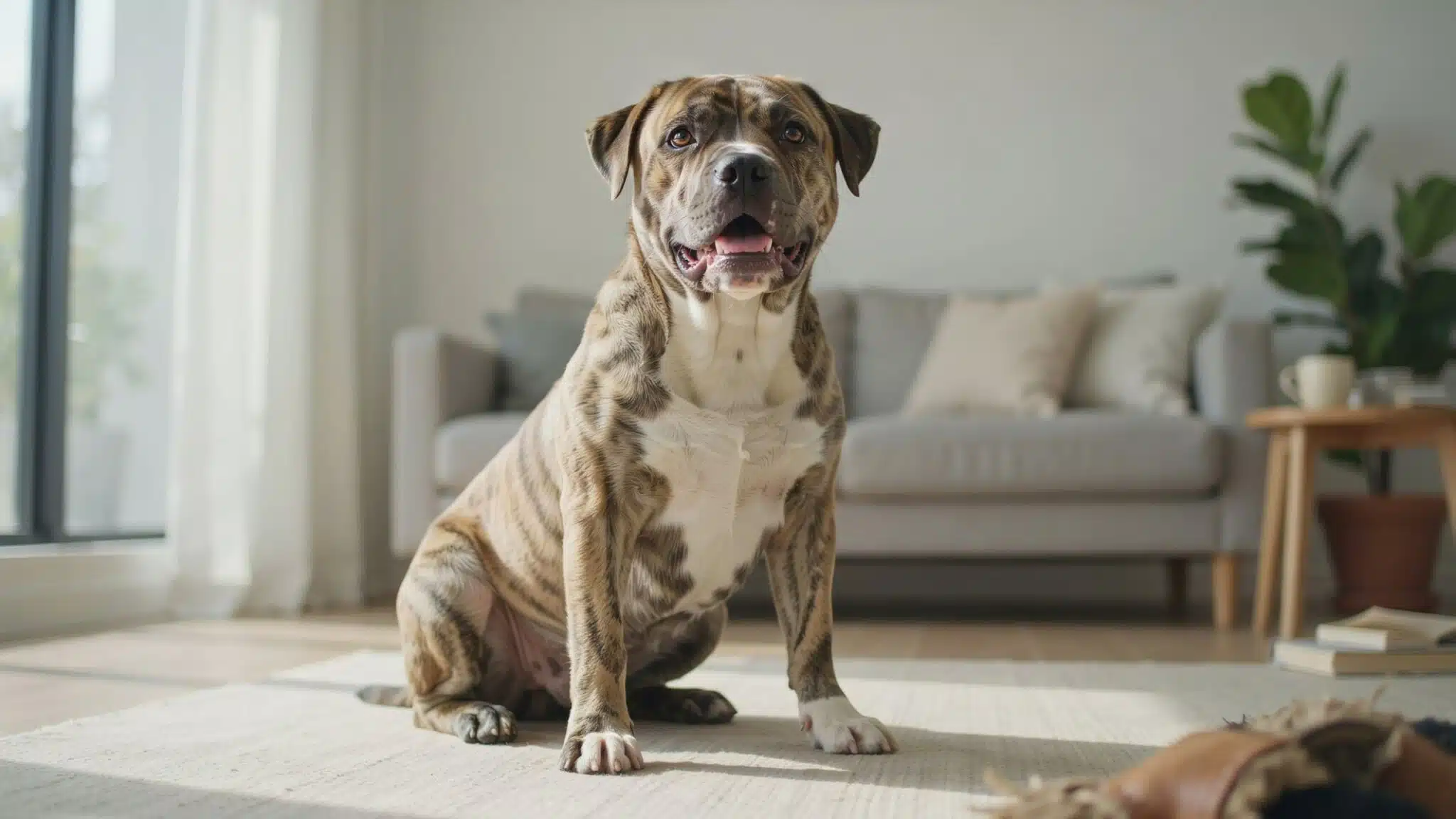
These puppies commonly have short coats, broad heads, athletic bodies, and strong, compact frames. Their adult size and build depend on their documented breed, parents, sex, health, and genetics. A puppy identified by appearance alone may also have ancestry from breeds outside the pit bull group.
Physical traits cannot predict personality. Early experiences, health, socialization, training, and home life all influence how an individual puppy behaves.
Confirming parentage or available breed records can help you make better decisions about expected growth, nutrition, health screening, and daily care.
Pit Bull Temperament and Individual Personality
Breed label alone cannot predict one fixed personality. Genetics, early experiences, health, training, and the home environment all help shape behavior.
Watch the individual puppy for:
- Comfort or hesitation around unfamiliar people
- Play style and ability to settle afterward
- Reactions to handling, food, toys, and restraint
- Interest in other animals without assuming compatibility
- Signs of fear, guarding, frustration, or distress when alone
Avoid labeling a puppy as dominant, stubborn, protective, or aggressive based only on appearance. If concerning behavior persists or intensifies, speak with your veterinarian and a qualified reward-based behavior professional. Individual observation gives you a safer and more useful training plan than a breed stereotype.
Is a Pit Bull the Right Dog for You?
Understanding the individual puppy is only part of the decision. Your schedule, housing, budget, experience, and access to professional support must also match the demands of raising a young dog.
Consider whether you can provide daily training, play, supervision, and quiet rest while managing chewing, the toilet training stage, jumping, and adolescent behavior.
Confirm that your housing permits dogs identified as pit bulls, and ask your insurer about exclusions or added requirements. Your budget should cover food, preventive care, training, supplies, and emergency treatment. You must also be able to manage interactions with children and other animals safely.
A fenced yard can help, but it does not replace walks, mental activity, training, or supervision. Confirm every practical detail before adoption so your decision supports both you and the puppy for the long term.
Pitbull Puppy Care for the First Weeks
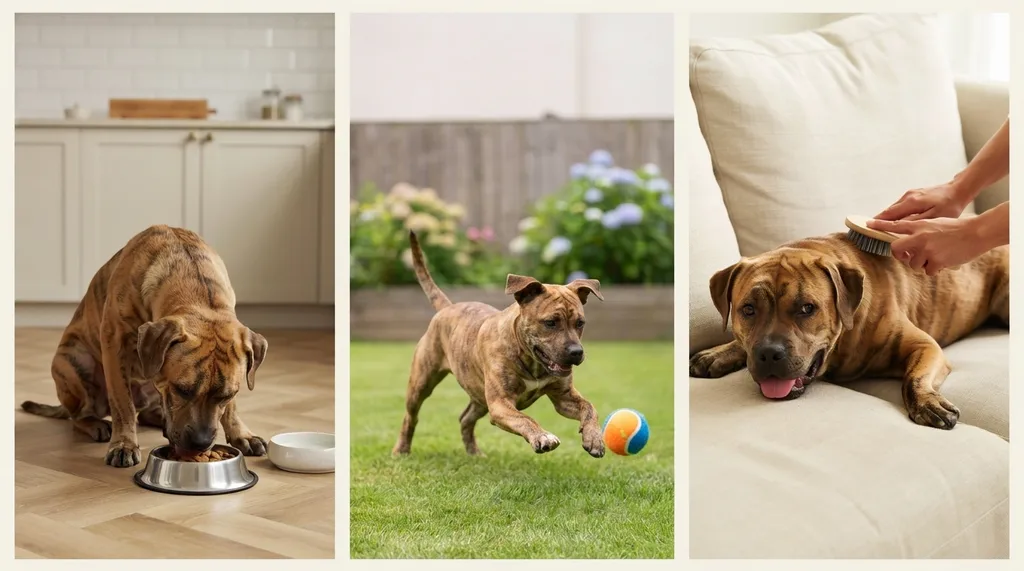
The first weeks should feel predictable rather than packed with visitors, long outings, or constant activity. Establish simple routines for meals, toilet breaks, sleep, training, grooming, and supervised play.
1. First-Week Setup
Schedule a veterinary examination and bring all available health, vaccination, deworming, feeding, and microchip records. Give your puppy a quiet sleeping area and limit access to parts of the home that have not been puppy-proofed.
Introduce a crate or gated rest area gradually. Use food, treats, and safe toys to build a positive association, and avoid using confinement as punishment.
2. Feeding and Nutrition
Feed a complete and balanced food labeled for growth, ideally chosen from vet-approved puppy food options. If your puppy is expected to become a large adult, ask your veterinarian whether a large-breed growth formula is appropriate.
Follow the food’s measured feeding directions and divide the daily amount into age-appropriate meals. Adjust portions according to growth, body condition, treats, activity, and veterinary advice rather than leaving unlimited food available.
3. Toilet and Chew Training
Take your puppy outside after waking, eating, drinking, playing, and before sleep. Reward outdoor toileting immediately and clean indoor accidents without punishment.
Keep shoes, cords, clothing, and small objects out of reach. Redirect biting and chewing toward safe puppy toys using consistent bite inhibition training, then reward the puppy for choosing an appropriate item.
4. Exercise and Playtime
Young puppies benefit from several brief periods of play and movement instead of forced running or one exhausting outing. Stop when your puppy becomes tired, sore, overstimulated, or reluctant to continue.
Training games, food puzzles, sniffing, and safe chewing provide mental activity without placing unnecessary strain on developing joints.
5. Grooming and Handling
Brush the short coat as needed to remove loose hair and notice skin changes. Bathe your puppy when dirty using a dog-safe product rather than following a rigid schedule.
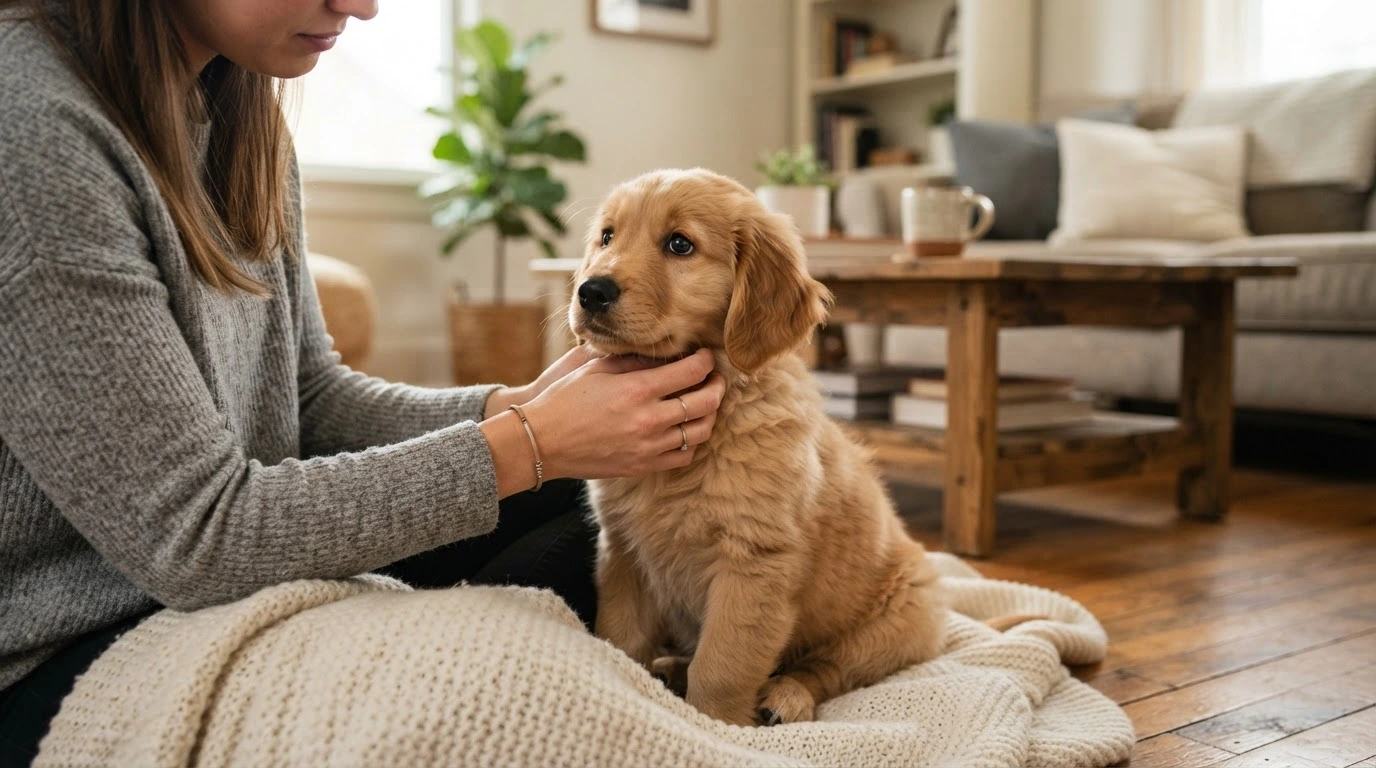
Introduce paw, ear, mouth, and body handling gradually with treats. Brief, positive practice can make nail care, tooth brushing, grooming, and veterinary examinations less stressful.
Progress will be uneven during the early weeks. A calm routine, frequent rest, close supervision, and rewards for desired behavior will make daily life easier for both you and your puppy.
Training and Socializing Your Puppy

Early socialization matters for every puppy, but it should be positive and carefully managed. The goal is calm exposure, not forcing your puppy to greet every person or dog.
- Pair new people, sounds, surfaces, handling, and environments with treats or play.
- Choose controlled contact with healthy, behaviorally suitable dogs.
- Use brief sessions and stop when your puppy shows fear, avoidance, or fatigue.
- Teach name response, recall, sit, leave it, drop it, and relaxed leash walking.
- Reward desired behavior instead of using pain, fear, intimidation, or harsh corrections.
- Practice short periods of comfortable separation before distress develops.
The American Veterinary Society of Animal Behavior recommends reward-based training methods for dog training and behavior concerns.
The American Animal Hospital Association also advises that safe social exposure need not wait until the vaccine series is finished. Let your puppy’s comfort set the pace. Good socialization builds confidence without overwhelming the dog.
Keeping Your Puppy Safe
Young puppies need protection from infection, household hazards, unsafe play, and escape. Safety does not require complete isolation during the early socialization period.
Avoid dog parks, pet-store floors, shared elimination areas, and contact with sick or unknown dogs until your veterinarian confirms an appropriate level of protection. Cornell University College of Veterinary Medicine notes that parvovirus especially affects puppies and can persist in contaminated environments.
Puppy-proof the home by securing:
- Electrical cords
- Medications and cleaning products
- Shoes and clothing
- Children’s toys
- Trash and food packaging
- Small objects that could be swallowed
Supervise interactions with children and other animals. Keep identification tags and microchip details current in case your puppy escapes. Ask your veterinarian which controlled social activities are appropriate at each vaccination stage.
What People Are Saying Online About Raising a Pitbull Puppy

Beyond professional advice, real owner discussions add a useful, ground-level perspective. A popular r/pitbulls thread started by someone asking exactly what a first-time owner needs to know drew a large wave of responses worth summarizing.
- Early socialization and consistent training come up repeatedly as the single biggest factor in how a pit bull puppy turns out
- Several owners mention the breed’s real-world temperament surprising them, in a good way, compared to what they expected going in
- Recommendations to research breeders or rescues carefully show up often, echoing the health and lineage concerns covered earlier
- A few commenters note that public perception and occasional judgment from strangers is something to prepare for, not just the dog itself
Threads like this are worth reading for perspective, though individual experiences vary and shouldn’t replace guidance from your own vet or trainer.
Health Concerns and Preventive Care
Dogs described as pit bulls do not share one universal health-risk profile because the label covers different breeds and mixes. Use documented breed, family history, examination findings, and screening records to guide preventive care.
| Concern | What to Watch For | Appropriate Action |
|---|---|---|
| Growth and joints | Persistent limping, stiffness, pain, or reluctance to move | Limit forced activity and arrange a veterinary examination |
| Skin and ears | Ongoing itching, redness, hair loss, odor, or repeated ear trouble | Seek veterinary assessment rather than changing food without guidance |
| Digestive illness | Repeated vomiting, diarrhea, poor appetite, or low energy | Contact a veterinarian promptly, especially for a young puppy |
| Inherited conditions | Concerns reported in the documented breed or family | Request appropriate parent screening records and discuss them with your veterinarian |
These signs do not confirm a particular condition. A veterinary examination is needed to determine the cause and appropriate treatment.
The Orthopedic Foundation for Animals maintains breed-specific screening protocols and public records. A breeder’s verbal assurance or the appearance of the parent dogs does not replace documented results.
Preventive visits, vaccination, parasite control, suitable nutrition, and prompt attention to symptoms matter more than assuming a condition from the pit bull label.
Final Thoughts
Raising a pitbull puppy is less about overcoming a breed label and more about meeting the needs of an individual young dog.
In my veterinary work, I encourage families to begin with preventive care, complete and balanced puppy food, safe socialization, reward-based training, frequent rest, and a predictable toilet routine.
Watch your puppy’s body language instead of relying on stereotypes. Ask for qualified help when fear, guarding, distress, or reactivity appears. Housing, insurance, and local rules should also be checked before adoption or a move.
The early months will include accidents, chewing, and uneven progress, but patient practice matters more than perfection. Schedule your puppy’s veterinary visit and choose a reward-based training class today.
Frequently Asked Questions
How Much Sleep Is Normal?
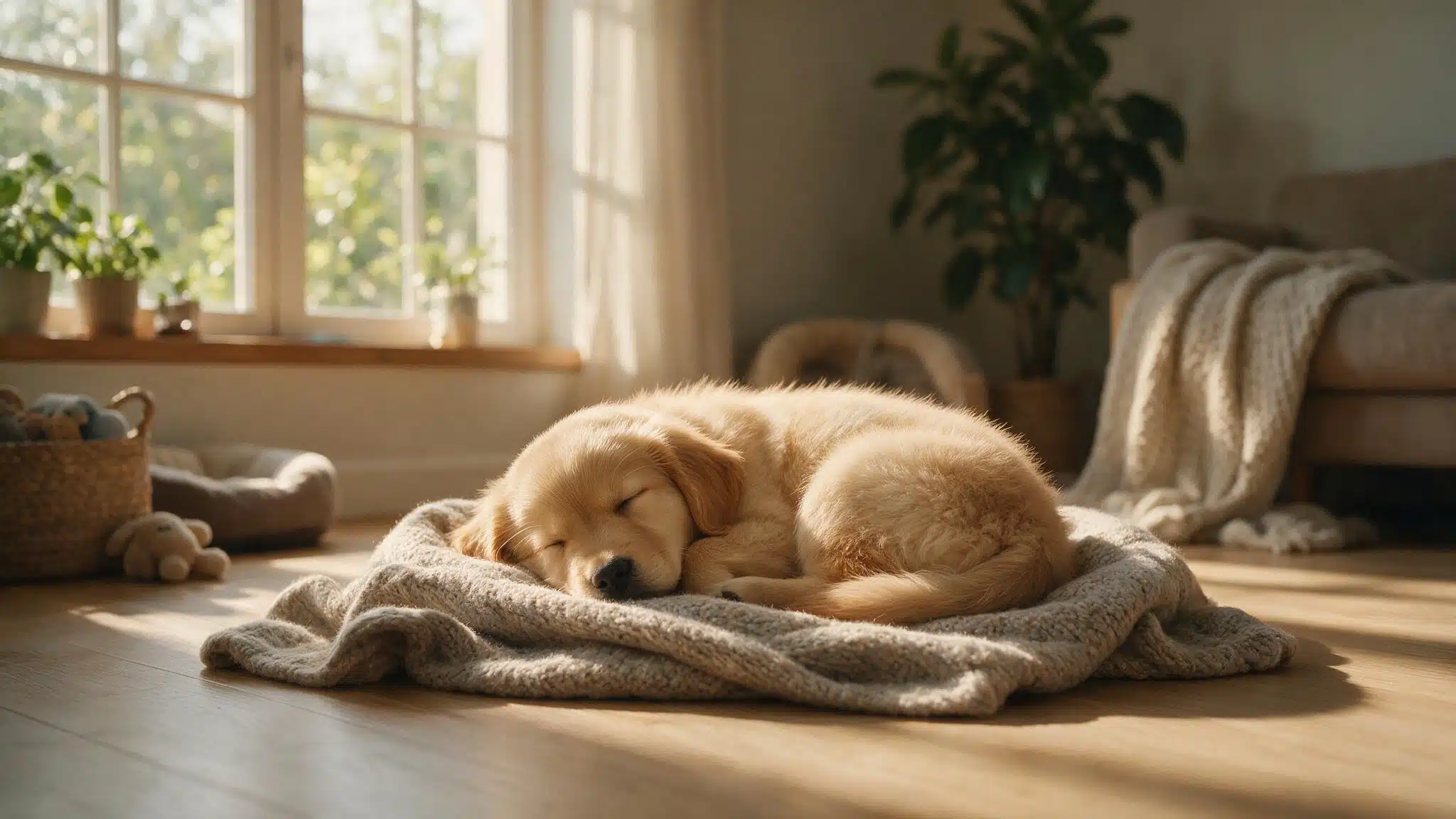
Young puppies need frequent naps and may become mouthy, restless, or harder to train when overtired. Provide a quiet sleeping area and balance short periods of play, training, meals, and toilet breaks with regular daytime rest.
Which Records Should Come Home?
Request vaccination and deworming records, microchip information, medical notes, feeding details, and any available parent health-screening results. Bring these documents to the first veterinary appointment so the care plan can continue without unnecessary gaps in care.
When Is Professional Training Help Needed?
Seek qualified help early if your puppy shows persistent fear, guarding, intense distress when alone, repeated snapping, or escalating reactions around people or animals. Choose a credentialed professional who uses reward-based methods and coordinates with your veterinarian.