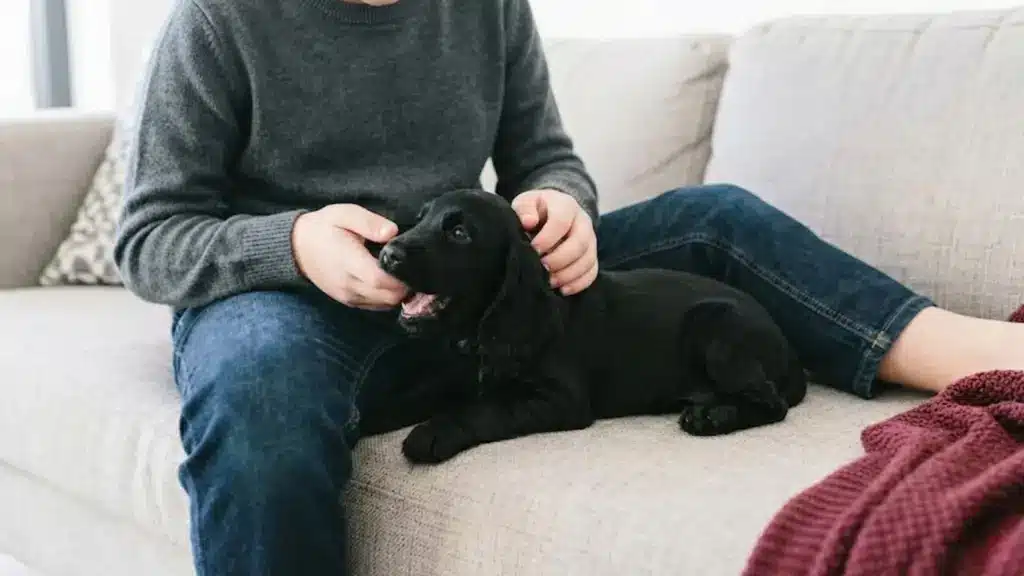
Puppies use their mouths to play, test limits, and react to the world around them. That might seem harmless at first, and honestly, most of the time it is.
But frequent nipping on hands, ankles, and clothing? That gets old fast, and it can chip away at bonding moments that should feel good for both of you.
It can affect playtime, daily handling, and even simple bonding moments. In the middle of all that, puppy biting training helps teach better habits in a calm and clear way.
It gives structure to a behavior that often feels messy in the early months. This blog explains why puppies bite, what triggers the habit, and how to respond without making it worse.
It also covers positive reinforcement methods, simple redirection tips, common mistakes to avoid, and ways to stay consistent every day.
By reading ahead, you will get practical steps that make the biting easier to manage and help build gentler behavior over time.
Understanding Why Puppies Bite
Puppies bite for a few simple reasons, and most of them are part of normal growth.
The first thing I always tell new puppy owners is this: biting is not bad behavior. It’s puppy behavior. The goal isn’t to eliminate the instinct; it’s to teach your puppy how to control it.
One big cause is teething: during the teethingphase, biting also relieves gum discomfort. This often leads to biting anything nearby, including hands and clothes. Another reason is natural play behavior.
Puppies use their mouths to interact, just like they would with littermates. It is how they learn limits and social cues early on.
Overexcitement also plays a role. When energy levels go up, control goes down, and biting becomes more frequent.
This can happen during play or when a puppy gets too stimulated. Understanding these triggers makes it easier to respond the right way and guide better habits without confusion or frustration.
When Biting Becomes a Problem
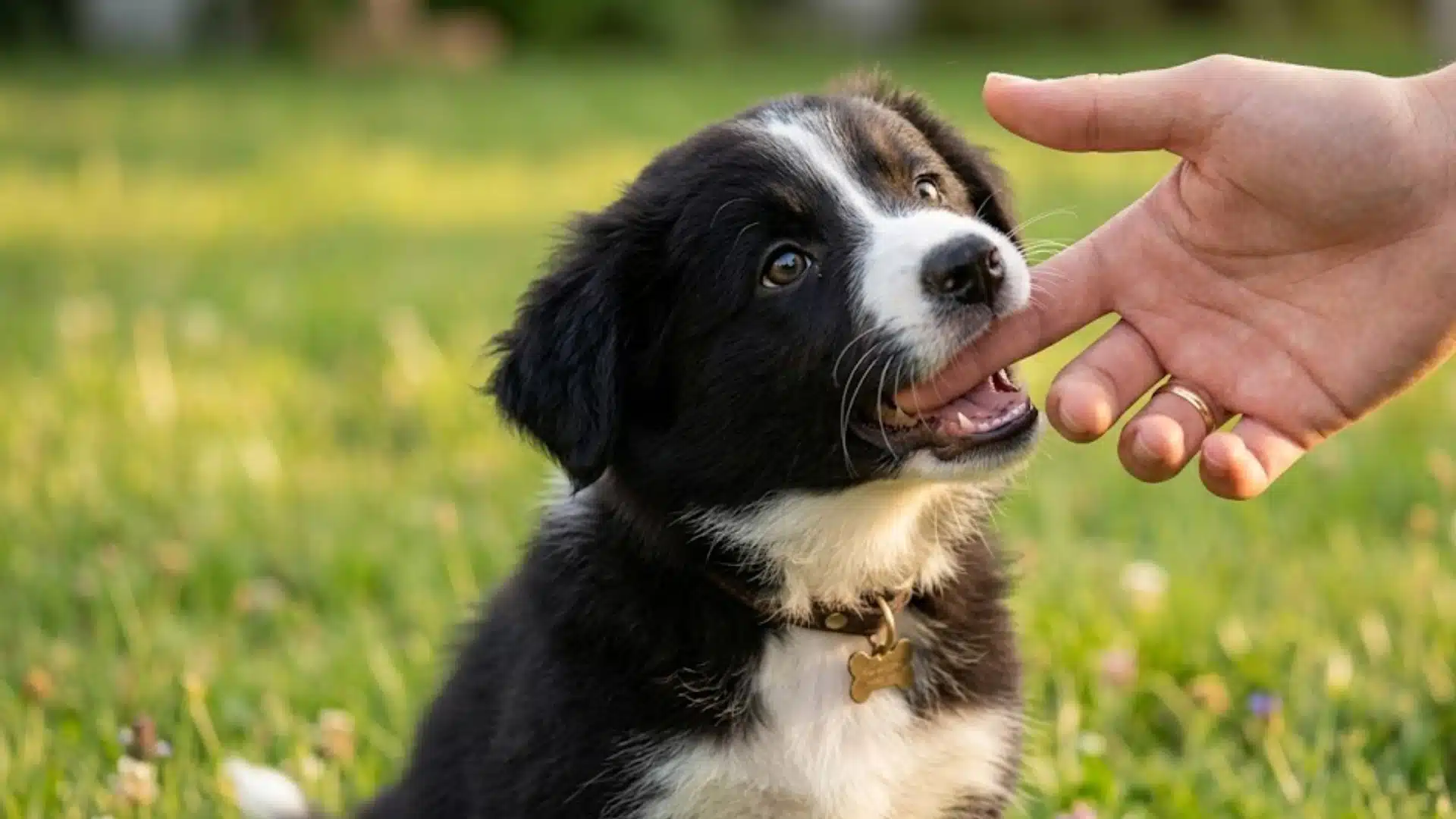
Not all biting is the same, and it is important to spot when it shifts from normal to an issue. Playful nipping is usually light, brief, and happens during games or excitement.
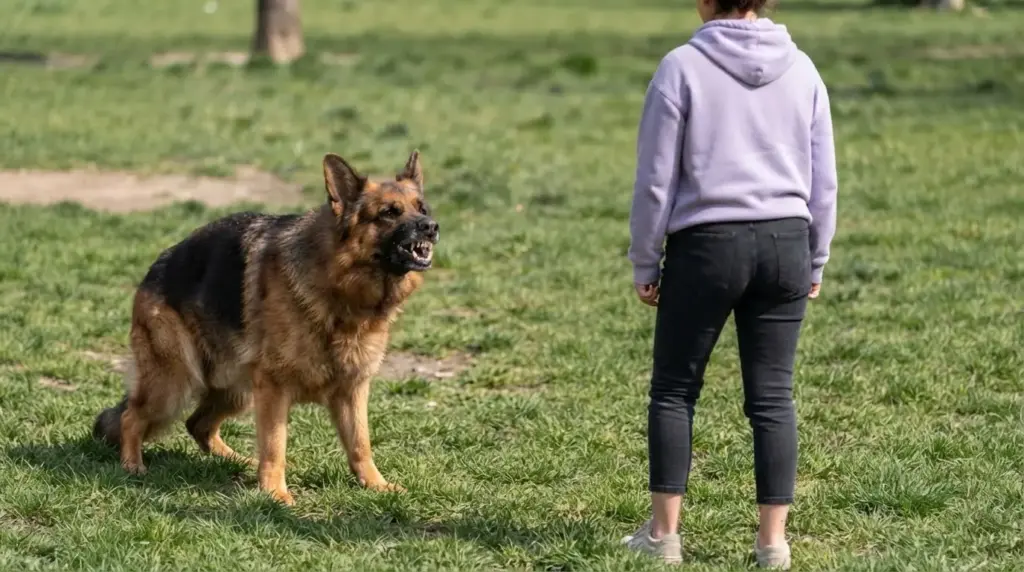
The puppy stays relaxed and stops when play ends. Aggressive biting feels different. It is harder, more frequent, and may come with growling or stiff body language.
This is when concern starts to build. There are also clear signs that the behavior is getting out of hand. Biting may happen without warning, increase in intensity, or continue even after attempts to stop it.
It can also target feet, hands, or clothing during routine moments. This starts to affect daily life. Simple tasks like walking, sitting, or playing become stressful.
Over time, it can create fear or hesitation, making early control of the habit very important.
How to Get a Puppy to Stop Biting Fast
Use these methods in sequence, or combine them, to see results fast. The foundation of success is consistency; every person in your home must respond the same way, every single time.
1. Redirect to Toys Immediately
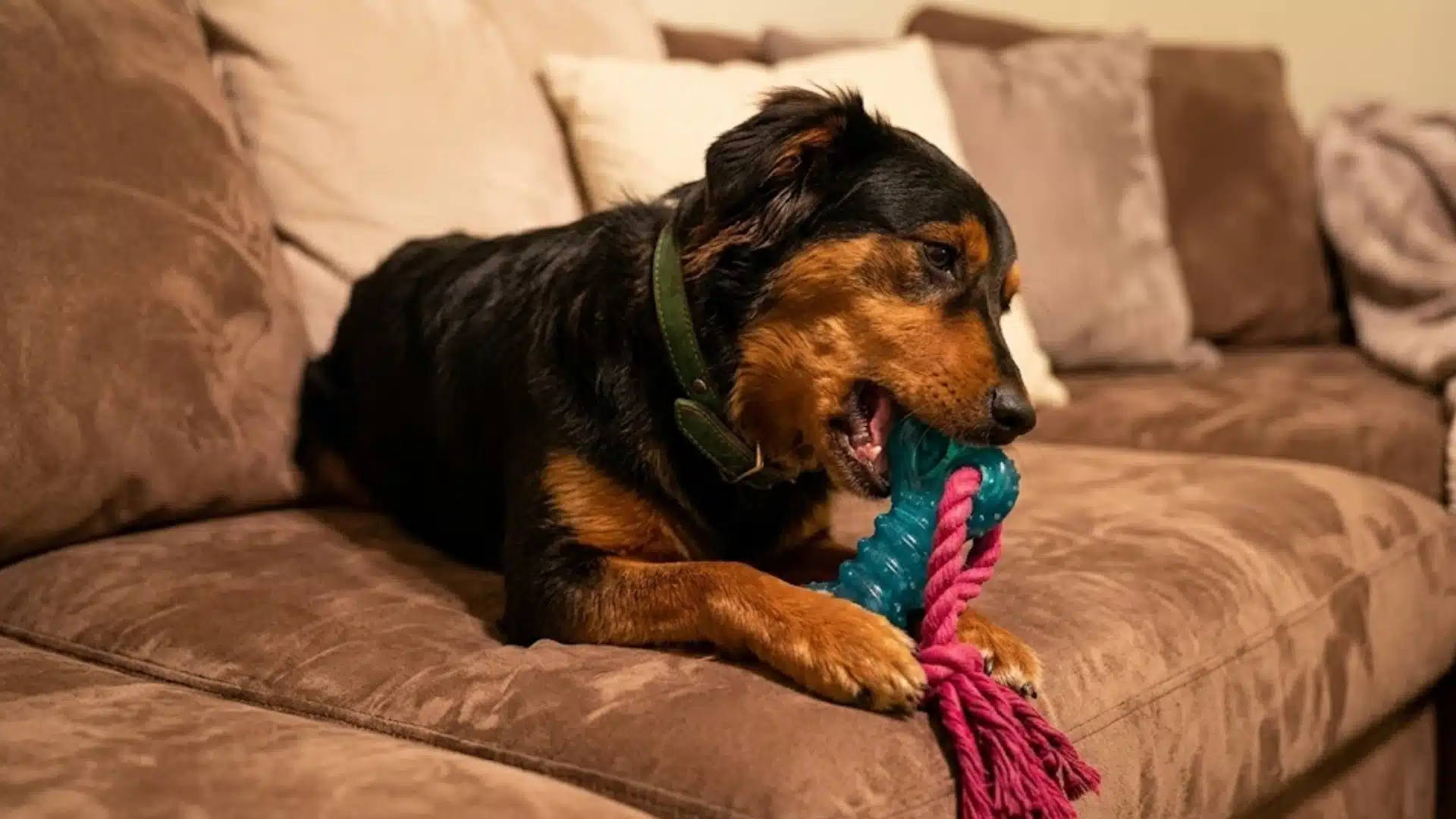
Redirecting to toys is one of the fastest and most effective ways to stop puppy biting. Instead of pulling away or reacting, calmly replace your hand or clothing with a chew toy.
This teaches your puppy that toys are for biting and hands are not. Done consistently, redirection builds a clear habit.
Keep chew toys within easy reach during playtime so you can redirect quickly and reinforce the right behavior before the moment passes.
The moment your puppy goes for your hand, swap it with a chew toy. Replace hands or clothes with appropriate chew toys to teach your puppy what is and isn’t okay to bite.
2. Reward Gentle Behavior
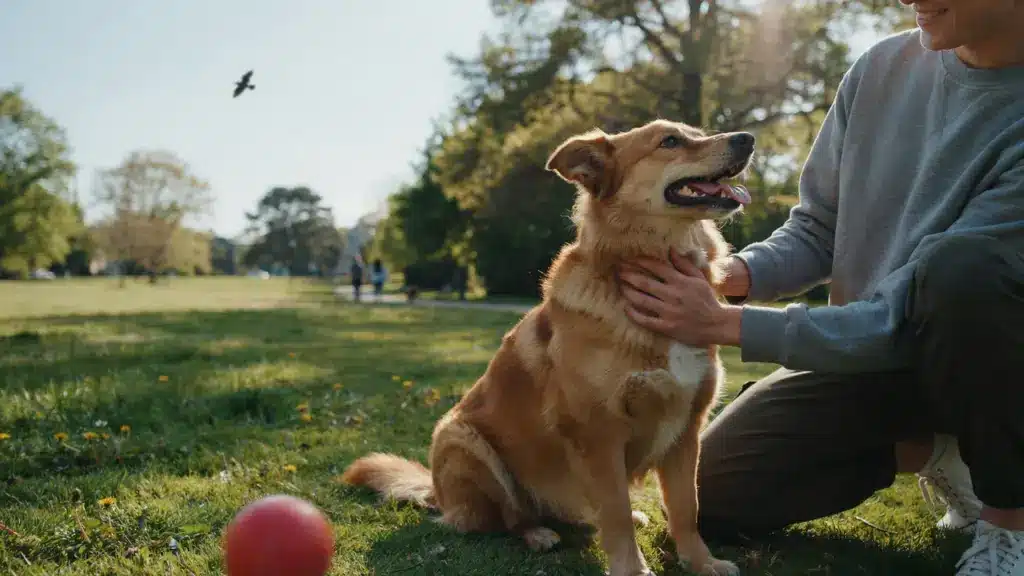
Rewarding gentle behavior is a powerful way to reinforce what you want your puppy to do. Puppies repeat actions that earn positive results.
When your puppy plays softly, licks instead of biting, or responds calmly during interaction, reward that moment immediately with a treat or verbal praise.
Timing is everything. The faster you reward, the clearer the message. Over time, your puppy learns that being gentle is more rewarding than biting, so it becomes their default.
Whenever your puppy plays softly or licks instead of biting, offer a treat or praise. Rewarding calm and soft play reinforces the behavior you want to see more of.
3. End Play When Biting Continues
Ending play is a clear and consistent consequence that puppies understand. When biting continues after redirecting, calmly stand up, turn away, or leave the room for 30 to 60 seconds.
No scolding, no eye contact. This teaches your puppy that biting immediately stops all fun and attention.
Puppies are social animals, and losing interaction is a strong deterrent. With enough repetition, they learn that keeping their mouth gentle is the only way playtime continues.
If biting doesn’t stop after redirecting, remove yourself from the situation. Walking away calmly signals that biting ends the fun, a lesson puppies pick up on fast.
How to Stay Consistent With Puppy Biting Training at Home
Consistency at home plays a big role in shaping better behavior. Puppies learn faster when the same rules are followed by everyone around them.
If one person allows playful biting but another tries to stop it, the puppy gets mixed signals. That confusion can slow progress and make the habit harder to fix.
Clear rules help avoid that problem. Each person in the home should respond in the same way every time biting happens.
This keeps training simple and easier for the puppy to understand. Daily habits matter too, as short practice during playtime, calm corrections, and regular use of toys for redirection can build better patterns over time.
Repeating the same steps each day creates structure. That structure helps the puppy feel more settled and makes the training process smoother for everyone in the home.
Managing Energy Levels to Reduce Puppy Biting
High energy often leads to more biting, so managing it the right way helps keep behavior under control and makes training easier to handle every day.
- Importance of exercise: Regular walks and play sessions help release built-up energy, making the puppy calmer and less likely to bite out of frustration
- Mental stimulation ideas: Puzzle toys, basic training games, and scent activities keep the mind active and reduce the urge to bite for attention
- Preventing boredom biting: Long idle periods can lead to chewing and nipping, so keeping the puppy engaged helps avoid unwanted habits
- Structured playtime: Planned play sessions with clear start and end points prevent overstimulation and help maintain better control during interaction
- Proper rest and sleep: Tired puppies can become irritable, so enough rest throughout the day helps balance energy levels and reduce sudden biting behavior
Common Puppy Biting Training Mistakes to Avoid
Handling puppy biting the wrong way can make the habit stronger instead of fixing it. Small mistakes in reaction often confuse the puppy and lead to repeated behavior.
- Avoid punishment or shouting: Loud reactions can scare the puppy and increase anxiety, which may lead to more biting instead of stopping it
- Why physical corrections fail: Hitting or force does not teach control; it only creates fear and can damage trust between the puppy and the owner
- Common mistakes that make biting worse: Using hands as toys or encouraging rough play can send mixed signals and reinforce biting as normal behavior
- Inconsistent responses: Different reactions at different times confuse the puppy, making it harder to understand what is allowed and what is not
- Ignoring early signs: Letting small nips slide in the beginning can turn them into stronger habits that are harder to correct later
When to Seek Help for Puppy Biting Training
Sometimes training at home does not bring the expected results, and that is when extra support may be needed.
One clear sign is when biting continues with the same intensity even after consistent effort.
If the behavior becomes more frequent, harder, or starts to feel unpredictable, it may show that basic methods are not working. Another point to watch is how the puppy reacts during correction.
If there is no improvement or the response seems negative, it is a signal to consider outside help.
A qualified trainer will assess whether the behavior has a fear or anxiety component, which changes the approach entirely.
They’ll also look at the full structured training environment at home and spot patterns that are hard to see from inside the situation.
This kind of support helps address the issue in a controlled and more effective way.
Conclusion
Puppy biting can feel frustrating in the early stage, but it usually gets better with the right approach.
This blog covered the main reasons behind the behavior, including teething and play, excess energy, and poor control.
It also explained how to spot when the habit is becoming a problem and what steps can help at home. In the middle of all this, puppy biting training works best when the response stays calm, clear, and consistent.
Daily habits, enough exercise, and simple rewards can all make a big difference over time. The blog also looked at what to avoid and signs that it may be time to get help from a trainer.
Has this behavior been the hardest part of raising a puppy so far? Share your thoughts or experience in the comments below.
Frequently Asked Questions
At What Age do Puppies Usually Stop Biting?
Most puppies start biting less as they grow out of teething and learn better control. This often improves between 4 and 7 months, though the timing can vary by breed, routine, and training.
Is it Normal for a Puppy to Bite More at Night?
Yes, some puppies bite more in the evening because they are tired, overstimulated, or full of leftover energy. This is often seen during busy parts of the day, when rest and routine are out of balance.
Can Diet Affect Puppy Biting Behavior?
In some cases, food habits can affect energy and mood. Too many treats, irregular feeding times, or poor balance in meals may lead to restlessness, which can show up in behavior.