If you’ve spent enough time around dogs, especially in rescue shelters as I have, you quickly learn that the word “pit bull” can mean very different things to different people.
I’ve seen dogs with noticeably different sizes, builds, and personalities all given the same pit bull label, which can make understanding these breeds confusing.
Through years of researching dog breeds, volunteering with rescue dogs, and speaking with breeders, veterinarians, and trainers, I’ve learned that identifying a pit bull-type dog involves much more than appearance.
Several distinct breeds may fall under this broad label, and each has its own history, breed standards, physical traits, and temperament tendencies.
In this article, I’ll walk you through the main types of pit bulls, compare their key differences, and explain how breed standards and DNA testing can help with identification.
What Dogs are Considered Pit Bulls?
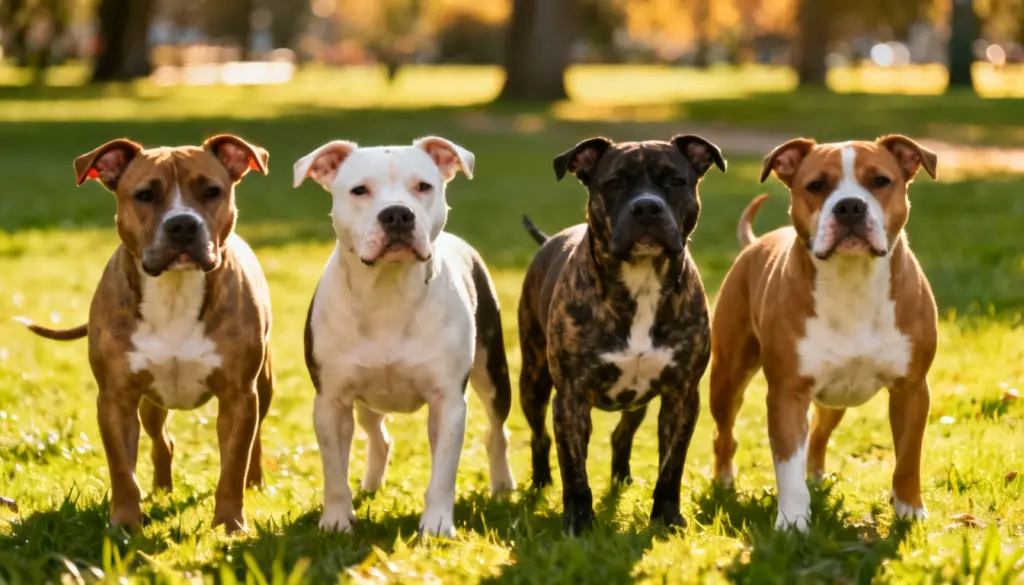
Pit bull is not the name of one official breed recognized by a national kennel club. It works more like a category, grouping several breeds and mixed dogs that share a bulldog and terrier ancestry along with a similar body shape.
Because several breeds and mixed dogs share this look, appearance alone rarely settles which breed a dog actually belongs to.
Registries such as the American Kennel Club and the United Kennel Club recognize the individual breeds by name, not a single “pitbull” breed, which is part of why classifications vary between sources.
Each of these breeds carries its own registered Standard, and mixed-breed dogs with a similar build are frequently labeled pitbulls even without confirmed ancestry. The sections below break down what separates them.
Types of Pitbulls: The Main Breeds Explained
Four breeds account for most of what people mean when they search for different pit bull breeds. They share a family resemblance, but their size, build, and original purpose differ enough to matter for a potential owner.
1. American Staffordshire Terrier (AmStaff)
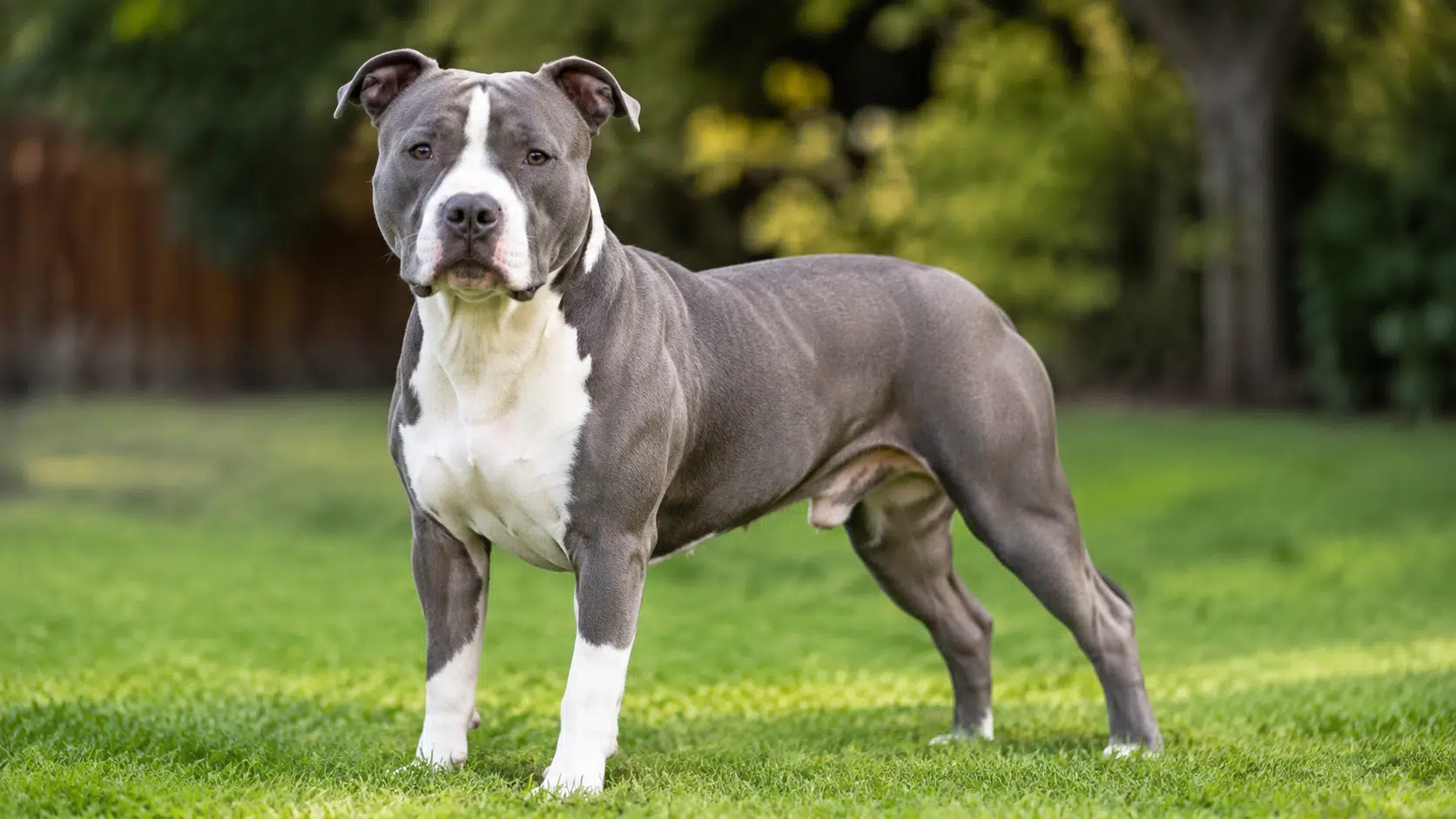
The American Staffordshire Terrier was developed as a strong but reliable companion dog. Over time, breeders focused more on creating a confident, stable, and family-friendly breed rather than a working dog.
- Main purpose: Originally developed from strong working lines, but today it is mainly kept as a companion and show dog.
- Build: It has a muscular, powerful body with a broad head and strong jaw. However, its body remains balanced and athletic rather than extremely heavy.
- Size: It is a medium-sized breed, usually weighing around 30 to 65 pounds.
- Personality: AmStaffs are known for being confident, loyal, intelligent, and strongly connected with their families. They usually enjoy human interaction and training.
- Key difference: The American Staffordshire Terrier is considered abalanced combination of strength and companionship. It has the muscular appearance of a bully breed but is developed with emphasis on temperament and family life.
2. Staffordshire Bull Terrier (Staffy)
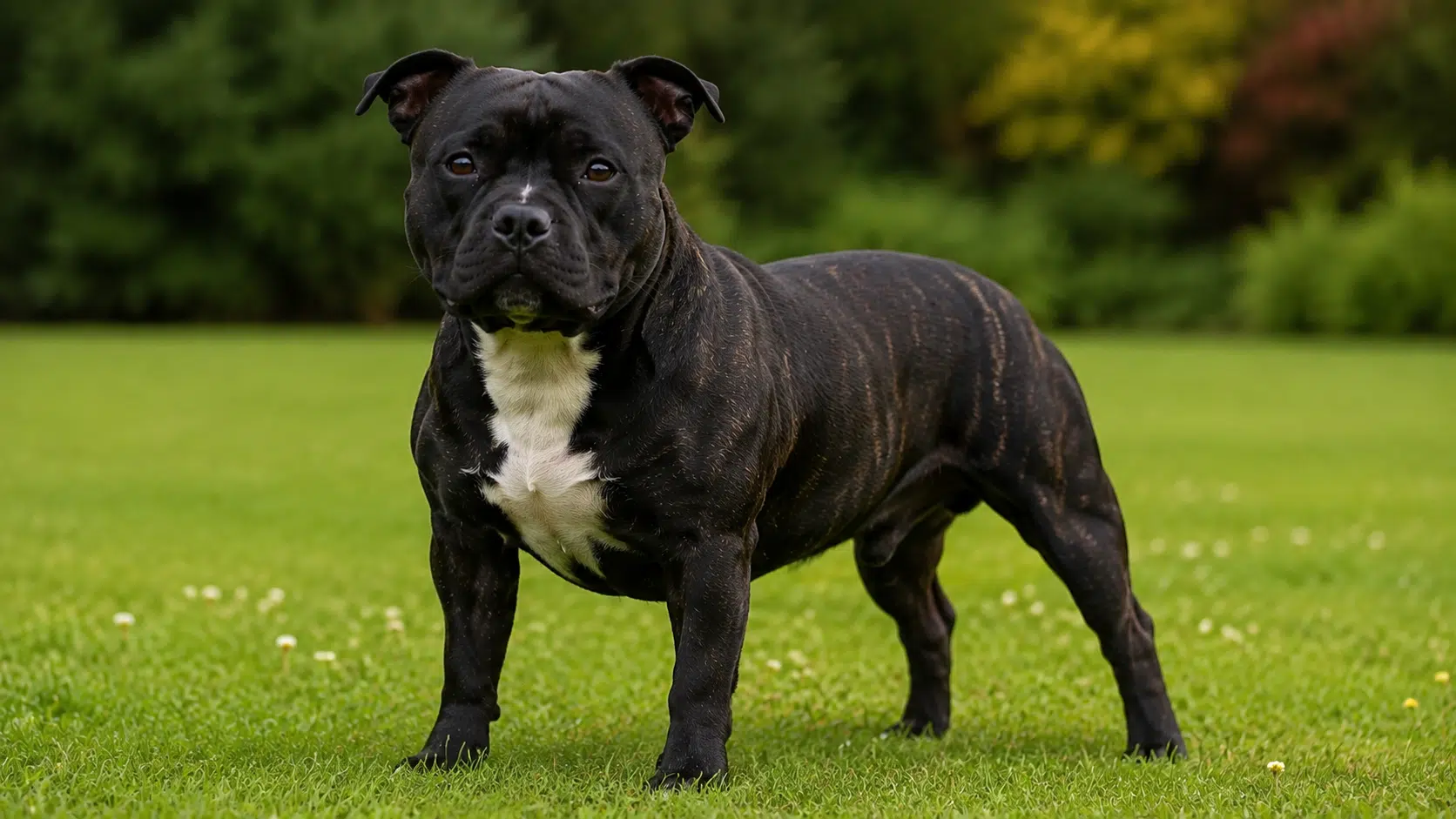
The Staffordshire Bull Terrier originated in England and is one of the smaller members of the pit bull-type group. Despite its smaller body, it has a strong personality and a reputation for being affectionate with people.
- Main purpose: Originally bred for strength and agility, but today it is mainly valued as a loving family companion.
- Build: It has a compact, muscular body with a broad head and strong frame. Its smaller size makes it easier to manage compared with larger breeds.
- Size: It usually weighs between 24 and 38 pounds, making it the smallest among these four breeds.
- Personality: Staffies are playful, energetic, affectionate, and often form very close bonds with their owners.
- Key difference: The Staffordshire Bull Terrier stands out because of its smaller size and extremely people-focused nature. It is often considered one of the most affectionate breeds in this group.
3. American Bully
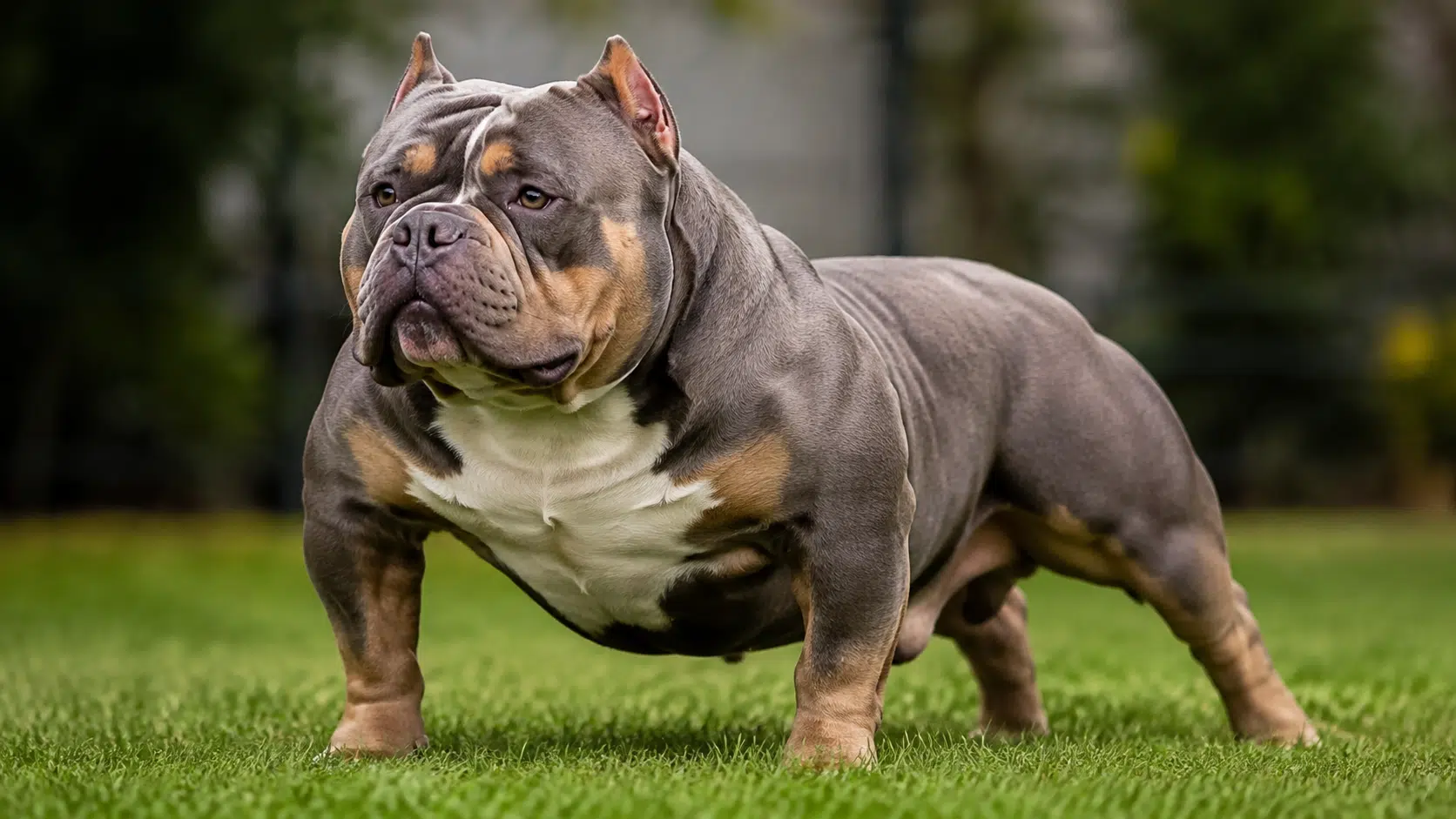
The American Bully is a newer breed created in the 1990s. Unlike older breeds developed mainly for athletic ability, the American Bully was created to be a companion dog with a powerful appearance and a calmer temperament.
- Main purpose: Developed mainly as a companion breed, focusing on appearance, confidence, and family-friendly behavior.
- Build: It has the most muscular and heavy appearance among these breeds, with a wide chest, thick bones, and a large block-shaped head.
- Size: It comes in different sizes, including Pocket, Standard, Classic, and XL, with some individuals becoming much larger than other pit bull-type breeds.
- Personality: Generally known for being calm, loyal, affectionate, and focused on family.
- Key difference: The American Bully is different because of its heavier body structureand exaggerated muscular appearance. It was bred more for companionship and appearance rather than athletic performance.
4. American Pit Bull Terrier (APBT)
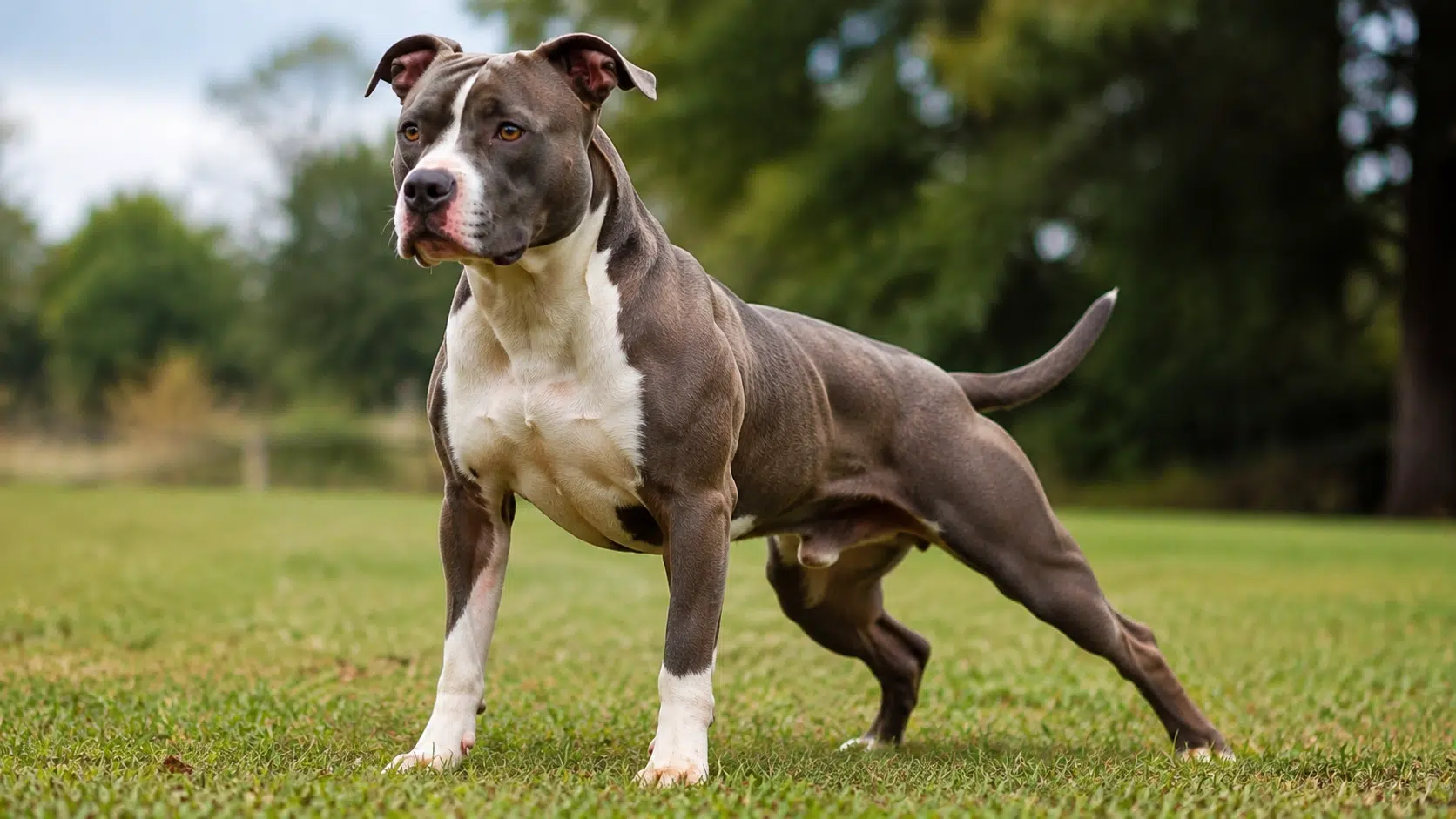
The American Pit Bull Terrier is one of the oldest breeds in this group. It was developed for strength, endurance, and athletic ability, giving it a more active, performance-focused nature.
- Main purpose: Originally developed as a working and athletic dog, later becoming a loyal farm dog and companion.
- Build: It has a lean, muscular body designed for speed, agility, and movement. Compared with the American Bully, it looks more athletic and less bulky.
- Size: Usually weighs around 30 to 60 pounds. Puppies reach that adult frame gradually, and Pitbull growth can continue well beyond the early puppy months before height and muscle development fully settle.
- Personality: APBTs are intelligent, energetic, eager to learn, and often enjoy activities that challenge them physically and mentally.
- Key difference: The American Pit Bull Terrier is themost athletic and performance-oriented of these breeds, with a focus on endurance, agility, and working ability.
How to Identify Different Types of Pitbulls
Breed identification searches usually come from shelters, insurance questions, or simple curiosity about adog’ss background. Physical traits offer a starting point, but they rarely provide a complete answer on their own.
- Look at body structure, comparing overall size, bone thickness, and muscle distribution against known breed standards.
- Check head shape, since broader, blockier heads suggest American Bully ancestry while narrower heads suggest American Pit Bull Terrier or Staffordshire lines.
- Compare size ranges against the numbers listed for each breed to narrow down likely candidates.
- Note coat type and color, though this factor alone rarely distinguishes between the closely related breeds. Patterns such as a brindle coat can appear in pit bull-type dogs without representing a separate breed.
Appearance alone cannot always confirm breed, since generations of mixed breeding have blurred many physical lines. DNA testing through a service such as the UC Davis Veterinary Genetics Laboratory or registration papers from a recognized kennel club provide a more reliable answer than a visual guess.
Pitbull Breed Comparison: Key Differences
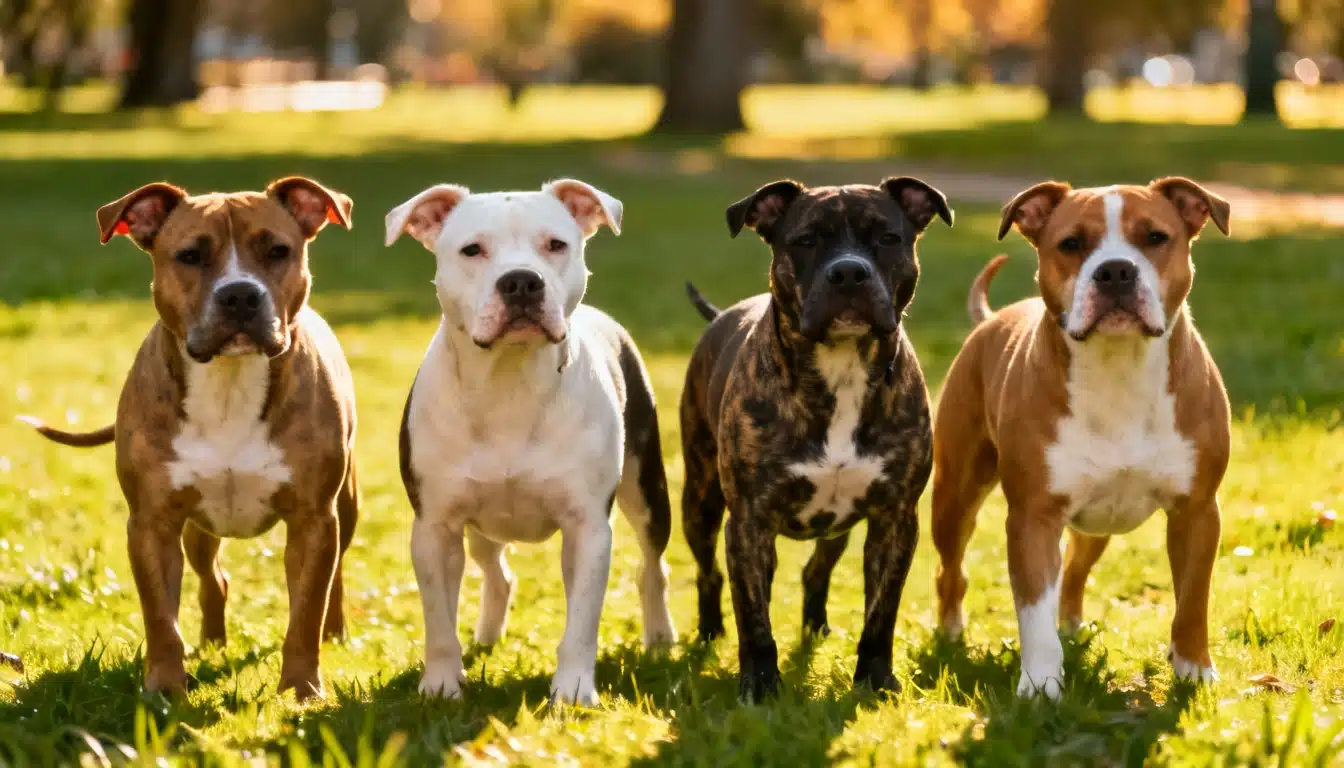
A side-by-side look at energy, build, and purpose helps clarify how these four breeds compare once the individual sections are set aside.
| Feature | APBT | AmStaff | Staffy | American Bully |
|---|---|---|---|---|
| Energy Level | Very high energy; needs intense exercise and activity | Moderate to high energy; active but more balanced | High energy; playful and energetic | Moderate energy; calmer but needs daily exercise |
| Build | Lean, athletic, and agile body | Muscular, strong, and balanced frame | Small, compact, and muscular | Heavy, wide, and powerful build |
| Speed & Agility | Fastest and most athletic; built for endurance | Good agility with strong body control | Quick and active despite smaller size | Less focused on speed; more focused on strength |
| Main Purpose | Working ability and performance | Companion and show dog | Family companion | Companion breed with powerful appearance |
| Size Range | Medium (30–60 lbs) | Medium-large (30–65 lbs) | Small-medium (24–38 lbs) | Wide range (Po |
The biggest differences usually come down to size, body structure, history, and breeding goals rather than simple appearance, which matters most for anyone comparing different pit bull breeds before choosing one.
Are All Pitbulls the Same?
Grouping these breeds under one label suggests more uniformity than actually exists. Each breed carries its own typical traits, shaped by decades of separate breeding decisions.
- Different breeds show different average energy levels, sizes, and typical temperaments.
- Individual personality still depends heavily on genetics, training, socialization, and environment rather than breed label alone.
- Responsible ownership, including consistent training and adequate exercise, shapes behavior more than breed name does.
Treating every pit bull-type dog as identical overlooks real differences in size, history, and typical temperament between the four breeds covered here, along with the individual variation found within any single breed.
Conclusion
Choosing the right pit bull-type breed is about understanding personality, lifestyle, and daily needs rather than focusing only on appearance.
The American Pit Bull Terrier, American Staffordshire Terrier, Staffordshire Bull Terrier, and American Bully each bring unique qualities, from athletic energy and loyalty to calm companionship and family-focused behavior.
Every dog is an individual, and proper training, socialization, exercise, and responsible care play a major role in building a strong bond.
A well-prepared owner can help these dogs become confident, loving, and well-adjusted companions. Start your research today and choose the breed that best fits your lifestyle.
Frequently Asked Questions
What Breeds are Often Grouped Under the Pitbull Label?
The American Pit Bull Terrier, American Staffordshire Terrier, Staffordshire Bull Terrier, and American Bully are the breeds most commonly grouped under this label. However, classifications vary by source, registry, and how strictly a dog’s ancestry is confirmed.
What Two Breeds Created the Original Pit Bull Terrier?
Nineteenth-century breeders crossed bulldogs with terriers, combining strength and gripping ability from the bulldog side with agility and gameness from the terrier side to create the original working type, a foundation still visible in the modern breeds descended from it.
Which Breed is Generally the Smallest?
The Staffordshire Bull Terrier is generally the smallest of the four commonly recognized types, with adults typically weighing between 24 and 38 pounds, noticeably lighter than the American Pit Bull Terrier, American Staffordshire Terrier, or American Bully.