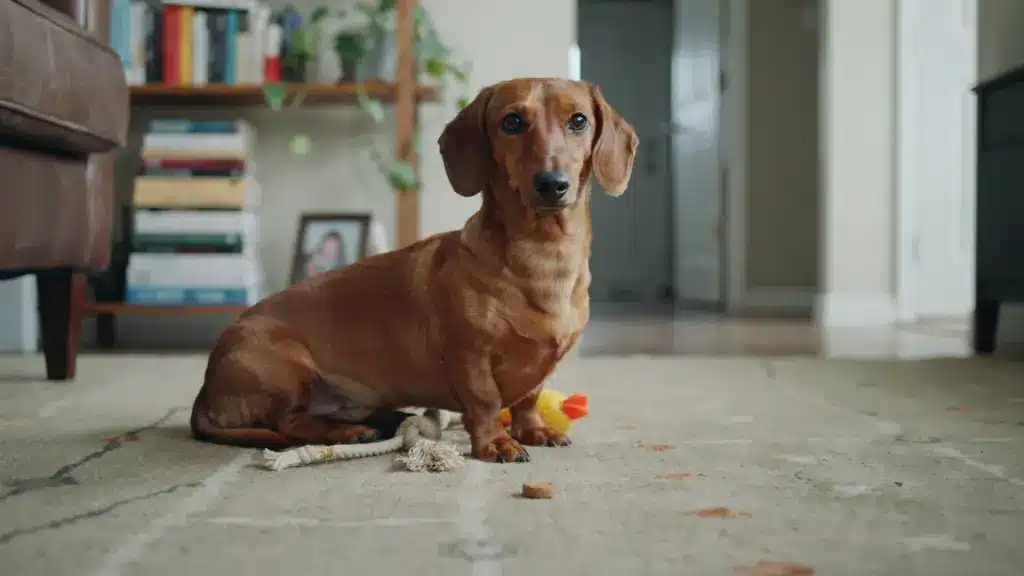
I’ve lost count of how many Dachshunds I’ve met through rescue work, and they all pull the same move.
One will be glued to your side all morning, practically your shadow, and then, the second a squirrel crosses the yard, they act as if they’ve never heard the word “come” in their life.
It’s funny every single time. It’s also exactly why so many people end up Googling “why are Dachshunds the worst breed” sooner or later.
Here’s the truth I always tell new owners: Dachshunds aren’t bad dogs. They’re just wired differently than most of us expect, and once you understand where that wiring comes from, the whole relationship gets a lot easier.
Why Some Owners Find Dachshunds Challenging
Dachshunds were not created to be quiet lap dogs. Their history explains many of the behaviors that some owners find difficult today.
They were originally developed in Germany as hunting dogs used to pursue badgers and other burrowing animals. Their long bodies, short legs, confidence, and determination helped them work independently underground, traits that are still connected to the breed’s personality today, according to the American Kennel Club’s Dachshund history.
Those same traits can appear at home. A Dachshund may become focused on a scent during a walk, decide that a command can wait, or alert the household when something unusual happens. For some families, these qualities feel frustrating. For others, they create a funny, loyal, and highly entertaining companion.
The question is not whether a Dachshund is a bad dog. The better question is whether their personality fits your expectations, routine, and experience level.
Are Dachshunds Stubborn and Difficult to Train?
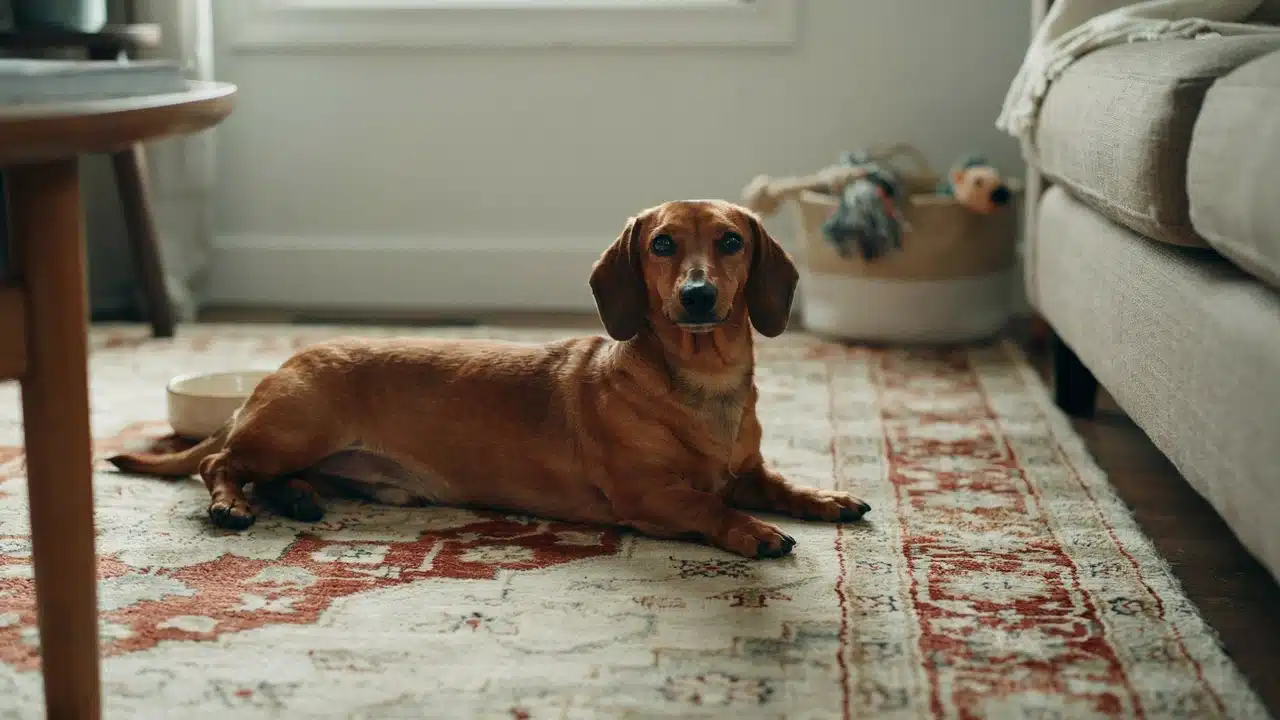
Training a Dachshund can absolutely test your patience, and that’s okay to admit. Their independence means they’re not always in a rush to please just because you asked nicely.
But intelligent and stubborn aren’t opposites; they just mean you need a training approach built for this breed. That usually looks like:
- Short, focused sessions instead of long drills
- Reward-based training that gives them a reason to cooperate
- Consistent household rules (mixed signals confuse any dog, but especially this one)
- Mentally engaging games that give their instincts somewhere to go
House training, recall, and leash manners often take longer with a Dachshund because their nose tends to run the show. Getting comfortable with solid leash-walking basics early makes a real difference once the outside world starts competing for their attention. And yes, that alert little bark at every sound? Also part of the package.
None of this means training is a lost cause. It means patience and structure matter more with a Dachshund than they might with a more easygoing breed.
Health Concerns That Make Dachshunds a Bigger Commitment
That long back and those short legs are adorable, but they also come with real responsibility. The biggest one to know about is intervertebral disc disease (IVDD), a spinal condition that Dachshunds are more prone to than many other breeds because of their body structure and genetics, according to Cornell University’s Riney Canine Health Center.
| Health Concern | Why It Happens | Signs To Watch For | Helpful Steps |
|---|---|---|---|
| IVDD | Breed structure and genetics may increase risk | Pain, weakness, movement changes | Maintain weight and seek vet care |
| Back Strain | Jumping or high-impact activity can stress the spine | Stiffness, discomfort, less movement | Limit jumping and use safer access |
| Weight Stress | Extra weight adds pressure on the body | Weight gain, reduced activity | Monitor food and exercise |
| Mobility Issues | Body structure may affect movement | Slower movement, discomfort | Regular checkups and safe activity |
None of this means every Dachshund will develop these issues, but understanding their care needs helps owners prepare for the responsibility of supporting their health throughout life, and paying attention to what goes into daily meals is often part of that ongoing care.
Behavioral Challenges Some Dachshund Owners Face
A Dachshund’s personality can be one of its biggest strengths and one of its biggest challenges. Their confidence, alertness, and curiosity make them engaging companions, but these traits may require extra management in everyday life.
1. Barking and Alert Behavior
Dachshunds were bred to notice activity around them, and many still have a strong instinct to alert their families. Doorbells, unfamiliar noises, visitors, or movement outside the home may trigger barking.
Early training can help teach appropriate responses. Rewarding calm behavior, creating consistent routines, and avoiding accidental reinforcement of excessive barking can make household life easier, and giving a Dachshund other outlets for its energy often reduces the urge to sound off at every little thing.
2. Walks, Digging, and Outdoor Behavior
Their hunting background can influence how Dachshunds behave outdoors. Interesting smells, small animals, and new surroundings may quickly capture their attention.
Some owners find leash walking and recall practice challenging because the breed may become focused on what is happening around them. Secure areas and consistent training are important, especially when allowing off-leash activity.
3. Separation and Household Adjustments
Some Dachshunds form strong bonds with their owners and may struggle when left alone for long periods. Without proper preparation, boredom or stress can lead to unwanted behaviors.
Gradual alone-time practice, enrichment activities, and a predictable daily routine can help many dogs adjust more comfortably.
Who May Find a Dachshund Challenging?
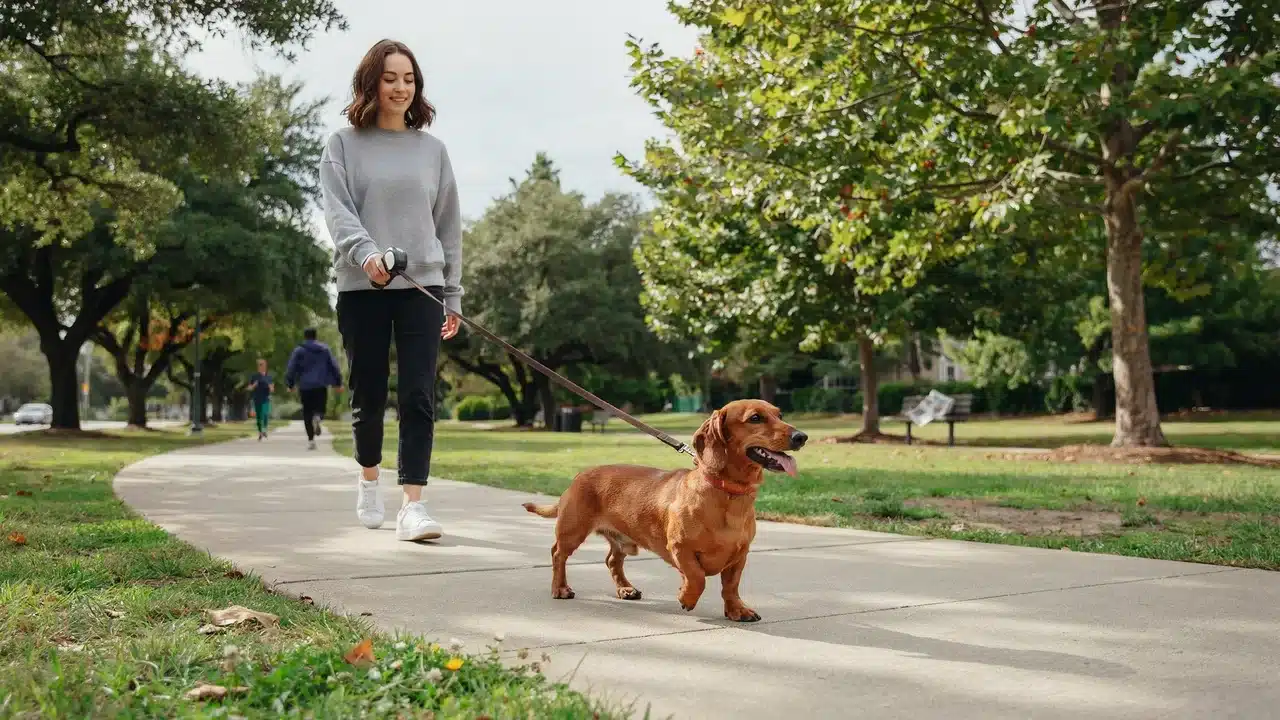
Every dog has individual personality traits, but some households may find Dachshund ownership more demanding than expected. A Dachshund may not be the easiest match for people who:
- Want a dog that follows commands immediately without much repetition.
- Prefer a very quiet home with little barking.
- Have limited time for training and daily interaction.
- Are unable to manage regular health precautions.
- Want a breed that requires minimal attention and grooming.
Homes with young children should also consider supervision. Dachshunds are small, but they are not fragile toys. Gentle handling and respectful interactions help prevent stress for both the dog and the child.
At the same time, many owners enjoy living with Dachshunds because they are affectionate, entertaining, and deeply connected to their families. The right match depends on expectations, preparation, and lifestyle.
Real Owners Share their Dachshund Experiences
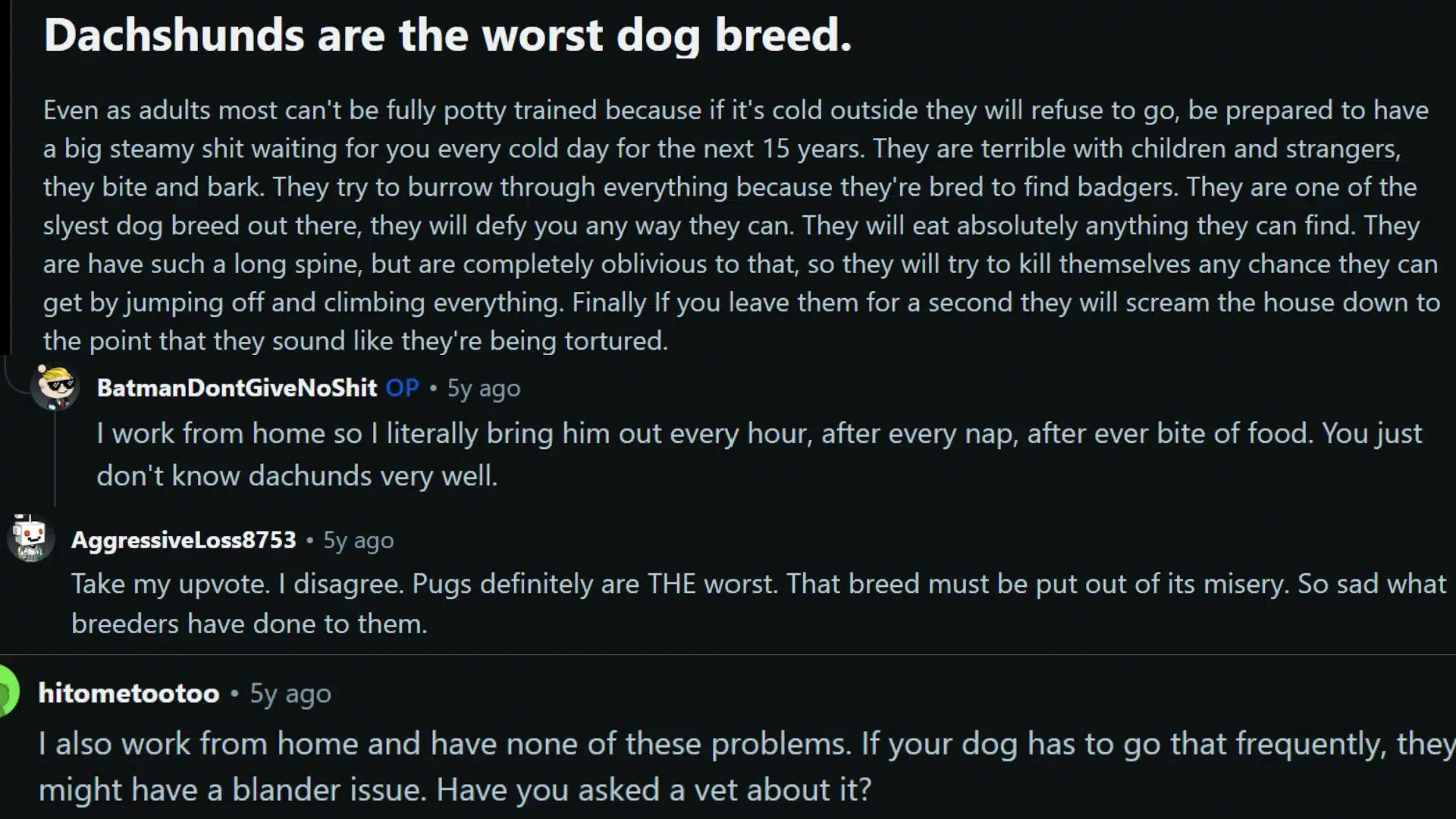
Online discussions often show how differently people experience the same breed. A Reddit conversation titled “Dachshunds are the worst dog breed” includes owners who described challenges such as barking, training difficulties, and stubborn behavior.
Other owners disagreed and shared positive experiences, describing their Dachshunds as affectionate, loyal, and enjoyable companions.
These discussions reflect personal experiences rather than scientific evidence about every Dachshund. They can still show common concerns that some owners discuss after living with the breed.
The biggest takeaway is that training, lifestyle, and individual personality often influence the experience more than breed reputation alone.
Setting Your Home Up for a Dachshund
A few simple changes can help a Dachshund feel comfortable while reducing common household problems. Before bringing one home, consider:
- Creating a safe resting area where the dog can relax.
- Removing objects that encourage chewing or unwanted exploration.
- Using ramps or safer access options instead of encouraging repeated jumping.
- Keeping food portions controlled to support a healthy weight.
- Providing toys, scent games, and activities that use their natural instincts.
A prepared home does not remove every challenge, but it gives a Dachshund better opportunities to develop good habits.
Final Thoughts
The “worst breed” label says more about mismatched expectations than it does about Dachshunds themselves. Yes, they’re stubborn. Yes, they need extra care for their spine.
But those same traits come bundled with a loyal, funny, deeply devoted companion for the owners who are ready for them.
Before bringing a Dachshund home, think honestly about the time, patience, and care you can offer over the next 12 to 16 years. Get that right, and a Dachshund won’t just be a handful; they’ll be family.
Frequently Asked Questions
How Long Do Dachshunds Typically Live?
Usually 12 to 16 years, longer than many similarly sized breeds, especially when weight and spine health are managed carefully throughout their life.
Do Dachshunds Get Along Well with Other Dogs?
Generally, yes, especially with good socialization. Some can be territorial or a little bossy with unfamiliar dogs, particularly if introductions happen too fast or without supervision.
How Much Daily Exercise Does a Dachshund Need?
About 30 to 60 minutes, split into shorter walks rather than one long session; intense jumping or rough play adds unnecessary strain on their spine.
Do Dachshunds Shed a Lot, and are they Hypoallergenic?
They’re not hypoallergenic, and shedding depends on coat type. Smooth-coated Dachshunds shed lightly, while long-haired ones need more regular brushing.