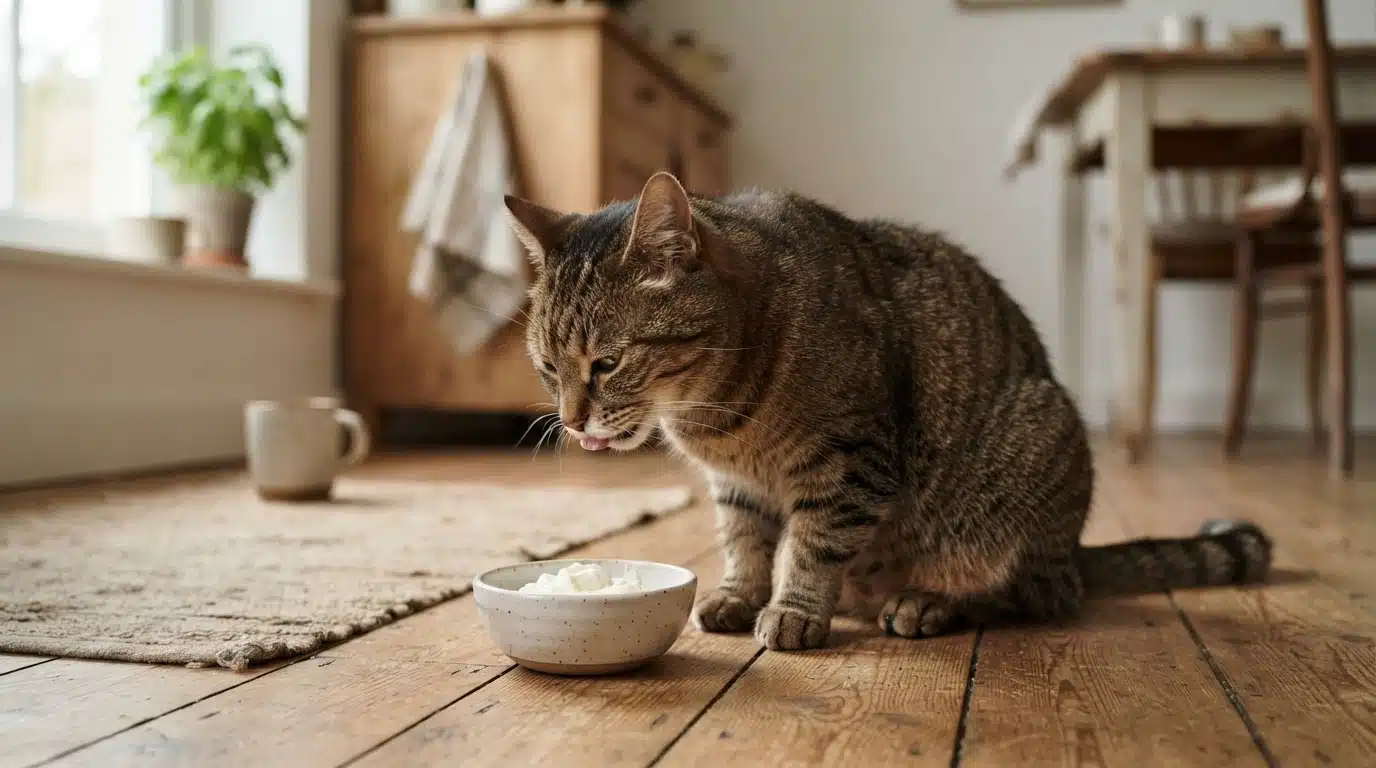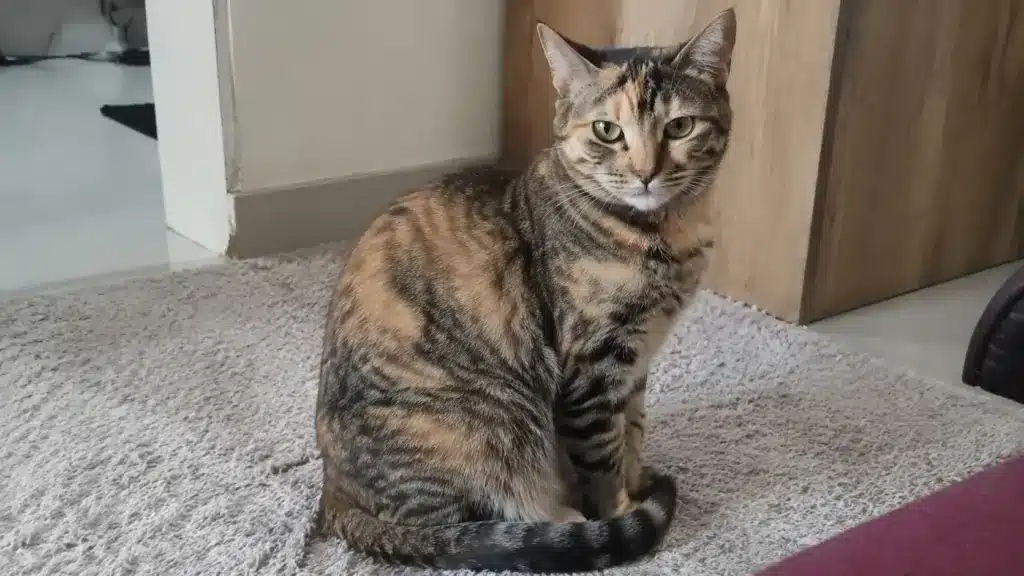
Look at a cat covered in patches of black and orange, then notice faint stripes threading through those patches and a small “M” stamped on its forehead.
That cat has a name most people get wrong. They call it a torbie or a tabby when it is, in at, a torbie.
A torbie is a tortoiseshell tabby: mixed tortoiseshell coloring and clear tabby markings on the same coat.
It is not a breed but a pattern, so the label describes the fur, not the family tree. And nearly every torbie is female, for a reason that comes down to a single chromosome.
What is a Torbie Cat?
A torbie cat is a cat that carries a combination of tortoiseshell and tabby traits. The term “torbie” comes from “torbie” (tortoiseshell) and “tabby,” referring to the way these two coat characteristics occur together.
A torbie is not a separate cat breed but a coat classification that can appear in various breeds and mixed-breed cats.
These cats are known for their unique genetic makeup, with traits passed down through their lineage.
Their personality, health, and care needs depend more on their breed, genetics, and individual experiences than on the torbie classification itself.
Are Torbie Cats Rare?
Yes, torbie cats are considered less common than many standard tabby cats, but they aren’t a rare breed. Most torbies are female because the genes for black and orange coloring are on the X chromosome, and it takes two Xs to express both colors together.
Females have two X chromosomes, while males have just one, so a male torbie is quite unusual, appearing only with the rare XXY condition.
So while a torbie’s coat is special and eye-catching, its rarity mostly comes down to genetics and chance rather than pedigree or careful breeding.
You’re far more likely to meet a female torbie than a male one, and either way, you’re looking at a naturally uncommon combination instead of a rare breed. That lovely mix of tabby swirls and warm color patches makes every torbie feel like a small, happy surprise.
What Does a Torbie Cat Look Like and Why are Most Torbies Female?
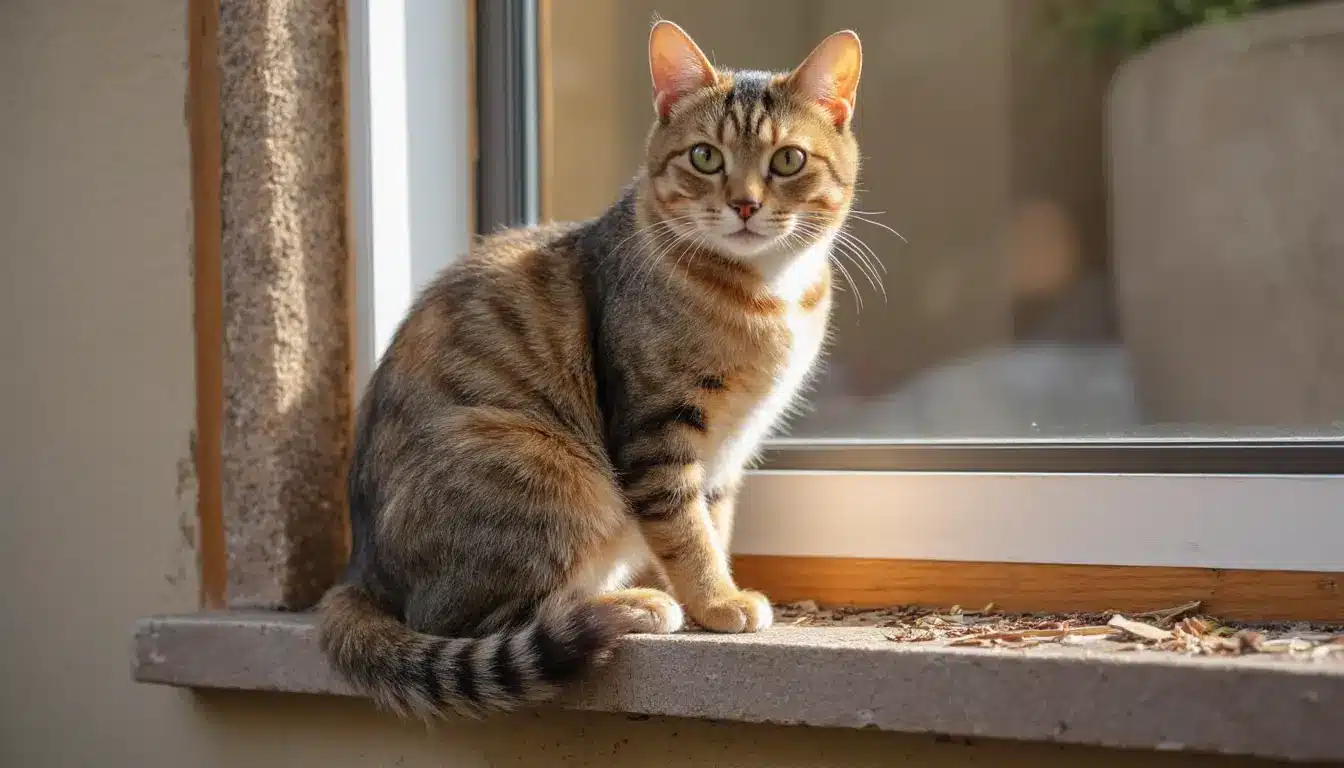
A torbie cat has a coat that combines tortoiseshell and tabby characteristics, giving each cat a distinct appearance. Since both patterns work together, no two torbies look exactly the same. The colors and markings can vary depending on the cat’s genetics, making each coat unique.
1. Torbie Cat Colors and Patterns
Torbie cats usually have a mix of colors such as black, orange, brown, gray, or cream. These shades are often blended with tabby stripes rather than appearing as separate solid areas.
The colors may appear across different parts of the body, including the face, legs, tail, and back.
Common torbie coat colors include:
- Black: The most common dark base color in many torbies
- Orange: Also called red or ginger, adding warmer tones to the coat
- Brown: A common shade found in many tabby-based coats
- Gray: A lighter version of black, often called blue in cat genetics
- Cream: A softer version of orange coloring
The tabby markings can appear in different styles, including mackerel (striped), classic (swirled), and spotted. These markings combine with the tortoiseshell traits to create a mixed and varied coat.
2. Common Markings of Torbie Cats
One of the easiest ways to recognize a torbie cat is by looking for typical tabby features combined with tortoiseshell traits. Common markings include:
- Tabby stripes: These may appear on the legs, tail, and body as stripes, bands, or swirls.
- Forehead “M” marking: The classic tabby forehead marking is often seen in torbies.
- Mottled color areas: Dark and warm-colored sections blend together without clear borders.
- Mixed pattern styles: A torbie may have striped, spotted, or swirled tabby markings with tortoiseshell coloring layered throughout.
A key difference between a torbie and a regular tortoiseshell cat is the presence of visible tabby stripes within the colored areas. If the coat shows clear tabby markings along with tortoiseshell traits, it is likely a torbie.
3. Torbie Cat Genetics
Most torbie cats are female because the genes responsible for orange and black coloring are linked to the X chromosome.
This happens because female cats have two X chromosomes, allowing both color genes to appear together. Orange-and-black coat color genetics explain why these patterns are seen mostly in females.
When these traits combine with tabby markings, a torbie coat pattern can develop. Male cats usually have one X and one Y chromosome, making it much harder for them to inherit both orange and black coloring.
As a result, male torbies are extremely rare and usually arise from uncommon genetic variations, such as an extra X chromosome.
Note: Coat patterns can provide clues about a cat’s genetics, but only a veterinarian or genetic testing can confirm specific genetic traits. A torbie’s appearance alone cannot reveal its complete health background.
Torbie Cat Personality and Temperament
A torbie’s coat pattern does not decide her personality. Many owners describe torbies as playful, confident, and expressive cats, but behavior depends on individual genetics, early experiences, and environment.
Common traits often noticed in torbies include:
- Playful and curious: Enjoys exploring and interacting with people.
- Expressive: May be vocal and show strong preferences.
- Affectionate: Can form close bonds with their owners.
“Tortitude” is a playful term linked to tortoiseshell-patterned cats, but it is based on owner experiences, not scientific proof. A torbie’s behavior is shaped by genetics, socialization, and home life, not fur color.
How to Care for a Torbie Cat
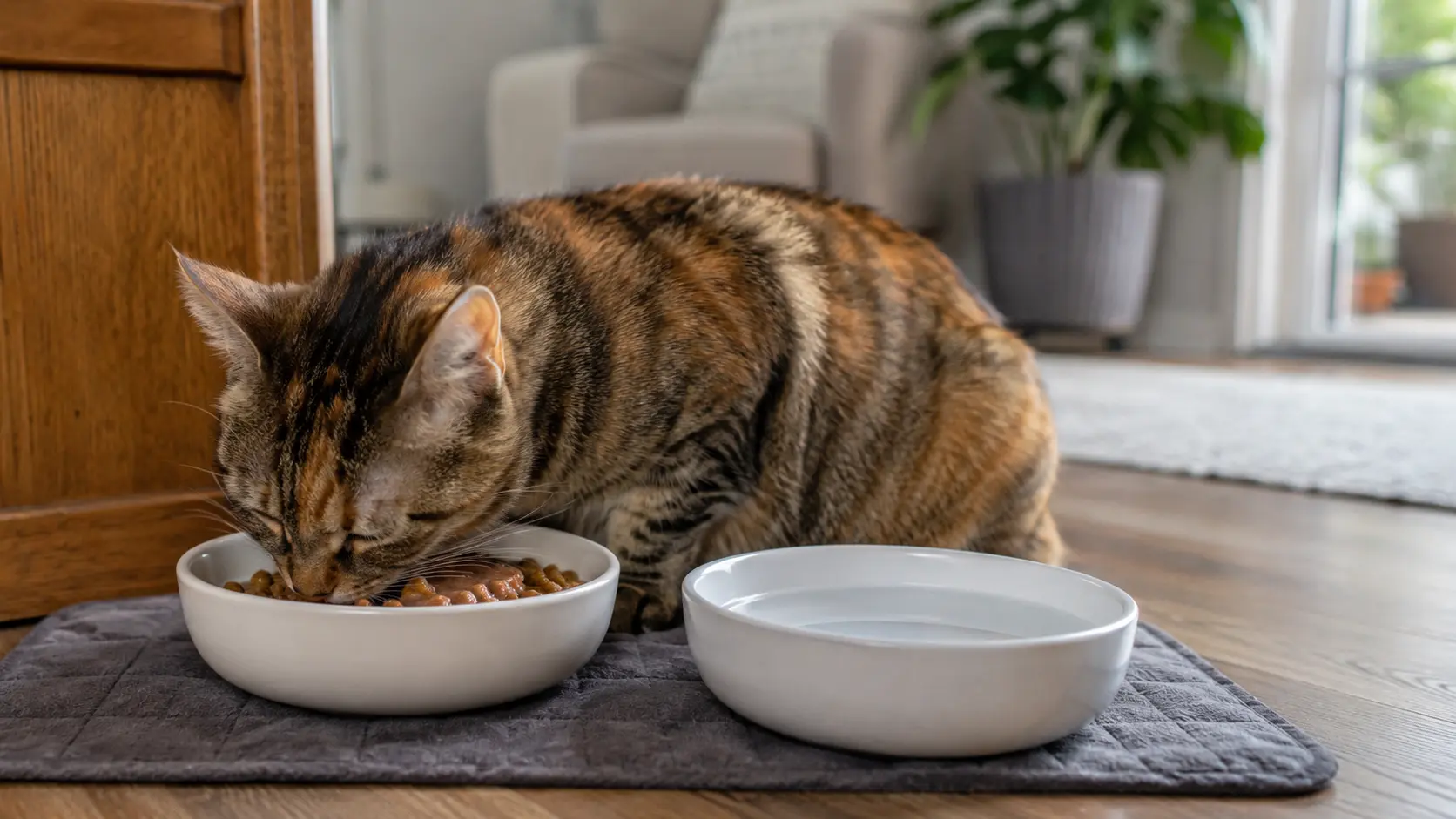
A torbie needs the same core care as any healthy house cat. The main variable is coat length, since changes in it affect grooming needs. Everything below applies to torbies regardless of their striking pattern.
1. Grooming Needs
A short-haired torbie is usually low-maintenance. A quick brush once or twice a week removes loose hair and keeps the coat neat. A long-haired torbie (a Maine Coon or Persian type, for example) needs far more attention, often brushing every day or two to prevent mats and tangles.
Regular brushing also reduces shedding around the house and reduces hairballs, since less loose fur is swallowed during self-grooming. Long-haired cats benefit most from this.
Owners looking for brushing routines and coat care advice can follow these cat grooming tips to maintain their cat’s coat properly.
2. Food and Nutrition
Feed a complete, balanced cat food that meets recognized nutritional standards. Match the food to the cat’s life stage: kitten food for growing cats, adult food for mature cats, and senior formulas for older cats.
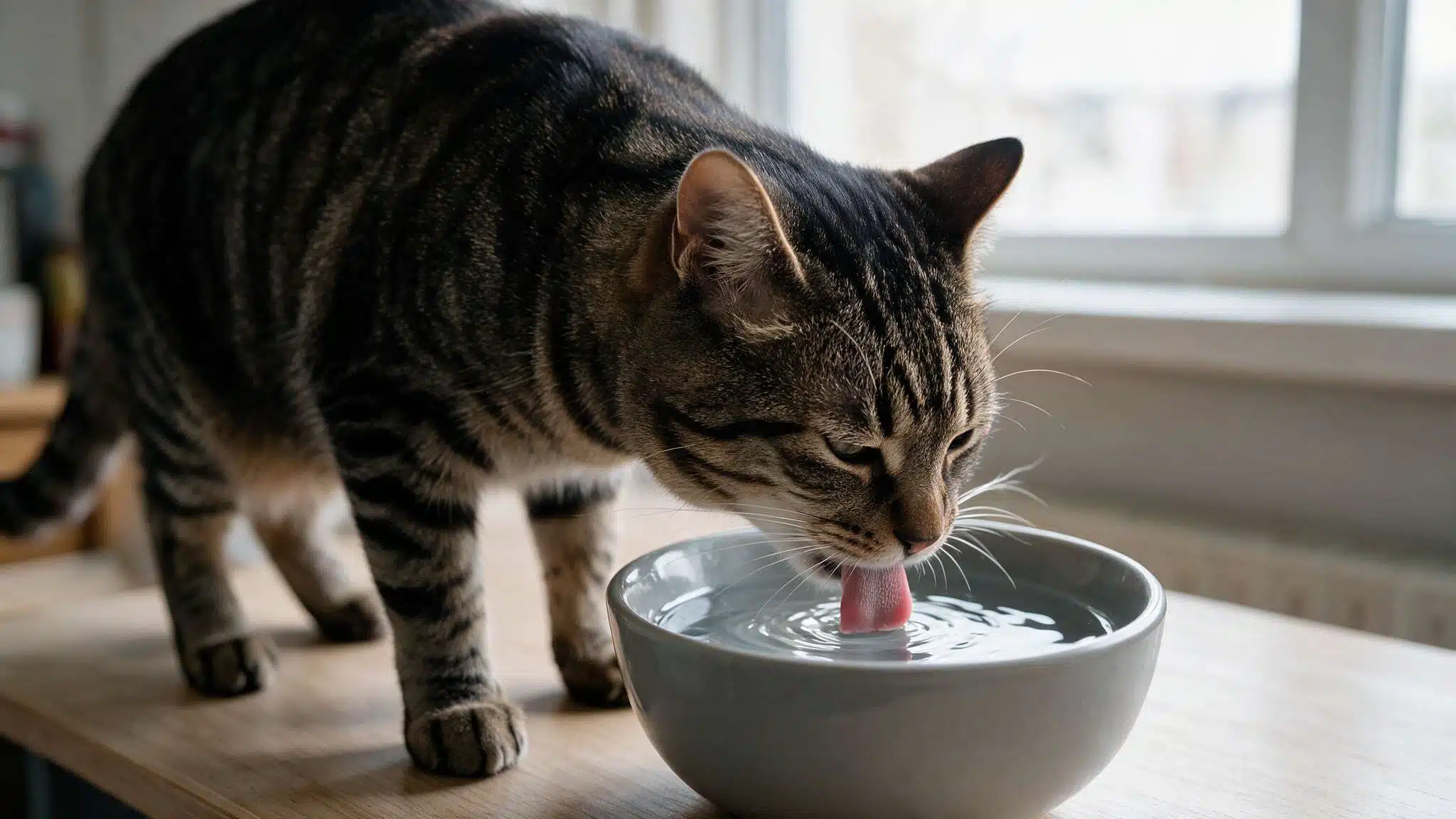
Keep fresh water available at all times, and watch portion sizes to prevent weight gain, which is one of the most common health problems in house cats.
3. Exercise and Mental Stimulation
Torbies, especially the more energetic ones, need outlets for their activity and their busy minds. Good options include interactive toys such as wand teasers and puzzle feeders, sturdy scratching posts, and climbing spots like cat trees or shelves.
Short daily play sessions keep a torbie physically fit and mentally satisfied, and they reduce boredom-driven behavior.
Torbie Cat Breeds: Can Any Cat Be a Torbie?
A torbie is a coat pattern, not a breed, so it can appear in different cats when the right genetics are present. The breed behind the pattern can influence a cat’s appearance, habits, and personality.
- Maine Coon torbies: Often calm, social, and people-focused due to the breed’s typical traits.
- Persian torbies: May have a quieter and more relaxed nature.
- Bengal or Abyssinian torbies: Can be more active, playful, and curious.
- Domestic shorthair torbies: Personality can vary widely based on genetics and early experiences.
The torbie pattern itself does not decide temperament. A cat’s breed background, socialization, and individual personality play a bigger role in shaping behavior. Two torbies can look similar but act completely differently because their experiences and genetic backgrounds are not the same. Looking at the whole cat gives a better idea of what to expect.
The takeaway: if you want to predict how a torbie will act, breed traits and individual upbringing tell you more than the coat pattern does.
Torbie Cat vs Tabby vs Tortoiseshell vs Calico
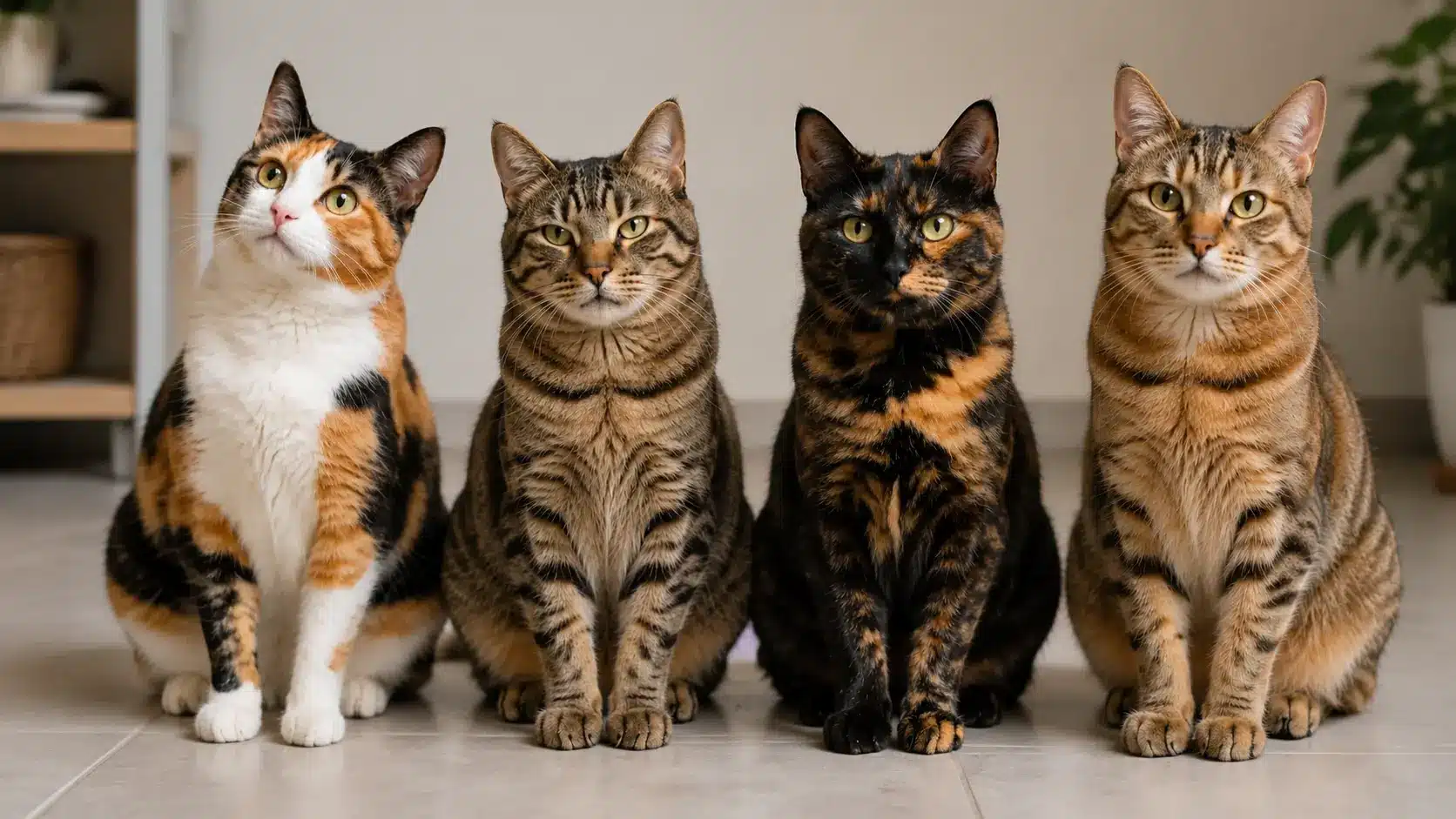
The real differences lie in how each cat’s colors are arranged, whether stripes, patches, or white markings dominate. The table below breaks down these four look-alikes side by side so you can tell them apart at a glance.
| Coat Pattern | Main Colors | Key Features |
| Torbie | tortoiseshell colors + tabby stripes | mixed patches with visible stripes |
| Tabby | one base color with stripes | classic stripes or spots |
| Tortoiseshell | black and orange shades | no clear tabby striping |
| Calico | white with black and orange patches | larger color blocks with white fur |
Torbies get mistaken for tortoiseshell and calico cats because all three carry black and orange coloring. The way to tell them apart is to look for two things: stripes and white.
Torbie Cat Adoption and Price: What Should You Know?
Because “torbie” is a coat pattern rather than a breed, the pattern itself never sets the price. What you pay depends on where you get your cat, its breed background, age, and location.
Adoption is the affordable route. Shelter fees typically run from $25 to $200, with kittens at the higher end. That fee usually bundles spaying or neutering, vaccinations, and microchipping, services worth hundreds separately.
Pedigreed torbies cost far more. You’re paying for the bloodline, not the coloring. Maine Coon kittens run about $1,000 to $4,000, and Persians $1,200 to $5,000. Anything priced far below these ranges is a common warning sign of a scam.
Torbie Cat Health and Lifespan
Torbie cats have no health problems tied to their coat pattern. The torbie look is purely a visual trait, so a cat’s well-being depends on breed, genetics, lifestyle, and everyday care rather than on color.
| Aspect | What It Means for a Torbie |
| Coat pattern & health | the torbie pattern is only cosmetic. It has no link to any disease or health condition. |
| Typical lifespan | Most indoor cats live around 12 to 18 years, and some reach their early twenties. |
| Source of health risks | Any potential concerns come from breed background (such as conditions seen in certain purebreds), not from coloring. |
| Care for a longer life | Regular vet visits, vaccinations, dental care, a balanced diet, and healthy weight management all support a healthier, longer life. |
| Bottom line | Coat pattern affects appearance only. It plays no role in how healthy or long-lived a torbie will be. |
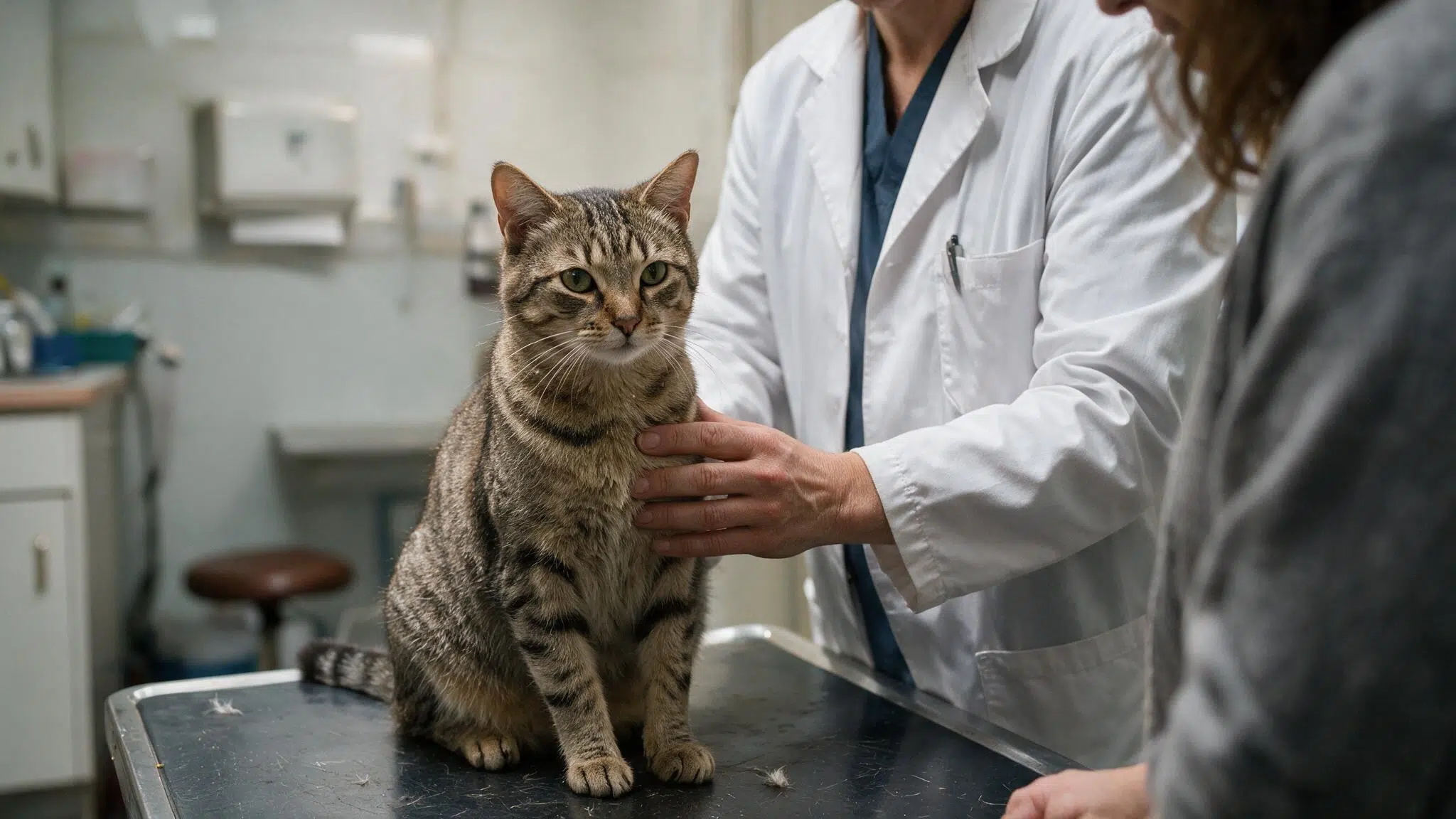
A torbie’s coat is beautiful, but it has nothing to do with her health or lifespan. What truly matters is good care: regular vet visits, proper nutrition, and a healthy weight. Regular health checks can help identify changes early, and learning about common cat illnesses and warning signs can help owners understand possible health concerns. With proper care, your torbie can enjoy a long, happy life by your side.
How to Tell If Your Cat is a Torbie?
Run through this quick checklist:
- Does your cat have orange and black (or cream and gray) patches?
- Are there visible tabby stripes running through the coat?
- Does the forehead carry an “M” marking?
- Are the colors mixed and mottled rather than sitting in large blocks with lots of white?
- Does the overall coat look like a tortoiseshell and a tabby combined into one?
If you answered “yes” to most of these, you very likely have a torbie. If you are still unsure, compare clear photos of torbies, torbies, and calicos side by side, or ask your veterinarian, who can confirm the pattern in seconds.
Final Thoughts
Torbie cats continue to capture attention because every one carries a look that feels completely different from another.
Their presence often becomes a memorable part of a home, creating a special bond with the people around them.
While the name may sound unfamiliar at first, recognizing this pattern helps cat lovers appreciate the variety found among domestic cats.
Whether adopted or already part of a family, these cats bring personality and qualities that make them unforgettable companions for life. If you have a torbie, let me know in the comment section.
Frequently Asked Questions
Do Torbie Cats Change Color as They Grow?
Some torbie cats may show slight changes in their coat shades as they mature. Lighting, age, and seasonal shedding can also make their colors appear different over time.
Do Torbie Cats Need Special Products or Care Because of their Coat?
No, torbie cats do not require special products because of their pattern. Their care needs depend mainly on coat length, age, breed traits, and overall health.
Are Torbie Cats Suitable for First-Time Cat Owners?
Many torbie cats can be suitable for first-time owners because their care needs are similar to those of other domestic cats. The individual cat’s temperament and lifestyle matter more than the coat pattern.