

One day, your cat is curled up in their favorite spot, purring, perfectly content.
The next day, something feels just slightly off; they’re quieter than usual, skipping breakfast, or sitting in a way they normally don’t.
You’re not sure if you’re overreacting. The thing is, with cats, that instinct to check is almost always worth following.
Cats are hardwired to hide pain and illness. It means that by the time a common cat illness becomes obvious, it’s often been developing quietly for days, weeks, or longer.
This guide covers the most common cat illnesses, their symptoms, how they spread between cats, and how to respond.
It also includes one thing most cat owners don’t know: some illnesses can travel from you to your cat, not just the other way around.
Common Health Conditions in Cats
By the time symptoms become obvious, cats may have been concealing discomfort, and an illness may have been quietly progressing for weeks.
Knowing common cat health conditions helps you recognize symptoms early and act quickly.
In the United States, veterinarians regularly diagnose cats with conditions ranging from chronic kidney disease and hyperthyroidism to feline leukemia virus (FeLV) and upper respiratory infections.
According to the American Veterinary Medical Association, over 58 million cats are owned across the country, yet many go years without a proper wellness exam.
Whether your cat is a young indoor kitten or a senior, certain conditions, including diabetes, periodontal disease, and hypertrophic cardiomyopathy, can develop gradually and go unnoticed without routine veterinary monitoring.
Common Cat Illnesses with Symptoms
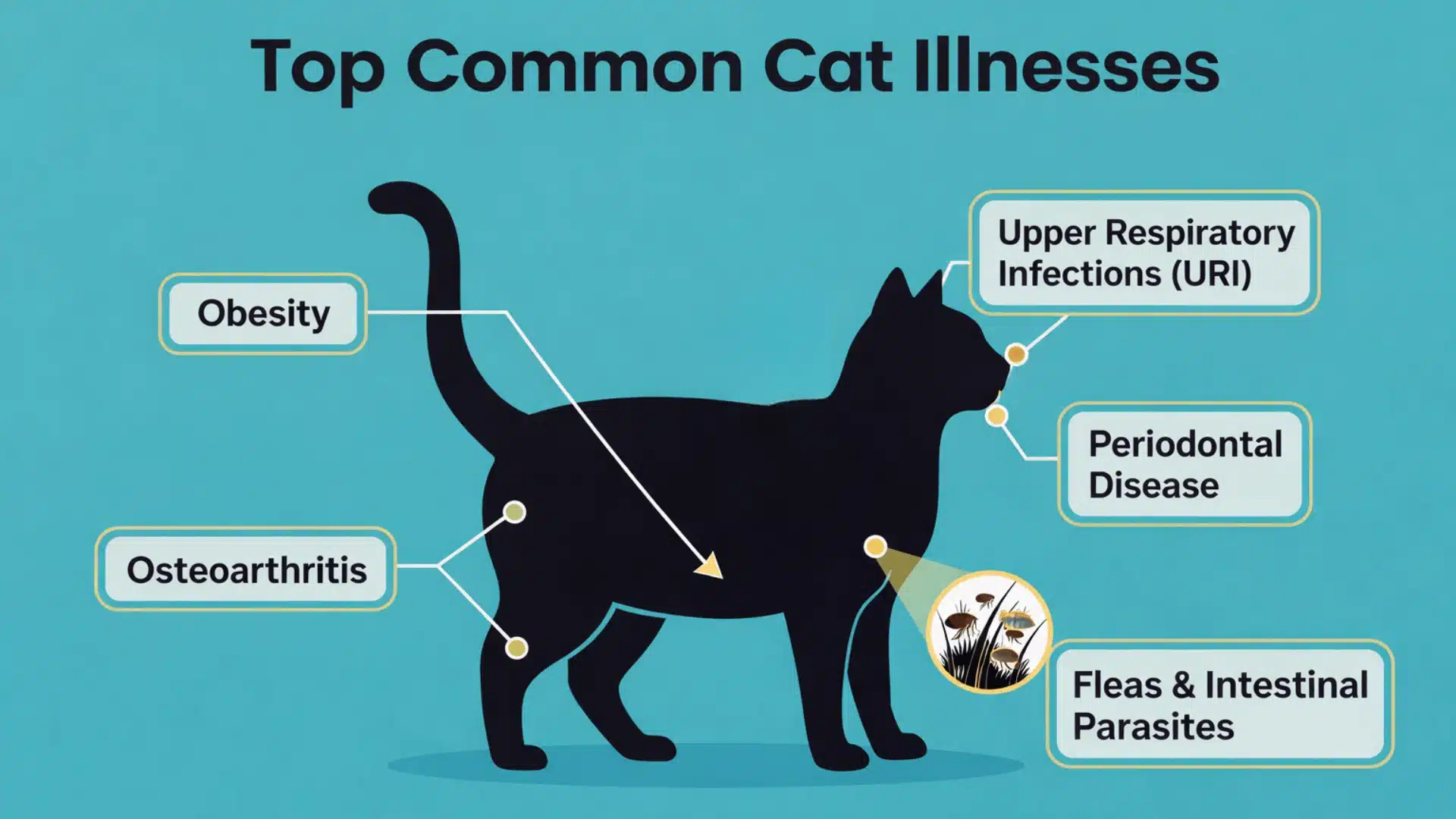
Below, the most frequently diagnosed feline conditions are organized by body system, so you can scan quickly and know what to watch for.
For each condition, we’ve included how it spreads (where relevant), the symptoms to look for, and the typical treatment.
1. Feline Leukemia Virus (FeLV)
Most Commonly Seen: Adult cats (1–7 years old).
FeLV affects an estimated 2–3% of cats in the US and is transmitted through grooming, shared bowls, and bite wounds. The virus weakens the immune system, leaving cats vulnerable to secondary infections, blood disorders, and cancer.
Signs include pale gums, weight loss, lethargy, fever, and behavioral changes. No cure exists, but FeLV is vaccine-preventable. FeLV spreads cat-to-cat only; it does not infect humans.
I test every new cat for FeLV before introducing them to a household, something many owners skip and later regret.
2. Feline Immunodeficiency Virus (FIV)
Most Commonly Seen: Adult cats (1–7 years) with outdoor access.
FIV spreads almost exclusively through deep bite wounds, making free-roaming male cats the highest-risk group.
A cat can carry FIV for years without any symptoms. Later-stage signs include weight loss, anemia, swollen lymph nodes, and recurring illness.
FIV-positive cats can live comfortable lives when kept indoors with consistent veterinary monitoring. FIV does not spread to humans.
3. Feline Infectious Peritonitis (FIP)
Most Commonly Seen: Cats under 2 years old, purebred cats, and shelter cats.
FIP is caused by a mutated feline coronavirus and was once almost universally fatal. Early symptoms include weight loss, lethargy, and low-grade fever.
The wet form causes fluid accumulation in the abdomen or chest. As of 2024, the antiviral GS-441524 is available in the US with strong clinical efficacy.
Ask your vet specifically about current treatment protocols. This is the fastest-moving area in feline medicine right now.
4. Upper Respiratory Infections (URI)
Most Commonly Seen: Cats in multi-cat households, shelters, and high-contact environments.
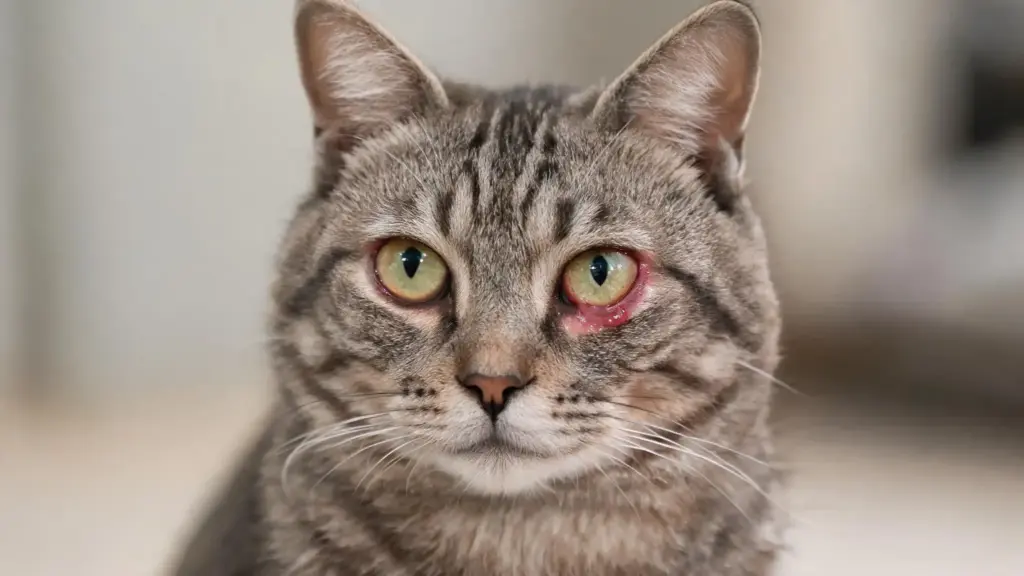
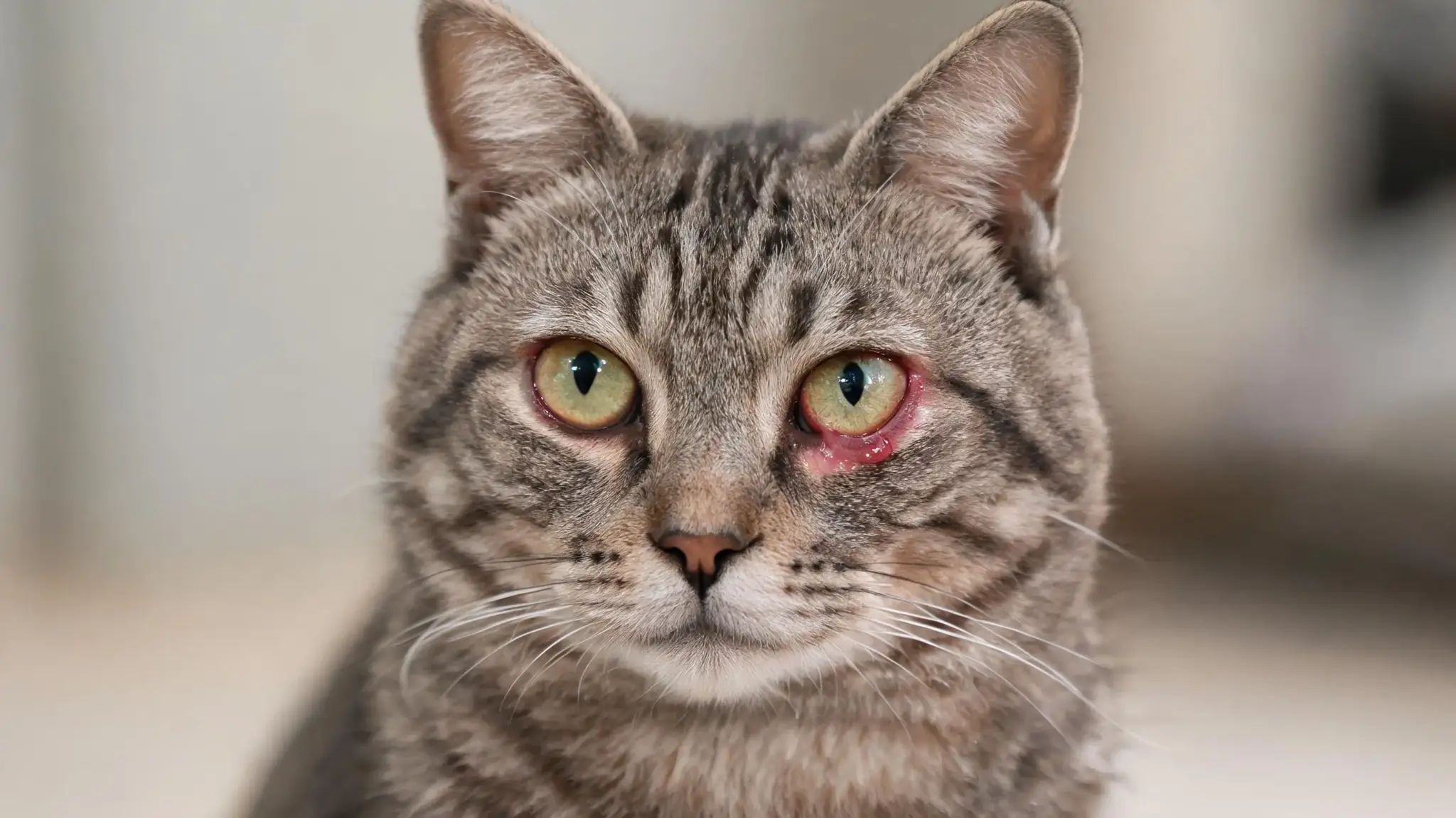
Caused primarily by feline herpesvirus and calicivirus, URI spreads through sneezing, shared bowls, and direct contact. Symptoms include nasal and eye discharge, coughing, fever, and reduced appetite.
Cats that sneeze persistently are often in the early stages of a URI, though several other conditions can look identical. Mild cases resolve with supportive care; severe cases may need antibiotics. The FVRCP vaccine significantly reduces risk.
5. Rabies
Most Commonly Seen: Unvaccinated cats of any age with outdoor access.
Rabies is a fatal viral disease transmitted through bites or contact with saliva from infected wildlife. In the US, cats are infected more frequently than dogs.
Early signs include behavioral changes and fever, progressing to aggression, hypersalivation, and paralysis. There is no cure once symptoms appear. Rabies vaccination is legally required in most US states for all cats.
Rabies is zoonotic and fatal to humans. Any unknown bite wound warrants immediate veterinary contact.
The biggest gap I see is owners skipping rabies boosters for indoor cats. A bat through an open window is all it takes.
6. Diabetes Mellitus
Most Commonly Seen: Overweight male cats aged 10–13 years.
Symptoms include increased thirst, frequent urination, weight loss despite a normal appetite, lethargy, and vomiting. Any persistent increase in water intake lasting more than one to two weeks is worth a blood panel.
Treatment involves twice-daily insulin injections, a high-protein, low-carb diet, and regular glucose monitoring.
The pattern I see most often is that owners attribute increased thirst to hot weather and wait months before mentioning it.
7. Chronic Kidney Disease (CKD)
Most Commonly Seen: Cats over age 7; significantly more common over 15.
Early signs are easy to miss: slightly increased thirst, occasional vomiting, and mild weight loss. As the disease progresses, cats become visibly thin and stop eating.
CKD cannot be reversed, but it can be slowed with a kidney-supportive diet and phosphorus restriction. Annual bloodwork is the most reliable way to catch it early, when management makes the most difference.
Cats diagnosed at IRIS Stage 1 or 2 who receive consistent care often have years of quality life ahead.
8. Hyperthyroidism
Most Commonly Seen: Middle-aged to senior cats.
Hyperthyroidism is frequently misread because affected cats appear energetic and hungry rather than unwell. Red flags include weight loss despite a ravenous appetite, excessive thirst, vomiting, and restlessness or howling at night.
Treatment options include daily methimazole, a prescription iodine-restricted diet, or radioactive iodine therapy, which is curative in most cases. A thyroid level (T4) is added to routine bloodwork in cats over 7 years old.
9. Feline Lower Urinary Tract Disease (FLUTD) & Urethral Obstruction
Most Commonly Seen: Middle-aged, overweight, indoor male cats.
FLUTD covers feline idiopathic cystitis, bladder stones, and UTIs. Signs include straining to urinate, frequent trips to the litter box with little output, blood in the urine, and vocalizing.
In male cats, this can escalate to a full urethral obstruction, a same-day emergency. If your male cat is straining but not producing urine, go to a vet immediately.
10. Periodontal Disease
Most Commonly Seen: Cats over four years old.
An estimated 50–90% of cats over age four have some degree of dental disease. Signs include bad breath, drooling, dropping food, reluctance to chew, and bleeding gums.
Untreated oral bacteria can affect the kidneys and heart over time, making annual dental exams more than just cosmetic care. Professional cleaning under anesthesia is the only way to address disease below the gumline.
11. Ringworm (dermatophytosis)
Most Commonly Seen: Kittens and cats in crowded environments.
Ringworm is a fungal infection presenting as patchy, circular areas of hair loss with scaly or crusty skin. It spreads through direct contact with infected animals, people, or contaminated surfaces and survives in the environment for months.
Ringworm spreads readily to humans, especially children, so prompt isolation and treatment matter even when the cat’s symptoms seem minor. Treatment involves topical antifungals, oral medication, and thorough environmental decontamination.
12. Fleas & Intestinal Parasites
Most Commonly Seen: All ages; kittens are especially vulnerable.
Fleas transmit tapeworms, Bartonella, and Rickettsia to both cats and owners. Even indoor cats are at risk; fleas hitch rides on clothing and shoes. Approximately 1 in 20 tested cats carry roundworms, often with no visible symptoms.
Annual fecal exams are important for apparently healthy cats. Both fleas and intestinal parasites can affect humans, making year-round prevention essential regardless of indoor or outdoor status.
13. Cancer
Most Commonly Seen: Cats over 10 years of age.
The most common types in cats are gastrointestinal lymphoma, squamous cell carcinoma, mammary tumors (85% malignant), and mast cell tumors.
Early symptoms are vague: unexplained weight loss, a growing lump, a wound that won’t heal, or general decline.
Cats that vomit persistently alongside weight loss warrant prompt evaluation, as this pairing is one of the earliest signals of gastrointestinal lymphoma.
Early detection makes a meaningful difference in outcomes. For cats over ten, I ask my team to check lymph nodes and palpate for masses at every annual exam. It catches more than owners expect.
How to Tell if Your Cat is Sick

The earliest signs of the most common cat illnesses are behavioral, not physical. A cat that’s just a little quieter, skips a favorite spot, or drinks slightly more water than last month; these are often the only signals you’ll get in time to act.
Watch closely for any changes that differ from your cat’s baseline. Key areas to monitor:
- Coat: Dull, greasy, matted, or patches of hair loss.
- Posture: Hunching, reluctance to jump, or holding the head lower than normal.
- Litter box: Straining, blood in urine, or changes in frequency.
- Appetite & thirst: Any persistent increase or decrease, especially increased water intake a key early warning for diabetes, CKD, and hyperthyroidism.
- Behavior: Hiding, reduced play, unusual aggression, or nighttime vocalization.
Dehydration is a common secondary sign associated with many feline illnesses. A simple at-home check: gently pinch the skin at the base of the neck or between the shoulder blades, lift it slightly, and release.
In a healthy, well-hydrated cat, the skin snaps back almost immediately. Also check for dry, tacky gums and sunken eyes. Dehydration that does not resolve with access to water within 12 hours warrants a vet call.
Prevention Protocol for Multi-Cat Households
The most effective time to prevent the spread of contagious disease is before a new cat enters your home, not after symptoms appear.
All new cats should be quarantined for a minimum of 10–14 days in a separate room and tested for FeLV and FIV before any contact with resident cats.
Use separate food bowls, water dishes, and litter boxes. The standard recommendation is one box per cat, plus one extra. Wash your hands between handling cats if one appears unwell.
Vaccinate every cat in the household, not just those that go outdoors, and schedule individual vet check-ups for each cat. A healthy-looking cat can still carry and shed pathogens.
Vaccination: Your First Line of Defense
Vaccination remains one of the most effective and affordable ways to prevent the spread of contagious illnesses in cats. Core vaccines are recommended for every cat, regardless of whether they live indoors or outdoors.
- FVRCP vaccine: Protects against feline herpesvirus, calicivirus, and panleukopenia. Given to kittens starting at 6–8 weeks, boosters every 3–4 weeks until ~16 weeks, then every 1–3 years in adulthood.
- Rabies vaccine: Legally required in most US states regardless of indoor/outdoor status. Given every 1–3 years.
- Non-core vaccines: FeLV, FIV, and Bordetella, based on lifestyle and exposure risk.
Veterinary costs for diagnosing and treating common cat illnesses vary widely depending on the condition, the region, and whether emergency care is required. A routine exam with basic bloodwork typically ranges from $150–$300.
More complex diagnostics and treatment for conditions like CKD, diabetes, or urethral obstruction can run into the thousands.
Kittens require a tighter vaccination window, the first-year shot schedule, and associated costs catch many owners off guard, which is why planning ahead matters more than most people expect.
Pet health insurance and veterinary wellness plans can significantly offset unexpected expenses and are worth considering before a health crisis occurs.
Can Humans Get Their Cats Sick?

Most owners have heard of zoonotic diseases that jump from animals to people. But there’s a less-discussed direction: reverse zoonosis, where humans pass infectious diseases to their cats.
A comprehensive study from the University of Florida’s Emerging Pathogens Institute found that reverse zoonosis is considerably more common than previously recognized.
The most documented cases involve cats infected with SARS-CoV-2 from their owners, including those infected with influenza and COVID-19, in multiple countries.
RNA viruses are especially prone to cross-species transmission, and in households where a sick person and a cat share close quarters, that risk compounds.
When you have confirmed or suspected influenza or COVID-19, some additional caution is warranted: wash your hands before handling food bowls or litter; avoid letting your cat lick your face or open wounds; limit prolonged face-to-face contact.
When you’re ill with flu or COVID-19, basic precautions are enough: wash your hands before handling bowls or litter, avoid face-to-face contact, and keep your cat’s vaccinations current. The goal is informed caution, not separation.
When to See a Vet?

If your cat is showing any symptoms described in this guide, start with a physical examination. Don’t try to diagnose at home.
Many feline diseases share overlapping symptoms: increased thirst alone could point to diabetes, CKD, or hyperthyroidism, and only diagnostics can tell them apart.
Come prepared with specific observations: when symptoms started, changes in food or water intake, litter box output, and behavioral shifts. In my experience, this history significantly reduces diagnostic time.
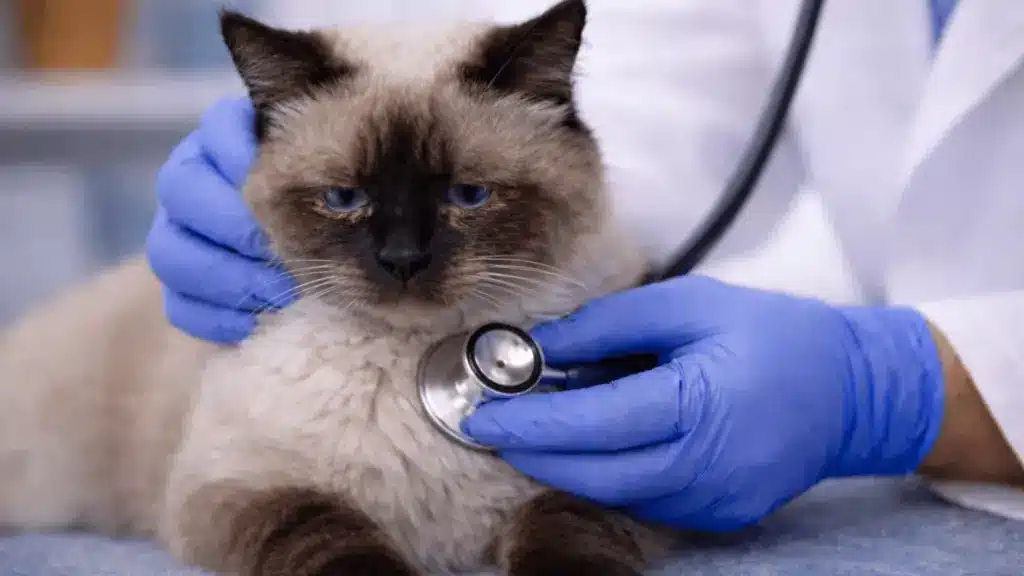
A thorough diagnostic workup for a cat showing signs of illness typically begins with a full physical exam, including weight, hydration, lymph nodes, heart and lung sounds, abdominal palpation, and checks of the eyes, ears, mouth, and coat.
This is usually followed by core tests, such as bloodwork (CBC and chemistry panel), urinalysis, and a fecal exam to detect intestinal parasites.
Imaging, such as X-rays or ultrasound, may be recommended if organ abnormalities or masses are suspected.
For cats over 7, a thyroid level (T4) is often added to help detect hyperthyroidism early, before noticeable weight loss occurs.
Conclusion
Your cat can’t tell you when something hurts. They can’t describe what’s changed or how long it’s been going on. That responsibility falls entirely on you, and now you’re better equipped to carry it.
The most common cat illnesses are rarely dramatic at first. They start with small shifts: a little more water, a little less energy, a coat that’s lost its shine.
Catching those changes early is the difference between a manageable diagnosis and a crisis. It’s also more often than not the difference between a modest vet bill and a significant one.
What’s one change you’ve noticed in your cat that made you pause? Drop it in the comments. Your experience might help another cat owner catch something early.
Frequently Asked Questions
What is the Most Common Illness in Cats?
Upper respiratory infections, periodontal disease, and chronic kidney disease are among the most frequently diagnosed conditions. In cats over the age of four, dental disease alone affects an estimated 50–90%.
At What Age Are Cats Considered Senior?
Most vets classify cats as senior at 7 years old and geriatric at 11 years old. Senior cats should transition to twice-yearly vet exams and age-focused bloodwork to catch conditions like CKD, hyperthyroidism, and HCM early.
Do Cats Need Different Care in Summer vs. Winter?
Yes. Summer brings heatstroke risk, increased flea and parasite activity, and open-window hazards (High-Rise Syndrome). Winter raises the risk of respiratory infections and, for outdoor cats, hypothermia. Seasonal vet check-ins are worth considering if your cat goes outdoors.
Which Cat Illnesses Are Contagious to Other Cats?
The most contagious are panleukopenia (survives in the environment up to a year), FeLV, URI, ringworm, and fleas. FIV spreads primarily through bite wounds rather than casual contact. See the contagion table above for a full breakdown.