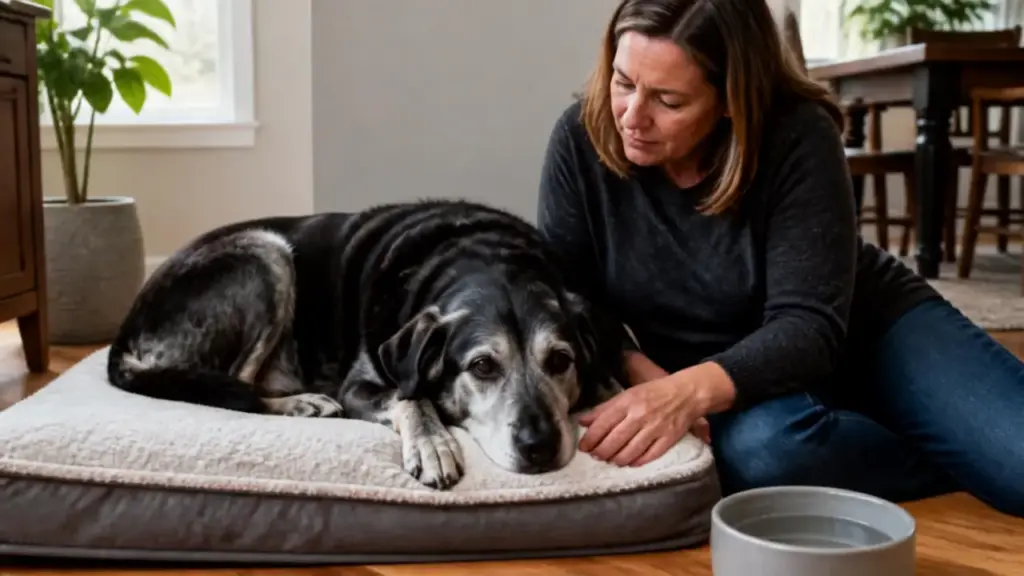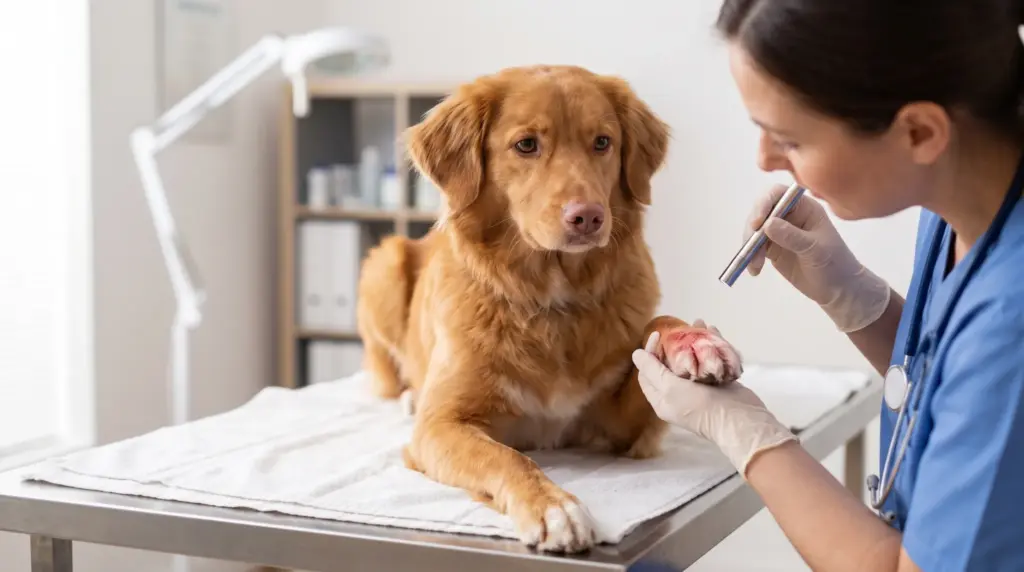
A red, sore paw can turn a normal walk into a painful stop. You may first notice extra licking, stained fur, swelling, or a limp and ask if the problem is minor or already infected.
If you searched pododermatitis dog paw, the key point is simple: pododermatitis means inflammation of the foot, not one single disease.
Allergy, irritation, injury, parasites, bacteria, yeast, and deeper health conditions can all cause it. I would check every toe, pad, and nail, then note if one foot or several feet are affected.
You will also learn which signs require prompt care, how vets test the skin, and why treatment varies with the underlying cause.
What Pododermatitis Means in Dogs
Pododermatitis is the medical term for inflammation of a dog’s foot or paw.
It is not a single disease but rather a skin problem that can develop for several reasons and affect the paw pads, the skin between the toes, the nail folds, the top of the foot, or one or more paws at once.
Allergies, injuries, parasites, bacteria, yeast, immune conditions, and repeated friction can all lead to it, and while infection may be present, it is not always the first problem.
In some dogs, the skin becomes irritated first, then bacteria or yeast grow in the damaged area. Veterinary research describes canine pododermatitis as a complex, multifactorial condition.
Because several conditions can look similar, the term describes what is happening to the paw, not what caused it, and the next signs can help show how severe the problem may be.
| Note: Pododermatitis refers to paw inflammation, but the causes can vary widely. A proper veterinary exam helps identify whether allergies, infection, injury, parasites, or another condition is affecting your dog’s feet. |
Why a Dog’s Paws May Become Red
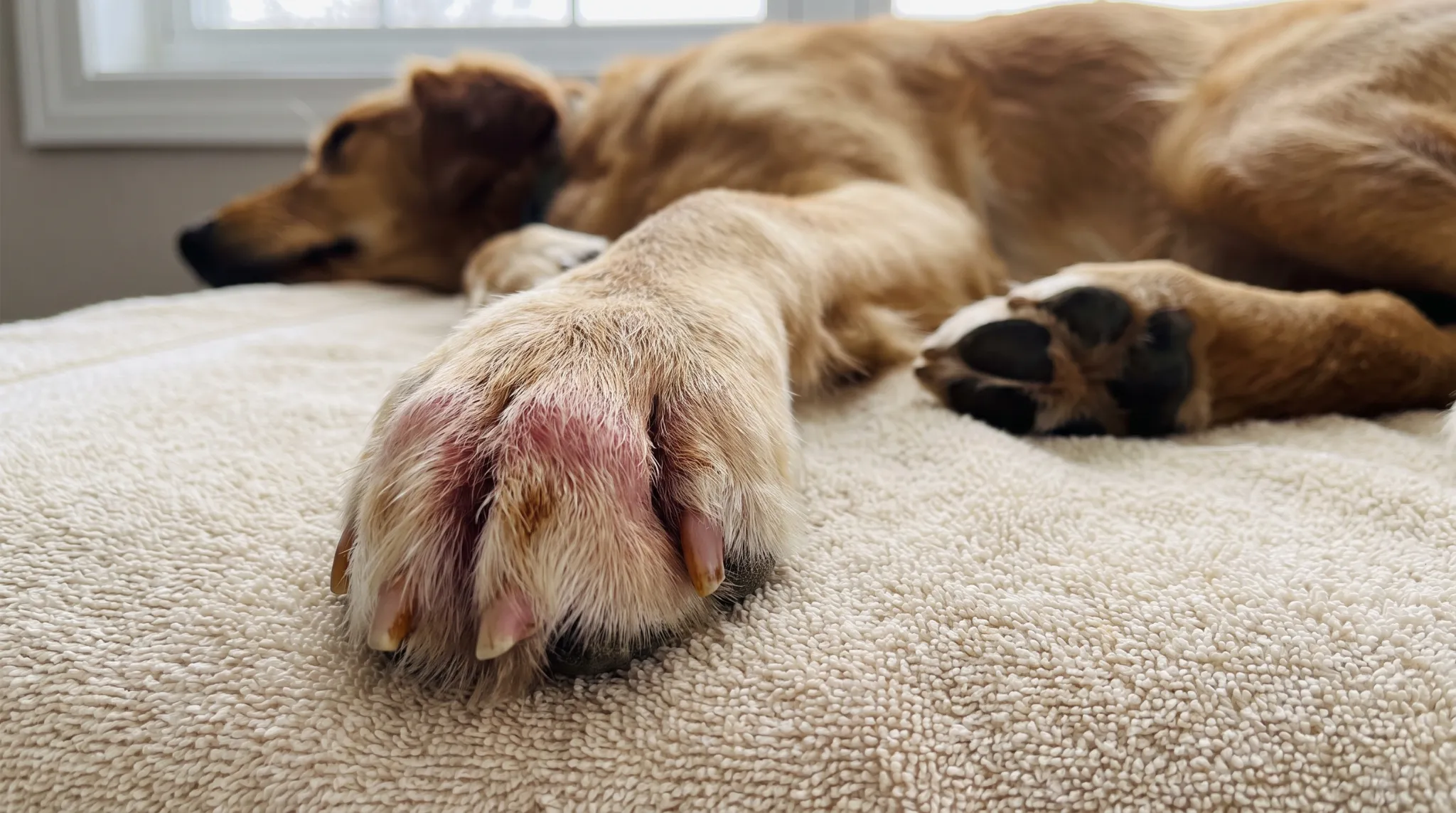
Redness shows that the skin is irritated, inflamed, or injured. It cannot confirm an allergy, infection, foreign object, or another condition on its own. Early changes may include:
- Red or pink skin
- Warmth or tenderness
- Frequent licking or chewing
- Hair loss around the toes
- Rusty or brown saliva staining
- Mild swelling
Ongoing paw licking can worsen the redness and delay healing. Pus, draining sores, ulcers, or painful nodules raise more concern for bacterial infection or deeper inflammation.
Yeast overgrowth more often causes itching, scaling, thickened or darkened skin, and a musty odor. These signs can overlap, so appearance and smell alone cannot identify the cause.
One affected foot may suggest a cut, sting, torn nail, burn, splinter, or grass awn. Several sore feet may point to an allergy, contact irritation, parasites, or a wider skin condition.
These patterns are useful clues, not firm rules. The location, number of affected paws, and other symptoms help the vet decide which tests may be needed.
Products to Avoid and When to Call the Vet
Do not use hydrogen peroxide, rubbing alcohol, concentrated vinegar, essential oils, baking soda paste, or unapproved human creams on raw skin.
Do not use hydrogen peroxide, rubbing alcohol, concentrated vinegar, essential oils, baking soda paste, or unapproved human creams on raw skin. These products may irritate the paw, slow healing, or cause harm if your dog licks them.
Never give ibuprofen, naproxen, acetaminophen, aspirin, or leftover medicine without veterinary advice.Human pain relievers can damage a dog’s stomach, kidneys, liver, or blood cells. Arrange same-day veterinary care if you notice:
- Pus or a draining sore
- A badly torn nail
- A deep or open wound
- An embedded object
- Marked pain
- Rapid swelling
- Refusal to bear weight
Seek emergency care for uncontrolled bleeding, black or dying tissue, collapse, severe weakness, breathing trouble with facial swelling, a serious chemical burn, or a suspected snakebite.
Call your vet if mild redness does not begin to improve after gentle cleaning and protection, or if it keeps returning. Home care may protect the paw, but it cannot treat a deep infection, allergy, or hidden injury.
Dog Paw Infections and Other Pododermatitis Causes
Pododermatitis can begin with allergies, infections, injuries, parasites, or pressure on the feet. Some dogs have more than one problem at the same time, so the care plan must match the cause found during the exam.
1. Allergies and Irritants
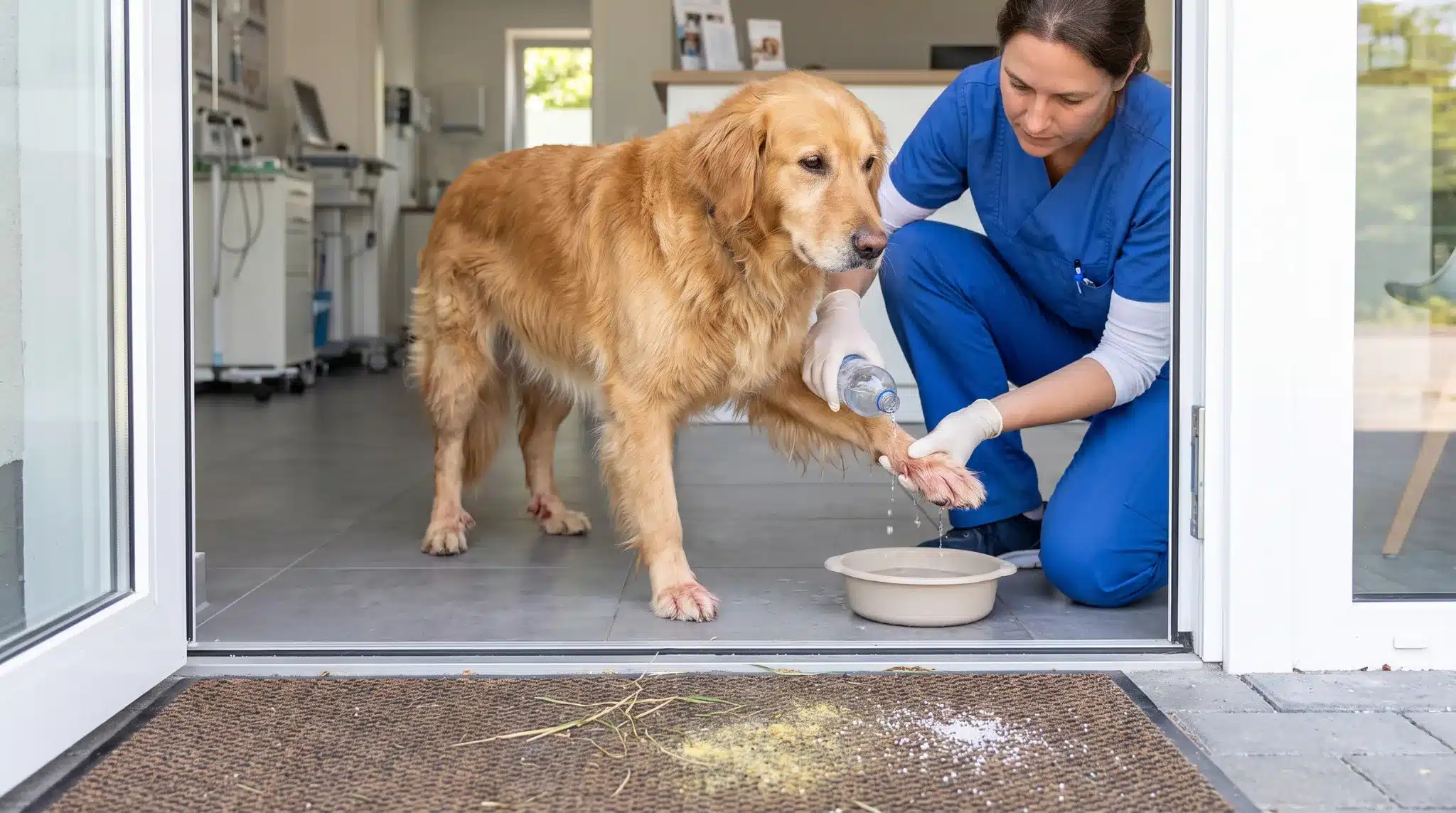
Allergy-related paw trouble often affects more than one foot and may return during certain seasons. Contact with outdoor or household irritants can also make the skin sore.
- Cause: Pollen, mold, dust mites, food reactions, road salt, lawn products, cleaners, hot pavement, ice, and rough ground may irritate the paws. Environmental allergies may also cause ear trouble or itching elsewhere on the body.
- Treatment: A vet may recommend itch medicine, allergen-specific immunotherapy, flea control, environmental changes, or a supervised elimination diet. The paws may also need gentle rinsing after contact with known irritants.
2. Bacteria and Yeast
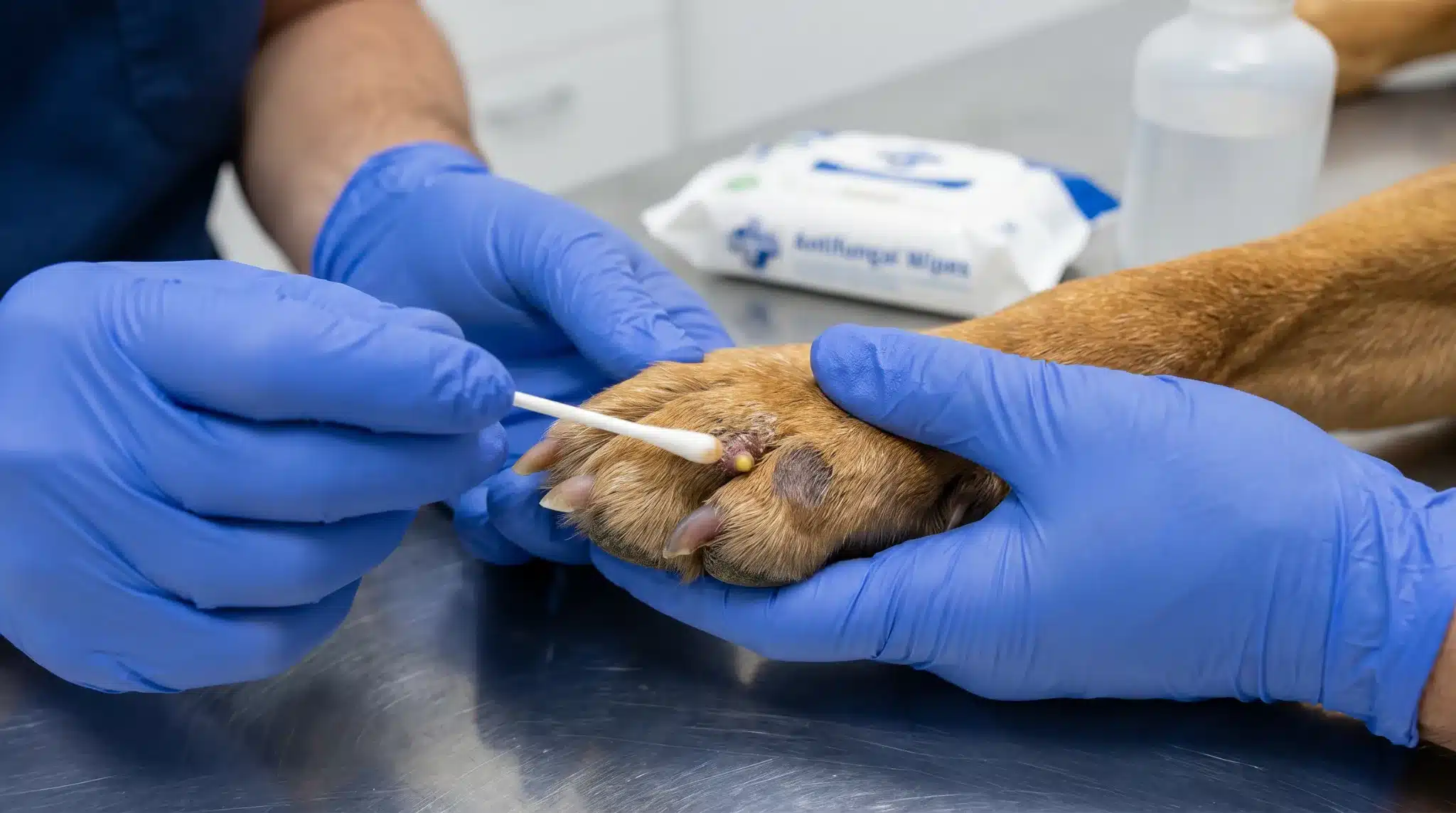
Bacteria and yeast often grow after the skin has already become damaged or damp. Both can cause similar signs, so testing may be needed before treatment begins.
- Cause: Bacteria can enter damaged skin, leading to pustules, discharge, crusts, ulcers, pain, or deep nodules. Yeast can grow too much in warm, damp skin and may cause itching, odor, scaling, thickening, or dark discoloration.
- Treatment: Mild bacterial infections may need a prescribed antiseptic wash, wipe, or topical medicine. Deep recurrent cases may require culture-guided oral antibiotics. Yeast care may include antifungal wipes, shampoos, creams, or oral medicine.
3. Injuries and Foreign Objects
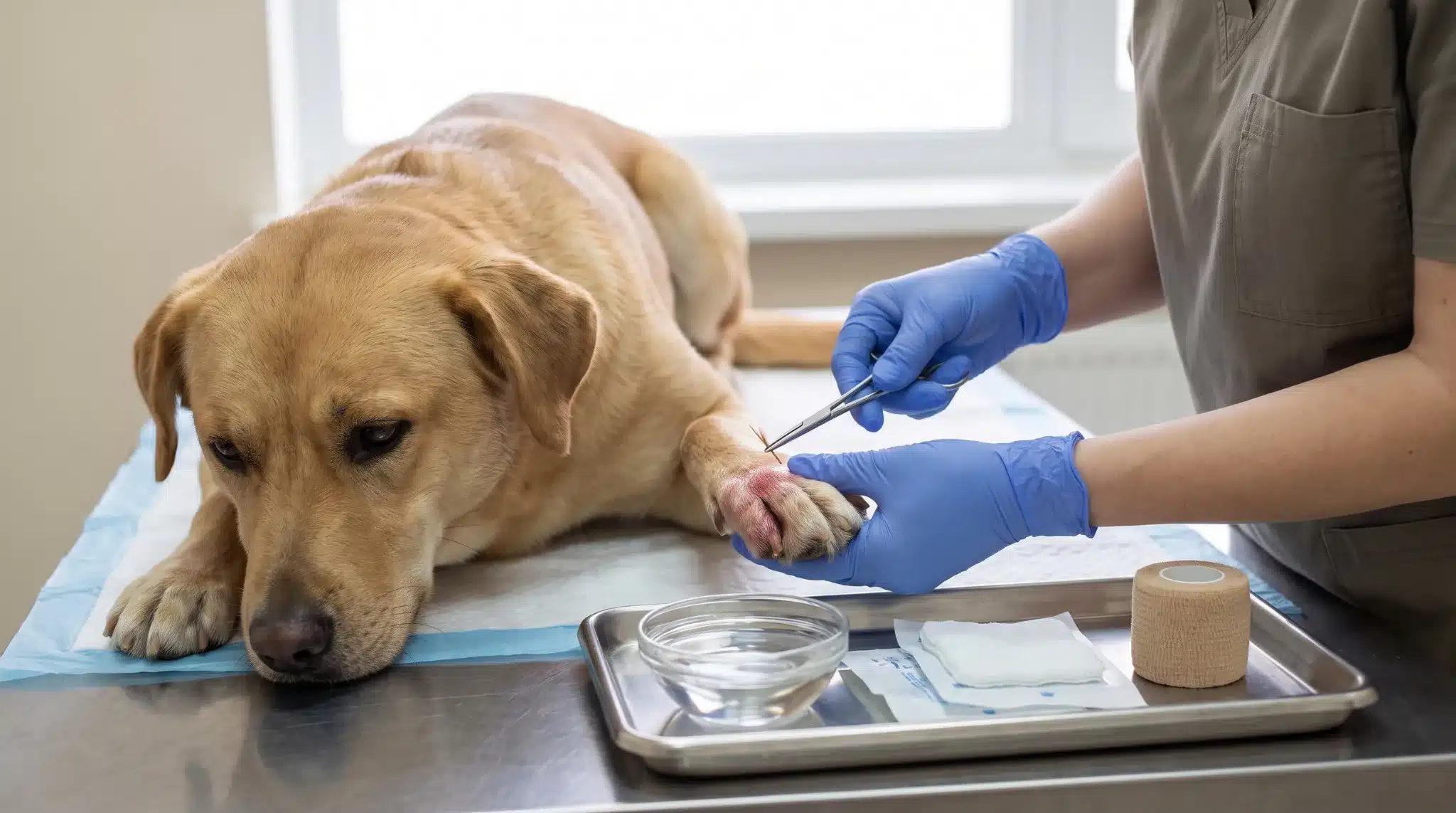
A sudden sore paw often starts with a cut, a burn, a broken nail, or a trapped object. These problems may affect one foot and can become infected if left untreated.
- Cause: Cuts, pad cracks, torn nails, burns, splinters, and grass awns often affect one paw. A wound may close over a trapped object, causing swelling, pain, or recurrent drainage.
- Treatment: Care may involve removing the object, cleaning the wound, limiting activity, protecting the foot, and giving the dog safe pain relief. Deep injuries or badly damaged nails may need surgery or professional bandaging.
4. Parasites
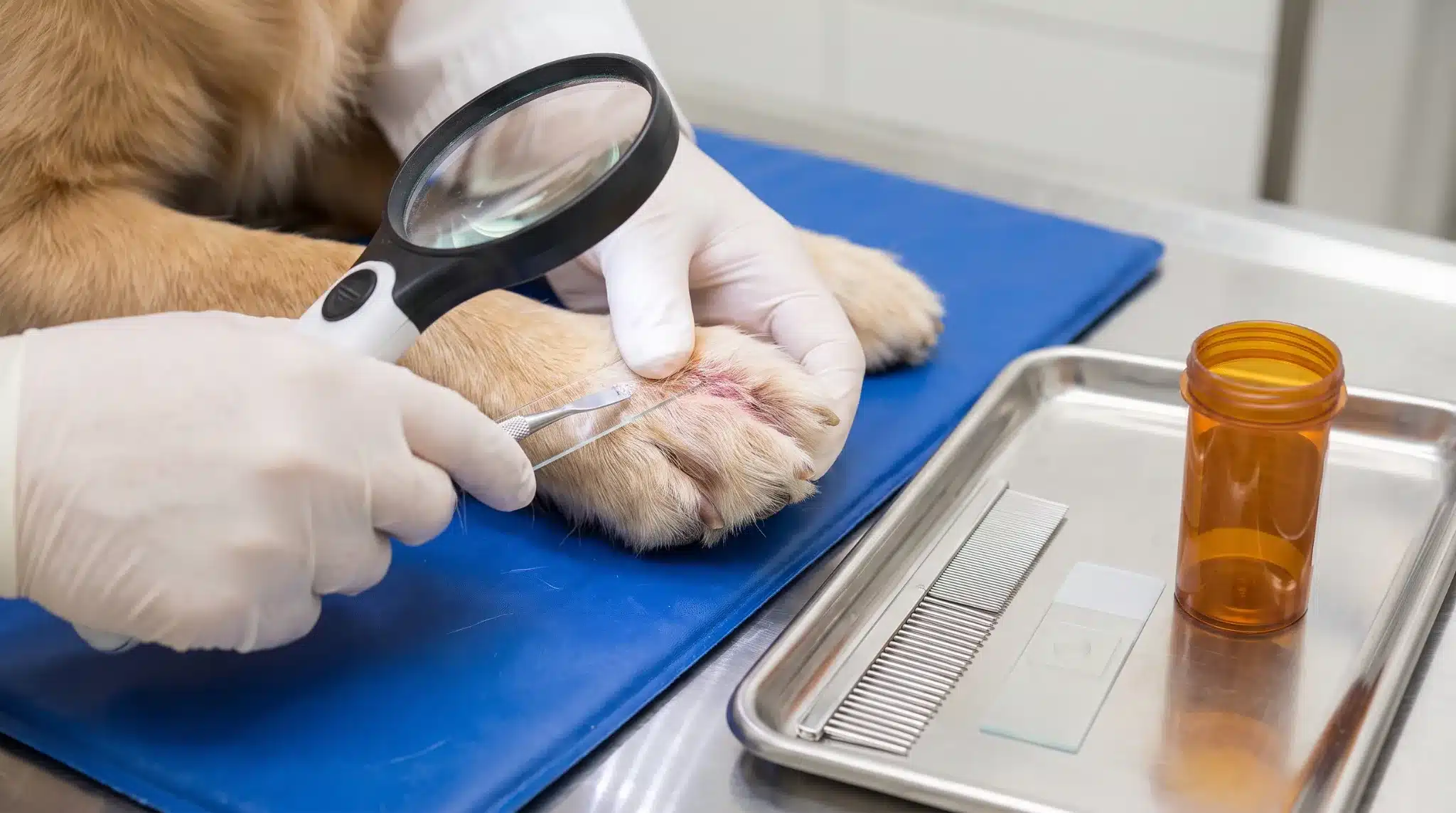
Parasites can irritate the skin around the toes, leading to repeated scratching or chewing. The signs may resemble those of an allergy or infection without proper testing.
- Cause: Demodex mites, fleas, ticks, and other parasites can cause itching, redness, hair loss, and sore skin around the paws.
- Treatment: Medicine is chosen based on the parasite found during testing. Any bacterial or yeast problem caused by scratching or chewing may need separate treatment.
5. Medical Conditions
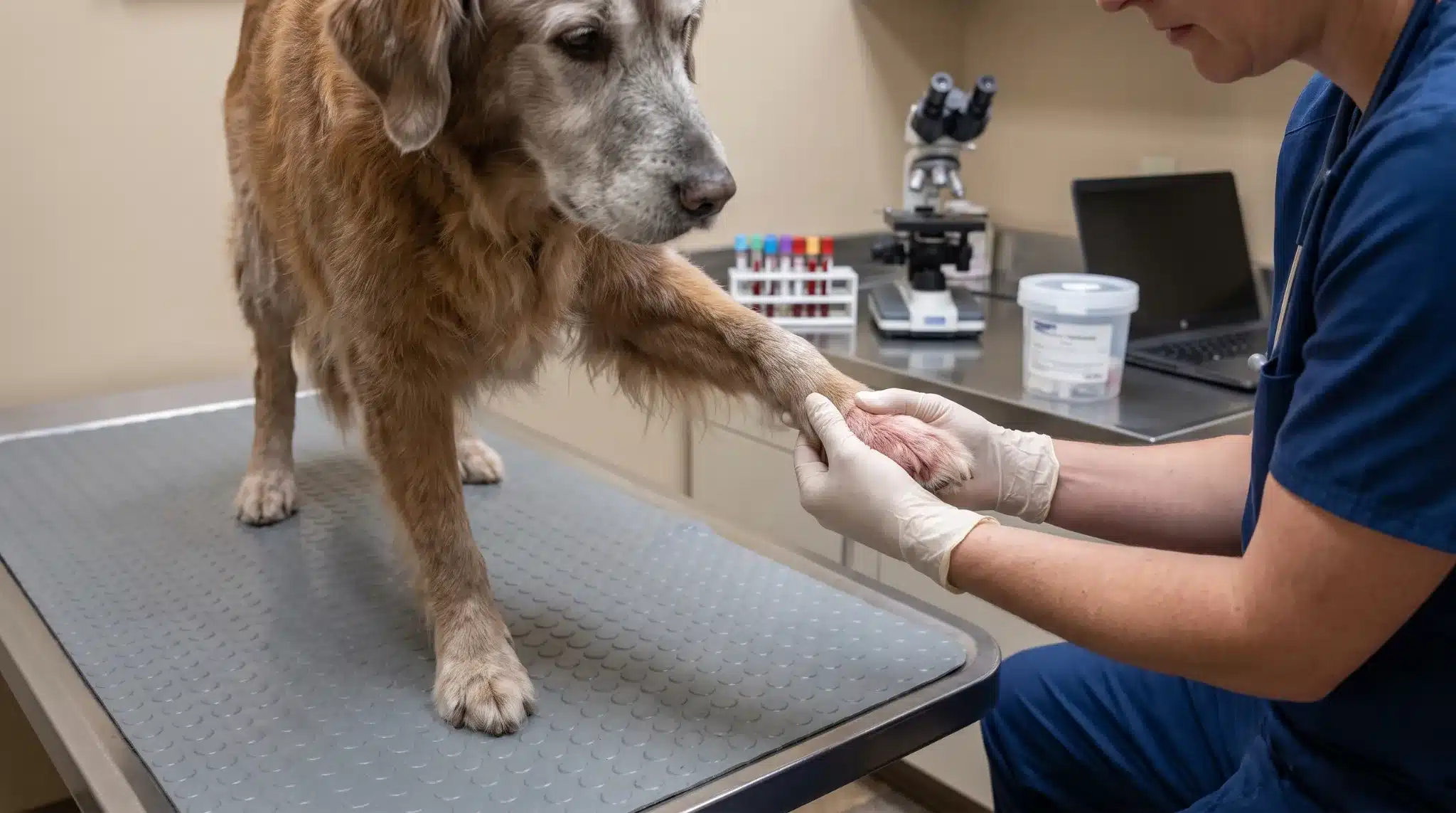
Some paw problems are linked with a wider health issue rather than a local skin problem. These causes are less common but may be checked when symptoms are severe or keep returning.
- Cause: Immune disease, thyroid disease, Cushing’s disease, tumors, and deep fungal infections are less common causes. They may be considered when the problem is severe, unusual, or does not improve with standard care.
- Treatment: Care focuses on the diagnosed condition. This may include hormone treatment, antifungal medication, immunomodulating drugs, surgery, or referral to a veterinary skin specialist.
6. Foot Structure and Interdigital Furuncles
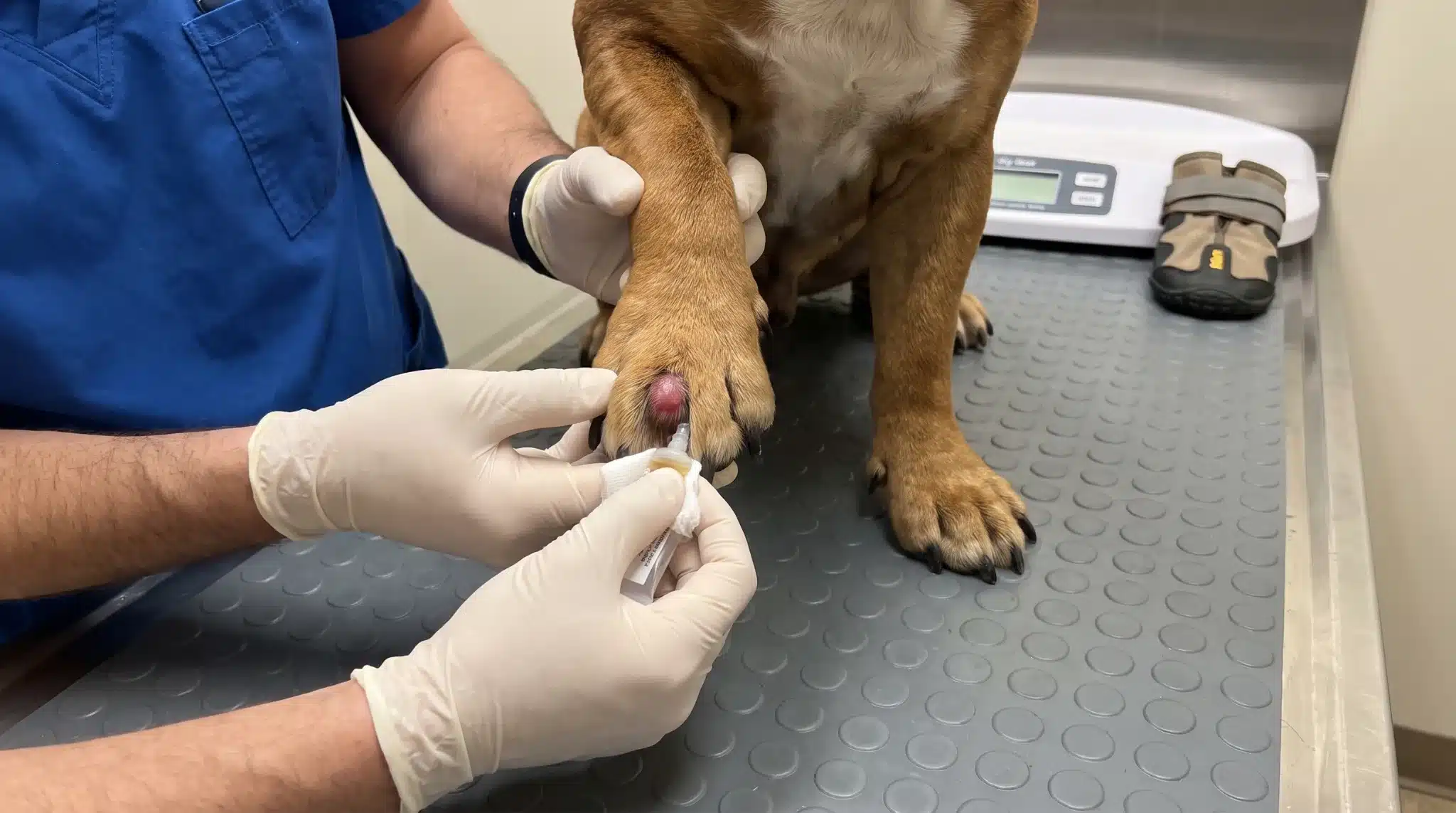
The shape of a dog’s feet can increase pressure and rubbing between the toes. Over time, this can lead to painful, inflamed lumps called interdigital furuncles. The interdigital furuncles are deep skin lesions between the toes, not simple cysts.
- Cause: Wide feet, deep webbing, shor,t coarse hair, extra weight, and uneven weight-bearing can increase pressure between the toes. Some dogs are more prone to painful interdigital furuncles.
- Treatment: Localized lesions may respond to topical medicine and less friction. Deep or multiple lesions may require several weeks of oral antibiotics, weight control, paw care, and treatment for any associated allergies or infections.
The care plan may also include dog-safe pain or itch medicine. Follow the full course and attend rechecks because the surface can look better before deeper inflammation has cleared.
What You Can Do Before the Appointment
Basic first aid can protect the paw while you arrange veterinary care. Move through these steps gently, and stop if your dog shows severe pain.
- Inspect the whole paw: Look between the toes, under each pad, around the nails, and across the top of the foot. Check for cuts, cracks, thorns, splinters, grass awns, burns, broken nails, lumps, or discharge. Do not dig into the skin or pull at anything that appears deeply embedded.
- Rinse away surface irritants: Use lukewarm water to remove dirt, mud, road salt, or grass from the paw. Avoid scrubbing red, raw, or broken skin.
- Dry the paw carefully: Pat the foot dry with a clean towel, including the spaces between the toes. Moisture left in the webbing can increase irritation and allow bacteria or yeast to grow.
- Stop further licking; Use an e-collar if your dog keeps licking or chewing the area. Repeated licking can damage the skin and delay healing.
- Leave bandaging to the vet: Avoid tight home wraps unless your veterinarian has shown you how to apply one. A poor bandage can trap moisture, hide swelling, or reduce circulation.
| Caution: Avoid picking at sores, removing deeply stuck objects, or applying unapproved products. These actions may increase irritation or delay proper treatment before your veterinarian checks the paw. |
A painful dog may bite even when normally calm, so keep the inspection short and gentle.
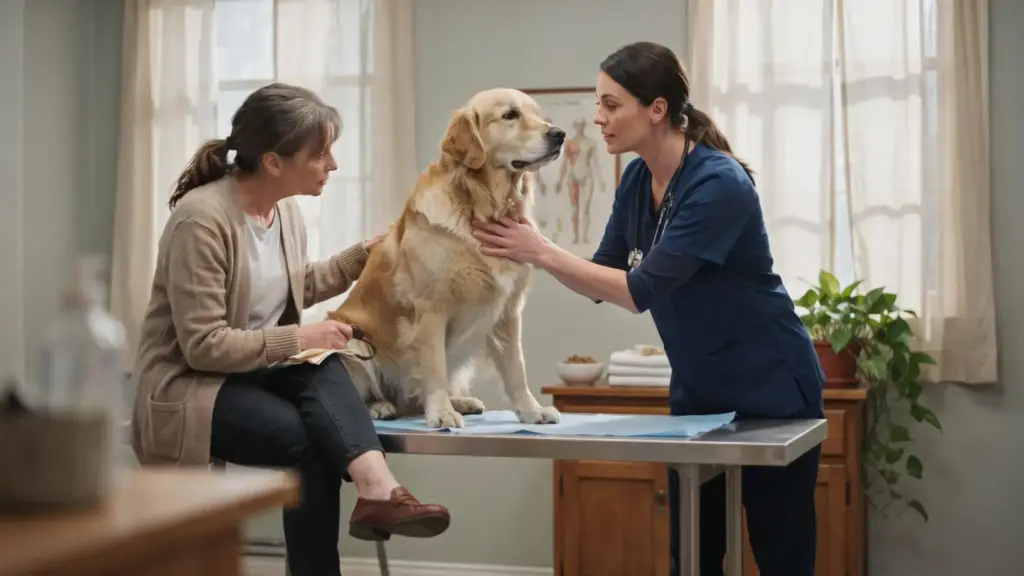
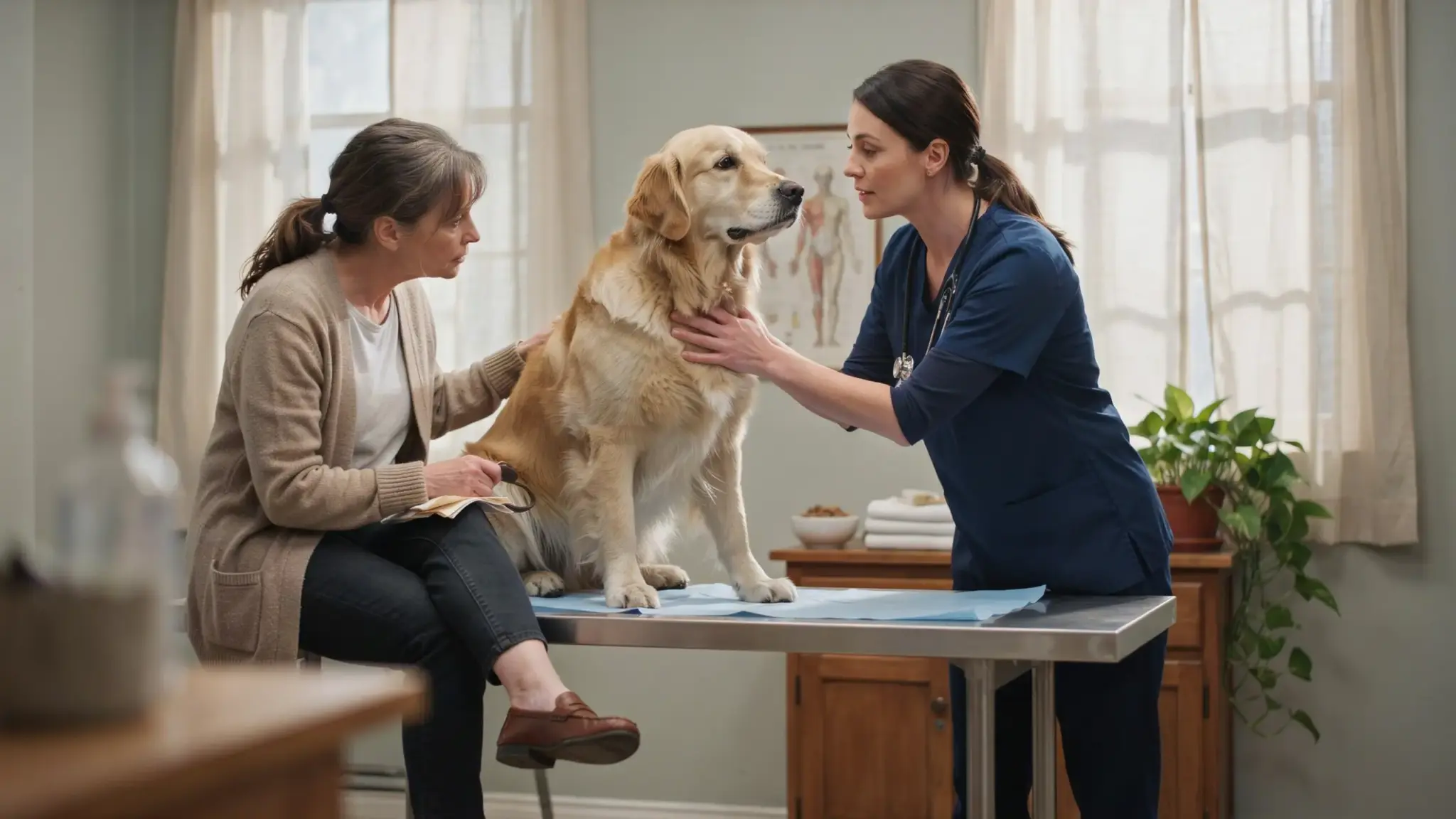
How Vets Identify the Problem
Several paw conditions can look alike at home. Your vet combines the history, physical exam, and selected tests to identify the source and depth of the problem.
Expect questions about:
- When the signs began
- Whether one or several feet are affected
- Seasonal changes
- Recent walks or injuries
- Diet
- Earlier skin or ear problems
- Medicines already used
The exam may include the paws, nails, gait, ears, and skin elsewhere on the body. Ear trouble or itching in other areas can support an allergy pattern, while a single painful lump may raise concern for an embedded object.
Testing may include:
- Cytology for inflammatory cells, bacteria, and yeasts
- Skin scrapings or hair testing for mites
- Bacterial culture for deep, recurring, or resistant infection
- Fungal testing when needed
- An elimination diet for suspected food allergy
- Biopsy, imaging, blood tests, or urine tests for unusual cases
Culture and susceptibility testing can help the vet select an effective antibiotic when systemic treatment is needed.
Testing limits guesswork and reduces the need for repeated short-lived results. It also separates a surface flare from a deeper or long-term condition.
Healing Time and Repeat Prevention
Recovery depends on the depth and source of the problem. Mild irritation may improve within several days, while deep infection or multiple interdigital lesions may need several weeks of care. Healing can take longer when:
- Chewing continues
- The paw stays damp
- Medicine is stopped too early
- A foreign object remains
- Bacteria resist the chosen drug
- Allergy or friction is still active
- More than one condition is present
To reduce repeat flare-ups, check the paws after walks, remove surface debris, dry wet skin, keep the nails at a safe length, and maintain a healthy weight. Limit contact with road salt, hot pavement, rough ground, and known irritants.
Follow the allergy or parasite plan given by your vet. Return for a recheck if pain, discharge, swelling, or lameness is not steadily improving.
Fur staining may remain after the skin has healed, so color alone is not the best sign of recovery. Normal walking, less soreness, dry skin, and no new sores are more useful signs.
Final Thoughts
A sore foot deserves attention before it changes how your dog walks, sleeps, or plays. A dog’s pododermatitis paw may develop after an allergy, injury, friction, or a trapped object damages the skin, so the right care depends on identifying the underlying cause.
I would keep the foot clean and dry, prevent chewing, and watch for any pain, drainage, swelling, or limping. Your veterinarian can use skin tests, cultures, and the full exam to choose treatment without guessing.
Follow the complete plan even when the surface starts looking better. If the paw worsens, keeps recurring, or limits walking, call your veterinarian today to arrange the appropriate exam, so your dog can move comfortably again.
Drop a comment below and let me know if your dog feels better.
Vet Note: Paw problems that return, worsen, or affect walking need professional attention. Early assessment can help prevent discomfort from lasting longer and guide the right care plan.
Frequently Asked Questions
Can Stress Make a Dog Lick One Foot?
Stress can cause repeated licking, but pain, allergy, injury, or infection should be ruled out first. Behavioral licking often continues while the dog rests or feels anxious and may require both medical care and routine changes.
Can a Dog Exercise While a Foot Is Healing?
Activity depends on pain and wound depth. Short leash walks may suit mild surface irritation, while open wounds, torn nails, deep infections, or surgery often require stricter rest until your veterinarian approves more outdoor activity.
Can the Condition Spread to Pets or People?
Common secondary bacterial and yeast overgrowth is not usually contagious. Ringworm and some mites can spread between animals, and ringworm can infect people, so seek veterinary testing if household members develop suspicious new skin changes.
Can Swimming Make a Sore Foot Worse?
Swimming can leave the skin damp and expose open areas to microbes or irritants. Keep your dog out of pools, lakes, and ponds until the skin is closed and your veterinarian says it is safe to resume water activity.