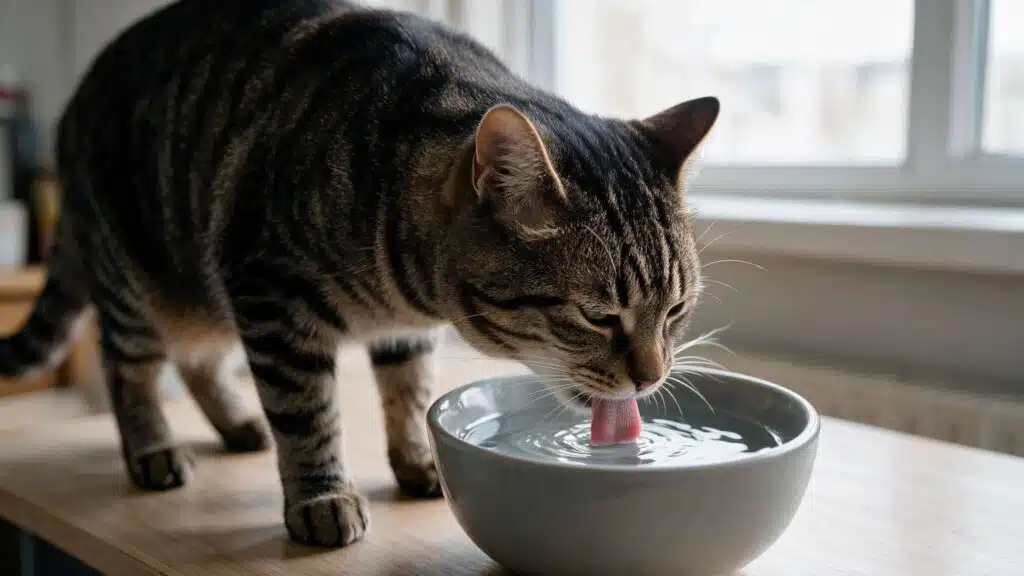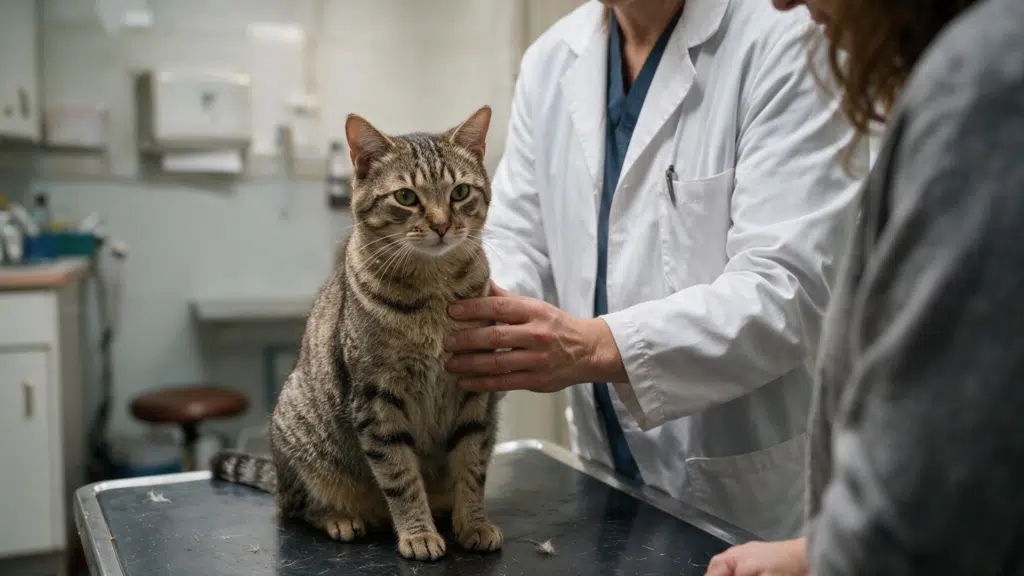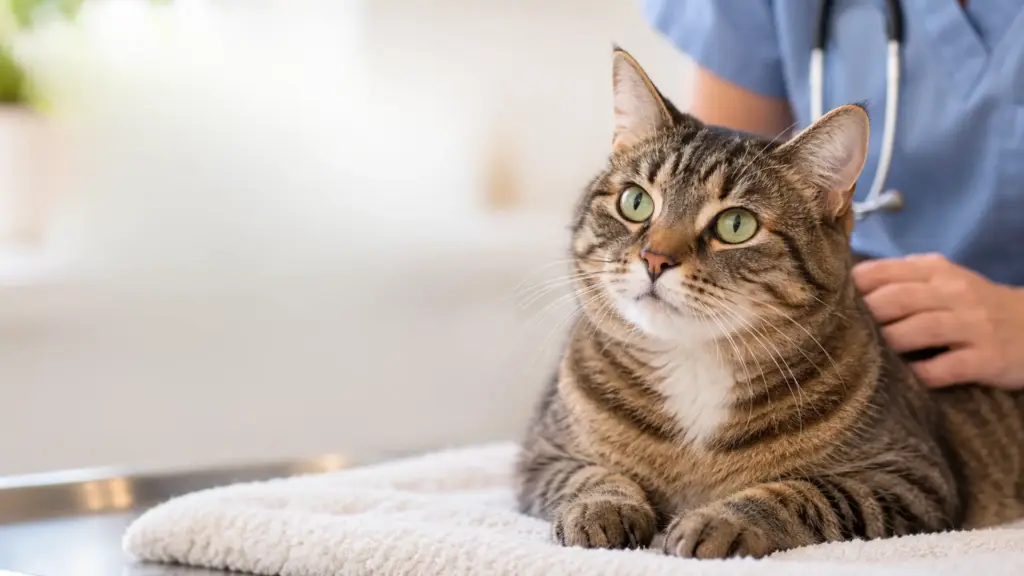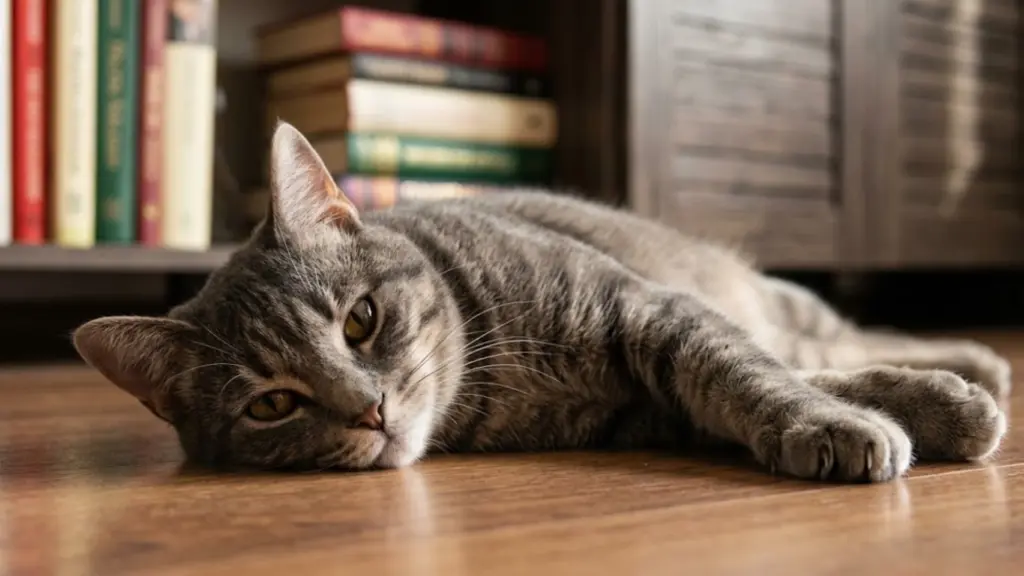
Cats can become dehydrated faster than many owners expect, and waiting too long can turn a small problem into a serious one.
Water helps their body control temperature, digest food, move waste, and support the kidneys. When a cat stops drinking, the risk depends on age, health, weather, activity, and whether they are also eating.
That is why the answer to how long cats can go without water is not something to test at home.
Kittens, senior cats, and cats with kidney disease, diabetes, vomiting, diarrhea, or fever can become weak much sooner than a healthy adult cat.
Ahead, you will learn the general survival window, warning signs of dehydration, what happens when food is missing, and when it is time to call a vet.
How Long Can a Cat Really Go Without Water?
A healthy adult cat may survive for about 2 to 3 days without water, but that does not mean it is safe to wait that long.
Dehydration can start much earlier, and some cats may show signs within the first 24 hours.
At that point, the body may already be struggling to maintain normal digestion, kidney function, and energy levels.
The danger rises faster if the cat is also not eating, vomiting, has diarrhea, or already has a health problem. Kittens, older cats, and cats with kidney disease or diabetes can decline even sooner.
By 2 to 3 days without water, the situation can become life-threatening. A cat usually needs about 4 ounces of water for every 5 pounds of body weight each day.
If a cat has not drunk anything for a full day, or looks weak, dull, or unwell, it is better to call a vet.
What Happens When a Cat Does Not Drink Water?
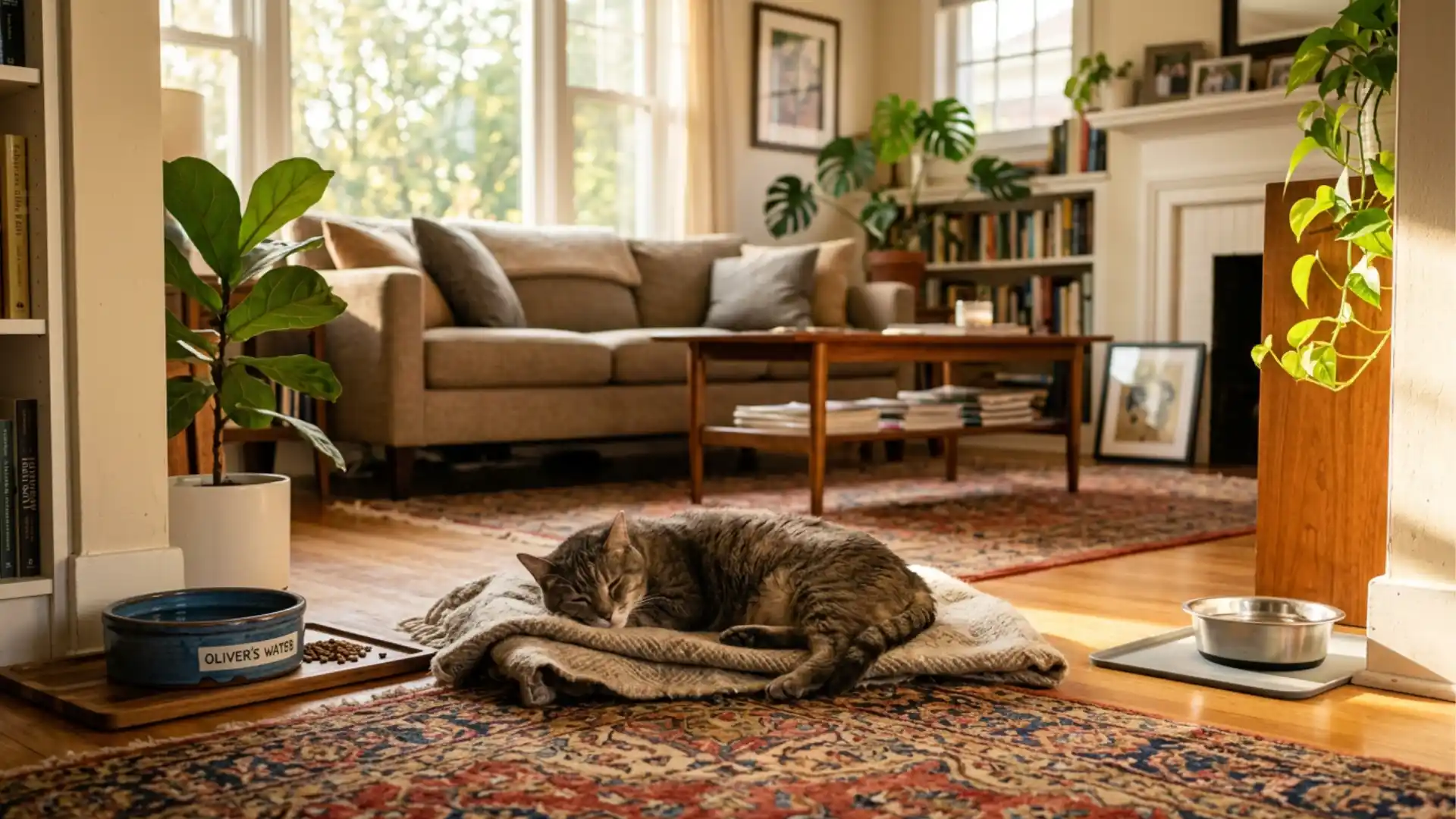
When a cat does not drink enough water, dehydration can start quietly and worsen faster than expected. The signs may look small at first, but they can point to a serious problem.
- Mild dehydration: The cat may seem slightly off, less playful, or less interested in normal routines. It may still move around, but its behavior can feel quieter than usual.
- Dry gums: Healthy gums should feel moist and smooth. If the gums feel sticky, tacky, or dry to the touch, the body may not have enough fluid.
- Low energy: A dehydrated cat may sleep more than usual, avoid play, hide in quiet spaces, or stop reacting normally to food, toys, or attention.
- Sunken eyes: The eyes may look dull, tired, or set deeper than normal. This can happen when fluid loss begins to affect the body more severely.
- Thick saliva: Saliva may become sticky, stringy, or harder to swallow. Some cats may lick their lips more often or seem uncomfortable around the mouth.
- Weakness: The cat may walk slowly, look unsteady, struggle to jump, or seem too tired to stand for long. This needs quick attention.
These signs matter even more if the cat is also vomiting, has diarrhea, or is not eating. In that case, calling a vet is the safer move.
Can a Cat Survive Longer Without Food than Without Water?
Water is more urgent than food because a cat’s body needs fluid to keep the kidneys, digestion, temperature, and blood flow working properly.
A cat may survive longer without food than without water, but that does not make not eating safe. When a cat stops eating, the body starts using stored fat for energy.
In cats, this can lead to a serious liver problem called hepatic lipidosis, especially if the cat is overweight or already unwell.
No food and no water together should be treated as an emergency. The body can weaken fast, and dehydration makes everything worse.
Kittens, senior cats, and sick cats can decline much sooner than healthy adults. If a cat is not eating or drinking, a vet should be called quickly.
Signs Your Cat is Dehydrated
Dehydration signs can be easy to miss at first, but they usually become clearer as the cat gets weaker.
- Sticky or dry gums: The gums may feel tacky instead of smooth and wet. This is one of the easier signs to check at home.
- Skin does not spring back quickly: If the skin stays lifted for a moment after a gentle pinch, the body may be low on fluids.
- Sunken eyes: The eyes may appear dull, tired, or deeper-set than usual, especially as dehydration worsens.
- Panting: Cats don’t normally pant like dogs. Panting can signal stress, overheating, pain, or severe dehydration, and it’s worth understanding in its own right, as it points to several possible underlying causes.
- Weakness: A dehydrated cat may walk slowly, avoid jumping, stumble, or seem too tired to move much.
- Less urination: The litter box may stay dry longer than usual, or clumps of urine may appear smaller than usual.
- Hiding or acting dull: A sick or dehydrated cat may hide, sleep more, avoid people, or stop acting like itself.
When is it an Emergency?
A cat not drinking for 24 hours should be taken seriously, even if it still looks mostly normal. Water loss can build quietly, and waiting too long may make treatment harder.
It becomes more urgent if vomiting or diarrhea is also happening, because the body is losing fluid faster than it can replace it.
Refusing food at the same time is another warning sign. No food and no water can quickly weaken a cat and may lead to serious health problems.
Weakness, wobbling, collapse, or failure to respond normally means the cat needs urgent veterinary care.
Very young kittens, senior cats, and cats with known kidney disease, diabetes, fever, or other illness should not be watched for too long at home.
These cats can decline faster, so calling a vet early is the safer choice.
Who’s at Higher Risk of Dehydrating Fast?
Age and health status change these timelines more than almost anything else.
- Kittens: Kittens do not have much fluid stored in their bodies. This means they can dry out quickly. If a kitten has gone 12 to 24 hours without water, it needs a vet visit, not a home treatment.
- Senior Cats: Older cats often drink less and may have health issues that cause fluid loss, so they need consistent daily hydration.
- Cats with Kidney Disease, Diabetes, or Hyperthyroidism: These conditions can cause cats to lose more water through urine. This means they need more water each day, even if they do not feel like drinking much.
- Cats Recovering from Illness: Even a common respiratory infection can make a cat drink less. If your cat is mildly sick, watch their water intake more closely than usual.
Why Your Cat May Not Be Drinking?
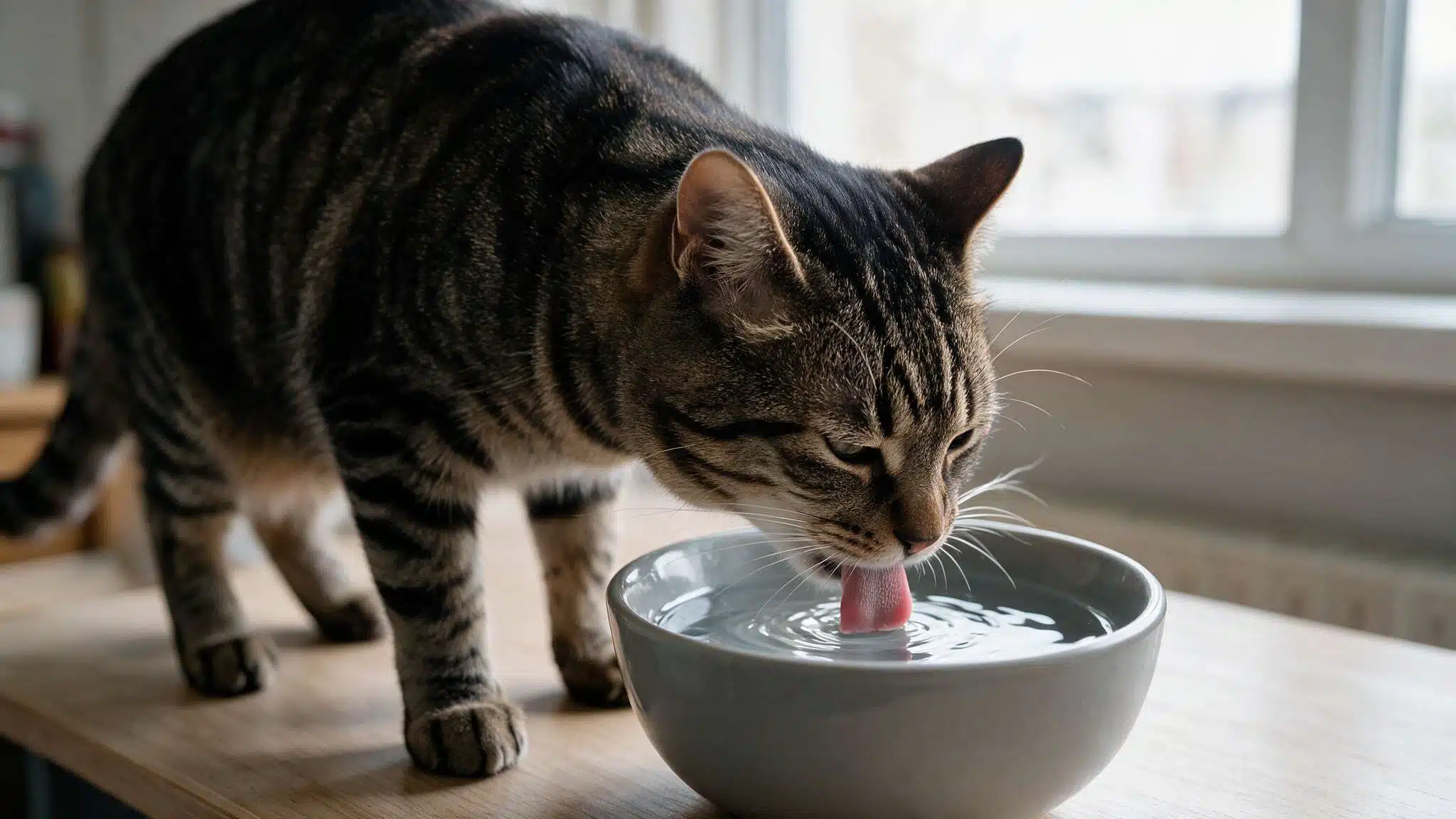
A cat may drink less for many reasons, and it is not always just stubborn behavior. Sometimes the problem is the bowl, the home setup, or an illness.
- Dirty water bowl: Cats may avoid water that smells stale, has food bits, or has a slimy layer inside. Even a slight change in smell can cause some cats to stop drinking normally.
- Water too close to food or litter: Some cats do not like drinking near food or the litter box. The area may feel dirty, busy, or unsafe, so they may avoid the bowl.
- Stress: Moving homes, new pets, loud sounds, visitors, or routine changes can make a cat hide more. A stressed cat may eat and drink less than usual.
- Dental pain: Sore teeth, gum swelling, mouth ulcers, or jaw pain can make drinking uncomfortable. The cat may approach the bowl but leave without drinking much.
- Kidney issues: Kidney problems can affect thirst, urination, appetite, and energy. Some cats may drink more at first, then drink less when they feel very unwell.
- Fever: A fever can make a cat tired, quiet, and less interested in normal habits. It may sleep more, hide, and avoid both food and water.
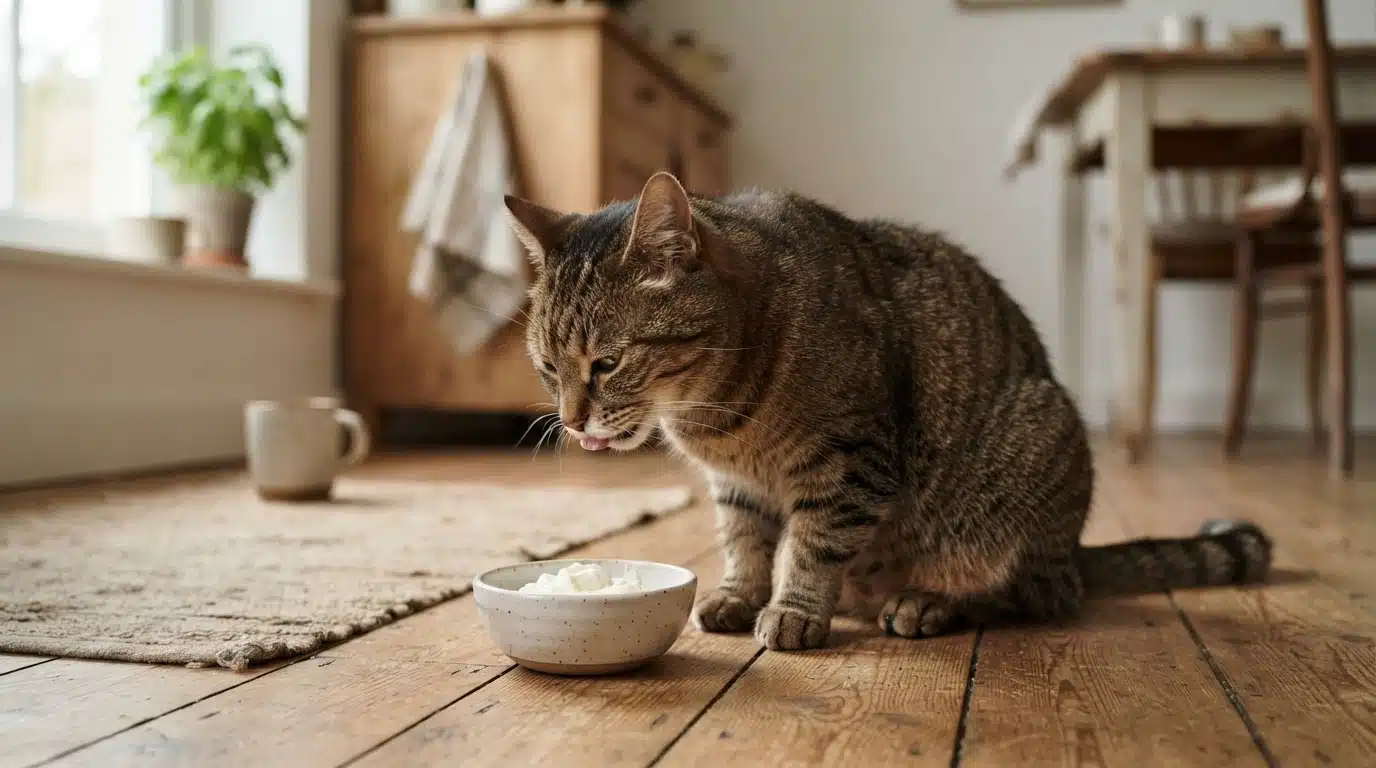
- Nausea: A nauseous cat may turn away from water, drool, lick its lips, or sit near the bowl without drinking. This often needs vet attention.
If the change in drinking lasts more than a day or is accompanied by other symptoms, it is safer to call a vet.
When to Call the Vet Immediately
Some signs should not be handled with a wait-and-see approach because dehydration can move fast in cats.
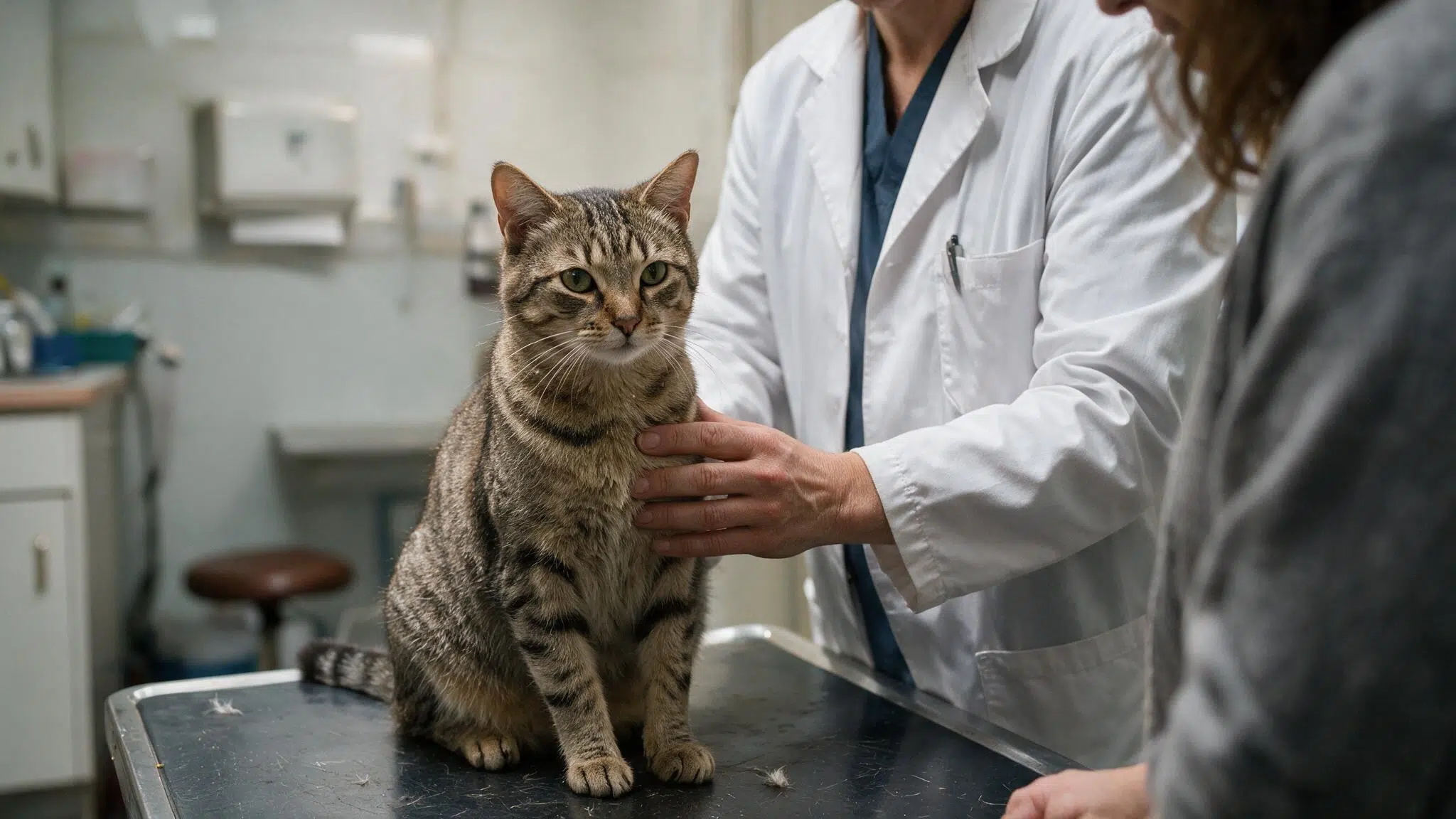
Call your vet right away if your cat has not had any water for 24 hours or more, especially if it is also refusing food.
When a cat is not eating or drinking, the body can weaken quickly, and the risk is higher for kittens, senior cats, and cats with health problems.
Vomiting or diarrhea can make dehydration worse because the body is losing fluids faster than it can replace them.
You should also seek urgent help if your cat seems very weak, dull, unresponsive, wobbly, or unable to stand normally.
This Section is for Informational Purposes only and Does Not Constitute Medical Advice. Consult a Qualified Veterinarian Before Making Any Decisions About Your Cat’s Health.
How to Encourage Your Cat to Drink More Water?
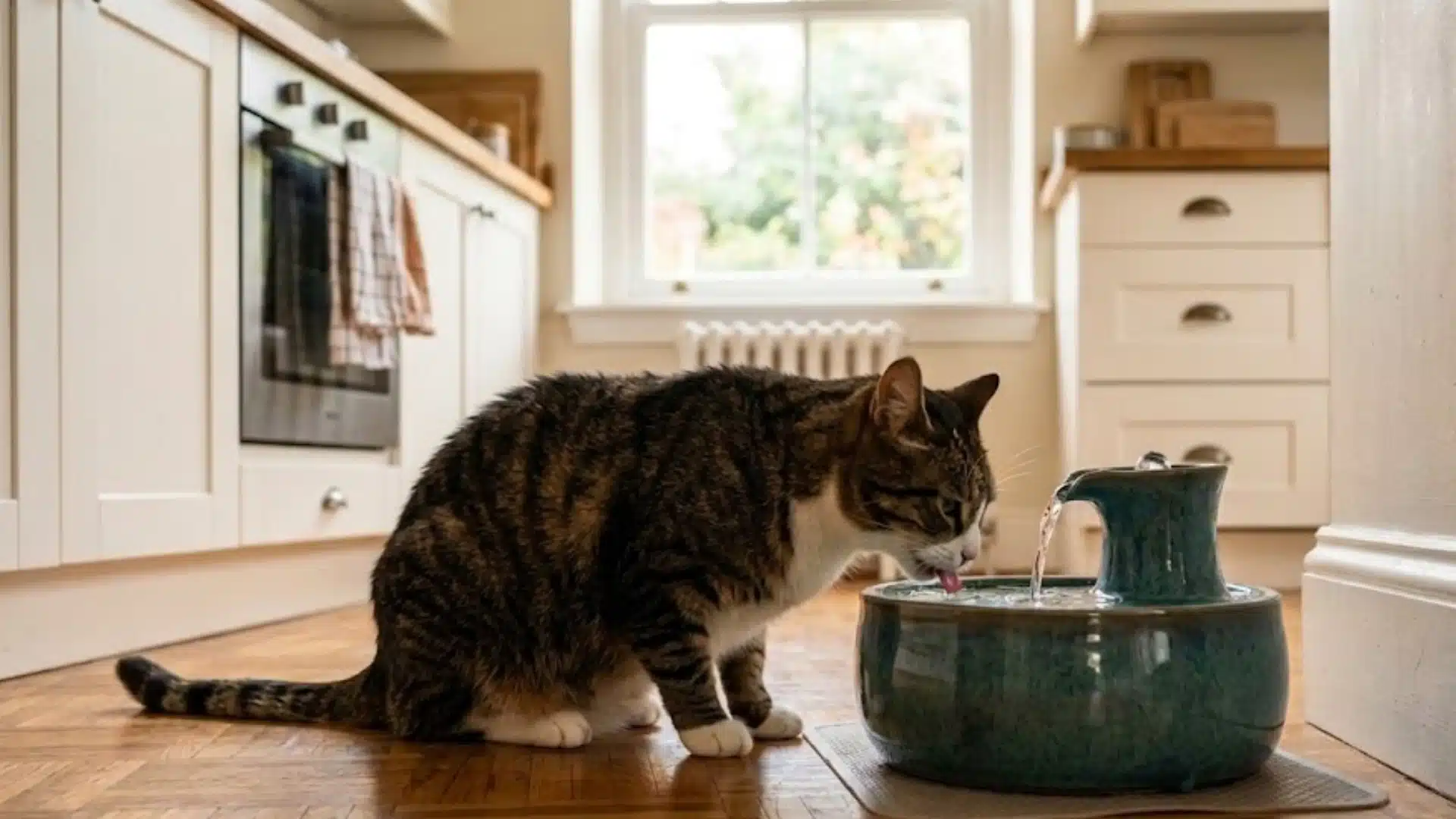
A few small changes tend to make a real difference for cats who are drinking less than they should.
- Keep one extra water bowl in another room and place water away from food and the litter box.
- Try a cat water fountain if your cat ignores still water, and consider adding an ice cube if your cat prefers cooler water.
- Mix a little water into wet food or use wet food part-time if your cat drinks less.
- Wash bowls every day to keep the water fresh, and you can add a small splash of low-sodium chicken broth for added flavor.
These tips may not work for every cat, so test what your cat prefers. The 24-hour and 2- to 3-day limits are only general guidelines, as kittens, senior cats, or sick cats can become dehydrated more quickly.
Conclusion
The honest answer to how long cats can go without water is not the same for every cat.
The 24-hour and 2- to 3-day windows are only rough guides, not safe rules to test. Kittens, senior cats, and cats with kidney disease or other health problems can become dehydrated much faster.
Water intake matters, but it is not the only thing to watch. Check your cat’s gums, energy level, appetite, and litter box habits too.
If your cat seems weak, hides more than usual, stops peeing, or looks unwell, do not wait for a certain number of hours to pass.
When something feels off, a same-day call to your vet is usually the safer choice.
Frequently Asked Questions
Can a Cat Survive Overnight without Water?
Yes, one night without water usually isn’t dangerous for a healthy adult cat. Keep an eye on them the next day and refill the bowl as soon as you notice it’s empty.
Does Wet Food Count as Water Intake?
Yes. Wet food can be up to 80 percent water, which is why cats on a wet food diet often drink less from the bowl and still stay well hydrated.
Why is My Cat Drinking a Lot More Water than Usual?
Increased thirst can signal diabetes, kidney disease, or hyperthyroidism. A sudden jump in water intake is worth mentioning to your vet even if your cat otherwise seems fine.