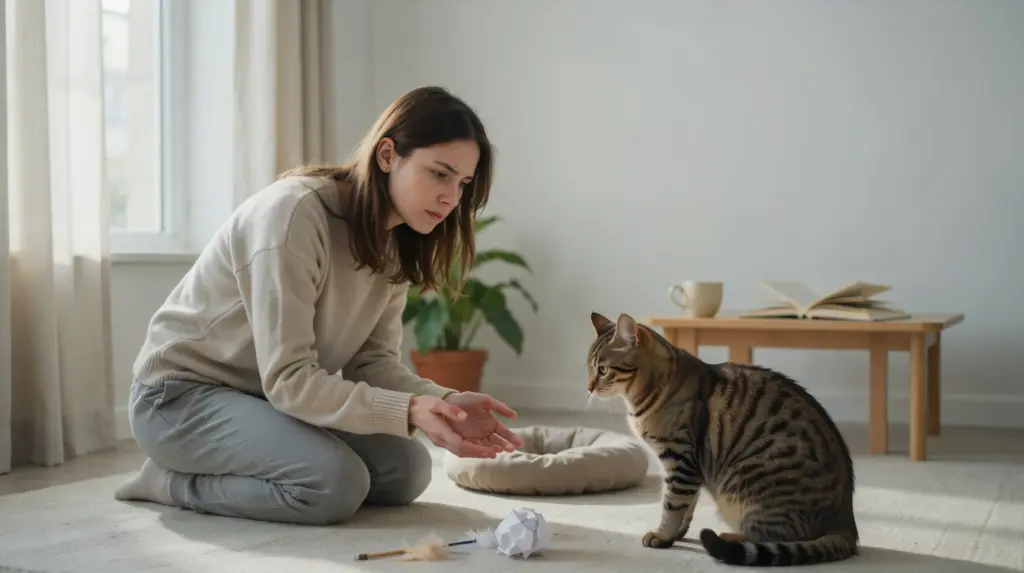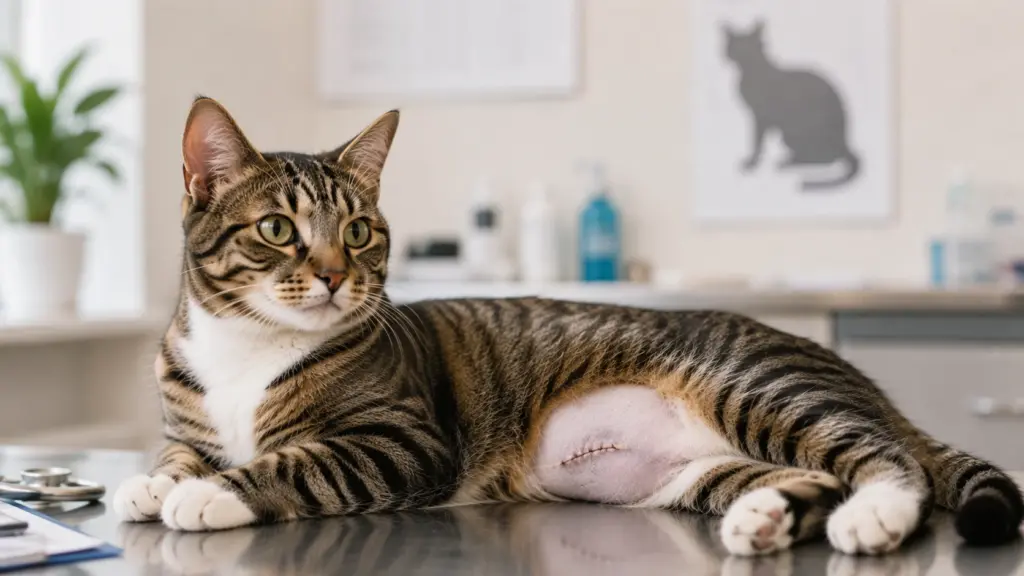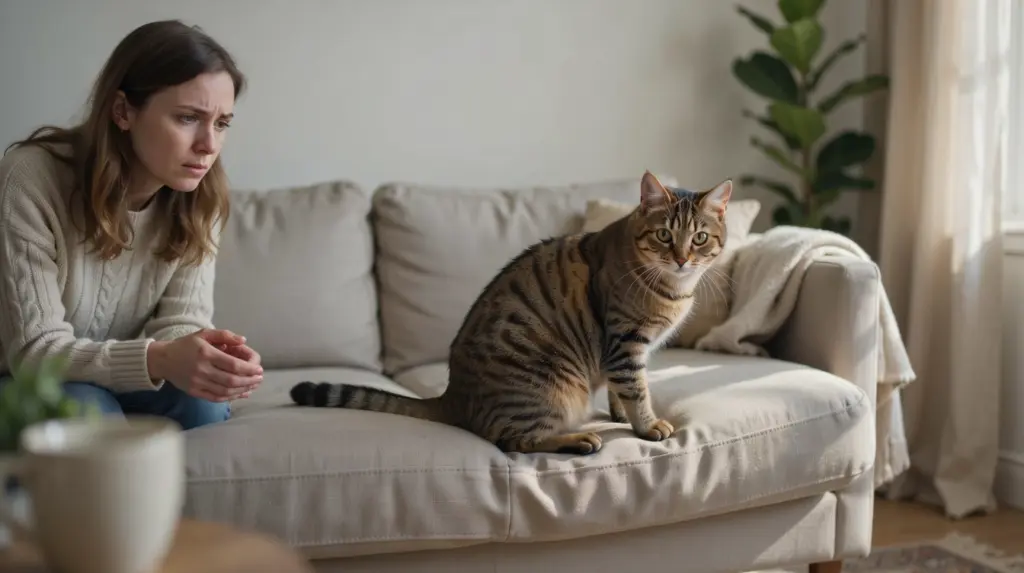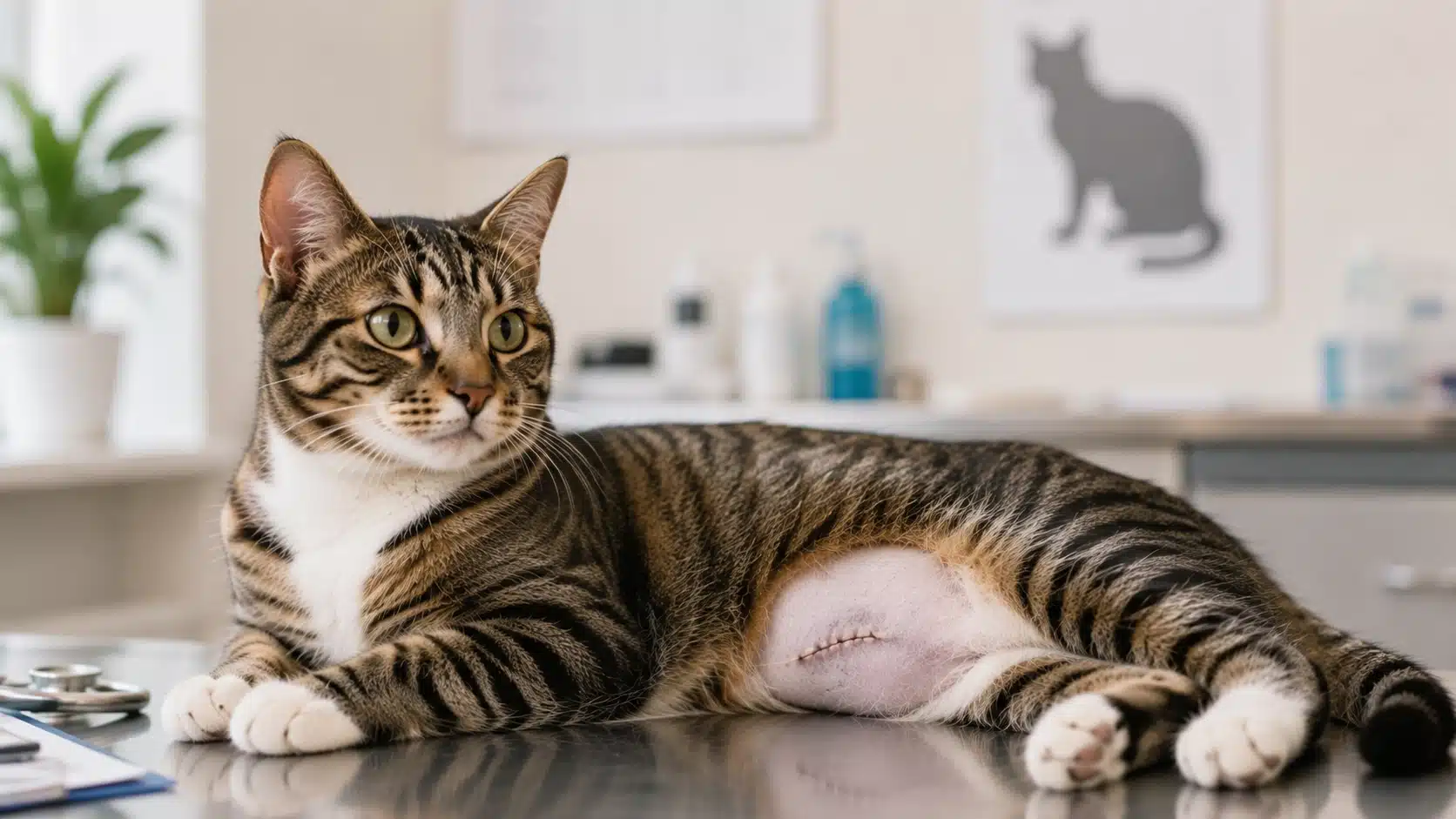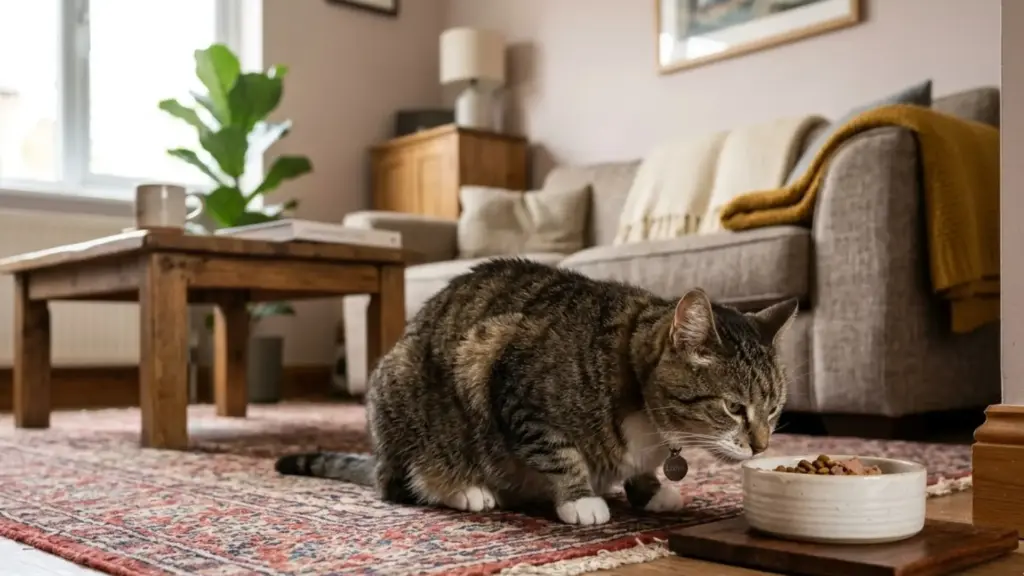
If your older cat has started turning its nose up at meals it once devoured, you are not alone, and in most cases, you are not doing anything wrong.
Reduced appetite in senior cats is one of the top three reasons owners bring cats into my clinic. In the majority of those visits, the fix is not a prescription; it is a smarter food choice.
Look for wet food with high-quality animal protein, controlled phosphorus, and no corn or soy fillers.
Brands like Purina Pro Plan Senior, Royal Canin Aging 12+, and Hill’s Science Diet Senior consistently perform well in clinical settings and owner reports.
This guide covers what nutrients actually matter, how to read a label, which brands are worth the price, and when food alone is not the answer.
Why Food for Older Cats Needs to Change With Age?
Cats are typically considered senior between 11 and 14 years of age, with geriatric cats being 15 years and older. Some signs of aging can appear earlier, depending on breed and overall health.
At this stage, the need for the right food for older cats becomes even more important, as the body begins to change in noticeable ways.
I have treated cats well into their late teens, and the ones that age most gracefully almost always share one thing in common: their owners switched to a senior-appropriate diet before problems became visible.
Many older cats experience gradual weight loss due to reduced muscle mass, while others may gain weight from lower activity levels.
Because of these shifts, food for older cats should focus on easy digestion, balanced nutrition, and support for aging bodies.
Adjusting diet at the right time helps maintain energy levels, supports joint health, and keeps daily routines smooth and comfortable for senior cats.
What Nutrients Matter Most in Food for Older Cats?
There is a persistent myth that senior cats should eat low-protein diets to protect their kidneys. This is not accurate for healthy cats.
Unless your cat has a confirmed diagnosis of kidney disease, reducing protein can actually accelerate muscle loss and weaken immune function.
Healthy senior cats need more digestible protein than younger adults, not less; precisely because their ability to metabolize and absorb protein declines with age.
- The idea that senior cats need low-protein diets is a myth for healthy cats
- Reducing protein without a medical need can lead to muscle loss and weaker immunity
- Healthy senior cats require highly digestible protein to maintain muscle and strength
- Omega-3 fatty acids support joint health and reduce stiffness
- Antioxidants help strengthen the immune system and support overall vitality
- Moisture-rich food helps maintain hydration and supports organ function
- Vitamin E, Vitamin C, and Vitamin B-complex support immunity, energy levels, and cognitive health
- A balanced combination of protein, healthy fats, vitamins, and moisture supports comfort and daily well-being in older cats
How to Read a Senior Cat Food Label?
Most cat owners skip the label entirely. That is where the most important information lives. When evaluating food for older cats, check for these specifically:
- The first ingredient should be a named animal protein (chicken, turkey, salmon), not a by-product meal or a grain
- Look for “complete and balanced” language and an AAFCO statement for adult maintenance or all life stages
- Moisture content above 70% in wet food is a reliable benchmark for hydration support
Phosphorus should not appear high on the ingredient list if your cat is over 12 or has any kidney history - Avoid foods where corn, soy, or wheat appear in the top five ingredients
- Some “All Life Stages” foods meet senior nutritional minimums, but dedicated senior formulas are more reliably calibrated for aging needs
Opinions on Food for Senior Cats
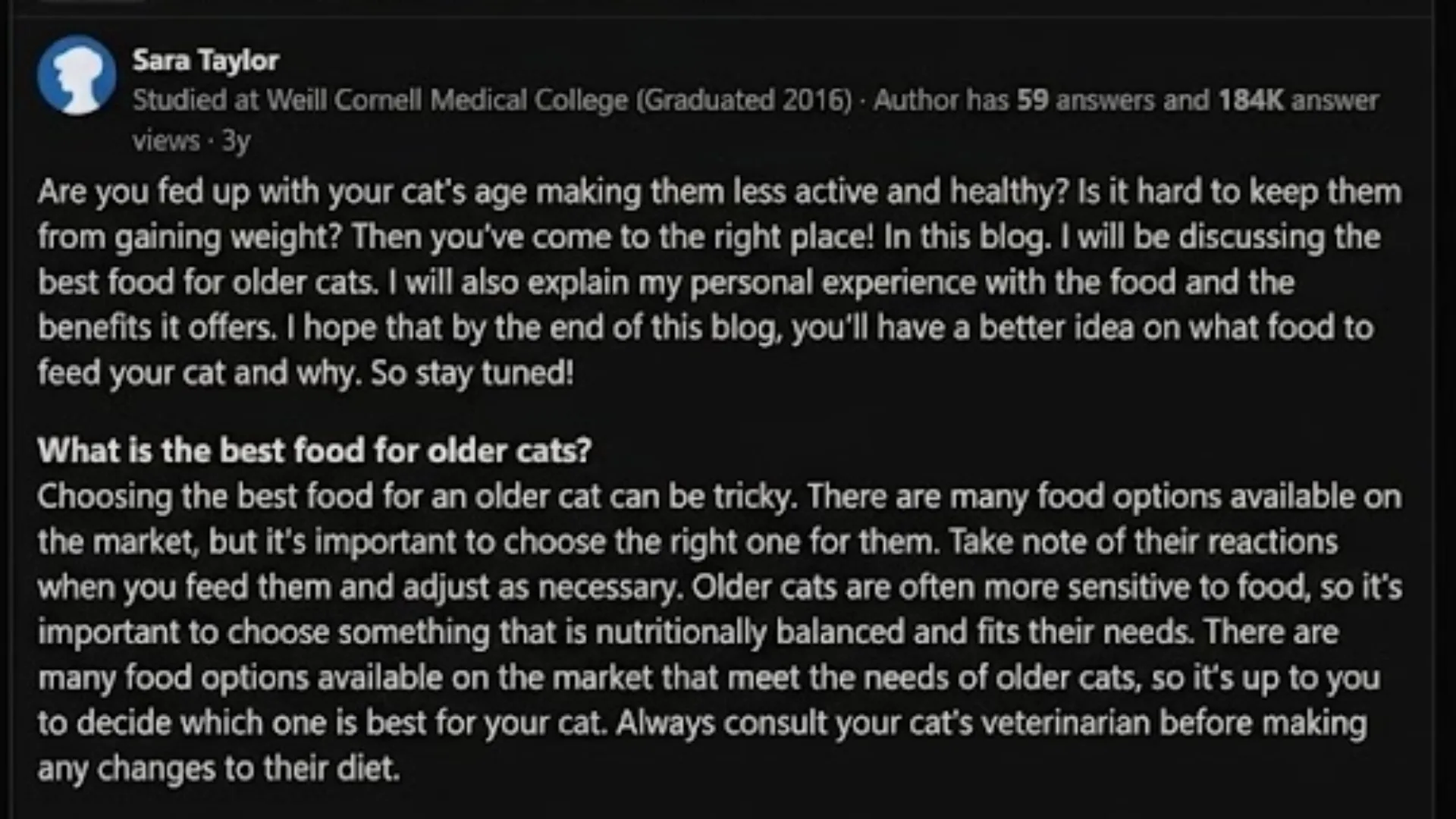
From real experiences shared by cat owners on Quora, one thing stands out clearly: older cats need food that is easy to eat and gentle on the stomach.
Many people noticed that wet food works better, especially for cats who struggle with dry kibble or have dental issues.
Some even mentioned prescription options, such as Hill’s I/D, which helped maintain weight and improve digestion.
Another common pattern is feeding small portions multiple times a day. This approach keeps energy levels stable without overwhelming the cat.
Taste also plays a big role, and even the healthiest food means nothing if the cat refuses to eat it.
In a cat owner’s advice, the best approach is simple: focus on soft, nutritious food, watch your cat’s response closely, and always involve a vet when appetite drops suddenly.
Popular Food for Older Cats
Popular foods for older cats include trusted brands such as Purina, Royal Canin, and Blue Buffalo. These options are preferred for their balanced nutrition, easy digestion, and support for joint and overall health in senior cats.
1. Purina Cat Food
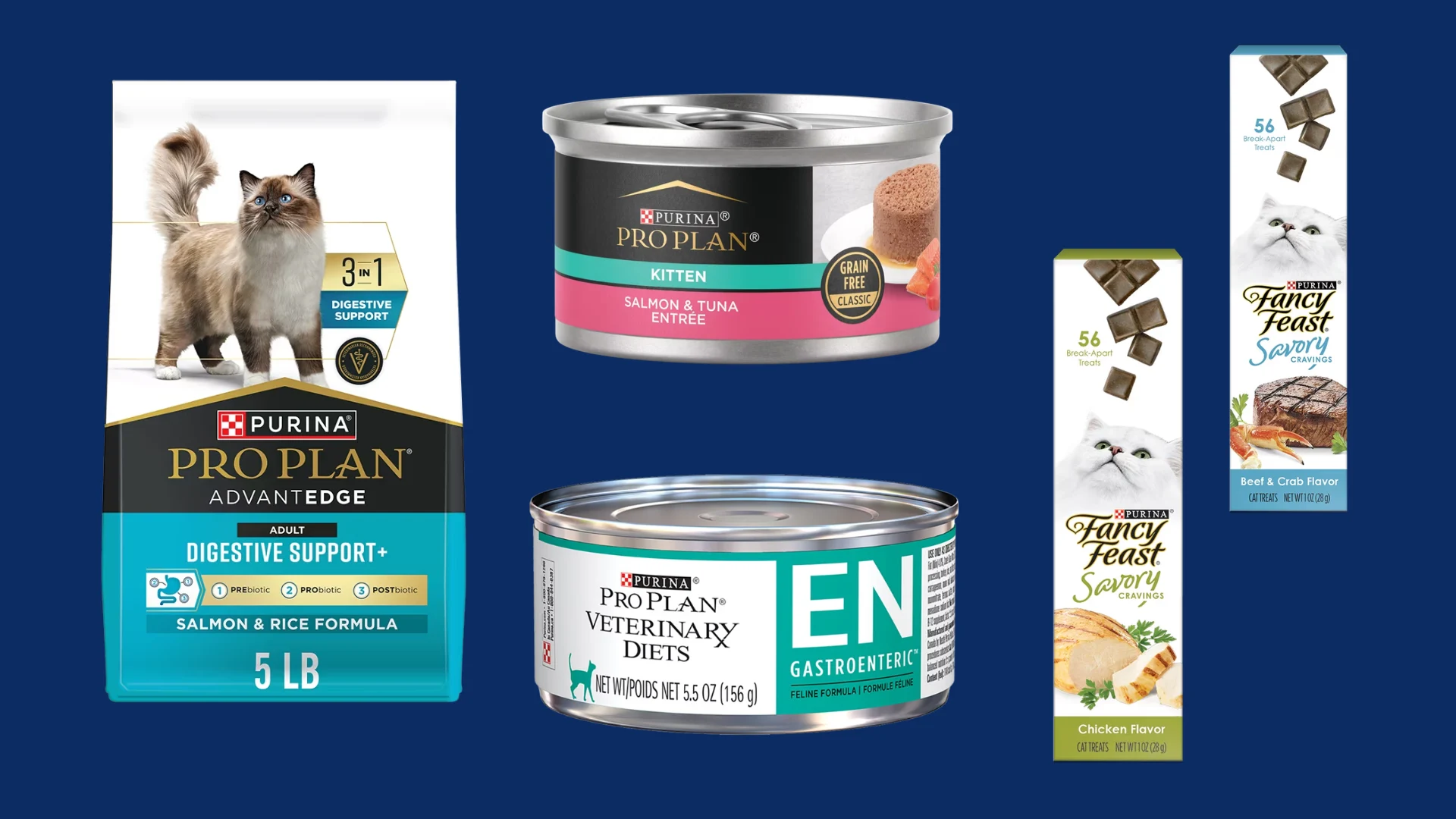
Purina cat food is one of the most widely trusted options among pet owners, offering a range of formulas specifically designed for senior cats to support their aging needs.
It contains real meat for protein, helping maintain muscle health in senior cats.
The formula includes essential vitamins and antioxidants to support immunity and overall well-being.
These products include real meat and high-quality protein to help maintain muscle strength, along with essential nutrients such as taurine, antioxidants, and vitamin E to support immunity.
As reliable food for senior cats, many options offer higher moisture content to support hydration & balanced nutrition helps manage common issues such as joint stiffness and digestive sensitivity in older cats.
- Price: $15–$65 USD (dry food bags) and $20–$65 (wet food packs)
- Best for: It supports aging needs, such as immune health, kidney function, and mobility, with a high protein content (up to 42%).
2. Royal Canin Cat Food
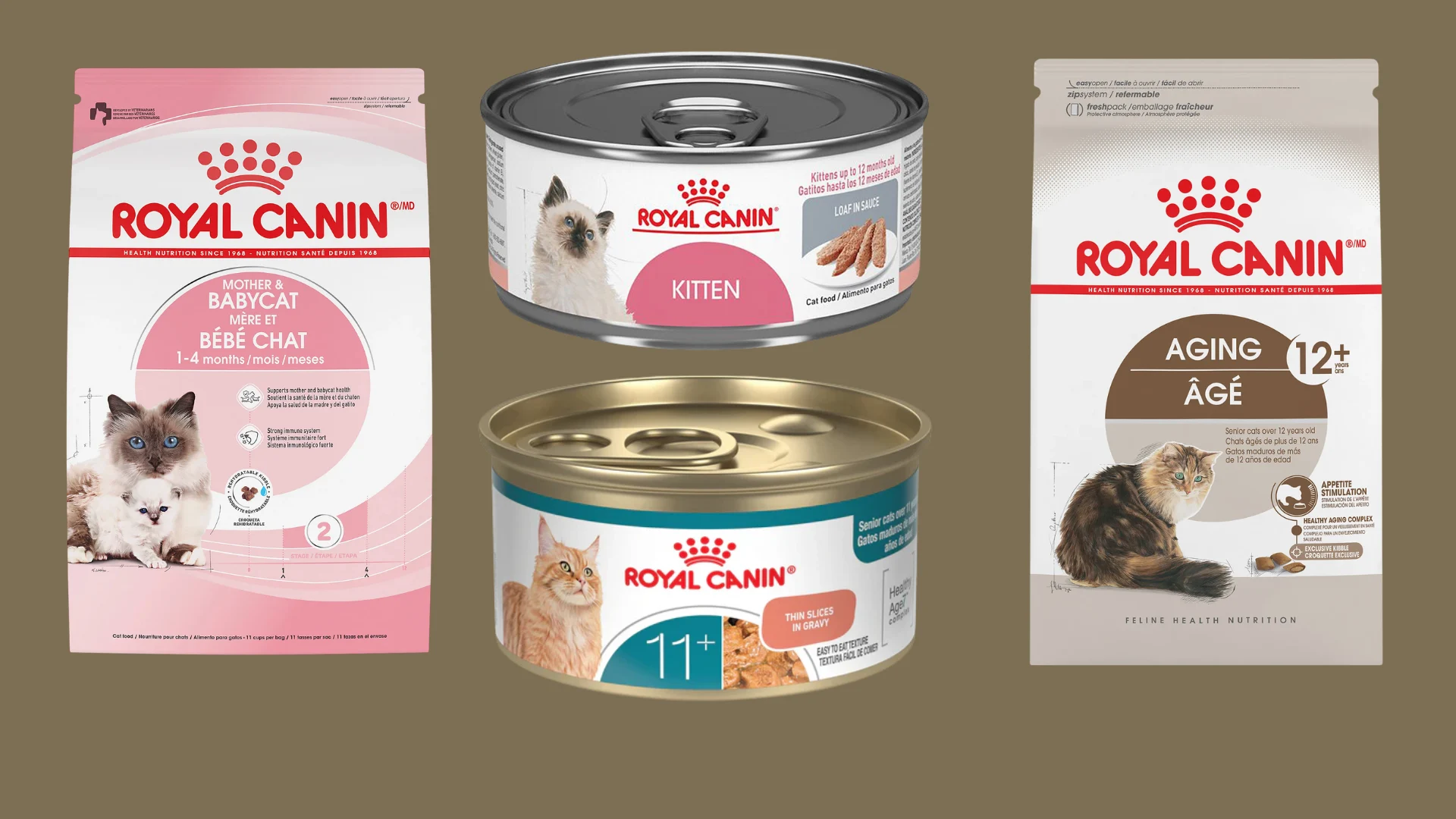
Royal Canin is a premium brand known for its science-based formulas, and it stands out as a reliable food for senior cats due to its targeted nutrition for aging needs.
Royal Canin senior formulas include acids for joint support, controlled phosphorus for kidney health, and a precise mix of proteins, fats, and carbohydrates for healthy aging.
Ageing 12+ is designed for cats aged 12+. This wet food (thin slices in gravy) supports healthy joints with high levels of Omega-3 fatty acids, such as EPA and DHA, while an adapted phosphorus level supports kidney function.
The soft texture also makes it easier for older cats to chew and digest, while the moisture content helps with hydration.
These benefits make it a strong choice for maintaining comfort, mobility, and long-term health in senior cats.
- Price: Dry Kibble (3-15 lbs) $25–$68 & Wet ($53-$74)
- Best for: Cats aged 12+ dealing with joint stiffness or early kidney concerns. The thin-slice gravy texture is particularly effective for cats that have become reluctant chewers.
3. Blue Buffalo
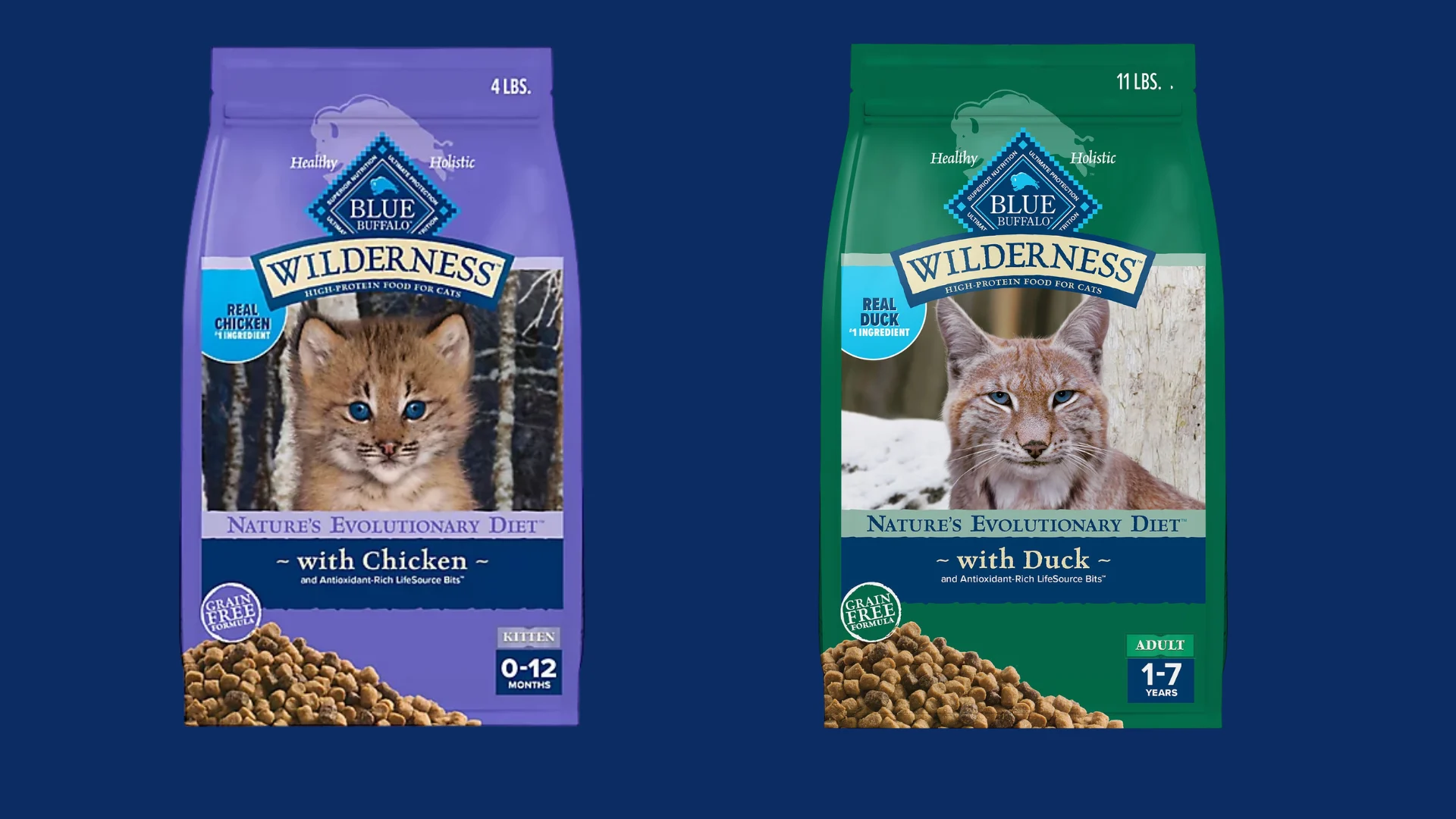
Blue Buffalo cat food is known for using natural ingredients and high-quality protein, making it a strong option for pet owners looking for reliable food for senior cats.
Many of its senior formulas feature real chicken or fish as the first ingredient, which helps support muscle maintenance as cats age.
Another key benefit is the absence of by-product meals, corn, wheat, or soy, making digestion easier for sensitive stomachs.
The brand also adds vitamins and minerals to strengthen immunity, while moisture-rich wet options help improve hydration.
Overall, Blue Buffalo offers balanced nutrition that supports energy, digestion, and comfort, making it a suitable choice for senior cats.
- Price: Dry Kibble($20–$46), Wet Food ($18–$35)
- Best for: This formula supports joint health with glucosamine and chondroitin, and supports lean muscle with real chicken as the first ingredient.
4. Farmina N&D Prime Cat Food
.webp)
Farmina N&D Prime cat food is known for its high-quality, grain-free formulas that focus on natural nutrition, making it a strong option as food for senior cats.
One of its key benefits is the extremely high animal protein content, with up to 98% coming from animal sources, which helps older cats maintain muscle mass and strength as they age.
The inclusion of omega fatty acids supports joint health and mobility, which is especially helpful for senior cats dealing with stiffness
Natural ingredients like fruits and antioxidants further boost immunity, helping older cats stay active and healthy. As it is grain-free and low in carbohydrates, it is also easier to digest.
These combined benefits make Farmina N&D Prime a well-rounded food for senior cats, supporting energy, digestion, and overall comfort.
Price: Smaller ($50–$70), and larger ($90–$120)
Best for: It excels for cats needing high animal protein (98% from sources like chicken), a low glycemic index to prevent obesity/diabetes, and support for digestion and immunity.
5. Wellness Pet food
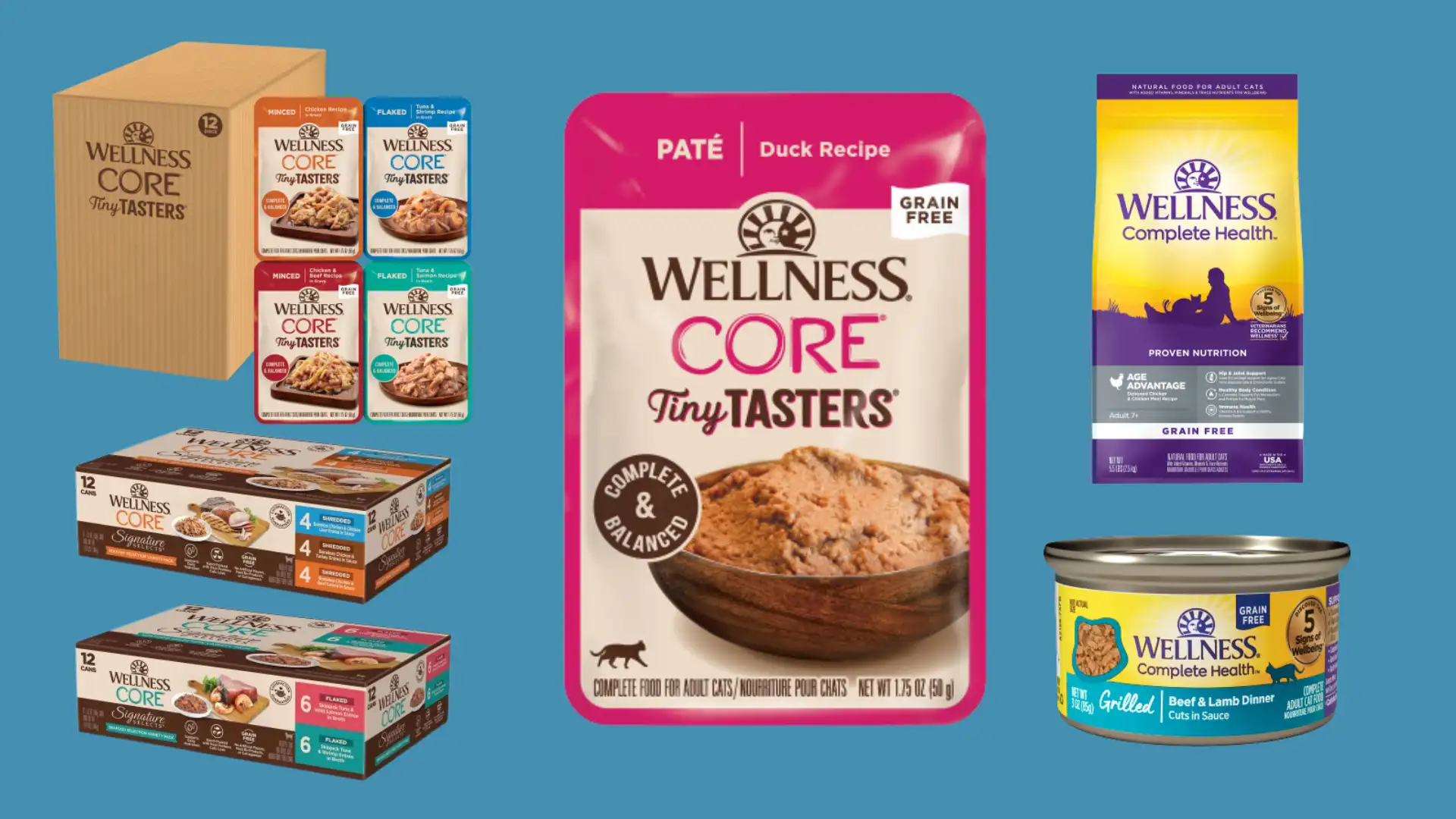
Wellness pet food products are premium, natural formulations specifically engineered to address the unique physiological changes of aging felines, making them exceptionally useful for senior cats (typically 7+ years).
These products benefit senior cats by incorporating the WellFlex System, which blends glucosamine and chondroitin to support healthy hips and joints and help combat age-related stiffness and arthritis.
Providing easily digestible, high-quality proteins like deboned chicken and turkey to preserve lean muscle mass without excess calories that could lead to obesity.
Furthermore, Wellness formulas are enriched with antioxidants (vitamins E and C) to bolster the aging immune system, and optimized fiber levels to aid slowing metabolism, ensuring older cats remain vibrant and comfortable.
Wet vs Dry Food for Older Cats: What Cat Owners Prefer?
Choosing between wet and dry food for older cats depends on health needs, eating habits, and convenience. Wet food is often preferred for its high moisture content, softer texture, and better palatability, making it ideal for hydration and picky or dental-sensitive cats.
| Factor | Wet Food | Dry Food |
|---|---|---|
| Moisture Content | High moisture helps with hydration and kidney support | Low moisture requires extra water intake |
| Ease of Eating | Soft texture, easier for cats with dental issues | Hard texture, may be difficult for older cats to chew |
| Palatability | Strong smell and taste, often preferred by picky eaters | Less aroma, some cats may lose interest |
| Calorie Density | Lower calories per portion, may need larger servings | Higher calorie density in smaller portions |
| Nutrient Absorption | Easier digestion and better nutrient uptake | Slower digestion in some older cats |
| Dental Impact | Does not support dental cleaning | Crunch may help reduce plaque slightly |
| Storage & Cost | More expensive and requires refrigeration after opening | More affordable and easier to store |
| Best For | Hydration, picky eaters, and cats with health concerns | Convenience and controlled portion feeding |
What Human Foods Can Older Cats Eat Safely?
When choosing the right food for an older cat, some owners also consider adding small amounts of safe human foods to support variety and nutrition.
Wet food remains highly beneficial for senior cats because of its soft texture and high moisture content, which helps with hydration and easier digestion. Alongside regular meals.
These can provide fiber and mild nutritional support, but they should always be given in moderation and prepared without seasoning.
It is important to avoid harmful foods when feeding an older cat, as some human foods can be toxic.
Foods like onion, garlic, chocolate, grapes, and anything heavily processed. should never be given. In many cases, especially for cats with health conditions such as kidney issues or sensitive digestion.
It’s best to stick to cat food specifically formulated for senior needs. A consistent diet ensures balanced nutrition and helps maintain stability in an older cat’s health and daily routine.
Common Feeding Problems With Older Cats
Changes in appetite, digestion, and dental health can affect how and what a senior cat eats. Recognizing these common issues early makes it easier to manage them with the right food choices and feeding habits.
- Loss of appetite: Older cats may eat less due to reduced smell or health issues. Try warming meals or switching to softer, more appealing options to increase interest.
- Weight loss or weight gain: Aging cats can easily lose muscle or gain fat. Choose balanced food for older cat formulas with proper protein and calorie control.
- Difficulty chewing food: Dental issues can make dry food hard to eat. Wet or softened food for older cat diets can make feeding more comfortable.
- Digestive problems (vomiting or sensitivity): Sensitive stomachs are common. Easily digestible, simple-ingredient cat food products can help reduce issues.
- Dehydration: Many senior cats drink less water. Adding moisture-rich food to older cat meals supports better hydration.
- Picky eating habits: Older cats can become selective. Rotating flavors within suitable food options can keep older cats interested.
Digestive upset, including vomiting after meals, is worth addressing separately. Understanding why cats vomit after eating can help you determine whether the issue is food-related or a sign of something that needs veterinary attention.
Best Types of Food for Older Cats
Many cat owners find that soft pate and gravy-based options work best for older cats, especially those with dental issues or reduced appetite.
These textures are easier to chew and more appealing, helping senior cats eat comfortably and consistently without stress during mealtime.
Fresh and subscription-based meals are also gaining attention as food for older cats, offering minimally processed ingredients and balanced nutrition delivered regularly.
For underweight cats, high-protein formulas help maintain muscle and improve energy levels over time.
At the same time, limited-ingredient diets are often chosen for cats with sensitive stomachs. They help reduce digestive issues and provide gentle, easy-to-absorb nutrition.
Feeding Tips That Actually Work for Senior Cats
Caring for a senior cat often means adjusting feeding habits to match changing needs. Appetite, digestion, and comfort all play a role in how well an older cat eats.
- Smaller, more frequent meals: Smaller portions throughout the day to support digestion and energy with the right food for the older cat.
- Warming food to increase appetite: Warm wet food slightly to enhance smell and encourage eating, especially in picky senior cats.
- Bowl placement for comfort: Keep feeding areas quiet and easy to reach & reduce stress and support mobility in older cats.
- Monitoring weight and behavior: Track changes in weight and eating habits to adjust food for the older cat and ensure proper nutrition.
- Transition foods gradually: When switching to a new senior formula, follow a 7 to 10 day transition plan. Mix 25% new food with 75% old food for days 1 to 3, then 50/50 for days 4 to 6, then 75% new for days 7 to 9, then full transition by day 10. Sudden changes can cause vomiting or refusal.
Weight monitoring is one of the most important habits to develop with a senior cat. If you need a starting point for managing your cat’s weight long-term, this guide covers the practical steps in detail.
Conclusion
Feeding a senior cat well is not complicated once you know what to look for, but it does require staying attentive as your cat’s needs shift year to year.
Start with high-moisture, high-protein wet food as your foundation. Monitor weight monthly rather than by eye.
Introduce changes gradually, over 7–10 days. Know the difference between a picky phase and a true appetite problem that warrants a vet visit.
If your cat is 10 or older and hasn’t had a blood panel in the past year, that is the single most important step you can take right now, not a food change.
Early kidney disease, hyperthyroidism, and diabetes are all treatable when caught early, and all of them respond significantly better to intervention when the diet is adjusted before symptoms become visible.
When in doubt: warm the food, raise the bowl, feed smaller portions more often, and call your vet before the situation becomes urgent.
Frequently Asked Questions
How Do I Know if My Cat’s Food is Easily Digestible?
Look for simple ingredients, fewer fillers, and signs like improved stool quality and reduced vomiting.
Can Senior Cats Eat Kitten or Adult Cat Food?
Occasionally, yes, but long-term feeding lacks balanced nutrients needed for aging cats and may worsen health conditions.
Is Grain-Free Food Better for Older Cats?
Grain-free diets can help sensitive digestion, but overall nutrient balance matters more than removing grains.
How Often Should I Change My Senior Cat’s Food?
Avoid frequent changes unless necessary, as consistency helps maintain digestion and reduces stress.
Are Premium Cat Food Brands Worth It for Senior Cats?
Premium brands often offer higher-quality ingredients and targeted nutrition, supporting long-term health in older cats.