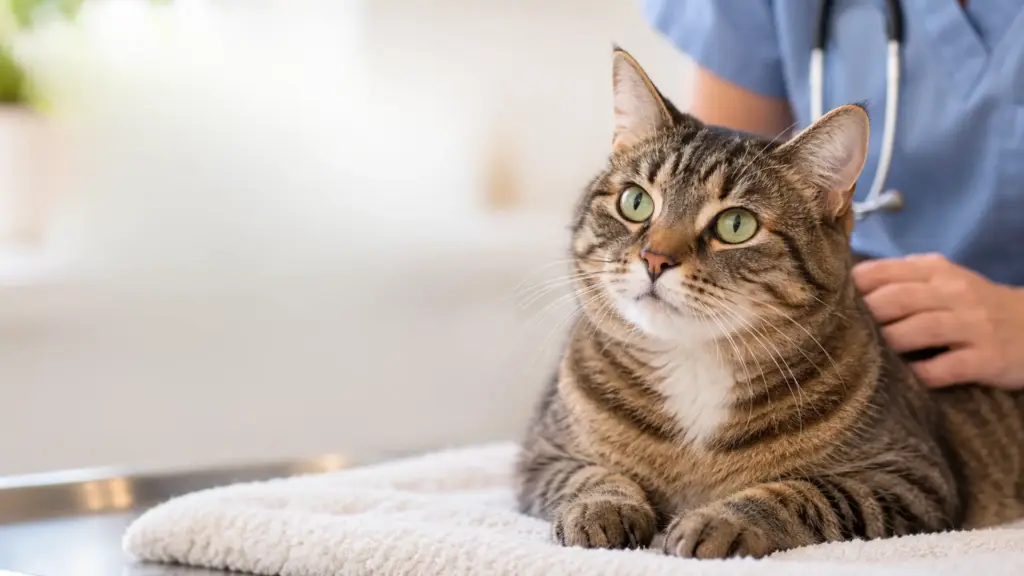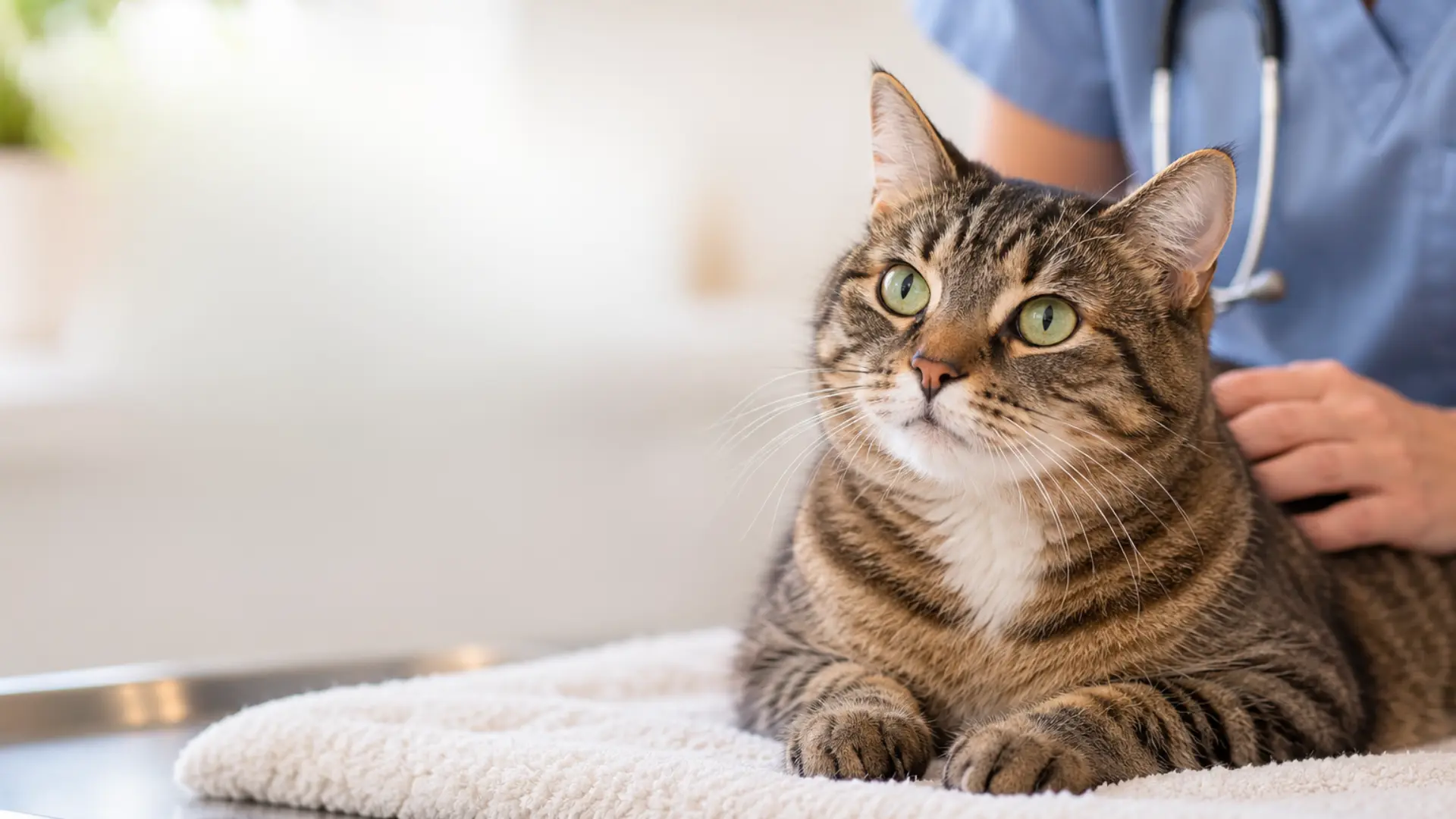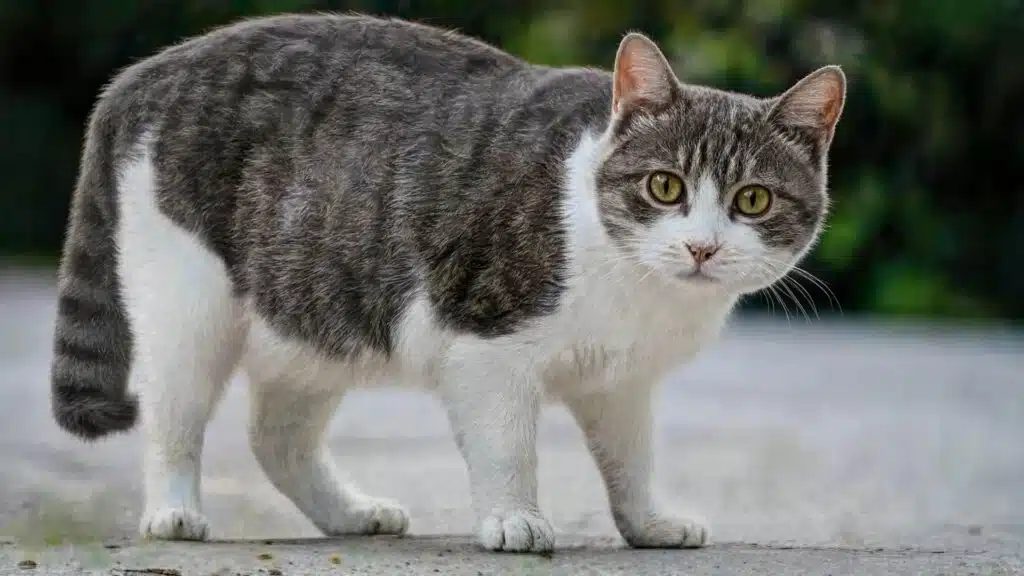
You notice the water bowl is empty again. The litter box is fuller than usual. Your cat is eating well but somehow looks thinner than last month.
Separately, each of these things is easy to brush off. Together, they are your cat’s way of telling you something is wrong.
Diabetes symptoms in cats are often subtle at first, quietly building in the background while life carries on as normal.
By the time most owners connect the dots, the condition has already been progressing for weeks or months.
This blog post walks you through every sign to watch for, what happens at the vet, and exactly what comes next.
What is Diabetes in Cats?
Diabetes mellitus is a condition where a cat’s body either can’t produce enough insulin or can’t use it properly.
Insulin is the hormone that helps cells absorb glucose from the blood for energy.
When that system breaks down, glucose builds up in the bloodstream while the body’s cells starve, triggering a chain of symptoms that become hard to ignore over time.
Most cats develop Type 2 diabetes, where the body resists insulin rather than failing to produce it. It’s the same pattern seen in humans, and it’s closely tied to weight, diet, and age.
Certain cats carry a higher risk. Middle-aged to senior males, overweight indoor cats, and those on high-carbohydrate dry food diets are most commonly diagnosed.
The Classic Diabetes Symptoms in Cats
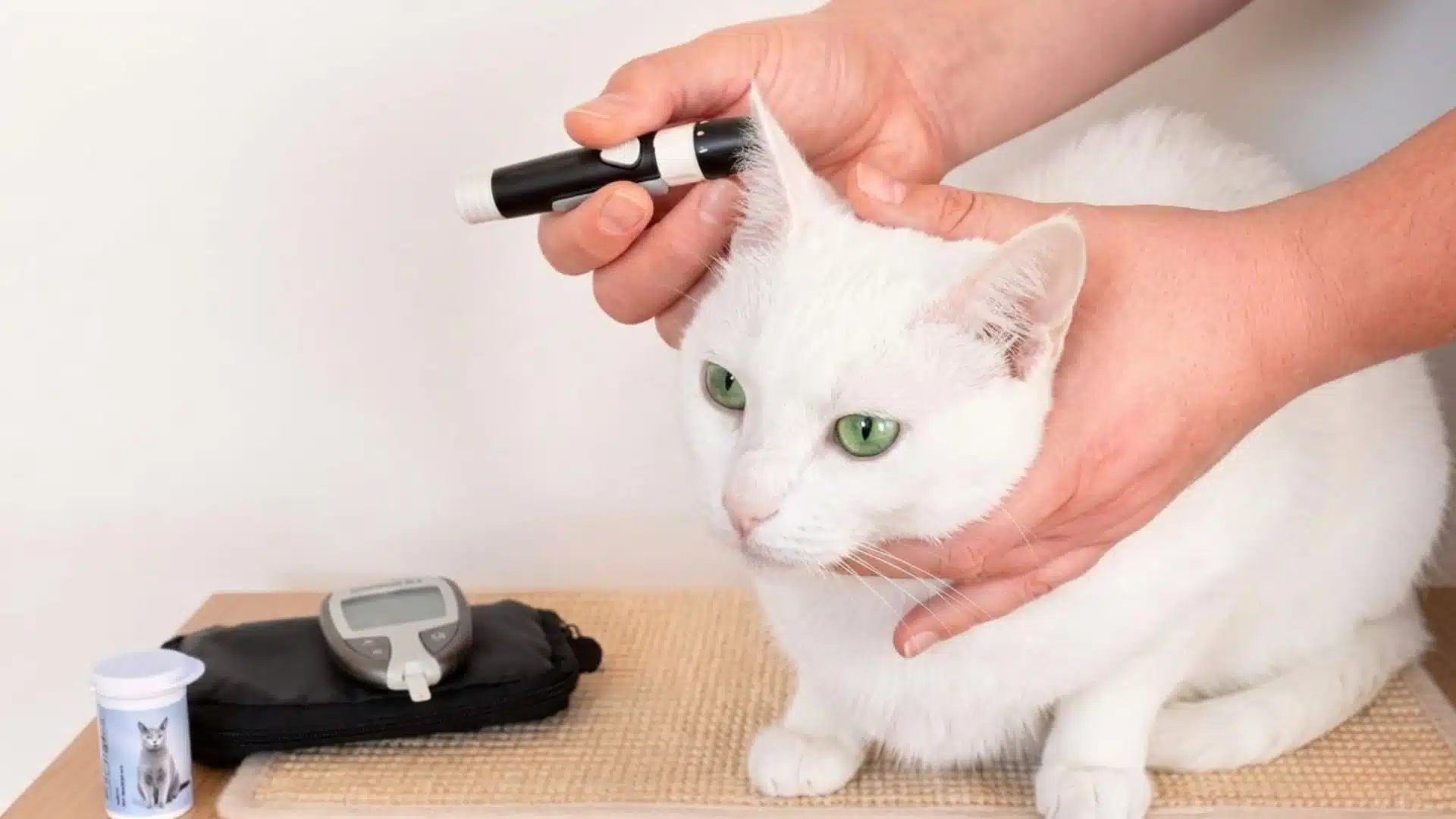
Cats are natural at hiding discomfort, which makes spotting diabetes trickier than it sounds. These are the signs worth watching closely, because catching them early can change everything for your cat.
1. Increased Thirst and Urination
One of the first things cat parents notice is a water bowl that empties faster than usual.
When blood sugar rises too high, the kidneys work overtime to flush excess glucose from the body through urine.
That process pulls large amounts of water along, leaving your cat dehydrated and constantly thirsty. A litter box that fills up faster than normal is often the earliest clue.
2. Weight Loss Despite a Healthy Appetite
A diabetic cat may eat more than usual and still lose weight steadily.
Because the cells can’t absorb glucose properly, the body breaks down fat and muscle for energy instead, and the brain reads that energy shortage as hunger.
You might notice your cat’s spine or hip bones becoming more prominent even though the food bowl empties faster than ever.
3. Lethargy and Loss of Interest in Play
Glucose is the body’s primary energy source.
When cells are starved of it, cats become visibly tired and withdrawn. A cat that once greeted you at the door or chased toys may spend most of the day sleeping or sitting still.
I see this in clinic regularly, and it is often the symptom that finally brings owners in.
4. Coat and Grooming Changes
Diabetic cats frequently develop a dull, unkempt coat.
Low energy makes regular grooming feel like too much effort, and poor glucose metabolism directly affects skin and fur health.
What starts as slightly less shine can progress to a visibly matted, rough coat that looks nothing like your cat’s usual self.
In some cases, it connects to broader health shifts beneath the surface, similar to what you might notice with hair loss in cats due to other underlying conditions.
5. The Plantigrade Stance
In more advanced cases, diabetic neuropathy can affect the nerves in a cat’s hind legs.
The result is a plantigrade stance, where the cat walks flat on its hocks rather than its toes. It looks unusual and can be easy to dismiss as stiffness or aging.
In my experience, owners often notice the change in their cat’s walk weeks before connecting it to a deeper health issue.
The good news is that with proper treatment, this stance frequently resolves over time.
Early vs. Late Symptoms: Why Timing Matters
Diabetes in cats develops gradually, and early signs are easy to dismiss as normal aging or seasonal behavior changes. Catching it in the early stage makes treatment more effective and remission far more likely.
| Stage | Symptoms | What It Means |
|---|---|---|
| Early | Increased thirst, frequent urination, subtle weight loss | Glucose dysregulation is beginning, a good window for intervention |
| Mid | Noticeable weight loss, lethargy, coat changes, increased appetite | Cells are actively starving, and the body is breaking down fat and muscle |
| Late | Vomiting, complete loss of appetite, weakness, plantigrade stance | Possible diabetic ketoacidosis requires urgent veterinary care |
If your cat is showing any late-stage signs, do not wait for a scheduled appointment. A cat throwing up yellow liquid, along with lethargy and loss of appetite, needs same-day veterinary attention.
When to See a Vet
Some symptoms can wait for a routine appointment. Others cannot. If your cat is showing more than one sign from the list above, scheduling a vet visit within the week is the right call.
But certain combinations demand same-day attention. Contact your vet immediately if you notice:
- Vomiting alongside lethargy: This pairing can indicate diabetic ketoacidosis, a life-threatening emergency that needs urgent care.
- Complete refusal to eat: A diabetic cat that stops eating is at serious risk of rapid deterioration.
- Sudden weakness in the hind legs: Rapid-onset plantigrade stance signals advanced neuropathy.
Trust your instincts. Brushing up on signs of common cat illnesses can help you describe your cat’s symptoms more accurately when you call the vet.
How Vets Diagnose Diabetes in Cats
Diagnosing feline diabetes involves more than a single blood test. A vet will begin with a full physical examination and a careful review of the symptoms you have been noticing at home. From there, a combination of tests helps build a complete picture of your cat’s condition.
- Blood glucose test: Measures sugar levels in the blood.
- Fructosamine test: Reflects average glucose over the past two weeks, unaffected by stress spikes.
- Urinalysis: Checks for glucose spilling into the urine.
- Additional bloodwork: Rules out hyperthyroidism, kidney disease, and pancreatitis.
A confirmed diagnosis usually requires consistent clinical signs and persistently elevated glucose levels in both blood and urine. One high reading alone is not enough, since anxious cats can spike temporarily during a vet visit.
Treatment Options for Diabetic Cats
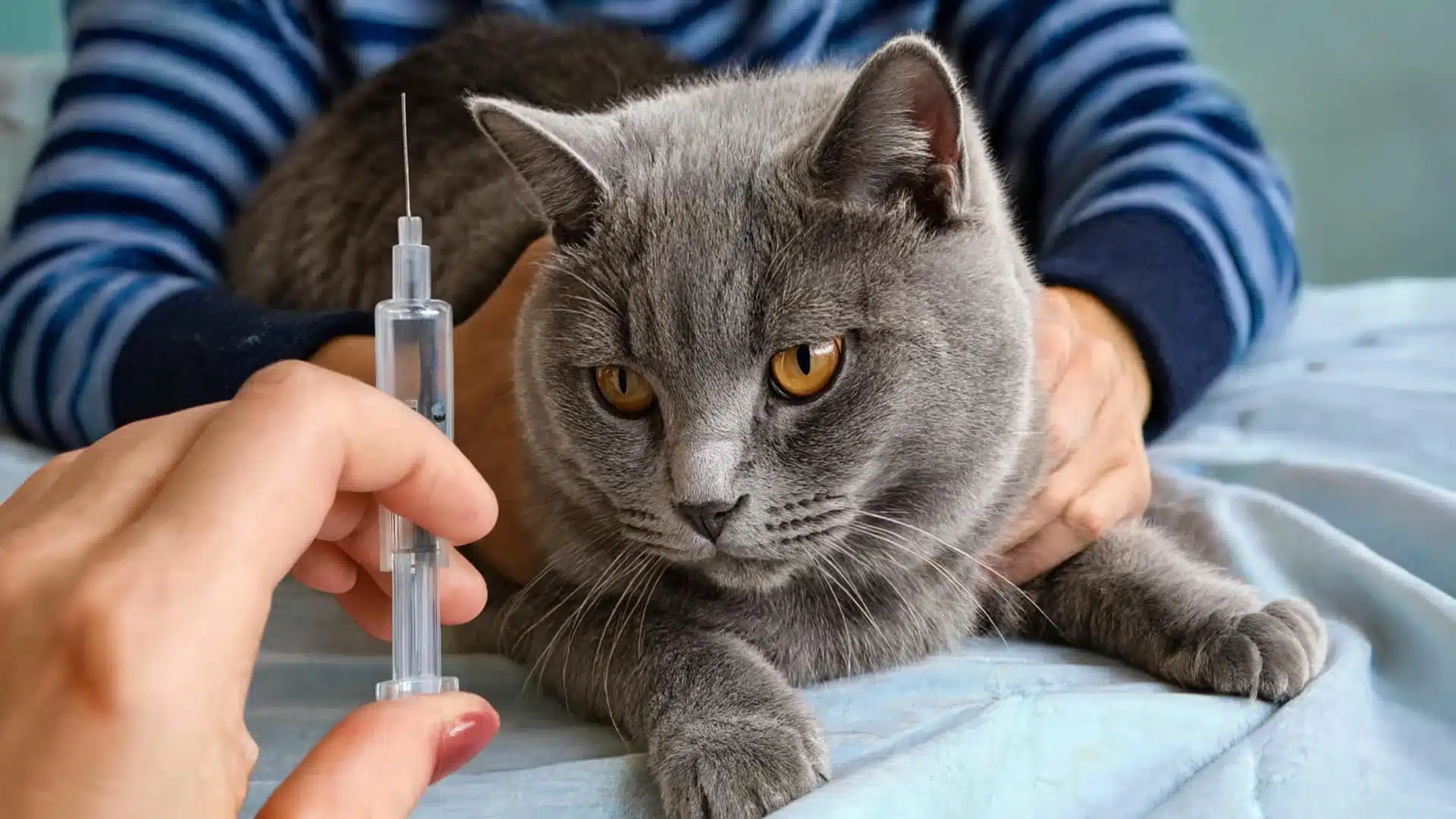
Managing feline diabetes takes a team effort between you and your vet. The good news is that with the right combination of insulin, diet, and monitoring, most cats respond well and live comfortably.
1. Insulin Therapy at Home
Insulin therapy is the foundation of treatment for most diabetic cats.
Your vet will determine the right type and dosage based on your cat’s bloodwork, and most owners learn to administer injections at home with a little practice.
It becomes routine faster than most people expect.
Dosage is adjusted regularly based on monitoring results, and some cats may be candidates for newer oral medications depending on their individual health profile.
2. Changing Diet
Diet is one of the most powerful tools in managing feline diabetes.
Cats are obligate carnivores, and a high-protein, low-carbohydrate diet mirrors what their bodies are built to process.
Wet food contains significantly fewer carbohydrates than most dry kibble and is strongly preferred by diabetic cats.
3. Weight Management and Exercise
Excess weight is one of the leading drivers of insulin resistance in cats.
Helping your cat reach a healthy body condition score directly improves how well their body responds to insulin.
Rapid weight loss should always be avoided as it can trigger hepatic lipidosis, a serious secondary liver condition.
Prognosis for Cats with Diabetes
The prognosis for a diabetic cat depends on how early the condition is found, how well blood sugar is controlled, and whether other health problems are present.
Many cats do very well once treatment is consistent. Some need lifelong insulin and diet management, while others may enter remission, especially when diabetes is caught early and weight is managed safely.
Regular vet checkups matter because insulin needs can change over time.
Cats with complications, such as ketoacidosis or severe nerve weakness, may need more intensive care before they stabilize.
The most important factor is routine. Feeding at set times, giving medication correctly, tracking symptoms, and keeping follow-up appointments can help a diabetic cat stay comfortable for years.
Conclusion
Diabetes can feel overwhelming at first, but many cats live well once the condition is managed properly.
The key is to pay attention when normal habits start to change and to get veterinary help before symptoms become serious.
Understanding diabetes symptoms in cats gives owners a better chance to act early and support their cat with the right care.
Treatment may take time to adjust, but a steady routine can quickly become part of everyday life.
With patience, follow-up visits, and proper guidance, a diabetic cat can still enjoy a comfortable, happy life.
Has your cat ever shown signs that worried you? Share your experience in the comment section below.
Frequently Asked Questions
Can Indoor Cats Get Diabetes?
Yes. Indoor cats are actually at higher risk due to lower activity levels and high-carbohydrate dry food diets. Weight gain from a sedentary lifestyle is a leading trigger.
Is Feline Diabetes Hereditary?
Breed can play a role; Burmese cats carry a notably higher lifetime risk. However, lifestyle factors like diet, weight, and age are the primary drivers for most cats.
Can Diabetic Cats Eat Dry Food?
Some can, but many dry foods are high in carbohydrates. A vet may recommend low-carb wet food to support better blood sugar control.