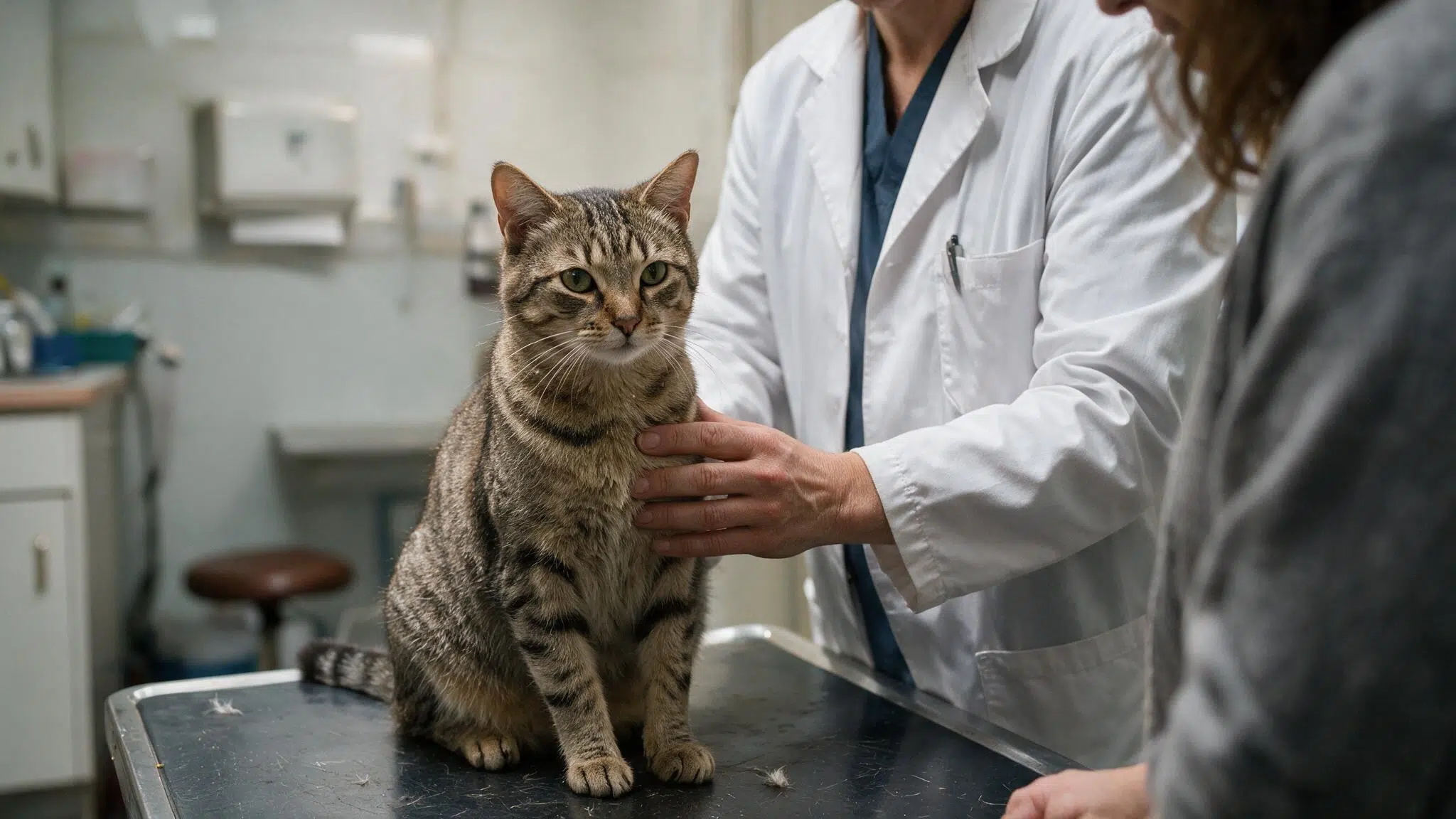
Phenobarbital for dogs has helped control canine seizures for decades, yet the first few days on the medication can feel far more confusing than reassuring.
New behaviors, changing energy levels, and unfamiliar instructions often leave owners wondering what is normal and what deserves a call to the vet.
When my dog first started phenobarbital, I found myself questioning every little change.
The extra thirst, the wobbling, and the long naps made me worry I was missing something important. If you’re feeling the same, you’re not alone.
This blog explains how phenobarbital for dogs works, what to expect during the first couple of weeks, the correct dosing approach, and the most common side effects, so you can feel more confident throughout treatment.
What is Phenobarbital for Dogs?
Phenobarbital is one of the most commonly prescribed anti-seizure medications for dogs. It works by calming abnormal electrical activity in the brain, making seizures less likely to occur
Because it has been studied and used in veterinary medicine for decades, it remains one of the most trusted first-line treatments for canine epilepsy.
Although phenobarbital does not cure the underlying cause of epilepsy, it can significantly reduce the frequency and severity of seizures.
When given consistently and paired with regular veterinary monitoring, many dogs can live active, comfortable lives while taking this medication.
What is Phenobarbital Used For?
Phenobarbital is prescribed to manage different types of seizures in dogs. While it cannot cure epilepsy, it helps reduce seizure frequency and severity, allowing many dogs to enjoy a better quality of life.
Depending on the cause of the seizures and how often they occur, your veterinarian may prescribe phenobarbital on its own or alongside another anti-seizure medication.
- Idiopathic Epilepsy: The most common reason dogs are prescribed phenobarbital for recurring seizures.
- Neurological Conditions: May be used when seizures are linked to brain disease, inflammation, or previous head injuries.
- Difficult-to-Control Seizures: Can be combined with other anti-seizure medications if seizures continue despite treatment.
- Long-Term Seizure Management: Helps control seizures over time but requires consistent dosing and regular veterinary monitoring.
How is Phenobarbital Dosing for Dogs Determined?

Phenobarbital dosing is based on your dog’s body weight and seizure control.
The usual starting dose is 2.5 to 5 mg/kg by mouth every 12 hours, although your veterinarian may adjust it based on seizure frequency, treatment response, and blood test results.
Most dogs absorb phenobarbital well, but whether it is given with or without food can affect how much of the drug enters the bloodstream. For the best results, try to give each dose at the same time every day.
If your veterinarian recommends giving each dose with food or on an empty stomach, stick to that routine to help keep blood levels stable.
You should also avoid adding other sedatives without veterinary guidance.
Even common supplements like melatonin for dogs can increase drowsiness when used alongside phenobarbital, so always check with your veterinarian before combining them.
What Does Phenobarbital Do in Your Dog’s Brain?
Phenobarbital is a barbiturate that helps control seizures by increasing the effects of GABA, the brain’s main calming neurotransmitter.
GABA slows overactive nerve cells, raising the seizure threshold and making seizures less likely. This is also why many dogs seem sleepier or calmer during the first couple of weeks.
It has been used safely in dogs for decades and remains one of the first medications veterinarians choose for idiopathic epilepsy.
In 2023, the FDA conditionally approved Fidoquel-CA1, the first phenobarbital tablet made specifically for dogs. However, many veterinarians still prescribe human phenobarbital because the canine version is not available everywhere.
Since the liver processes phenobarbital, certain medications should never be combined with it unless your veterinarian approves.
If your dog has only recently experienced a seizure, you may also find it helpful to learn about seizures in other pets, as many of the underlying brain mechanisms are similar.
What Happens When a Phenobarbital Dose for Dogs is Missed?
Missing one phenobarbital dose does not always cause an immediate emergency, but it can affect seizure control, especially in dogs that already have frequent or severe seizures.
Phenobarbital works best when blood levels stay steady, so skipped or irregular doses may increase the chance of breakthrough seizures.
- Seizure risk may increase: A missed dose can reduce medication consistency, which may increase seizure risk in some dogs.
- Do not double the next dose: Giving extra phenobarbital can increase the risk of heavy sedation, poor coordination, or other side effects.
- Give the dose only if timing is safe: If you remember soon after the missed dose, follow your vet’s instructions. If it is close to the next scheduled dose, resume the normal schedule.
- Watch your dog closely: Look for unusual behavior, pacing, trembling, confusion, weakness, or seizure activity after a missed dose.
The safest response to a missed phenobarbital dose in dogs is to stay calm, avoid guessing, and resume the regular schedule only as directed.
If missed doses become common, use phone reminders, a pill organizer, or a written medication chart. Consistent dosing gives the treatment the best chance to control seizures safely.
How Quickly Does Phenobarbital Work in Dogs?
Phenobarbital does not work instantly. Because it stays in a dog’s body for a long time, it usually takes 10 to 14 days of consistent twice-daily dosing to reach stable, protective blood levels.
Until then, the medication is still building up, so it is too early to judge whether the dose is fully effective. Studies on veterinary-specific phenobarbital formulations support this timeline, showing that blood concentrations continue to rise for nearly two weeks before leveling off.
That is why veterinarians usually wait until around the two-week mark before checking blood levels or adjusting the dose.
If your dog has a seizure during the first week or two, it does not necessarily mean the medication has failed.
As the medication builds to effective levels, it is also normal for some temporary side effects to appear during the first couple of weeks.
However, contact your veterinarian if seizures continue beyond that period or become more frequent or severe at any time.
Phenobarbital Side Effects in Dogs

Most phenobarbital side effects in dogs appear during the first two weeks and are mild.
Some early symptoms can resemble signs of toxin exposure, while ongoing vomiting or appetite loss may also overlap with nausea in dogs. If anything seems unusual or more severe than expected, contact your veterinarian.
- Restlessness: Some dogs become anxious, unsettled, or unusually alert rather than sleepy during the early days of treatment.
- Sleepiness and Wobbliness: Mild drowsiness and unsteady walking are common early and often improve as the body adjusts.
- Frequent Urination and Appetite: Your dog may drink more, urinate more often, and seem hungrier than usual.
- Unusual Bruising, Bleeding, or Sedation: Sudden bruising, bleeding, extreme sleepiness, or collapse is uncommon and requires urgent veterinary attention.
- Vomiting, Loss of Appetite, or Yellow Gums: Vomiting, poor appetite, yellow gums, or weakness may suggest liver trouble and need prompt care.
If something feels off during the first two weeks, don’t wait it out. A quick call to your veterinarian can help determine whether your dog is simply adjusting or needs medical attention.
Disclaimer: This section is for informational purposes only and does not replace veterinary advice. Always speak with a qualified veterinarian before changing your dog’s medication.
Why Do Blood Tests Matter During Phenobarbital Treatment?
Regular blood tests help your veterinarian confirm that the medication is working safely over the long term.
The usual therapeutic blood level is 15 to 40 mcg/mL, with higher levels carrying a greater risk of liver-related side effects.
Most veterinarians check blood levels about two weeks after starting or adjusting the dose, then every 6 to 12 months once treatment is stable.
Liver enzymes such as ALP and GGT may increase without indicating liver damage, so your veterinarian may recommend a full liver panel or bile acids test to tell the difference between normal medication effects and true liver disease.
Be sure to tell your veterinarian about every medication and supplement your dog takes.
Some products can increase the workload on the liver or interact with phenobarbital, making regular monitoring even more important.
Drug Interactions and What to Avoid
Phenobarbital affects how the liver processes many medications, which means it can change how well they work or increase the risk of side effects.
Always tell your veterinarian about every prescription, over-the-counter medication, and supplement your dog takes.
- Other Sedatives: Benzodiazepines and opioids can increase drowsiness and sedation.
- Certain Antibiotics: Chloramphenicol can slow phenobarbital breakdown, raising blood levels.
- Pain Medications: Acetaminophen and some NSAIDs may add extra stress to the liver.
- Other Anti-Seizure Drugs: Medications like levetiracetam and zonisamide may require dose adjustments.
- Thyroid Medication: Phenobarbital can affect thyroid test results and sometimes mimic hypothyroidism.
Always let your veterinarian, emergency clinic, or even a groomer using sedatives know that your dog takes phenobarbital. This helps prevent potentially harmful drug interactions.
When to Call Your Vet Immediately
Some drowsiness and wobbliness are expected when starting phenobarbital, but certain symptoms need immediate veterinary attention.
Contact your veterinarian or an emergency clinic right away if your dog:
- Has a seizure lasting more than five minutes
- Has multiple seizures within 24 hours
- Becomes difficult to wake or extremely unresponsive
- Develops yellow gums, eyes, or skin
- Has repeated vomiting or refuses food for more than a day
- Shows trouble breathing, collapses, or has unusual bleeding
Prompt treatment can prevent serious complications and help your veterinarian determine whether your dog’s medication or dosage needs adjustment.
Conclusion
For me, the hardest part of phenobarbital for dogs wasn’t giving the medication. I was wondering whether every sleepy nap, extra drink of water, or wobbly walk was normal.
With time, I realized that patience is just as important as the prescription itself. Most dogs settle into a routine once their bodies adjust, and regular bloodwork helps make sure the medication continues to work safely.
Every dog responds a little differently, so staying in touch with your veterinarian and keeping a close eye on changes makes a real difference. If your dog has recently started on phenobarbital, I’d love to hear about your experience.
If your dog has recently started on phenobarbital, share your experience in the comments. Your story could help another pet parent going through the same journey.
Frequently Asked Questions
Will My Dog Need to Take Phenobarbital for Life?
Usually, yes. Most dogs with idiopathic epilepsy need lifelong treatment. Never stop the medication without your veterinarian’s guidance.
Can Phenobarbital Cause Long-Term Weight Gain?
Yes. Increased appetite can lead to weight gain, but portion control and regular exercise usually help prevent it.
What Should I Do if My Dog Has a Seizure While Taking Phenobarbital?
Record the seizure details and contact your veterinarian. Seek emergency care if it lasts over five minutes or multiple seizures occur close together.