

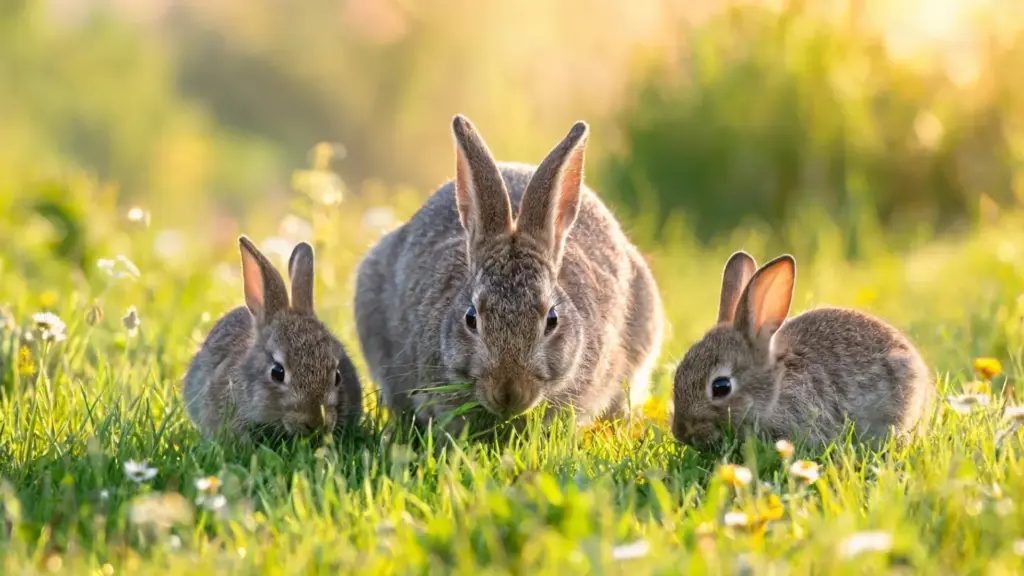
Have you ever seen a bunny freeze in the grass, twitch its nose, then vanish like it had a secret tunnel? That tiny moment says a lot about where bunnies live, because rabbits choose homes with safety first.
Bunnies look for cover, soft ground, quiet corners, and fast escape paths before they feel calm anywhere.
That is why wild rabbit habitats can be burrows, bushes, fields, forests, or hidden spots near yards. Pet rabbits think the same way, even when they live indoors with bowls, toys, and soft bedding.
I will be telling you about visual rabbit habitats and the real safety needs behind every good rabbit habitat.
Before you pick or judge any bunny space, you need to see the place through a rabbit’s nervous little brain.
How Does a Rabbit Decide an Area is Safe?
Rabbits rely on keen senses and instinct to judge safety. They scan for predators, listen for unusual sounds, and sniff for unfamiliar scents.
- Cover nearby: Rabbits look for bushes, tall grass, boxes, tunnels, or furniture because open spaces make them feel exposed.
- Quick exits: A safe rabbit habitat needs more than one escape path because one blocked path can feel dangerous fast.
- Soft ground: Wild rabbits prefer loose soil because it lets them dig burrows, nesting spots, and hidden escape tunnels.
- Low noise: Loud sounds from traffic, dogs, machines, or music can keep rabbits stressed even when nothing is chasing them.
- Safe smells: Rabbits avoid strong predator smells, including cats, foxes, ferrets, and strange animals they do not recognize.
- Calm company: If other rabbits relax nearby, a bunny may trust that space faster because the area already feels tested.
Where Do Bunnies Live in the Wild?
Different rabbit species have adapted to remarkably different environments, but every habitat on this list has one thing in common: somewhere to hide and somewhere to run.
1. Grasslands and Meadows
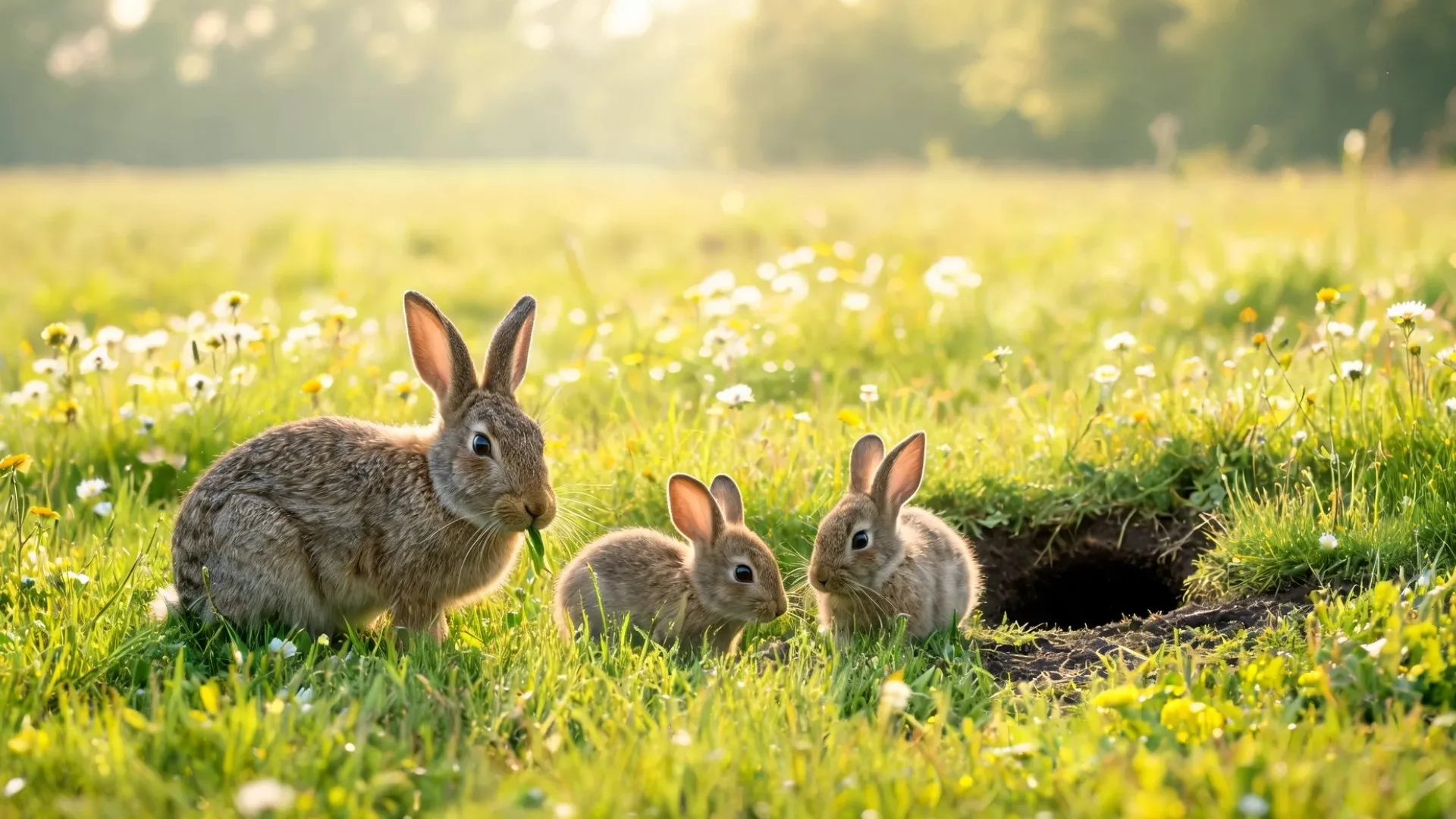
Cottontails and European rabbits thrive in open grassland because the sightlines help them spot predators early.
Loose, soft soil makes digging easy, and abundant low-growing grasses are right at mouth level. These are the rabbits most people picture when they imagine a wild bunny.
European rabbits in grassland settings build the most elaborate warrens, sometimes with multiple entrances and hundreds of meters of tunnels running underground.
2. Forests and Woodlands
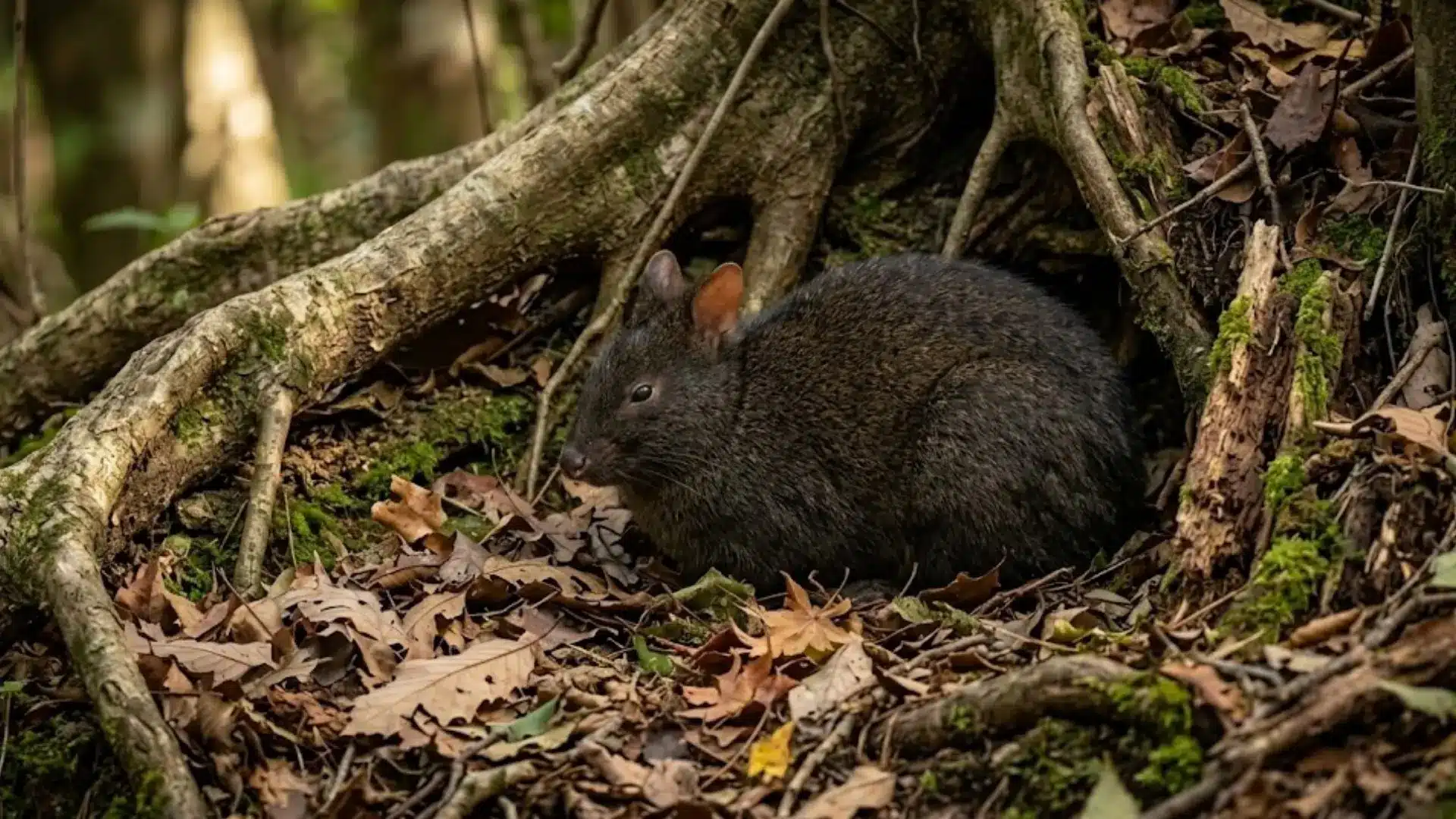
European rabbits and the endangered Amami rabbit of Japan both rely heavily on forest habitats.
Dense canopy reduces aerial predator visibility, tree root systems create natural shelter and anchor burrow walls, and deep leaf litter works well for nesting material.
The word “bunny” actually has a more interesting history than most people realize, and understanding where it came from adds another layer to how we think about these animals as pets and wild creatures alike.
3. Desert and Scrubland
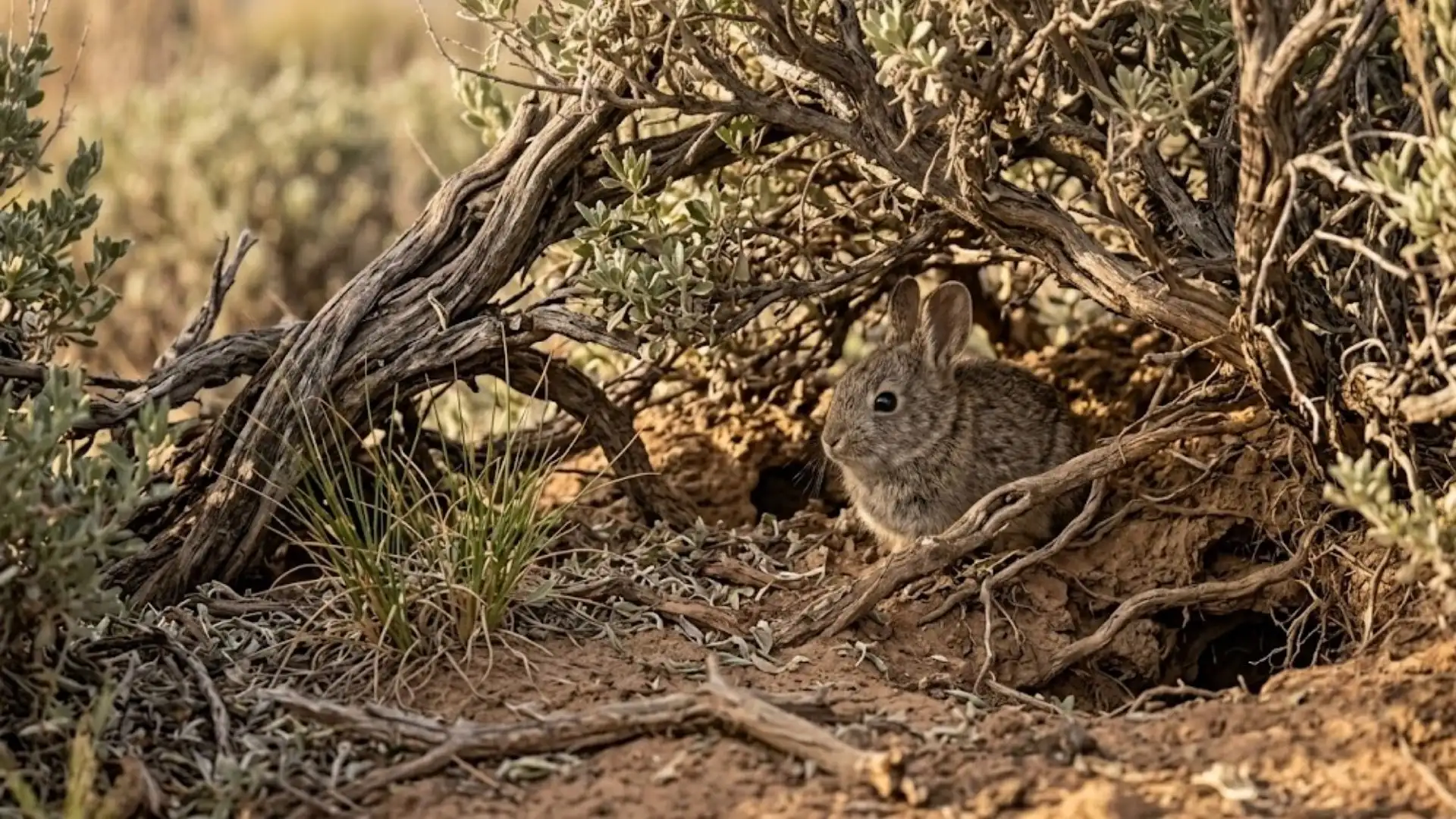
The Pygmy rabbit, North America’s smallest rabbit at under one pound, lives almost exclusively in dense sagebrush.
The shrubs provide both food and cover in a single plant. Jackrabbits (technically hares) occupy more open desert zones and rely on speed rather than burrows.
Sandy desert soil is easy to excavate, and the low predator density in remote scrubland compensates for the lack of dense vegetation cover.
4. Wetlands and Riparian Areas
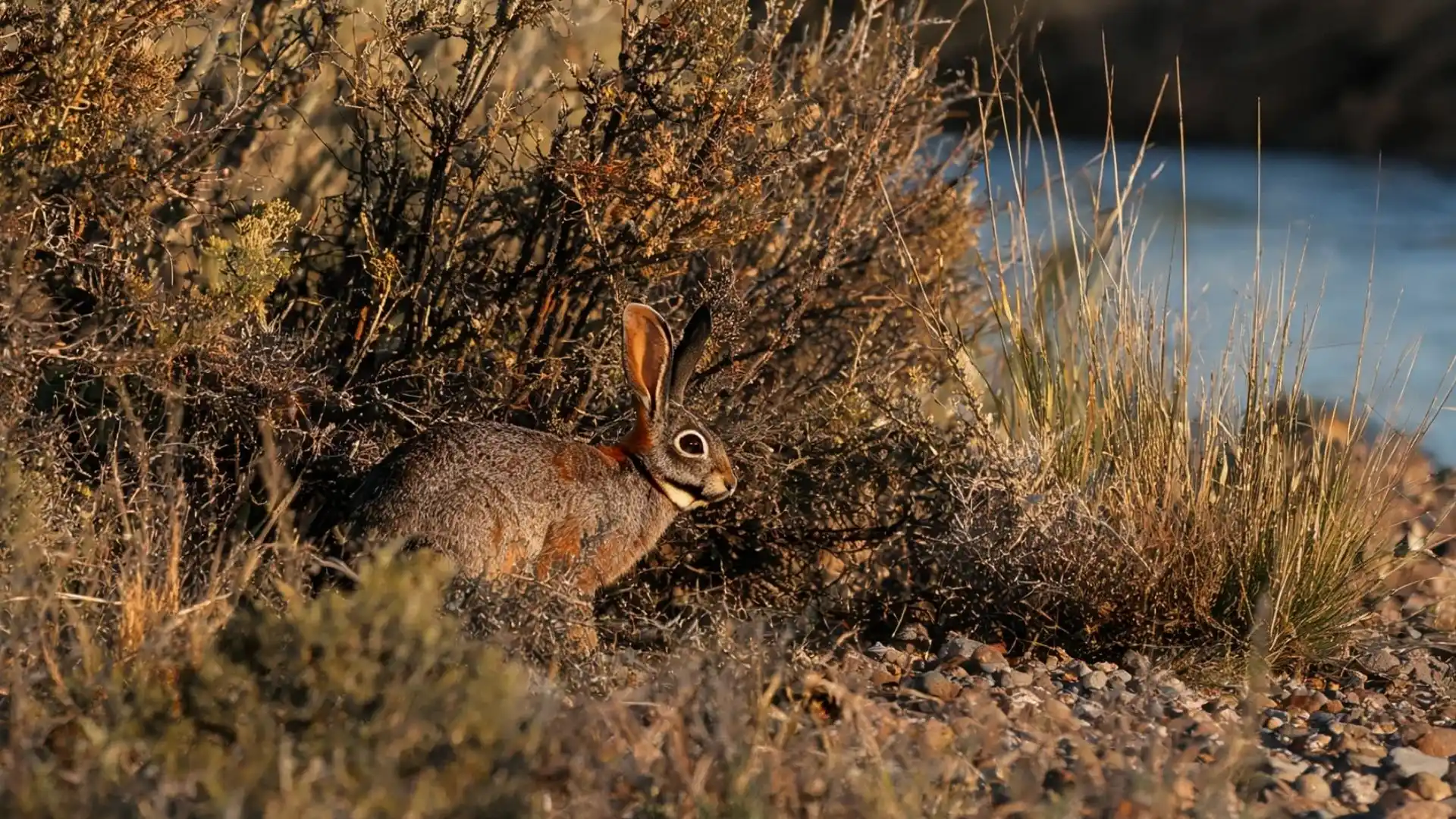
The Riverine rabbit of South Africa is one of the most habitat-restricted mammals on earth, living only in dense vegetation along specific river systems in the Karoo region.
Seasonal plant growth along riverbanks provides reliable food, and thick riparian scrub offers the kind of concealment a rabbit needs on flat terrain.
Its population is critically endangered, largely because riverside land has been converted to agriculture.
5. Suburban Yards and Parks
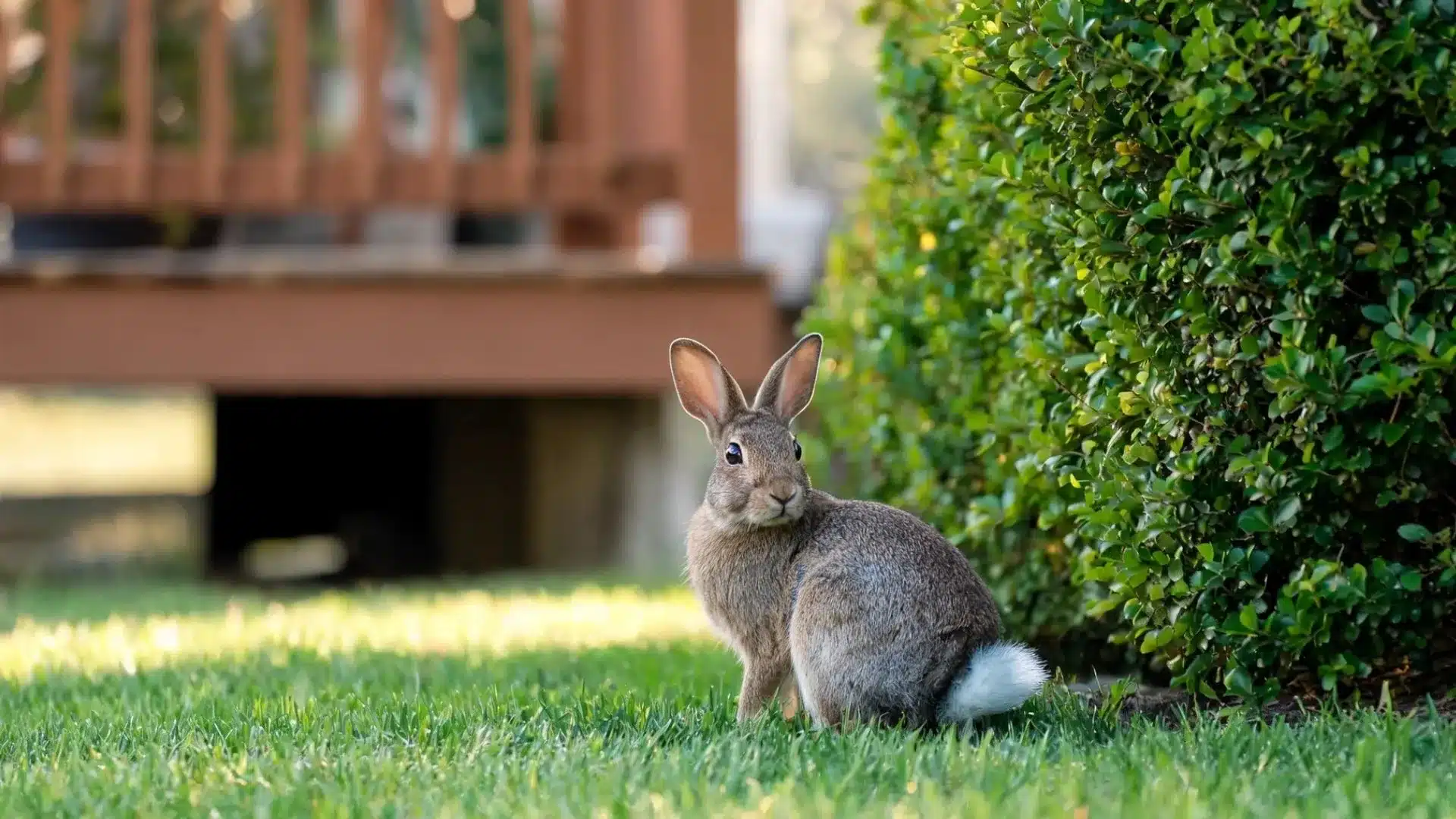
Cottontails and European rabbits have adapted surprisingly well to human-modified landscapes.
Suburban areas offer a mix of lawn grass, ornamental planting, and low-traffic green corridors that mimic the structure of natural habitat without the large predators.
A dense hedge, an overgrown corner, or a gap under a deck functions as adequate cover.
This is why rabbits are among the most commonly spotted wildlife in residential areas across North America and Europe.
6. Arctic and Subarctic
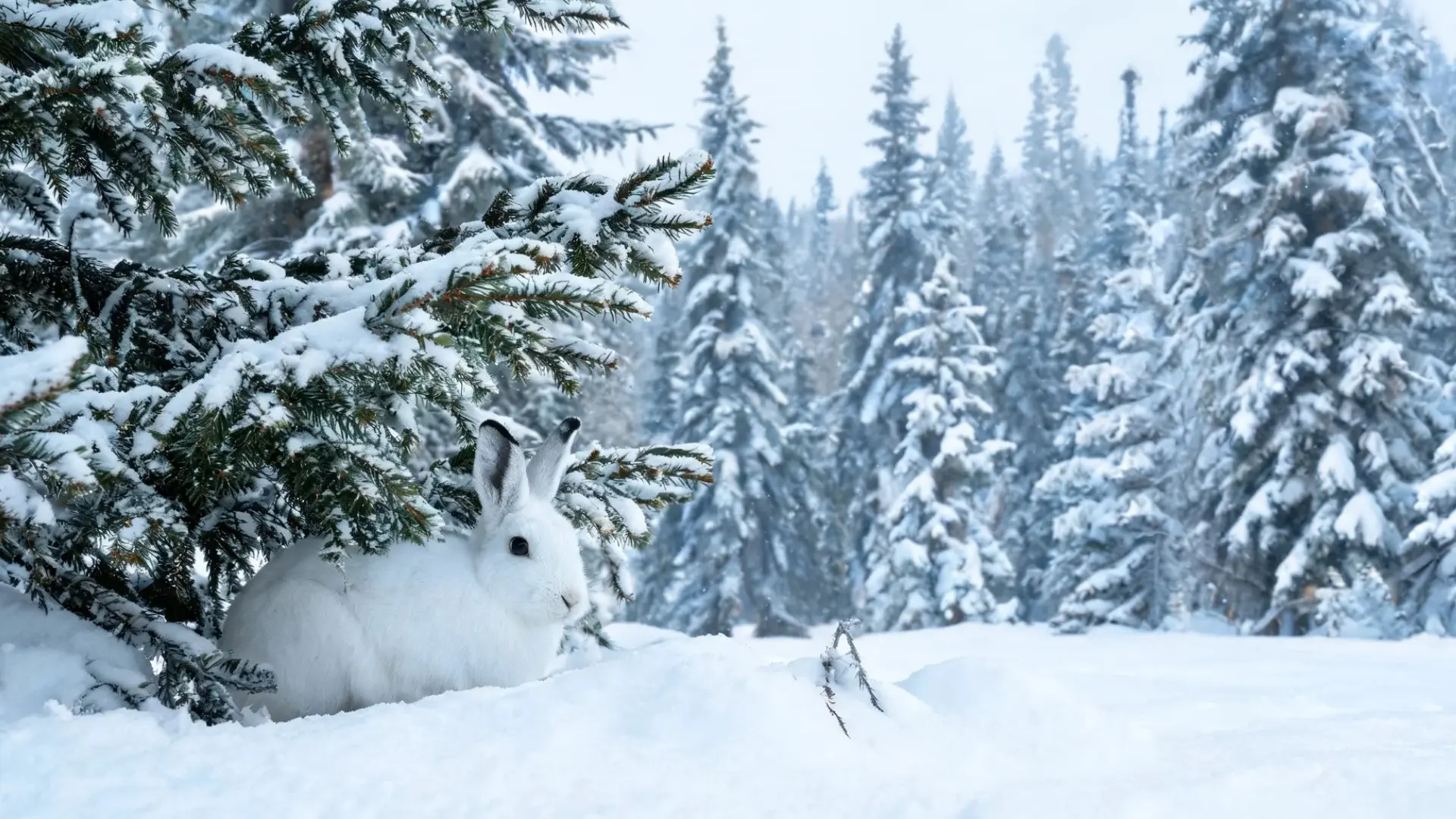
The snowshoe hare doesn’t dig burrows and instead uses natural shelters.
Instead, it relies on dense conifer cover and a coat that shifts from brown in summer to white in winter, one of the more striking seasonal adaptations in any North American mammal.
The white coat isn’t decorative; it’s a direct response to snow cover and the predators that hunt against it.
Lynx populations in the boreal forest track snowshoe hare numbers so closely that the two species rise and fall together in documented population cycles.
Rabbit’s Behavior in Different Habitats
A rabbit’s habitat shapes more than just where it sleeps. It shapes how the rabbit behaves, moves, and socializes day to day.
Warren-dwellers like the European rabbit are highly social. Wild colonies, sometimes called a fluffle, can include 10 to 50 rabbits sharing the same tunnel network.
They groom each other, warn each other of predators, and follow a loose social hierarchy. The warren itself is both shelter and community.
Surface-nesting rabbits like cottontails are more solitary. They don’t dig their own burrows, so they rely on thick grass, brush piles, and existing depressions in the ground.
They’re active at dawn and dusk, spending the rest of the day tucked out of sight. If you spot a cottontail in your yard, there’s likely a form nearby you haven’t noticed.
Seasonal changes shift habitat use, too. In colder months, wild rabbits spend more time in sheltered areas and reduce movement to conserve energy.
Rabbit Breed Variations and How They Affect Habitat Needs
Rabbit breed matters because a tiny bunny and a giant bunny do not use space in the same way. Both need safety, movement, and hiding spots, but their habitat size and comfort needs can change a lot.
- Small breeds: Netherland Dwarf, Holland Lop, and Mini Rex can fit smaller homes, but still need daily roaming time
- Medium breeds: Dutch, Rex, and English Spot rabbits are usually easier for first-time owners to house properly
- Giant breeds: Flemish Giant and Continental Giant care needs go far beyond a basic hutch because small spaces feel cramped fast
Wild rabbit species also show this clearly. Pygmy rabbits need thick sagebrush, while some island rabbits live only in very limited natural areas.
No matter the breed, every bunny still wants room to move, a place to hide, and something safe to dig.
Where Should Your Pet Bunny Live: Indoor vs Outdoor Habitats
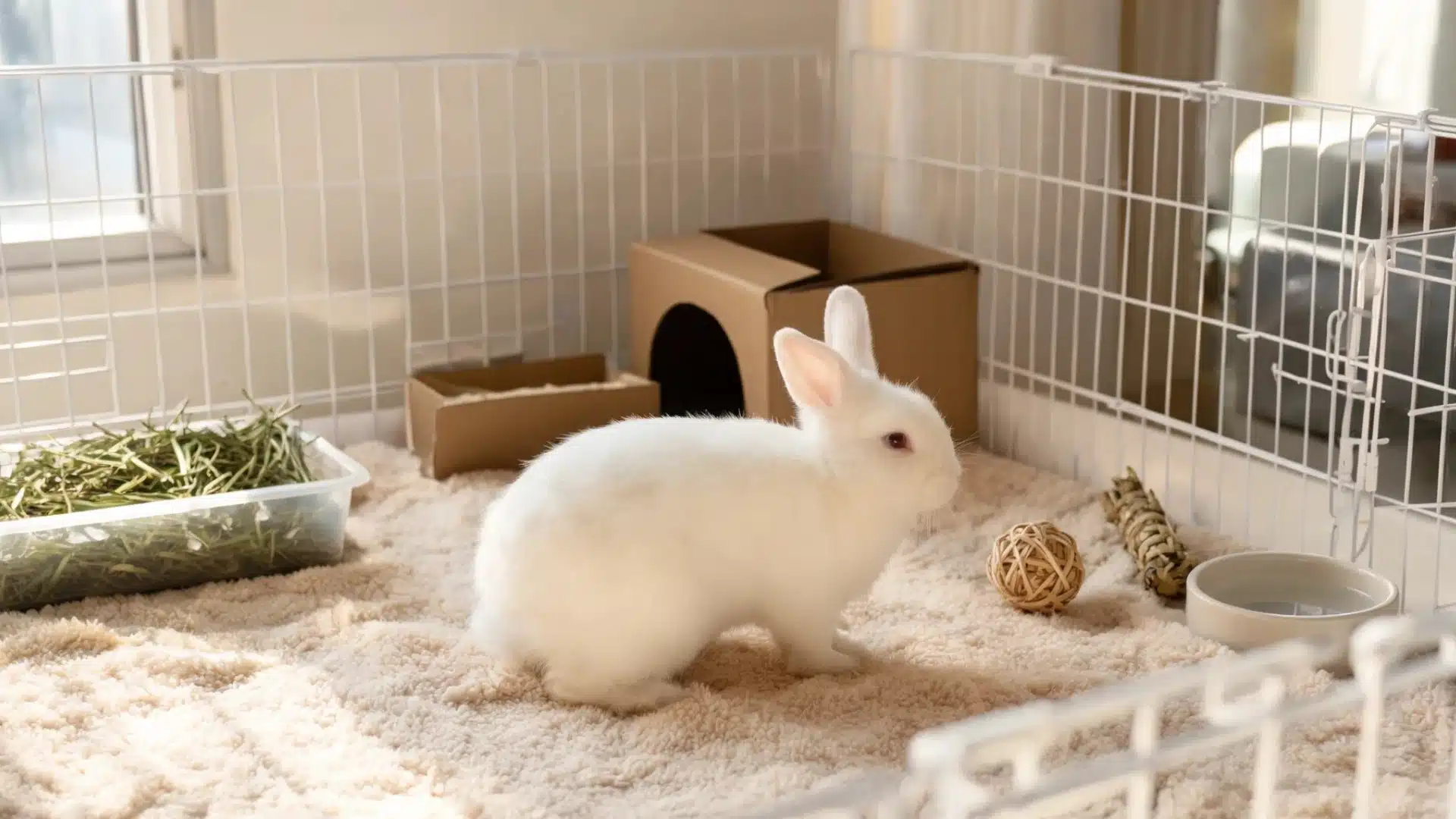
Rabbits can live both indoors and outdoors, but the setup must feel safe, roomy, and easy to manage. A small cage is not enough because rabbits need space to hop, stretch, hide, and play daily.
Indoor rabbit habitats are usually easier for beginners because the temperature stays steady and predators stay outside.
Still, the room needs rabbit-proofing, covered wires, safe plants, soft rugs, and hiding spots where your bunny can chill.
Outdoor habitats can feel more natural because rabbits get fresh air, digging space, and more real-world smells.
Choosing the right safe bedding options is one of the most important decisions for any outdoor or indoor setup, because what lines the floor affects warmth, hygiene, and how safe a bunny feels at rest.
So, the best home is not just about indoors or outdoors. It is about giving your bunny daily freedom, safe cover, and enough room to act like a rabbit.
How to Relocate a Rabbit Safely (Not Forcefully)?
Moving a rabbit should feel slow and familiar, not sudden like a surprise school transfer with zero warning.
- Familiar stuff first: Add old bedding, the same litter tray, one favorite toy, and the hideout your rabbit already trusts.
- Hiding is fine: Some rabbits need one quiet evening before they even think about stepping out.
- Food near cover: Keep hay and water close enough that your bunny can eat without crossing open space.
- One small zone: Let the first area feel boring and safe before opening the next room.
- Good body signs: Eating, grooming, soft sniffing, stretching out, and checking objects usually mean the new place feels safer.
- No forced tour: Do not carry your rabbit around the habitat like a guide. Let it smell, pause, turn back, and map the space slowly.
Relocation becomes forceful when you rush, grab, chase, or push the rabbit into a new space.
Once your bunny has settled in, trying out some rabbit enrichment ideas at home can make a big difference in how quickly it starts to feel truly comfortable in the new environment.
Who Can Share Space with Rabbits & Who Cannot?
Rabbits enjoy company, but they still judge every animal as a possible threat. The best match is calm, gentle, and easy to predict.
Animals That Can Share Space with Rabbits
A bonded rabbit is usually the safest companion because both animals understand the same body language.
Calm cats, gentle dogs, guinea pigs, and chinchillas can sometimes live near rabbits too. Still, they need slow introductions, separate resting spots, and supervision.
Even a friendly dog or cat can scare a bunny if it moves too fast.
Animals That Should Not Share Rabbit Space
Ferrets, snakes, high-prey-drive cats, and many terrier dogs are not safe choices around rabbits.
Rabbits may smell or see them as predators, even without direct contact. Loud birds can also stress rabbits because rabbits’ hearing is very sharp.
A bunny should not live beside animals that keep it alert, frozen, or hiding all day.
Conclusion
A rabbit does not see a home the way we do, because safety matters before comfort every single time. When you understand where bunnies live, you start noticing cover, exits, sounds, smells, and hiding spots differently.
That is the real key to building better rabbit habitats, whether your bunny lives outside or beside your couch.
I always think the best rabbit space is one where the bunny can choose, pause, hide, and relax without pressure.
A second hideout, more floor time, or a quieter corner can make a bigger difference than people expect. Watch your bunny when it feels unbothered, because that is when its real comfort shows.
Where does your bunny feel safest at home? Tell us, share with us in the comments below.
Frequently Asked Questions
Do Rabbits in the Wild Sleep in the Same Place Every Night?
Wild rabbits often return to familiar hiding spots, burrows, or thick cover because known places feel safer. They like areas where they already understand exits, smells, and danger signs.
Do Bunnies Need Sunlight in Their Habitat?
Bunnies need natural light, but they should not sit in direct hot sun for long. A good rabbit habitat gives both shade and soft daylight.
Why Does My Rabbit Hide so Much?
A rabbit hides because hiding is part of how it feels safe. New spaces, loud sounds, strange smells, or fast movement can make a bunny stay tucked away. If your rabbit eats, drinks, and comes out slowly, that is usually a normal adjustment, not bad behavior.
Can Rabbits Live Alone Happily?
Some rabbits manage alone with lots of care, but most do better with a bonded rabbit friend. Rabbits are social animals, and safe company can lower stress. If one rabbit lives alone, it needs daily attention, free movement, toys, hiding spots, and calm time with you.