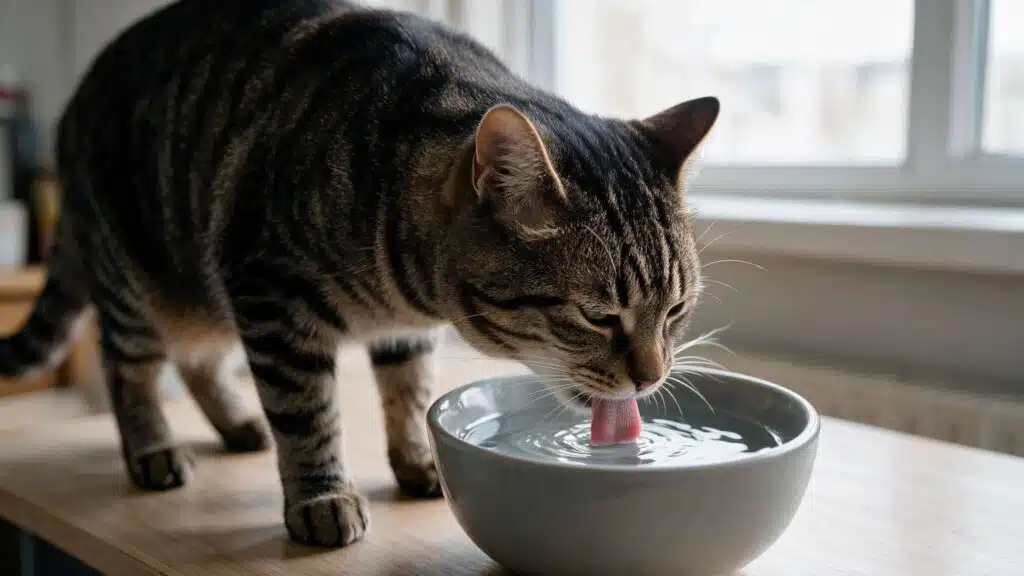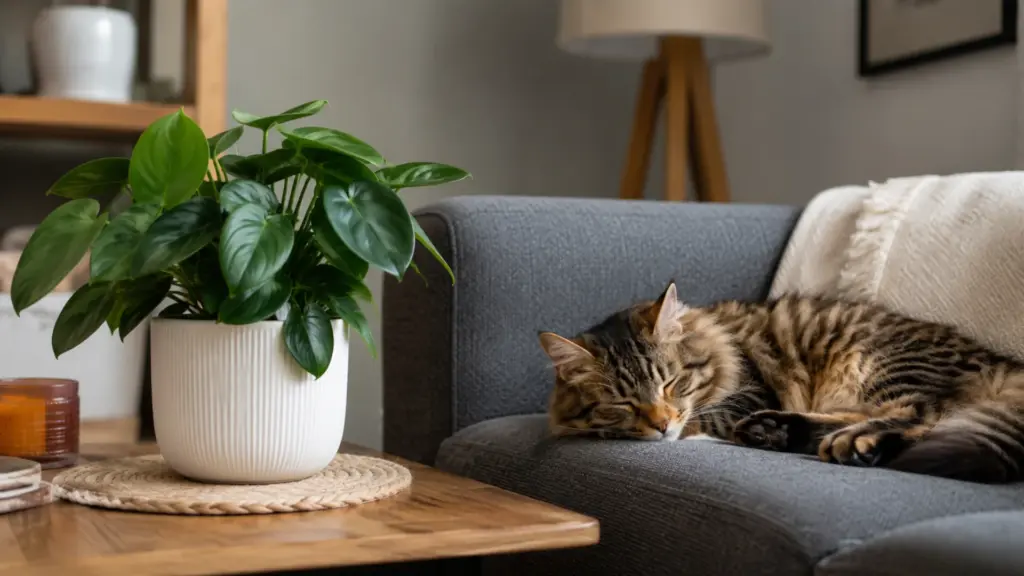
Many cat owners bring home beautiful plants without realizing a single curious bite can turn an ordinary afternoon into an emergency vet visit.
Cats climb, chew, paw, and investigate everything around them, especially leafy greenery sitting near windows or shelves.
The problem is that some of the most popular houseplants found in American homes can be surprisingly dangerous for pets. Creating a stylish indoor space should never come at the cost of a cat’s safety.
Fortunately, pet-friendly decorating no longer means sacrificing aesthetics
Before adding another plant to the collection, it helps to know which varieties truly belong in a cat-friendly home.
Indoor Gardening and Pet Safety: What to Know First
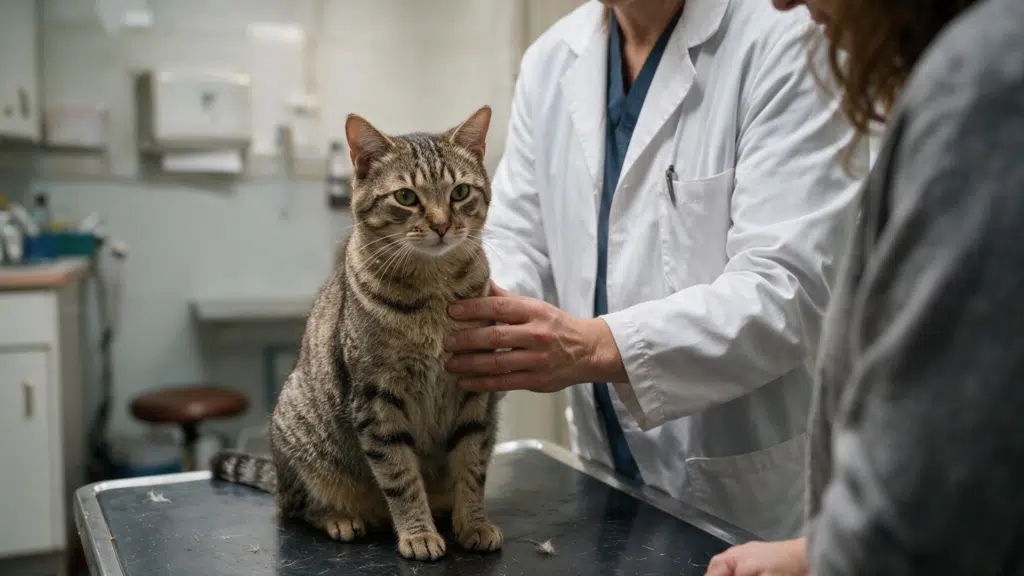
In my clinic, I have seen firsthand how quickly things can go wrong when a cat chews the wrong leaf.
According to the ASPCA Animal Poison Control Center’s 2021 report, the APCC helped over 401,000 animals that year alone, a 22% jump from the year prior, with indoor and outdoor plants ranking among the top five toxin categories.
Home gardening, a trend that carried into 2021, with more than 7,500 additional plant-ingestion calls compared to 2020.
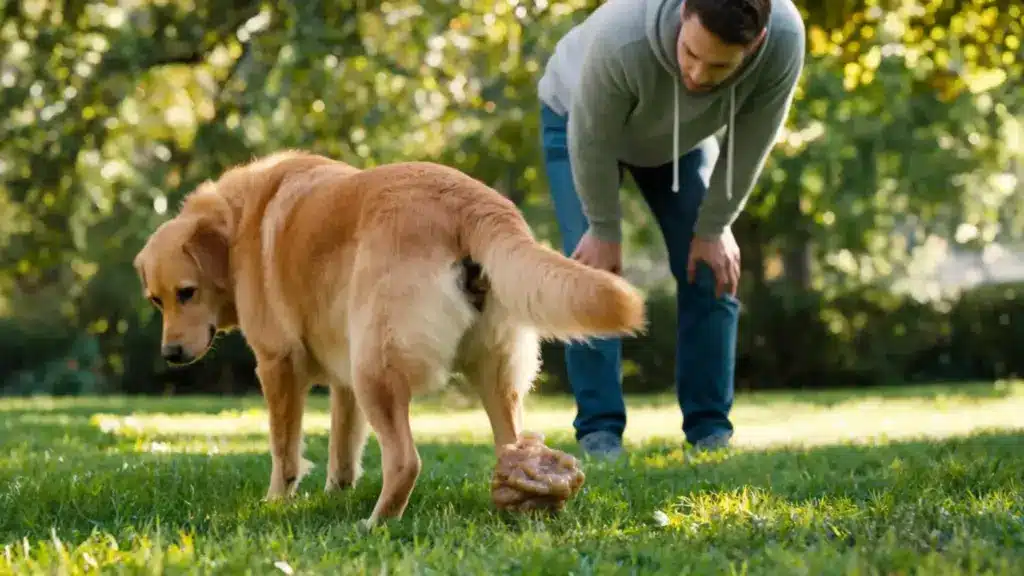
And the consequences are not always mild. Ingesting certain plants can lead to vomiting, diarrhea, lethargy, drooling, seizures, liver failure, kidney failure, and, in severe cases, death.
One thing I always tell pet parents: “non-toxic” does not mean “impossible to cause a tummy ache.”
Even safe plants can cause mild stomach upset if a cat eats too much of them. The goal is to choose varieties that carry no serious toxic risk while still looking gorgeous in your living room.
Check out this helpful guide to cat care essentials every owner should have on hand.
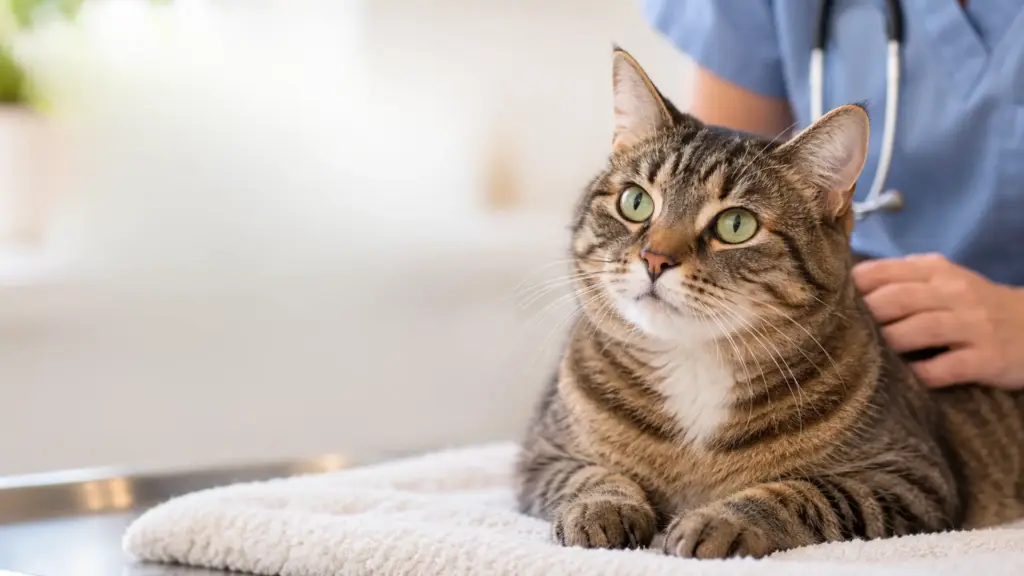
If you suspect your cat has ingested a toxic plant, contact your vet or the ASPCA Animal Poison Control Center (888-426-4435) immediately.
Best Houseplants That are Safe for Cats
Bringing greenery into a home with cats does not have to feel risky. Many beautiful indoor plants are completely non-toxic and can safely coexist with curious pets.
1. Spider Plant
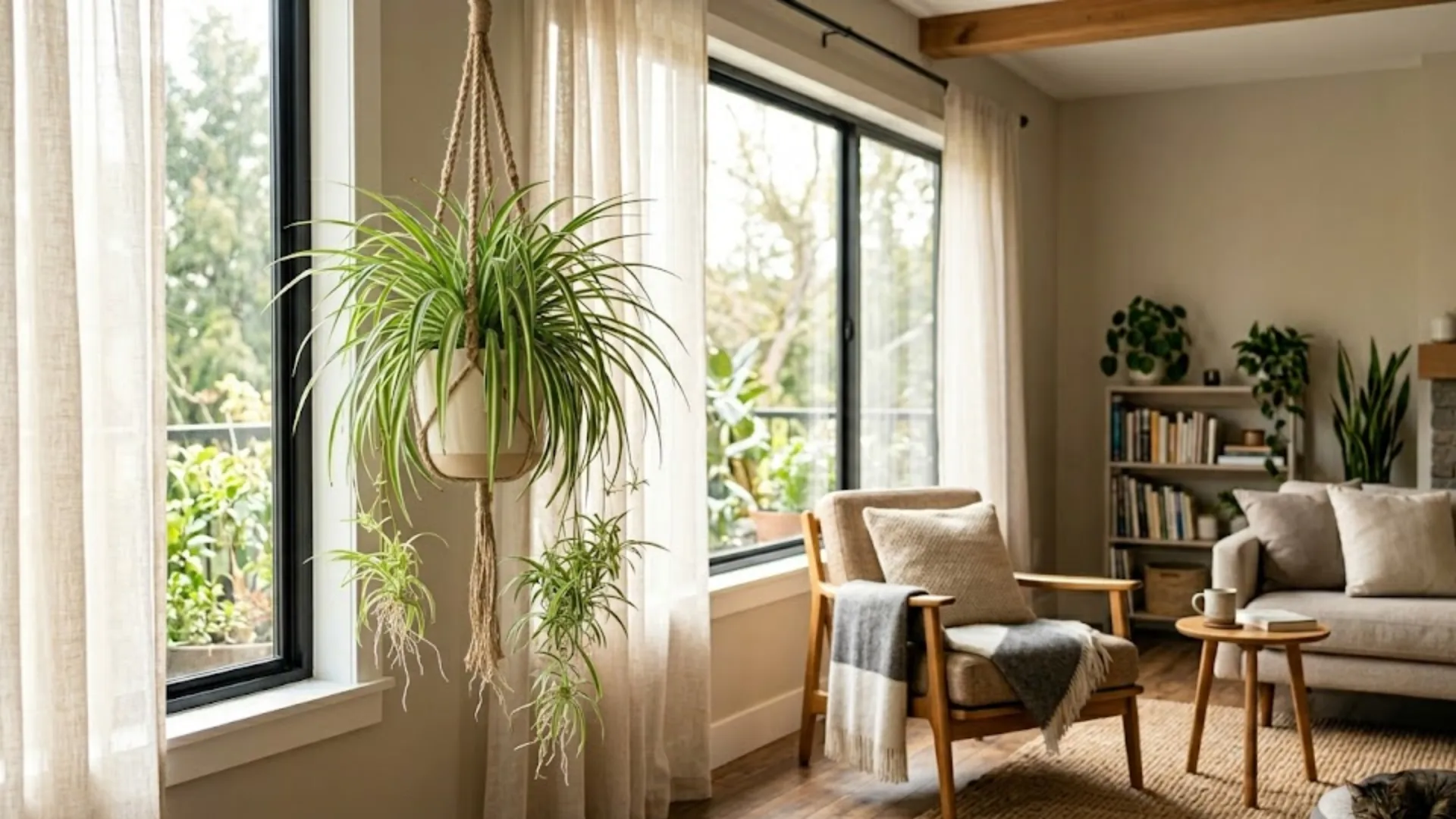
Spider Plants are a go-to choice for cat-friendly homes, with arching striped leaves and dangling baby plantlets that add movement to any room.
They adapt to most light conditions, tolerate missed watering, and stay completely safe even if your cat can’t resist batting at the trailing offshoots.
Why It’s Safe for Cats:
- Causes no vomiting or distress even if ingested in small amounts
- Dangling plantlets satisfy hunting instincts without any toxic risk
- Non-irritating texture, safe for repeated paw and mouth contact
2. Boston Fern
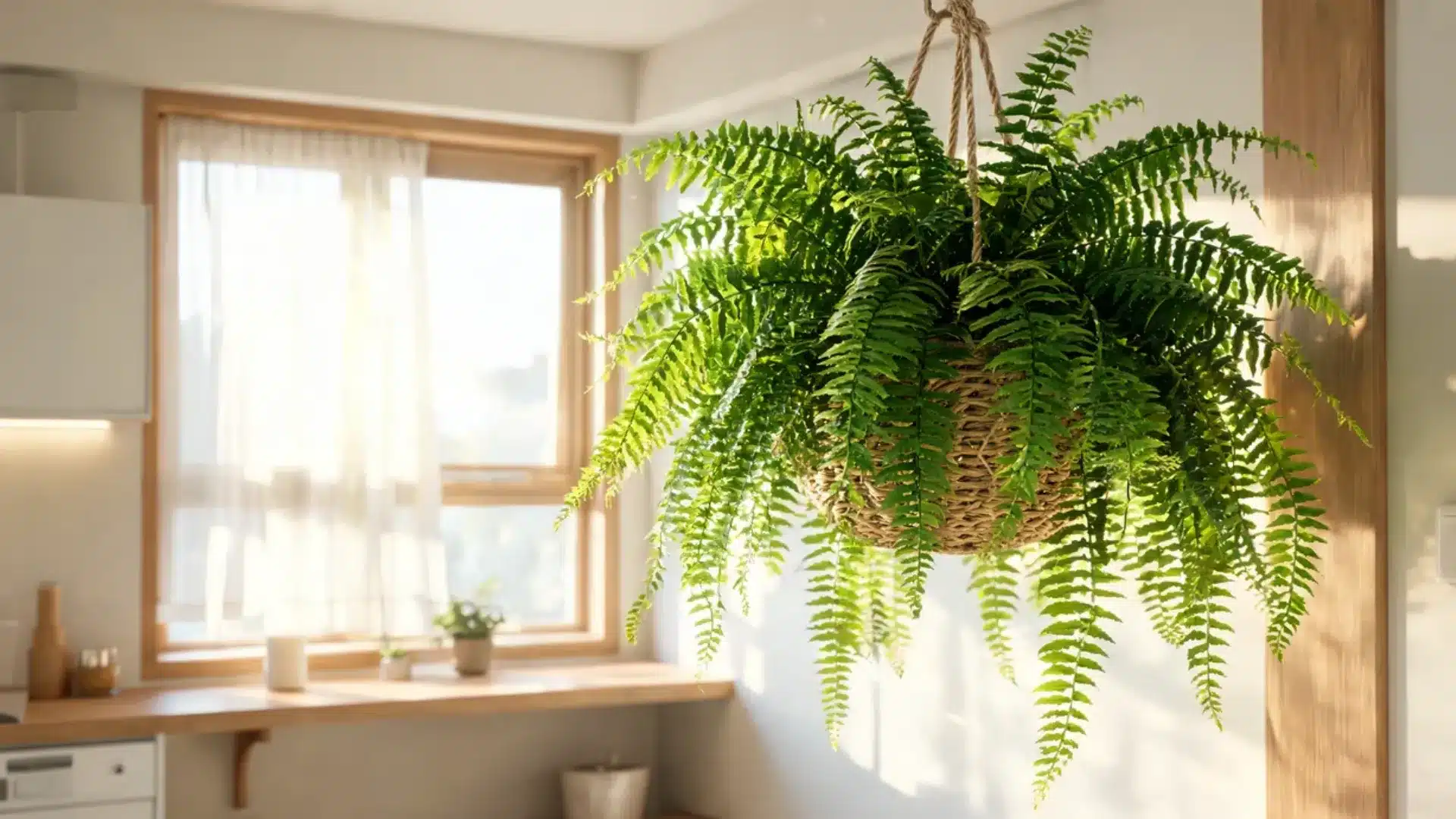
Boston Ferns bring lush, feathery texture to bathrooms and shaded corners while thriving in humidity.
Unlike the toxic Asparagus Fern, this variety is fully approved by the ASPCA for cats.
It rewards consistent moisture and indirect light with dense, vibrant fronds that stay soft and safe year-round.
Why Boston Ferns are Cat Friendly:
- Free of toxic compounds that make lookalike ferns dangerous for cats
- Soft fronds cause no oral irritation if a cat chews them out of curiosity
- High moisture content poses zero health risk to cats that lick or mouth the leaves
3. Parlor Palm
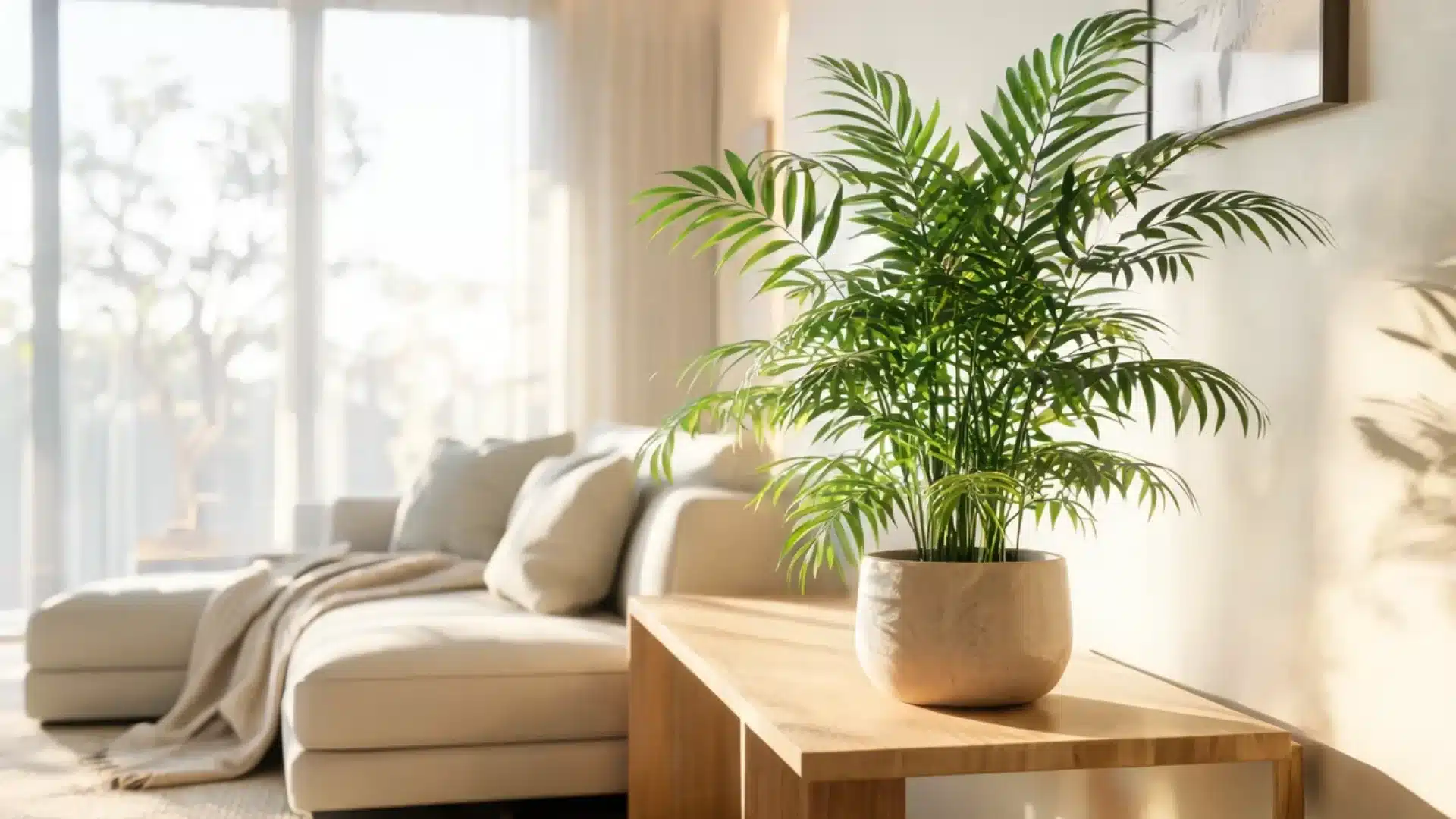
Parlor Palms are elegant, low-light-tolerant tropicals that suit apartments and offices beautifully. They’re a far safer swap for the deadly Sago Palm.
Slow-growing and rarely needing repotting, they create a calm, airy atmosphere while staying completely non-toxic for cats and other household pets.
Why Cat Owners Love This Plant:
- Contains zero compounds that cause systemic harm to cats if ingested
- Slender fronds won’t splinter or cause mouth punctures in curious cats
- Non-allergenic foliage means cats with sensitive airways face no risk from proximity
4. Areca Palm
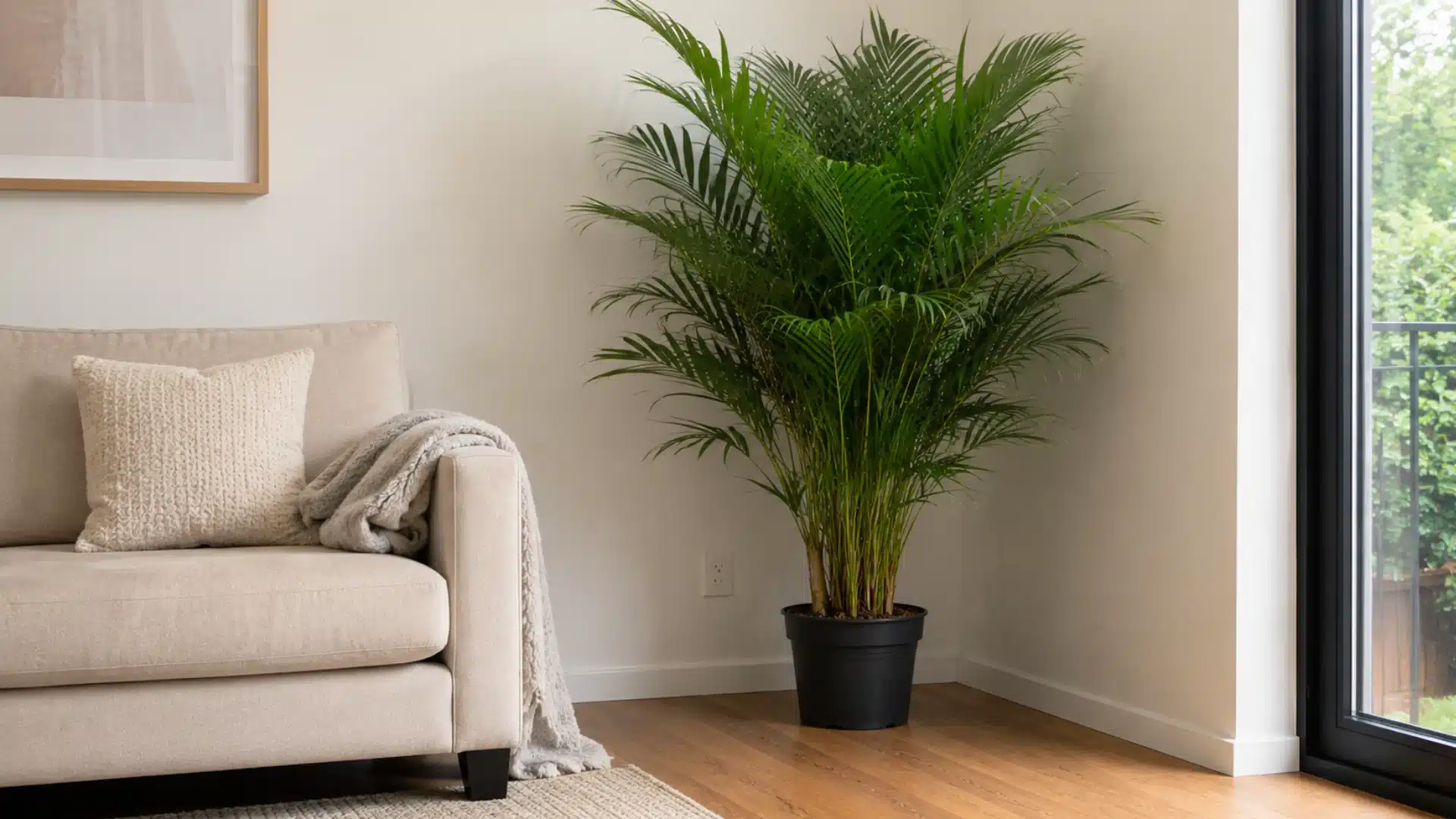
Areca Palms are bold floor-standing plants that fill living rooms with tall, feathery golden-green fronds.
It is safe for cats and dogs; they prefer bright indirect light and partial drying between waterings.
Their natural height keeps most fronds elevated, naturally reducing a cat’s temptation to chew.
Cat Friendly Features of Areca Palms:
- No harmful resins or latex in any part of the plant that could harm cats
- Soft, fibrous fronds won’t scratch a cat’s mouth or paws on contact
- Elevated fronds naturally limit how much a cat can realistically access and consume
5. Calathea
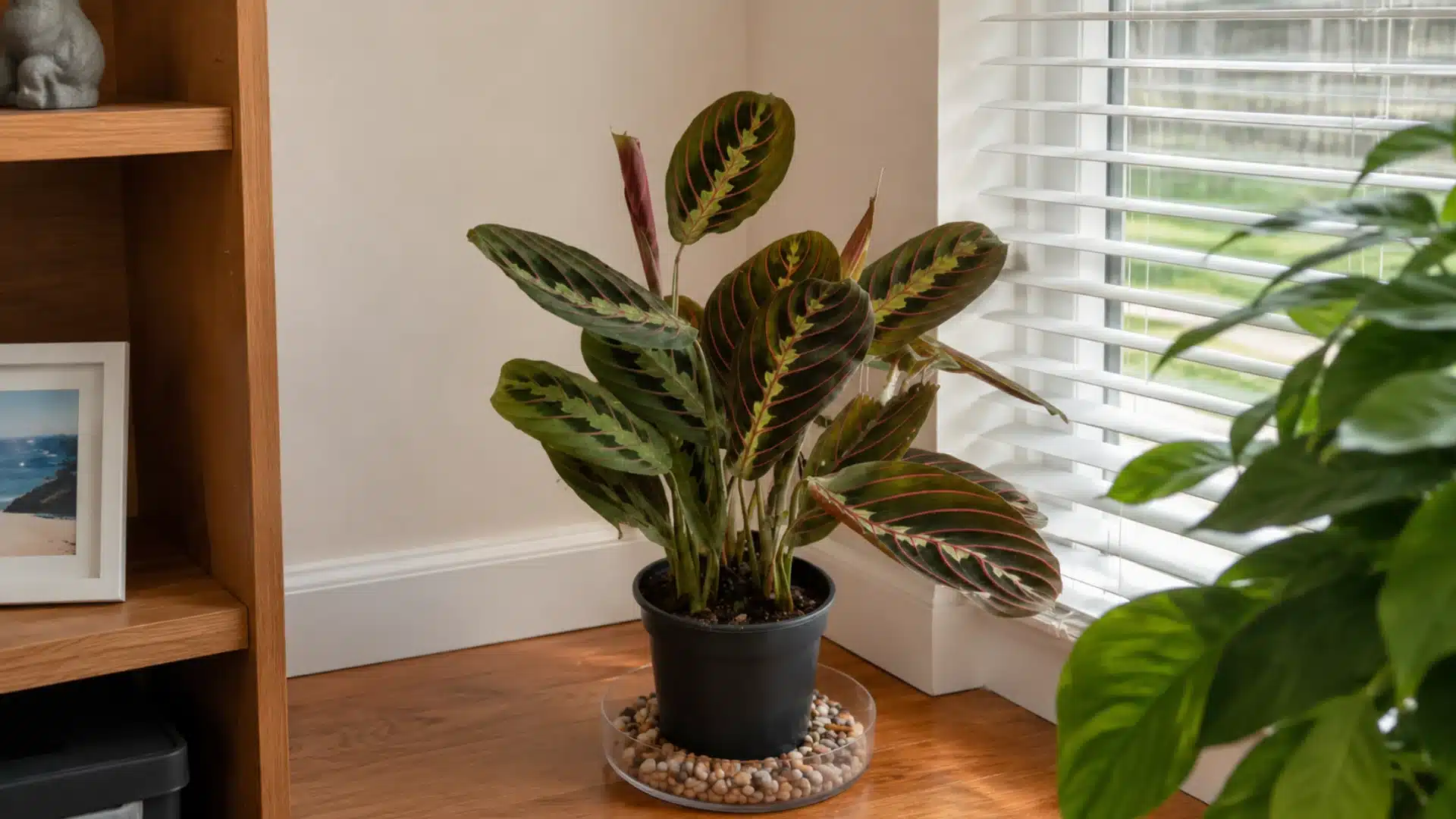
Calatheas dazzle with bold leaf patterns in cream, green, pink, and burgundy. They’re a stunning, non-toxic substitute for the dangerous Pothos.
They thrive in medium indirect light and humidity, with popular varieties like Ornata, Medallion, and Rattlesnake each offering a distinct look while staying pet-safe.
Why Calatheas are a Better Choice Than Pothos:
- Free of calcium oxalate crystals that cause mouth pain and swelling in cats
- Releases no toxic sap when leaves are torn or broken by a cat’s paws
- Smooth leaf surface passes safely through a cat’s digestive system without irritation
6. Haworthia
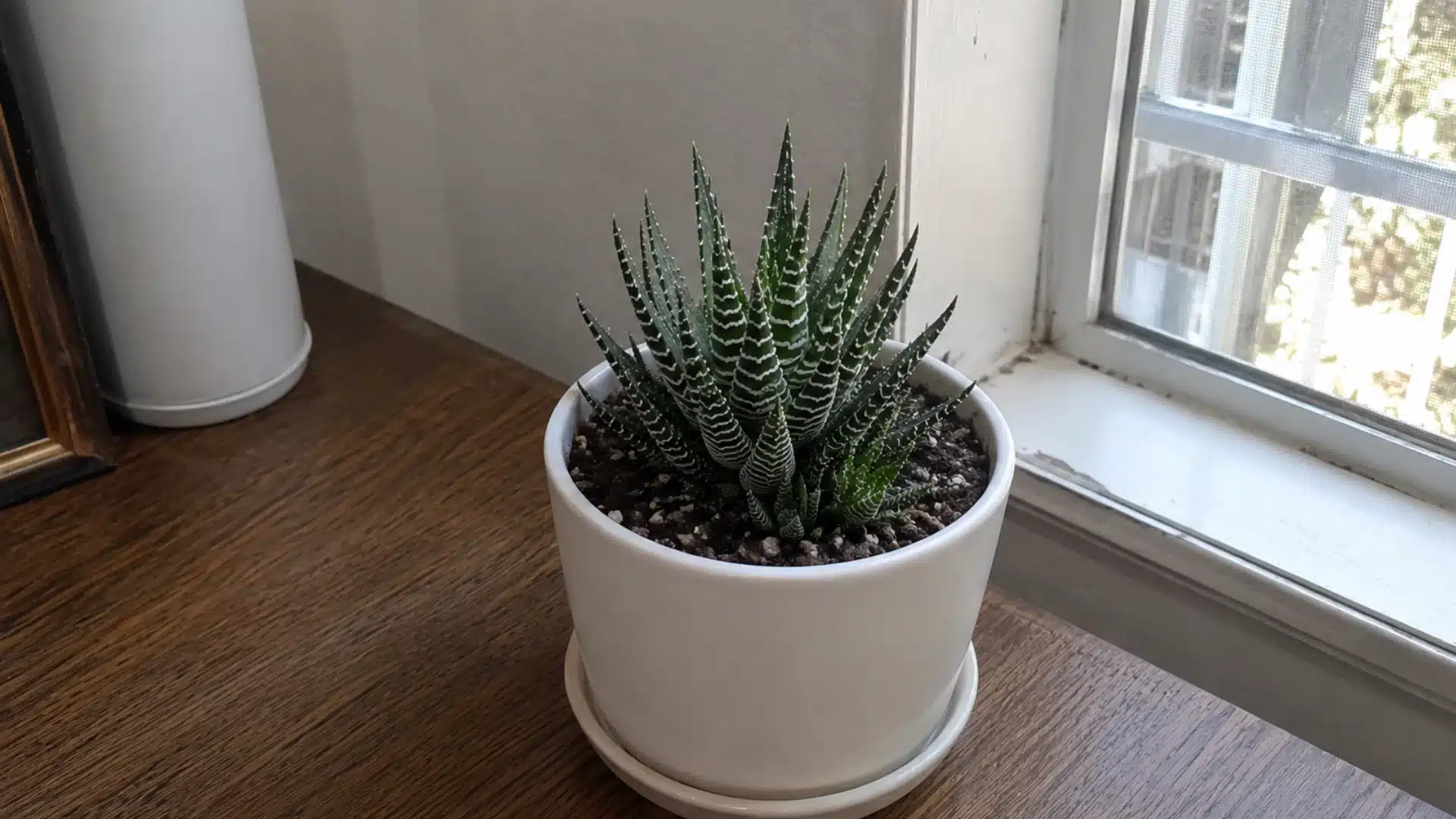
Haworthia delivers Aloe Vera’s bold geometric look without any of its toxicity. Its thick, pointed leaves suit desks, shelves, and minimalist spaces perfectly.
It grows slowly, needs infrequent watering, and fits into tight spaces where larger plants simply won’t work, all with zero risk to cats.
Reasons Haworthia Works Well in Cat-Friendly Spaces:
- Contains none of the saponins or aloin found in Aloe that make it toxic to cats
- Compact size makes it easy to relocate out of a cat’s reach if needed
- Minimal watering means no standing saucer water for cats to accidentally drink from
7. African Violet
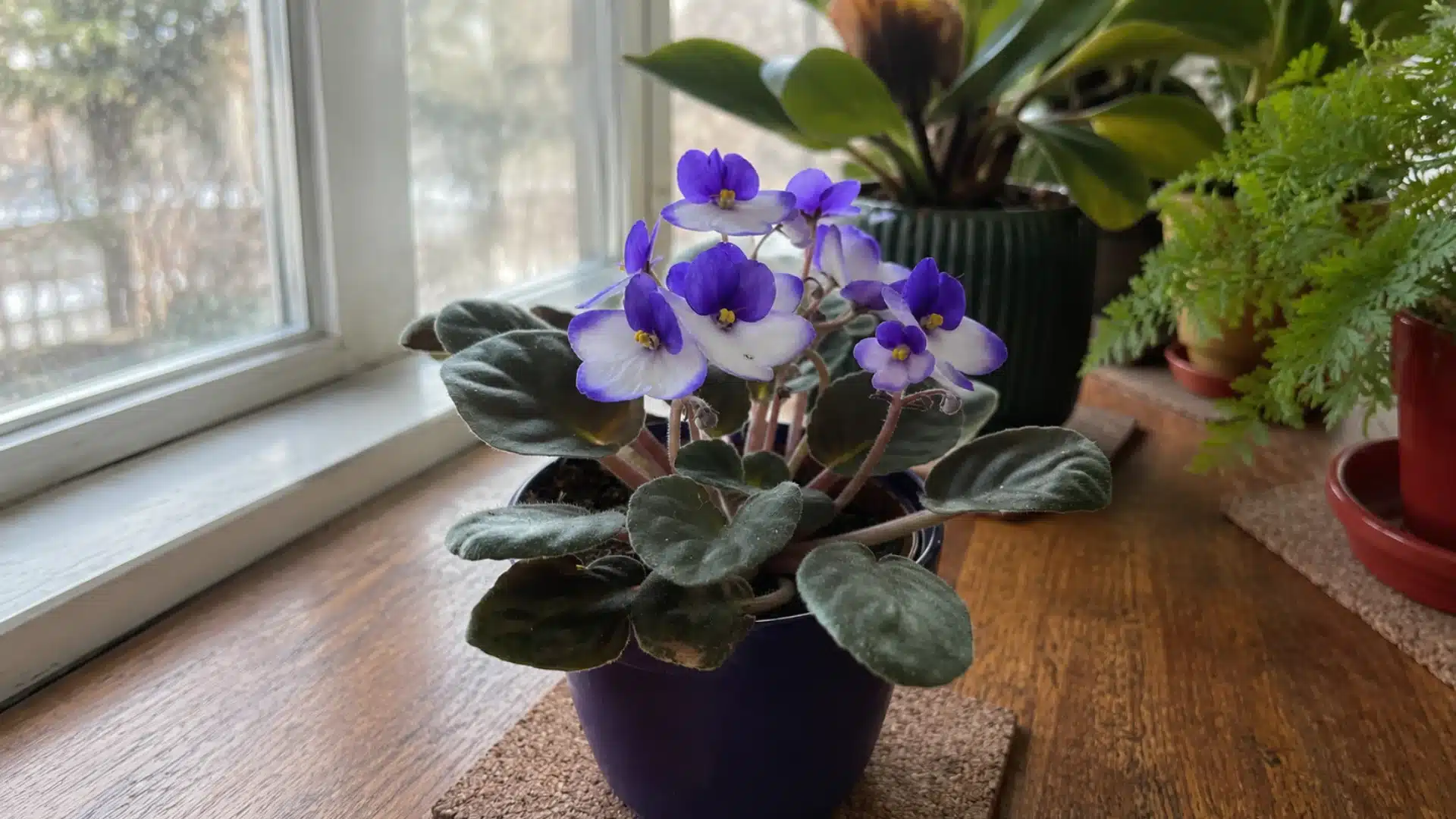
African Violets offer clusters of purple, pink, or white blooms above soft, velvety foliage all year round.
They prefer bright indirect light and base watering to protect their fuzzy leaves. For cat owners wanting color and safety in one compact plant, these are an effortless choice.
What Makes African Violets Gentle Around Cats:
- Fully non-toxic in both leaves and flowers, completely harmless if a cat makes contact
- Fuzzy leaf texture won’t abrade or irritate a cat’s mouth or skin
- No allergenic pollen is released in quantities that could affect a cat’s respiratory system
8. Money Tree
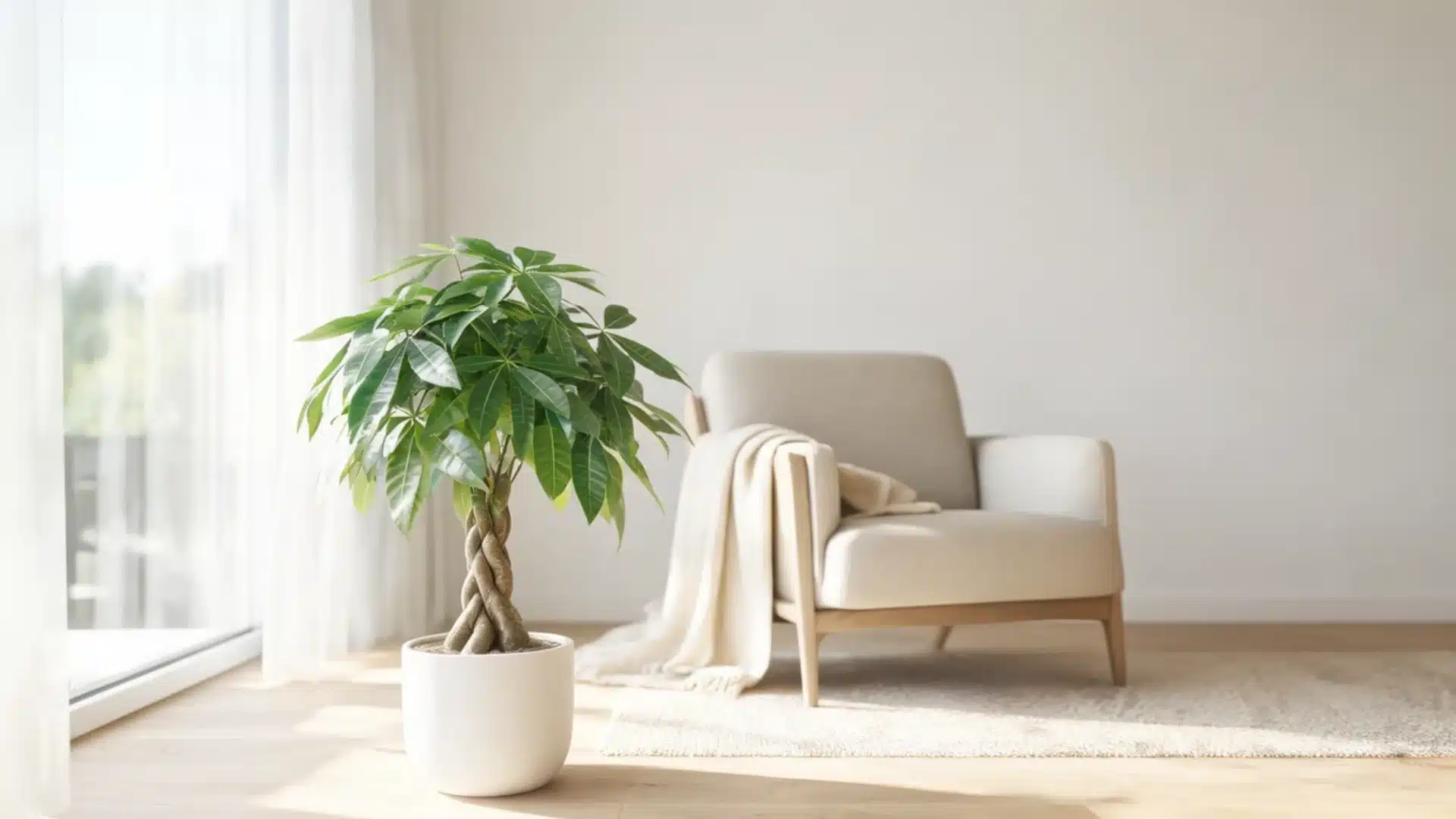
Money Trees are elegant statement plants with braided trunks and glossy, hand-shaped leaflets.
Associated with luck and prosperity, they prefer bright indirect light and deep but infrequent watering.
They also adapt well to indoor environments, making them a popular choice for apartments, offices, and homes with limited natural sunlight.
Why Money Trees Hold Up Well in Homes With Cats:
- No toxic compounds in leaves, bark, or seeds that could harm a cat internally
- A braided trunk is stable and unlikely to topple onto a cat that bumps or paws it
- Broad, leathery leaflets are difficult for most cats to fully chew through and ingest
9. Christmas Cactus
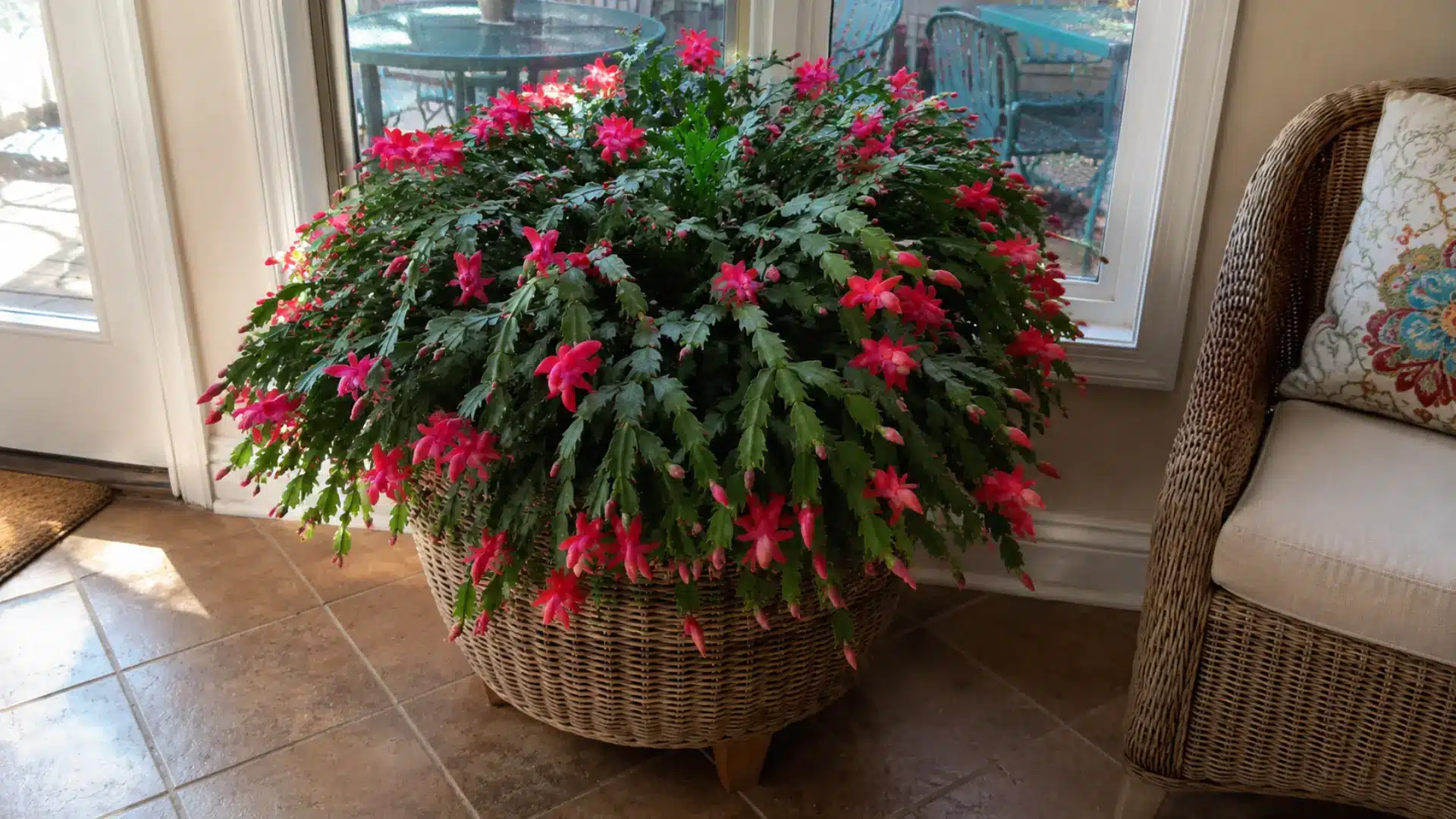
Christmas Cactus produces vivid red, pink, or white blooms during colder months with no sharp spines to worry about.
Its flat, segmented stems are soft-edged and safe around cats. It’s a far better holiday plant choice than toxic alternatives like Amaryllis, Poinsettia, or Lilies.
Why Christmas Cactus is Safer Than Most Holiday Plants:
- A low toxicity rating means cats experience no organ damage or serious reaction from contact
- Spineless soft stems eliminate any risk of puncture wounds inside a cat’s mouth
- Non-irritating sap means broken stems won’t cause swelling or discomfort on a cat’s paws or muzzle
10. Ponytail Palm
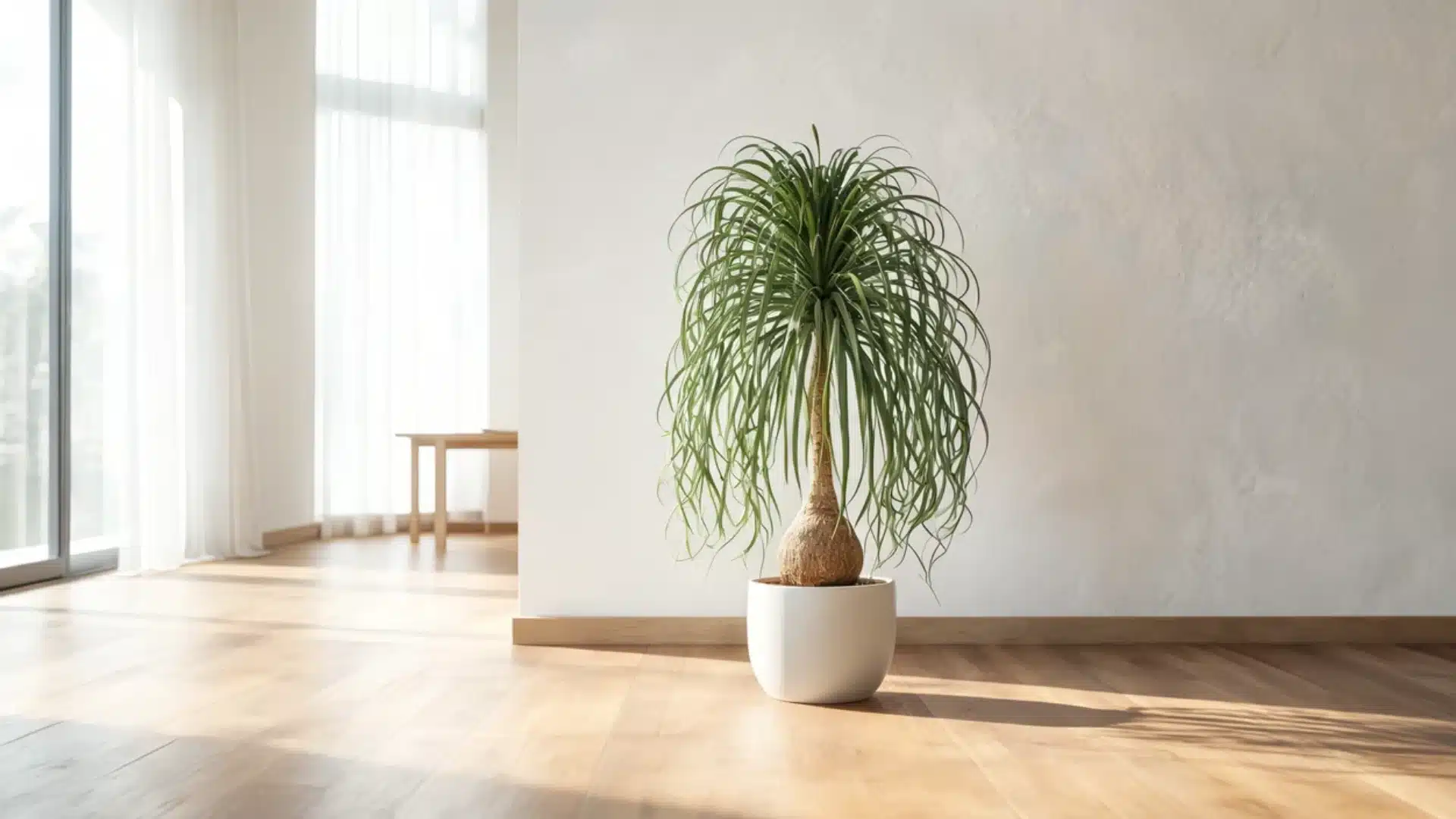
Ponytail Palms feature a swollen water-storing trunk and a dramatic fountain of long, curling leaves.
Despite their palm appearance, they’re succulents, highly drought-tolerant, and very low maintenance.
Their playful cascading foliage entertains cats visually and is completely non-toxic, no matter how much they investigate.
Why Ponytail Palms are a Fun Yet Safe Choice for Cats:
- Zero toxic compounds in any part of the plant that could harm a cat
- Long curling leaves provide harmless enrichment that keeps cats entertained safely
- Slow growth means even repeated cat damage never exposes harmful new tissue
11. Air Plants
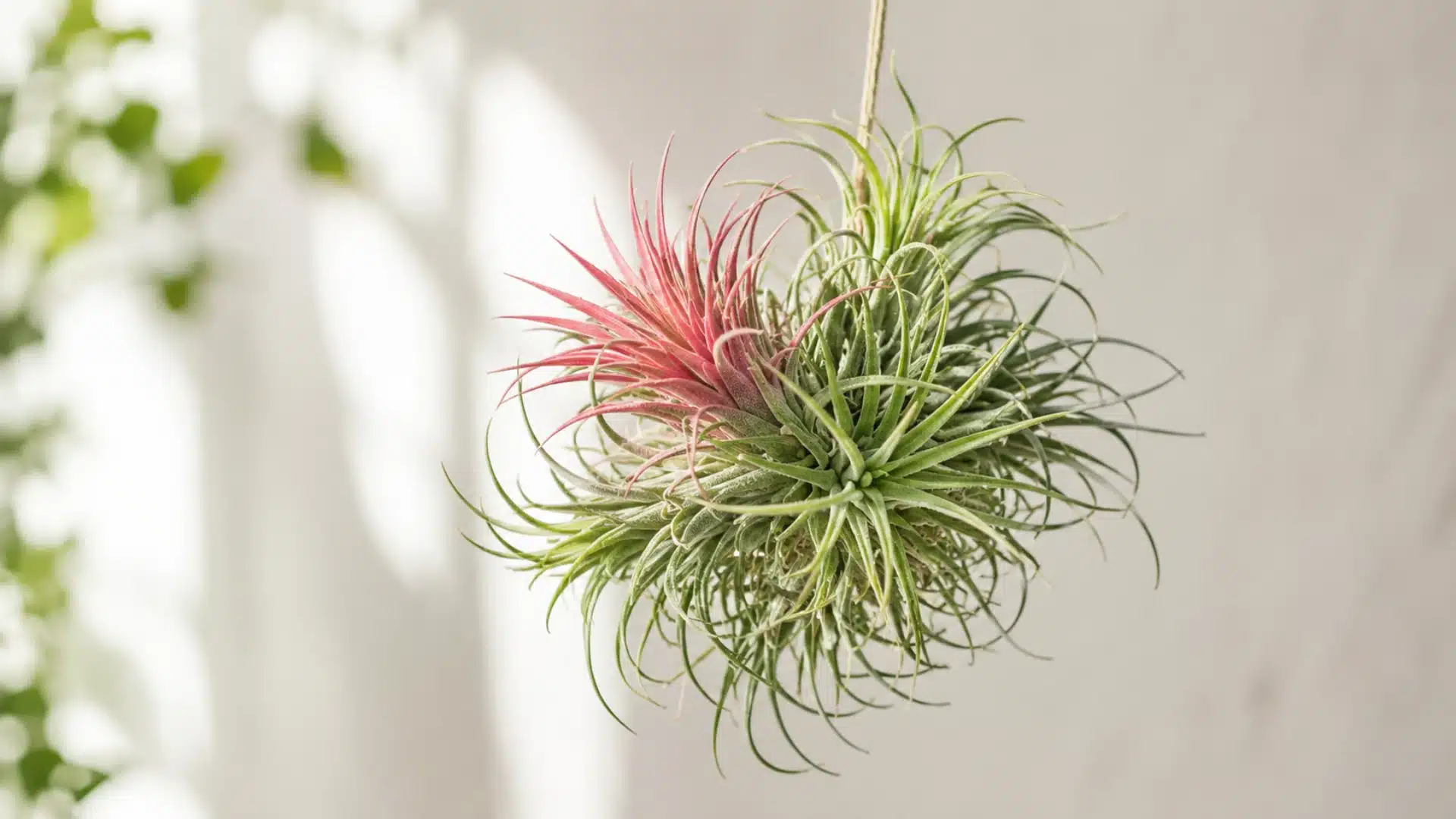
Air Plants grow without soil, absorbing moisture through their leaves. They display beautifully in terrariums, mounted on driftwood, or in geometric holders.
Their soil-free nature removes a common cat hazard entirely, and every species in the Tillandsia genus is confirmed non-toxic.
What Makes Air Plants Exceptionally Pet Friendly:
- Soil-free growth removes the risk of cats ingesting fertilizer residue or treated potting mix
- Completely non-toxic across all Tillandsia species, safe for cats in every part
- Produces no sap or latex when leaves are pulled, leaving no irritant on a cat’s paws
12. Phalaenopsis Orchid
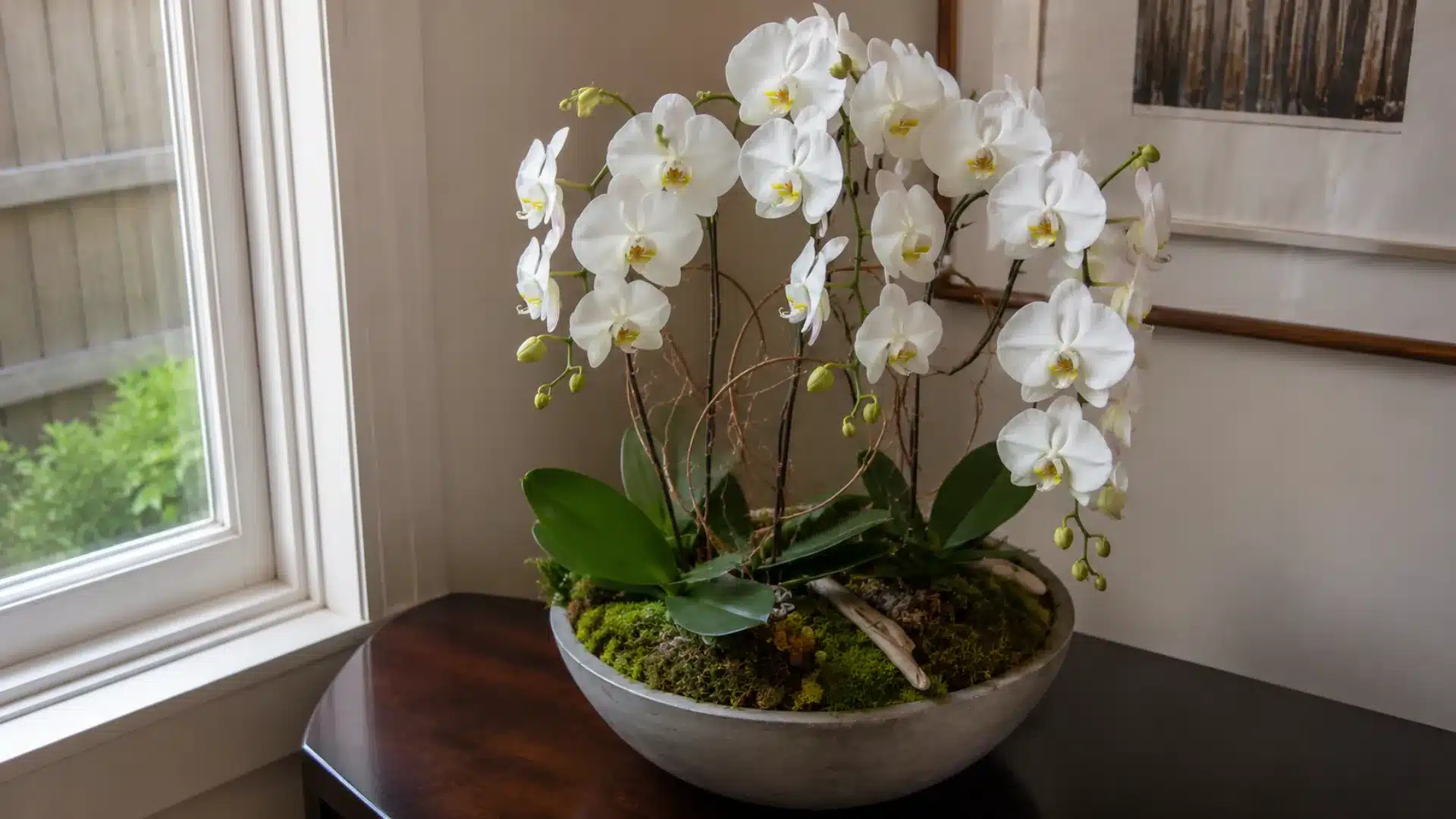
Phalaenopsis Orchids produce graceful arching flower spikes with blooms that last two to three months. They need just weekly watering and bright indirect light to thrive and rebloom.
For cat owners avoiding cut flowers due to toxicity fears, these are an elegant, long-lasting, worry-free alternative.
Why Phalaenopsis Orchids are a Stress-Free Pick:
- No toxic compounds in any part of the plant that could harm a cat
- Minimal pollen shed reduces the risk of respiratory irritation in cats with sensitivities
- Watery stem tissue causes no digestive blockage in cats if small amounts are chewed
13. Peperomia
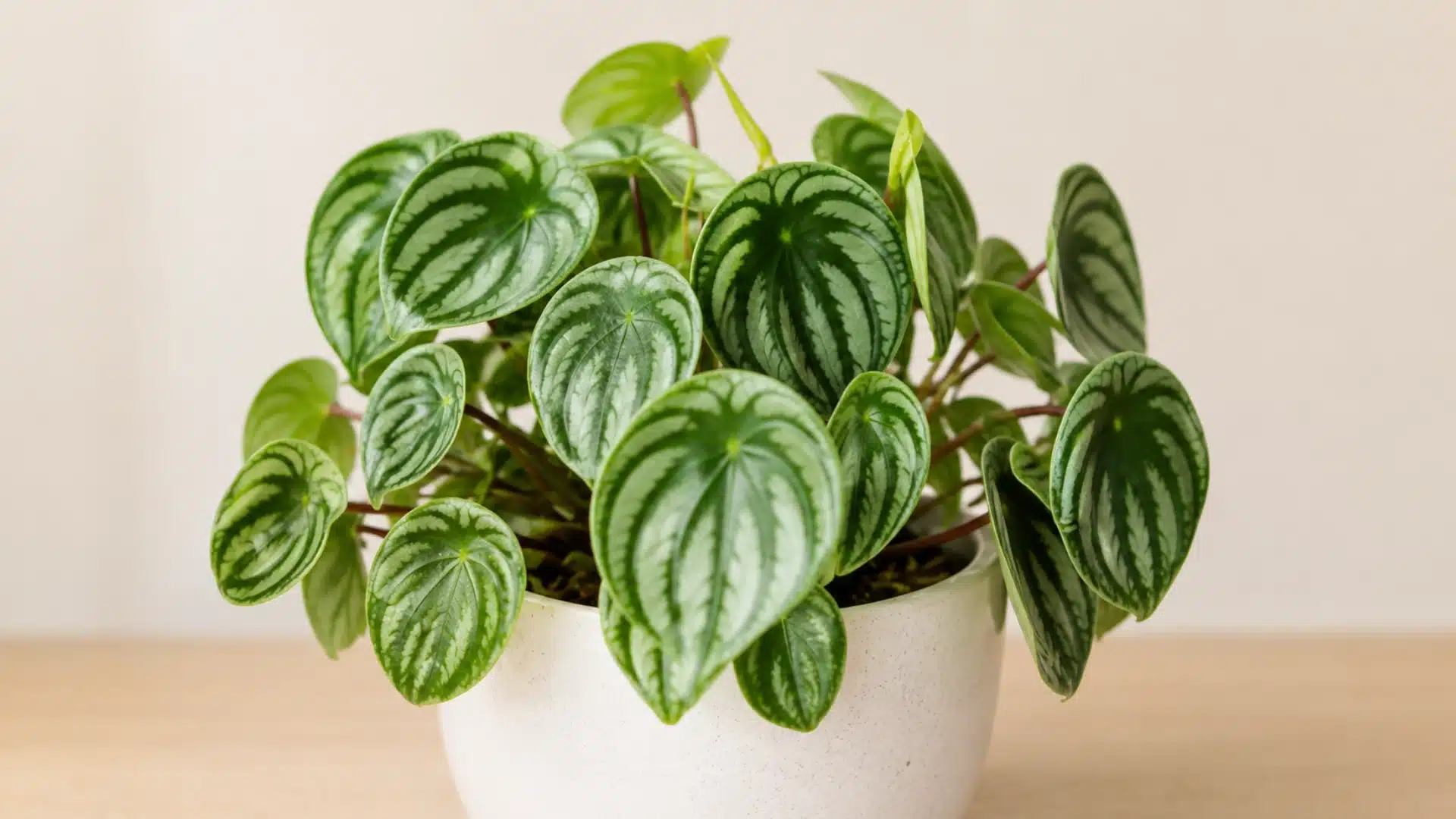
Peperomia is a massive genus of species offering endless variety in leaf shape, texture, and color. Compact and slow-growing, they suit shelves, desks, and terrariums equally well.
Their semi-succulent stems store moisture, forgiving irregular watering, and the entire genus is non-toxic across all varieties.
Why Peperomia is Great for Multi-Plant Cat Homes:
- Non-toxic across every species, so cat owners can collect varieties without introducing new risks
- Semi-succulent tissue releases no irritating sap when broken by a cat’s claws or teeth
- Lightweight pots and small root mass present minimal tipping or falling injury risk to cats
14. Cast Iron Plant
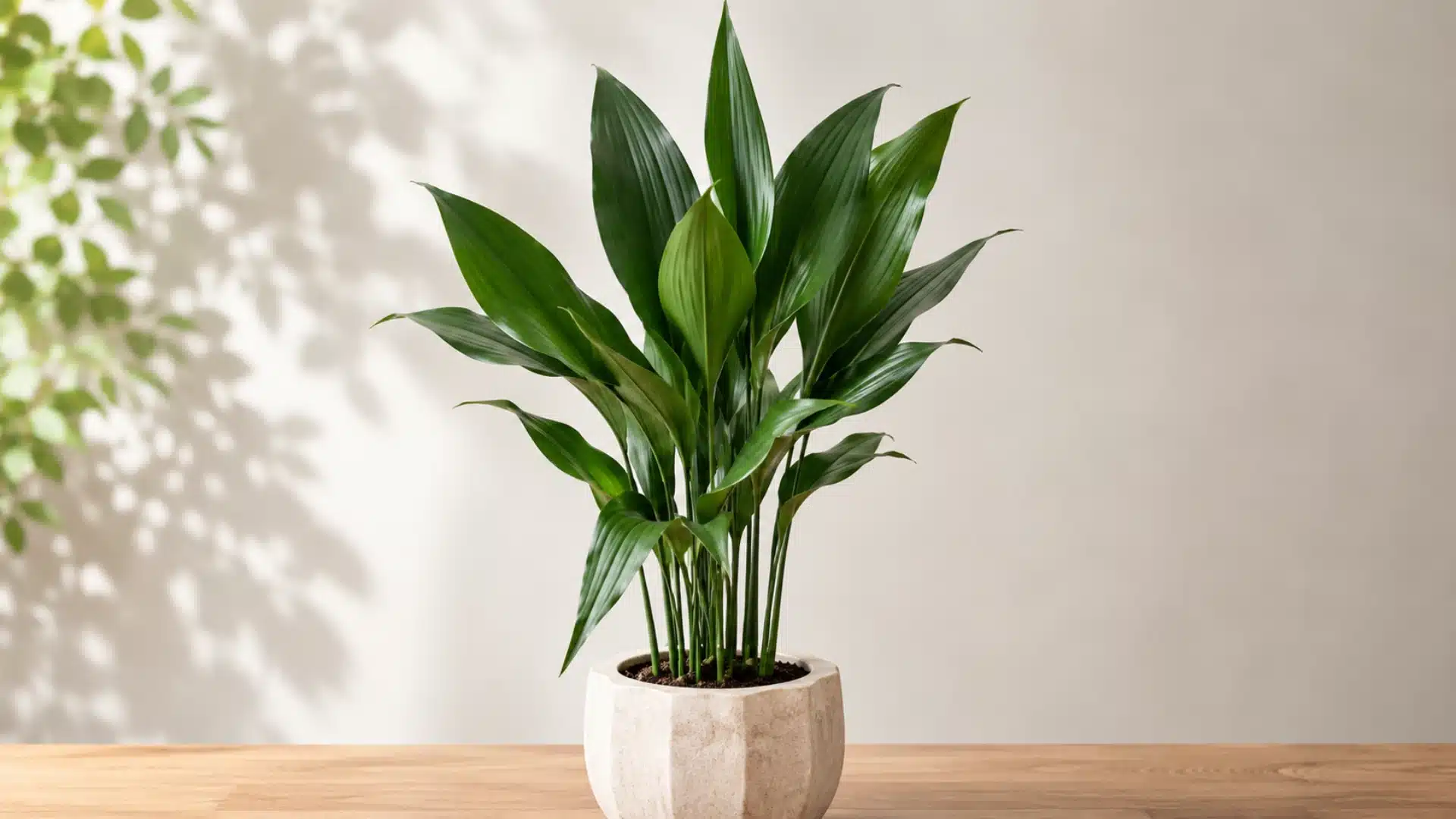
Cast Iron Plants survive deep shade, neglect, temperature swings, and irregular watering better than almost any other houseplant.
Their broad, deep green leaves create a calm, architectural look in dark corners. Even a determined chewing cat is unlikely to visibly damage these impressively tough leaves.
Why Cast Iron Plants are So Reliable Around Cats:
- Fully non-toxic with no adverse reactions recorded in cats from ingesting any part
- Thick, leathery leaves contain no sap or oils that could irritate a cat’s mouth
- A low stable growth habit means no structural tipping risk that could injure a nearby cat
15. Fittonia (Nerve Plant)
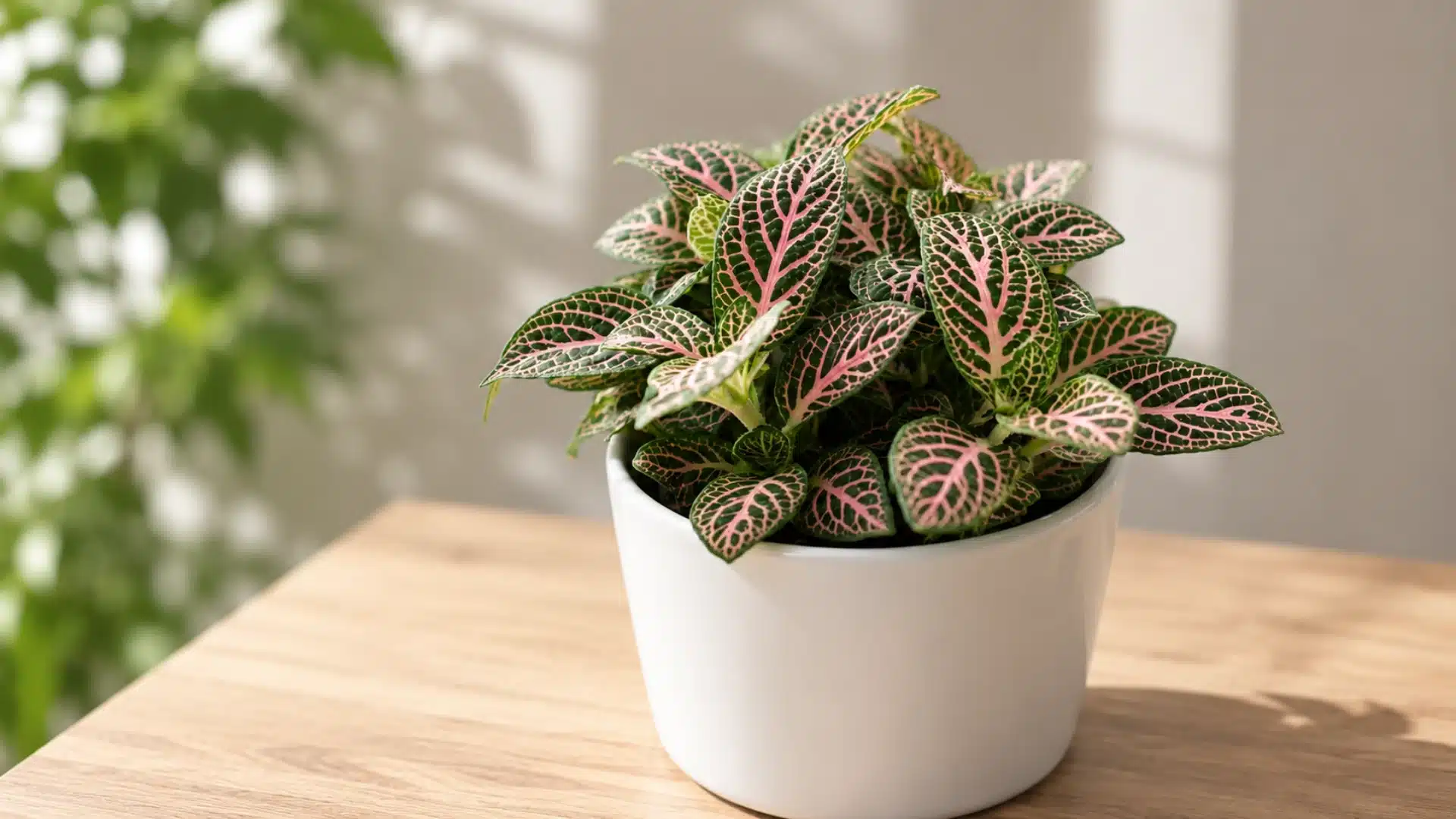
Fittonias are small foliage plants with intricately veined leaves in green, white, pink, or red.
They thrive in high humidity inside terrariums or on bathroom shelves and rarely exceed 15 cm tall. Their compact size and fully non-toxic profile make them ideal for homes with ground-level cat explorers.
Why Fittonias Suit Small Spaces With Cats:
- Soft, thin leaves contain no latex or oil that could irritate a cat’s paws or muzzle
- Contains no alkaloids or saponins that could cause toxic reactions in cats
- A low rosette habit means cats resting nearby are not exposed to any airborne irritants
16. Maranta (Prayer Plant)
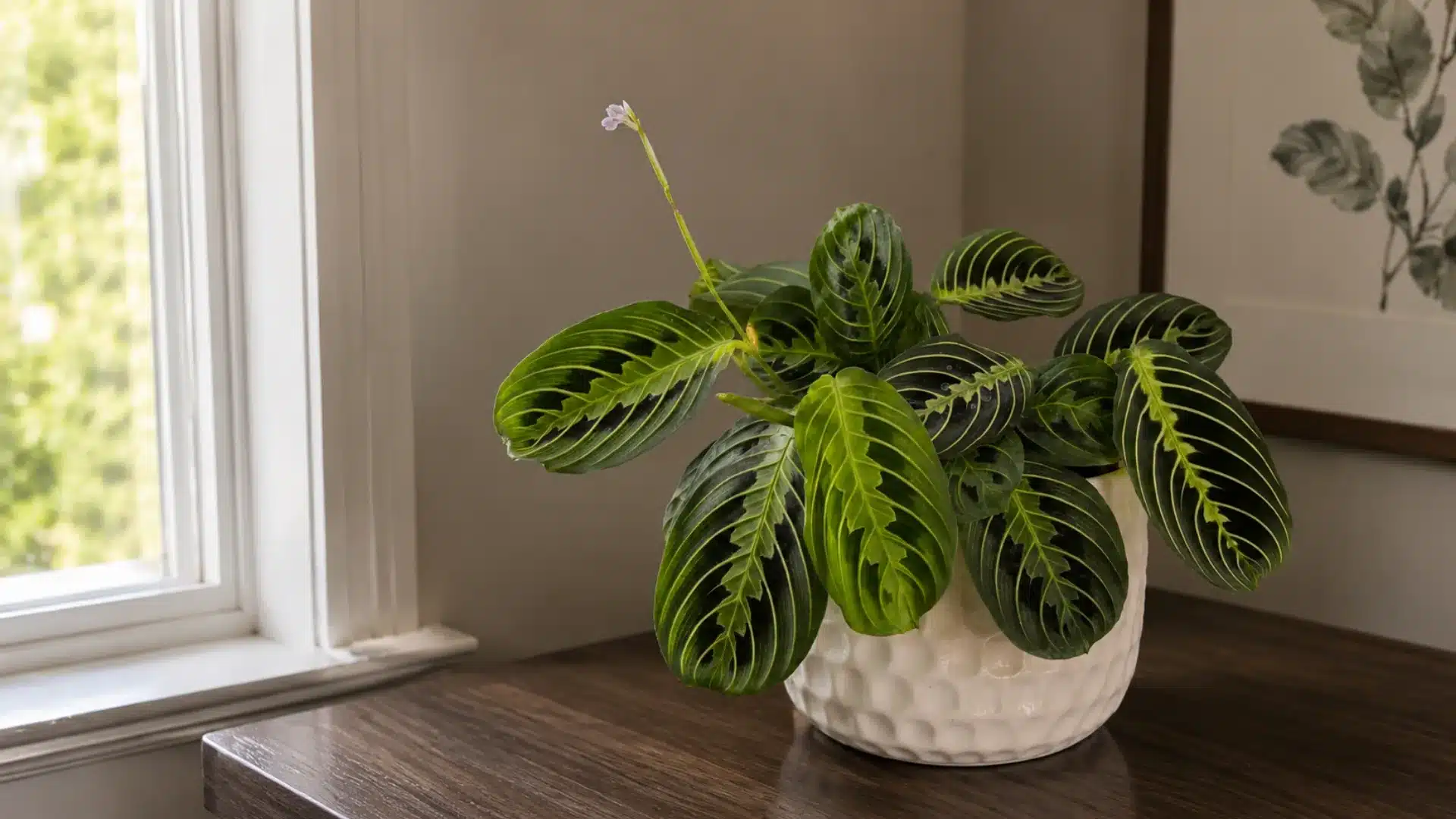
Prayer Plants fold their leaves upward each evening and reopen them each morning, a natural movement that fascinates both owners and cats.
Their richly patterned oval leaves suit kitchens and bathrooms with medium light and humidity. They’re slow-growing, grounded, and completely non-toxic to cats.
What Makes Prayer Plants Gentle for Curious Cats:
- Fully non-toxic with no reactive compounds that could harm a cat upon ingestion or contact
- Smooth, waxy leaf surface produces no oils that could sensitize a cat’s skin or paws
- Low trailing habit naturally limits how much leaf material a cat can easily access and eat
17. Bamboo Palm
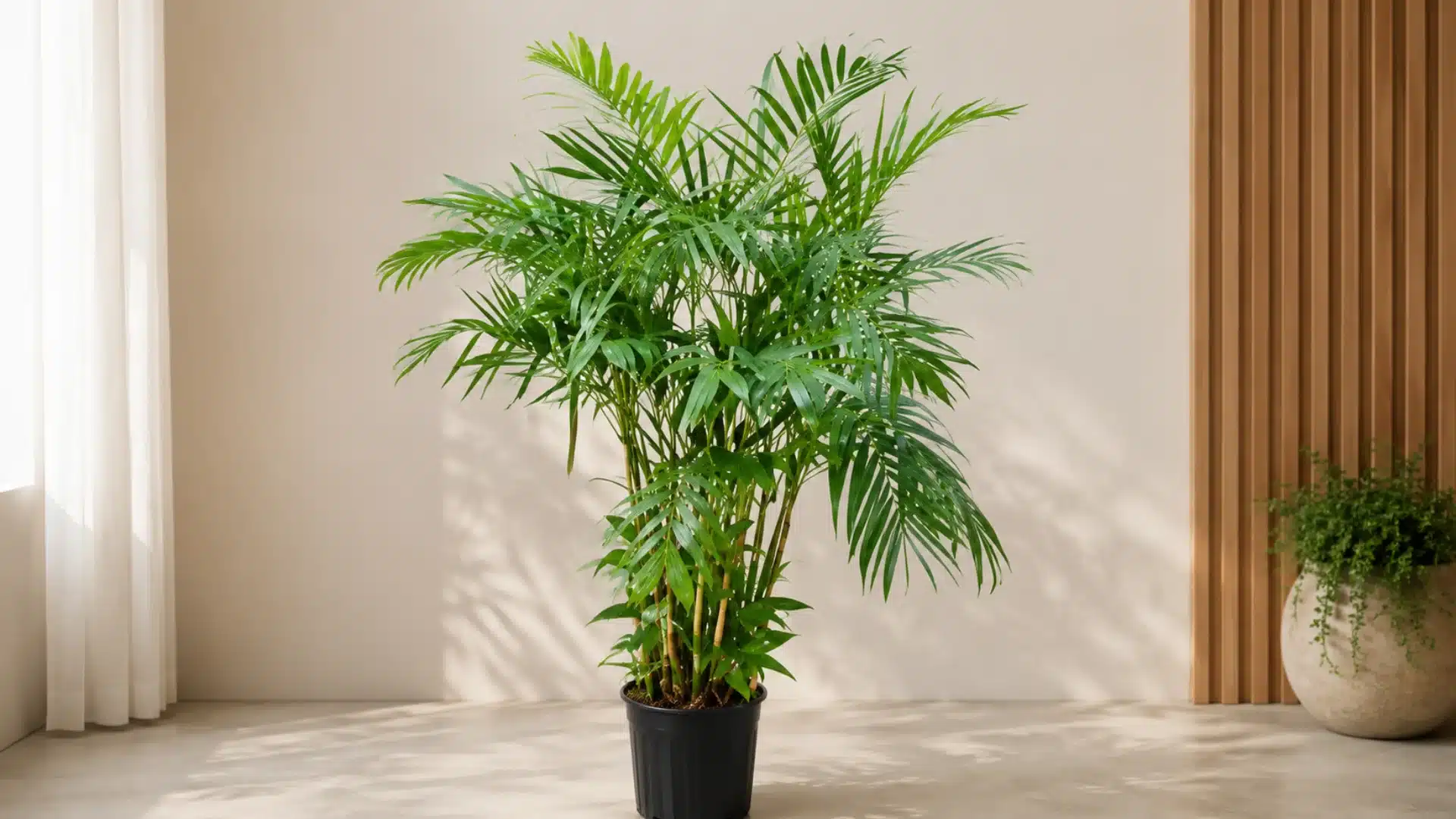
Bamboo Palms are dense, multi-stemmed tropicals that create a lush, forest-like presence indoors.
Unlike Lucky Bamboo, this is a true palm with zero toxicity concerns.
It thrives in medium to bright indirect light with consistently moist soil, making it a great full-coverage plant for larger rooms.
Why Bamboo Palms are Safer:
- Contains none of the compounds that cause fatal liver damage in cats
- Dense multi-stem spread means any frond a cat consumes is only a negligible amount
- Fronds release no essential oils when crushed, which could irritate a cat’s respiratory system
18. Swedish Ivy
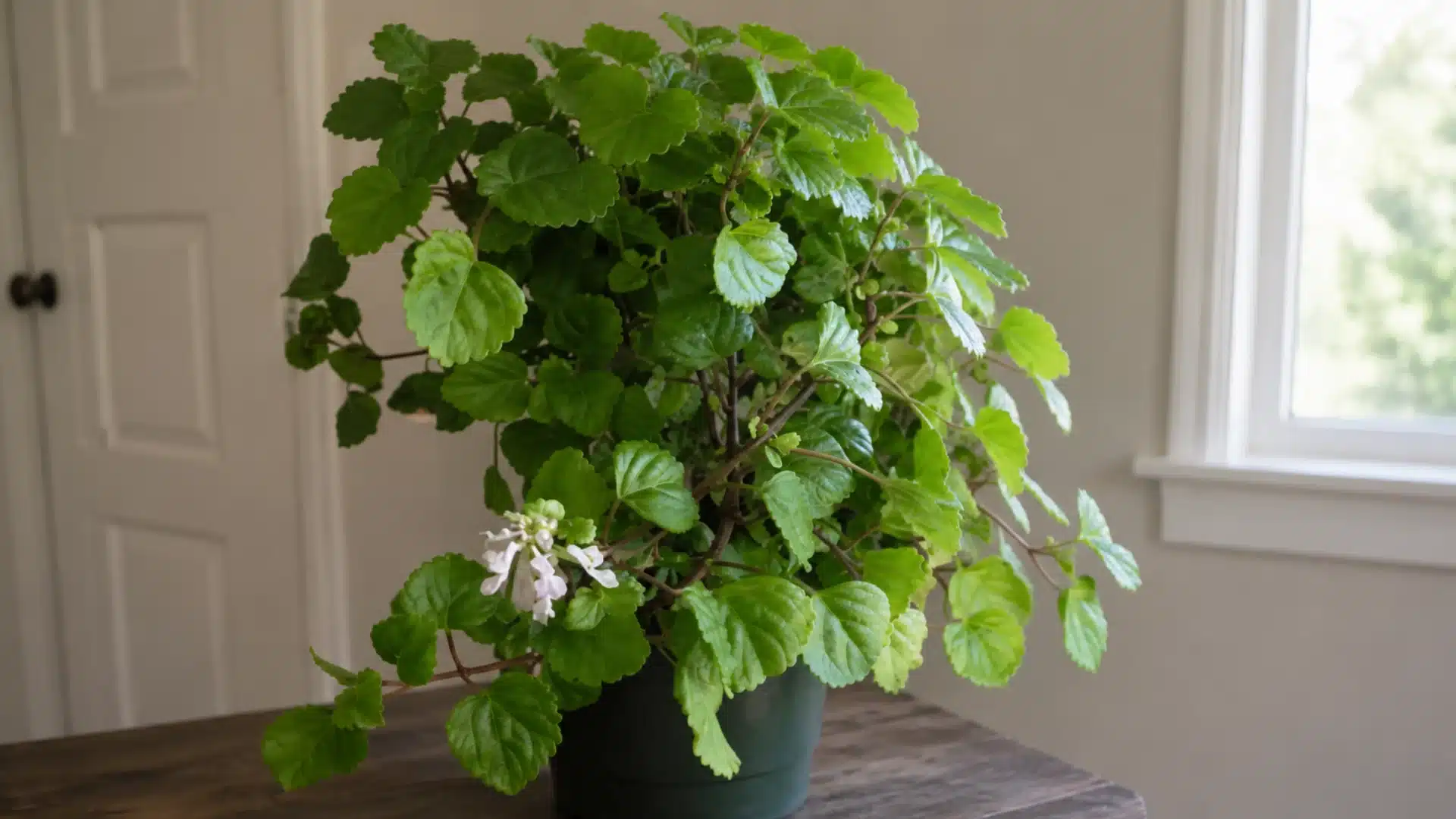
Swedish Ivy is a fast-growing trailer with rounded, glossy leaves that cascade beautifully from hanging baskets.
It’s not a true ivy, which matters, since English Ivy is toxic to cats. It grows quickly in bright indirect light and occasionally flowers, offering a completely safe trailing aesthetic indoors.
Why Swedish Ivy is a Better Alternative to Toxic Ivy Plants:
- Contains none of the toxic compounds found in true ivies that are harmful to cats
- Fast regrowth means stem damage by cats doesn’t leave the plant vulnerable for long
- Produces no sticky sap, so cats won’t carry any residue on their paws or fur
19. Staghorn Fern
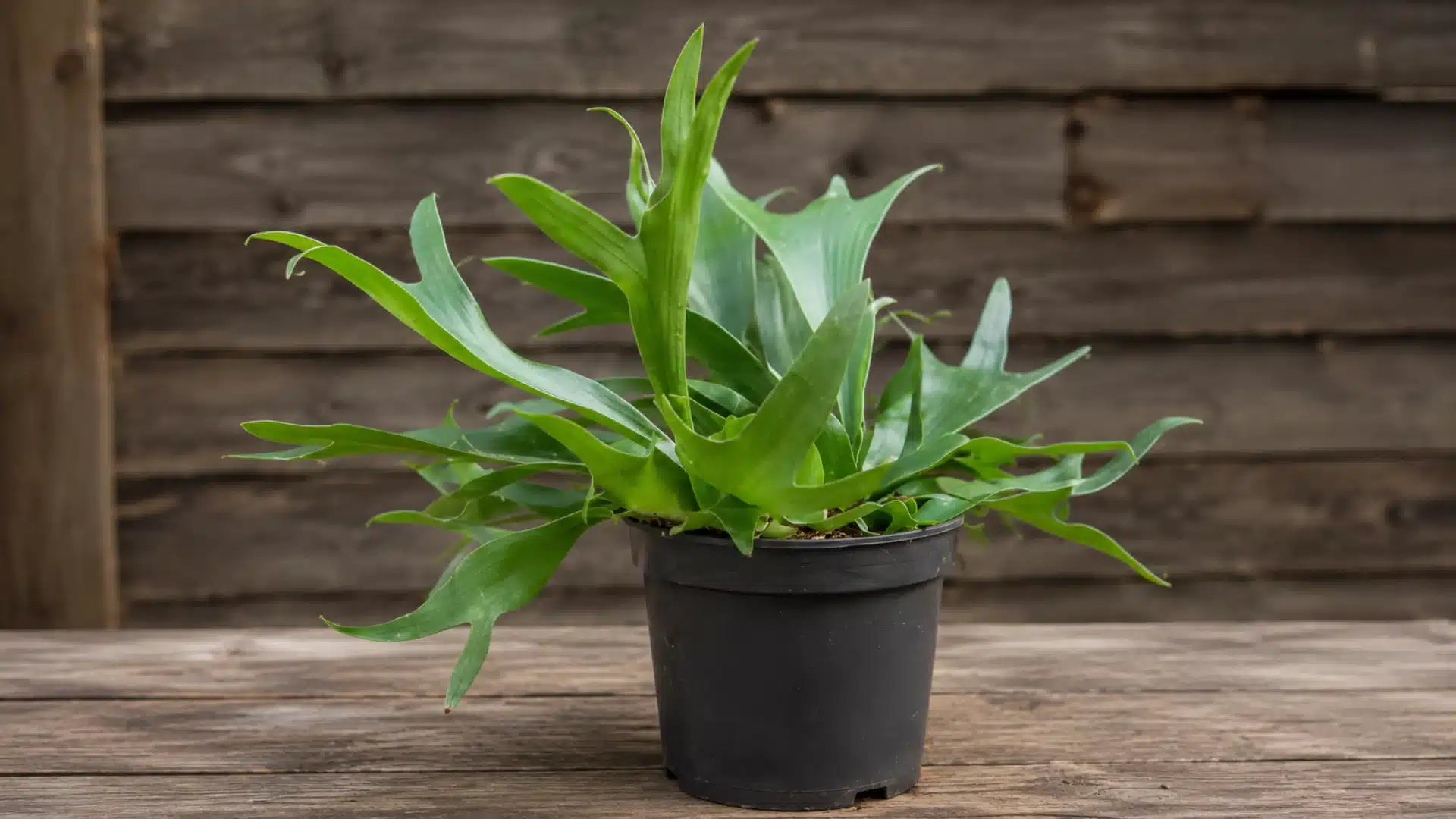
Staghorn Ferns are dramatic wall-mounted plants with distinctive antler-shaped fronds that function as living wall art. They’re watered by soaking or misting rather than soil-based methods.
Their elevated mounting position naturally keeps them away from ground-level cat activity while remaining fully non-toxic.
What Makes Staghorn Ferns Low Risk for Cat Owners:
- Non-toxic to cats with no adverse reactions recorded from contact with either frond type
- A wall-mounted display naturally keeps the plant out of a cat’s everyday reach
- Fronds contain no oxalates or alkaloids that could affect a cat’s kidneys or digestion
20. Baby Rubber Plant
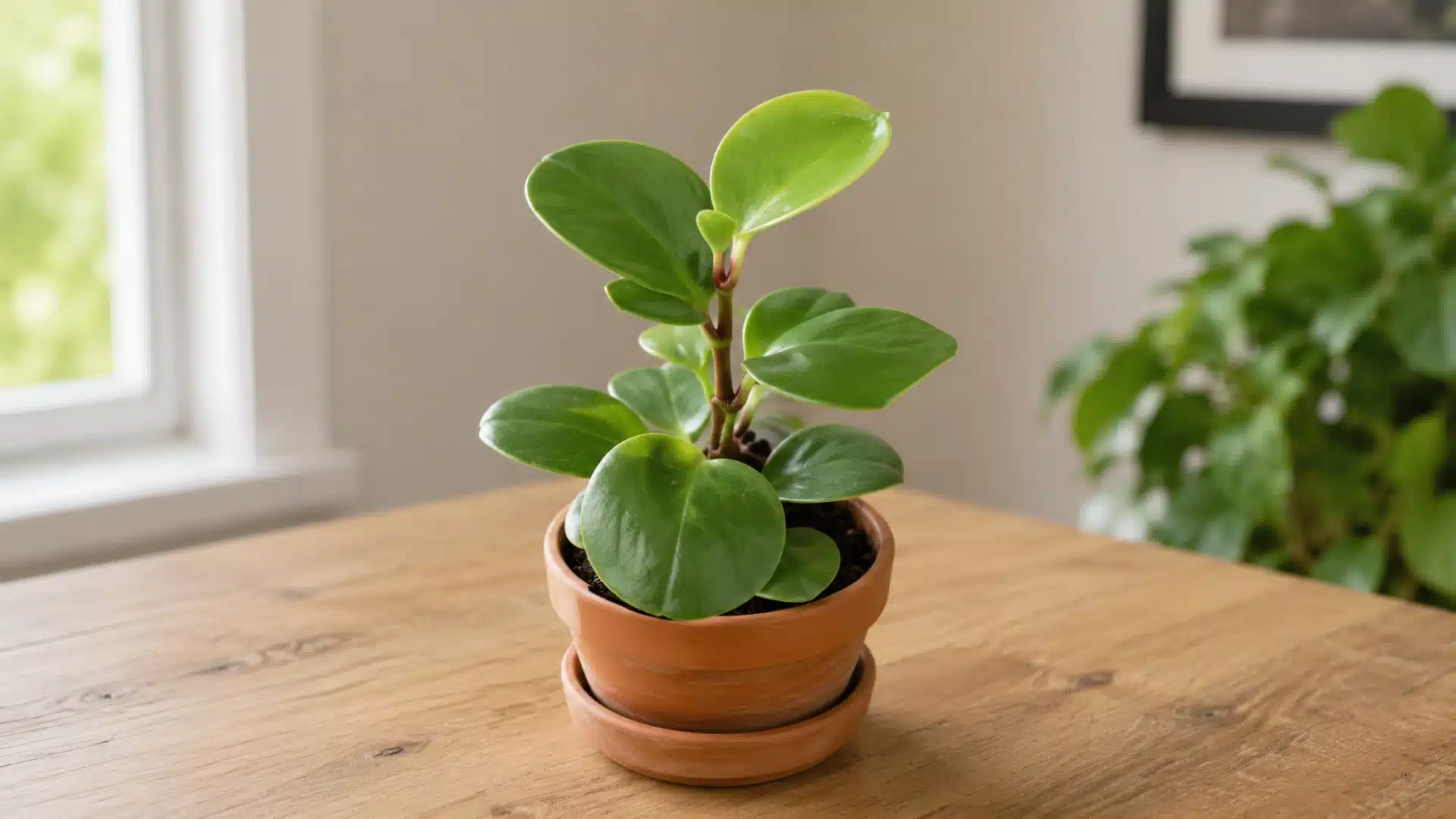
Baby Rubber Plants have deep green, glossy leaves and a sturdy upright habit that resists casual cat interference better than most houseplants.
They store moisture in their thick leaves, tolerate irregular watering, and top out at a tidy 25-30 cm, making them perfect for apartment shelves and side tables.
Why Baby Rubber Plants Handle Cat Homes Well:
- Belongs to the fully non-toxic Peperomia genus with a clean safety record for cats
- Thick leaves produce no toxic sap when damaged, safe even if a cat repeatedly mouths them
- An upright, stable structure is unlikely to topple when a cat brushes past or investigates
21. Hoya (Wax Plant)
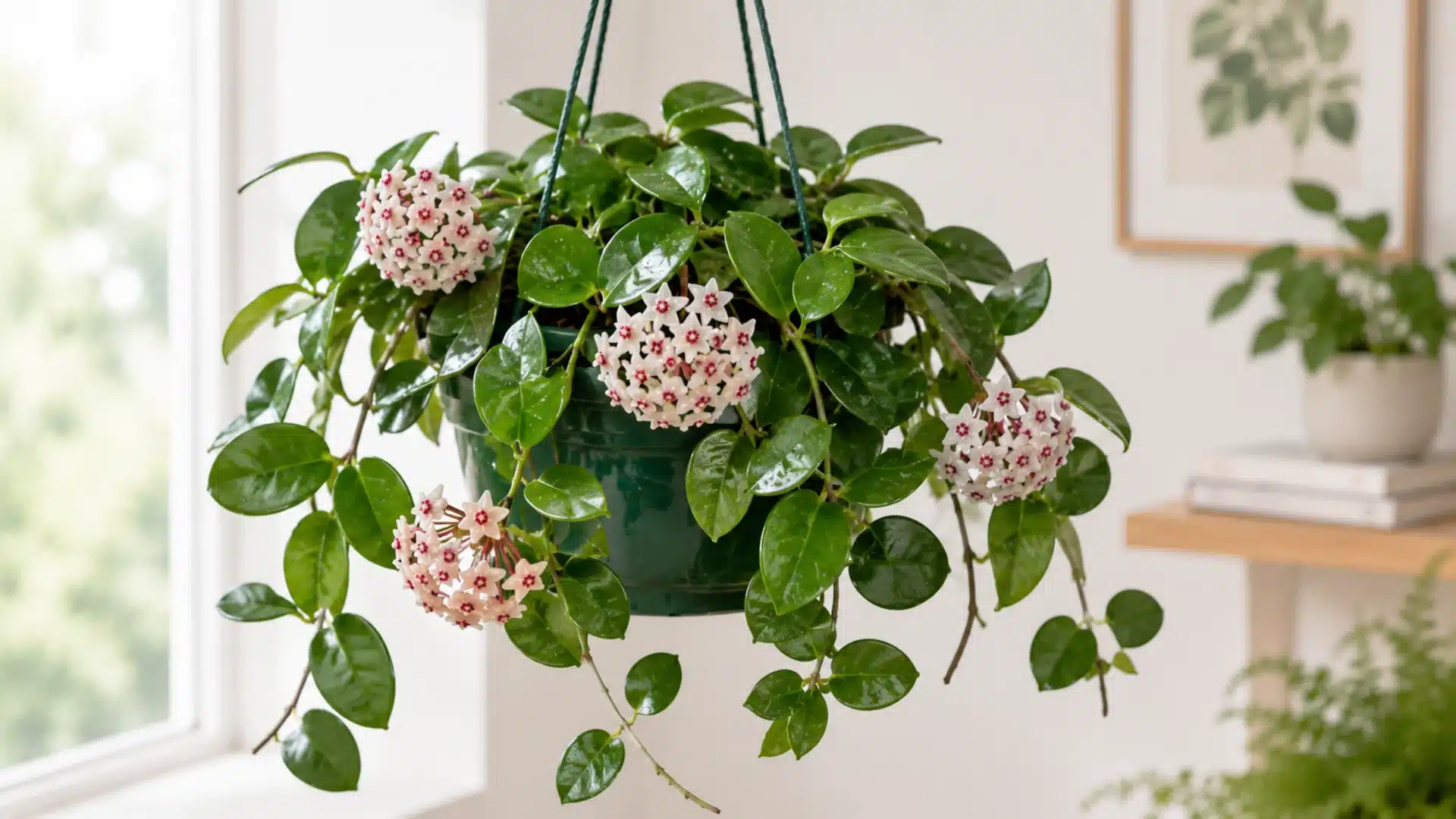
Hoyas are slow-growing trailing vines with thick, waxy leaves and clusters of sweetly fragrant, star-shaped flowers in summer.
They thrive on bright indirect light and minimal watering, often living for decades indoors. Rare among flowering plants, Hoyas are non-toxic to cats and genuinely long-lasting.
Why Hoyas are One of the Safest Flowering Houseplants for Cats:
- Non-toxic across all commonly grown Hoya species, cats can contact leaves and flowers safely
- Waxy leaf surface produces no sap or latex residue that could irritate a cat’s mouth or paws
- Infrequent watering means that saucer overflow, a common drinking source for cats, rarely occurs
Plants That are Poisonous to Cats
Many popular houseplants sold in garden centers and home décor stores can be harmful to cats despite their attractive appearance. Some cause mild digestive irritation, while others may lead to severe organ damage or life-threatening reactions.
Knowing which plants are toxic helps create a safer indoor environment for curious pets that like to chew leaves or dig in pots.
- Lilies (Lilium spp.): One of the most dangerous plants for cats. Even small exposure to petals, pollen, or vase water can cause acute kidney failure. Immediate veterinary care is critical after ingestion.
- Pothos (Devil’s Ivy): A common trailing houseplant that contains calcium oxalate crystals. Chewing the leaves can cause mouth irritation, drooling, vomiting, and throat discomfort. Cats often react quickly after contact.
- Snake Plant (Sansevieria): Popular for indoor décor and low maintenance care, but toxic to cats. The plant contains saponins that may trigger nausea, vomiting, and diarrhea. Symptoms are usually mild to moderate.
- Sago Palm: Considered one of the most toxic ornamental plants for pets. Even small amounts can lead to liver damage, seizures, or death. Every part of the plant is dangerous to cats.
- Aloe Vera: Frequently kept for skincare and medicinal use, yet harmful to cats when eaten. The plant contains compounds that cause digestive upset, vomiting, and lethargy. Safer succulent alternatives are recommended for homes with pets.
Tips to Keep Your Cat Safe Around Houseplants
Cats are naturally curious and often explore houseplants by chewing leaves, digging in soil, or brushing against pots.
Even safe plants can create problems if they are overwatered, treated with chemicals, or placed in unstable containers.
Creating a pet-friendly plant setup helps reduce accidents while keeping both your greenery and your cat healthy indoors.
- Keep toxic plants completely out of reach or avoid them altogether
- Place heavy pots in stable areas to prevent tipping accidents
- Avoid chemical fertilizers or pesticides that may harm cats
- Use hanging planters or wall shelves for delicate plants
- Train cats with pet-safe deterrent sprays near restricted plants
- Provide cat grass or pet-friendly plants to reduce chewing behavior
- Clean fallen leaves quickly so curious cats do not ingest them
A few simple precautions can make a big difference in maintaining a safe home for pets and plants together.
Choosing non-toxic greenery and arranging plants thoughtfully allows cats to explore comfortably without putting their health at risk.
Conclusion
Cats and houseplants can absolutely coexist when thoughtful choices guide the setup of the home. Safe greenery adds warmth, color, texture, and a calming atmosphere without putting curious pets at risk.
At the same time, understanding which plants are dangerous is just as important as choosing the safe ones.
Small details like checking botanical names, placing plants carefully, and recognizing early poisoning symptoms can prevent stressful emergencies later.
A cat-friendly indoor garden is not about limiting creativity; it is about building a safer environment where both plants and pets thrive together naturally.
Want more pet safety tips, home care ideas, and expert-backed cat wellness guides? Explore more pet care content and create a healthier, happier space for every feline companion in the house.
Frequently Asked Questions
How Do I Stop My Cat from Eating Houseplants?
Providing cat grass, using citrus-based deterrent sprays, elevating plants, and redirecting chewing behavior with toys can help discourage plant chewing.
What Happens if a Cat Eats a Toxic Plant?
Symptoms may include vomiting, drooling, diarrhea, lethargy, trouble walking, loss of appetite, or seizures, depending on the plant consumed and the amount eaten.
Are Hanging Plants Safer for Homes with Cats?
Hanging plants reduce access and help prevent chewing, but adventurous cats may still reach them by climbing nearby furniture or shelves.