
My neighbor’s dog barked from 6 AM to midnight for three straight weeks, and that’s when I started seriously looking into bark collars.
If you’re a dog owner exhausted by constant barking or a neighbor quietly losing your mind, you’ve probably asked the same question I did: Do these things actually work?
I’ve spent a good amount of time researching this topic, going through real owner experiences, expert opinions, and the science behind barking behavior.
In this post, I’ll cover how bark collars function, the different types available, when they help and when they completely fail, whether they’re safe, and what alternatives might actually get to the root of the problem.
Do Bark Collars Actually Work
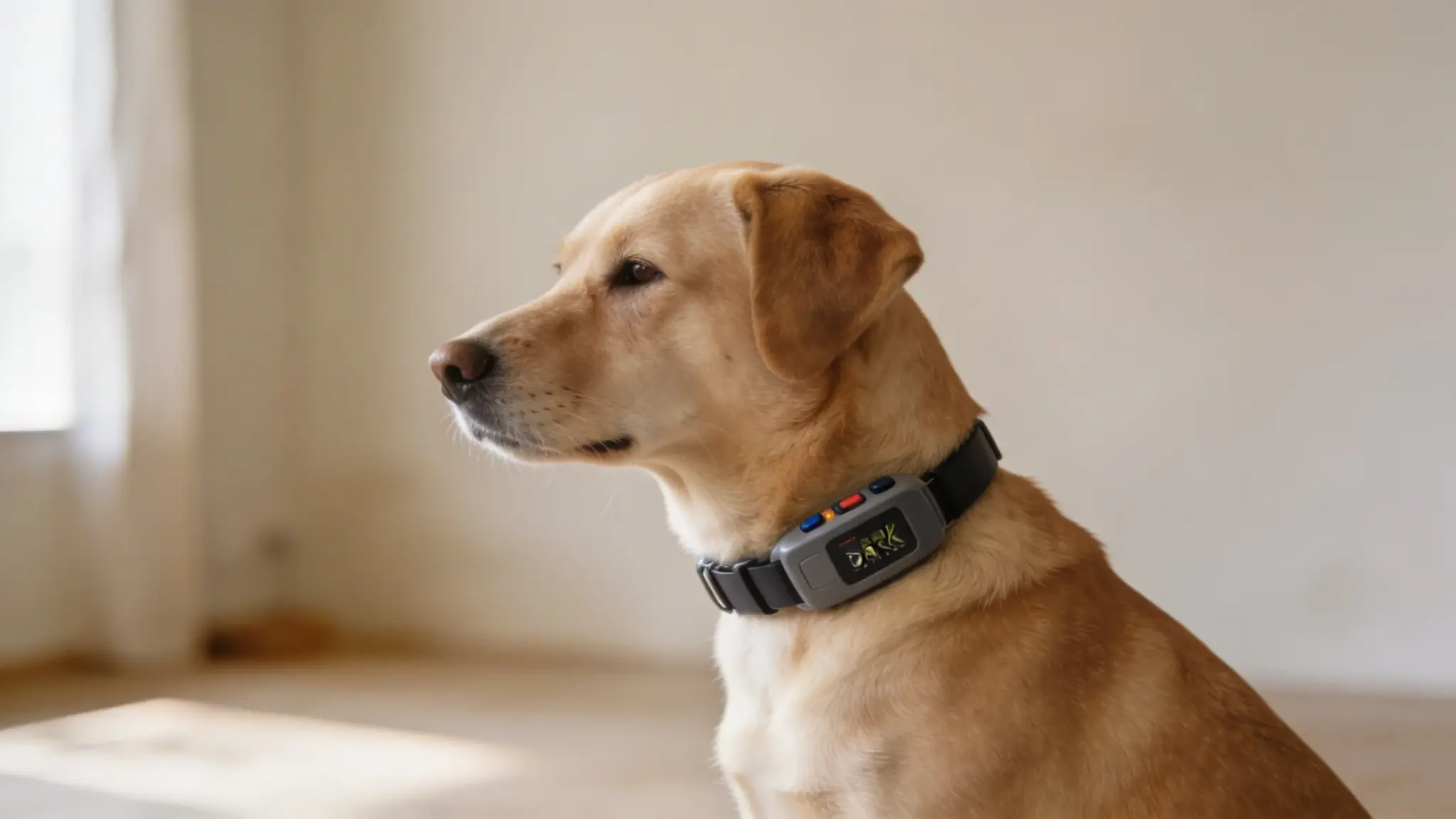
Yes, bark collars can reduce barking, but that’s not the full story. Bark collars can reduce barking, but that’s not the full story.
They work by delivering a correction (shock, spray, vibration, or ultrasonic sound) the moment a dog barks, teaching the dog to associate barking with an unpleasant experience.
Over time, many dogs bark less or stop altogether.
But here’s what most product listings won’t tell you: bark collars target the behavior, not the reason behind it.
If your dog barks because of anxiety, fear, or stress, the collar does nothing to address that emotional state and in some cases, makes things significantly worse.
A Cornell University study found that roughly half the dogs fitted with electronic anti-bark collars kept barking through the corrections, because the drive to bark outweighed the aversion.
Collars can work as a behavior-reduction tool, but calling them a “solution” is a stretch. As a trainer, I’d call them a last resort.
How Bark Collars Work
Bark collars detect barking through vibration sensors, sound sensors, or a combination of both.
The moment a bark registers, the collar delivers a correction automatically, no remote, no owner input required.
That consistency is exactly what drives the conditioning: repetition builds the association in the dog’s brain.
But automaticity cuts both ways. The collar can’t distinguish between a bark triggered by a threat, pain, or a panic attack; it fires regardless.
Sensor accuracy also varies widely between brands. Some trigger on nearby dogs, TV noise, or traffic vibrations.
When the wrong stimulus causes a correction, you’re not training your dog you’re confusing them.
Types Of Bark Collars
Not all bark collars work the same way. There are four main types, each delivering correction in a different way based on your dog’s size, temperament, and sensitivity.
- Shock collars: deliver a small electric stimulation. The most controversial and often most effective for stubborn cases, but the highest potential for harm if misused. Worth noting: e-collars are banned in Wales, Scotland, and several European countries.
- Spray collars: release citronella or unscented spray near the nose. More humane, though some dogs habituate quickly or learn to bark at pitches the collar won’t detect.
- Vibration collars: emit a gentle buzz, a useful option particularly for deaf dogs.
- Ultrasonic collars: emit a high-pitched sound that irritates dogs. Effectiveness varies widely.
- One important caveat for multi-dog households: sound-activated collars can misfire and punish the wrong dog, sometimes causing significant anxiety. Opt for dual-sensor models, or avoid collars altogether.
When Bark Collars Work: And When The Real Problem Gets Ignored
Context matters more than most people realize. A bark collar can be genuinely useful in certain situations and completely useless in others.
Knowing the difference before you buy can save you a lot of money and frustration. Bark collars tend to perform best when the barking has no emotional root.
Dogs that bark out of routine or boredom often respond well to corrections, since the behavior is habitual rather than fear-driven.
Attention-seeking barkers can also improve when corrected with no reaction from the owner, which helps break the cycle quickly.
Territorial barking at passersby, cars, or other animals is another area where collars show results, especially when paired with consistent training on the side.
However, collars consistently fall short when the barking comes from an emotional place. Separation anxiety is a panic response, not a choice, and adding a correction to an already distressed dog only increases the stress. Fear-based barking works the same way.
Punishing a scared dog doesn’t remove the fear; it adds confusion and can make reactivity worse over time.
Any barking tied to stress or emotional distress is likely to persist or shift into other behaviors because the collar never comes into contact with the actual trigger.
Real Owner Experiences With Bark Collars

Dog owners on Reddit share mixed but honest experiences with bark collars, since there’s nothing to promote.
Some report short-term success, especially with stubborn barking or in apartments, using citronella collars alongside training.
However, many negative experiences stand out. Several users say their dogs became more anxious, fearful, or withdrawn, even with non-shock options.
A common pattern emerges when barking is linked to emotions such as separation anxiety.
In these cases, collars fail completely. Dogs often keep barking or shift to behaviors like whining and pacing instead.
Overall, Reddit discussions suggest that bark collars only address the symptom, not the root causes such as fear, boredom, or distress.
Do Bark Collars Work For Separation Anxiety

No, and this is one of the most important points in this entire post. Separation anxiety is not a barking problem.
Your dog isn’t being stubborn or demanding attention; they’re genuinely panicking because you’ve left.
When a collar fires a correction mid-panic, it doesn’t teach the dog to calm down. It gives them one more thing to be afraid of.
Many owners report that their anxious dogs became more fearful and reactive, or began showing other stress behaviors, after collar use.
Punishment-based tools fail for anxiety because fear and distress cannot be corrected away. The dog needs to feel safe, not suppressed.
What actually helps:
- Gradual desensitization to alone time
- Creating a calm, predictable routine, including mentally stimulating toys to keep your dog engaged and occupied while you’re away
- Working with a certified animal behaviorist
In some cases, veterinary support, including anti-anxiety medication
Pros & Cons of Bark Collars
Bark collars have clear advantages and real drawbacks. Before buying one, weigh both sides honestly so you can make the right choice for your dog’s needs and temperament.
| Pros | Cons |
|---|---|
| Reduces barking quickly with automatic correction | Does not fix the root cause of barking |
| Easy to use, no training needed | Can increase stress in sensitive dogs |
| Affordable and widely available | Misuse can cause discomfort or behavioral issues |
| Helps reinforce quiet behavior when used properly | May delay proper training methods |
Better Alternatives To Bark Collars
If you want to reduce barking without the risks that come with correction-based tools, these approaches are worth trying first:
- Positive Reinforcement Training: Reward your dog for being quiet, not just correct them for barking. Over time, dogs learn that silence pays off. This is the most effective long-term method for most barking types.
- Behavior Training: Teaching commands like “quiet” or redirecting to an incompatible behavior (like sitting) gives your dog something constructive to do instead.
- Exercise and Mental Stimulation: A bored or under-stimulated dog will bark. More walks, puzzle feeders, and playtime solve a surprising number of barking problems.
- Professional Help: A certified animal behaviorist can identify exactly why your dog is barking and build a plan specific to that cause. For anxiety-based barking, this is often the only thing that actually works.
Conclusion
Bark collars can reduce barking in specific situations, particularly habitual, attention-seeking, and territorial barking with no anxiety component.
But they are not a fix for fear-based or emotionally-driven barking, and they carry real risks: learned helplessness, behavior substitution, and worsening anxiety in dogs who were already struggling.
If your dog is barking, the most valuable thing you can do is figure out why before buying anything.
Positive reinforcement, consistent training, and enough physical and mental stimulation handle the majority of cases without any correction tool at all.
Drop your thoughts in the comments below. And if you found this helpful, take a look at my other posts on dog training and behavior.
Frequently Asked Questions
Do Bark Collars Hurt Dogs’ Ears?
Ultrasonic bark collars emit a high-pitched sound that irritates sensitive hearing but doesn’t cause permanent damage at normal levels. Prolonged use may cause stress in dogs with particularly sensitive hearing.
How Long Should a Dog Wear a Bark Collar Each Day?
Most manufacturers recommend no more than 8–12 hours of wear per day. Leaving a bark collar on continuously can cause skin irritation, pressure sores, or increased stress in sensitive dogs
How Long Should They Be Used?
A few weeks maximum, only with supervision. Extended use without addressing the root cause leads to stress, learned helplessness, and skin irritation at contact points.