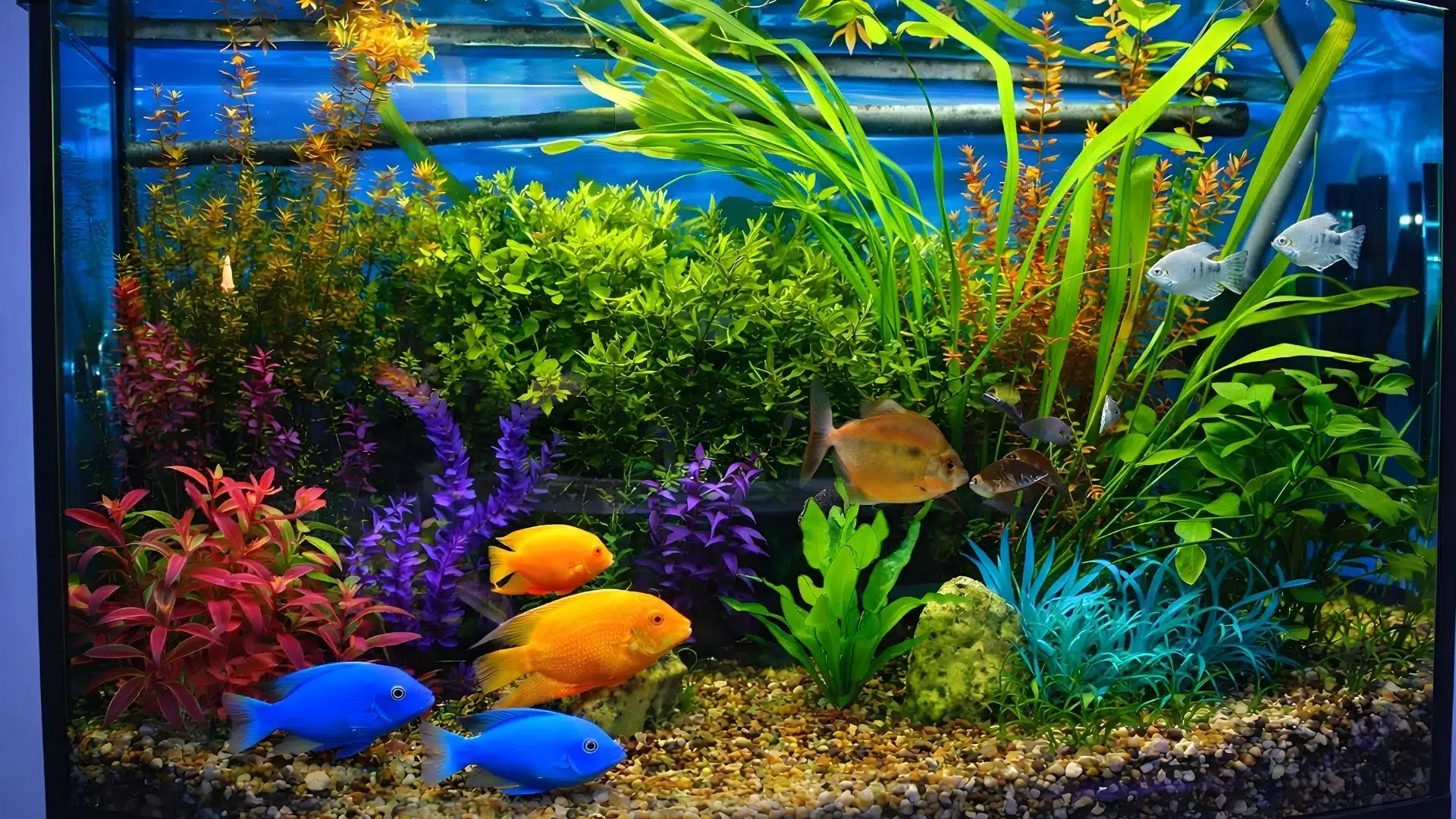
Have you ever walked by your fish tank and caught a whiff of something unpleasant?
A sudden bad smell from the fish tank can worry even experienced aquarium owners. While it may be alarming, this issue often arises from minor, manageable changes in your tank’s environment.
In my experience with animal care and preventive health, these smells are often linked to changes inside the tank. Overfeeding, waste buildup, poor filtration, or decaying matter can quickly affect water quality and lead to strong odors.
The key is to identify the specific source of the smell, which can stem from overfeeding, waste buildup, or filtration problems.
By understanding the common signs associated with different odors, fish owners can take proactive steps to restore their tank’s balance.
This blog discusses the various smells that may linger near your aquarium, their potential causes, and practical solutions to help maintain a healthy, vibrant aquatic habitat.
Why Does My Fish Tank Smell Bad All of a Sudden?
A sudden bad smell coming from a fish tank can be concerning, especially when everything looked normal before.
In many cases, odor appears when something small changes inside the tank, such as a missed feeding, a skipped filter rinse, or a fish that passed away unnoticed behind a decoration.
Before investigating further, it helps to know what a healthy tank should smell like. A well-balanced aquarium typically has a mild, earthy scent similar to fresh soil or a clean pond.
Anything sharper, sourer, or more pungent than that is worth investigating.
In many cases, odor appears when something small changes inside the tank rather than from a lasting issue. Excess fish waste, uneaten food, or poor water quality can slowly build up and release unpleasant odors.
These warning signs often show up early, giving time to respond before fish health is affected.
Most causes are easy to spot with a careful check of feeding habits, filtration, and cleaning routine. With timely action, the tank environment can stabilize again and remain comfortable for fish.
Common Smells Fish Tank Owners Notice
Fish tank owners often notice a few specific smells, and understanding why my fish tank smells starts with identifying the type of odor.
Here is a quick reference to decode what each smell typically means:
- Mild earthy or soil-like smell: Normal. This is the sign of a healthy, biologically active tank.
- A strong fishy smell: Usually comes from excess waste or overfeeding that has not been cleared out.
- A rotten-egg or sulfur smell: Often indicates trapped debris or low-oxygen (anaerobic) areas in the tank, especially around gravel or decorations.
- An ammonia-like smell: More serious. Usually, signals of waste buildup or a disrupted nitrogen cycle; test your water immediately.
- A musty or swampy smell: Often linked to cyanobacteria (blue-green algae) growth, which thrives in tanks with excess nutrients and inconsistent lighting.
- A vinegar-like or sour smell: Can appear after large water changes or filter replacements that disrupt bacterial balance.
Paying close attention to the smell helps narrow down the cause and take the right steps to improve water quality.
Common Reasons Why a Fish Tank Smells
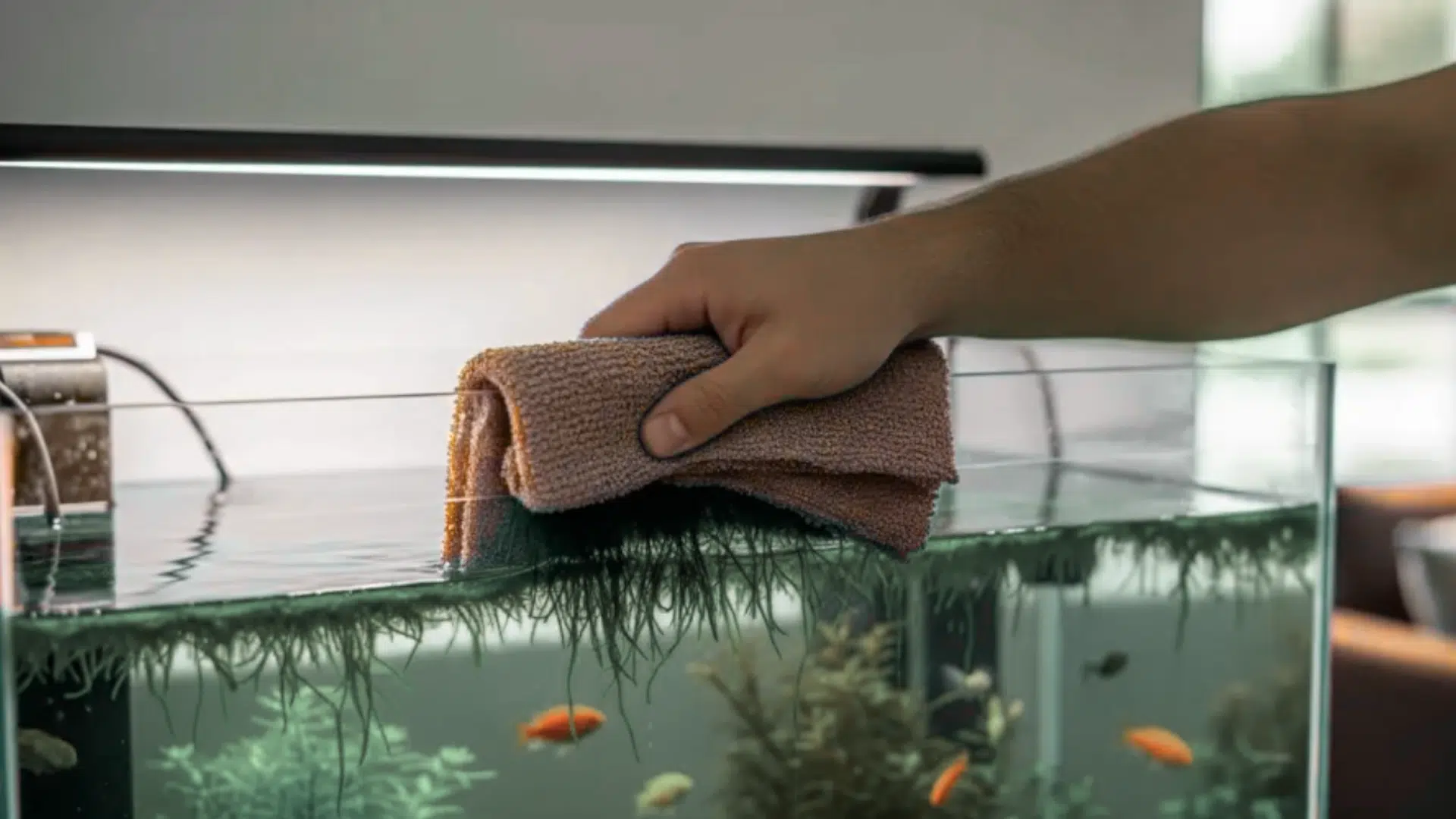
Fish tank odors often develop due to a mix of feeding habits, cleaning routines, water movement, and natural tank changes that gradually affect water quality.
1. Uneaten Food and Waste Buildup
Overfeeding is one of the most common causes of a fish tank smelling. When food is added in excess, uneaten pieces sink and break down, mixing with fish waste at the bottom of the tank.
This buildup happens quietly and often goes unnoticed, especially in smaller tanks where waste concentrates faster.
As these materials decay, they release strong odors and affect water quality. Smaller tanks are more sensitive because there is less water to dilute waste.
Feeding smaller portions and removing leftover food can greatly reduce smell-related issues. Understanding how much to feed your fish is one of the simplest ways to prevent odor problems before they start.
2. Dead or Hidden Fish
One of the most overlooked causes of a sudden, strong smell is a dead fish that has gone unnoticed. Fish do not always float to the surface when they die.
They can sink to the bottom, wedge behind a decoration, or become trapped in ornaments or filter intakes, where they begin to decompose silently.
If your tank smell appeared suddenly and is particularly foul, rather than just “fishy,” do a headcount of all your fish before anything else.
Check behind all decorations, inside hollow ornaments, and along the gravel line near the glass.
A single decomposing fish in a smaller tank can spike ammonia levels and create odors strong enough to fill a room within 24–48 hours.
3. Dirty or Clogged Aquarium Filter
Aquarium filters are designed to trap waste, leftover food, and debris, but they can become a source of bad smells when cleaning is delayed.
As trapped material sits inside the filter, it begins to break down and release unpleasant odors back into the water.
Incomplete cleaning can also leave hidden buildup inside sponges or cartridges. When this happens, the filter moves dirty water instead of cleaning it.
One mistake that consistently comes up in aquarium communities: replacing filter media rather than rinsing it.
Full replacements wipe out the beneficial bacteria colonies living in the media, the very bacteria responsible for converting toxic ammonia into less harmful compounds (this is called the nitrogen cycle).
Always rinse filter sponges gently in old tank water, never tap water, which contains chlorine that kills beneficial bacteria.
4. Poor Water Circulation
Poor water circulation can cause certain areas of the tank to remain stagnant, creating pockets where waste and debris accumulate.
When water does not move well, oxygen levels can drop, especially near the bottom or behind decor.
These oxygen-depleted pockets become breeding grounds for anaerobic bacteria that thrive without oxygen and produce hydrogen sulfide as a byproduct, which is exactly what causes that rotten-egg smell.
Low oxygen slows the natural breakdown of waste, leading to stronger odors over time. These smells often come from trapped organic matter that has been in one place too long.
Good water flow helps evenly distribute oxygen, keeps waste particles suspended for filtration, and supports overall tank balance.
Even gentle movement can make a noticeable difference in controlling smells.
5. Decaying Organic Matter
Live plants can improve a tank’s environment, but decaying leaves can cause odors if left unremoved.
As plant matter breaks down, it releases waste into the water, which affects overall water quality. Driftwood can also trap debris underneath or release natural compounds that mix with leftover waste.
Hidden buildup in gravel, corners, or decorations often goes unnoticed during regular cleaning. Over time, this organic material contributes to unpleasant smells.
Staying on top of algae growth in your tank is equally important, since cyanobacteria buildup on surfaces adds to the same musty odor problem.
Trimming damaged leaves, checking decor placement, and gently cleaning the substrate help reduce hidden sources that quietly affect water conditions.
6. Infrequent or Improper Water Changes
Skipping regular water changes or doing them incorrectly can cause smells to build up over time.
When old water stays in the tank too long, waste particles and dissolved byproducts continue to collect, even if the tank looks clear.
Full water resets can worsen the problem by disrupting the tank’s balance and stressing the fish.
Replacing 10–15% of tank water weekly (or 25% biweekly) is the generally recommended range for most community tanks.
Partial water changes work better because they remove waste gradually while keeping helpful bacteria in place.
Following a proper tank cleaning routine ensures waste is removed systematically without destabilizing the biological balance that keeps odors in check.
Regularly changing a portion of the water helps control odors, maintain stable conditions, and prevent the tank from developing strong odors again.
7. Overcrowded Tank
Overstocking is a cause that beginners, especially, run into without realizing it. More fish in the same volume of water means more waste is produced faster than filtration can keep up.
The result is a steady rise in ammonia and nitrate levels, which translates directly to stronger, more persistent odors.
A commonly used starting guideline is one inch of fish per gallon of water, though this is a rough estimate and varies by species, body mass, and waste output.
If your tank consistently smells despite regular maintenance, overstocking may be the underlying issue rather than any specific maintenance habit.
8. New Tank Setup
Newly set up fish tanks often develop odors in the early stages because the nitrogen cycle, the biological process that converts fish waste into less harmful compounds, has not yet established a stable colony of beneficial bacteria.
During this period, waste and leftover food can accumulate faster than the tank can handle, leading to noticeable odors.
This phase is common and does not always mean something is wrong. As helpful bacteria begin to grow and stabilize, water quality usually improves on its own.
Most tanks take 4–6 weeks to fully cycle. Testing ammonia and nitrite levels regularly during this period is the most reliable way to track progress.
Light feeding, partial water changes, and patience are the best tools during this phase.
How to Tell if The Smell is Harmful to Fish
When asking yourself why your fish tank smells bad, it helps to know whether the odor is merely unpleasant or a sign of real trouble.
Mild, earthy smells often come from natural biological activity and may not indicate any problem. A strong ammonia or rotten-egg smell, however, warrants immediate water testing.
Watch for these behavioral red flags that suggest your fish are being stressed by water quality:
- Gasping at the surface: a sign of low oxygen or ammonia toxicity
- Clamped fins: fish hold their fins tight against the bodies when stressed
- Hiding: more than usual or abnormal lethargy
- Loss of appetite: over more than one feeding
- Rapid gill movement: indicates respiratory stress
If two or more of these signs appear alongside a strong odor, test your water for ammonia, nitrite, and nitrate before taking any other action.
These are the parameters most likely to be behind both the smell and the behavioral changes. Cloudy water or rapid behavior changes often signal water quality issues that need prompt attention.
Activated Carbon: Overlooked Tool for Persistent Odors
If you have addressed the likely sources of smell but a faint odor lingers, activated carbon is worth adding to your filtration setup.
Activated carbon is an adsorptive media it physically traps dissolved organic compounds, odor molecules, and discoloration from the water as it passes through.
It is not a substitute for fixing the root cause, but it is genuinely effective at clearing residual odor after a maintenance correction.
Most carbon media needs to be replaced monthly, as it becomes saturated and can begin releasing trapped compounds back into the water if left too long.
What Reddit Users Say About Fish Tank Smells
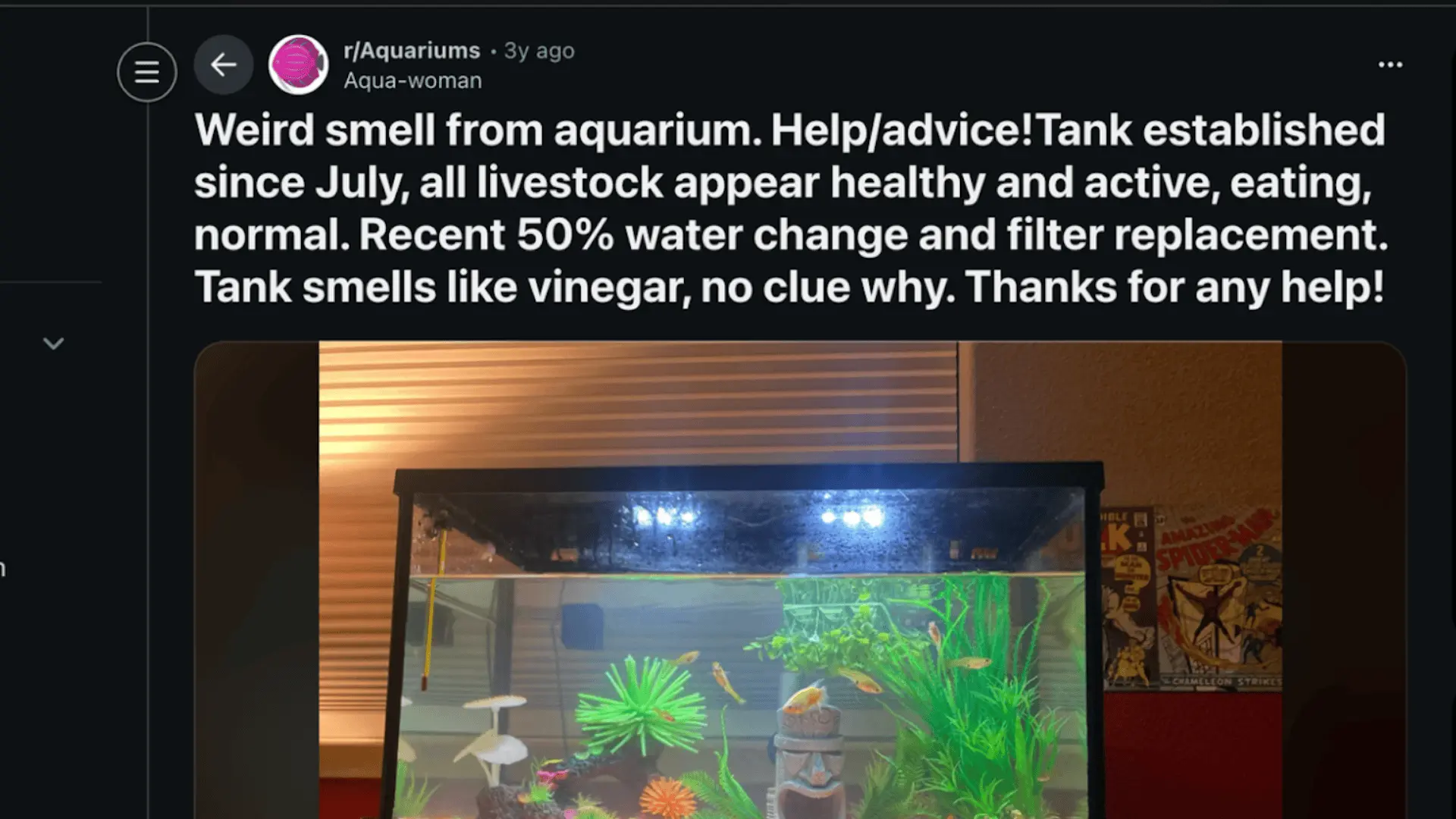
This Reddit discussion highlights how sudden changes in aquarium smell often confuse owners, even when the fish appear active and healthy.
In this case, a vinegar-like smell appeared shortly after a large water change and filter replacement.
Community members repeatedly pointed out that replacing filter media can disrupt the tank’s natural balance, leading to odors and potential spikes in ammonia or nitrate.
Many advised against full filter replacements and instead stressed rinsing the media in old tank water.
Others shared that adding live plants, improving water volume, and avoiding large water changes helped stabilize conditions.
Overall, the thread shows how shared experiences can guide practical fixes and prevent repeat mistakes.
Simple Steps To Reduce Fish Tank Odors
Simple steps can greatly reduce fish tank odors by limiting waste buildup, improving water circulation, and keeping the tank environment stable and clean through regular care.
- Dead fish check first: If a smell appears suddenly and is especially foul, do an immediate headcount before anything else.
- Feeding control: Feed smaller portions, only what the fish consume in five minutes, to prevent leftover food from decomposing.
- Right-sized food: Use species-appropriate pellet or flake sizes to minimize food that gets blown out of gills or ignored.
- Waste removal: During routine cleaning, remove any visible waste from the tank to prevent odors.
- Filter care: Rinse filter media gently with old tank water; never replace it entirely unless it is physically falling apart.
- Partial water changes: Replace 10–15% of water weekly to reduce odor without disrupting the tank’s biological balance.
- Plant maintenance: Remove dying leaves and monitor for cyanobacteria growth on surfaces.
Conclusion
Fish tank smells can feel frustrating, but they are rarely a sign that something has gone permanently wrong.
When asking why my fish tank smells, the answer usually points to changes in feeding, waste buildup,a hidden dead fish, filtration, or water care habits.
These smells serve as early warning signs, giving a chance to correct minor issues before they affect fish health.
From a veterinary standpoint, the fish keeper who pays attention to smell, water test results, and fish behavior simultaneously is the one who catches problems early before they become losses.
Paying attention to odor type, fish behavior, and recent maintenance helps quickly narrow down the cause.
Most problems can be solved with consistent cleaning, proper portions, and steady water changes rather than drastic fixes.
Fishkeeping involves learning through experience, and even seasoned owners sometimes encounter smell issues.
Does your fish tank have a strange smell right now? Share your tips or questions in the comments below.
Frequently Asked Questions
Can a Fish Tank’s Smell Affect the Room or Indoor Air
Yes, strong odors can spread in enclosed spaces, especially if caused by waste buildup or poor maintenance, making regular care important.
Should I Use Chemicals to Remove Fish Tank Smell
Chemical solutions should not be the first option; fixing feeding, filtration, and cleaning habits is more effective and safer for fish.
Why Does My Fish Tank Smell Worse After a Water Change
This can happen if the water change disturbed waste or affected the tank’s bacterial balance, causing temporary odor.