

Eye trouble rarely gives cat families time to be sure what they are seeing. A cat eye infection can start with tearing, redness, or squinting, but the same signs can come from conjunctivitis, a scratch, or deeper eye disease.
With more than 15 years in Minnesota veterinary practice, I have learned that details often shape the safest next step. You may notice discharge first, or your cat may avoid light and keep one eye closed.
The sections ahead explain what these signs can mean, when veterinary care is urgent, how we examine the eye, and why treatment differs by cause.
The information below explains common signs, possible causes, veterinary testing, treatment approaches, safe cleaning practices, recovery, and ways to reduce future eye problems
What Does a Cat Eye Infection Look Like?
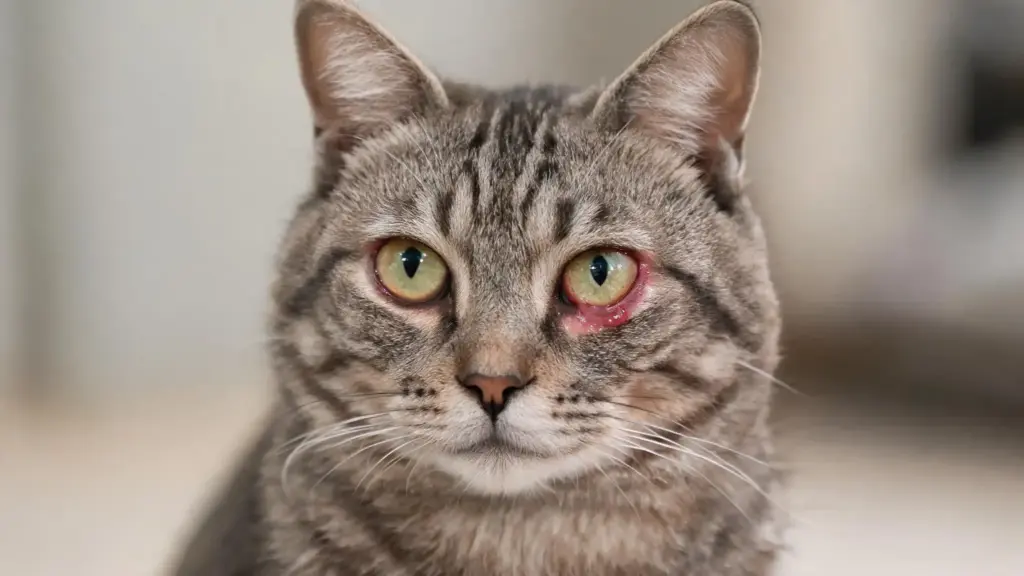
Cat eye infections do not always look the same. Redness, discharge, swelling, and behavior can offer useful clues, but appearance alone cannot confirm the cause. Common visual changes include:
- Redness or swelling: the tissue around the eye or third eyelid may look pink, puffy, or irritated.
- Squinting or blinking: pain can cause repeated blinking, light sensitivity, rubbing the face, or a partly closed eye.
- Clear or watery discharge: this may accompany irritation, conjunctivitis, respiratory disease, or poor tear drainage.
- Yellow or green discharge: thicker material often appears when bacteria or more severe inflammation are involved.
- Cloudiness or blood: these changes need prompt veterinary attention, especially with pain or vision changes.
Note whether one or both eyes are affected, when the signs began, and how quickly they are changing. That timeline is usually one of the first things a vet will ask about.
What Causes Cat Eye Infections
Cat eye trouble can follow direct exposure to germs, or it can start when irritation breaks down the eye’s protective surface. A cat’s other symptoms and health history usually help narrow things down.
1. Bacterial Eye Infections
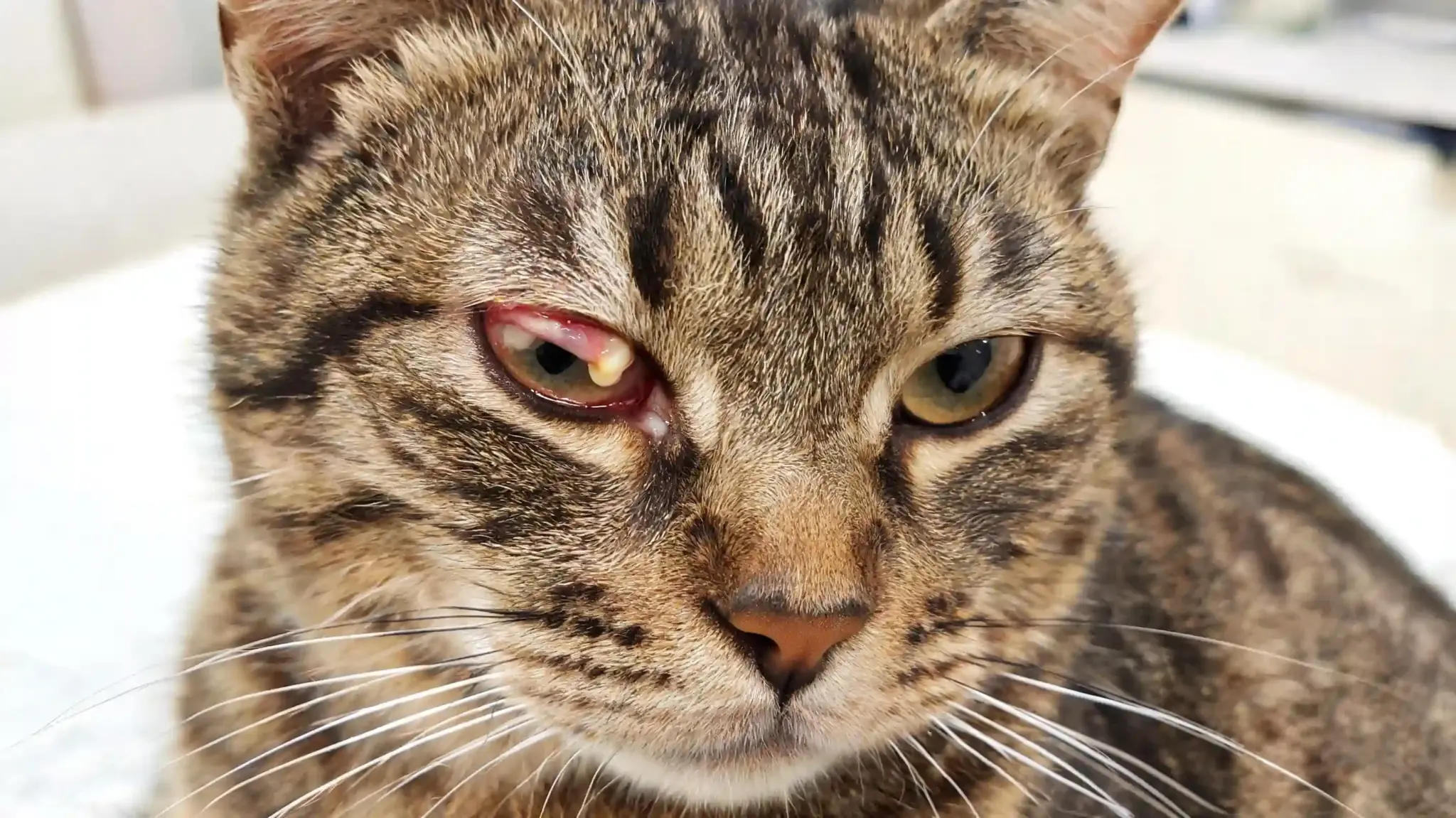
Bacteria can infect the conjunctiva directly, or take hold in tissue already irritated by injury or a virus. Common signs include redness, swelling, and thick yellow or green discharge. Some cats also squint or keep the eye partly closed.
A vet may take a swab when infection is severe, recurring, or not responding to treatment, since identifying the organism helps in choosing an effective antibiotic.
I do not pick an antibiotic off the discharge color alone; a swab tells me far more than the eye does on its own.
2. Viral Respiratory Infections
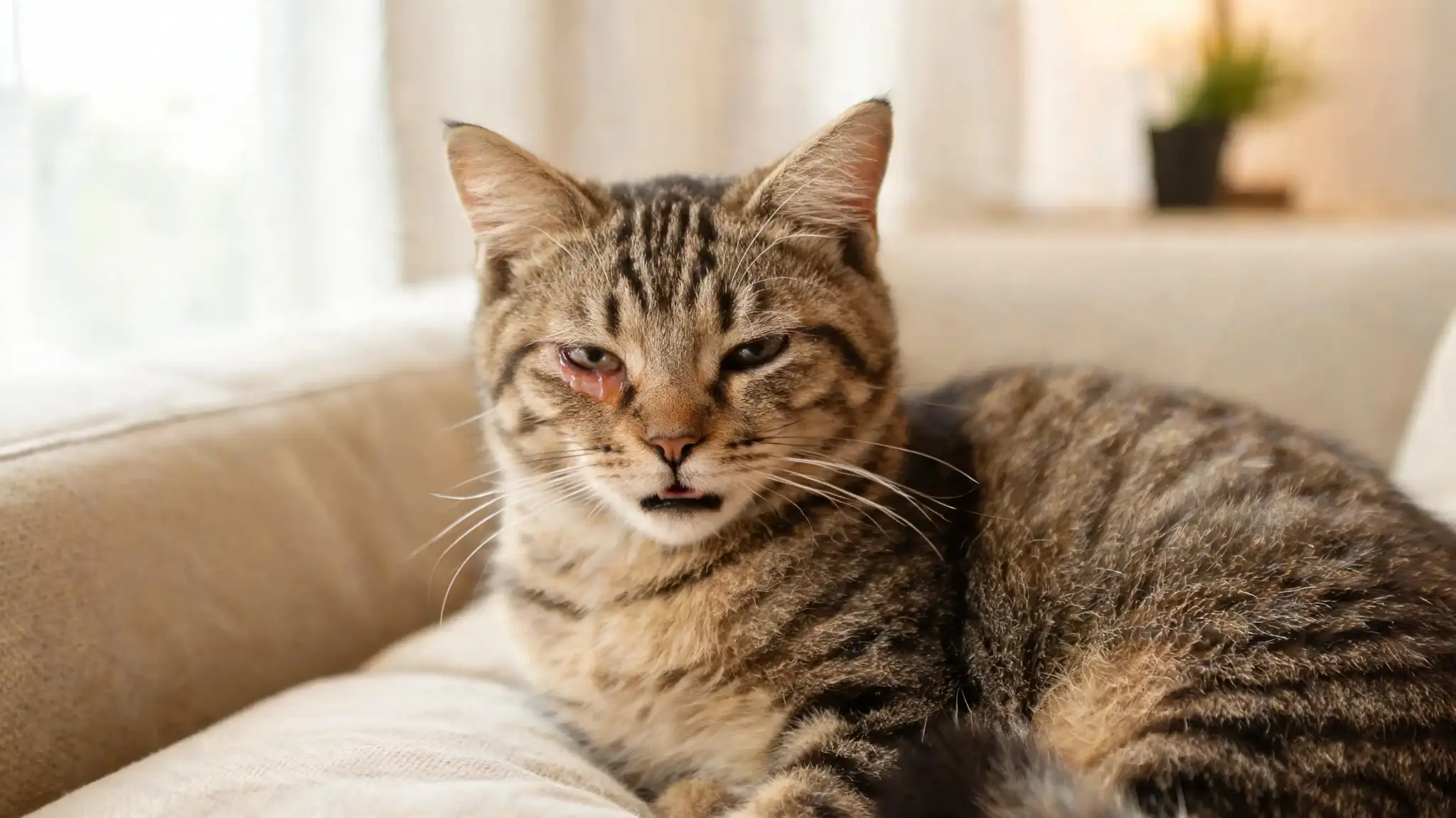
Feline herpesvirus and calicivirus can inflame the eyes during an upper respiratory infection. Signs may include discharge, sneezing, nasal congestion, mouth ulcers, fever, or reduced appetite, and some cats start drinking more than usual while the illness runs its course.
Herpesvirus can stay inactive in the body long-term and cause later flare-ups, often during stress or illness. Kittens and cats in crowded households tend to see more exposure.
I have seen kittens sneeze for days before anyone mentions the eye, so I check the whole face, not just the eye that is bothering them.
3. Conjunctivitis and Eyelid Problems
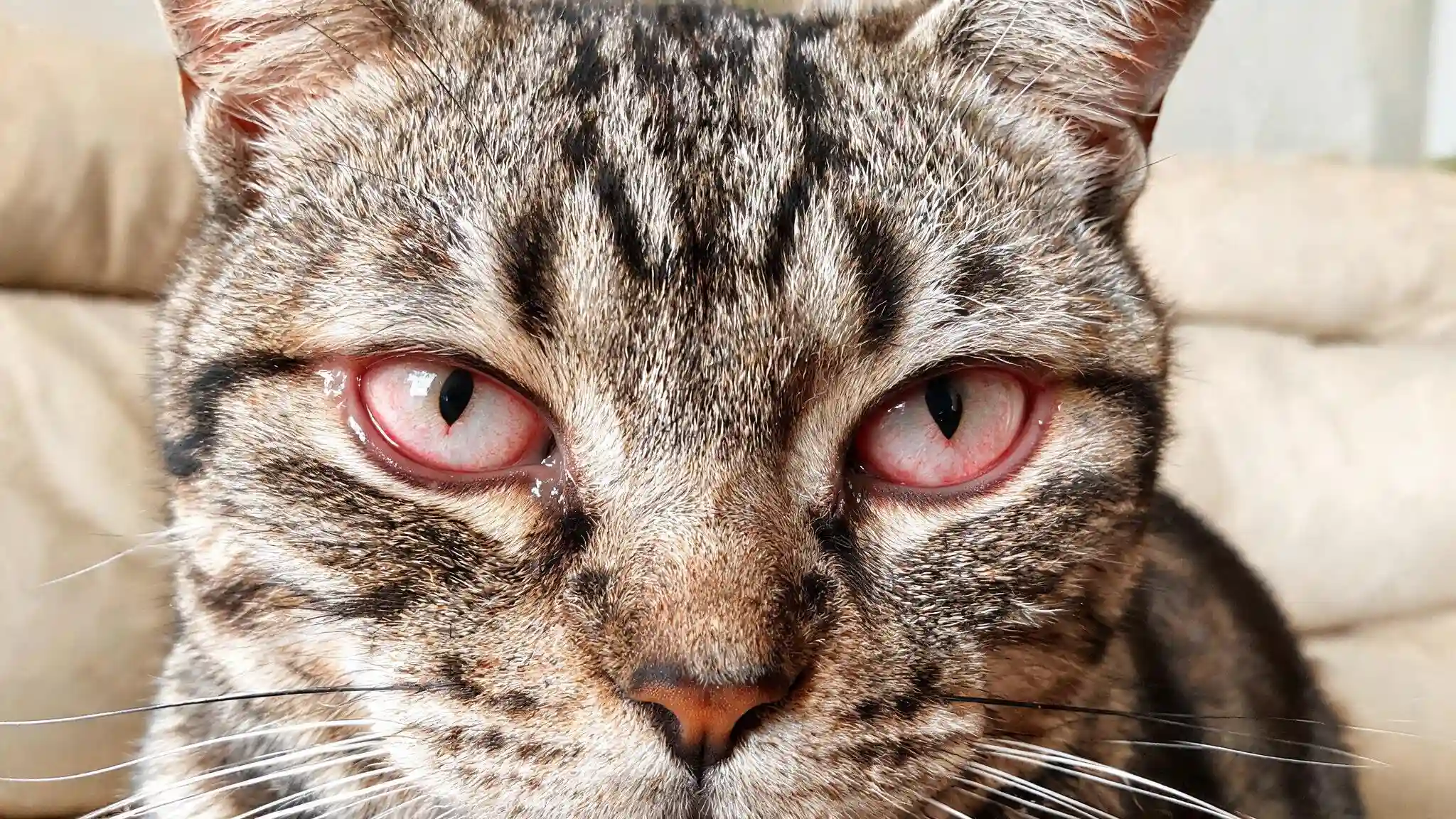
Conjunctivitis describes inflammation of the membrane lining the eyelids and covering part of the eye. It can result from infection, allergies, irritants, or immune-related disease, and spotting an eye allergy early can change what treatment actually helps.
Eyelid abnormalities can also rub against the cornea, trap debris, or block tear drainage, which can keep the eye red and watery and give infection a chance to take hold.
Because the term describes inflammation rather than a single diagnosis, treatment depends on the underlying cause.
4. Scratches, Foreign Objects, and Irritants
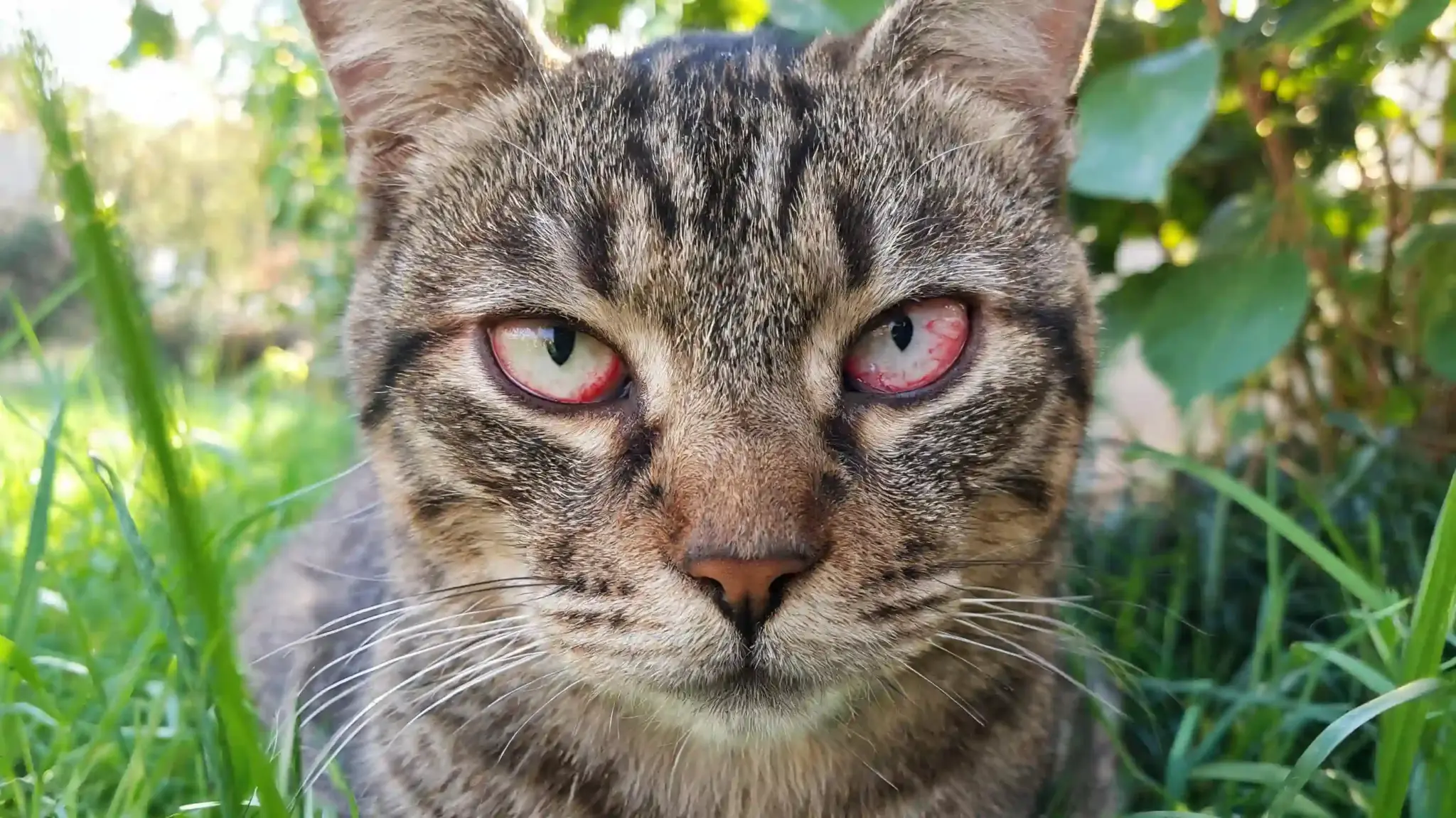
A claw scratch, plant fragment, dust particle, smoke, or cleaning spray can damage or inflame the eye. Surface injury may also weaken the cornea and allow bacteria to enter.
Symptoms affecting one eye often suggest a local problem, but this pattern cannot confirm the cause without a veterinary examination and appropriate testing.
Prompt care is important when pain, cloudiness, bleeding, or sudden vision changes appear.
Because these causes can look alike, discharge color alone should never determine treatment. A veterinary examination is needed to identify the problem and choose safe medication.
Disclaimer: The information in this article is for general education and does not replace a veterinary examination or diagnosis. Eye problems can worsen quickly, and the right treatment depends on the underlying cause.
Eye Conditions that Can Mimic Infection
Several disorders share redness, tearing, discharge, or squinting. The practical differences below explain why a presumed infection still needs an eye examination rather than treatment based on appearance, the same reason a routine hands-on exam catches problems owners miss at home.
Possible condition | What visibly stands out | Why it matters |
|---|---|---|
Corneal ulcer | Pain, squinting, cloudiness, light sensitivity | A deeper ulcer can threaten the eye |
Keratitis | Inflamed or cloudy cornea | Infection or immune inflammation may be involved |
Uveitis | Redness, small pupil, haze, pain | Disease inside or outside the eye may be responsible |
Glaucoma | Enlarged, cloudy, painful eye | High pressure can damage vision quickly |
Dry eye | Sticky discharge, dull surface | Poor tear production needs targeted care |
Tear-duct problem | Persistent overflow or staining | Drainage, not infection, may be the main issue |
Eyelid disorder | Lashes or lid edge rub the cornea | Ongoing friction can create wounds |
Because these conditions require different treatment, don’t assume a familiar-looking red eye is routine conjunctivitis.
From the Exam Room: Two Red Eyes, Two Different Treatments
Some of the trickiest calls involve two cats that come in on the same day with what looks like the exact same problem: a red, watery eye. One turns out to have a mild case of feline herpesvirus that clears up with supportive care and time.
The other has a corneal ulcer hiding under the surface inflammation, only visible after fluorescein stain lights up a scratch invisible to the naked eye.
Treating both the same way, especially with a steroid-containing drop, would have suited the first cat but harmed the second, since steroid drops can slow corneal healing.
That difference is the whole reason a similar-looking eye still needs a real exam rather than a guess based on discharge color.
When is a Cat Eye Problem Urgent
Seek same-day care for an eye held shut, marked swelling, thick colored discharge, blood, sudden cloudiness, a bulging eye, unequal pupils, or an object near the surface.
Sudden trouble seeing, severe light sensitivity, or rapid worsening also needs urgent attention.
Go to an emergency clinic after blunt trauma, a chemical splash, a puncture, or possible eye displacement. Do not pull out an embedded object or force the eyelids open.
Lethargy, poor appetite, feverish behavior, breathing trouble, or eye signs can indicate a wider illness. Corneal ulcers can deepen and threaten sight, so pain and cloudiness are never good wait-and-see symptoms.
If the clinic is closed, describe the signs by phone and ask where to take the cat for examination. Quick assessment protects comfort and may prevent lasting damage.
Call a veterinarian promptly whenever an eye is painful, injured, or changing quickly.
What Cat Owners Share About Eye Infections on Reddit
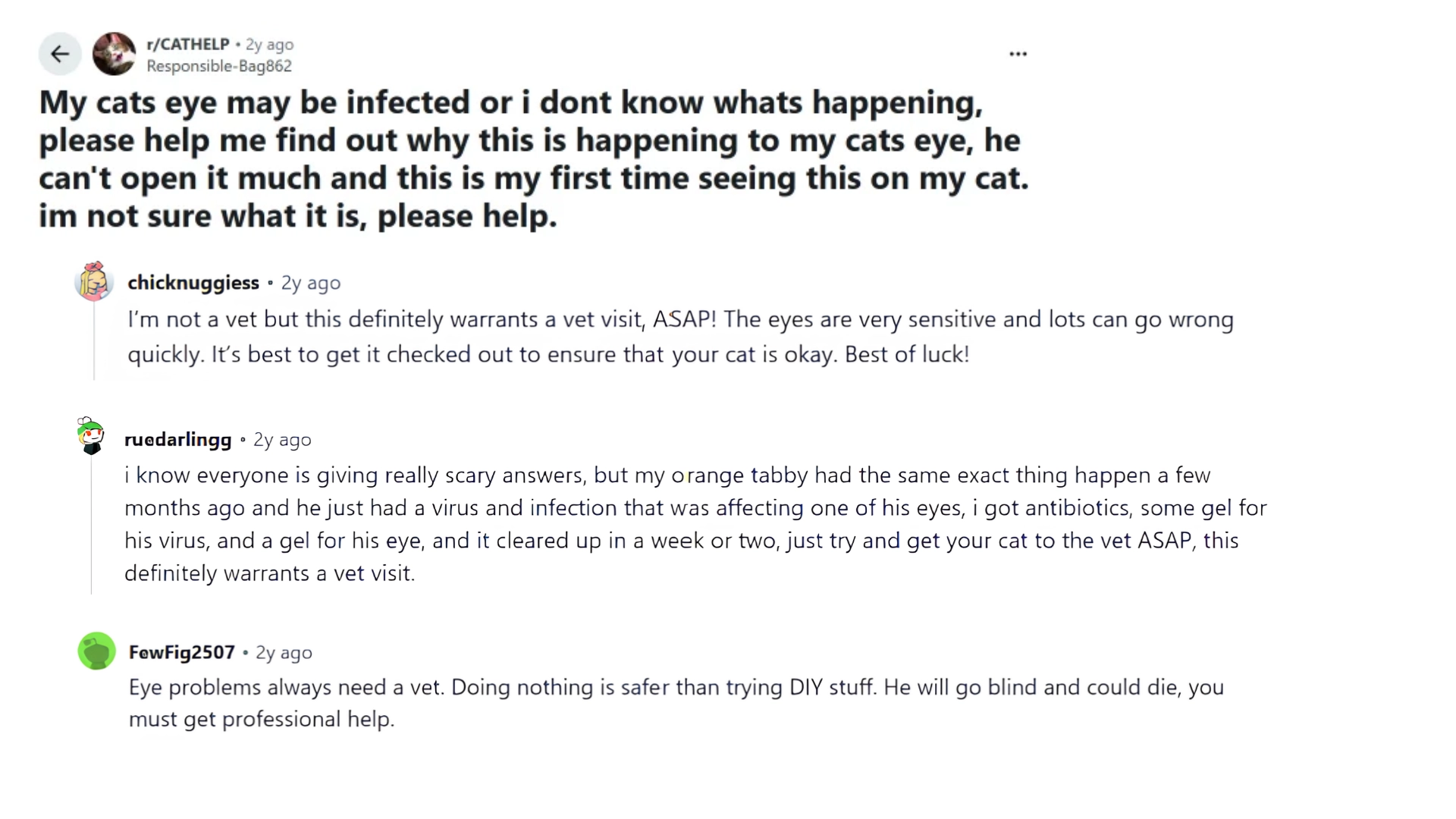
Many cat owners turn to Reddit when they notice sudden eye changes and are unsure how serious the problem may be. In one discussion, a cat owner shared that their pet could not open one eye properly and they had never seen the issue before.
Other users recommended getting veterinary care quickly because eye problems can worsen without proper treatment.
Another commenter described a similar experience where their cat had a viral infection affecting one eye and improved after receiving veterinarian-prescribed treatment.
These experiences show that eye discharge, squinting, or keeping an eye closed shouldn’t be ignored, and a professional evaluation helps identify the cause.
How Vets Diagnose a Cat Eye Infection
Eye symptoms can come from several different conditions, so vets use an exam plus targeted tests to identify the cause and choose treatment.
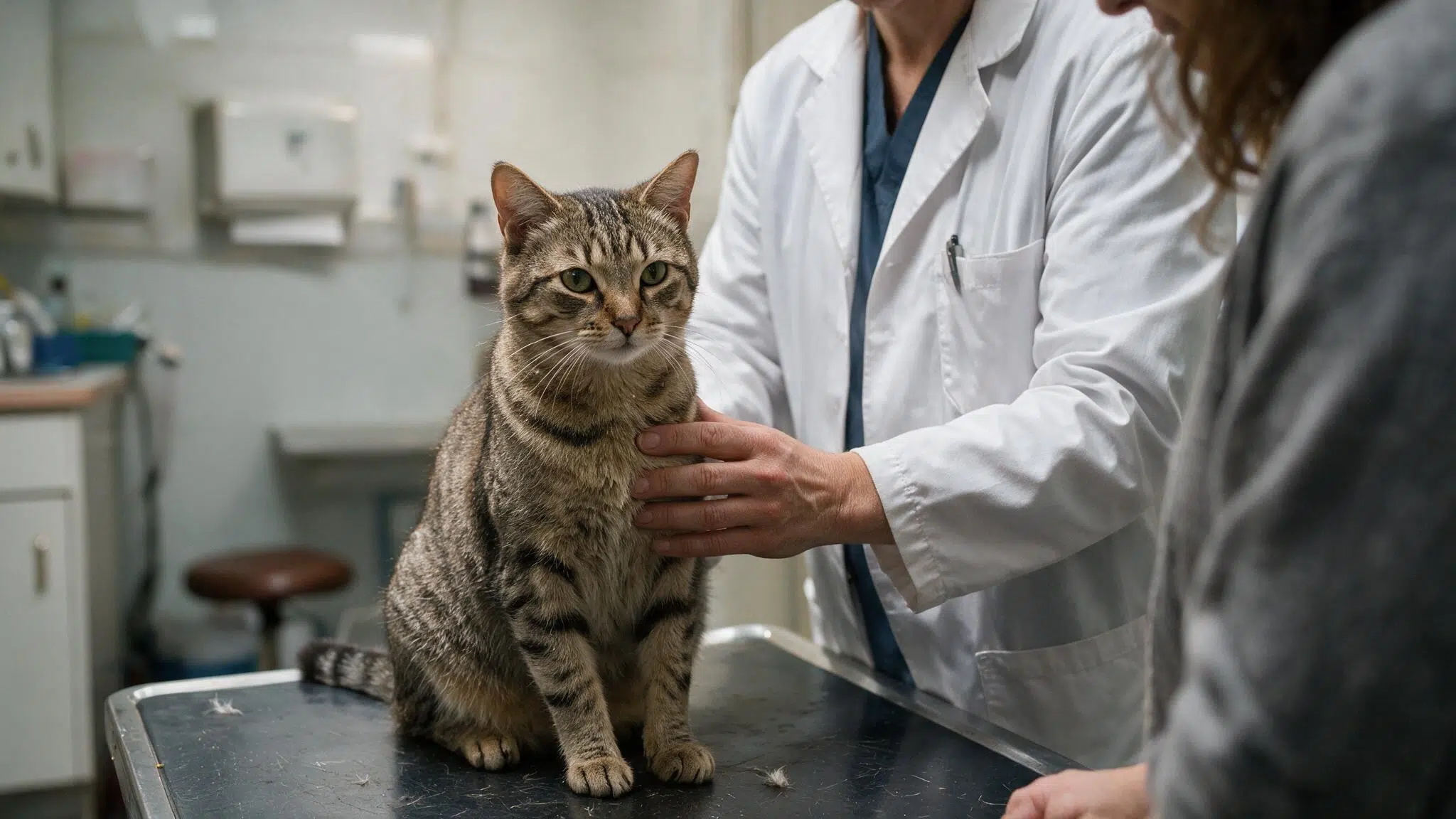
- Physical eye exam: the vet checks both eyes, eyelids, corneas, pupils, third eyelids, and surrounding tissue.
- Eye stain test: fluorescein dye reveals scratches, ulcers, and other corneal damage. This is one of the tools I reach for most, since it turns a scratch nobody can see into something everyone in the room can point to.
- Tear and pressure tests: a tear test measures moisture production, while tonometry checks pressure for glaucoma or inflammation.
- Checking for infection: when infection is suspected, the vet may collect cells or discharge for culture or PCR testing.
- Further testing: complex cases may need pupil dilation, imaging, bloodwork, or referral to a veterinary ophthalmologist.
These routine tests help tell infection apart from dry eye, injury, glaucoma, and other conditions that need different medicines.
These routine eye tests help distinguish infection from dry eye, injury, glaucoma, and other conditions that require different medicines.
How Are Cat Eye Infections Treated
No single medicine treats every sore or discharging eye. The prescription must match the cause, affected tissue, corneal condition, pain level, and wider illness.
1. Antibiotics for Bacterial Involvement
A vet may prescribe antibiotic drops or ointment when bacteria are suspected. Oral antibiotics may be used when respiratory disease, chlamydial infection, or deeper tissue involvement is present.
Finishing the full prescribed course matters, even after discharge improves. Antibiotics do nothing for herpesvirus, allergies, glaucoma, or a simple foreign body injury.
2. Herpesvirus and Supportive Care
Herpesvirus related disease may need topical or oral antiviral medicine, lubrication, and treatment for any secondary bacterial infection. Treatment cannot clear latent herpesvirus from the body, so some cats see repeat flare-ups later on.
For a respiratory related flare, care usually combines antiviral or antibiotic treatment with supportive steps such as encouraging appetite, gently cleaning the nose and eyes, and lowering stress at home. A vet adjusts the plan based on severity and how often flare-ups return.
3. Pain Relief and Underlying Disease
Lubricants protect a dry surface, while vet-selected pain or anti-inflammatory medicine improves comfort in suitable cases. Ulcers may need an Elizabethan collar and close rechecks.
Glaucoma needs pressure control, and eyelid defects sometimes need surgery. Some steroid-containing drops can worsen a corneal infection or slow ulcer healing, which is why testing the cornea before treatment matters.
I stain the cornea before I ever reach for a steroid drop; skipping that step is how a manageable case turns into a surgical one.
Home Care: What Helps and What to Avoid
Home care can keep the face clean and reduce further irritation while you arrange professional care. It supports prescribed treatment, but it does not identify or cure the cause.
Safe care tips
A fresh pad for each eye matters more than it sounds; mixing them up between eyes is a mistake I still catch every few weeks.
- Wipe discharge outward with soft gauze or a clean cloth dampened with warm water.
- Use a fresh pad for each eye, then wash your hands.
- Apply a warm compress only if your vet has approved it.
- Reduce smoke, dust, sprays, and harsh cleaners around the cat.
- Use a properly fitted collar if the vet advises it, to stop rubbing.
Common treatment mistakes
- Using human redness relief drops without direct veterinary approval.
- Reusing an old pet prescription for a new episode.
- Putting tea, oils, peroxide, or homemade mixtures into the eye.
- Touching the bottle tip to fur or the eye.
- Stopping prescribed medicine early because the surface looks clearer.
Keep the cat indoors and comfortable, then watch appetite, energy, and any change in the eye. More pain or cloudiness should trigger a faster recheck.
Recovery Timeline and Preventing Future Flare-Ups
Straightforward bacterial or allergic eye irritation usually starts improving within 3 to 5 days of starting the right treatment, with full clearing in 7 to 10 days.
Herpesvirus-related cases can take longer and may return during stressful periods, such as moving house, boarding, or a new pet joining the home.
Corneal ulcers need closer monitoring and a recheck every few days before the collar comes off, since a repeat fluorescein stain confirms the surface has actually closed before treatment stops.
The Cornell Feline Health Center notes that core vaccines against herpesvirus and calicivirus do not fully prevent infection, but they do reduce how severe a flare-up becomes, which is one reason staying current on vaccinations still matters.
Final Thoughts
A sore, watery eye deserves more than a quick guess because many conditions share the same surface signs. I recommend focusing on pain, rapid change, discharge, cloudiness, and injury.
You can gently clean the face, reduce irritants, and track changes, but start medication only after a veterinary exam.
Testing can distinguish conjunctivitis from an ulcer, pressure problem, injury, or another cause, so treatment matches the disease. With a cat eye infection, early attention helps limit pain, protect vision, and reduce spread when an infectious organism is involved.
Follow the full treatment plan and attend rechecks, even when the eye looks better. Share questions in the comments, then read the related cat health blogs for more practical care advice.
Frequently Asked Questions
Can a Cat Eye Infection Spread to Other Cats in the House?
Some can. Feline herpesvirus, calicivirus, and Chlamydia felis can pass between cats, usually through direct contact or shared bedding and bowls. Bacterial infections tied to an injury, or allergies, are not contagious. Isolating a sick cat and washing your hands between handling different cats lowers the risk while you wait for a diagnosis.
Should Cat Eye Medicine Be Refrigerated?
Check the product label. Some eye medicines need refrigeration, while others can be kept at room temperature. Keep the container closed and ask the clinic before changing how you store it.
Can Nutrition or Supplements Cure a Cat Eye Infection?
No. Food and supplements cannot replace veterinary diagnosis or prescribed treatment. A balanced diet supports overall health, but check with your vet before adding any supplement during recovery.
Can Eye Medicine Affect a Cat’s Behavior?
Yes. Some eye medicines briefly sting, blur vision, or taste bitter. Contact your vet right away if you notice vomiting, swelling, breathing trouble, loss of appetite, or severe distress.
Should the Same Drop Be Used in Both Eyes If Only One Looks Affected?
Not without checking with your vet first. Using a separate, clean applicator tip for each eye avoids spreading infection from one eye to the other, even if a drop is prescribed for both.