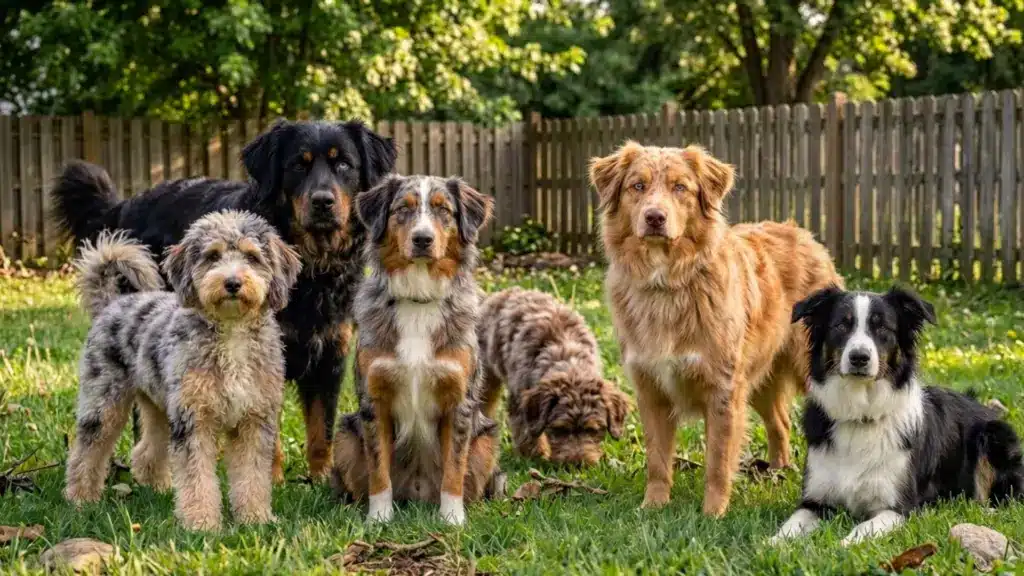
Choosing an Aussie mix can get confusing fast. Two dogs with the same label may have completely different coats, sizes, energy levels, and care needs.
I know how easy it is to focus on blue eyes or a merle coat, but the second parent breed often shapes just as much of the dog’s personality and daily needs. If you are comparing an Australian Shepherd mix, it helps to look beyond appearance and think about exercise, grooming, training, health, and home fit.
Here, you’ll see how popular crosses like Aussiedoodles, Texas Heelers, Border-Aussies, and others differ, so you can narrow down which type is most realistic for your lifestyle.
What is an Australian Shepherd Mix?
An Australian Shepherd mix is a dog with Australian Shepherd ancestry combined with another breed. Many are produced by intentionally crossing an Australian Shepherd with another breed, while others come from mixed or unknown backgrounds.
The American Kennel Club officially recognized the Australian Shepherd in 1993, and today the breed is deliberately paired with dozens of others, or shows up unexpectedly in shelter litters.
Despite the name, the Aussie itself was developed in the western United States, not Australia, working cattle and sheep ranches through the 1800s.
That herding background carries into nearly every mix on this list, showing up as quick thinking, high drive, and a habit of nudging kids or other pets into tidy little groups.
What Do Australian Shepherd Mixes Look Like?
Coat pattern, eye color, and build shift depending on the second parent breed, though a few Aussie traits tend to carry through almost every cross.
- Coat: Merle (blue or red), tricolor, or bicolor patterns show up often, alongside solid coats when the other parent breed carries a dominant color gene.
- Eyes: Blue eyes, amber eyes, or one of each (heterochromia) appear more frequently in Aussie mixes than in most other crossbreeds.
- Size: Adult weight ranges anywhere from 20 to 90 pounds, driven almost entirely by the size of the non-Aussie parent.
- Build: Most mixes keep a medium, athletic frame built for movement rather than a stocky or toy-sized structure.
These traits explain why an Aussie mix rarely looks identical to its littermate, and why meeting the actual puppy matters more than trusting a breed name alone.
Popular Australian Shepherd Mix Breeds to Know
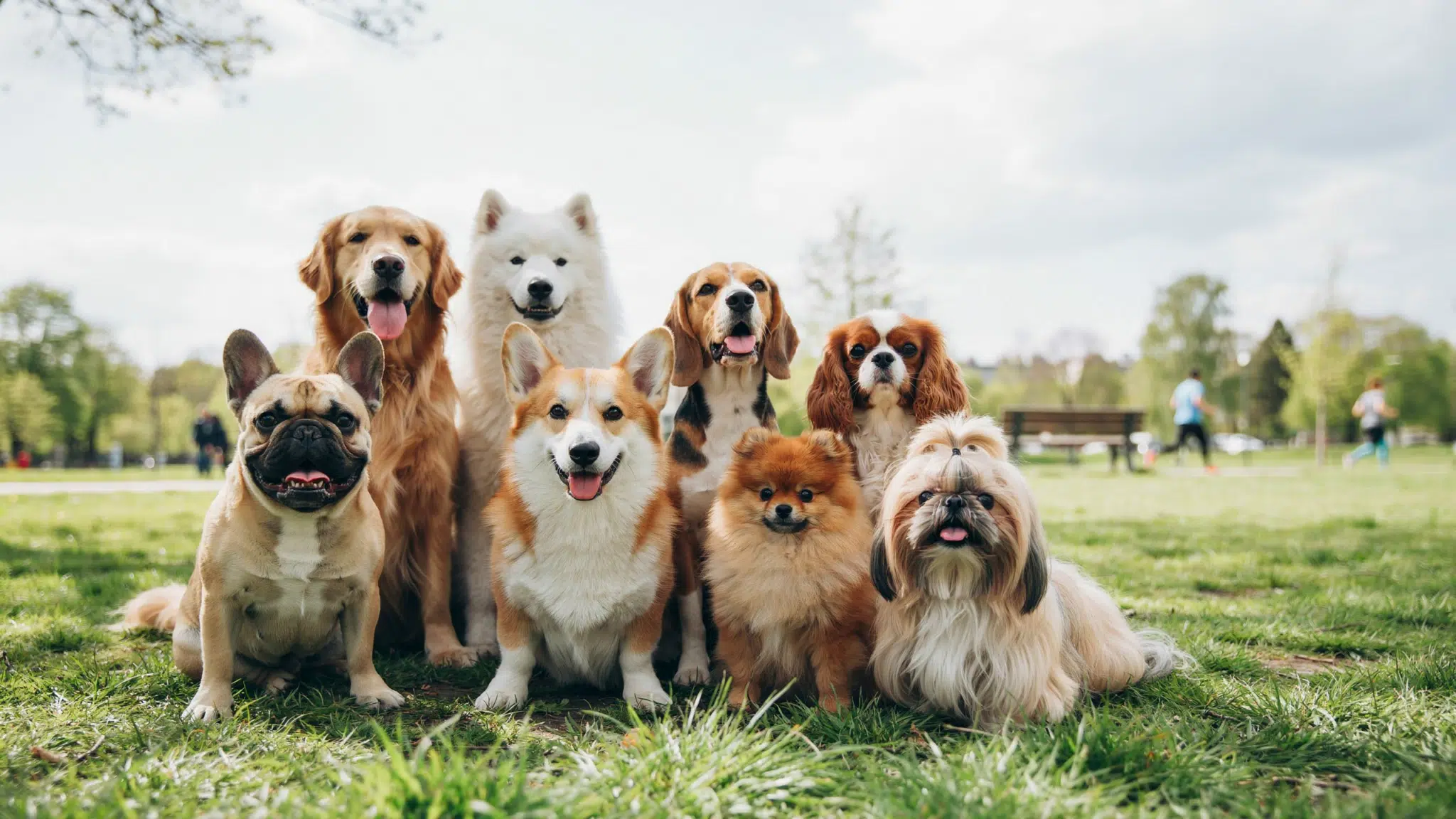
Each mix below pairs the Australian Shepherd with a specific breed, and that second parent shapes size, coat, and temperament in a fairly predictable direction. These include several well-known Australian Shepherd crosses, from popular companion mixes to less common pairings.
1. Aussiedoodle (Australian Shepherd x Poodle)
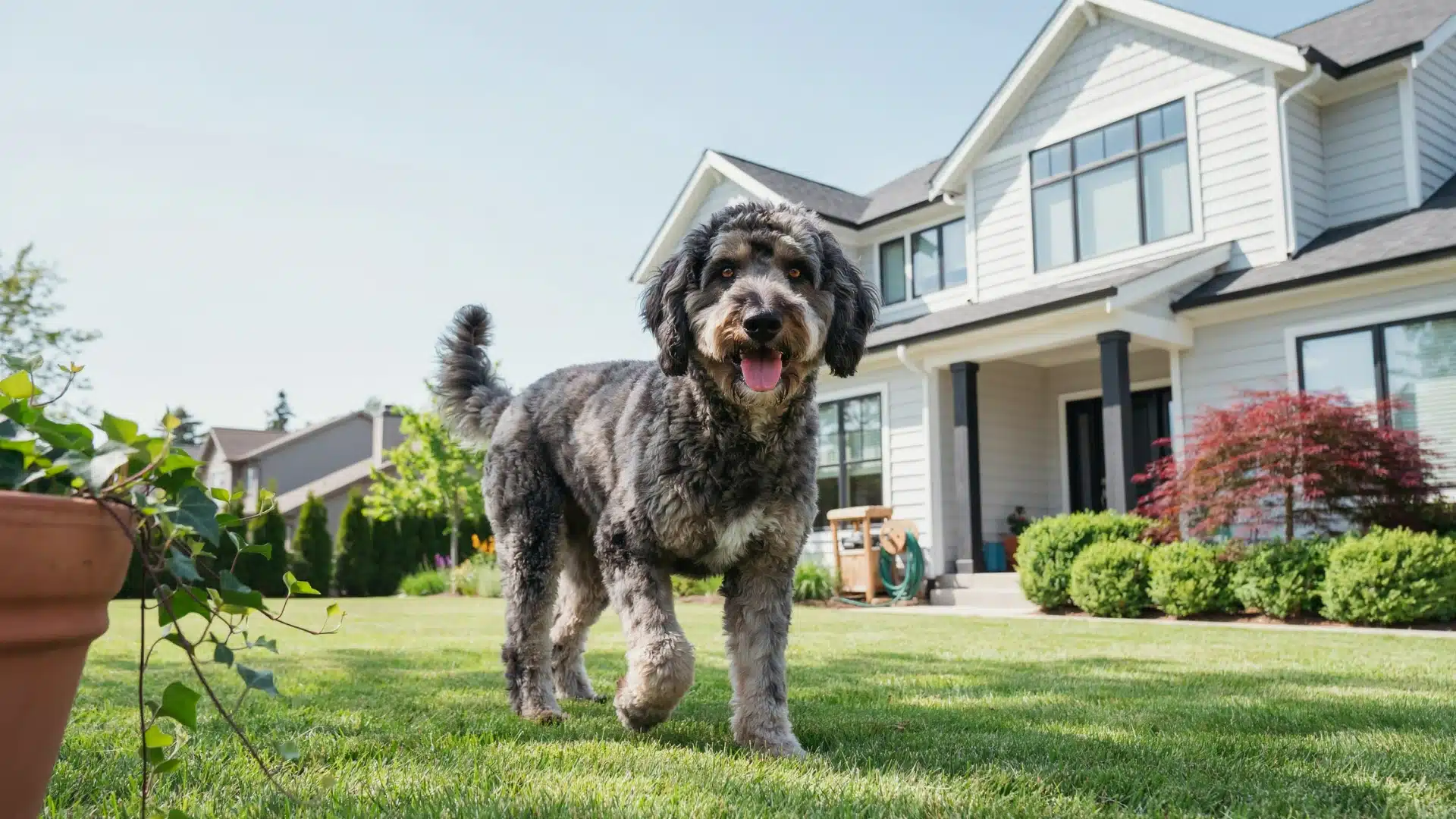
The Aussiedoodle pairs an Australian Shepherd with a Poodle and can vary considerably in size because Poodles come in multiple sizes.
Its coat may be loose and wavy or noticeably curly, with regular coat maintenance depending on texture and density. Some individuals shed less than a typical Australian Shepherd, but a low-shedding coat cannot be guaranteed.
- Size: Varies widely according to the Poodle parent
- Coat: Often wavy or curly
- Notable trait: Strong potential for interactive training
- Best fit: Owners prepared for regular coat maintenance and mental engagement.
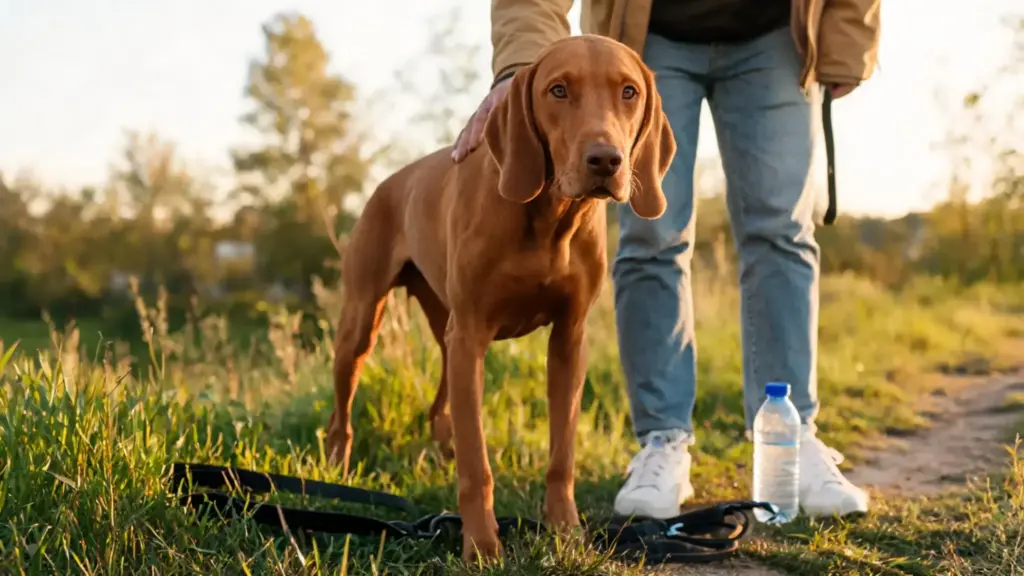
2. Texas Heeler (Australian Shepherd x Australian Cattle Dog)
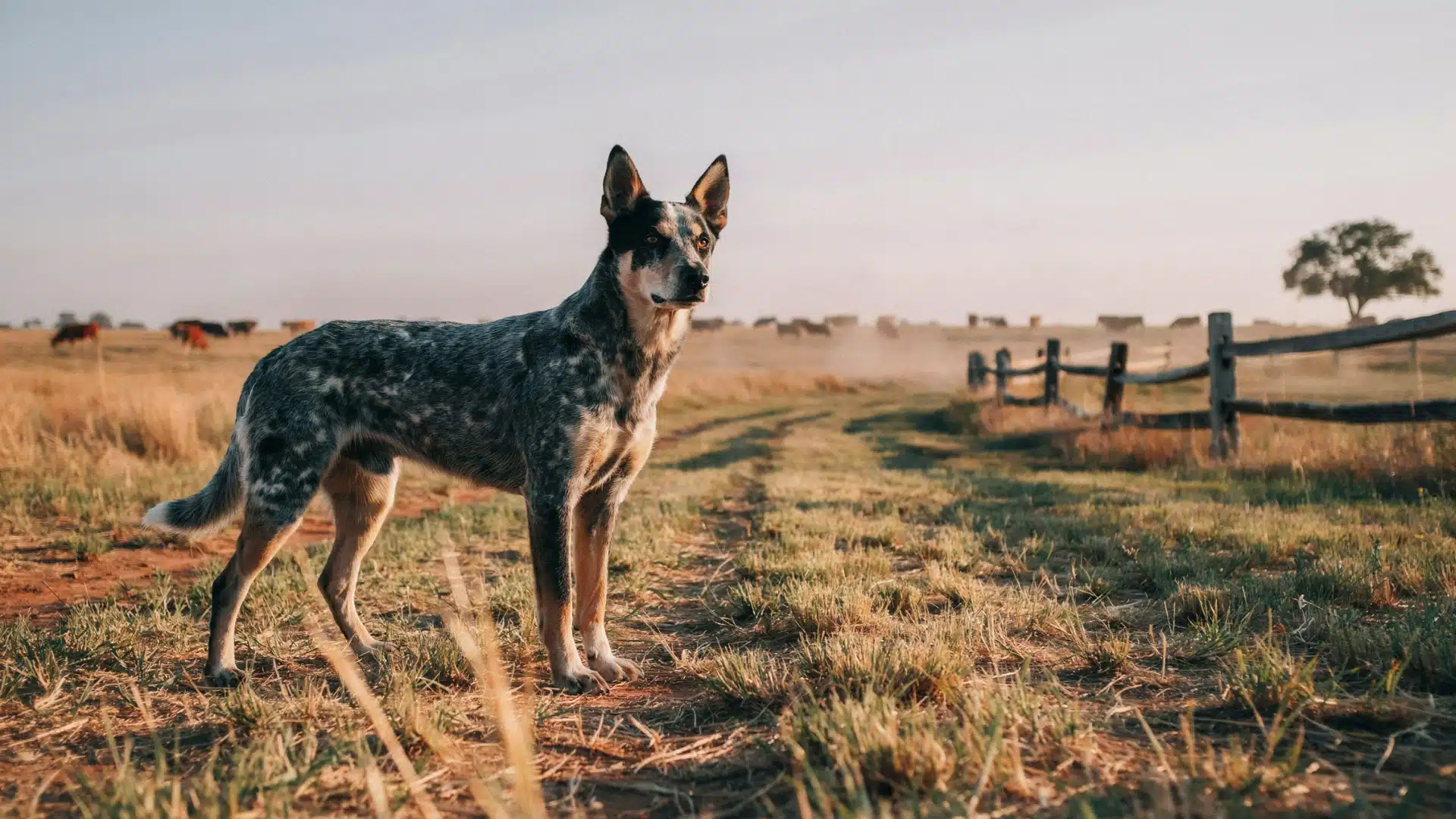
The Texas Heeler combines two breeds developed for livestock work, so it often has a practical, athletic appearance and substantial stamina.
Many have a medium frame with coats that may include ticking, mottling, patches, or merle markings. Their working heritage makes structured activities especially useful.
- Build: Medium and athletic
- Coat: Usually short to medium
- Notable trait: Strong working and herding background
- Best fit: Active owners, rural homes, farms, or people interested in structured dog activities
3. Border-Aussie (Australian Shepherd x Border Collie)
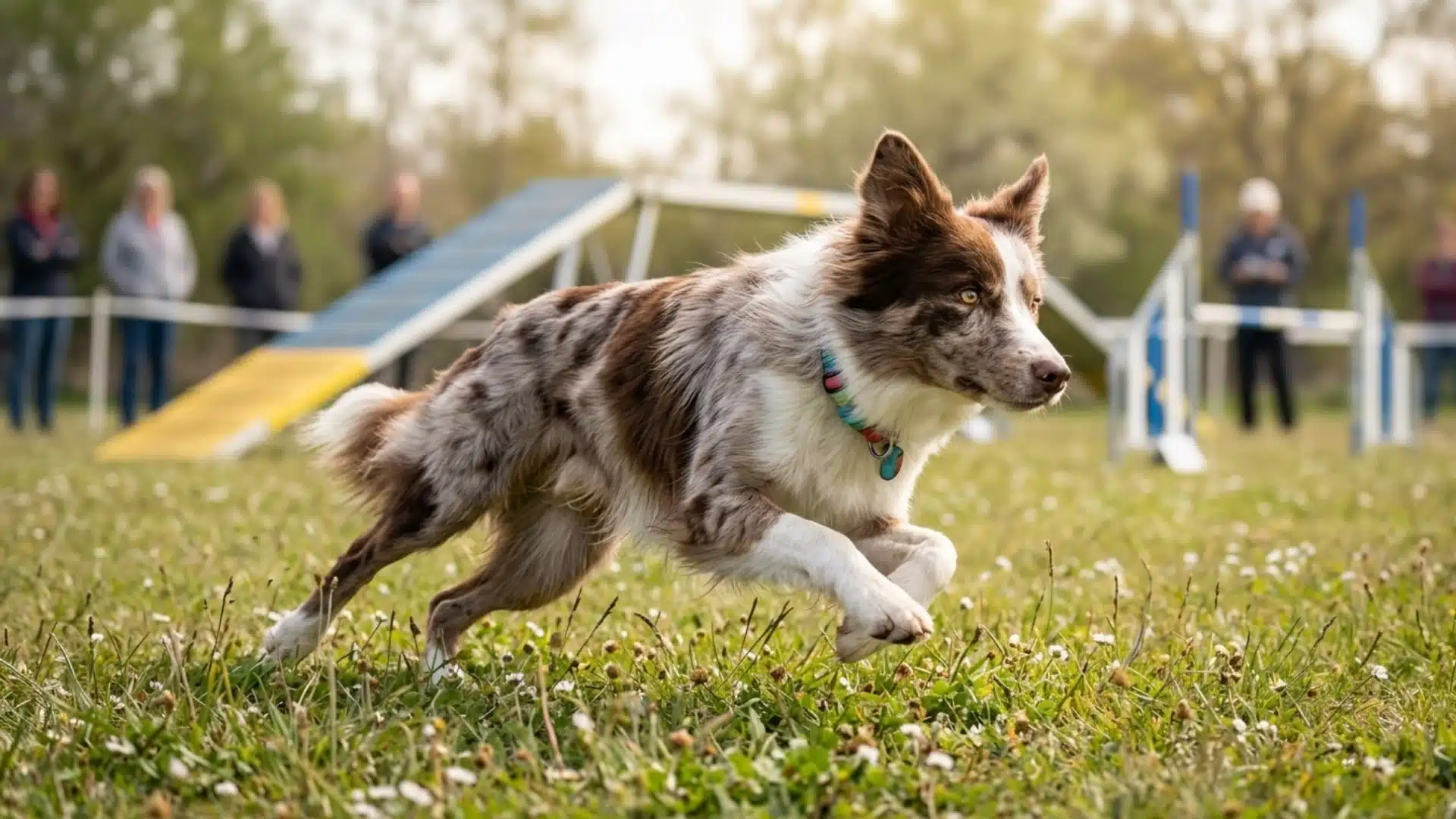
A Border-Aussie combines two closely associated herding breeds and is often lean, agile, and quick-moving.
Black-and-white, red, tricolor, and merle-influenced coats may occur. This cross is frequently associated with strong problem-solving and focus, making it appealing to owners interested in activities that require responsiveness and coordination.
- Build: Lean and athletic
- Coat: Medium length with several possible patterns
- Notable trait: Strong potential for advanced training
- Best fit: Experienced owners interested in agility, obedience, or other dog sports
4. Aussiedor (Australian Shepherd x Labrador Retriever)
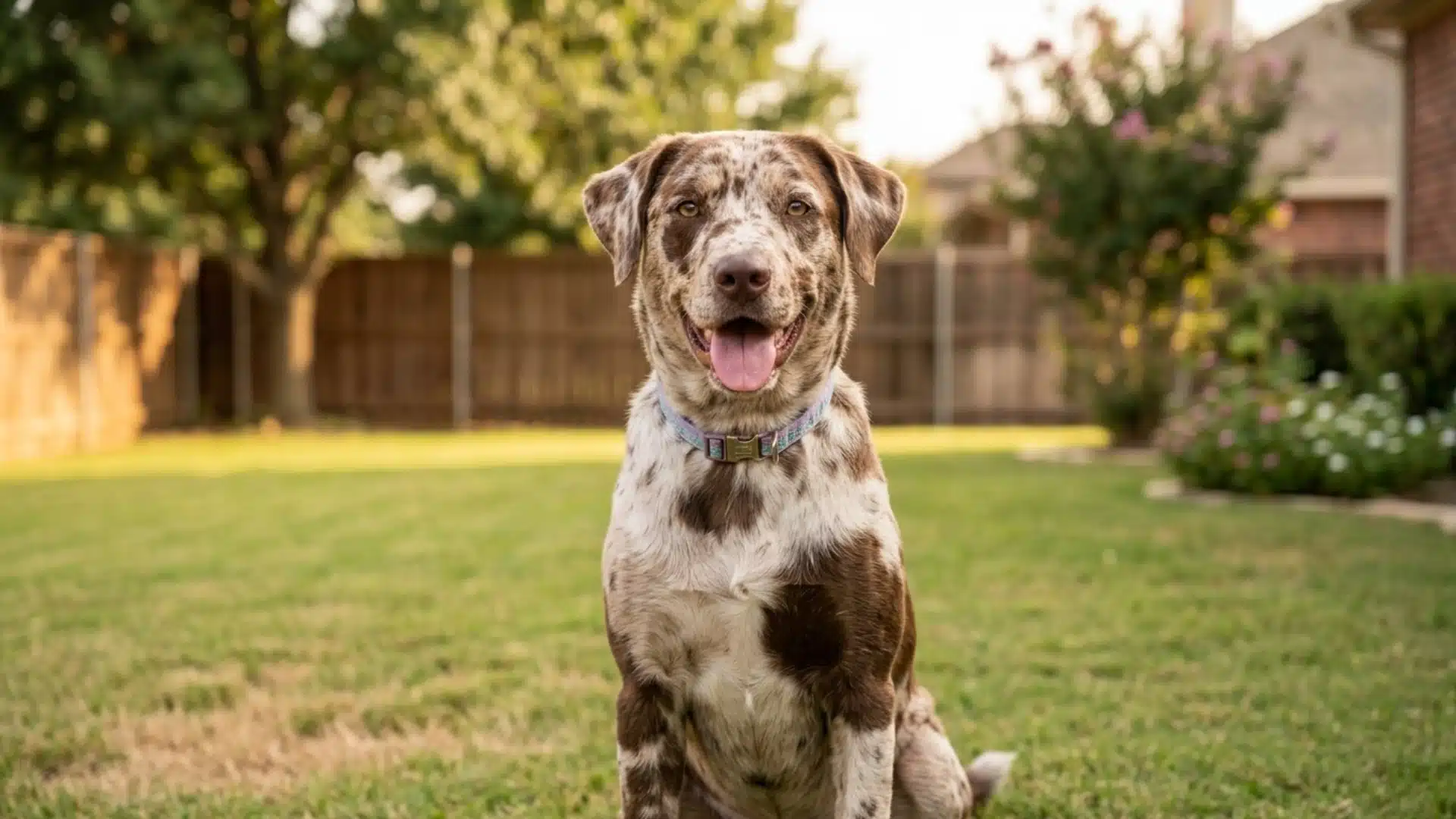
The Aussiedor combines the Australian Shepherd’s active working background with the Labrador Retriever’s generally social, food-motivated personality.
The result can be an affectionate companion that enjoys spending time with people while still needing regular activity, training, and opportunities to use its natural intelligence.
- Build: Often larger and stockier than a typical Australian Shepherd.
- Coat: Usually shorter and denser than the Aussie’s coat.
- Best fit: Active families wanting a playful companion, although herding behaviors can still appear.
5. Augi (Australian Shepherd x Corgi)
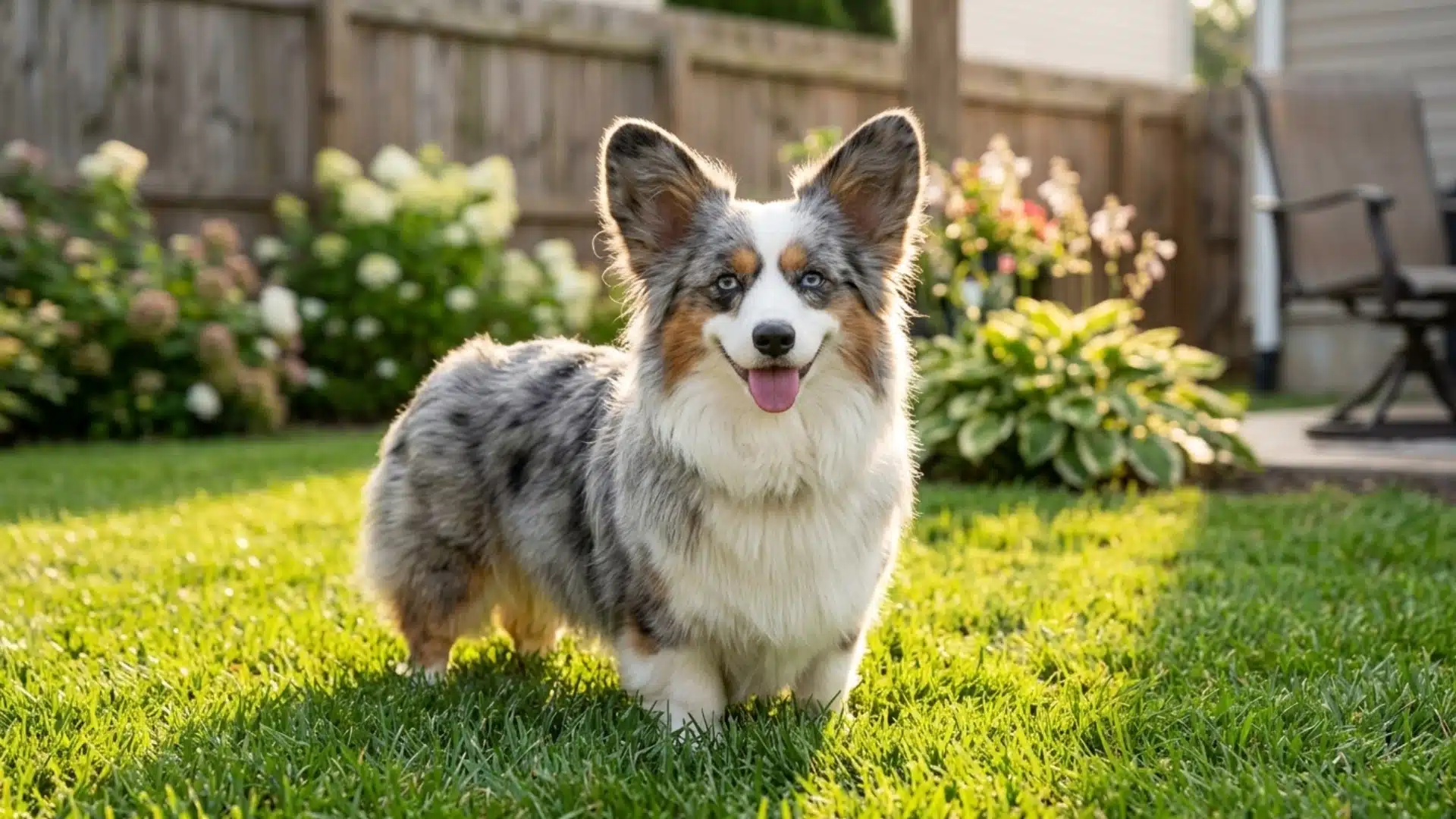
The Augi stands out because its compact body often combines the Corgi’s proportions with recognizable Australian Shepherd features.
Despite its smaller frame, this cross can remain energetic and alert. Herding instincts from both parent breeds may also influence how it interacts with people, animals, and movement.
- Appearance: Short legs with a longer, sturdy body.
- Behavior: Chasing or heel-nipping may need consistent redirection.
- Best fit: Smaller homes can work when owners still provide enough exercise and mental activity.
6. Aussie Pom (Australian Shepherd x Pomeranian)
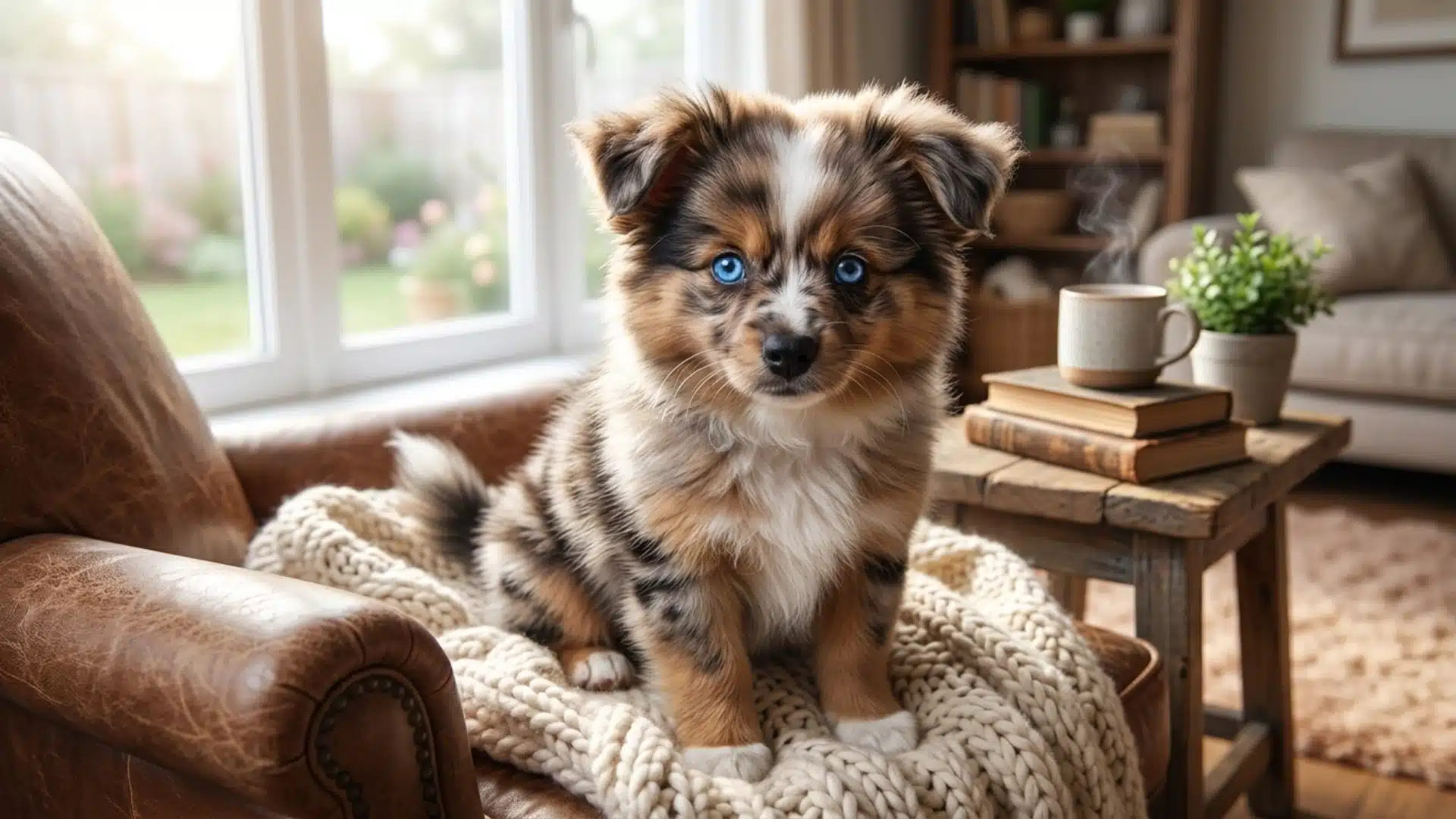
The Aussie Pom offers a smaller alternative to many Australian Shepherd crosses, although the final size can vary considerably between individual dogs.
It often develops a lively, alert personality and may stay closely aware of household activity, making consistent routines and basic training useful from an early age.
- Coat: Typically fluffy and dense, sometimes showing light merle markings.
- Temperament: Vocal tendencies may come through from the Pomeranian side.
- Best fit: Owners wanting a compact companion that still benefits from structured activity.
7. Aussie Husky (Australian Shepherd x Siberian Husky)
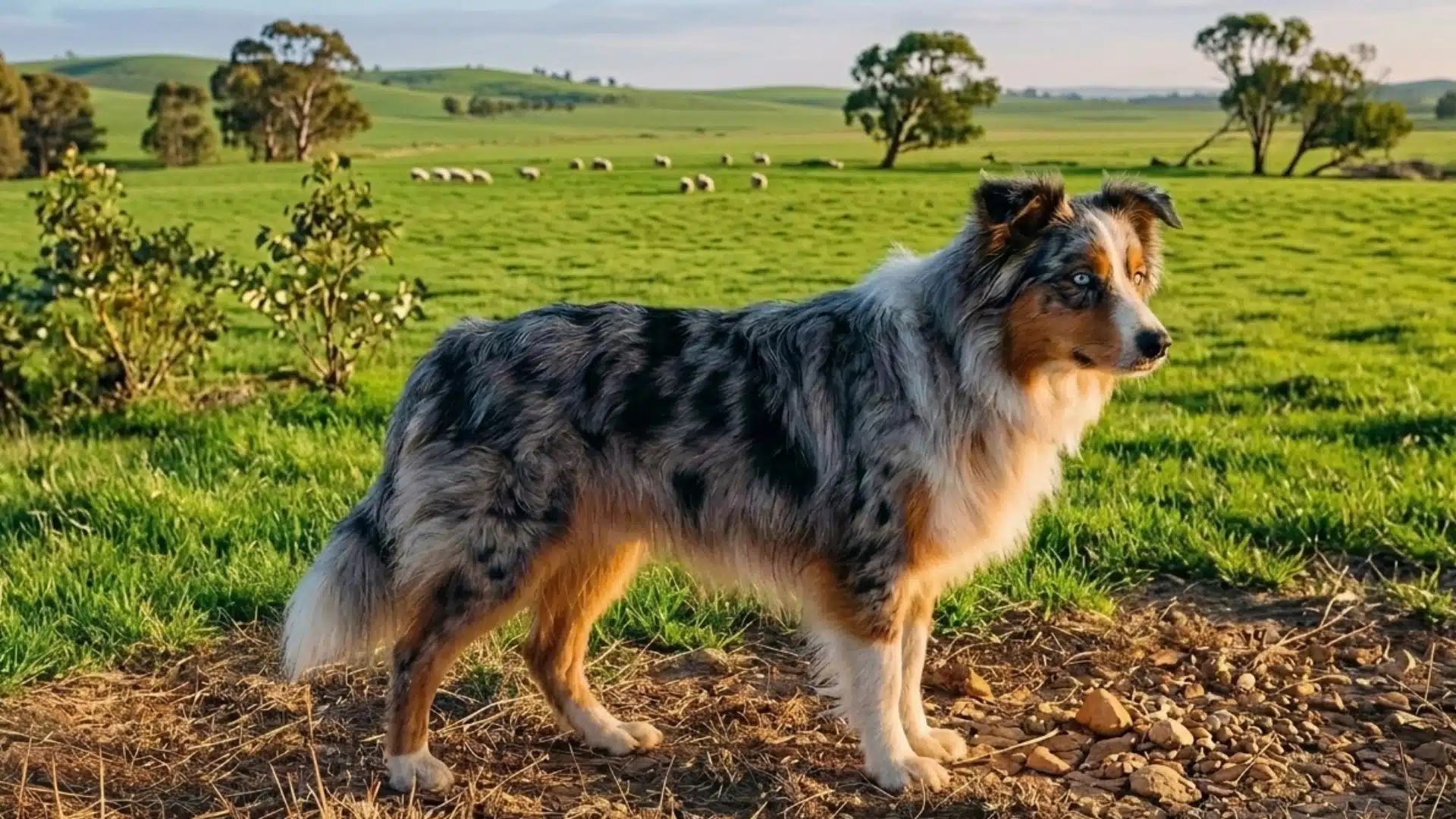
The Aussie Husky combines two energetic working breeds and generally suits people who genuinely enjoy an active lifestyle.
Both sides of the mix can contribute stamina, independence, and a strong need for daily movement, so adequate exercise and secure outdoor management become particularly important.
- Eyes: Blue, bi-colored, or differently colored eyes may occur.
- Coat: A thick double coat can provide substantial insulation in cooler conditions.
- Behavior: Howling and other vocalizations may appear more frequently.
- Best fit: Active owners with secure fencing and time for longer exercise sessions.
8. Bernese Aussie (Australian Shepherd x Bernese Mountain Dog)
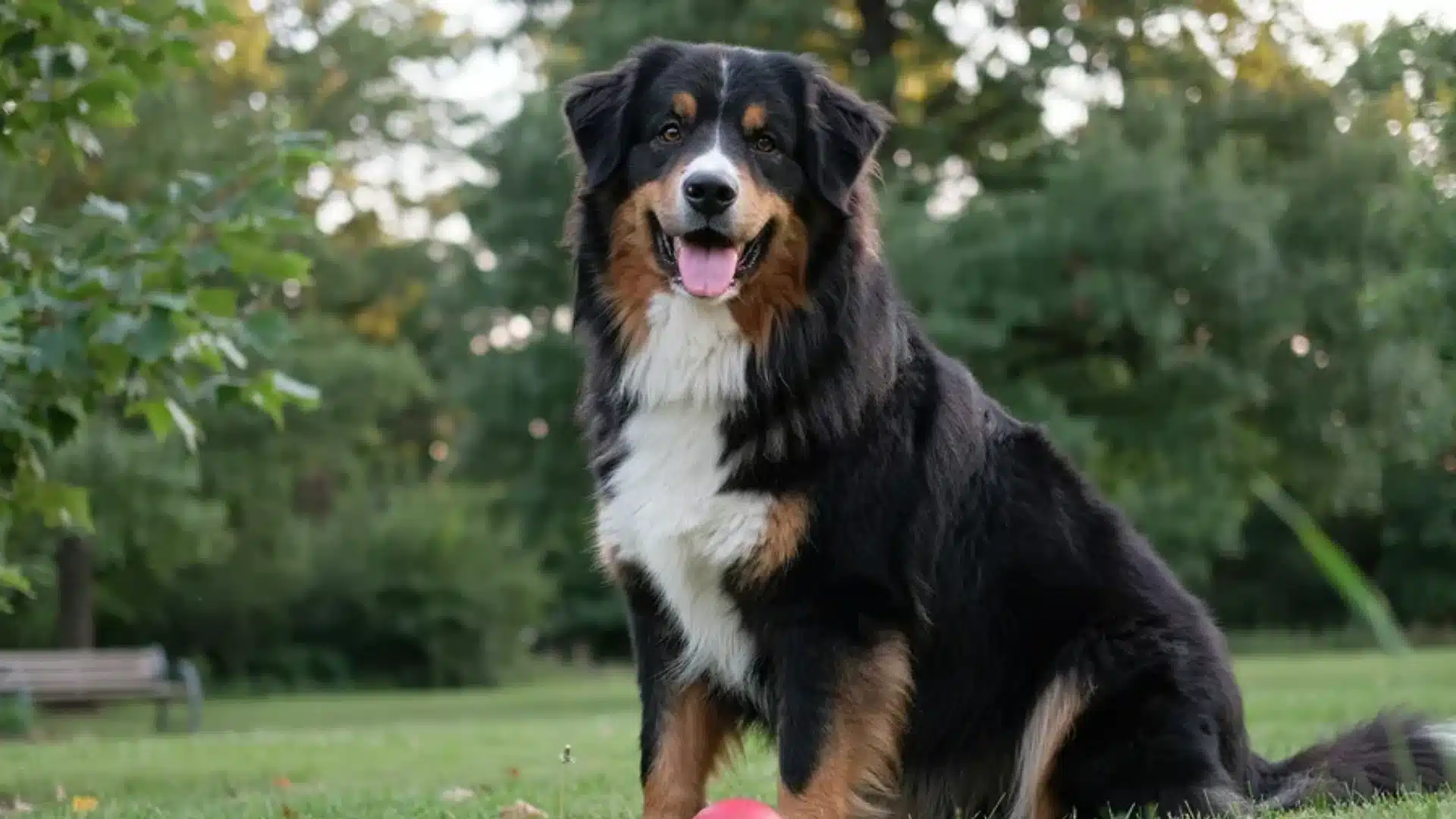
The Bernese Aussie may balance the Australian Shepherd’s working energy with the Bernese Mountain Dog’s generally steady and affectionate nature.
Individual temperament still varies, but the pairing can appeal to households looking for a larger companion that remains active without necessarily having the intensity of some herding crosses.
- Size: Often reaches 60 pounds or more.
- Coat: Usually longer, with black, white, brown, or tricolor combinations.
- Best fit: Families wanting a substantial, affectionate dog with room for regular exercise.
9. Shepherd Aussie (Australian Shepherd x German Shepherd)
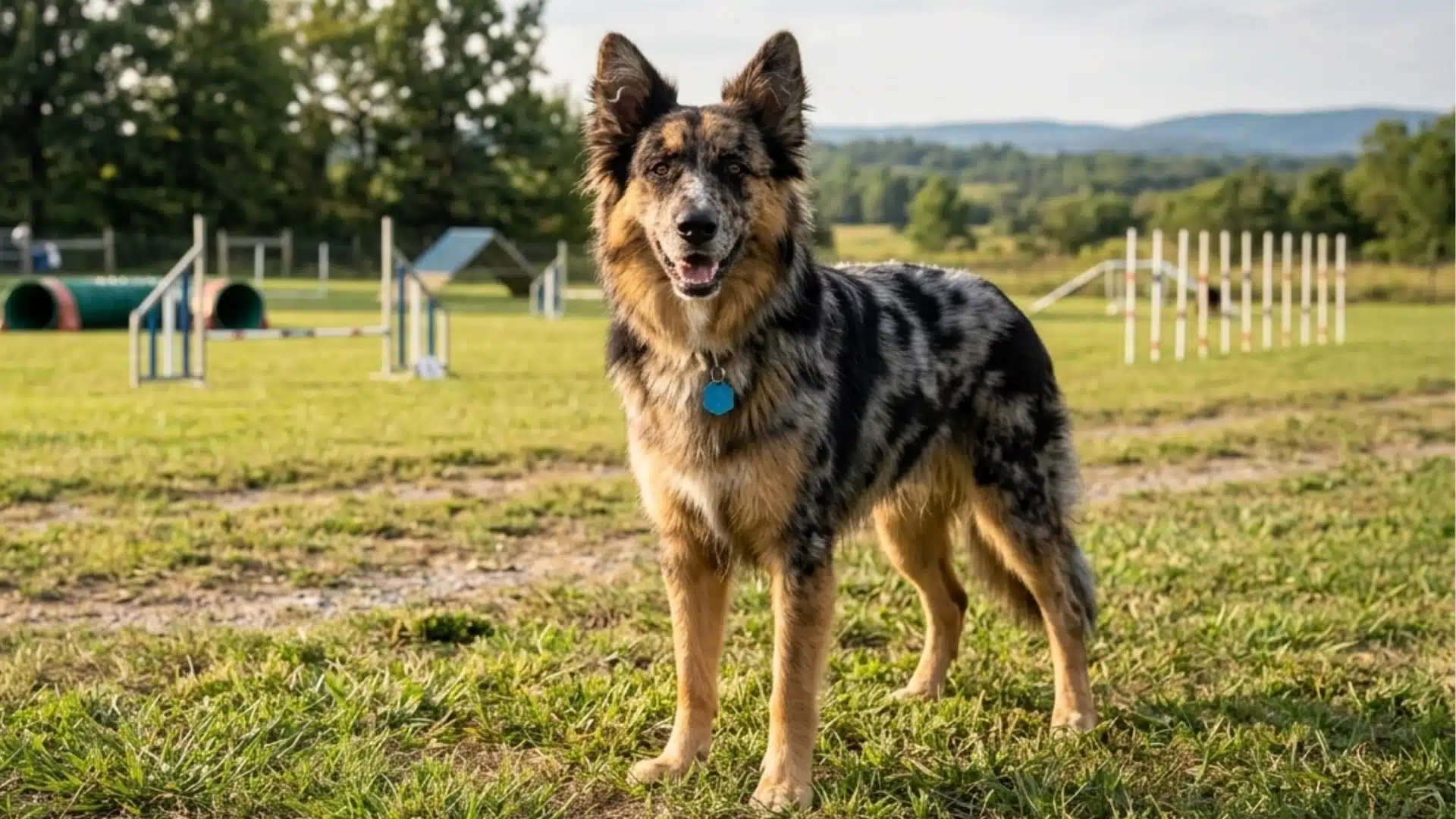
The Shepherd Aussie combines the instincts of two highly capable working breeds. It can develop a confident, determined personality and may require more structure than an easygoing companion breed.
Consistent training from puppyhood helps establish boundaries while giving this intelligent mix productive ways to use its natural drive.
- Build: Often larger and more muscular than many Aussie crosses.
- Color: May combine merle features with traditional black-and-tan markings.
- Best fit: Owners comfortable handling strong, intelligent dogs and maintaining regular training routines.
10. Golden Aussie (Australian Shepherd x Golden Retriever)
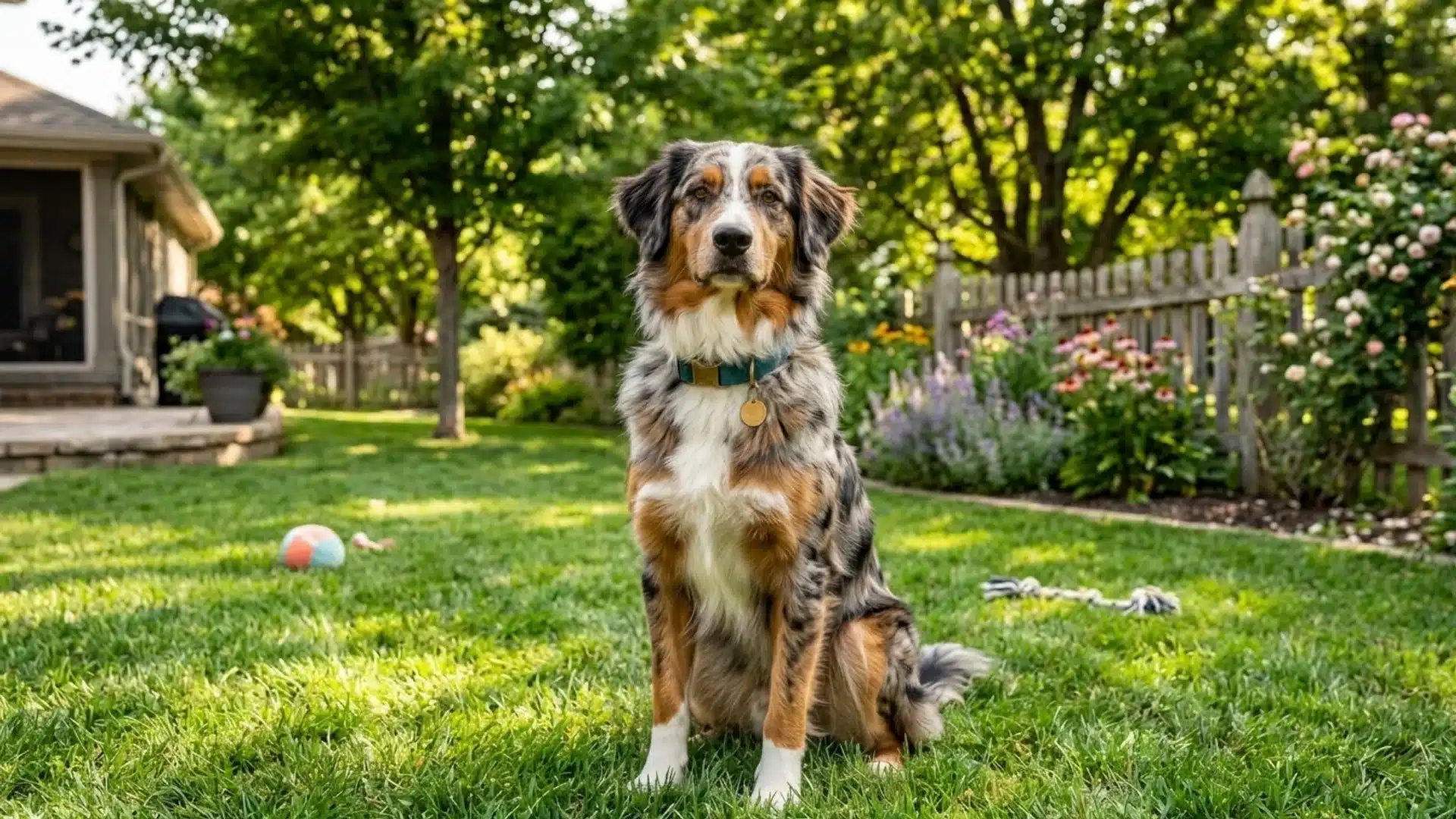
The Golden Aussie may inherit the Australian Shepherd’s intelligence alongside the Golden Retriever’s generally friendly, people-oriented temperament.
This combination can produce an affectionate dog that enjoys participating in family activities and learning new skills, while still requiring enough movement to satisfy its active working-breed background.
- Coat: Often wavy or medium-length with gold, red, or merle-influenced coloring.
- Household: Can suit families and multi-pet homes.
- Best fit: Owners able to provide regular exercise, play sessions, and interactive training.
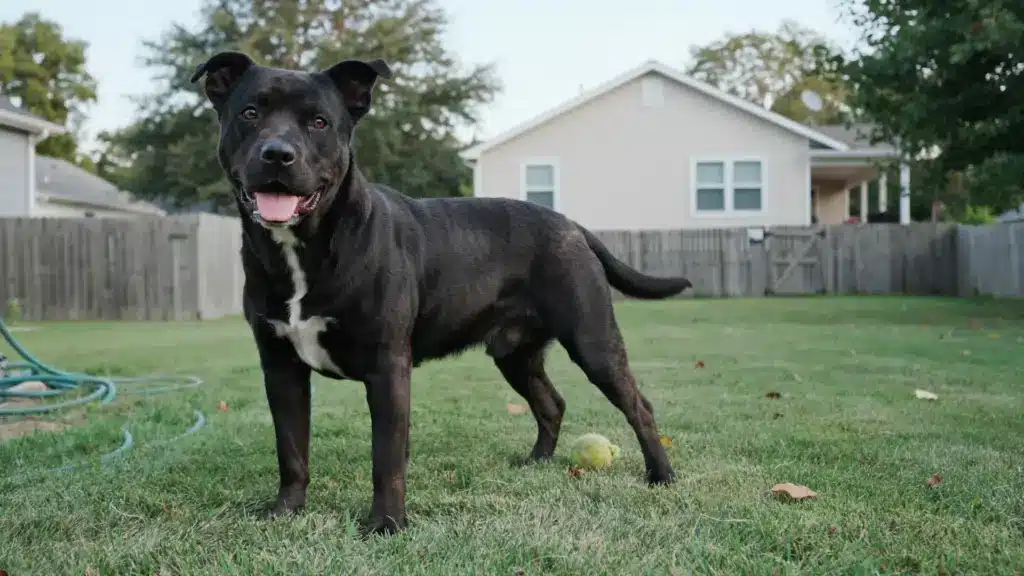
11. Aussie Pit (Australian Shepherd x American Pit Bull Terrier)
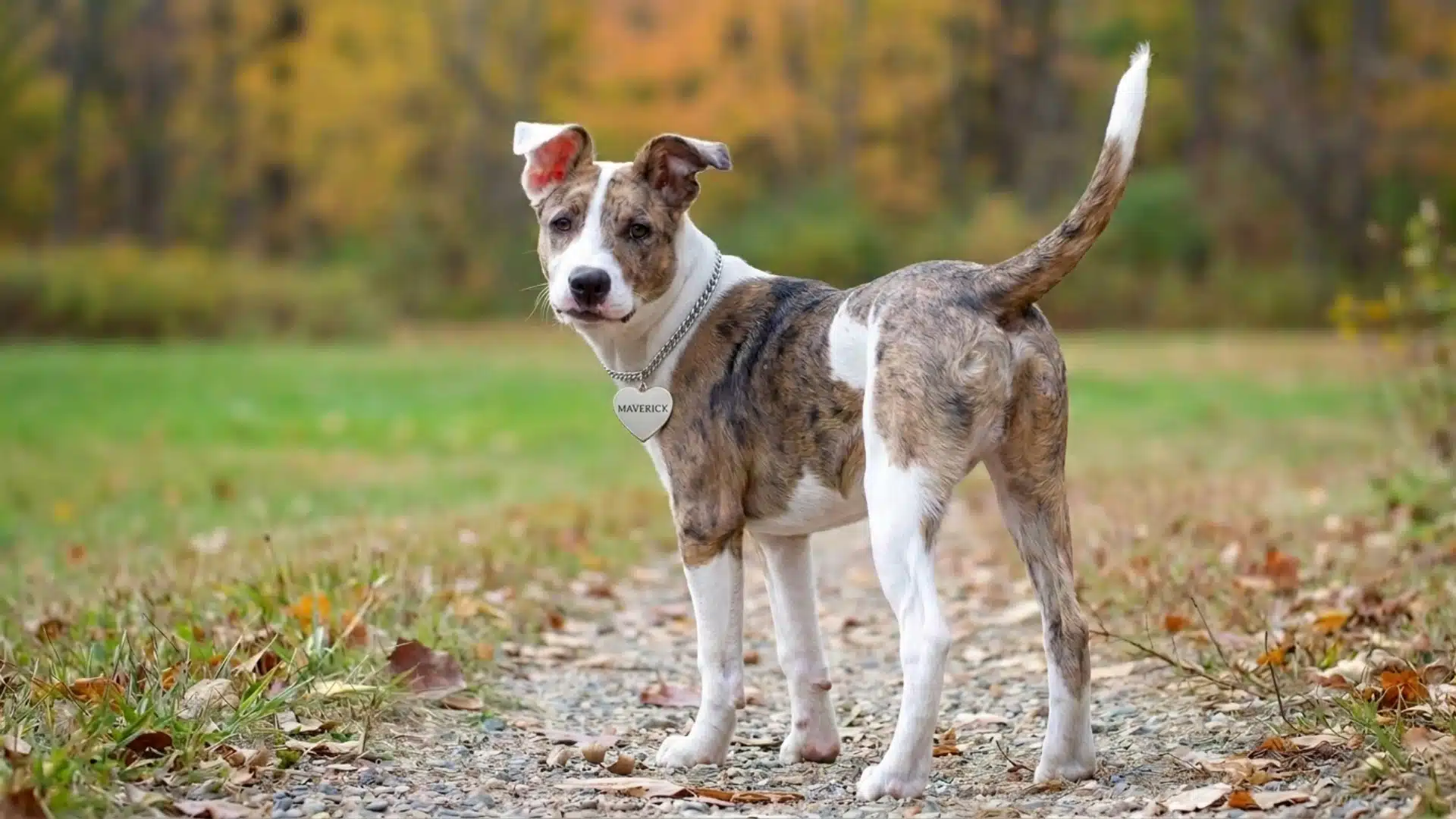
The Aussie Pit often has a noticeably different appearance from fluffier Australian Shepherd mixes, with a stronger, more compact body.
Personality can vary considerably between individual dogs, making early socialization especially important. Consistent training also helps channel energy and establish reliable behavior as the dog matures.
- Coat: Usually shorter and easier to maintain than an Australian Shepherd coat.
- Build: Muscular and compact compared with many other crosses.
- Best fit: Active, experienced owners prepared to prioritize socialization and ongoing training.
12. Rottie Aussie (Australian Shepherd x Rottweiler)
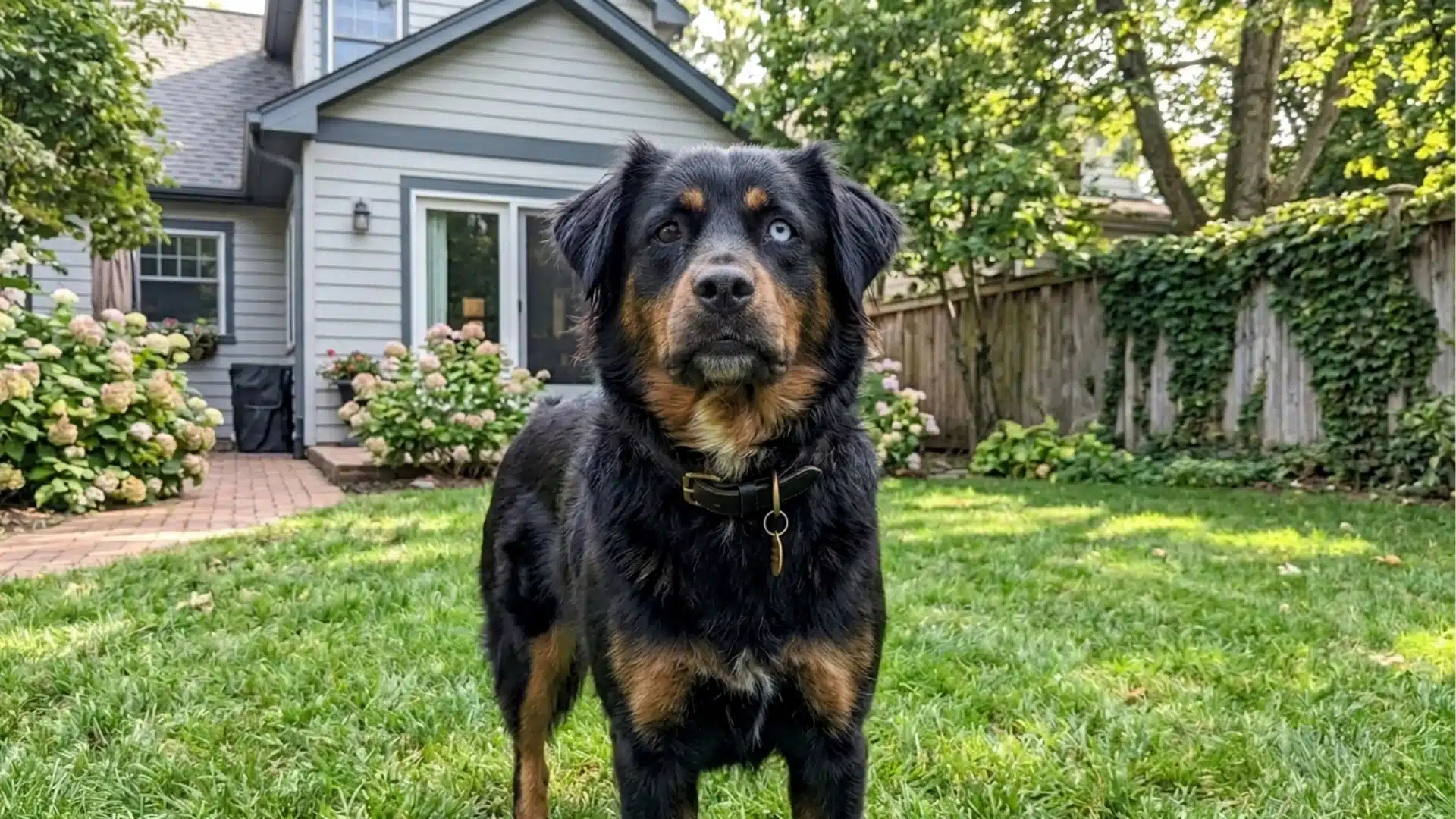
The Rottie Aussie combines the Australian Shepherd’s herding background with the confidence and protective tendencies commonly associated with the Rottweiler.
This can create a powerful dog that benefits from clear boundaries and consistent handling. Early training is particularly important because adult size and strength can make unmanaged behavior harder to control.
- Size: Some dogs may reach 70 pounds or more.
- Build: Broad-chested with a dense short-to-medium coat.
- Best fit: Experienced dog owners rather than households looking for an easy first-time pet.
13. Chow Aussie (Australian Shepherd x Chow Chow)
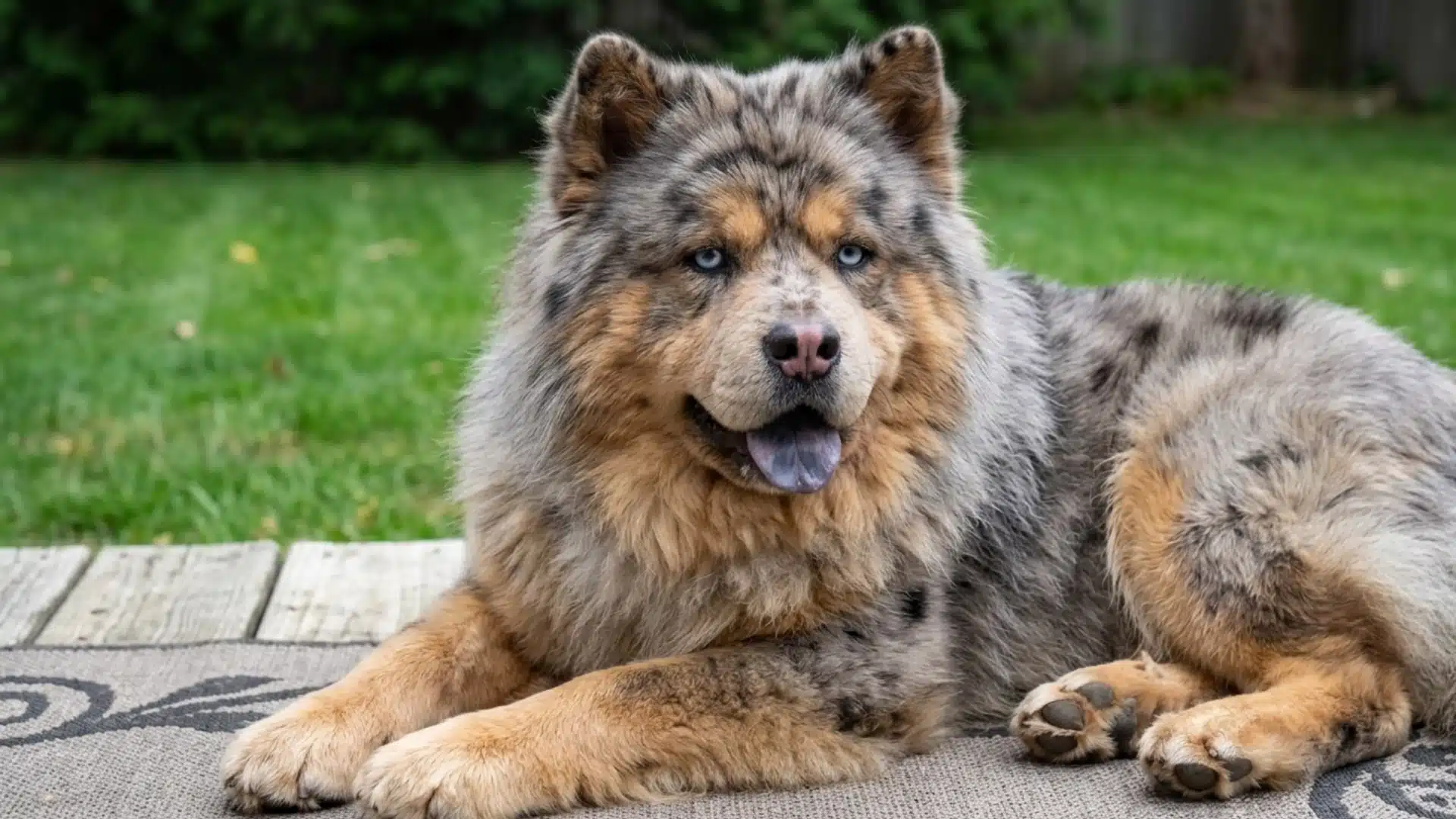
The Chow Aussie is a less common cross that may display a more independent personality than many people expect from an Australian Shepherd mix.
Some individuals can be comparatively reserved rather than constantly seeking attention, so owners should be comfortable allowing the dog space while maintaining consistent routines and training.
- Coat: Thick and fluffy due to influence from both parent breeds.
- Appearance: The head and facial structure may lean toward the broader Chow look.
- Best fit: Owners comfortable with a dog that may be less clingy and more self-directed.
14. Pyrenees Aussie (Australian Shepherd x Great Pyrenees)
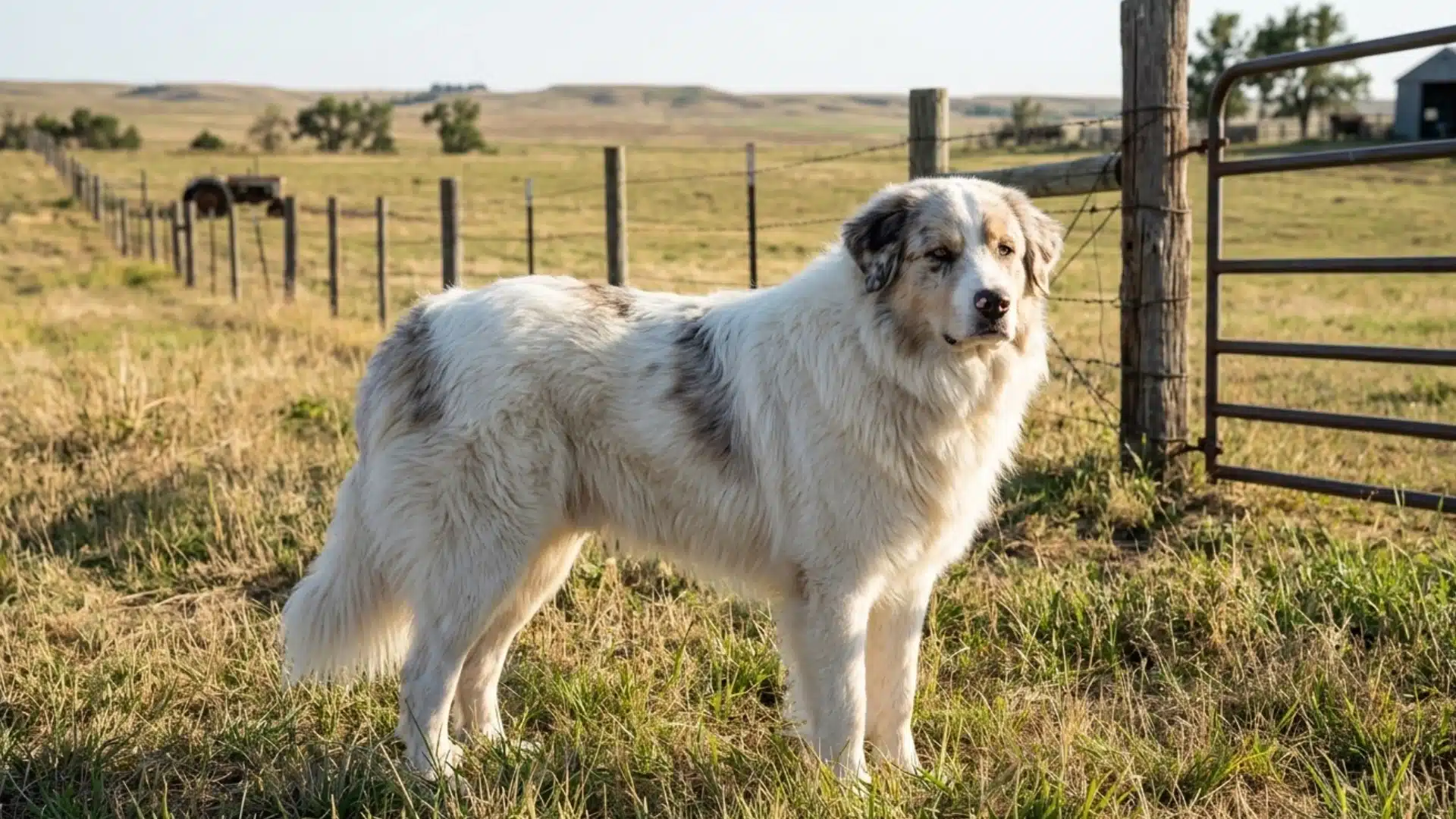
The Pyrenees Aussie combines a livestock guardian breed with an active herding breed, creating a large working-oriented cross with instincts shaped by both backgrounds.
It generally makes more sense in homes where space and outdoor access are available than in environments that restrict movement and activity.
- Size: Some individuals may reach 70 pounds or more.
- Coat: Thick and often white, sometimes with noticeable merle markings.
- Climate: Heavy coat can be better suited to cooler conditions.
- Best fit: Farms, ranches, and spacious rural households.
15. Boxer Aussie (Australian Shepherd x Boxer)
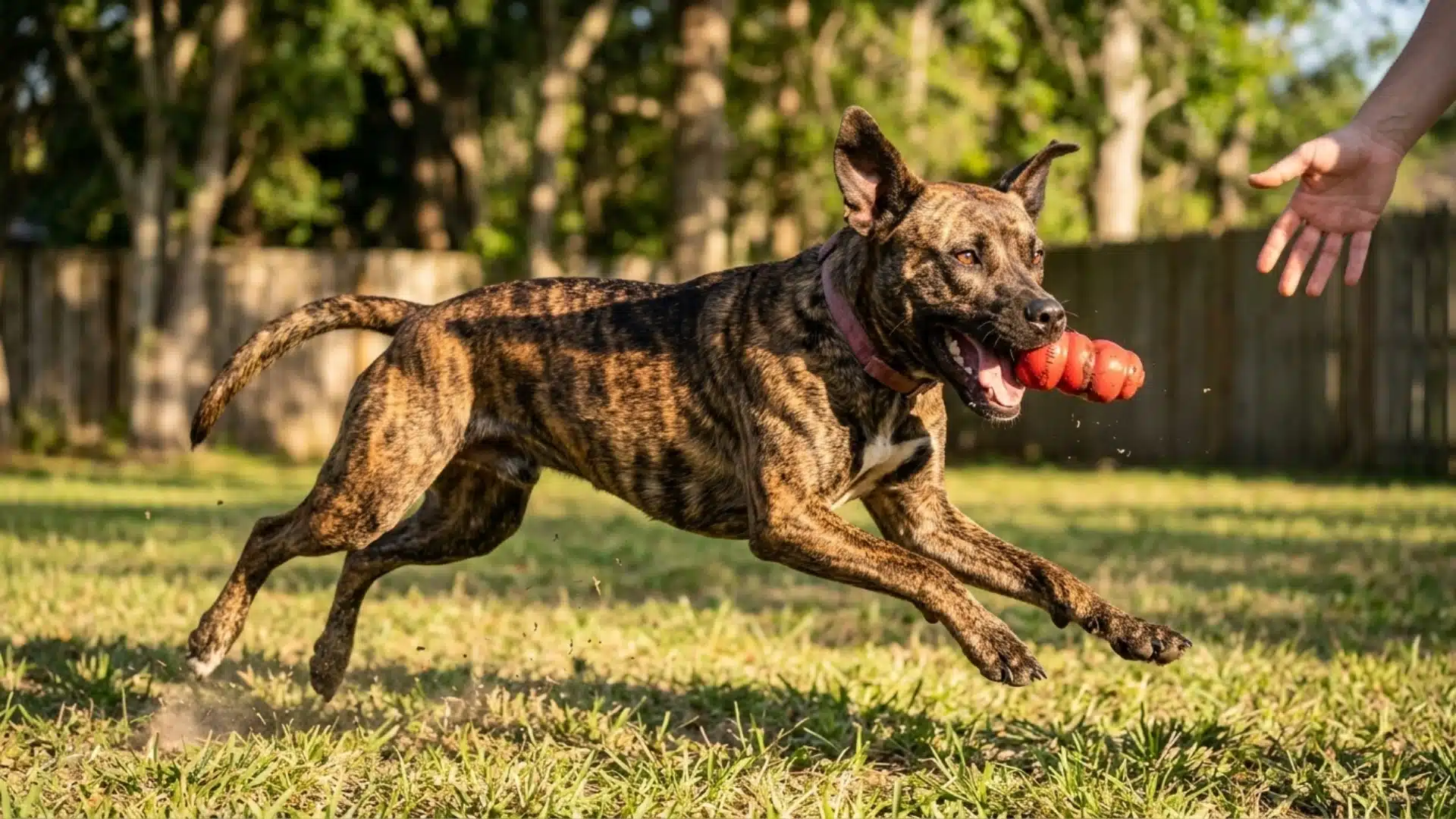
The Boxer Aussie blends the Boxer’s playful, people-focused energy with the Australian Shepherd’s problem-solving ability. This combination can create an entertaining companion that enjoys physical play as much as learning new behaviors.
Regular interaction is useful for keeping its active body and sharp mind productively occupied.
- Coat: Usually short and relatively simple to maintain.
- Color: Brindle, fawn, and merle-influenced patterns may occur.
- Best fit: Active families wanting a dog that enjoys outdoor games, training sessions, and frequent participation in household activities.
Aussiedoodle vs Texas Heeler and Border-Aussie
The Aussiedoodle, Texas Heeler, and Border-Aussie represent three noticeably different directions an Australian Shepherd cross can take.
| Feature | Aussiedoodle | Texas Heeler | Border-Aussie |
|---|---|---|---|
| Size | Highly variable | Usually medium | Usually medium |
| Coat | Wavy or curly | Short to medium | Medium |
| Shedding | Variable, sometimes lower | Moderate or higher | Moderate or higher |
| Activity | High | Very high | Very high |
| Main care consideration | Grooming | Physical workload | Mental workload |
| May suit | Active companion homes | Working or rural homes | Training and sport-focused homes |
The Aussiedoodle may appeal more to owners willing to trade heavier shedding for greater grooming needs. Texas Heelers often suit people seeking a rugged working companion, while Border-Aussies tend to attract owners interested in advanced training and dog sports.
Individual dogs can still fall outside these general patterns.
How to Choose the Right Aussie Mix for Your Home
Matching an Australian Shepherd mix to your lifestyle matters more than choosing based on coat color or appearance. Size, energy, grooming needs, and temperament can vary significantly depending on the other parent breed.
Considering these lifestyle fit factors before choosing can help narrow the options to dogs that realistically suit your routine.
- Living space: A secure yard can make exercise easier, but high-energy mixes can also live in apartments with enough daily activity.
- Exercise time: Border-Aussies and Texas Heelers may need one to two hours of physical and mental activity each day.
- Grooming: Poodle and Husky crosses may require more coat care than shorter-coated mixes.
- Household: Golden Aussies or Bernese Aussies may suit families seeking a more social companion, though individual temperament varies.
Thinking through these factors can help you choose a mix that better fits your home and daily routine.
Health Considerations Every Aussie Mix Owner Should Know
Health risks in an Australian Shepherd mix depend on both parent breeds, but several inherited concerns are particularly relevant to the Aussie side. One important issue is double merle breeding. Puppies that inherit two copies of the merle gene can have serious hearing and vision abnormalities.
The Australian Shepherd Health & Genetics Institute (ASHGI) provides breed-specific information on merle genetics, inherited conditions, DNA testing, and responsible breeding practices for Australian Shepherds.
Australian Shepherds can also carry MDR1 drug sensitivity, which can cause adverse reactions to certain medications. The Orthopedic Foundation for Animals (OFA) explains MDR1 sensitivity in herding breeds and maintains canine health-screening resources for inherited conditions.
Prospective owners should also ask about hip and eye evaluations and any relevant genetic testing completed on the parents. OFA’s Canine Health Information Center (CHIC) program provides breed-specific screening protocols and publicly accessible health-test records that can help buyers evaluate available breeder health documentation.
Where to Find an Australian Shepherd Mix
Australian Shepherd mixes can be found through shelters, rescue organizations, and breeders producing planned crosses.
Adoption platforms such as Adopt a Pet allow users to search for Australian Shepherds and mixed dogs available through shelters and rescue groups. Local herding-breed or Australian Shepherd rescues may also take mixed dogs.
Rescue listings can be particularly useful when foster homes provide information about adult temperament, household behavior, and compatibility with other animals.
Anyone purchasing a deliberately bred puppy should ask to see documented health testing relevant to both parent breeds. Buyers should also ask about the parents’ ages, temperaments, living conditions, and veterinary history.
Avoid relying on vague statements that the parents were simply “vet checked,” since routine veterinary examinations are not the same as breed-specific hereditary health screening.
Conclusion
The best Aussie mix is not simply the one you like most at first glance. It is the one whose size, energy, grooming needs, and temperament fit naturally into your daily routine.
I’d pay close attention to exercise needs, coat care, training demands, and the traits of both parent breeds.
An Australian Shepherd mix can be an affectionate, intelligent companion, but some crosses need far more structure, space, or grooming than others.
Health screening also matters, especially when merle genetics, MDR1 sensitivity, hips, and eyes are relevant. Before bringing one home, compare more than appearance and ask breeders or rescues detailed questions.
Use these breed differences to build your shortlist, then share which Aussie mix seems like the best fit for you.
Frequently Asked Questions
Do Australian Shepherd Mixes Shed a Lot?
Shedding depends heavily on the second parent breed. Poodle crosses, such as the Aussiedoodle, shed noticeably less, while Husky, Chow, or Pyrenees pairings shed heavily during seasonal coat changes and need brushing several times a week.
Are Aussie Mixes Good With Kids and Other Pets?
Most Aussie mixes bond closely with their families, though herding instinct can show up as nipping at heels during play. Golden Aussie and Bernese Aussie pairings tend to run gentler, while working-line crosses like the Border-Aussie need earlier, more consistent socialization around small children.
How Big Do Aussie Mixes Get when Fully Grown?
Adult size can range from small dogs, such as some Aussie Poms, to large crosses, such as Pyrenees Aussies or Rottie Aussies, depending heavily on the size of both parent dogs. Asking to meet both parent dogs gives a far better size estimate than the breed name alone.