
Choosing the right food for a dog is never as simple as picking a popular brand off the shelf.
Every pet owner reaches a point where questions start to build.
Is this food actually healthy, or is it worth the price? That is where the question often comes in: is Blue Buffalo good dog food, or just another well-marketed option?
Many dog owners switch to Blue Buffalo hoping for better ingredients, improved energy, or a shinier coat, but the results are not always the same for every dog.
Some see noticeable changes, while others feel unsure after a few weeks. That mix of opinions makes it even more important to look closer.
Understanding what goes into the food and how dogs respond to it can make all the difference when deciding what truly works.
Blue Buffalo Dog Food: Brand Background & Positioning
Blue Buffalo started in the early 2000s with a clear focus on making dog food that feels closer to a natural diet rather than heavily processed kibble.
It was founded by Bill Bishop along with his family, including his sons Billy Bishop and Chris Bishop.
The brand was created after the founders wanted better nutrition options following health issues in their own dog, which shaped its core philosophy around clean, simple ingredients.
From the beginning, Blue Buffalo has emphasized real meat as the first ingredient, avoiding artificial preservatives, colors, and flavors that are common in lower-quality foods.
One of its defining points is the exclusion of certain ingredients, which many pet owners try to avoid due to digestive concerns.
The brand also stands out for offering multiple product lines tailored to different needs, including high-protein, limited-ingredient, and life-stage formulas, making it easier for owners to choose food based on their dog’s specific health and dietary requirements.
In 2018, General Mills acquired Blue Buffalo for approximately $8 billion.
Is Blue Buffalo Good Dog Food?

Blue Buffalo is generally considered a good dog food, especially for owners looking for more natural ingredients and better-quality protein sources.
It uses real meat as the main ingredient and avoids many common fillers, which puts it above many basic grocery store brands.
However, it is not perfect as some formulas may not suit every dog, especially those with sensitive stomachs or specific health conditions.
Many dogs do well on it and show improvements in coat, energy, and digestion, but others may not respond the same way. In my experience advising clients, the dogs that do best on Blue Buffalo tend to be healthy adult dogs without underlying GI conditions.
The Life Protection Formula is the one I most frequently recommend as a starting point. The quality can also vary slightly between product lines.
Overall, Blue Buffalo works well for a large number of dogs, but the final result depends on your dog’s individual needs, tolerance, and how their body reacts to the ingredients.
Ingredient Quality Breakdown
The brand focuses on recognizable ingredients, balanced nutrition, and formulas designed for different needs like weight management, high energy, or sensitive digestion.
1. Primary Ingredients (Protein Sources)
Blue Buffalo recipes typically start with real meat like deboned chicken, lamb, or fish, which provides essential amino acids for muscle growth and repair.
For example, Blue Buffalo Life Protection Formula Chicken & Brown Rice lists deboned chicken as the first ingredient, delivering strong protein support for adult dogs.
Many formulas also include chicken meal or fish meal, which may sound processed but are actually concentrated protein sources with less water content.
This helps increase overall protein levels. Blue Buffalo Wilderness Chicken Recipe is suitable for active dogs that need sustained energy and muscle maintenance.
2. Carbs, Grains, and Fillers
Blue Buffalo uses different carbohydrate sources depending on the formula.
In grain-inclusive recipes like Life Protection Formula, ingredients such as brown rice, oatmeal, and barley provide steady energy and support digestion.
These are easier on most dogs compared to cheap fillers. In grain-free options like Blue Buffalo Wilderness Grain-Free, carbs come from peas, potatoes, and sweet potatoes.
While these provide energy and fiber, some pet owners raise concerns about heavy reliance on legumes.
This concern carries weight; the FDA’s ongoing investigation into diet and canine dilated cardiomyopathy (DCM) found that a significant portion of reported cases involved dogs eating grain-free diets high in peas, lentils, and legumes.
3. Fruits, Vegetables, and Additives
Blue Buffalo includes a mix of fruits and vegetables like blueberries, carrots, sweet potatoes, and spinach, which provide natural vitamins and antioxidants.
A standout feature is their LifeSource Bits, found in products like Life Protection Formula, which are small, dark kibble pieces packed with vitamins, minerals, and antioxidants.
These support immune health, bone strength, and overall wellness. For example, added nutrients like vitamin E, vitamin C, and omega fatty acids help improve skin and coat condition.
This combination of whole foods and targeted nutrients creates a more complete diet compared to basic dog food formulas that rely heavily on synthetic additives alone.
4. What’s NOT Included
One of Blue Buffalo’s key selling points is what they leave out. Their formulas do not contain artificial preservatives, colors, or flavors, which are often found in lower-quality dog foods.
They also avoid corn, wheat, soy, and poultry by-products, meaning you won’t see vague ingredients like “meat by-product meal.”
Instead, ingredients are clearly labeled, such as chicken meal or turkey meal, which adds transparency.
The American Kennel Club explains that the first ingredient has the highest weight, and a “complete and balanced” label means the food meets AAFCO nutritional standards, both important to check on any bag, including Blue Buffalo.
While no dog food is perfect for every pet, this cleaner ingredient list is one reason many consider Blue Buffalo a higher-quality option.
Blue Buffalo Recall History: What You Need to Know
Blue Buffalo’s recall history is an important part of evaluating its overall safety and reliability. While the brand has faced a few recalls in the past, most were linked to supplier issues or industry-wide problems rather than consistent internal failures.
1. 2007: Melamine Contamination Period
During the 2007 pet food crisis linked to contaminated wheat gluten imports, Blue Buffalo issued voluntary recalls as a precaution.
The affected products included dry dog food and some treat items recalled between April 19 and April 27, 2007.
The contamination involved melamine, a harmful chemical that caused serious health risks in pets across multiple brands.
Following the incident, Blue Buffalo shifted production to US facilities and improved ingredient sourcing and safety controls to reduce future risks.
2. 2010: Excess Vitamin D in Dry Dog Food
In October 2010, Blue Buffalo voluntarily recalled certain dry dog food batches due to excessive levels of vitamin D.
High vitamin D intake can lead to hypercalcemia, which affects calcium levels in the blood and may cause symptoms like vomiting, increased thirst, and weakness.
The issue was traced back to a supplier error rather than a formulation problem.
The company acted quickly to remove affected products from the market. No deaths were reported, and most dogs recovered after switching diets, showing a controlled and timely response.
3. 2016: Moisture and Potential Mold in Dry Dog Food
In mid 2016, Blue Buffalo recalled a limited batch of its Life Protection Formula Fish and Sweet Potato Recipe due to excess moisture that could lead to mold growth.
The recall applied to specific 30 lb bags with a defined lot code and best by date. Mold exposure can pose health risks, especially for dogs with weaker immune systems.
However, no illnesses were reported in this case. The recall was precautionary, and the company quickly removed the affected batch to maintain product safety and quality standards.
4. 2020–Present: No Active Recalls
Since 2017, Blue Buffalo has had no active recalls reported for its dog food or treat products.
The company has strengthened its quality control processes, including stricter supplier checks and ingredient testing protocols.
It also encourages pet owners to verify product safety through FDA recall updates. This clean record over recent years suggests improved consistency and monitoring.
While no brand is completely risk-free, the absence of recent recalls indicates better control over manufacturing and ingredient sourcing compared to earlier years.
Real Dog Owners’ Reviews About Blue Buffalo Dog Food
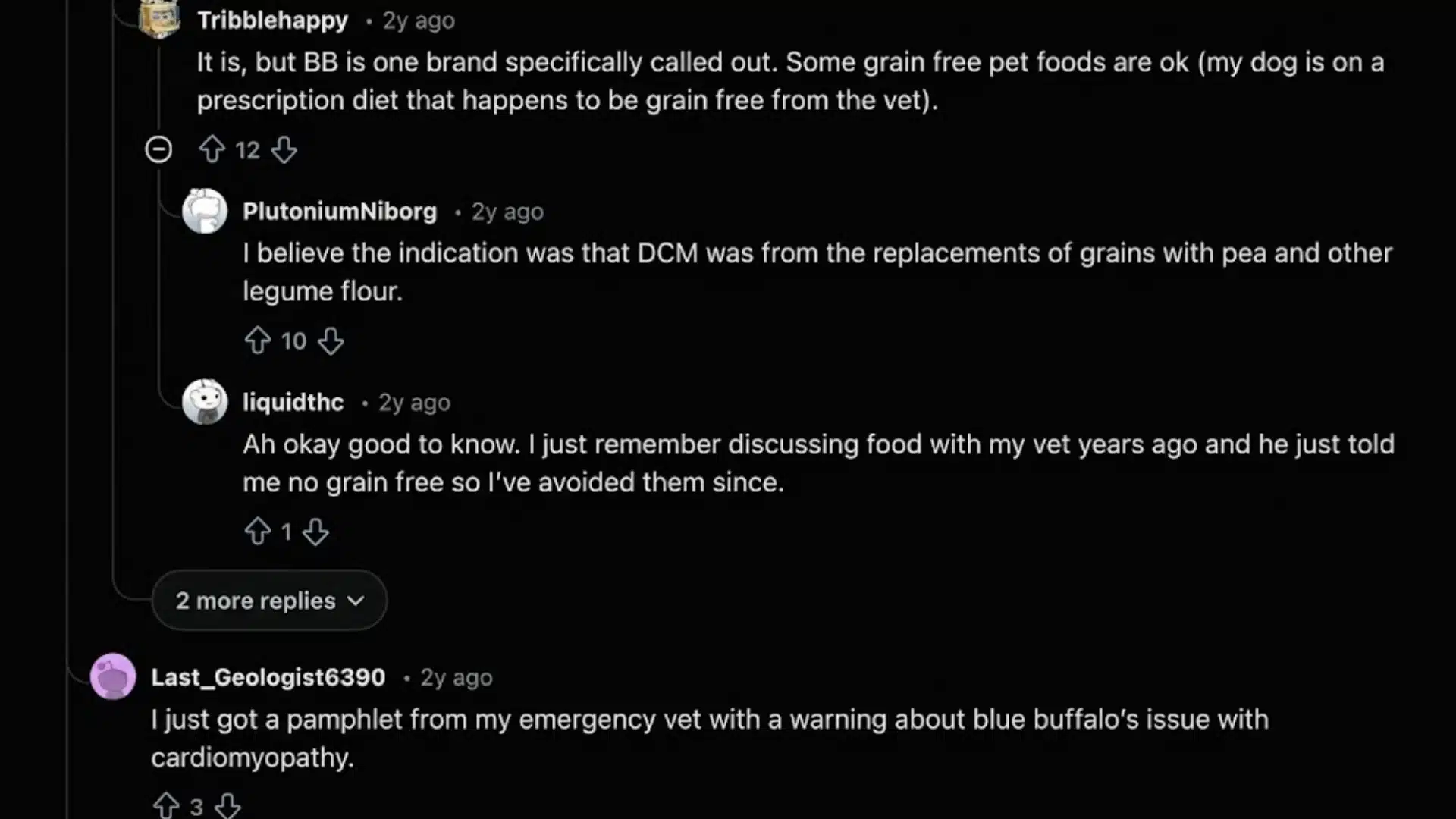
Discussions on Reddit reveal mixed but often cautious opinions about Blue Buffalo dog food.
Many users question the brand’s priorities, suggesting that marketing efforts seem stronger than nutritional research.
Several commenters shared concerns about past recalls and transparency, which have affected trust among long-time dog owners.
Health-related worries also come up frequently. Some users mention links to heart conditions like dilated cardiomyopathy, while others report digestive issues or changes in their dog’s overall health after feeding this food.
A few pet owners did note that their dogs enjoyed the taste and showed no immediate problems, but these experiences appear less consistent.
Veterinary advice plays a strong role in these discussions.
Multiple users recommend switching to brands backed by established nutritional standards, highlighting the importance of research-driven formulas over branding claims.
Pros and Cons of Blue Buffalo Dog Food
Many pet owners appreciate its ingredient quality and variety, while others point out concerns related to price and how some dogs react to certain formulas. Like any dog food, it has strengths and limitations depending on your dog’s needs, activity level, and sensitivities.
| Pros | Cons |
|---|---|
| Real meat as the first ingredient | Higher price than average brands |
| No artificial additives or by-products | Some dogs may face digestive issues |
| Multiple formulas for different needs | Results vary by product line |
| Includes vitamins, antioxidants, and omega fats | Grain-free recipes may raise concerns |
| Clear ingredient labeling | Not ideal for all medical diets |
Blue Buffalo Product Lines: Which One is Right?
Blue Buffalo offers several product lines, each designed for a specific type of dog or dietary need. Instead of one standard formula, the brand divides its food into categories like everyday nutrition, high-protein diets, and sensitive stomach support.
1. Life Protection Formula
It is the most balanced and widely used option. It includes real meat like chicken or beef as the first ingredient, along with whole grains such as brown rice and oatmeal for steady energy.
These recipes also contain fruits, vegetables, and LifeSource Bits for added vitamins and antioxidants.
From a nutrition standpoint, this is a safe starting point for most dogs.
I usually recommend this line for pet owners who want a reliable, well-rounded diet without going too specialized.
2. Wilderness Line
It is designed for dogs that need more protein and energy. It uses multiple protein sources like chicken, beef, or even bison and venison, which help support muscle growth and stamina.
One practical note I often share with clients is that higher protein does not automatically mean better health.
Many switch to Wilderness, thinking it is an upgrade, but that is not always the case. I have seen low-activity dogs develop loose stools or digestive upset after the change.
This formula works well, but only when it matches a dog’s energy level. Based on experience, it is best suited for dogs that get at least 60 to 90 minutes of active exercise daily.
3. Basics Limited Ingredient
It is made for dogs with food sensitivities or allergies. These formulas use fewer ingredients, often with a single protein source like turkey, lamb, or duck, combined with simple carbs like potatoes.
This reduces the chance of triggering digestive issues. Many recipes also avoid grains completely.
According to product positioning, this line focuses on clean and minimal ingredient lists to make digestion easier.
If a dog has frequent stomach problems or skin reactions, this is usually the first type of formula I recommend trying before switching brands entirely.
4. Natural Veterinary Diet
Blue Buffalo also offers a prescription-only line called BLUE Natural Veterinary Diet.
These formulas address specific clinical needs, including adverse food reactions, joint and mobility issues, urinary health, and digestive conditions.
They can only be ordered through a veterinarian.
If your dog has a diagnosed condition that standard commercial food cannot manage, this line is worth discussing with your vet.
5. Life Stage Considerations
Blue Buffalo offers formulas specifically designed for puppies, adults, and seniors, and not just generic “all life stages” options.
Puppy formulas include DHA for brain and eye development and calcium-to-phosphorus ratios optimized for bone growth.
Senior formulas often include glucosamine and chondroitin for joint support.
When choosing a formula, matching the life stage matters more than most owners realize. Adult food fed to a growing puppy can create real nutritional gaps over time.
Blue Buffalo vs Other Dog Food Brands
Choosing between Blue Buffalo, IAMS, and Badlands Ranch depends on what matters most: ingredient quality, price, or specialized nutrition.
Each brand serves a different type of dog owner, so comparing them side by side helps you quickly see which one fits your dog’s needs and your budget.
| Feature | Blue Buffalo | IAMS | Badlands Ranch |
|---|---|---|---|
| Ingredient Quality | Real meat first, no by-products, natural focus | Uses meat & by-products, includes grains like corn | Air-dried meat, superfoods, and very clean ingredients |
| Protein Content | Moderate to high | Balanced protein | Very high protein |
| Price Range | $15 to $80 | $10 to $80 | $20 to $100 |
| Best For | Owners want better ingredients and variety | Budget-conscious owners, easy digestion | Owners wanting high-end, nutrient-rich food |
| Variety of Formulas | Wide range: grain-free, limited ingredient, high protein | Good variety but less specialized | Limited but focused premium options |
| Overall Positioning | Balanced premium option | Practical everyday option | Luxury, high-performance option |
Does the Quality Justify the Price of Blue Buffalo?
Blue Buffalo falls into the mid-premium category, meaning it costs more than basic brands but less than high-end specialty diets.
For a 30 lb bag of Life Protection Formula, you are typically paying $60 to $65, which comes to roughly $2.00 to $2.20 per day for a medium-sized dog.
That is a reasonable spend if the food is working well for your dog.
Many reviews show that pet owners feel the quality matches the cost, especially when dogs respond well to the food and show improvements in coat and energy.
Consumer Reports findings showed that Blue Buffalo did not have widespread contamination issues, and though the testing also revealed meaningful variation in nutrient levels across brands.
It is a strong choice for health-focused owners who want natural ingredients and balanced nutrition without going into very expensive options.
However, it may not suit budget buyers or dogs that need strict vet-formulated diets. In those cases, more specialized or clinically designed foods may be a better fit.
For pet owners whose dogs are turning away their bowl altogether, understanding the reasons behind a dog not eating their food can help figure out if a formula switch or a texture change is the right move.
Conclusion
Blue Buffalo stands out as a good quality dog food with a strong focus on real ingredients, balanced nutrition, and variety.
It offers better options than many basic brands, especially for pet owners who care about ingredient transparency and overall health.
At the same time, it is not perfect or not suit some dogs.
So, is Blue Buffalo good dog food for every dog? The answer depends on your dog’s specific needs, activity level, and sensitivities.
A practical approach is to try a suitable formula, monitor your dog’s digestion, energy, and coat condition, and adjust if needed. Every dog reacts differently.
What has your dog’s experience been with Blue Buffalo dog food? Drop your thoughts below.
Frequently Asked Questions
What is The Number One Healthiest Dog Food?
No single dog food fits every dog. The healthiest option depends on breed, age, and health needs. Foods with real meat, balanced nutrients, and no artificial additives are generally considered better choices.
Is Blue Buffalo Good Dog Food For Shih Tzu?
Blue Buffalo can work well for Shih Tzu due to its balanced nutrition and small-breed formulas. However, ingredient tolerance and portion control are important for maintaining coat health and digestion.
Is Blue Buffalo Dog Food Good For Frenchies?
Blue Buffalo may suit French Bulldogs, especially limited ingredient formulas. Frenchies often have sensitive stomachs, so careful selection and monitoring for allergies or digestive issues is important when feeding.