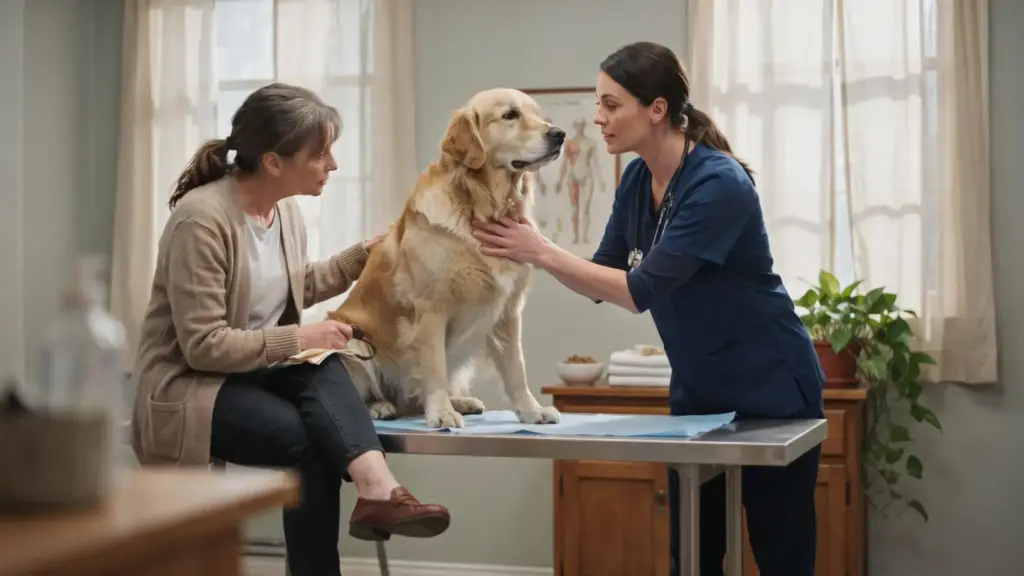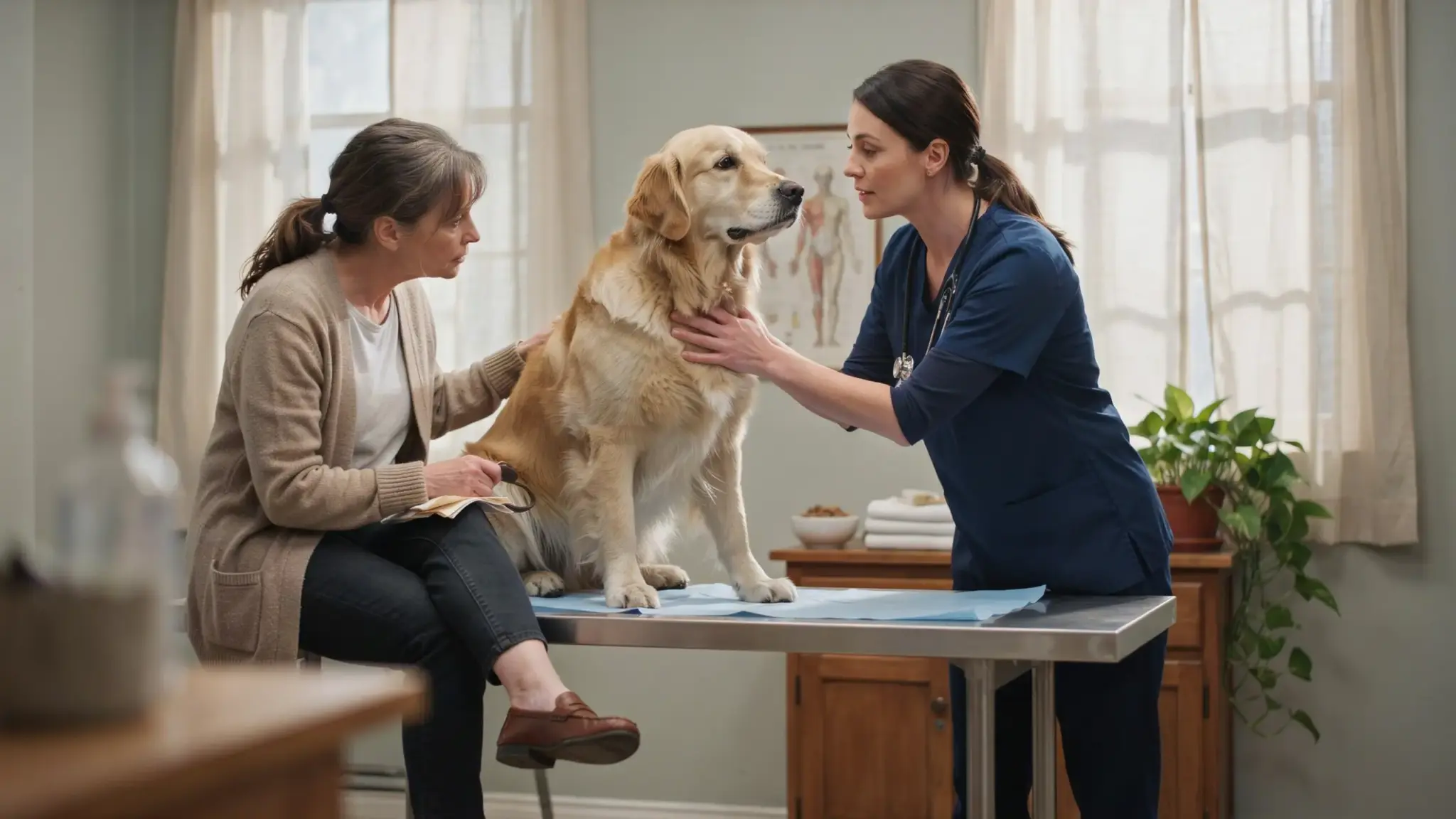
There’s something quietly exciting about thinking about how many puppies your dog might have.
This is true whether you’re a first-time breeder doing early research or a curious pet parent who just found out your dog is expecting.
In my clinic, I see the full range, toy-breed owners nervously expecting two or three, and large-breed families genuinely surprised by ten. The number on the ultrasound screen rarely lands where people expect it to.
So, how many puppies can a dog have, and what drives that number? That’s where it gets interesting.
In this blog, you’ll find the average litter size by breed, the key factors that shape puppy count, how vets estimate litter size before birth, and what responsible breeding actually looks like.
How Many Puppies Can a Dog Have?
A dog can have anywhere from 1 to 12 puppies per litter, with an average of 5 to 6 across all breeds.
A large-breed female like a Labrador Retriever commonly delivers 7 to 8 puppies, while a Toy Poodle or Dachshund might produce just 2 to 3.
The world-record litter, set on November 29, 2004, by a Neapolitan Mastiff named Tia in Cambridgeshire, UK, came in at 24 puppies, a record recognized by Guinness World Records.
A female dog in her prime breeding years may have a larger and healthier litter than a very young or older dog.
Good nutrition, proper vet care, and a healthy pregnancy can also support better outcomes for both the mother and puppies.
Factors that Affect How Many Puppies a Dog Can Have

Breed is only part of the picture. Several other factors influence the final count, and understanding them matters whether you’re preparing for a litter or just trying to understand your dog’s biology.
Note: This section covers general health and reproductive information. Always consult your veterinarian before making any breeding decisions.
1. Mother’s Age and Reproductive History
A dog’s fertility peaks between 2 and 5 years of age. That window tends to produce the largest, healthiest litters.
Dogs bred before age 2 or after age 5 typically have fewer puppies, and the risk of complications rises on both ends.
According to Oakland Veterinary Referral Services, the 3rd and 4th pregnancies generally produce the largest litters, while the first two litters are often smaller.
Litter size declines more noticeably in large breeds as the dam ages.
2. Nutrition and Body Condition
A mother in poor nutritional shape tends to have fewer puppies, and the ones she does carry may be weaker at birth.
Dogs need protein in their food, along with adequate fat and essential fatty acids, to support healthy reproduction.
Poor maternal nutrition is also one of the most common reasons for runts in a litter.
If you’re preparing a female for breeding, vet-approved puppy foods for healthy growth can help you understand what a nutrient-dense, high-quality diet actually looks like.
3. Genetics and Inbreeding
Genetics can play a big role in how many puppies a dog may have.
Some female bloodlines naturally produce larger litters because litter size, fertility, and reproductive health can be passed down through generations.
When dogs are bred too closely within the same family line, litter sizes may become smaller, and the risk of birth defects, weak puppies, stillbirths, or pregnancy problems can increase.
Strong genetics cannot promise a large litter, but they can improve the chances of a healthier pregnancy.
4. Timing of Mating
Breeding within 48 hours of ovulation gives the best chance at a larger litter.
Sperm viability and egg availability are both at their peak during that narrow window, and missing it can significantly reduce fertilization rates.
Natural mating generally produces larger litters than artificial insemination, though AI is still used successfully in many breeding programs.
5. Season
The exact mechanism isn’t fully understood, but seasonal light cycles are thought to play a role in hormone regulation.
Longer days in spring can support stronger natural breeding patterns in some dogs, especially when paired with good health, proper nutrition, and stress-free care.
Still, season alone does not decide litter size. Breed, age, genetics, and the female dog’s condition remain much stronger factors.
How Does Breed Size Shape Litter Count?
Breed size matters most because bigger dogs can carry more puppies and often release more eggs during ovulation. That is why large and giant breeds usually have bigger litters than small or toy breeds.
Here’s how it generally breaks down by size category:
- Toy and small breeds (Chihuahua, Pomeranian, Yorkshire Terrier): Typically 1 to 4 puppies per litter. First litters in these breeds are often on the smaller end.
- Medium breeds (Beagle, Cocker Spaniel, Border Collie): Usually 4 to 8 puppies. Retrievers and spaniels commonly fall within the 4-8 range.
- Large breeds (German Shepherd, Labrador, Golden Retriever): Often 6 to 10 puppies. German Shepherds average around 8, while Golden Retrievers commonly deliver between 4 and 12.
- Giant breeds (Great Dane, Saint Bernard, Neapolitan Mastiff): Litters of 10 or more are not unusual, and some can exceed 12 in a healthy pregnancy.
Litter Sizes by Popular Breed: Quick Chart
Here’s a quick reference for some of the most common breeds. Keep in mind that these numbers are only general estimates, not fixed rules. Two dogs from the same breed can still have different litter sizes depending on age, health, genetics, and breeding history.
| Breed | Typical litter size |
|---|---|
| Chihuahua | 1 to 3 |
| Yorkshire Terrier | 3 to 5 |
| Pomeranian | 1 to 4 |
| Beagle | 1 to 10 (average 5-6) |
| Golden Retriever | 4 to 12 |
| Labrador Retriever | 5 to 10 (average 7-8) |
| German Shepherd | 5 to 9 (average 8) |
| Bulldog | 3 to 4 |
| Standard Poodle | 6 to 8 |
| Great Dane | 8 to 15 |
Even within a single breed, litter sizes can vary. For example, Bernese Mountain Dogs may produce litters of different sizes depending on the mother’s age, health, and breeding history.
How Do Vets Count Puppies Before Birth?
Most pet owners are curious whether they can know the litter size before the delivery day. The answer is yes, though with some margin for error.
- Palpation: Manual abdomen check around days 28 to 30, possible but imprecise.
- Ultrasound: Confirms pregnancy and estimates the count around days 25 to 30, though not always exact.
- X-ray: The most accurate method, best done around day 55 when puppy skeletons are fully visible.
The three factors you have read above are what most breeders rely on: a late-pregnancy X-ray as the final confirmation.
Knowing the exact count ahead of whelping helps you track whether all puppies have been delivered safely, which can be the difference between a smooth birth and a missed emergency.
What Happens When Your Dog Gives Birth?
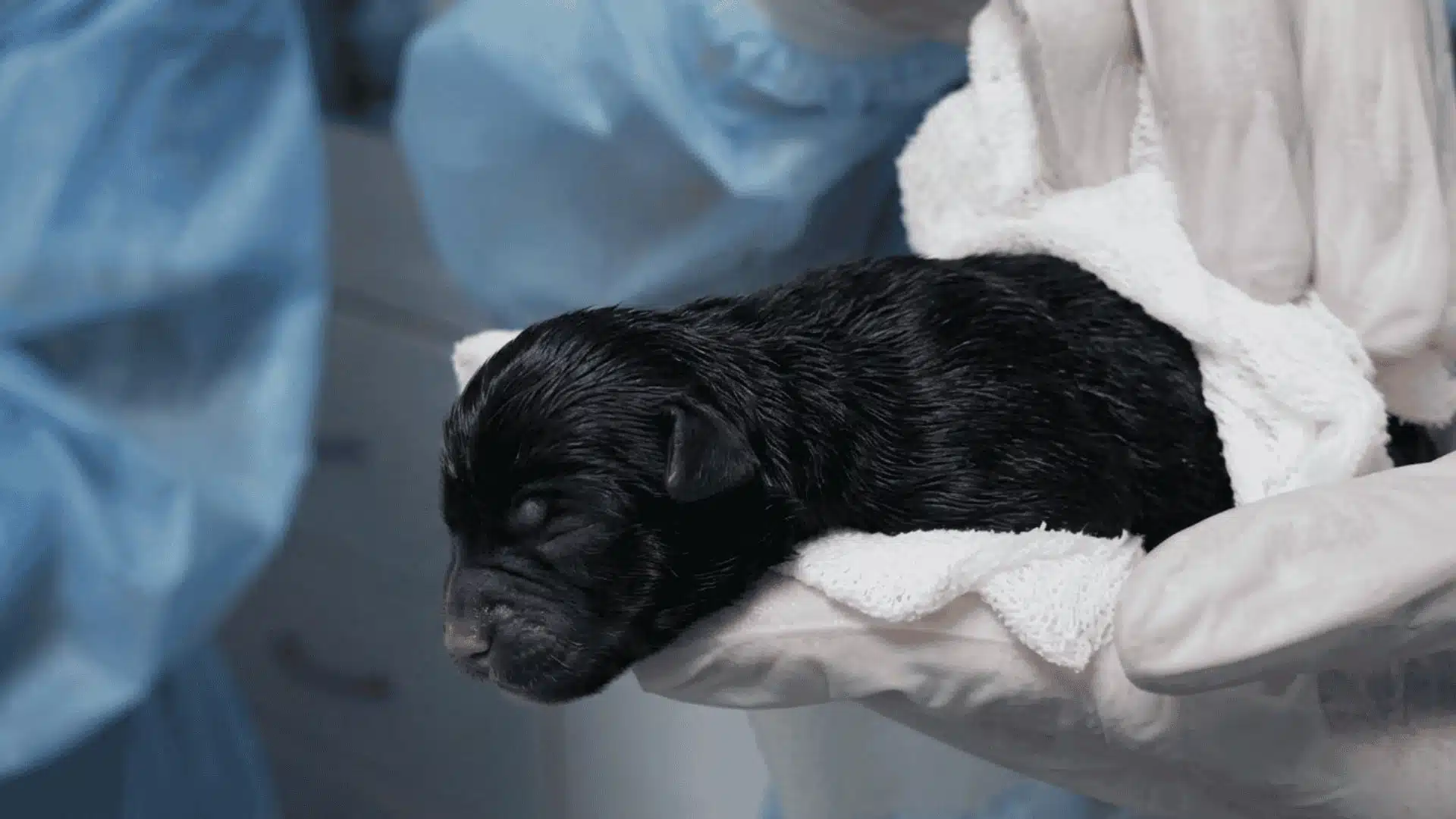
When labor begins, most dogs will start nesting, become restless, and may stop eating in the 12 to 24 hours before delivery.
The active stage of labor, when puppies arrive, typically lasts 3 to 12 hours.
Each puppy is usually born 30 to 60 minutes apart, though gaps of up to 2 hours can be normal.
Call your vet if your dog strains for more than an hour without delivering a puppy, if more than 4 hours pass between puppies, or if she seems unusually weak or distressed at any point.
Having your vet’s number and an emergency clinic contact on hand before labor starts is just basic preparation.
Common Mistakes that First-Time Breeders Make
Breeding a dog for the first time comes with a steep learning curve, and some of the most costly errors happen before the puppies even arrive. Knowing what to avoid is just as important as knowing what to do.
- Breeding too early: Mating a female before she’s 2 years old increases the risk of complications and often results in smaller, weaker litters.
- Skipping pre-breeding health checks: Both parents should be screened for genetic conditions, hip dysplasia, and breed-specific disorders before breeding.
- Missing the ovulation window: Breeding too early or too late in the heat cycle significantly reduces the chances of a healthy, full-sized litter.
- Ignoring the mother’s nutrition: A poor diet before and during pregnancy directly affects litter size and puppy birth weight.
- Not preparing a whelping space in advance: Setting up at the last minute adds stress for both the mother and the owner when timing matters most.
- Overlooking the emotional and physical toll, back-to-back litters without adequate recovery time between them are hard on the mother’s body. Most vets recommend waiting at least one full heat cycle before breeding again.
Conclusion
Litter size is one of those things that sounds simple on the surface until you start pulling on the threads.
Breed, age, nutrition, timing, genetics, and even the season all play a role in how many puppies a dog can have.
The average is 5-6 across all breeds, but the real answer is always “it depends.”
What stays constant is this: the healthier and better cared for the mother, the better the outcome for everyone in that whelping box.
Whether you’re preparing for a litter or just satisfying your curiosity, understanding what shapes these numbers helps you be a more informed, thoughtful pet parent.
Have a question about dog pregnancy or litter sizes? Drop it in the comments.
Frequently Asked Questions
Can a Dog Have Just One Puppy in a Litter?
Yes, single-puppy litters do happen and are called “singleton” litters. They’re more common in small and toy breeds. While a lone puppy may develop without the normal social interactions of littermates, many singletons go on to be perfectly healthy, well-adjusted dogs with attentive socialization from their owners.
How Many Litters Can a Dog Have in Her Lifetime?
Most veterinarians recommend a maximum of three to four litters over a dog’s reproductive lifetime. Breeding more than that puts significant strain on the mother’s body and increases health risks for both her and her puppies.
Can Stress Reduce Litter Size?
There’s evidence that chronic stress in a pregnant dog can negatively affect litter outcomes, including smaller litters and lower birth weights. A low-stress environment, consistent routine, and proper prenatal care all contribute to the best possible pregnancy outcomes.