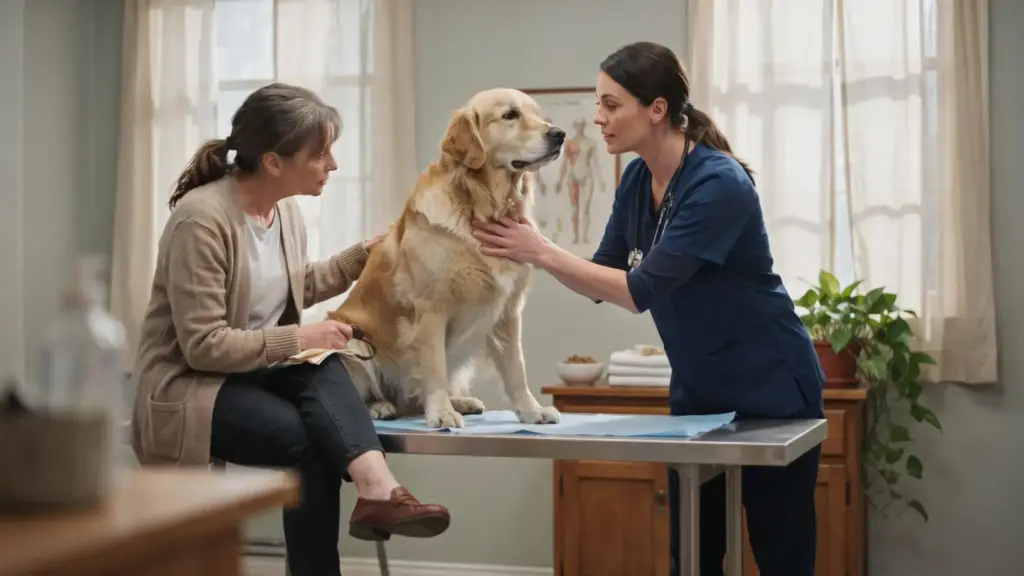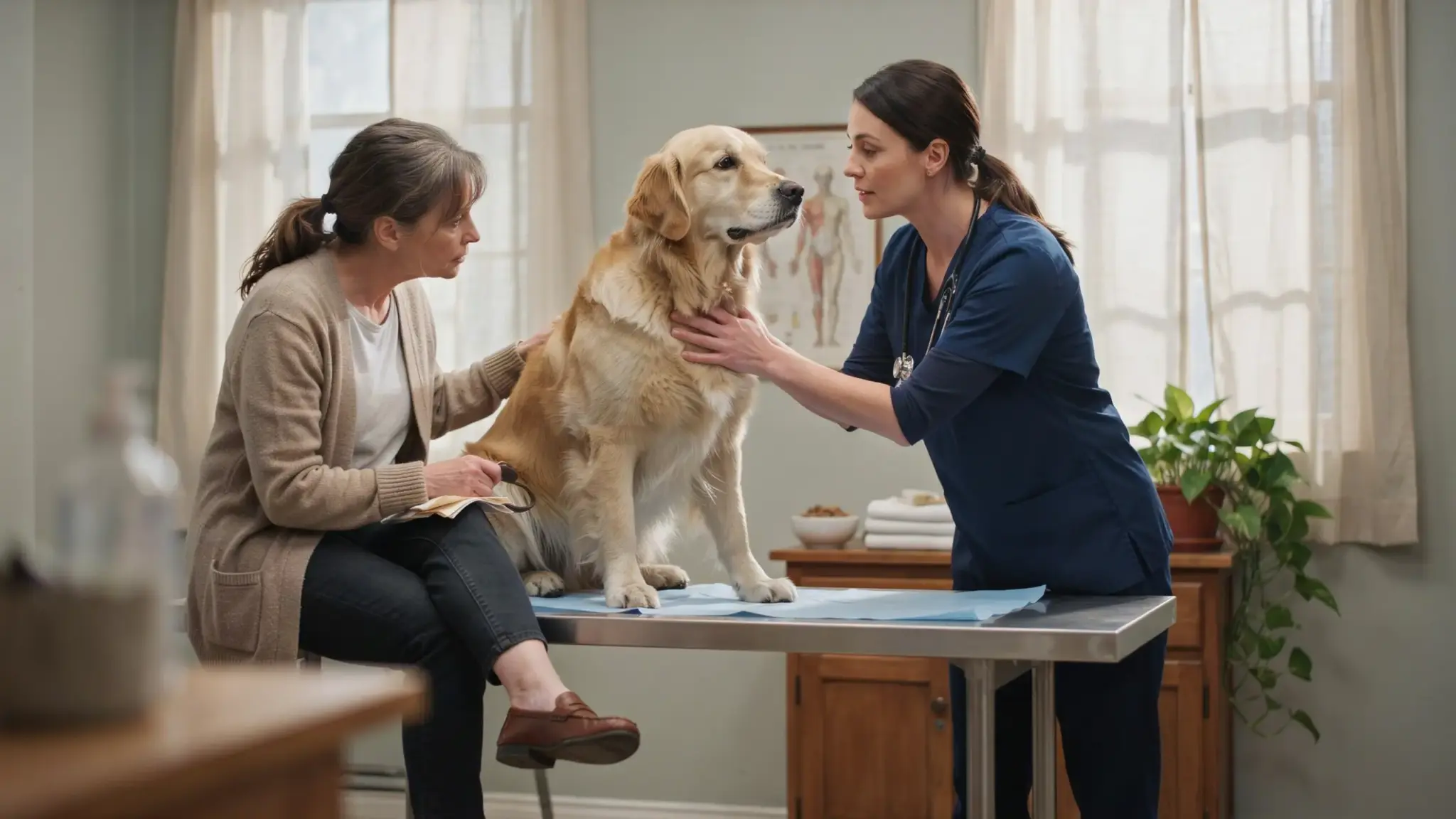
Pet surgery can sound scary, especially when your vet starts using terms that feel too medical.
If you are trying to make the right call, it helps to slow down and understand what those words actually mean.
Many pet parents hear “spay,” “neuter,” and “fixed” as if they were interchangeable, only to leave the clinic with more questions than answers.
The confusion can make a simple health decision feel bigger than it needs to be. Knowing the difference helps you understand what procedure your pet may need, why vets recommend it, and what recovery can look like afterward.
This blog clears that fog, so you can walk into the conversation with your vet feeling prepared, calm, and less overwhelmed about your pet’s care.
Why Spaying and Neutering Your Pet Matters?
Spaying or neutering your pet is one of the most responsible decisions you can make as a pet owner.
Beyond preventing unplanned litters, these procedures offer significant health and behavioral benefits.
For females, spaying eliminates the risk of uterine infections and greatly reduces the chance of mammary tumors.
For males, neutering prevents testicular cancer and lowers the incidence of prostate problems.
Additionally, these surgeries help reduce pet overpopulation. Ultimately, spaying and neutering contribute to a longer and healthier life for your pet.
The ASPCA notes that breast tumors are malignant in about 50% of dogs and 90% of cats. Spaying before the first heat cycle offers the strongest protection against them.
The Core Difference Between Spay and Neuter
The fundamental difference lies in the removal of reproductive anatomy. Spaying refers exclusively to female pets, while neutering is the general term for male pets.
Below is a quick breakdown of the key distinctions:
| Aspect | Spay (Ovariohysterectomy) | Neuter (Orchiectomy/Castration) |
|---|---|---|
| Target Gender | Female pets | Male pets |
| Organs Removed | Ovaries and usually the uterus | Both testicles (testes) |
| Medical Term | Ovariohysterectomy | Orchiectomy or castration |
| Primary Goal | Eliminate heat cycles and prevent pregnancy | Eliminate sperm production and testosterone-driven behaviors |
| Recovery | More invasive (abdominal surgery); longer recovery (10-14 days) | Less invasive (external incision); faster recovery (7-10 days) |
| Surgical Location | Inside the abdomen | External sac (scrotum) |
How Does the Spay and Neuter Procedure Work?
Spaying and neutering are routine surgeries that help prevent unwanted litters and support long-term pet health. Both procedures are done by a vet while the pet is asleep, with careful monitoring from start to finish.
Spay
A spay is an abdominal surgery, which means it usually takes longer and has a slightly longer recovery period than a neuter.
- Your pet is placed under general anesthesia and monitored throughout.
- The vet makes an incision in the abdomen, usually below the belly button.
- The ovaries and uterus, or just the uterus in an ovary-sparing spay, are carefully located and removed.
- Blood vessels are tied off to prevent bleeding before the abdomen is closed in multiple layers.
- The outer skin incision is sutured closed and may be covered with a protective dressing.
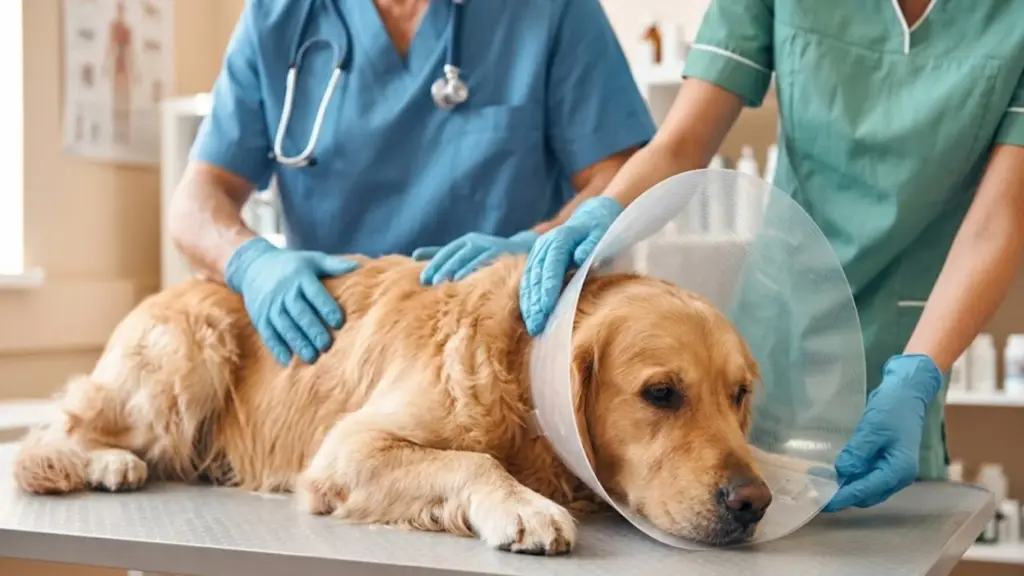
The surgery usually takes 45 minutes to an hour, sometimes longer for larger or overweight dogs. Most pets go home the same day, wearing a recovery cone to protect the incision.
Neuter
A neuter is generally a simpler and faster procedure because the vet does not need to enter the abdominal cavity.
- Your pet goes under general anesthesia, just like with a spay.
- The vet makes a small incision in front of the scrotum.
- Both testicles are removed through that single incision.
- The spermatic cords and blood vessels are tied off securely.
- The incision is either closed with sutures for dogs or left to heal naturally for cats.
The procedure usually takes 15 to 30 minutes for cats and longer for dogs. Recovery is often quicker because the surgery is less invasive.
Note: Procedures may vary based on your pet’s size, health, and your vet’s approach. Always follow your vet’s specific guidance.
When Should You Spay or Neuter Your Pet?
Timing is one of the most debated parts of this decision, and it varies by species, sex, and your dog’s expected adult size. There’s no single right answer, but there are clear guidelines worth knowing.
| Pet Type | Recommended Age for Spaying | Recommended Age for Neutering |
|---|---|---|
| Cats | 4 to 5 months (before first heat) | 4 to 5 months |
| Small-breed dogs (under 50 lbs adult weight) | 6 to 8 months | 6 to 8 months |
| Large-breed dogs (over 50 lbs adult weight) | Varies by breed; consult your vet | 12 to 15 months |
New AKC-funded research shows delaying neutering until 11-23 months reduces health risks for many breeds.
If you have a cat and are wondering whether timing around her heat cycle matters, our guide on spaying a cat in heat covers exactly what to expect.
Health Benefits of Spaying and Neutering
Spaying and neutering can support your pet’s long-term health, not just prevent unwanted pregnancy. The benefits depend on whether your pet is female or male, since each procedure protects against different risks.
1. Cancer Prevention
For female pets, spaying removes the ovaries and uterus, eliminating the risk of ovarian and uterine cancer entirely.
When performed before the first heat cycle, it also significantly lowers the chance of developing malignant mammary tumors.
For male pets, neutering removes the testicles, which completely prevents testicular cancer, a common cancer in older, unneutered male dogs and cats.
According to the ACVS, over 85% of mammary tumors in cats are malignant, making early spaying one of the most protective decisions you can make for a female cat.
2. Infection and Organ Health
Spaying a female prevents pyometra, a severe uterine infection that can become fatal if untreated. It’s more common than many owners realize.
For males, neutering supports long-term prostate health by reducing the risk of benign prostatic hyperplasia, prostatic cysts, and bacterial infections.
These benefits become more noticeable as your pet gets older.
3. Behavior and Safety
Spaying ends messy, stressful heat cycles in females, eliminating the restlessness, vocalization, and male-attracting behaviors.
Neutering reduces roaming urges in males, which lowers the risk of traffic injuries, fights with other animals, and exposure to contagious diseases like FIV or heartworm.
This makes your pet safer and calmer at home.
Cost Difference Between Spaying and Neutering

Spaying usually costs more than neutering because it is a more involved surgery. It requires opening the abdomen, longer anesthesia time, closer monitoring, and more complex wound closure.
Neutering is typically an external procedure, so it has fewer steps and a shorter recovery process.
- Neutering cost: $50 to $500
- Spaying cost: $50 to $800+
Prices can vary based on location, pet size, clinic type, bloodwork, pain medication, and aftercare needs. Low-cost clinics may charge less, while private veterinary hospitals may cost more.
The upfront cost may feel high, but it is often cheaper than treating serious health problems later, such as pyometra or testicular cancer.
Pet Recovery Tips After Spay or Neuter Surgery
Recovery after neutering is usually faster. Most male pets feel like themselves within 5 to 7 days. Spaying recovery often takes 10 to 14 days because the abdominal incision takes longer to heal.
In both cases, your pet may seem sleepy or unsteady the first day after anesthesia.
Key things to do during recovery:
- Check the Incision Daily: Look for redness, swelling, bleeding, discharge, or opening around the incision during recovery.
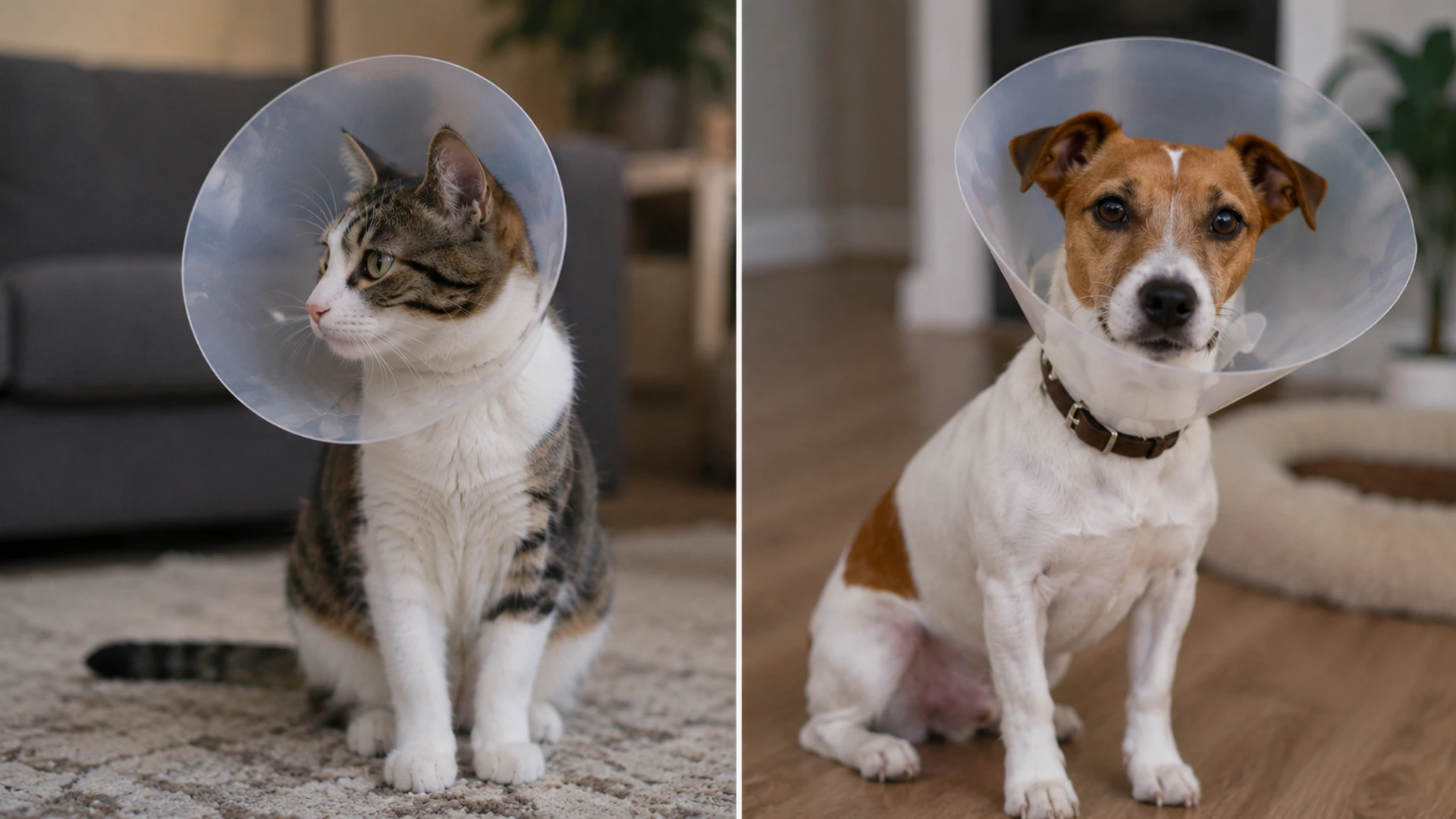
- Use an E-Collar: An e-collar helps stop licking, chewing, or scratching that may irritate the incision.
- Avoid Baths and Swimming: Keep the incision dry until the vet confirms the area is fully healed.
- Follow Medication Instructions: Give all prescribed medicines exactly as directed and attend every scheduled follow-up appointment.
- Call Your Vet When Needed: Contact the vet if eating stops, pain seems severe, or the incision looks worse.
Keep them indoors, calm, and away from running or jumping. It’s more tempting than you’d think to let them play when they seem fine, but do not.
Conclusion
Choosing between spaying and neutering is really about understanding what your pet needs based on their sex, age, breed, size, and health history.
The right timing can make a big difference, especially for larger dogs or pets with medical concerns.
Before booking the appointment, talk with your vet about risks, recovery, and whether your pet needs any pre-surgery tests.
Every pet is different, so a personalized recommendation is always better than guessing based on general advice.
A little clarity now can help you feel more confident before, during, and after the procedure while giving your pet the safest path forward.
Have questions or personal experience with your pet’s recovery? Drop them in the comments.
Frequently Asked Questions
Can I Spay or Neuter My Pet if They’re Overweight or Have Existing Health Conditions?
Yes, but your vet may recommend pre-surgery bloodwork and a weight-loss plan first. Healthy pets have lower risks, so optimizing health before surgery improves outcomes significantly.
Can Senior Pets Still Be Spayed or Neutered Safely?
Yes, older pets can undergo spay/neuter safely with proper pre-surgical screening. Vets adjust anesthesia dosages and monitoring for age-related conditions to minimize risks.
How Do I Know if My Pet is Licking Their Incision Too Much During Recovery?
Watch for redness, swelling, or discharge. If your pet persistently licks despite an e-collar, contact your vet. Excessive licking increases infection risk and delays healing.