

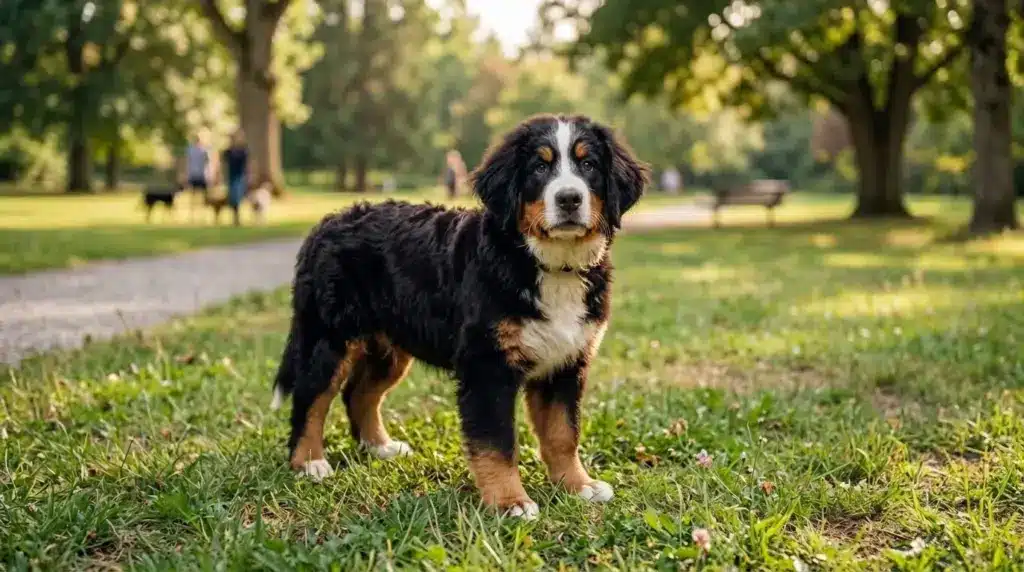
A Bernese Mountain Dog has a quiet way of becoming the heart of a home. One minute, they are leaning against your legs; the next, they are watching the family with that familiar gentle expression.
After years of researching breeds, volunteering with rescues, and speaking with breeders, veterinarians, and trainers, I have seen how deeply families think about the time they may have with a dog they love.
Questions about the Bernese Mountain Dog lifespan often come from that love, mixed with worry about what lies ahead.
I approach the subject honestly without treating any dog like a statistic. What matters is understanding the breed, preparing for its needs, and giving each Berner attentive care throughout the life you share.
Average Bernese Mountain Dog Lifespan
Treat published lifespan estimates as population summaries, not predictions for one dog. Results vary according to location, study period, participating dogs, and the method used to calculate survival.
A Swiss study led by Michael Klopfenstein reported a median lifespan of 8.4 years among 389 Bernese Mountain Dogs. A later United Kingdom study led by Kirsten McMillan used records from more than 584,000 dogs and reported a breed median of 10.1 years.
Common US breed references still list about 7 to 10 years. Some Berners die younger, while others live into their teens, so no range should be treated as a deadline for a dog known for its steady, affectionate temperament.
The figures differ, but they consistently show that Berners tend to have shorter lives than the overall dog population.
Why Bernese Mountain Dogs Often Have Shorter Lives
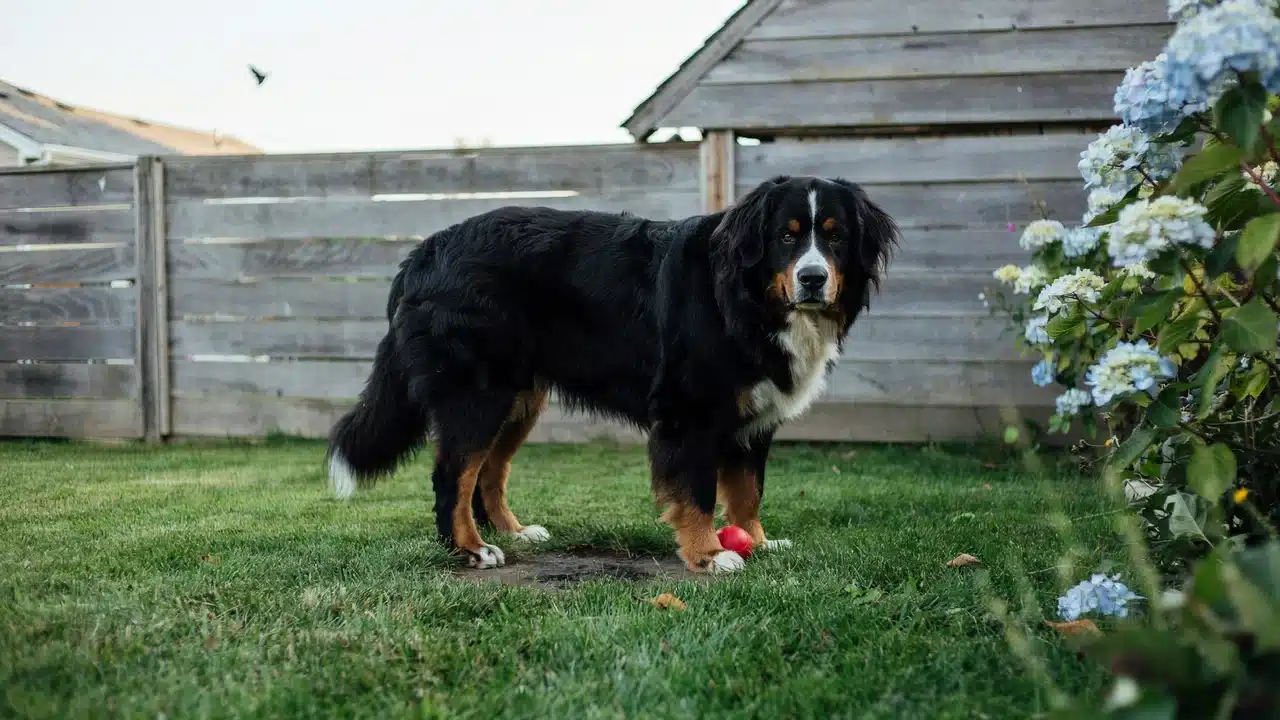
No single factor explains every early death in the breed. Cancer susceptibility is the clearest documented contributor, while genetics and body size also influence population-level health.
High cancer burden: Cancer is the main documented cause of early death in Bernese Mountain Dogs. The breed has a recognized susceptibility to histiocytic sarcoma and several other tumors.
Limited genetic diversity: Research has identified a popular-sire effect, meaning a small percentage of males contributed heavily to later generations. This pattern can make inherited risk variants harder to reduce.
- Large body size: Large dogs generally have shorter median lifespans than small dogs, often reaching senior status earlier than smaller breeds. A heavy frame and excess weight can also make orthopedic disease harder on mobility.
- Inherited health risks: Berners may inherit susceptibility to orthopedic, neurologic, kidney, and other conditions. Genetic risk affects probability but cannot predict one dog’s health or exact lifespan.
Steady puppy growth, suitable activity, and a lean adult body condition can support joint health and comfort. These measures cannot remove inherited risk, and cancer remains the main documented reason Berners tend to have shorter lives than many families expect.
Conditions That Can Shorten Life or Reduce Comfort
Cancer is the dominant documented cause of death in Bernese Mountain Dogs, but it is not the only condition that matters. Orthopedic, neurologic, kidney, and emergency abdominal conditions, including bloat and stomach twisting, can also affect lifespan or quality of life.
| Condition | What the Evidence Shows | Why It Matters |
|---|---|---|
| Neoplasia | Accounted for 58.3% of deaths in one Swiss cohort | The strongest documented contributor to early mortality |
| Histiocytic sarcoma | An aggressive cancer for which the breed has a recognized predisposition | It may affect one site or spread through several organs |
| Degenerative joint disease | Accounted for 4.2% of deaths in the Swiss cohort | More often affects pain, mobility, and quality of life |
| Spinal disorders | Accounted for 3.4% of deaths in the same cohort | May cause weakness, poor coordination, or paralysis |
| Kidney injury or disease | Accounted for 3.1% of deaths in the cohort | Can become serious before signs are obvious |
| Gastric or mesenteric volvulus | Accounted for 1.8% of deaths in the cohort | Requires immediate emergency treatment |
These percentages come from one Swiss population and should not be treated as universal rates. They show the relative importance of cancer while identifying other conditions that deserve attention.
Warning Signs That Need Veterinary Attention

Older Berners may naturally become less active, but age should not explain every physical or behavioral change. Pain, cancer, orthopedic disease, kidney problems, and neurologic conditions can resemble ordinary aging.
Possible cancer signs: Unexplained weight loss, reduced appetite, lethargy, persistent lameness, breathing changes, abdominal enlargement, or a new or changing mass. Histiocytic sarcoma may affect internal organs, so a visible lump is not always present.
Joint and neurologic changes: Stiffness, difficulty rising, reluctance to use stairs, dragging the toes, poor coordination, or hind-leg weakness. These changes may require imaging, pain assessment, or neurologic testing.
Behavioral changes: Confusion, withdrawal, disrupted sleep, or reduced interest in family interaction and usual activities may indicate pain, cognitive changes, or another medical problem.
Possible GDV signs: Repeated unproductive retching, heavy drooling, restlessness, abdominal swelling, pale gums, weakness, or collapse. The American College of Veterinary Surgeons considers GDV an emergency requiring immediate care.
Contact your veterinarian when a change is new, persistent, worsening, or accompanied by pain or weakness. Labored or difficult breathing, collapse, repeated unsuccessful retching, or rapid abdominal swelling requires immediate attention.
Your veterinarian can assess pain, mobility, appetite, hydration, sleep, interaction, and overall quality of life. Regular reassessment helps keep care decisions focused on comfort rather than age alone.
How to Support a Longer, Healthier Life

No routine can guarantee that a Berner will reach a particular age. Practical care can still support body condition, mobility, comfort, and timely recognition of disease.
1. Verify the Parents’ Health Results
When choosing a breeder, request the actual results for hips, elbows, eyes, heart, and degenerative myelopathy for both parents. The Bernese Mountain Dog Club also recommends one additional test for von Willebrand disease, thyroid disease, or histiocytic sarcoma risk.
A CHIC or testing number means the required results were completed and made public. It does not mean every result was normal, so review each entry and ask about health and longevity across the wider family.
2. Maintain a Lean Body Condition
Feed an appropriate diet and adjust portions according to your dog’s body condition, activity, and veterinary advice. Extra weight can place additional pressure on joints and make comfortable movement more difficult.
Bernese Mountain Dog puppies need steady, controlled growth rather than rapid weight gain. Ask your veterinarian which diet and feeding amount suit your puppy’s age and expected adult size.
3. Provide Suitable Daily Activity
Regular movement supports muscle strength, mobility, and body condition. Choose activity according to your dog’s age, fitness, weather tolerance, and orthopedic health.
Avoid forcing a young puppy through repetitive high-impact exercise. Older dogs may benefit from shorter walks, non-slip flooring, ramps, and activity adjustments recommended by a veterinarian.
4. Keep Veterinary Care Consistent
Attend routine examinations according to the schedule your veterinarian recommends. Report new lumps, weight loss, appetite changes, breathing changes, pain, weakness, or reduced mobility rather than assuming they are caused by age.
Discuss dental care, parasite prevention, vaccination, nutrition, and GDV risk during appointments. Choose testing and visit frequency for your individual dog rather than following one rigid breed schedule.
These choices cannot overcome every inherited risk, but they support health and make important changes easier to notice.
Male vs. Female Lifespan Differences
Sex may influence population averages, but it cannot predict an individual dog’s lifespan. Health history, inherited risk, body condition, veterinary care, and cause of illness remain more useful when considering one dog.
| Comparison | Females | Males |
|---|---|---|
| Median survival in the Swiss cohort | 8.8 years | 7.7 years |
| Difference observed | 1.1 years longer | 1.1 years shorter |
| Important limitation | Neuter status differed between groups | Neuter status differed between groups |
| Meaning for individual dogs | Not every female will live longer | Not every male will have a shorter life |
The study found a female survival advantage in that population, but its results should not be treated as a promise. Sex is one possible influence among genetics, health conditions, body condition, preventive care, and individual circumstances.
Final Woof
After more than a decade researching breeds and speaking with breeders, veterinarians, and trainers, I have learned to treat lifespan figures as planning information, not a countdown.
The Bernese Mountain Dog lifespan reflects population patterns, but it cannot predict the future of the dog beside you.
Cancer remains the clearest reason for early death across the breed, while orthopedic, neurologic, kidney, and emergency conditions may also affect comfort and longevity.
No routine can remove every inherited risk. Still, you can choose a breeder who shares complete health results, maintain a lean body condition, provide suitable activity, and respond promptly to concerning changes.
I recommend reviewing your Berner’s weight, examination schedule, and individual health risks with your veterinarian today.
| Medical disclaimer: This information is educational and does not replace veterinary diagnosis or treatment. Contact a licensed veterinarian about symptoms, screening, diet, medication, sterilization timing, or emergency care for your dog. |
Frequently Asked Questions
Does a CHIC Number Mean Every Test Was Passed?
No. A completed CHIC record shows that required tests were performed and made public, not that every result was normal. Review each result, the wider family history, and longevity information with the breeder before choosing a puppy.
When Should This Breed Be Spayed or Neutered?
Ask your veterinarian to consider your dog’s sex, age, orthopedic risk, health, lifestyle, and reproductive risks. Breed-specific research suggests timing may matter, especially for males, but it does not provide one appropriate age for every Berner.
Is Pet Insurance Worth Considering?
Insurance can reduce the financial impact of eligible accidents, cancer care, and emergency surgery, but policies differ. Compare waiting periods, hereditary-condition coverage, reimbursement limits, deductibles, and exclusions before enrollment because diagnosed or symptomatic conditions may be excluded.
Do Bernedoodles Usually Live Longer?
A Bernedoodle may inherit health risks from either parent, and mixed ancestry does not guarantee a longer life. Reliable lifespan estimates depend on large, representative datasets, which are not yet available for this particular crossbred population.