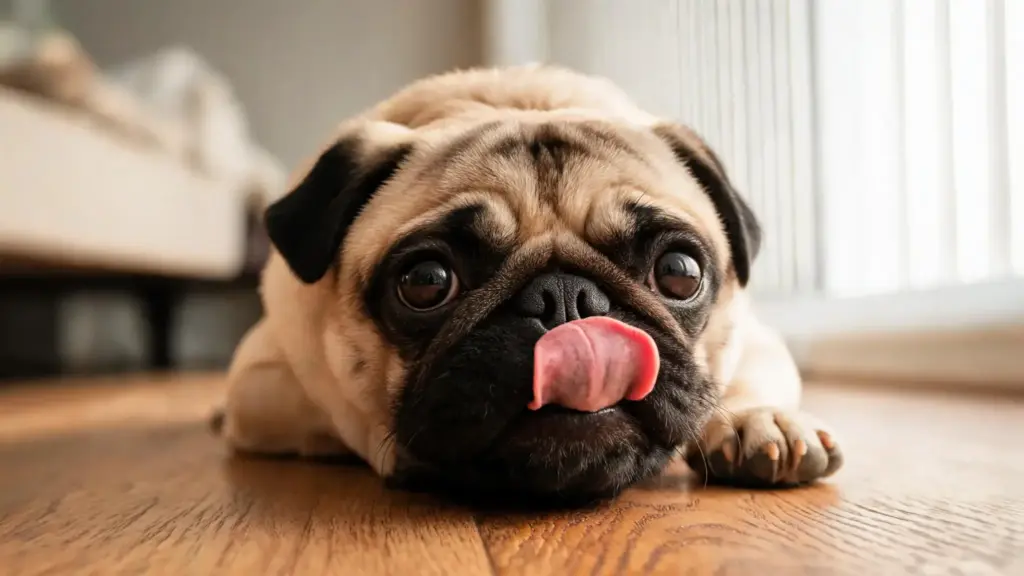
Hearing your dog retch without bringing anything up is frightening, especially when you cannot tell if it is a cough or an emergency.
Dog dry heaving means your dog makes vomiting motions but produces little or nothing. A single brief episode can follow throat irritation or nausea, but repeated unproductive retching can signal gastric dilatation-volvulus, also called GDV or bloat.
As a veterinarian, I advise owners to call an emergency clinic if retching recurs or is accompanied by a swollen belly, restlessness, heavy drooling, pale gums, weakness, collapse, or breathing trouble.
Do not wait for every sign to appear. Below, I explain possible causes, key differences between similar symptoms, and the safest next steps.
What is Dry Heaving in Dogs?
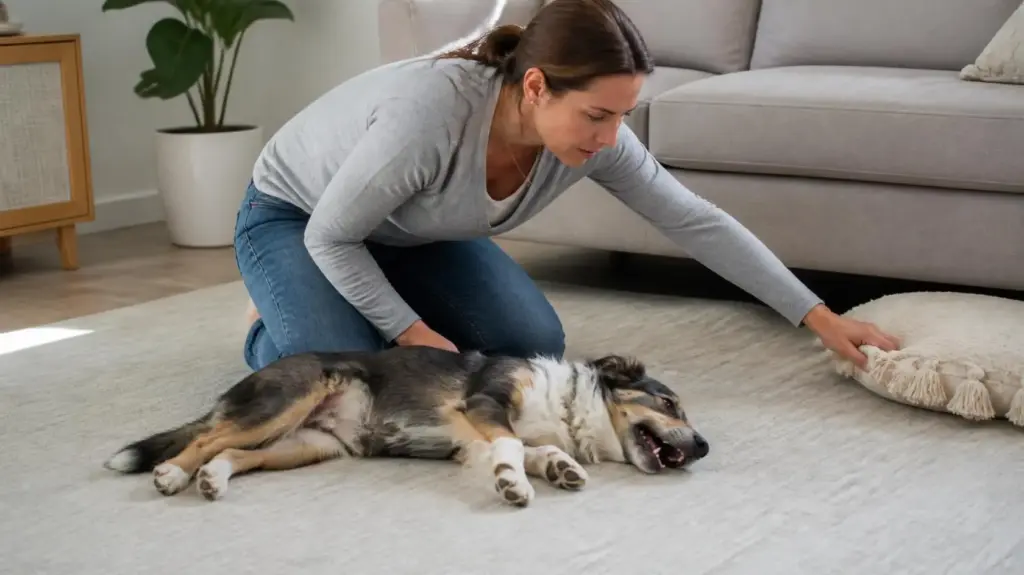
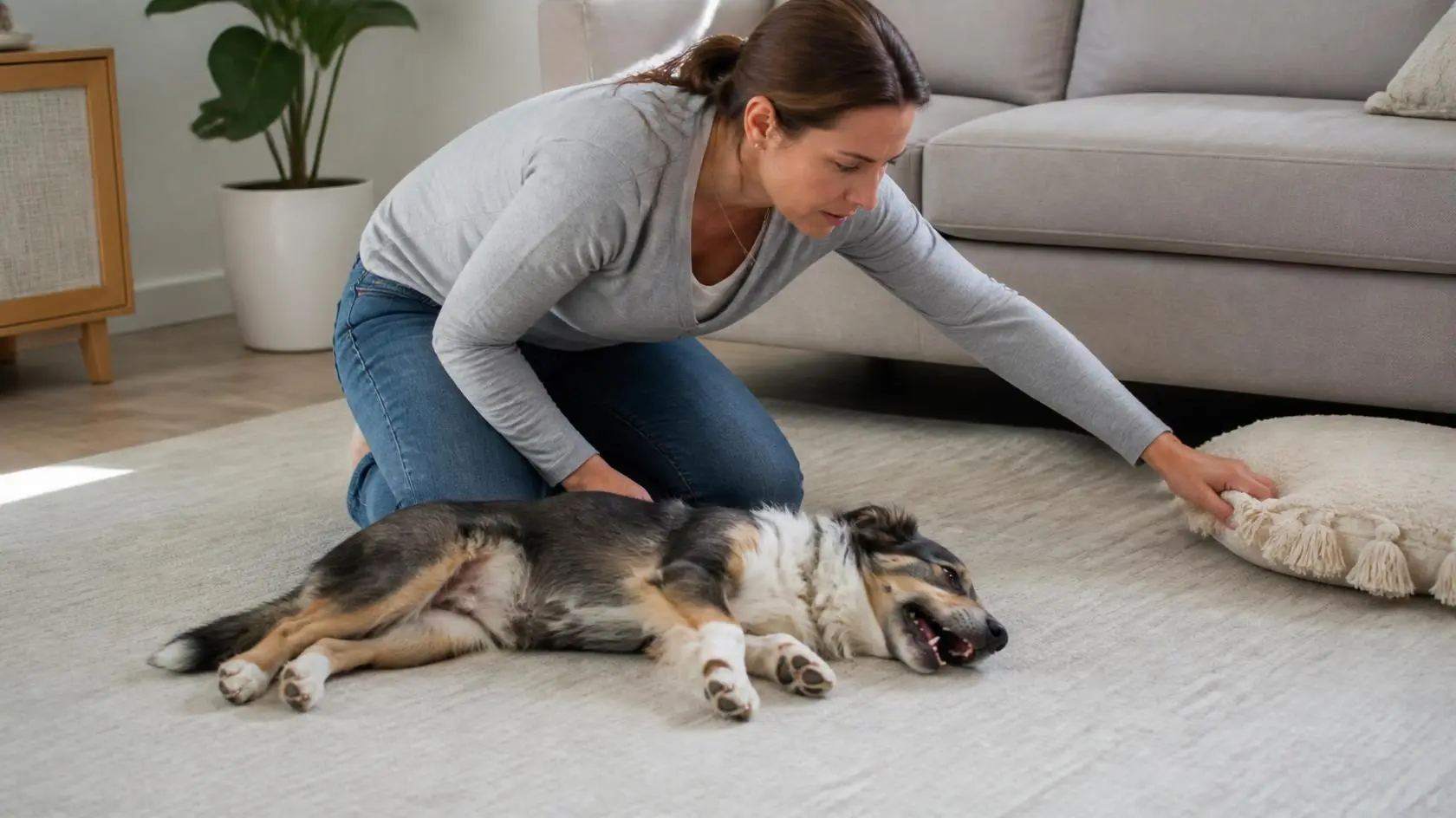
Dry heaving, also called unproductive retching, occurs when a dog makes the motions of vomiting but produces little or nothing. You may notice abdominal contractions, neck extension, gagging, or repeated swallowing during an episode.
A small amount of foam or fluid may appear even when no food comes up. Because coughing, gagging, vomiting, and regurgitation can look similar, a short video may help your veterinarian identify the motion.
If your dog repeatedly makes vomiting motions without producing anything, it may help to understand the possible causes of repeated retching.
The sound alone cannot reveal the cause. Note how long the episode lasts, what your dog was doing beforehand, and which other symptoms appear.
Why is My Dog Dry Heaving?
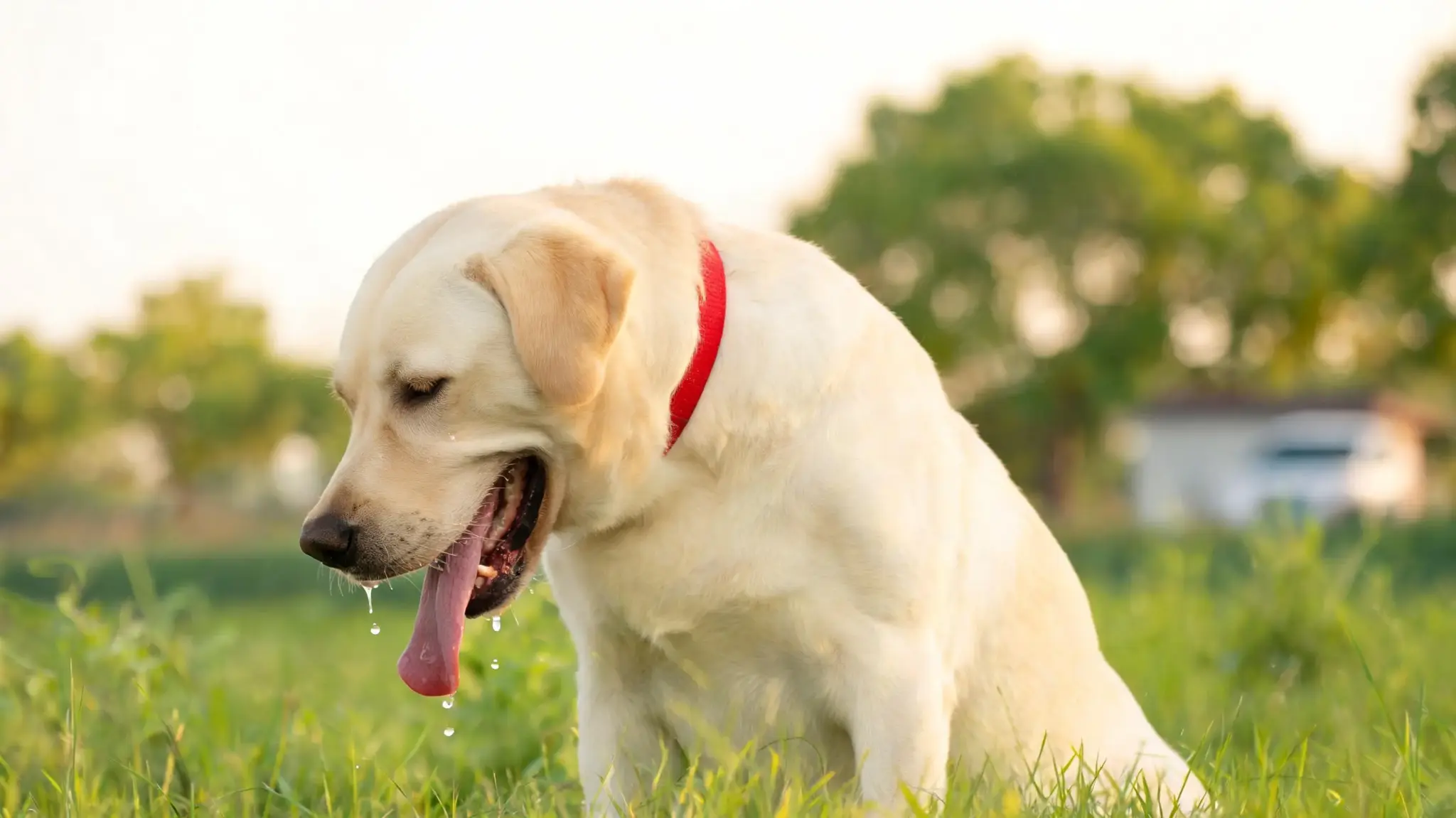
Dry heaving has several possible causes, ranging from nausea or throat irritation to a life-threatening stomach emergency.
I recommend focusing on the full pattern rather than assuming that a single symptom points to a specific diagnosis. The following possibilities require different responses, so call your veterinarian if you are uncertain or the episode returns.
1. Throat Irritation or an Obstruction
A bone, toy piece, stick, grass blade, or other object can irritate or block the throat. A dog with an obstruction may gag, swallow repeatedly, paw at the mouth, drool, or struggle to breathe due to possible throat blockage concerns.
Breathing trouble, blue or pale gums, collapse, or severe distress requires immediate emergency care. Do not reach blindly into your dog’s throat because you could push an object deeper or be bitten, and puppies going through heavy chewing during teething are especially prone to swallowing things they shouldn’t.
2. Nausea or Digestive Illness
Nausea may cause drooling, lip-licking, reduced appetite, restlessness, difficulty swallowing, or retching. Dietary changes, gastrointestinal disease, toxins, and other medical conditions can produce similar signs.
You can’t identify the cause at home. Tell your veterinarian about recent meals, medications, diet changes, possible toxin exposure, and anything your dog may have swallowed, since some of these same triggers overlap with early pancreatitis symptoms in dogs.
3. Coughing or Respiratory Disease
A forceful cough may end with a gag or retching motion, making it look like vomiting. Respiratory infections, airway irritation, and other breathing problems can produce this pattern.
Watch your dog’s chest and abdomen during an episode. Coughing usually begins with a forceful release of air, while retching involves abdominal contractions associated with an attempt to vomit. Breathing difficulty always needs prompt veterinary attention.
4. Gastric Dilatation-Volvulus
Repeated unproductive retching is a recognized GDV warning sign. In GDV, the stomach becomes enlarged and twists, restricting blood flow and creating a life-threatening emergency.
Other signs may include a swollen or painful belly, restlessness, pacing, heavy drooling, panting, pale gums, weakness, or collapse. Do not wait for a visibly swollen abdomen or every listed symptom. Call an emergency veterinary clinic and leave promptly.
5. Fast Eating
Fast eating is associated with increased GDV risk in susceptible dogs, but it should not be assumed to explain a retching episode. Your veterinarian may suggest smaller meals or another feeding plan based on your dog’s individual risk.
A slow feeder may reduce eating speed, but it does not treat active retching or prevent every case of GDV, and choosing the right puzzle-style feeder is one way to slow meals down without forcing your dog to eat less. Seek veterinary advice before treating the episode as a feeding issue.
Is Dry Heaving a Sign of Bloat?
Dry heaving can be a sign of GDV, commonly called bloat, but a veterinarian must determine the cause. Gastric dilatation occurs when the stomach expands with gas, fluid, or food. With GDV, the stomach also twists.
According to Cornell veterinary guidance, this twisting restricts blood flow and can lead to shock and organ damage.
| Warning Sign | Required Response |
|---|---|
| Repeated unproductive retching | Call an emergency veterinary clinic immediately |
| Swollen or painful belly | Leave for emergency care |
| Restlessness or pacing | Treat as urgent when paired with retching |
| Heavy drooling or panting | Report these signs to the emergency clinic |
| Pale gums, weakness, or collapse | Seek immediate emergency treatment |
Do not press your dog’s abdomen, offer a home remedy, or wait to see if the condition improves. GDV requires awareness of signs of a serious stomach emergency and emergency medical and surgical treatment.
Emergency Scope: This information cannot confirm or rule out GDV. Repeated unproductive retching, abdominal swelling, pale gums, weakness, collapse, or breathing trouble requires immediate emergency veterinary care. |
When Should You Worry About Dry Heaving?
One brief episode does not reveal its cause, even if your dog seems comfortable afterward. Call your regular veterinarian for advice if the episode concerns you, recurs, or is accompanied by changes in appetite, energy, swallowing, or breathing.
Seek emergency veterinary care immediately if your dog:
- Repeatedly tries to vomit without producing anything
- Has a swollen or painful abdomen
- Struggles to breathe
- Has blue or pale gums
- Drools heavily or cannot swallow
- Becomes weak or collapses
- Shows severe pain or distress
- May have swallowed a foreign object or toxin
I recommend saving the phone numbers and directions for your nearest emergency veterinary clinics before a problem occurs. Having that information ready prevents avoidable delays.
What to Do If Your Dog Is Dry Heaving
First, check your dog’s breathing and look for emergency warning signs. If repeated retching or another serious symptom appears, call an emergency veterinary clinic without waiting to see if it stops.
- Call the appropriate clinic: Seek emergency care for repeated retching, abdominal swelling, breathing trouble, pale gums, weakness, or collapse. For one brief episode without other symptoms, call your regular veterinarian.
- Share useful details: Tell the clinic when the episode started and how often it occurs. Mention recent meals, medications, diet changes, possible toxins, and objects your dog may have chewed.
- Record a video safely: Film the episode only if your dog is breathing comfortably. Include the whole body so chest and abdominal movements are visible. Never let recording delay emergency care.
- Avoid home treatment: Do not give food, water, human medicine, or home remedies unless a veterinarian instructs you. Do not induce vomiting without professional direction.
- Check for possible hazards: Look for damaged toys, missing objects, open medication containers, chemicals, or toxic foods. Do not reach blindly into your dog’s throat.
- Prepare for the examination: Bring medication details, toxin packaging, your video, and notes about symptoms. Follow the clinic’s travel and feeding instructions.
Prompt action matters when dry heaving repeats or appears with warning signs. If you are uncertain, call a veterinary clinic and describe exactly what you see.
How to Reduce Avoidable Risks
Not every cause of retching can be prevented. However, safe feeding, close supervision, and early veterinary attention can reduce some avoidable risks.
Your veterinarian can also assess your dog’s individual GDV risk based on breed, body shape, age, feeding habits, and family history.
- Keep bones, small toys, string, food wrappers, and other swallowable objects out of reach.
- Choose toys that match your dog’s size and chewing habits.
- Make diet changes gradually under veterinary guidance.
- Ask about smaller meals if your dog eats one large meal daily.
- Discuss fast eating with your veterinarian.
- Keep medications, supplements, chemicals, and toxic foods secured.
- Arrange routine veterinary examinations.
- Ask about a preventive gastropexy if your dog has an elevated risk of GDV.
Large and deep-chested dogs face a higher risk of GDV, although the condition can affect any breed. The American College of Veterinary Surgeons recommends discussing preventive gastropexy for susceptible dogs.
Prevention Scope: These steps may reduce certain risks, but they cannot prevent every episode of retching or every case of GDV. Ask your veterinarian about feeding changes and preventive gastropexy based on your dog’s individual risk. |
What Pet Owners are Saying
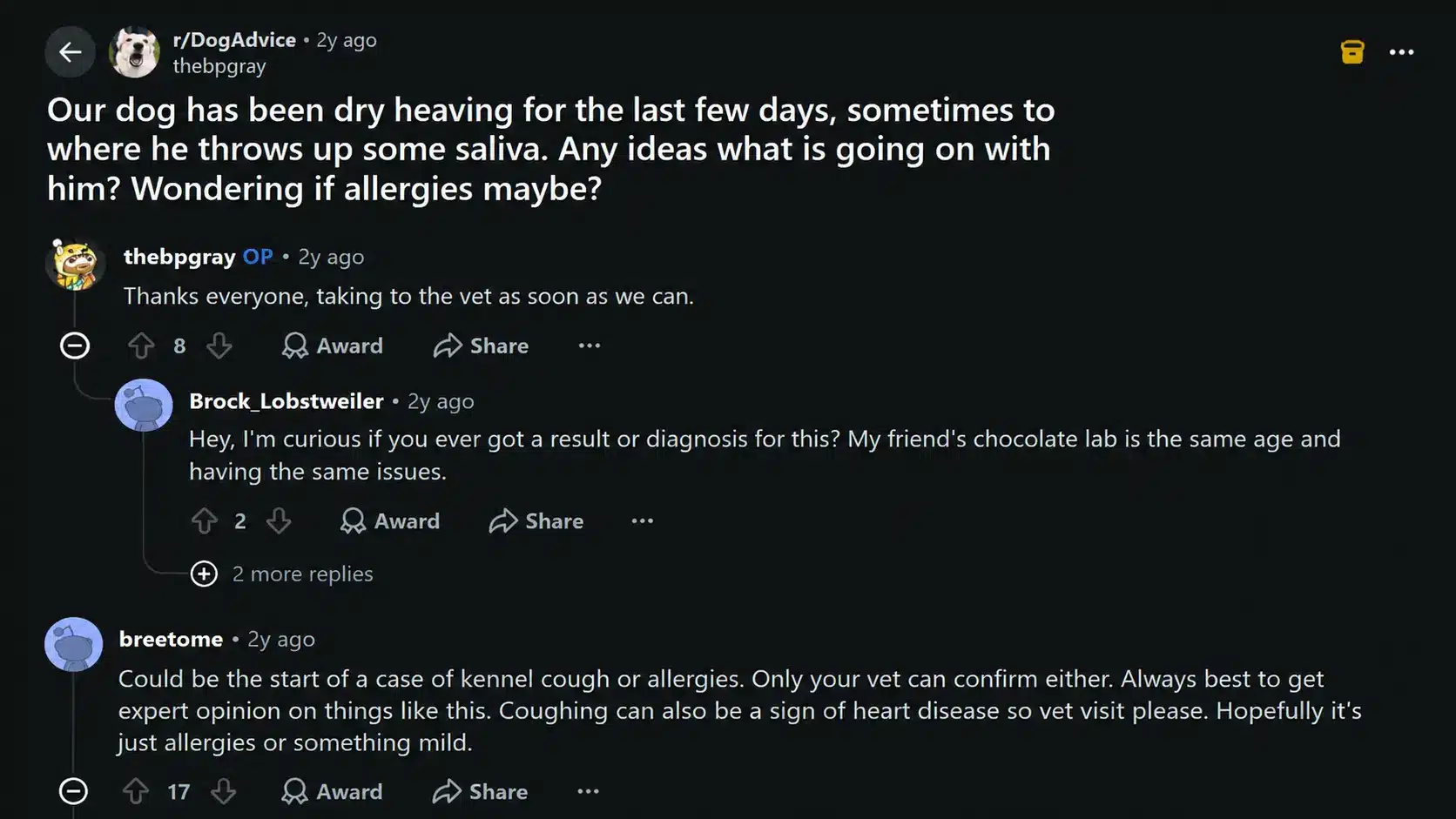
Dog owners sometimes discuss dry heaving on Reddit when their pets repeatedly gag or try to vomit without producing anything. The linked discussion reflects one owner’s situation and should not be treated as evidence that another dog has the same condition.
These conversations show why noting the timing, frequency, and accompanying symptoms can be useful. Owners commonly mention bloating, discomfort, breathing changes, reduced energy, and behavior changes when describing what happened.
As a veterinarian, I recommend using owner discussions for emotional support only, not diagnosis or treatment. Contact your veterinarian if the episode recurs or concerns you. Repeated unproductive retching, abdominal swelling, breathing trouble, pale gums, weakness, or collapse requires immediate emergency care.
Final Thoughts
Dog dry heaving can happen because of minor issues like throat irritation, eating too fast, or stomach discomfort. However, repeated episodes without producing vomit should not be ignored because they may sometimes indicate a more serious concern.
Pay attention to your dog’s overall behavior, additional symptoms, and how frequently dry heaving occurs. Simple habits like safer eating routines and preventing access to harmful objects can help reduce certain risks.
If your dog shows signs of pain, breathing problems, abdominal swelling, or repeated unsuccessful vomiting attempts, seeking veterinary advice quickly is the safest choice.
Frequently Asked Questions
Why Does My Dog Dry Heave After Drinking Water?
Some dogs may dry heave after drinking quickly because they swallow extra air or because their throat is irritated. Slowing drinking habits and monitoring for other symptoms may help identify the cause.
Can Allergies Make a Dog Dry Heave?
Allergies may irritate the throat and airways, causing coughing or gagging-like sounds. If your dog shows repeated symptoms, skin irritation, or breathing changes, veterinary guidance can help identify the cause.
Do Certain Breeds Have a Higher Risk of Bloat?
Large, deep-chested breeds may have a higher risk of bloat. However, any dog can develop this condition, so recognizing warning signs and seeking quick care is important.
Why Is My Dog Dry Heaving But Not Throwing Up?
Dry heaving happens when a dog tries to vomit, but nothing comes out. It may result from throat irritation, nausea, swallowed objects, or serious conditions like bloat requiring quick attention.