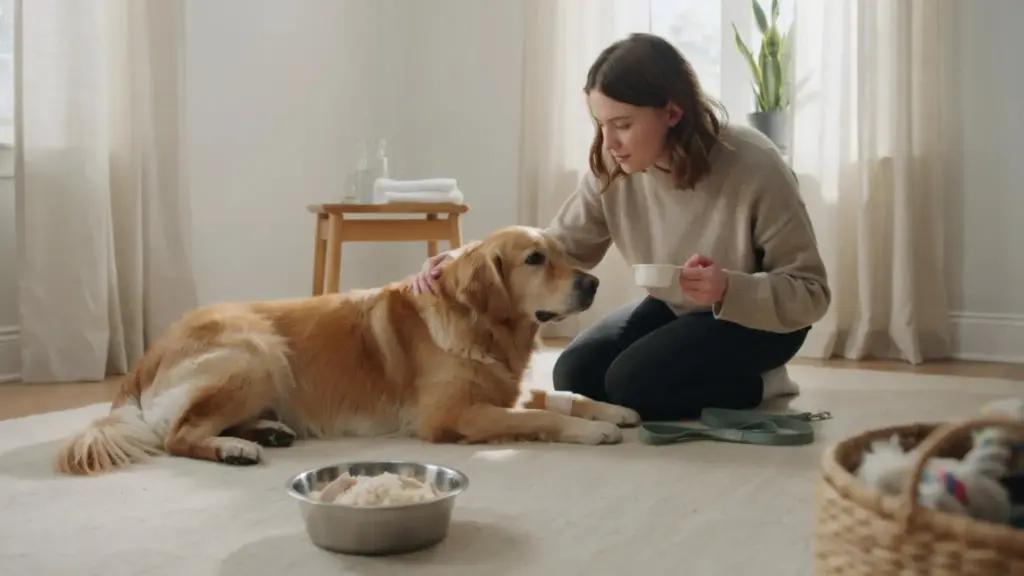
A dog who suddenly stops eating or cannot keep food down can leave you worried and unsure about what to do next. Pancreatitis is one possible cause, and it can range from mild illness to an emergency requiring hospital care.
As a licensed veterinarian in Minnesota with more than 15 years of clinical experience, I know how closely vomiting, appetite loss, and sudden behavior changes need to be assessed. Recognizing the signs of pancreatitis in dogs can help you seek care before the condition becomes more serious.
I will explain the symptoms that need attention, factors associated with flare-ups, and when to arrange a same-day veterinary visit.
Because these signs overlap with several illnesses, your veterinarian must examine your dog and determine the cause.
What is Pancreatitis in Dogs?
The pancreas is a small organ near the stomach and small intestine. It produces digestive enzymes that help break down fats, proteins, and carbohydrates. It also releases hormones, including insulin, that help control blood sugar.
Pancreatitis occurs when the pancreas becomes inflamed. During this process, digestive enzymes can be activated within the pancreas rather than remaining inactive until they reach the intestinal tract. This damages pancreatic tissue and can trigger inflammation elsewhere in the body.
Dogs with severe pancreatitis commonly develop vomiting, appetite loss, weakness, dehydration, and abdominal pain. Milder cases may cause less specific symptoms, such as low energy, diarrhea, or reduced appetite.
These signs can resemble other digestive and medical conditions. Your veterinarian may use your dog’s history, physical examination, blood tests, and abdominal imaging to reach a diagnosis, a process the Merck Veterinary Manual also outlines for pet owners.
Early and Emergency Signs of Pancreatitis
Symptoms usually fall into two groups depending on how quickly they appear and how severe they become.
Early Warning Signs:
These are the signs that often show up first, before a dog looks seriously unwell. Vomiting is often among the earliest signs, and understanding why a dog might vomit yellow bile can help you gauge how urgent the situation is.
- Reduced interest in food or skipping meals
- Occasional vomiting
- Low energy or wanting to rest more than usual
- A tucked-up belly or discomfort when touched
- Restlessness or the “praying position” (front legs down, rear end up)
Emergency Signs That Need Immediate Care:
These signs point to a more serious episode and should not be ignored until a routine appointment. Recognizing other urgent symptoms, such as the signs of internal bleeding, can help you judge how quickly to act.
- Repeated vomiting that does not stop
- Collapse or extreme weakness
- Visible abdominal pain, such as crying out when touched
- Signs of fluid loss (sunken eyes, dry or sticky gums)
- Fever or a swollen, tense abdomen
Mild vs Emergency Symptoms at a Glance
Symptoms often overlap in the early hours, making it genuinely hard to judge how urgent things are. This table lays out the mild version of each sign next to its emergency counterpart so that you can compare quickly.
| Mild Signs | Emergency Signs |
|---|---|
| Slightly reduced appetite | Refusing all food and water |
| Occasional vomiting | Repeated, ongoing vomiting |
| Slightly lower energy | Collapse or inability to stand |
| Discomfort when touched | Crying out in pain |
| Normal gum color | Pale or bluish gums |
If your dog’s symptoms line up with the right column, do not wait to see if things improve on their own. Treat it as urgent and contact your vet or the nearest emergency clinic right away.
What Causes Pancreatitis in Dogs?
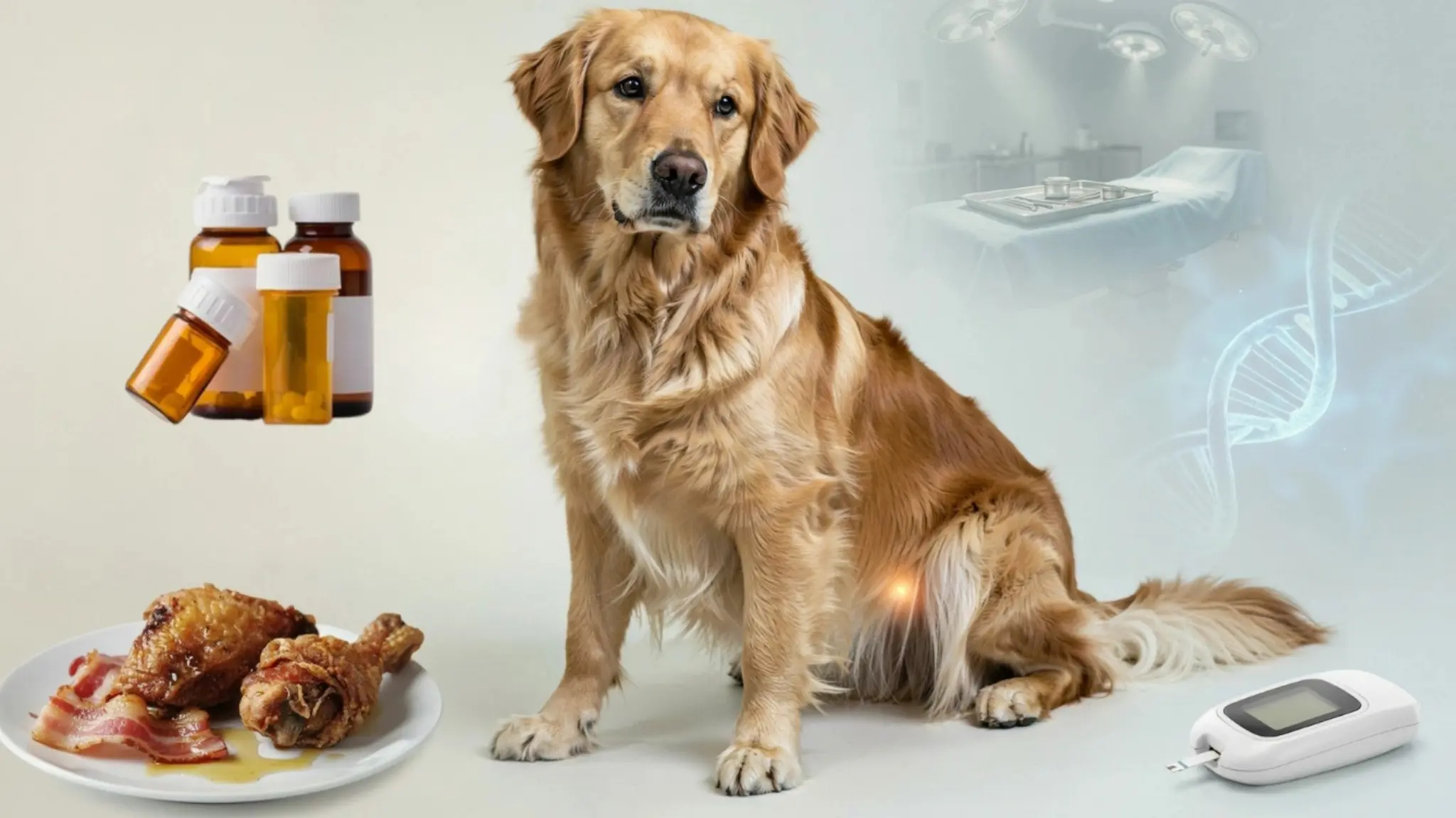
No single cause explains every case, but certain patterns appear often in dogs diagnosed with this condition. Here are the most common triggers vets see.
1. High-Fat Foods and Table Scraps
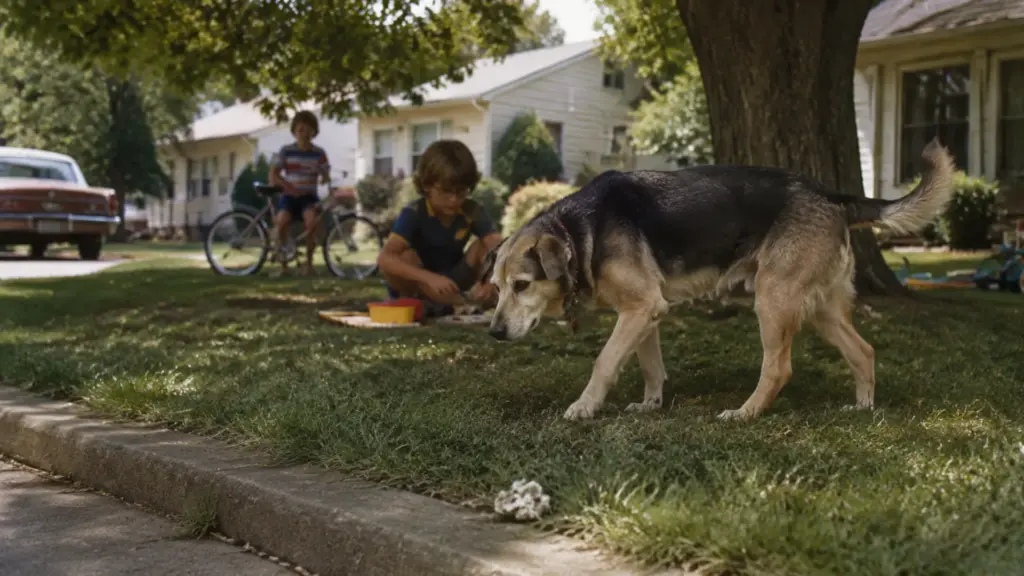
Fatty meals are one of the most common triggers vets see, especially after a holiday dinner, a barbecue, or a dog getting into the trash.
Foods like bacon, gravy, fried leftovers, or rich table scraps force the pancreas to release a large amount of digestive enzymes all at once.
This sudden overload can be enough to spark inflammation in dogs with no history of stomach problems. A single fatty meal is sometimes all it takes to trigger a painful flare-up.
2. Obesity and Excess Weight
Carrying extra weight puts ongoing strain on a dog’s digestive system, including the pancreas.
Overweight dogs tend to have higher blood fat levels, which makes the pancreas more likely to become inflamed after eating something rich.
Weight also makes it harder for the body to recover once inflammation begins, as fat tissue can worsen the inflammatory response.
Dogs who are overweight and eat a high-fat diet face a higher risk of developing pancreatitis than dogs at a healthy weight, a link the Tufts Obesity Clinic for Animals has documented alongside diabetes and joint disease as common consequences of excess weight.
3. Medications and Recent Surgery
Certain medications have been linked to pancreatitis in dogs, including some steroids, seizure medications, and chemotherapy drugs.
Dogs recovering from recent surgery, especially abdominal surgery, may also face a higher risk due to reduced blood flow to the pancreas during the procedure or stress on the body afterward.
If your dog is on a new medication or recently had surgery and starts vomiting or refusing food, mention this timeline to your vet, since it can help narrow down the cause.
4. Underlying Health Conditions
Dogs with certain existing health problems are at higher risk of developing pancreatitis.
Conditions such as diabetes, hypothyroidism, and Cushing’s disease can all affect how the body processes fat, which puts extra pressure on the pancreas over time.
Inflammatory bowel disease and other digestive conditions have also been associated with pancreatitis flare-ups. Other chronic conditions, such as congestive heart failure, can place a similar strain on a dog’s overall system.
If your dog already manages a chronic condition, regular checkups and a consistent low-fat diet can help reduce the risk of a painful pancreatic episode.
5. Genetic Factors
Some dogs seem more genetically prone to pancreatitis than others, regardless of diet or weight. This helps explain why certain breeds, such as Miniature Schnauzers and Yorkshire Terriers, appear more often in clinical records than expected.
Genetic sensitivity can affect how a dog’s body handles fat in the bloodstream or how the pancreas responds to normal digestive activity. If your dog’s breed is known for this tendency, working with your vet on preventive diet choices can be especially worthwhile.
Dogs with more than one risk factor, such as being overweight and eating fatty food, tend to face a higher chance of a flare-up.
Breeds More Likely to Develop Pancreatitis
Any dog, of any breed, can develop pancreatitis, so this is not a reason to worry only about certain dogs. Research and clinical records do point to a handful of breeds that seem to face it more often than others.
| Breed | Why They May Be at Higher Risk |
|---|---|
| Miniature Schnauzer | Often linked to high blood fat levels |
| Cocker Spaniel | Higher reported case numbers in studies |
| Yorkshire Terrier | Small breed with noted sensitivity |
| Dachshund | Prone to weight gain, a known risk factor |
| Poodle | Documented in several breed-risk studies |
This does not mean every dog from these breeds will develop the condition, and plenty of dogs outside this list get diagnosed too. Owners of these breeds may want to pay closer attention to diet and weight over time.
How Vets Diagnose Pancreatitis in Dogs
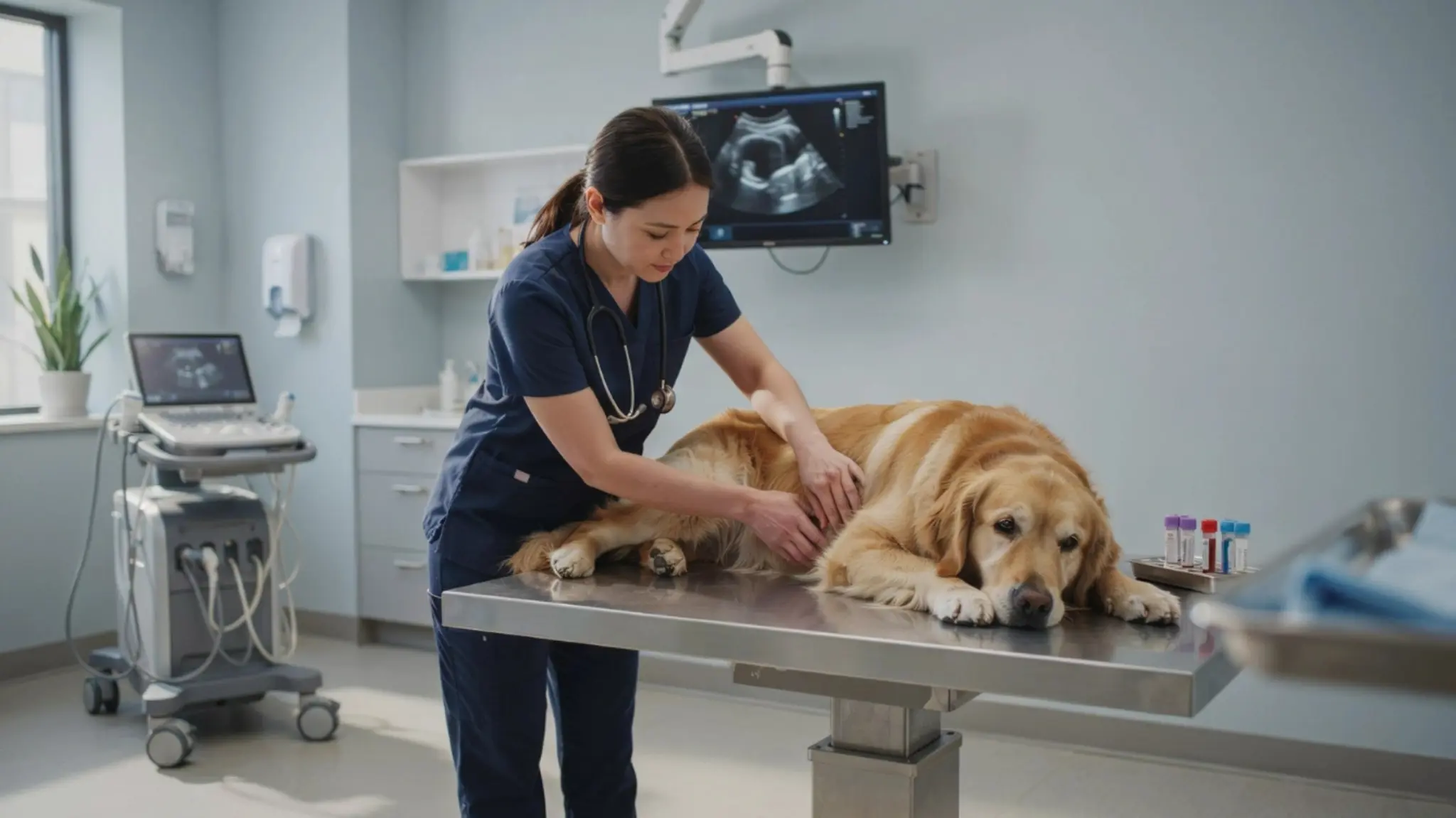
Diagnosis usually combines a physical exam with a few targeted tests. A vet will start by checking your dog’s abdomen for signs of pain, dehydration, fever, or swelling.
Blood tests are typically the next step, including a pancreatic-specific lipase test that measures enzyme levels linked directly to pancreatic inflammation.
An ultrasound is often used to look at the pancreas directly, check for fluid buildup, and rule out nearby blockages or tumors.
X-rays may also be taken, mainly to rule out swallowed objects or other causes of vomiting that can look similar to pancreatitis in the early stages. Together, these tests confirm the diagnosis and guide treatment.
What to Do If You Suspect Pancreatitis
Once you notice possible warning signs, what you do in the next hour can matter. These steps give you a clear starting point while you arrange a vet visit.
- Stop feeding fatty foods or table scraps right away
- Offer small amounts of water, but do not force your dog to drink
- Call your vet and describe the symptoms in detail
- Avoid giving human medications, including pain relievers
- Keep your dog calm and resting until you can be seen
None of these steps replace a vet exam, but they can keep your dog more comfortable and prevent the situation from getting worse before you arrive.
Treatment and Recovery Timeline
Owners often want a sense of timing once treatment begins, since waiting for updates can feel stressful. This breakdown gives a general idea of what to expect, though your vet will adjust it based on your dog’s own response.
| Case Type | Typical Care | Rough Recovery Time |
|---|---|---|
| Mild | Outpatient fluids, anti-nausea medicine, bland diet | 2 to 5 days |
| Moderate | Short hospital stay, IV fluids, pain control | 5 to 10 days |
| Severe or chronic | Extended hospitalization, ongoing diet management | Weeks to long-term management |
These numbers are general estimates rather than guarantees, since every dog responds differently to treatment. Your vet can give you a more specific timeline based on your dog’s bloodwork, symptoms, and overall response to care.
When Should You Call a Vet Immediately?
Some symptoms cross the line from concerning to urgent. If you notice any of the following, do not wait for a routine appointment.
- Your dog collapses or cannot stand
- Vomiting continues for more than a few hours
- The abdomen looks swollen, tense, or painful to touch
- Gums appear pale, gray, or bluish
- Your dog seems disoriented or unresponsive
Trust your instincts here. If something feels seriously wrong with your dog, an emergency vet visit is almost always the safer choice.
Final Thoughts
Pancreatitis can feel frightening because it often appears without warning, but recognizing the signs of pancreatitis in dogs early gives you and your vet more room to act.
In my years of practice, the dogs who do best are usually the ones whose owners called sooner rather than later, even when they were not fully sure something was wrong.
If your dog is vomiting, avoiding food, or showing signs of pain, please do not wait it out at home. Reach out to your veterinarian, describe exactly what you are seeing, and let a professional guide the next step.
A quick call today could make recovery smoother and safer for your dog tomorrow.
Frequently Asked Questions
Can Pancreatitis in Dogs Happen Without Eating Fatty Food?
Yes. Pancreatitis can develop without a dog eating fatty food. Some cases may be associated with certain medications, high blood-fat levels, hormonal disorders, obesity, trauma, or genetic susceptibility. In many dogs, veterinarians cannot identify one definite cause.
Can a Dog Get Pancreatitis from Stress?
Emotional stress alone is not an established direct cause of pancreatitis in dogs. Serious illness, trauma, surgery, or other physical stress may occur alongside pancreatic inflammation, but a veterinarian must assess the dog to determine the likely cause.
Can Pancreatitis Affect a Dog’s Lifespan?
Many dogs recover with timely veterinary treatment, but the outcome depends on the illness’s severity and complications. Severe or repeated episodes can cause lasting pancreatic damage, diabetes, or digestive problems that require continued veterinary care and dietary management.
Are Homemade Diets Safe for Dogs Recovering From Pancreatitis?
A homemade diet should be used only when formulated for your dog by a board-certified veterinary nutritionist. Recovery diets may require controlled fat and complete, balanced nutrition. An unbalanced recipe can cause deficiencies or interfere with medical management.