

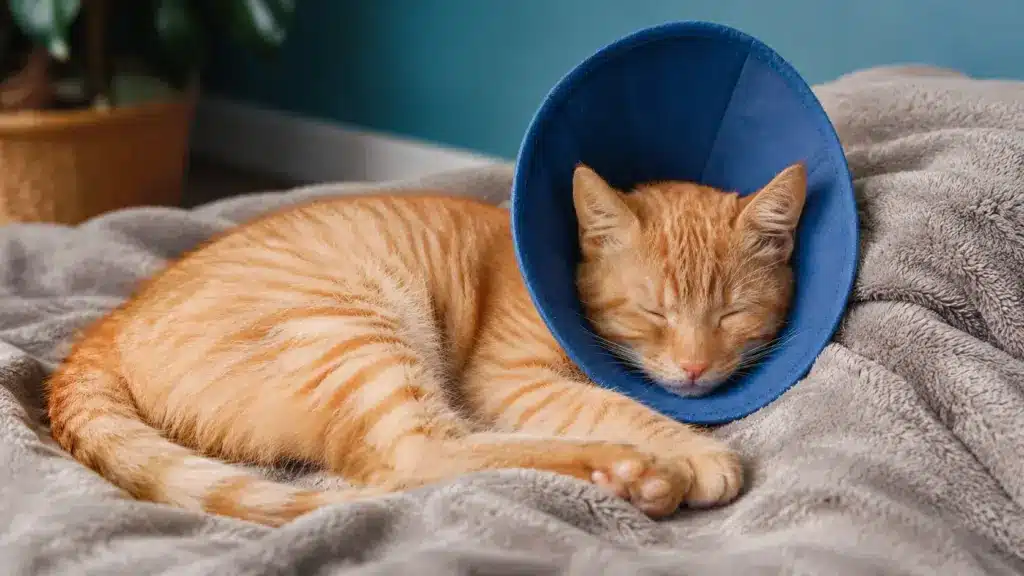
After more than 15 years as a licensed veterinarian in Minnesota, I know how uneasy owners can feel when a male cat is scheduled for neutering.
Questions about anesthesia, pain, recovery, behavior changes, and home care are especially common among first-time cat parents.
Understanding the male cat before and after neutering process can help you prepare without expecting every cat to respond in exactly the same way.
Neutering may reduce hormone-related behaviors such as roaming, spraying, and fighting, but it does not replace training or change your cat’s basic personality.
I’ll explain how to prepare for surgery, what usually happens during the procedure, which changes you may notice afterward, and the cat neuter aftercare steps that support a safe, comfortable recovery.
Understanding Why Male Cats Are Neutered
Neutering is a common veterinary procedure recommended for male cats to prevent reproduction and support long-term health. The main purpose of the procedure is to stop unwanted breeding while helping owners manage certain challenges associated with reproductive maturity.
A neutered male cat cannot father kittens, which helps reduce accidental litters and supports responsible pet ownership. Veterinarians may also recommend neutering because it removes the risk of testicular cancer and may reduce some behaviors influenced by reproductive hormones.
The American Veterinary Medical Association notes that removing a male cat’s testicles reduces breeding instinct, which often results in less roaming and fewer urine-marking behaviors.
The decision to neuter can depend on factors such as your cat’s age, health condition, lifestyle, and veterinary advice. Understanding the purpose of the procedure helps owners prepare for the process and make informed care decisions.
Preparing a Male Cat Before Neutering
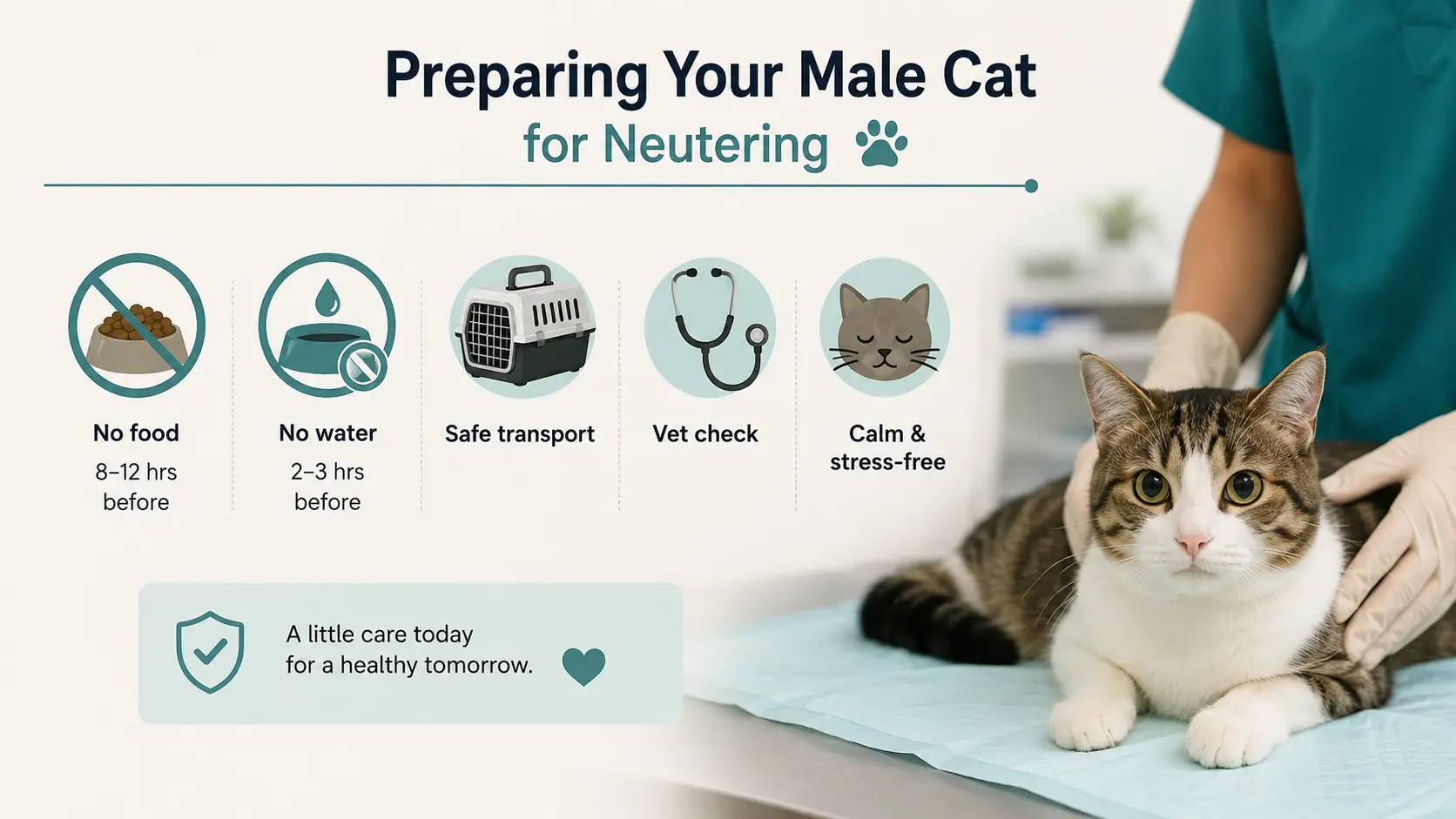
Proper preparation before neutering a male cat helps reduce risks and supports recovery. Veterinary instructions may include health checks, surgery guidance, and creating a comfortable space at home, and it’s worth budgeting for the visit too, since what the procedure typically costs can vary quite a bit by location and clinic.
1. Veterinary Checks Before the Surgery
A veterinary examination helps determine whether your cat is healthy enough to receive anesthesia and undergo the procedure.
During the appointment, the veterinarian may review your cat’s medical history, check overall health, and recommend additional tests when needed, and the age your vet recommends for surgery often factors into which of these checks are prioritized.
Common checks before neutering may include:
- Physical examination to assess general health.
- Review of vaccination status and previous medical concerns.
- Blood testing for some cats, especially older cats or those at risk.
- Evaluation of anesthesia safety before surgery.
These checks help identify potential concerns before the procedure and allow the veterinarian to choose appropriate care steps.
2. How to Prepare Your Cat Before the Procedure
Your veterinarian will provide instructions to follow before your cat’s surgery. Preparation requirements can vary depending on the clinic’s approach and your cat’s health needs.
Important preparation steps may include:
- Following food and water instructions provided by the veterinary clinic.
- Keeping your cat indoors before surgery.
- Preparing a quiet, clean resting area for recovery.
- Arranging transportation to keep your cat comfortable after the procedure.
Proper preparation reduces stress and helps your cat settle more easily after returning home.
3. Male Cat Behaviors Before Neutering
Before neutering, some male cats display behaviors driven by reproductive hormones. These behaviors are not present in every cat and can depend on age, environment, and individual temperament.
Common behaviors may include:
- Urine spraying to mark territory.
- Roaming outside in search of mates.
- Increased interest in female cats.
- Territorial reactions toward other cats.
- Fighting linked to competition or dominance.
Neutering may reduce some of these hormone-related behaviors, but results can vary depending on how long the behavior has been established, and ongoing spraying after the procedure is common enough that it often needs its own separate approach.
| Recovery note: This timeline describes a typical recovery and should not replace your veterinarian’s instructions. Healing time and activity restrictions may differ for each cat. |
Why Male Cats Are Neutered
Neutering is a common veterinary procedure recommended for male cats to prevent reproduction and reduce behaviors influenced by reproductive hormones. Many owners choose neutering to support their cat’s long-term health, manage certain behaviors, and prevent unwanted litters.
The primary reason for neutering is preventing reproduction. A neutered male cat cannot father kittens, which helps reduce accidental breeding and supports responsible pet ownership.
Veterinarians may also recommend the procedure because it can reduce some hormone-related behaviors, including roaming, urine marking, and territorial reactions that may develop as cats mature.
The ASPCA explains that neutering also helps control the broader pet homelessness crisis, since millions of healthy cats and dogs are euthanized in the United States each year simply because there are not enough homes available.
Neutering also removes the risk of testicular cancer since the testicles are removed during the procedure. However, the effects of neutering can vary depending on a cat’s age, health, environment, and individual temperament. Understanding why neutering is performed helps owners prepare for the changes that may occur before and after surgery.
Steps Involved in the Neutering Procedure
The neutering process follows a standard veterinary approach designed to keep the procedure safe and controlled. While techniques may vary slightly between clinics, the main steps usually include:
- Pre-surgery preparation: The veterinary team examines your cat, confirms health details, and prepares him for anesthesia.
- Anesthesia administration: Your cat receives anesthesia to prevent pain and keep him comfortable throughout the procedure.
- Surgical removal: The veterinarian removes the testicles through small incisions in the scrotal area.
- Recovery monitoring: Your cat is monitored while waking from anesthesia before discharge.
The procedure is usually brief, but the complete clinic visit may take several hours due to preparation, surgery, and recovery observation.
What to Expect After Surgery
After neutering, your male cat may act differently for a short time as the effects of anesthesia wear off. Sleepiness, reduced activity, or mild confusion can be normal during the first few hours. Your veterinarian will provide instructions about feeding, medication, and activity restrictions.
After returning home, you should expect:
- A quiet recovery period while your cat rests.
- Mild sensitivity around the surgical area.
- Temporary changes in appetite or energy levels.
- The need to prevent licking or disturbing the incision.
These early recovery changes usually improve as your cat heals. Close monitoring during the first few days helps you notice any signs that may require veterinary advice.
Male Cat Before and After Neutering Changes
After neutering, male cats may show gradual changes as hormone levels decrease. The effects can vary between cats, but some owners notice differences in behaviors linked to mating instincts, such as roaming, spraying, and territorial reactions.
| Before Neutering | After Neutering |
|---|---|
| More likely to roam in search of mates | Roaming behavior may decrease |
| Urine spraying may occur as a marking behavior | Spraying may reduce in some cats |
| Hormone-related territorial reactions may be stronger | Some cats may show calmer interactions |
| Able to reproduce | Cannot father kittens |
Neutering affects reproductive and hormone-related behaviors, but a cat’s personality, affection, and playful nature usually remain unchanged.
Physical and Behavioral Changes After Neutering
After neutering, male cats may experience gradual physical and behavioral changes as hormone levels decrease. The most noticeable physical change is the removal of the testicles, followed by a healing period where mild swelling or sensitivity around the surgical area may occur. Most cats return to normal activity as recovery progresses.
Behavior changes are usually related to reduced testosterone levels. Some cats may show less interest in roaming, spraying, or territorial behaviors, especially when these habits were linked to mating instincts. However, neutering does not change a cat’s basic personality, and playful or affectionate traits usually remain the same.
The timing of these changes varies depending on the cat’s age, previous habits, environment, and individual temperament. Some hormone-related behaviors may improve within weeks, while others may take longer to change.
Cat Neuter Aftercare Tips
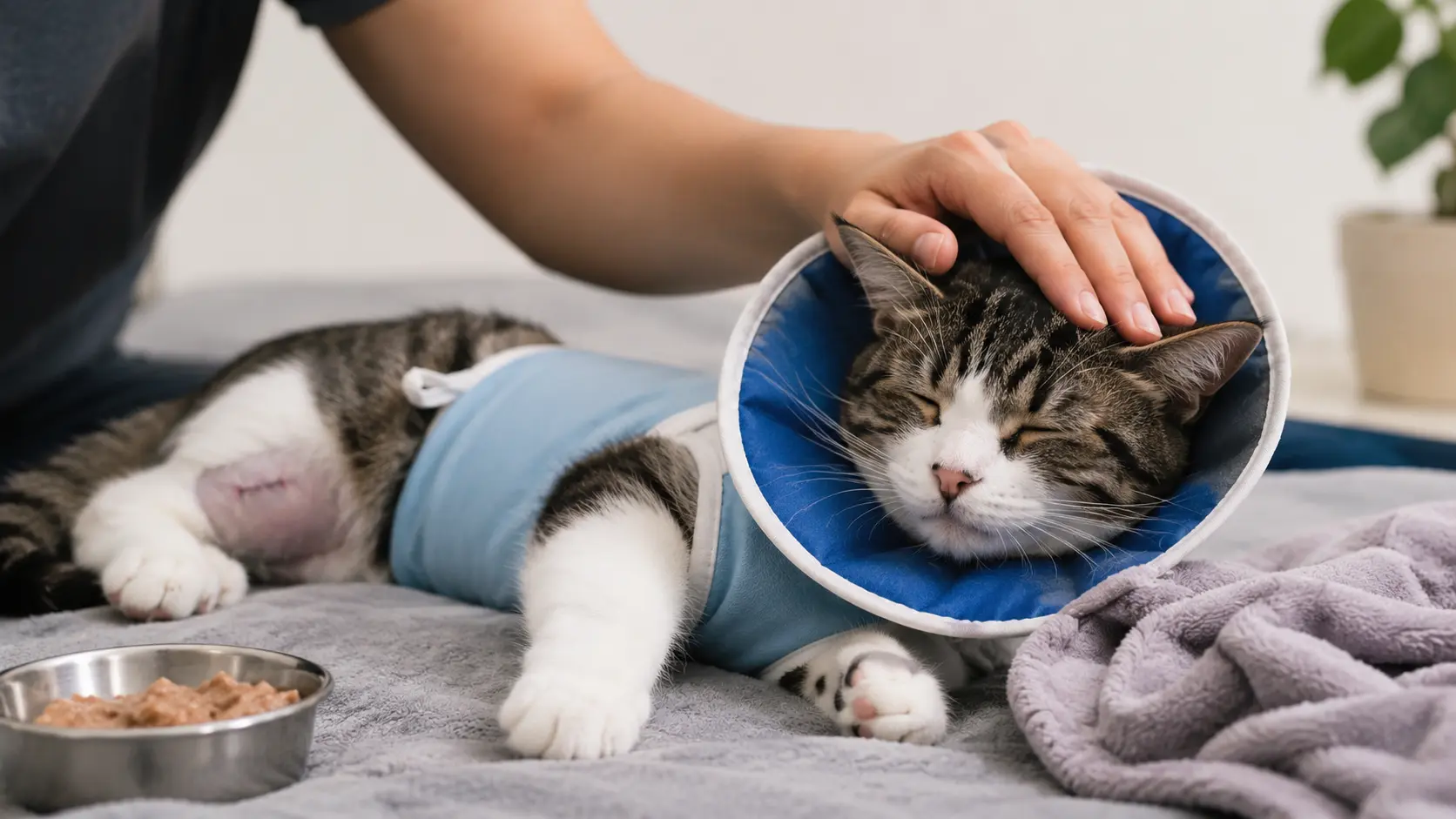
Proper cat neuter aftercare protects the surgical area, reduces complications, and supports a comfortable recovery. Follow your veterinarian’s instructions because individual requirements may vary.
- Check the surgical area daily for redness, swelling, bleeding, discharge, or irritation.
- Prevent your cat from licking, biting, or scratching the area.
- Use a recovery collar if your veterinarian recommends one.
- Do not apply creams, antiseptics, or medications without veterinary approval.
- Provide a quiet resting area away from children, noise, and other pets.
- Follow the clinic’s feeding instructions after anesthesia.
- Limit jumping, climbing, running, and rough play during early healing.
- Keep your cat indoors throughout the recovery period.
- Return to normal activity gradually based on veterinary advice.
- Contact the clinic if the incision opens or your cat appears painful, weak, or unwell.
Careful observation and temporary activity limits can help your cat heal without placing unnecessary strain on the surgical area.
Signs Your Cat May Need Veterinary Attention
Most cats recover without serious problems, but some symptoms require prompt veterinary advice. Contact your veterinarian if you notice:
- Heavy or continued bleeding
- Increasing swelling, redness, heat, or discharge
- An open incision or exposed tissue
- Repeated vomiting
- Extreme weakness or difficulty waking
- Refusal to eat beyond the clinic’s expected recovery period
- Trouble urinating
- Significant pain, distress, or breathing difficulty
Do not wait for a scheduled follow-up if symptoms are severe or worsening. Early veterinary guidance can prevent a minor recovery problem from becoming more serious.
A Real-Life Cat Transformation Story Shared by an Owner

Real-life experiences from cat owners can offer a personal view of how a cat’s condition may change with consistent care.
One Reddit user shared a before-and-after transformation of an adopted street cat, showing how the cat’s appearance and overall condition improved after moving into a safer home environment.
The transformation reflects the impact of regular nutrition, shelter, veterinary support, and reduced stress. While neutering can influence certain hormone-related behaviors, improvements in a cat’s health and appearance usually involve multiple aspects of care rather than one single change.
Owner stories can help other cat parents understand that every cat’s journey is different. A cat’s progress after adoption, medical care, or neutering depends on individual health, environment, and the support provided at home.
Benefits of Neutering a Male Cat
Neutering provides several health and behavior-related benefits for male cats. The procedure prevents reproduction and reduces the effects of testosterone, which can influence certain behaviors. However, the results can differ between cats because age, environment, and individual temperament all play a role.
Benefits of neutering may include:
- Preventing unwanted litters and reducing accidental breeding.
- Eliminating the risk of testicular cancer because the testicles are removed.
- Reducing some hormone-driven behaviors such as roaming and urine marking.
- Lowering the chance of injuries linked to fights with other cats.
- Supporting easier household management for many cat owners.
Neutering is a common veterinary decision that balances reproductive control, health considerations, and behavior management.
Male Cat Neutering Recovery Timeline
Recovery after male cat neutering is usually straightforward, but your cat still needs monitoring and proper aftercare. Healing time varies based on age, health, activity level, and the procedure performed.
| Recovery Period | What to Expect |
|---|---|
| First few hours | Your cat may be sleepy, quiet, or slightly unsteady as the anesthesia wears off. |
| First 24 hours | Encourage rest and follow your veterinarian’s feeding instructions. Monitor eating, drinking, urination, and the surgical area. |
| Days 2–7 | Energy and appetite often improve. Continue checking the surgical site and limit running, jumping, climbing, and rough play. |
| Around 7–10 days | Many cats have healed enough to resume normal activities, but only with veterinary approval. |
Follow your veterinarian’s instructions because recovery needs can differ. Contact the clinic if your cat develops bleeding, increasing swelling, discharge, severe pain, repeated vomiting, trouble urinating, or unusual tiredness.
Final Thoughts
Knowing what to expect before and after neutering can help you feel more prepared and support your cat throughout his recovery.
Neutering prevents reproduction and may reduce behaviors linked to reproductive hormones without changing your cat’s basic personality. Proper preparation, careful monitoring, and consistent aftercare can make the healing period safer and more comfortable.
Every cat responds differently, so watch your cat closely and follow your veterinarian’s instructions. If you notice unusual changes in his appetite, energy, urination, behavior, or surgical area, contact your veterinary clinic promptly.
Before surgery day, speak with your veterinarian about preparation, pain management, recovery restrictions, and any concerns specific to your cat.
Frequently Asked Questions
How long does a male cat recover after neutering?
Most male cats recover from neutering within about 7 to 10 days. Energy levels may improve sooner, but the surgical area still needs protection during the healing period to avoid irritation or delayed recovery.
Can a male cat still spray after being neutered?
Yes, some male cats may continue spraying after neutering, especially if the behavior was established before surgery. Neutering may reduce spraying, but other factors like stress or territory changes can also influence it.
Do male cats gain weight after neutering?
Some male cats may gain weight after neutering because their energy needs can decrease. Maintaining appropriate portions, encouraging activity, and monitoring body condition can help prevent unwanted weight gain.
Is Neutering Painful for Male Cats?
Male cats receive anesthesia during neutering to prevent pain during the procedure. Veterinarians also provide pain management to support recovery. Mild discomfort, tiredness, or sensitivity around the surgical area may occur temporarily, but most cats improve with proper aftercare and monitoring.