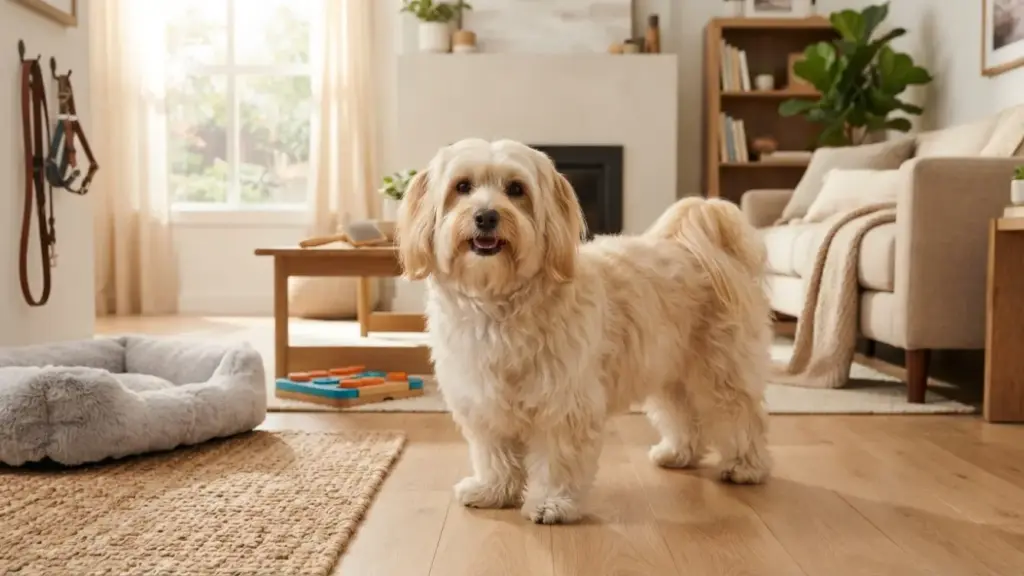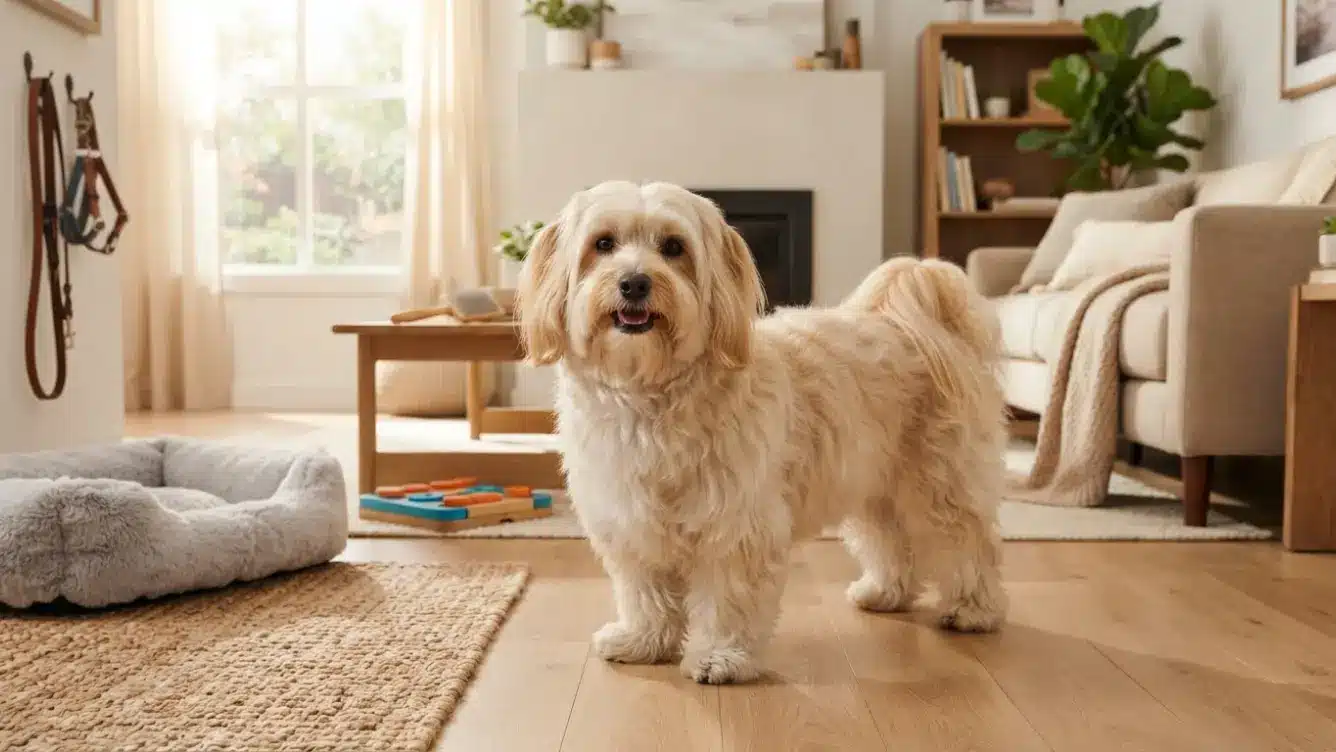


We know that moment. Your dog is suddenly the size of an adult, but they’re still doing zoomies around the living room and chewing on your favorite slipper like they’re eight weeks old.
It leaves a lot of pet parents wondering: are they still a puppy, or did we somehow miss the memo that they grew up?
Knowing how long a dog is actually considered a puppy helps you make better calls on food, exercise, training, and everyday care, and the honest answer is, it depends more on your dog than on the calendar.
Most dogs are puppies until around 12 months, but that timeline shifts quite a bit depending on breed size and individual development. Let’s walk through what that actually looks like.
How Long is a Dog Considered a Puppy?
Puppyhood doesn’t end on the same day for every dog. While plenty of dogs are considered adults after their first birthday, growth and development really come down to breed, genetics, and body size.
During those early months, puppies are doing a lot of growing, physically and mentally. They’re learning social skills, building habits, adjusting to their environment, and gaining confidence through everyday experiences.
Routines like potty training a puppy also take time to become consistent, especially while bladder control and daily habits are still developing.
This is exactly why training, nutrition, and care routines early on matter so much for how a dog behaves later in life.
Here’s the thing worth remembering: a one-year-old dog isn’t always fully mature. Smaller breeds may already be at their adult size, while larger breeds are often still growing.
Looking at your dog’s specific breed and behavior gives you a much clearer picture than age alone ever could.
When Do Dogs Stop Being Puppies by Size?
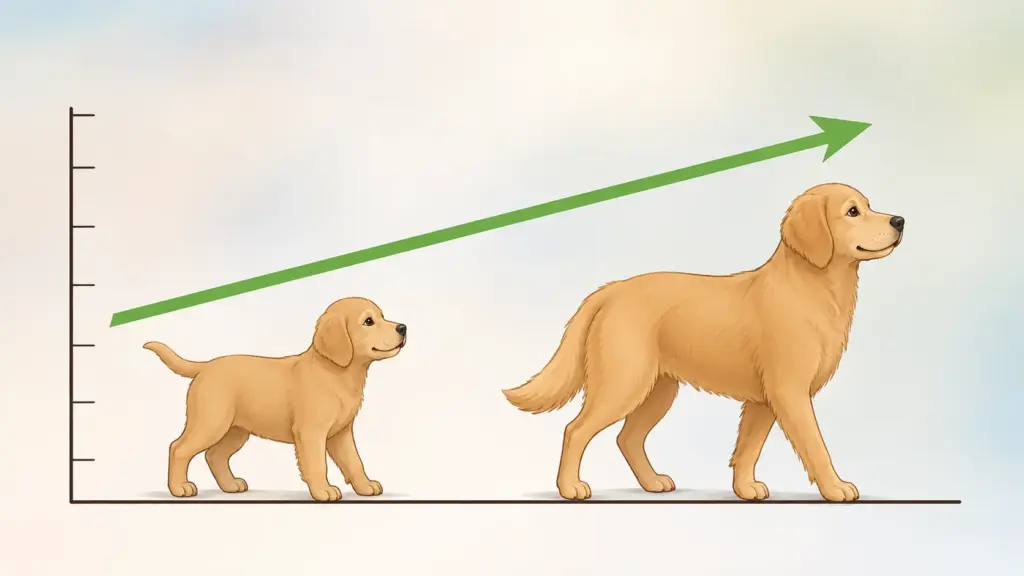
Size is one of the strongest clues for figuring out where your dog is in this transition. Smaller dogs tend to finish growing faster, while larger dogs need more time for their bones, muscles, and joints to fully develop.
| Dog Size | Typical Maturity Age | Examples |
|---|---|---|
| Small breeds | Around 9 to 12 months | Chihuahua, Yorkshire Terrier, Pomeranian |
| Medium breeds | Around 12 to 15 months | Beagle, Cocker Spaniel, Border Collie |
| Large breeds | Around 15 to 18 months | Labrador Retriever, Golden Retriever, German Shepherd |
| Giant breeds | Around 18 to 24 months or longer | Great Dane, Mastiff, Saint Bernard |
A dog’s expected adult size usually provides a better estimate of adulthood than age alone because breed size strongly influences growth patterns, physical development, and the time needed to reach full adulthood.
Puppy Age Chart by Breed Size
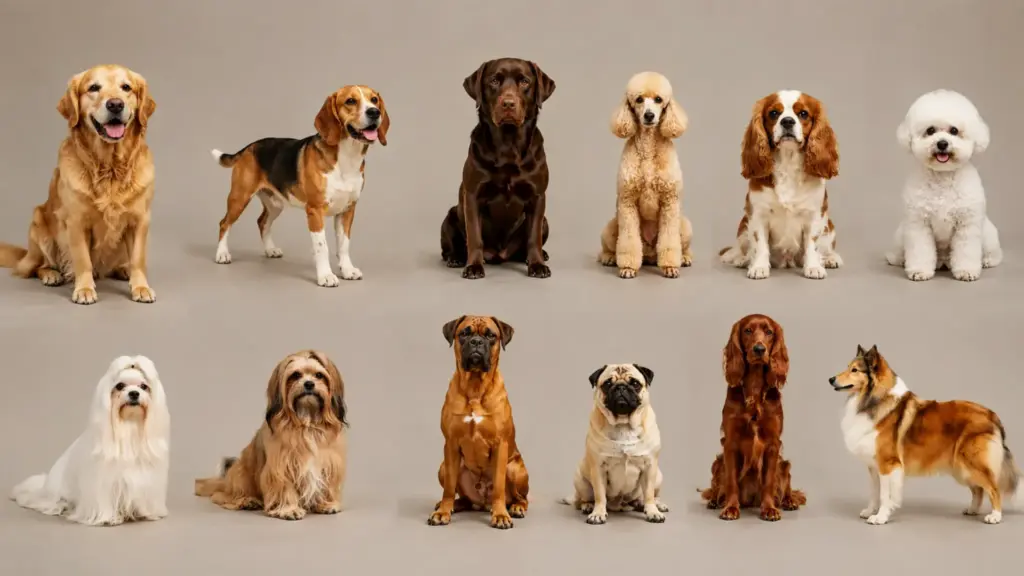
Different dog breeds mature at different speeds, and body size is one of the biggest factors affecting when a puppy becomes an adult. However, genetics, health, and individual development can also influence the timeline.
- Toy Breeds: Toy breeds such as Chihuahuas, Toy Poodles, and Yorkshire Terriers often reach maturity around 9 to 12 months because their smaller bodies complete growth earlier.
- Small Breeds: Small dogs like Pomeranians, Shih Tzus, and Dachshunds usually finish growing within their first year, although their behavior may continue developing after physical maturity.
- Medium Breeds: Medium-sized dogs such as Beagles, Cocker Spaniels, and Border Collies typically reach adulthood between 12 and 15 months.
- Large Breeds: Large breeds including Labrador Retrievers, Golden Retrievers, and German Shepherds often need around 15 to 18 months to reach full maturity.
- Giant Breeds: Giant dogs such as Great Danes, Mastiffs, and Saint Bernards may take 18 to 24 months or longer before reaching complete physical development.
A breed’s expected adult size provides a helpful estimate, but your dog’s genetics, health, and growth pattern also affect when they fully mature.
Puppy Stages by Age: What to Expect
Every puppy moves through a handful of development stages before reaching adulthood, and each one brings its own shifts in growth, learning, and behavior. Knowing what’s coming helps you adjust training and care as you go, instead of feeling like you’re chasing a moving target.
1. 0–8 Weeks: Early Puppy Development
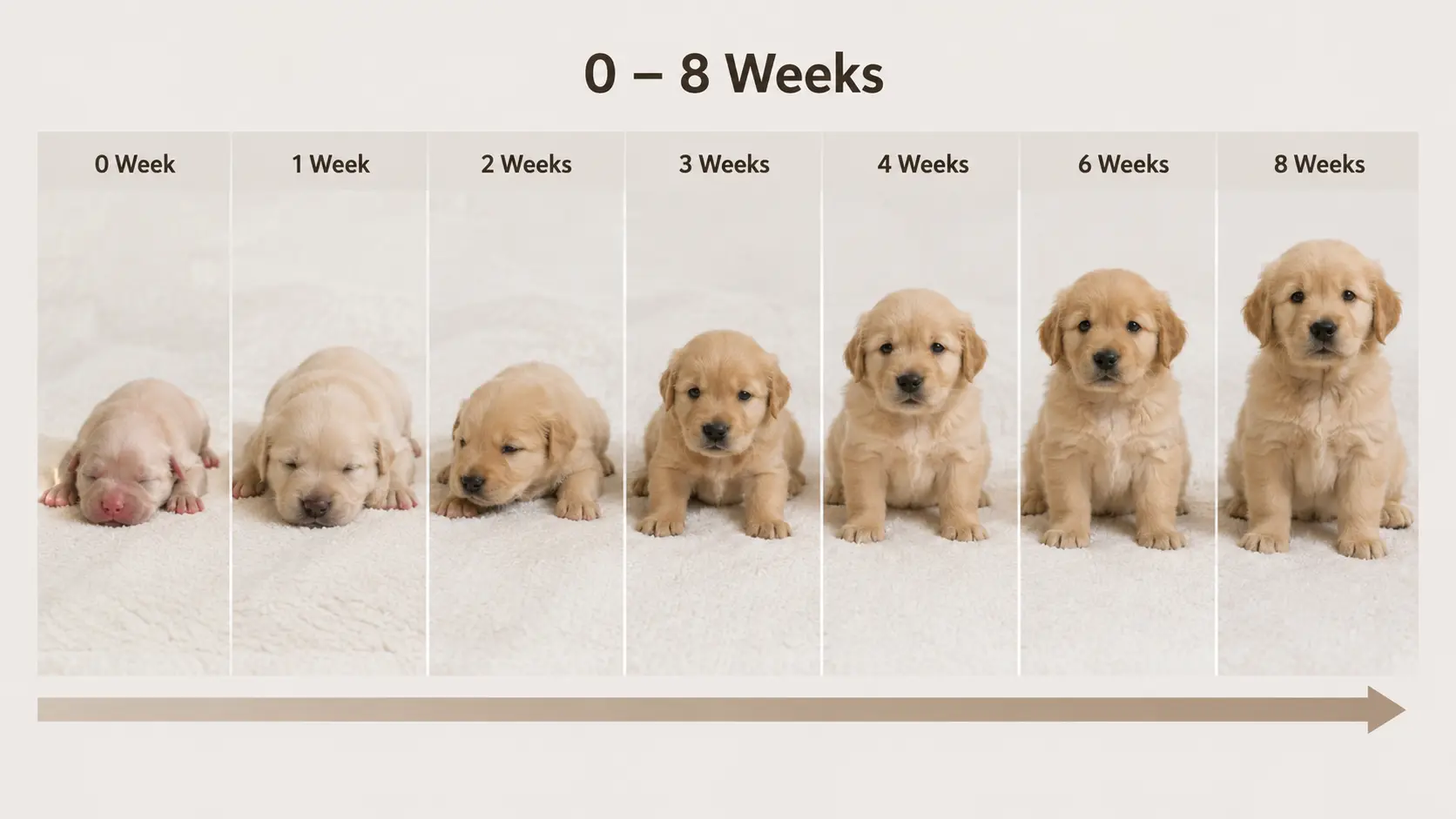
During the first eight weeks, puppies learn essential social behaviors from their mother and littermates. They develop coordination, communication skills, and early habits through play and daily interactions.
These experiences help shape confidence, boundaries, and future behavior.
2. 8 Weeks–6 Months: The Main Puppy Stage
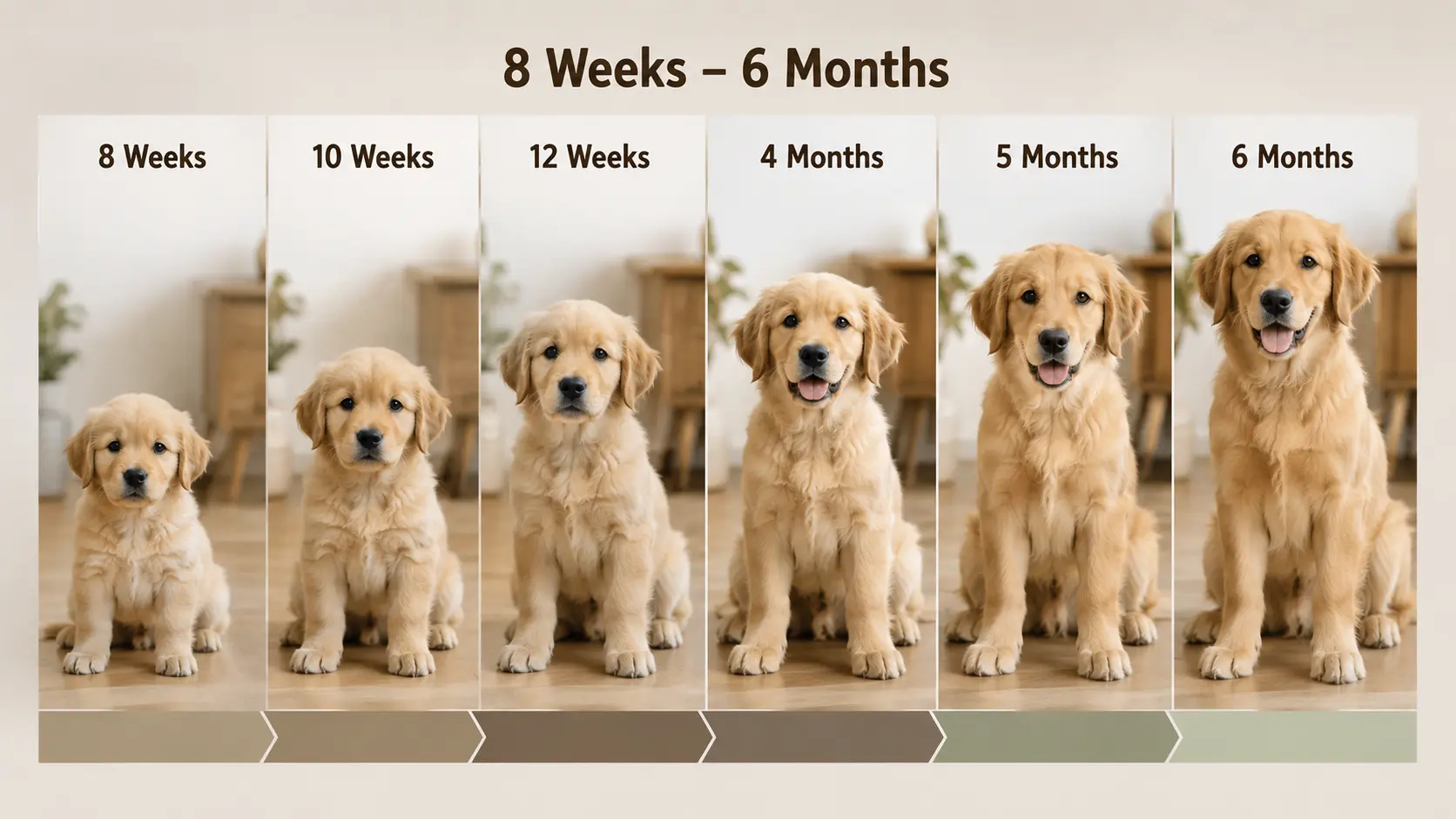
From eight weeks to six months, puppies are highly curious and eager to learn. This stage focuses on house training, basic commands, socialization, teething management, and building healthy routines.
Positive experiences during this period create a strong foundation for future behavior. It’s also an important period for preventive care, since your puppy’s vaccine schedule usually involves several doses during these early months.
3. 6–12 Months: Teenage Puppy Stage
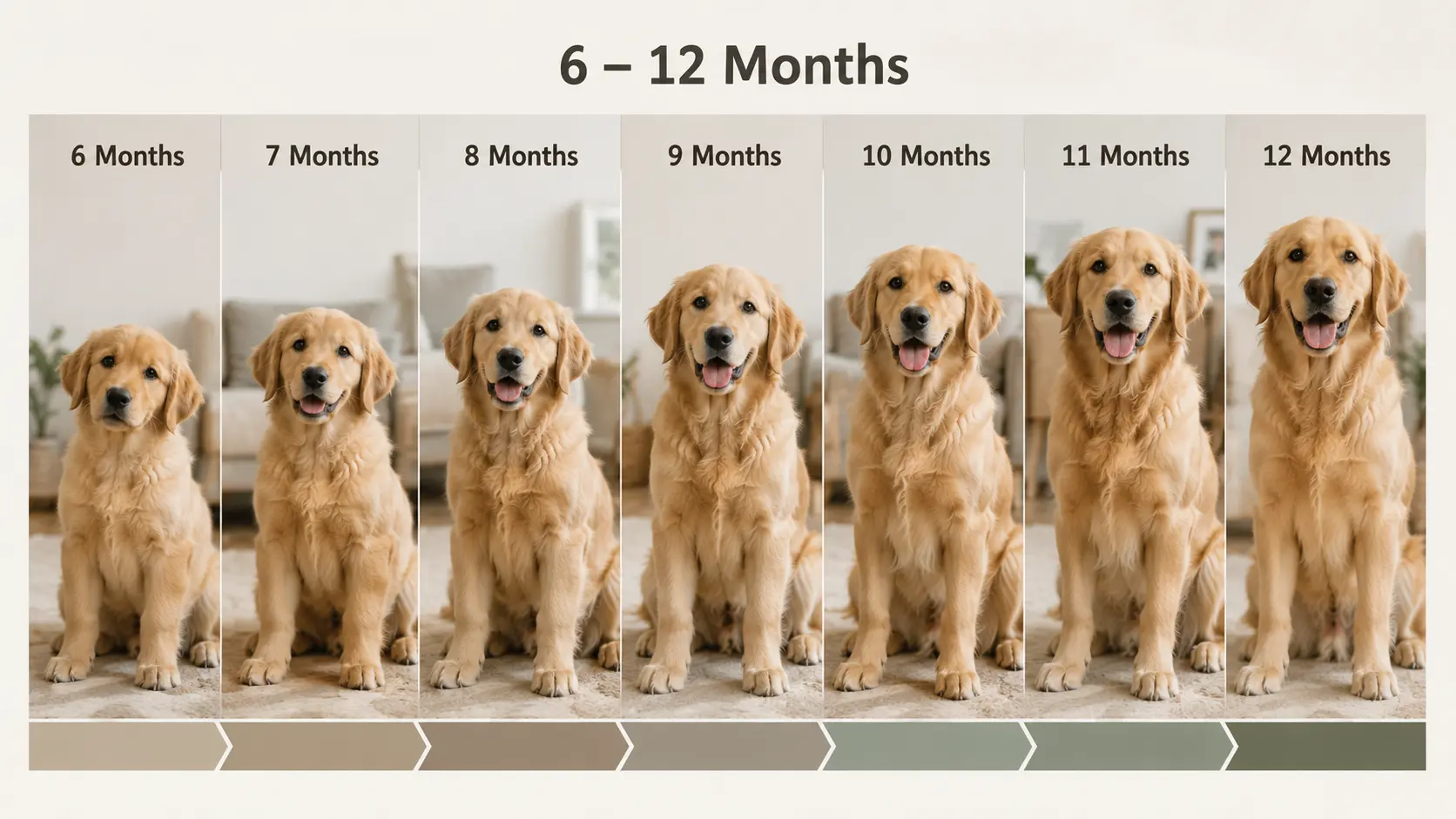
Between six and twelve months, many dogs enter adolescence. They may appear physically mature but still show puppy-like behaviors.
Some dogs become more independent or test limits during this time, making consistent training and patience important for developing self-control.
4. 12+ Months: Transition Into Adulthood
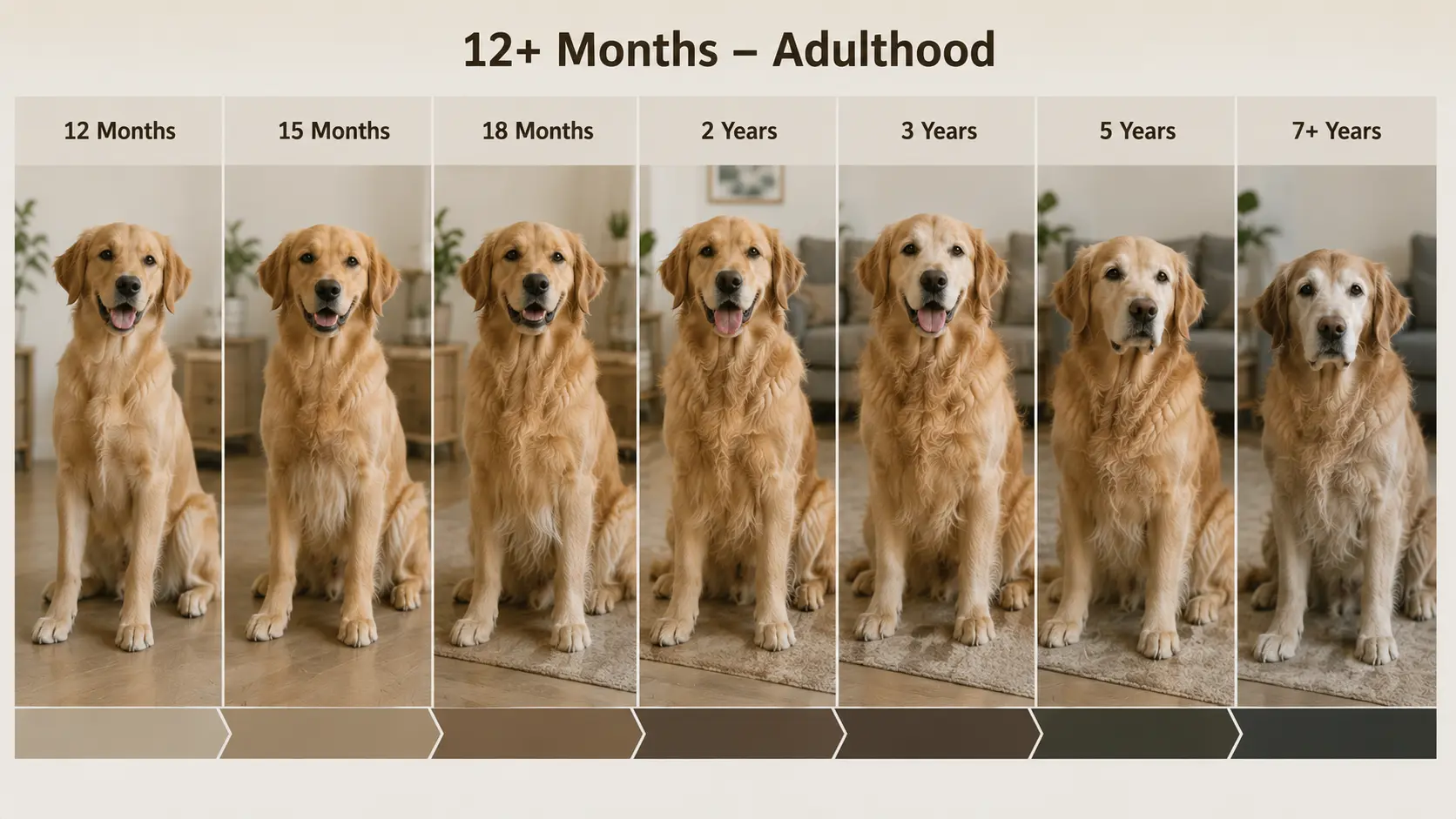
After one year, many dogs begin transitioning toward adulthood, although larger breeds may continue developing.
During this stage, dogs often become calmer, improve their focus, and show more predictable behavior as they experience emotional and physical changes.
Signs Your Dog is No Longer a Puppy
The transition from puppyhood to adulthood happens slowly. Changes in physical growth, behavior, and learning ability can help you recognize when your dog is becoming more mature.
| Signs | What It Indicates |
|---|---|
| Adult teeth are fully developed | Your dog has completed a major stage of dental development and moved beyond early puppy growth. |
| Growth in height and weight slows | Your dog is reaching its adult body size, although some larger breeds may continue developing. |
| Chewing habits become less frequent | Reduced chewing often shows improved control and the end of intense teething behaviors. |
| Training responses become more consistent | Your dog can focus better and follow commands more reliably during daily activities. |
| Energy levels become easier to manage | Activity patterns become more balanced compared with the unpredictable energy of younger puppies. |
| Daily behavior becomes more predictable | Your dog’s personality becomes clearer, making routines and training easier to maintain. |
These signs may appear at different ages because breed size, genetics, and individual development influence how quickly dogs mature.
Do Some Breeds Stay Puppies Longer Than Others?
Beyond size, breed characteristics also influence how quickly dogs develop confidence, independence, and adult behaviors. Smaller breeds often reach adulthood sooner, while larger breeds need more time for physical growth and behavioral development.
Small Dogs
Small breeds usually reach adult size faster, often within their first year. However, they still need proper training, exercise, and mental stimulation because physical maturity does not stop learning.
Medium Dogs
Medium-sized breeds generally mature between small and large dogs, often reaching adult size between one year and 18 months. Their confidence and emotional maturity may continue developing after growth slows.
Large Dogs
Large breeds often stay puppies longer because their bodies require extra time to develop fully. Breeds like Labrador Retrievers and German Shepherds may still need training support after reaching adult size.
Giant Dogs
Giant breeds have some of the longest growth periods and may take two years or more to mature. Proper nutrition and controlled exercise help support their development during this extended growth stage.
Does Puppy Behavior Continue After a Dog Turns One?
Turning one doesn’t flip a switch. Plenty of adult dogs keep showing the same curiosity, excitement, and love of play they had as puppies; the real difference is usually better focus, patience, and self-control as they mature.
Adult dogs often still enjoy:
- Playing with toys and interactive games
- Learning new commands and skills
- Exploring new environments
- Spending time with people and other dogs
A dog that still gets excited over a new toy or a walk somewhere new isn’t necessarily still a puppy; a lot of that joy just sticks around for life, and honestly, that’s part of what makes dogs so wonderful.
When Should You Switch Puppy Food to Adult Food?
Puppies need food that supports growth and development, while adult dogs need nutrition that maintains a healthy body condition. The right transition time depends on your dog’s breed size, growth rate, and overall health.
- Small Breed Transition: Small dogs usually mature earlier and may switch to adult food around their first year. The timing can vary based on activity level, health, and individual growth patterns.
- Medium Breed Transition: Medium-sized dogs often need a longer growth period than small breeds. Their food change should consider body condition, activity needs, and overall development.
- Large Breed Transition: Large dogs may need puppy nutrition for longer because they continue growing after their first birthday. Their diet should support steady development rather than excessive growth.
- Giant Breed Transition: Giant breeds often mature slowly and may require careful feeding plans. A veterinarian can help decide the right time to transition based on growth and health needs.
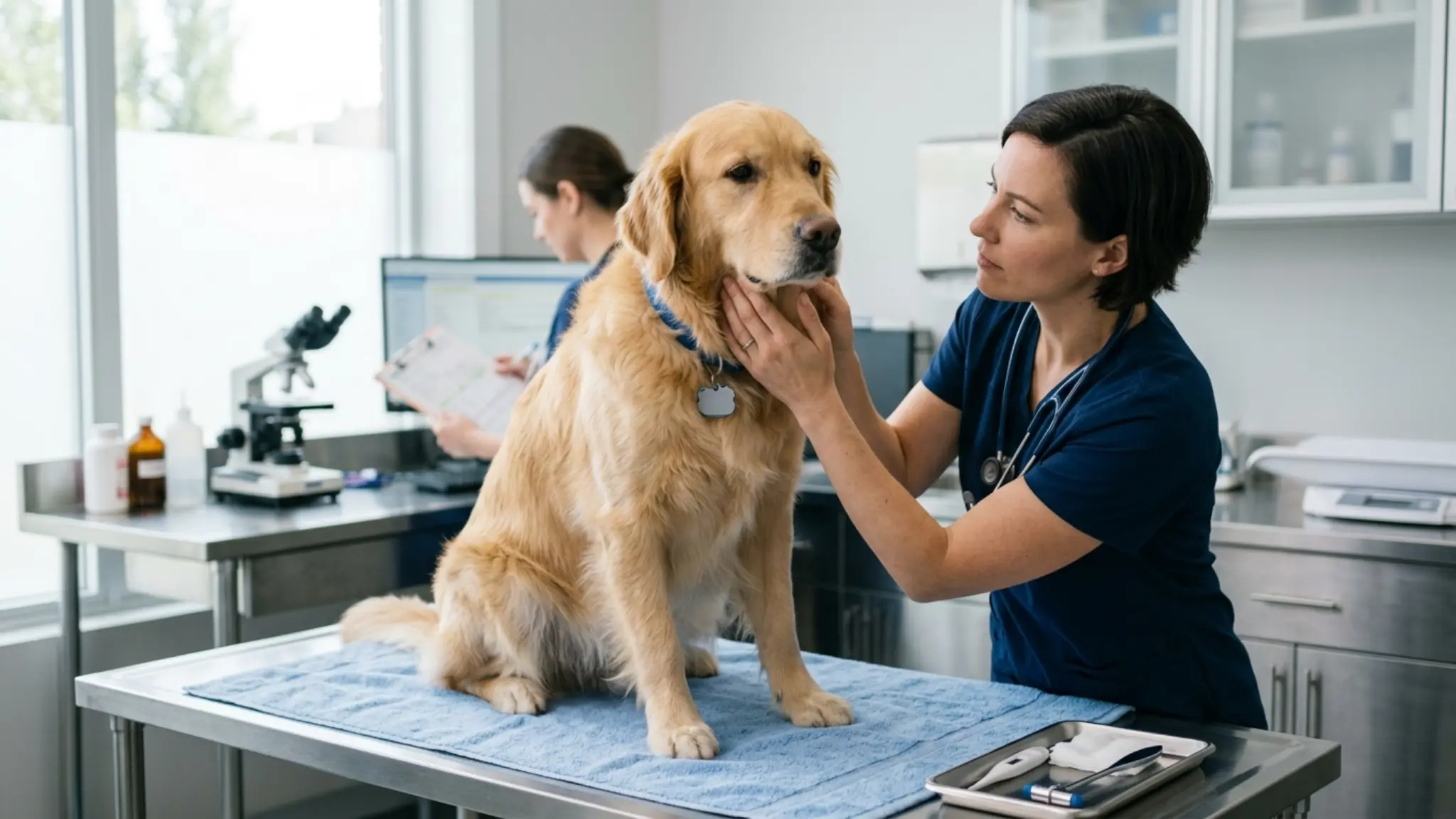
This is a great conversation to have with your veterinarian, since food changes should match your dog’s actual development rather than a one-size-fits-all age rule. The American Animal Hospital Association offers helpful general guidance here as well, alongside your vet’s read on your specific dog.
Growth timelines here are general ranges, not a diagnosis. The only way to confirm whether your dog’s growth plates have closed, which is what actually determines skeletal maturity, is through an X-ray done by your veterinarian. If you’re making a decision that depends on knowing this for certain (switching food, adjusting exercise intensity, timing a spay or neuter), that’s worth confirming with your vet rather than estimating from age or breed alone.
What Dog Owners Say About When Puppyhood Ends

Dog owners often share that puppyhood does not end on a specific birthday. Many pet parents notice their dogs may look fully grown but still behave like puppies through their playful energy, curiosity, and excitement.
Experiences shared by puppy owners highlight that maturity happens gradually and depends on factors such as breed, size, training, and personality.
Some dogs become calmer earlier, while others continue showing puppy-like habits for several years. These real-life observations support the idea that reaching adult size does not always mean a dog has reached complete maturity.
Every dog develops at its own pace, making individual behavior an important part of understanding the transition from puppy to adult.
Puppy vs Adult Dog: Key Differences
Puppies and adult dogs have different requirements because their bodies, behaviors, and abilities change as they grow. Comparing these stages helps you understand how care needs shift during the transition into adulthood.
| Feature | Puppy | Adult Dog |
|---|---|---|
| Growth | Rapid physical development and body changes | Growth is mostly complete and focused on maintenance |
| Energy | High energy levels with frequent activity needs | More balanced energy with predictable routines |
| Training | Learning basic behaviors, commands, and habits | Reinforcing skills and improving existing behaviors |
| Nutrition | Requires food that supports growth and development | Needs nutrition that supports overall health |
| Behavior | Developing confidence, control, and social skills | Shows a more stable personality and responses |
Understanding these differences allows you to adjust your dog’s food, exercise, and training routines as they move from puppyhood into adulthood.
The Final Takeaway
Every dog reaches adulthood at a different pace. Age provides a general estimate, but breed size, genetics, behavior, and physical development offer better clues about adulthood.
A Chihuahua may reach adulthood within its first year, while a Great Dane may still be developing at two years old. Knowing how long a dog is considered a puppy helps you make better decisions about food, training, exercise, and daily routines.
Instead of focusing only on your dog’s birthday, pay attention to changing needs as they grow. Supporting each stage of development helps your dog become a healthy, confident, and well-adjusted companion.
Frequently Asked Questions
How Long Is the Puppy Stage for Large Dogs?
Large dogs usually remain puppies longer than smaller breeds because their bodies take more time to develop. Many large breeds reach full maturity between 18 and 24 months.
Is a 2-Year-Old Dog Still a Puppy?
Most two-year-old dogs are adults, although some giant breeds may still be completing growth. Large breeds often take longer to reach full physical maturity compared with smaller dogs.
When Do Puppies Stop Growing?
Most puppies stop growing between 12 and 24 months depending on their breed size. Small dogs usually finish earlier, while large and giant breeds often continue growing for a longer period.
Why Does My Adult Dog Still Behave Like a Puppy?
Many adult dogs remain playful and energetic because personality traits do not disappear with age. Playfulness, curiosity, and excitement can continue throughout a dog’s life.
Should Exercise Change When a Puppy Becomes an Adult?
Yes, exercise needs often change as dogs mature. Adult dogs may require different activity levels based on their breed, size, energy level, and overall health.