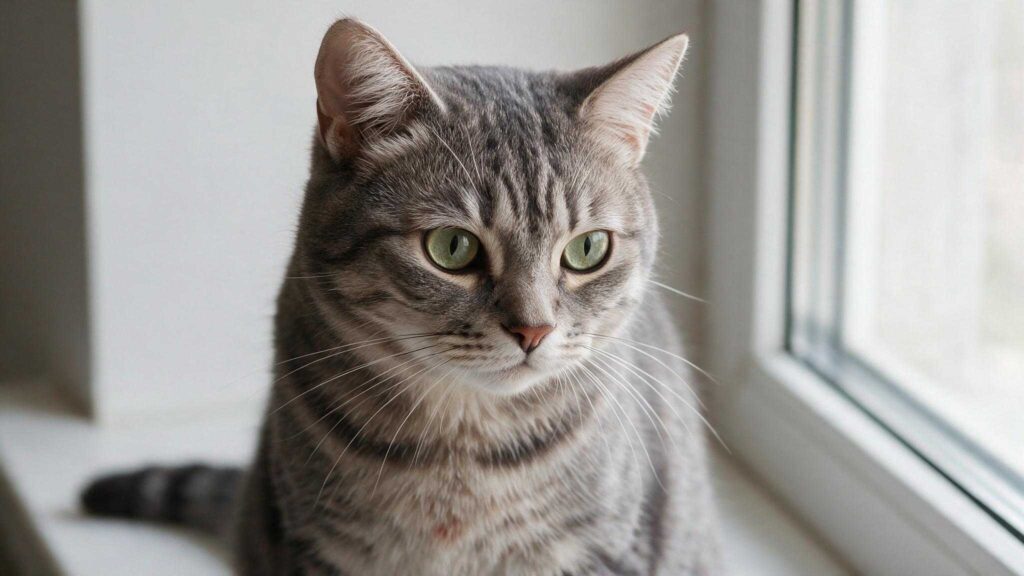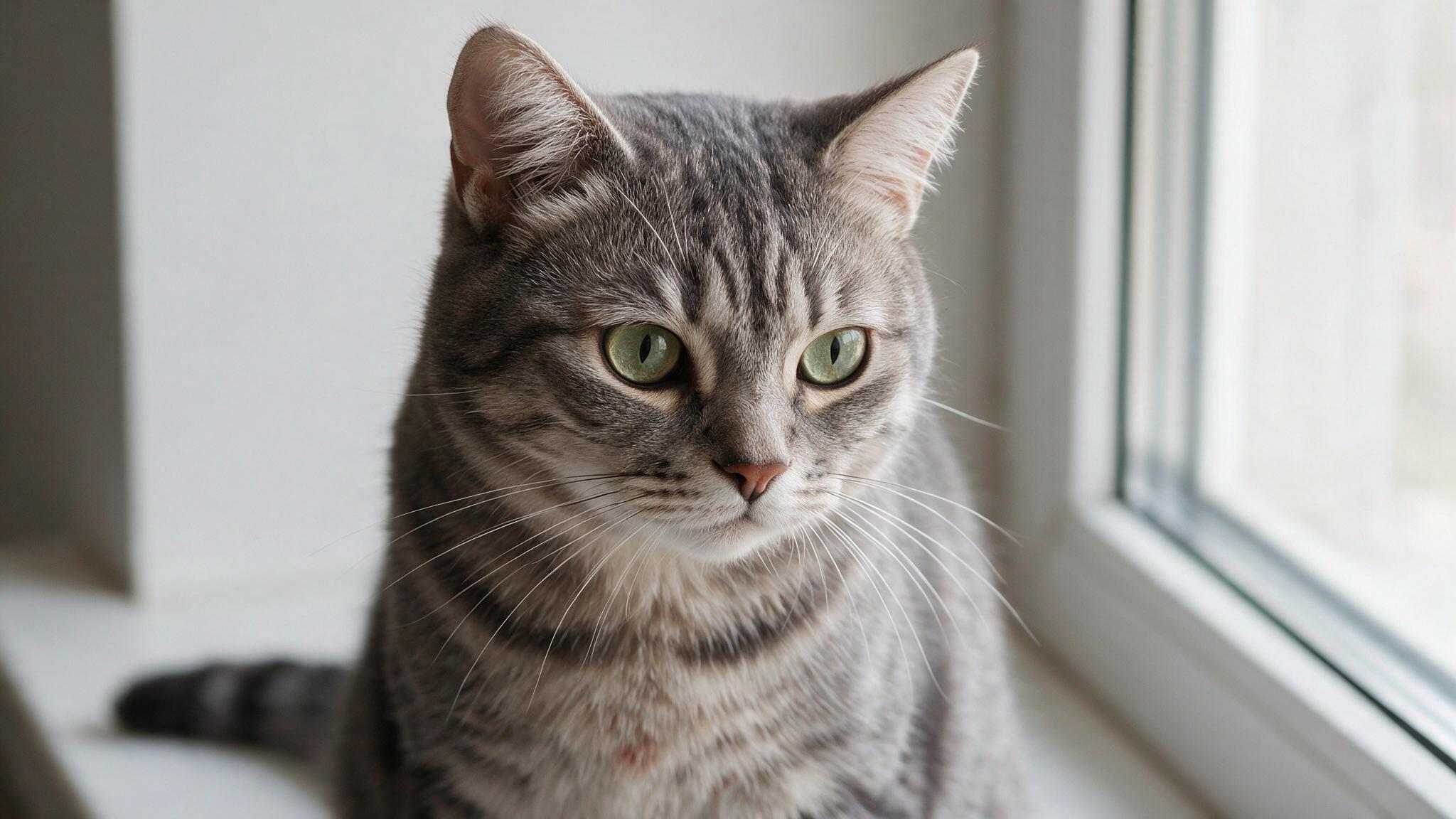
An older cat may pause before jumping, sleep longer, or prefer a quieter place than before. These changes often develop slowly, which makes them easy to miss. Good senior cat care starts with watching your cat’s normal habits and noticing when something changes.
Food, water, litter boxes, beds, and favorite spots should remain easy to reach. A steady routine can also reveal changes in appetite, movement, grooming, sleep, or behavior.
Some slowing may come with age, but weight loss, pain, confusion, breathing trouble, and litter box problems need veterinary attention. Small home adjustments and regular health checks can help your cat remain comfortable without taking away independence.
When is a Cat Considered Senior?
Cats over 10 years old are considered senior under the AAHA guidelines. However, age alone does not show how much support a cat needs. Genetics, body weight, dental health, previous illnesses, activity, and lifestyle all affect aging.
Breed can matter too, and factors that influence a Ragdoll cat’s lifespan include genetics, preventive care, nutrition, and overall lifestyle.
One 12-year-old cat may still climb and play easily, while another may need help reaching a bed or litter box. Sleeping more and moving carefully may occur with age. However, repeated vomiting, unexplained weight loss, heavy drinking, confusion, or toileting changes should not be dismissed.
The safest way to care for an aging cat is to base decisions on the cat’s current health, abilities, and behavior rather than age alone.
Senior Cat Care at a Glance
Daily comfort depends on several connected areas. This table shows what an older cat may need, what changes you should monitor, and the support you may require.
| Care Area | Helpful Support | What to Monitor |
|---|---|---|
| Food | Reachable meals suited to current health | Appetite, chewing, vomiting, and weight |
| Water | Several accessible water stations | Drinking more or less than usual |
| Litter box | Large box with a low entrance | Straining, accidents, urine, and stool |
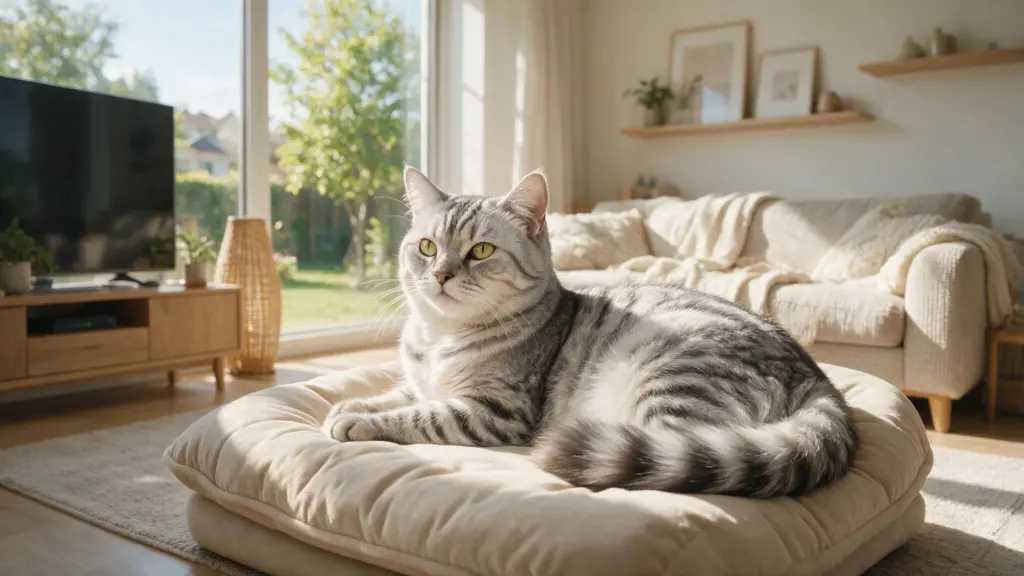
| Rest | Warm, padded beds away from drafts | Restlessness or trouble settling |
| Movement | Nonslip rugs, ramps, and stable steps | Stiffness, limping, or failed jumps |
| Grooming | Gentle brushing and claw checks | Mats, odor, dandruff, or long claws |
| Activity | Short play and familiar interaction | Withdrawal or loss of interest |
| Health care | Regular veterinary examinations | New physical or behavioral changes |
Adjust the routine whenever your cat’s mobility, medical needs, senses, or behavior change. A setup that worked last year may no longer be comfortable.
Aging timelines also vary between breeds, so knowing the typical lifespan of a Bombay cat or another specific breed can provide useful context for planning long-term care.
A Simple Daily Routine for an Older Cat
Short checks at consistent times can reveal gradual changes without making your cat feel watched constantly. A single day can have different approaches.
Morning
- Watch how easily your cat stands and walks.
- Serve a measured meal and note how much is eaten.
- Refresh all water bowls.
- Scoop the litter box and check the urine and stool.
- Give prescribed medicine as directed.
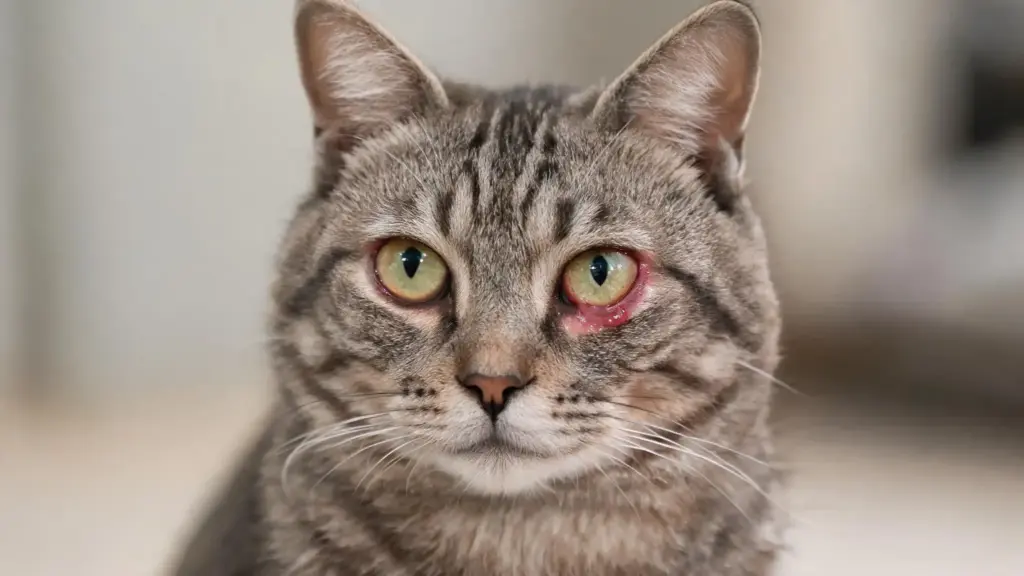
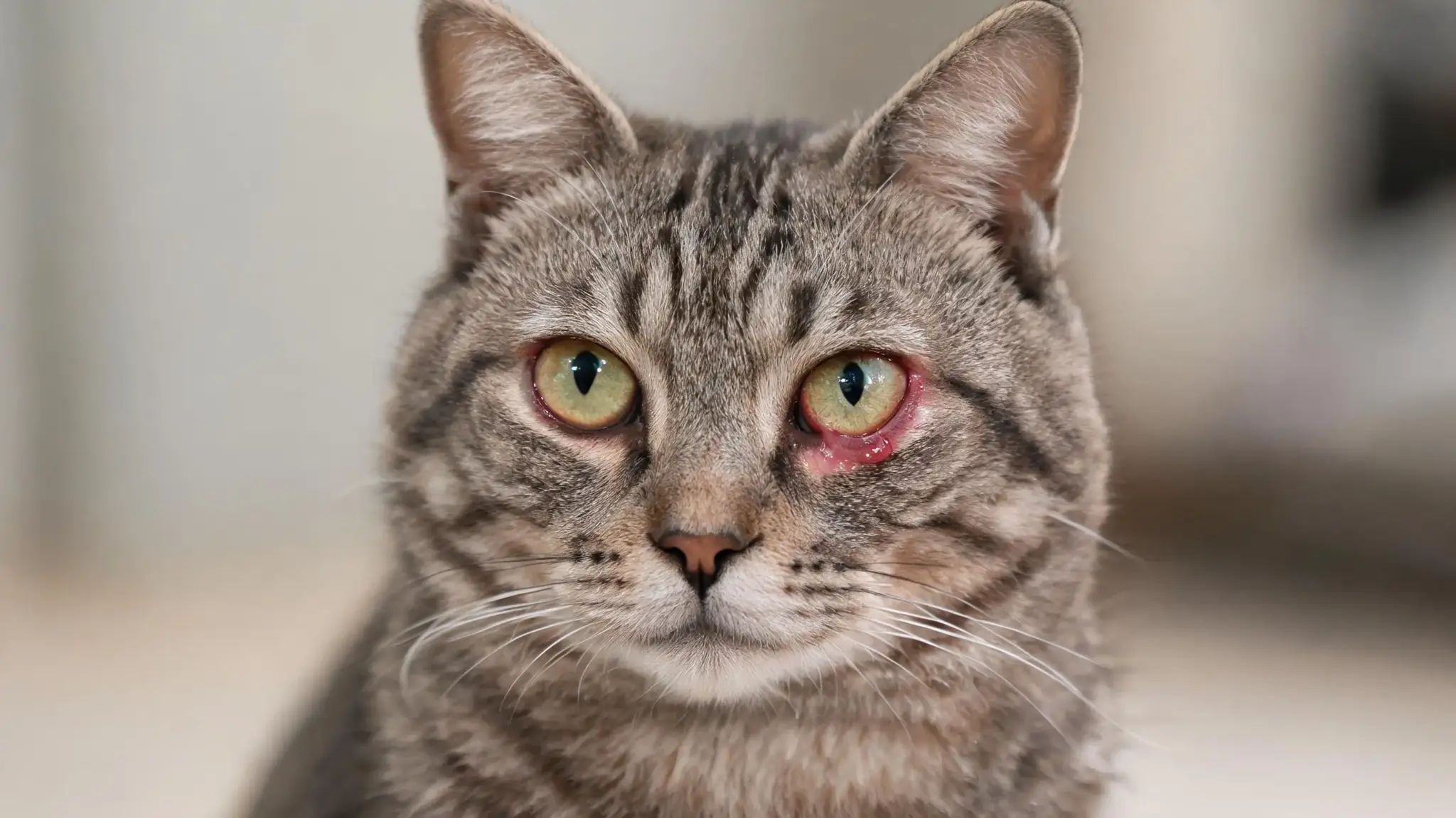
- Look briefly at the eyes, mouth, coat, breathing, and posture.
Afternoon
- Offer a short, low-impact play session.
- Confirm that food, water, beds, and litter boxes remain accessible.
- Check that resting places are warm and stable.
- Offer attention without forcing contact.
- Record unusual coughing, vomiting, hiding, crying, or movement.
Evening
- Serve the next measured meal when required.
- Scoop the litter box again if needed.
- Brush gently if your cat accepts it.
- Turn on soft night-lights along walking routes.
- Keep essential resources close to a cat that moves less after dark.
These brief checks provide a clearer picture than an occasional long inspection. Record persistent changes and share them with your veterinarian.
Feeding and Hydration for Senior Cats
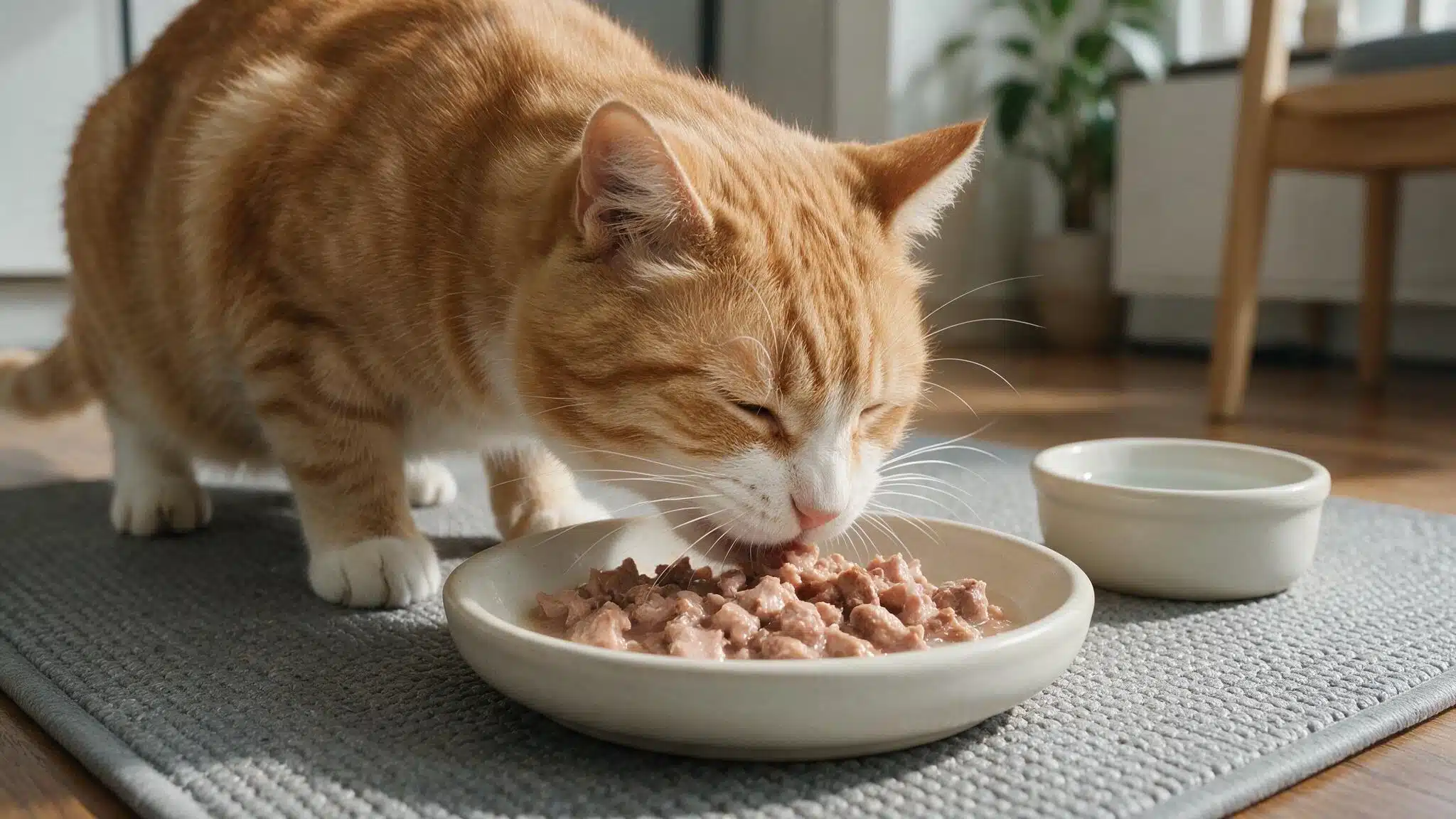
There is no single food that suits every older cat. Calories, nutrients, texture, and portion size should reflect health, body condition, and eating ability.
1. Choose Food Based on Health
A healthy senior cat shouldn’t automatically be switched to a low-protein or restricted diet; that’s a common misstep.
Kidney disease, diabetes, obesity, dental disease, and low body weight can all call for very different feeding plans.
Talk to your vet about calories, protein, meal texture, and whether a therapeutic food actually makes sense for your cat. If a prescription diet is recommended, use it only for the cat and condition it was prescribed for, and measure daily portions so a change in appetite doesn’t slip by unnoticed.
2. Make Eating Easier
Place food somewhere your cat doesn’t need to climb or jump to reach. A wide, shallow, nonslip dish can be more comfortable for some cats. Dental pain, nausea, and a reduced sense of smell can all lower interest in food.
Gently warming wet food may help bring out its smell, but persistent appetite loss calls for a vet visit, not another round of food swaps. Cats that stop eating can get seriously ill surprisingly fast.
3. Provide Accessible Water
Fresh water in several quiet spots works better than one bowl in a busy area. Wide, stable, easy-to-reach bowls help, and a fountain can be a nice option if your cat already enjoys moving water and can use it safely.
Wet food adds some moisture, but it’s not a substitute for accessible fresh water. Increased thirst or unusually large urine clumps can be linked to kidney disease, diabetes, or other conditions worth ruling out.
Making the Home Safer and More Comfortable
Reduced strength, sight, or confidence can turn familiar furniture and flooring into obstacles. Focus on changes that improve access without rearranging everything at once.
| Home Area | Helpful Change | Why It Helps |
|---|---|---|
| Living room | Add nonslip rugs and pet steps | Reduces slipping and difficult jumps |
| Bedroom | Provide a warm padded bed | Supports comfortable rest |
| Feeding area | Keep bowls at floor level | Removes the need to climb |
| Litter area | Use a low-entry box | Helps cats with stiff joints |
| Hallways | Clear clutter and add night-lights | Supports vision and awareness |
| Stairs | Add traction or restrict access | Reduces falls |
| Windows | Add a stable ramp or low perch | Keeps a familiar view accessible |
| Multi-cat areas | Provide separate resources | Reduces guarding and competition |
Keep food, water, a bed, and a litter box on every floor your cat regularly uses. Test ramps and steps to make sure they cannot wobble or slide.
How to Keep an Older Cat Active and Engaged
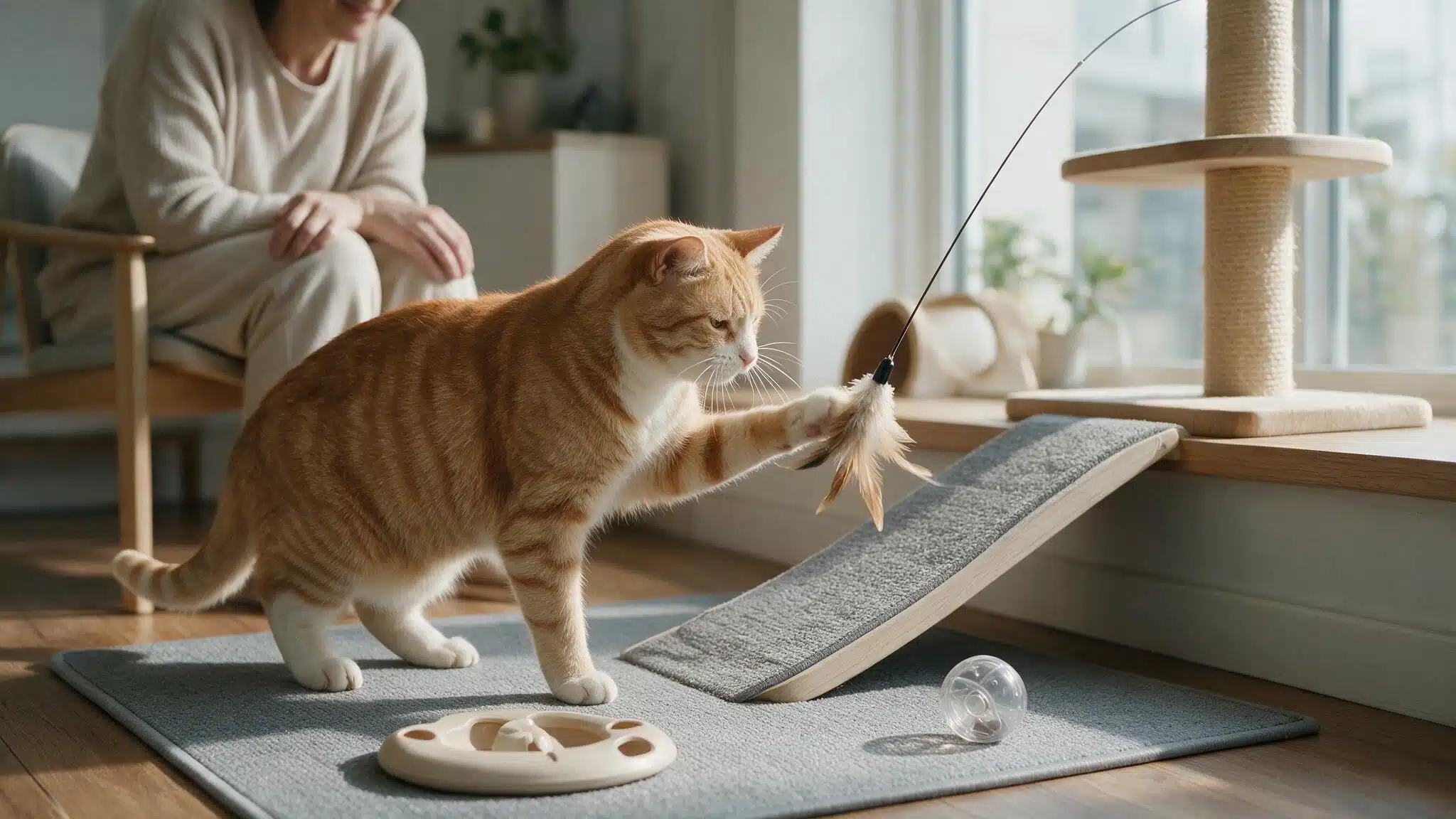
Older cats still benefit from movement, familiar routines, and social contact, just matched to their comfort and stamina. A brief play session with a slowly moving wand toy, a rolling toy, a simple food puzzle, or a nearby treat search can go a long way.
Keep play on a non-slip surface and skip forced jumps, sharp turns, or long sessions; comfortable movement is the goal here, not exhaustion. Ramps, steps, or lower perches can help your cat keep reaching a favorite window, couch, or bed on their own terms.
Change one thing at a time if rearranged furniture seems to cause confusion. Some cats want more company as they age; others prefer more quiet time.
Sit nearby and let your cat choose the contact. Sudden withdrawal, unusual clinginess, or a refusal to move can point to pain, sensory loss, anxiety, or illness, worth mentioning to your vet rather than assuming it’s just a mood.
Health Changes Worth Tracking
A simple written record can show patterns that are difficult to notice from one day to the next, but there are some things you should watch for.
| What to Track | How Often | Concerning Change |
|---|---|---|
| Appetite | Daily | Refusing food or sudden hunger |
| Water intake | Daily | Drinking much more or less |
| Urine and stool | At each cleaning | Straining, blood, diarrhea, or constipation |
| Weight | Weekly or as advised | Unplanned gain or loss |
| Movement | Daily | Limping, falling, or failed jumps |
| Breathing | Daily at rest | Effort, rapid breaths, or open-mouth breathing |
| Grooming | Several times weekly | Mats, greasy fur, or neglect |
| Behavior | Daily | Hiding, aggression, confusion, or crying |
| Sleep | Daily | Restlessness or nighttime pacing |
Bring your notes, food details, medicine list, and short videos of unusual behavior to veterinary appointments. Videos can show a limp, cough, or episode that does not appear at the clinic.
Emergency Signs in a Senior Cat
Some changes require immediate help rather than observation until the next scheduled appointment. Contact a veterinarian or emergency clinic for:
- Open-mouth breathing, gasping, or severe breathing trouble
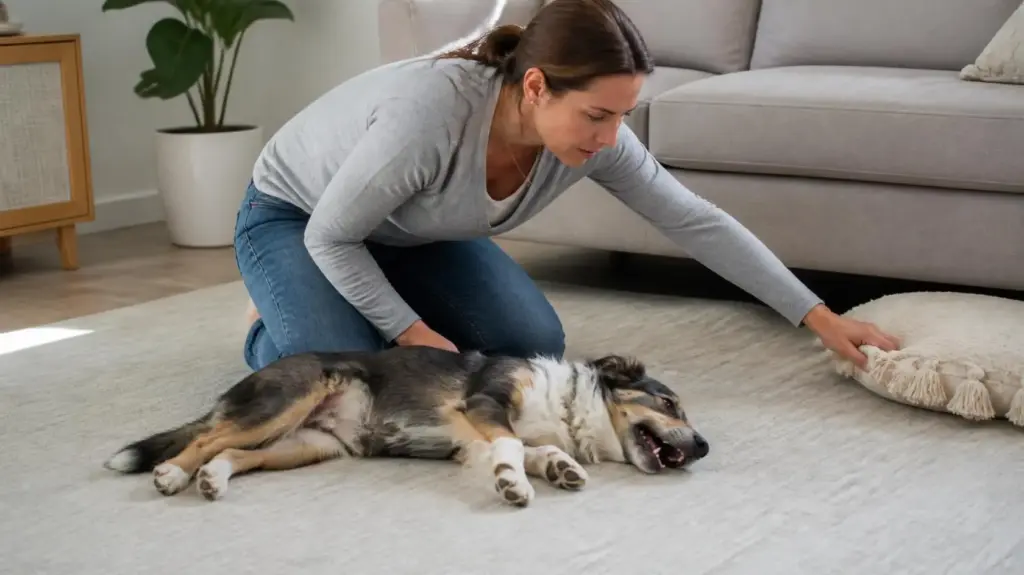
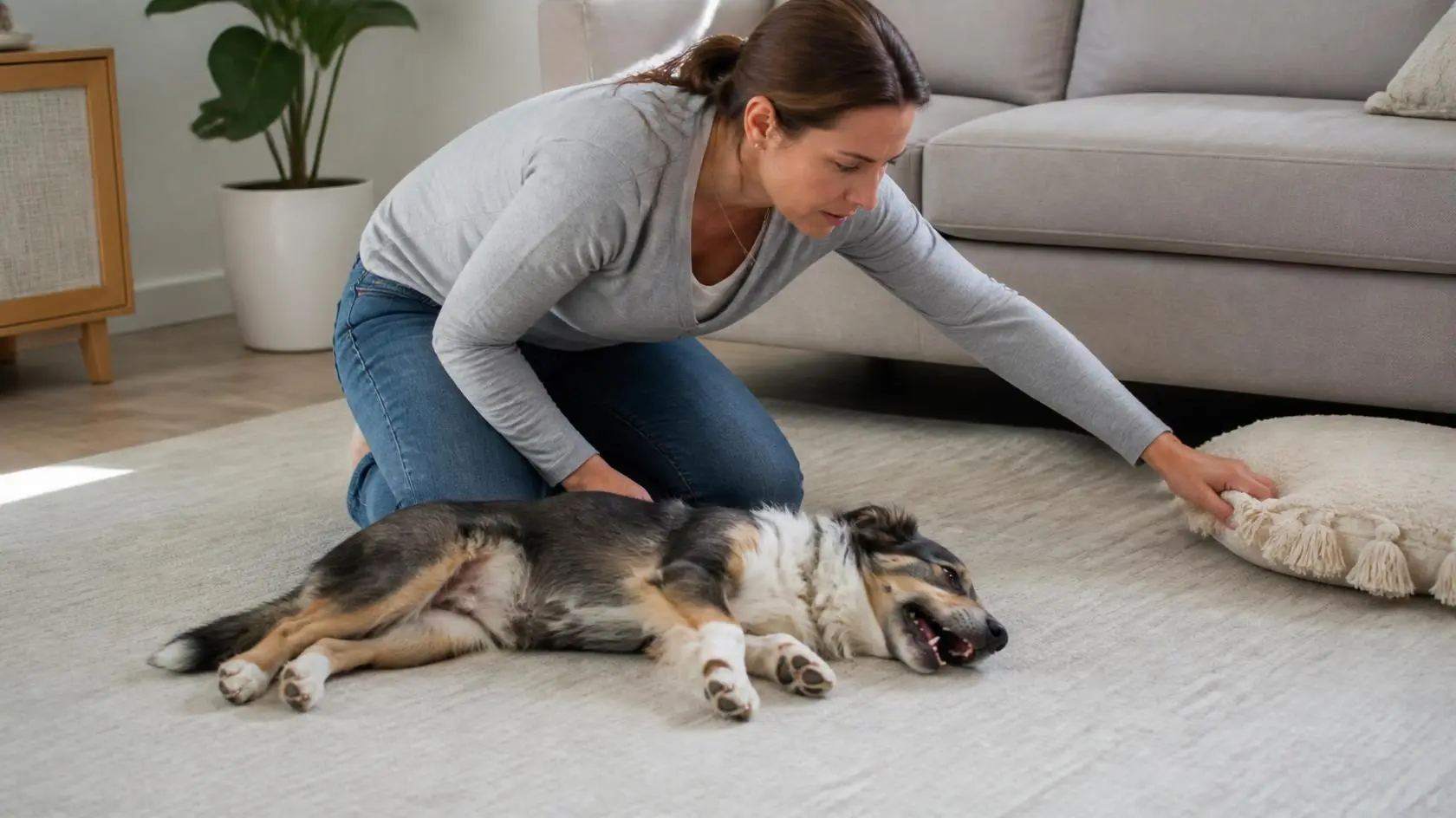
- Collapse, seizures, fainting, or inability to stand
- Straining to urinate with little or no urine
- Repeated vomiting with weakness, pain, or distress
- Sudden paralysis, dragging legs, or loss of balance
- Heavy bleeding or a serious injury
- Suspected poisoning or medicine overdose
- Pale, blue, gray, or yellow gums
- Sudden blindness or severe disorientation
- Continuous crying or signs of intense pain
If your cat is showing any of these signs, don’t wait to see if it improves. Don’t give food, medicine, or home treatments unless a clinic specifically instructs you to. Call ahead while you arrange safe transport, this list covers the most common emergencies, but it isn’t exhaustive, and any sudden, severe change is worth an urgent call rather than a guess.
Veterinary Care and Medication Safety
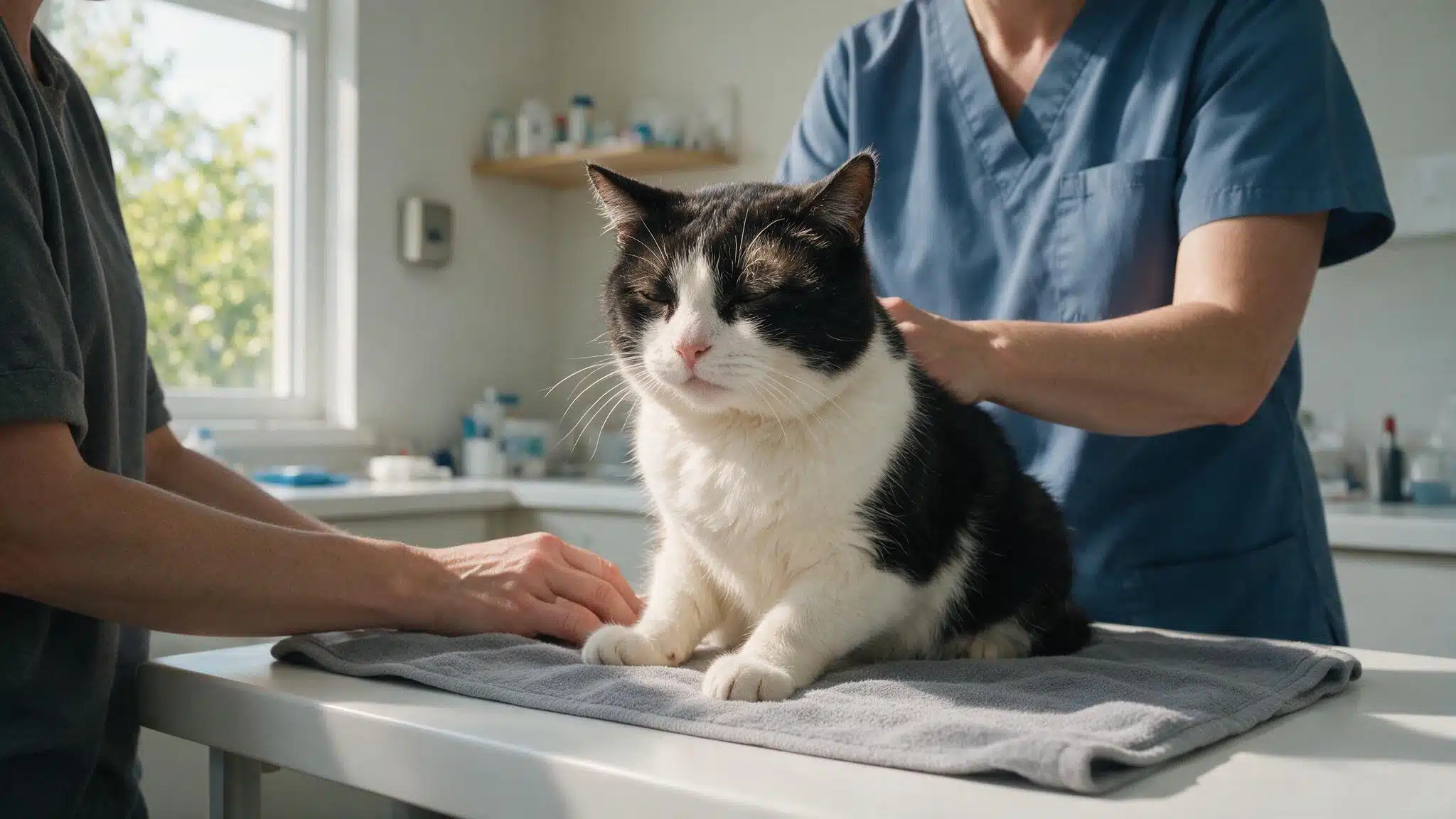
The AAFP senior care guidelines recommend veterinary examinations at least every six months for senior cats aged 10 to 15. Healthy cats older than 15 may need more frequent checks. The schedule should reflect your cat’s health and risk factors.
An examination may cover weight, muscle condition, teeth, heart, joints, eyes, skin, and blood pressure. Blood tests, urinalysis, thyroid testing, or other screening may be advised. Regular results create a useful baseline, but they cannot guarantee that every disease will be prevented.
Older cats may process medicine differently when kidney or liver function changes. Follow the prescribed dose and schedule, and ask before crushing tablets or opening capsules. The FDA warns that acetaminophen can be fatal to cats. Ibuprofen and other human pain medicines may also cause serious harm.
Review every supplement with your veterinarian because products for joints, calming, or kidney support may interact with medicine.
How to Check Quality of Life
Quality of life comes down to daily comfort and function, not age or a diagnosis on its own. It can help to sit with these questions regularly, rather than only when things feel urgent:
- Can your cat rest and breathe comfortably?
- Can your cat eat, drink, and use the litter box without distress?
- Can your cat stand, walk, and remain reasonably clean?
- Does prescribed pain support appear to help?
- Does your cat still respond to familiar people, food, windows, or routines?
- Are calm periods more common than distressed periods?
- Are confusion and anxiety manageable?
- Are difficult days becoming more frequent?
Marking each day as comfortable, mixed, or difficult over a week or two can reveal a pattern that’s hard to see day by day. Bring that pattern to your veterinarian and talk openly about what you’re noticing; starting that conversation early gives you more room to consider your options calmly, rather than facing a decision in the middle of a crisis.
A gentle note: these questions are meant to support an honest conversation with your vet, not to replace one. Only your veterinarian, working from your cat’s full history and a hands-on exam, can help you weigh what these changes actually mean for your specific cat.
Common Senior Cat Care Mistakes
Well-meant choices can delay treatment or make everyday tasks harder; it is better to know the mistakes you might make with your senior cat.
| Mistake | Better Approach |
|---|---|
| Blaming every change on age | Report new physical or behavioral changes |
| Waiting for severe symptoms | Track small changes and seek timely care |
| Changing food without advice | Ask about calories, nutrients, and texture |
| Giving human medicine | Use only veterinarian-approved products |
| Keeping one high-sided litter box | Add accessible low-entry boxes |
| Free feeding without measuring | Measure portions and monitor intake |
| Moving every resource at once | Keep important locations familiar |
| Forcing play or affection | Offer choices and stop at discomfort |
| Ignoring mouth changes | Arrange a dental examination |
| Using unchecked supplements | Review every product with a veterinarian |
Close observation does not mean inspecting your cat constantly. A calm routine and early communication with the veterinary clinic are more useful.
Final Note
Helpful senior cat care often comes down to small, steady changes: a low-entry litter box, an extra water bowl, a warm bed, better floor traction, and meals placed within easy reach. A short daily routine helps you catch shifts in appetite, movement, grooming, sleep, or behavior while they’re still small.
More rest and slower movement can be a normal part of aging, but pain, weight loss, confusion, breathing trouble, and litter box changes should never be brushed off. Write down new changes rather than waiting to see if they get worse.
If it’s been a while, this is a good moment to schedule a senior wellness visit and ask your veterinarian to help build a home-care plan around your cat’s current health, habits, and comfort.
Frequently Asked Questions
Should a Senior Cat Use a Heated Bed?
Gentle warmth may comfort some cats. Choose a pet-safe, temperature-controlled bed that is easy to leave. Cats with poor mobility or reduced sensation need closer supervision because they may not move away when overheated.
Why Is My Older Cat More Vocal at Night?
Nighttime calling may relate to confusion, sensory loss, pain, hunger, anxiety, thyroid disease, or high blood pressure. Record when it happens and arrange a veterinary examination rather than assuming age is responsible.
Should an Older Cat Be Kept Indoors?
Indoor living reduces exposure to traffic, predators, infectious disease, and harsh weather. A secure enclosure or supervised outdoor time may offer stimulation when the cat can use the area safely and comfortably.
Can a Senior Cat Still Receive Vaccinations?
Yes. Vaccination decisions depend on health history, lifestyle, exposure risk, local requirements, and current medical condition. A veterinarian should assess the individual cat rather than stopping vaccines solely because of age.