

Your dog cries out when you pick him up. He won’t take the step up to the couch he usually bounds onto. His back legs look a little wobbly, like he’s not quite sure where they are.
It’s easy to brush this off as a strain, a rough game of fetch, a weird sleeping position. We get it, nobody wants to overreact over a little stiffness.
But sometimes that “little stiffness” is actually IVDD, and it’s exactly the kind of thing where a same-day call to your vet beats a wait-and-see approach.
IVDD (intervertebral disc disease) can show up as anything from mild neck tenderness to real weakness, trouble with the bladder, or even paralysis. Because things can change fast, knowing the warning signs and when they mean “get to the vet now” can make all the difference for your dog.
Here’s what IVDD actually is, what to watch for, how vets figure out how serious it is, when surgery might be needed, and what recovery really looks like at home.
What Should You Do if You Suspect IVDD?
Restrict your dog’s movement and contact a veterinarian promptly. If your dog can’t stand, is dragging a limb, has lost bladder control, or is getting weaker by the hour, this is an emergency, not a “let’s see how tomorrow goes” situation.
While arranging care:
- Place your dog in a crate, carrier, or small enclosed space.
- Stop running, jumping, climbing stairs, playing, and give access to furniture.
- Support the chest and hindquarters when lifting.
- Use a firm carrier or flat surface for transportation.
- Do not massage, stretch, or manipulate the painful area.
- Do not give human pain medication.
These actions limit unnecessary spinal movement, but they do not replace veterinary diagnosis and treatment.
What is IVDD in Dogs?
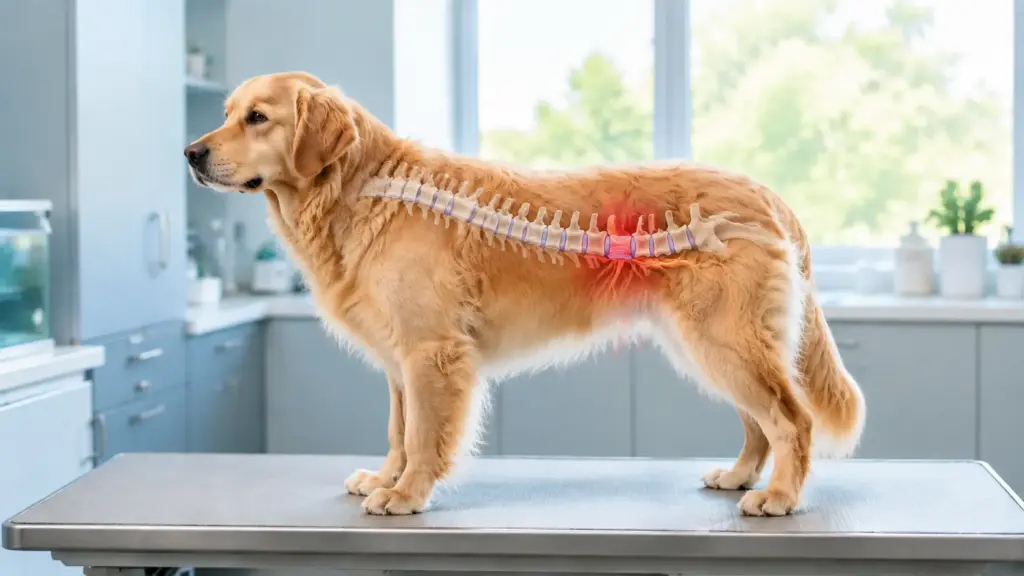
Think of the discs between your dog’s vertebrae as little cushions that let the spine bend and absorb shock. IVDD happens when one or more of those discs degenerate, bulge, or rupture. When damaged disc material pushes into the spinal canal, it can put painful pressure on the spinal cord and nerves nearby.
There are two general patterns:
Hansen Type I occurs when hardened disc material breaks through its outer layer. It can cause sudden pain, weakness, or paralysis, especially in breeds such as Dachshunds, Beagles, French Bulldogs, Corgis, and Pekingese.
Hansen Type II involves gradual bulging of the disc’s outer layer. Symptoms often progress more slowly and are commonly reported in middle-aged or older large dogs.
Age and breed cannot confirm the type, so veterinary assessment and imaging may be necessary.
What are the Symptoms of IVDD in Dogs?
Every dog shows IVDD a little differently, depending on where the pressure is and how severe it becomes. Some dogs are just sore. Others develop real weakness, bladder trouble, or paralysis.
| Affected Area | Signs You May Notice | Response |
|---|---|---|
| Neck | Lowered head, neck stiffness, muscle spasms, pain when lifted, weakness in multiple limbs | Prompt veterinary assessment |
| Back | Arched posture, wobbling, crossed hind legs, knuckled paws, scraped toenails | Same-day assessment |
| Loss of mobility | Falling, dragging limbs, inability to stand or walk | Emergency care |
| Severe neurological loss | Paralysis, urinary dysfunction, possible loss of pain perception | Immediate emergency care |
Keep your dog still and contact a veterinarian if these signs appear. Limb dragging, paralysis, bladder problems, or rapidly worsening weakness require emergency care.
When is IVDD an Emergency?
Spinal pain requires veterinary attention, but certain neurological changes demand immediate care. Treat the situation as an emergency if your dog:
- Cannot stand or walk without help
- Drags one or more limbs
- Develops rapidly worsening weakness
- Loses voluntary limb movement
- Cannot urinate or empty the bladder
- Has severe pain that does not settle
Do not pinch your dog’s toes to test deep pain at home. Pulling the leg away may be an automatic spinal reflex rather than proof that the dog consciously feels pain. A veterinarian must perform and interpret this examination.
How Quickly Can IVDD Progress?
The speed of progression varies. Some dogs remain painful but able to walk, while others decline from mild wobbling to an inability to stand within hours.
Acute disc extrusion generally causes faster changes than a gradually protruding disc, but symptoms cannot confirm the injury type.
A dog that can still walk may have meaningful spinal cord compression. Any decline in balance, strength, voluntary movement, or bladder function should be reported immediately.
Waiting to see if serious weakness passes on its own can delay imaging and treatment. Prompt assessment is especially important when symptoms are changing over a short period.
Which Dogs are Most at Risk of IVDD?
Some dogs are more likely to develop IVDD because of inherited disc degeneration, body structure, or age. Previous spinal problems and excess body weight can also affect the likelihood of future symptoms.
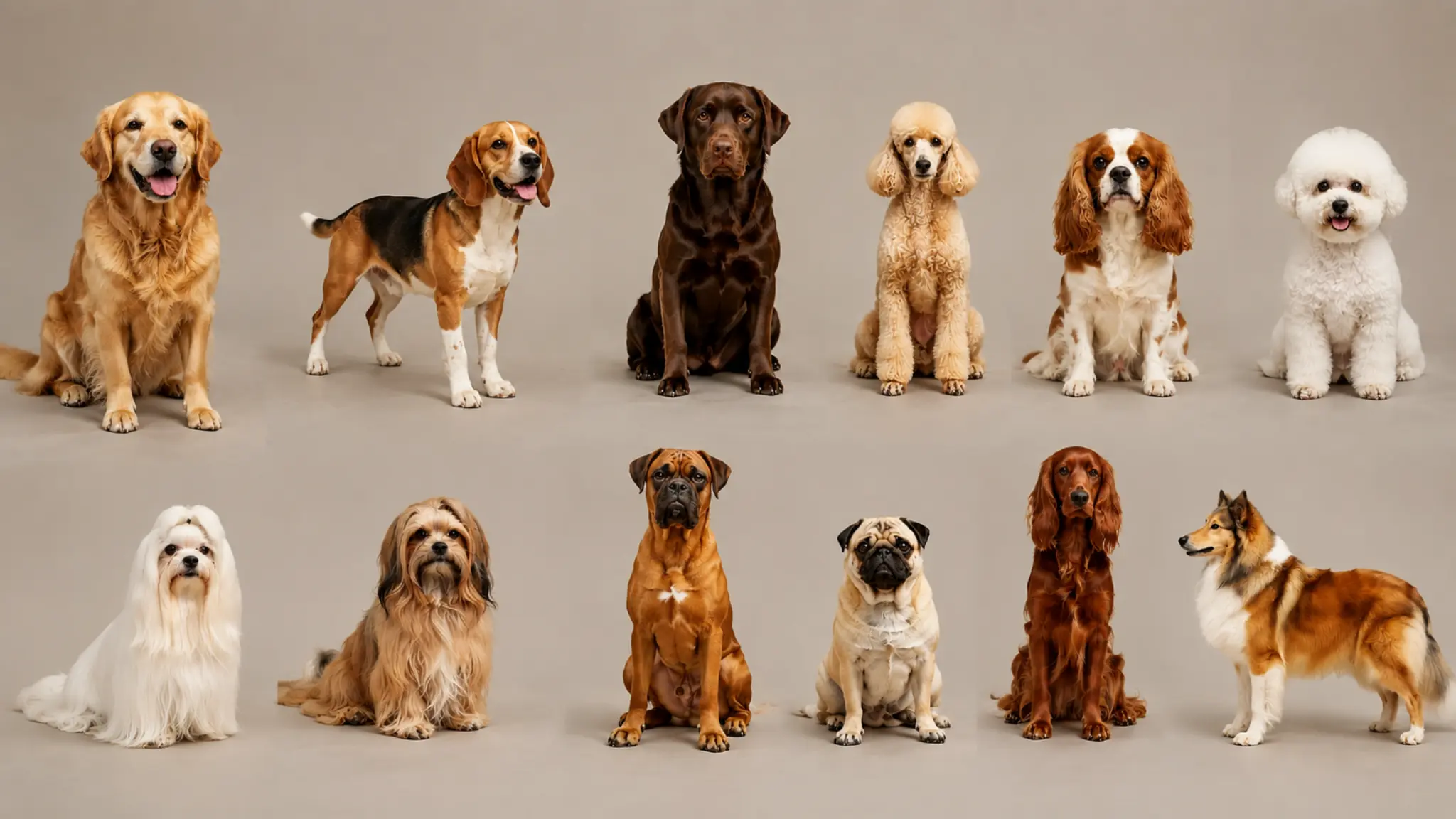
- Frequently affected smaller breeds: Dachshunds, Beagles, French Bulldogs, Corgis, Basset Hounds, Pekingese, Shih Tzus, Lhasa Apsos, Cocker Spaniels, and small Poodles
- Larger breeds: German Shepherd Dogs and Doberman Pinschers may develop slower disc protrusions later in life
- Other considerations: Previous IVDD episodes and poor body condition can complicate long-term management
Breed risk does not mean a dog will develop IVDD. Jumping and stairs may strain a healing spine, but inherited disc changes remain a major factor in predisposed dogs, several of which also show up among breeds known for a calmer daily pace.
How Do Veterinarians Diagnose IVDD?
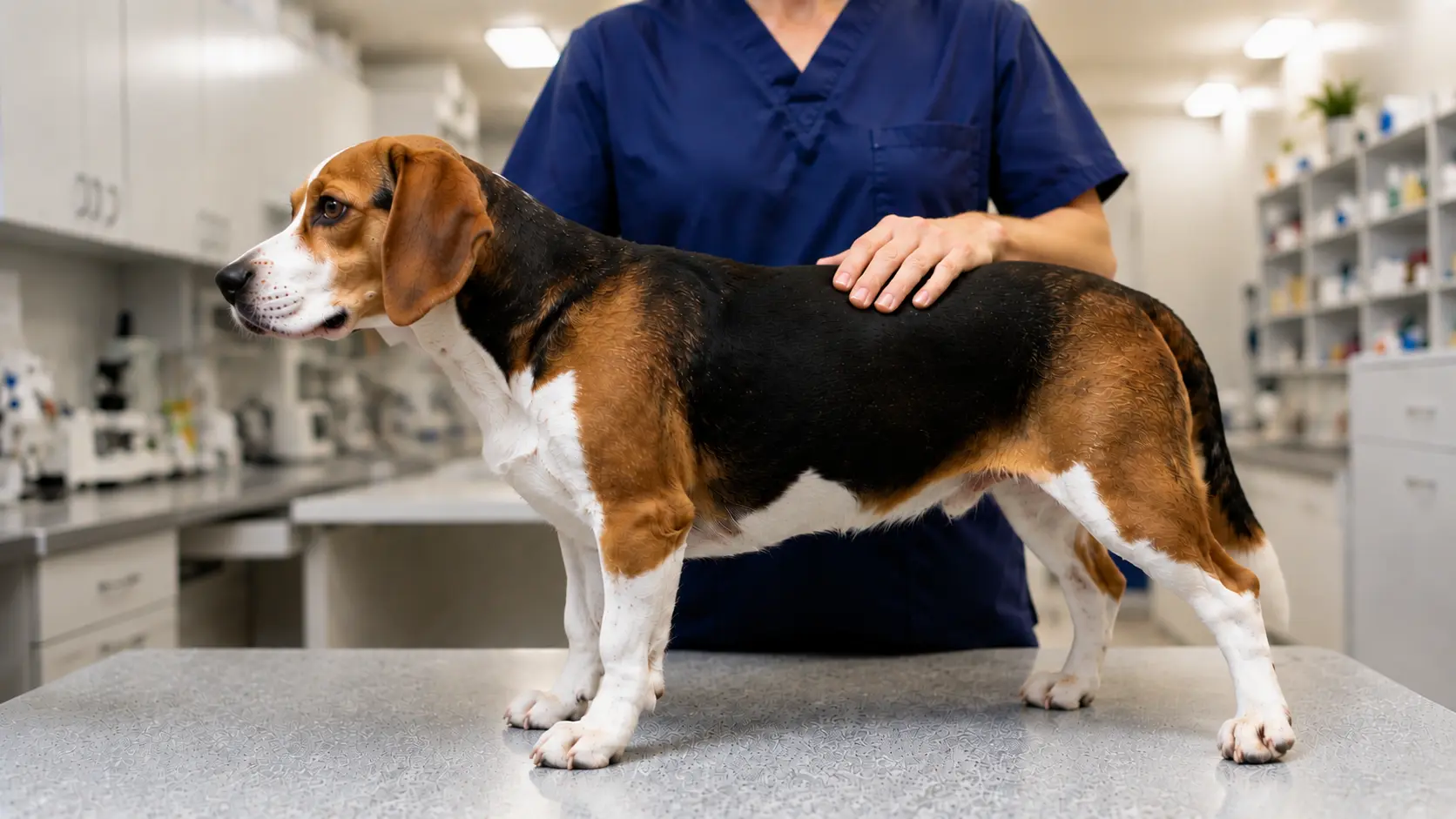
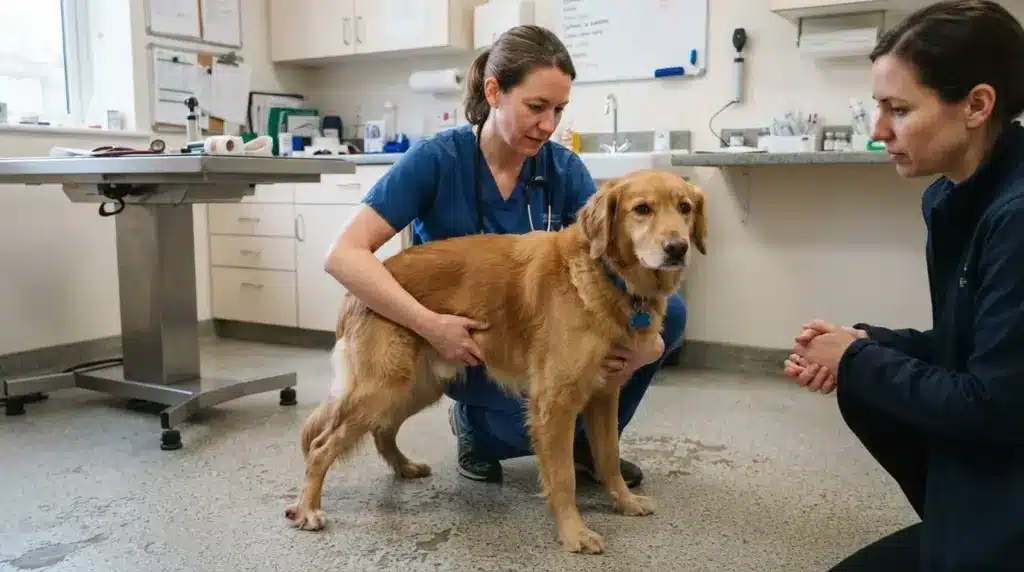
Diagnosis starts with a physical and neurological examination. The veterinarian checks spinal pain, walking ability, reflexes, paw placement, voluntary movement, bladder function, and conscious pain perception.
Additional testing may include:
- X-rays: May show calcified discs, fractures, or bone changes but cannot reliably confirm spinal cord compression.
- MRI: Provides detailed images of the spinal cord, discs, and surrounding tissue.
- CT scan: Helps identify mineralized disc material and locate the injury.
- Blood tests: Assess general health and anesthesia safety.
Mild cases may not require advanced imaging. However, significant weakness, paralysis, or planned surgery commonly requires MRI or CT imaging.
The tests a veterinarian recommends depend on the dog’s symptoms, neurological findings, and overall condition. Not every dog with suspected IVDD requires advanced imaging, and the diagnostic approach may change as the condition progresses.
What are the Stages of IVDD in Dogs?
Veterinary hospitals use several grading systems, so the exact terminology may vary. A common five-grade framework describes the progression from spinal pain to severe neurological loss.
| General Grade | Typical Function | Possible Treatment Direction |
|---|---|---|
| Grade 1 | Spinal pain without weakness | Medical management may be considered |
| Grade 2 | Walking but weak or uncoordinated | Medical or surgical care, depending on findings |
| Grade 3 | Unable to walk, but voluntary movement remains | Surgery may be strongly considered |
| Grade 4 | Paralysis with deep pain perception | Urgent surgical consultation |
| Grade 5 | Paralysis without deep pain perception | Severe emergency with a guarded prognosis |
Deep pain perception is a conscious response to a strong stimulus, not an automatic withdrawal reflex. Only a veterinary professional should assess it.
How is IVDD in Dogs Treated?
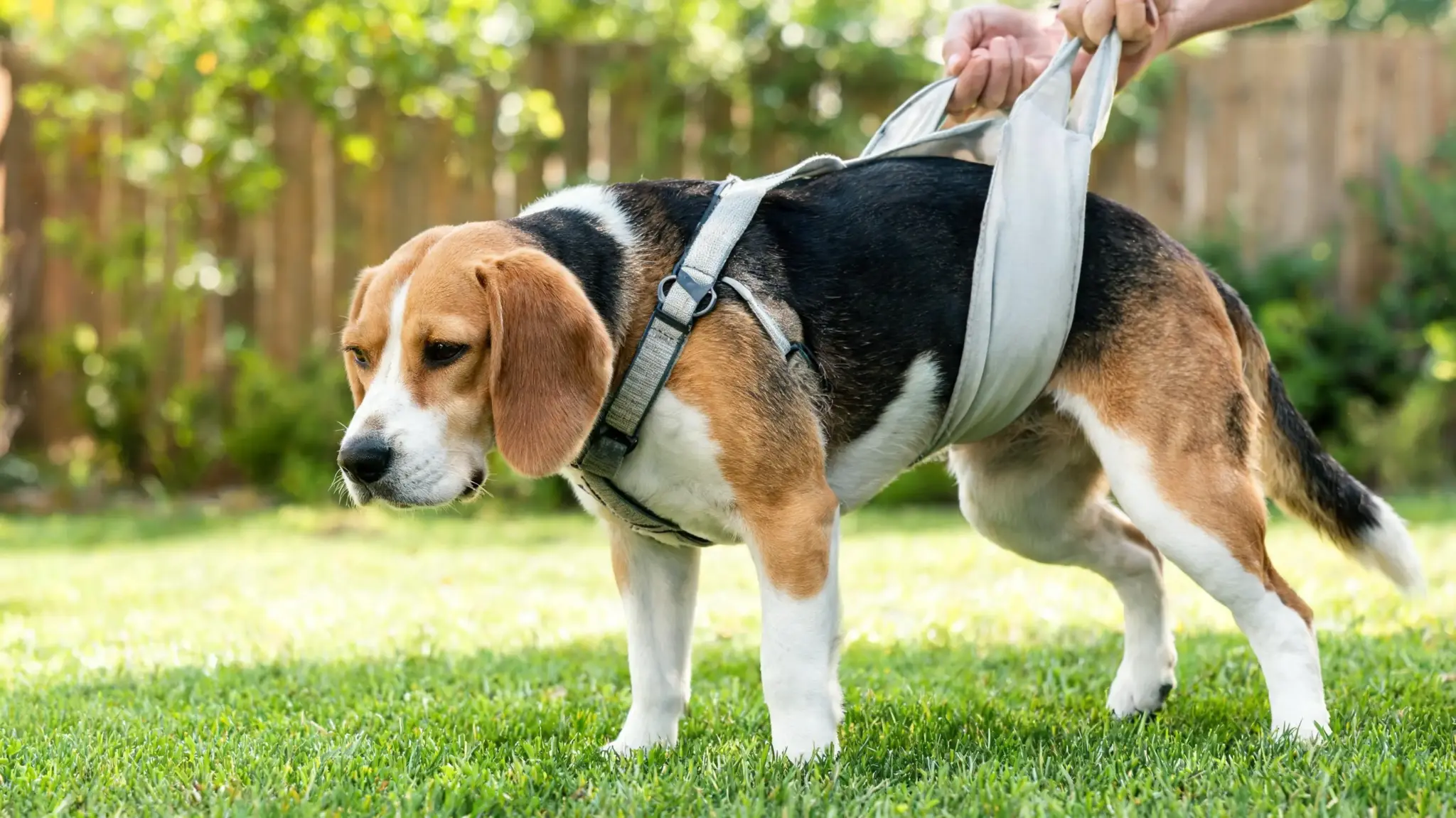
Treatment depends on pain severity, walking ability, neurological grade, symptom progression, imaging findings, previous episodes, and general health. Care may include strict rest, medication, bladder support, rehabilitation, or surgery.
1. Strict Rest
Strict rest limits spinal movement while the injured disc stabilizes. The dog should remain in a small crate or recovery pen except for controlled toilet trips, and owners planning for longer stretches of confined rest often have questions about how much time is actually reasonable.
Running, jumping, stairs, play, furniture access, and unrestricted walking must stop for the period prescribed by the veterinarian.
2. Prescribed Medication
Veterinarians may prescribe pain relief, anti-inflammatory medicine, or muscle relaxants. These medications improve comfort but do not remove disc material pressing on the spinal cord.
Corticosteroids and nonsteroidal anti-inflammatory drugs should not be combined unless a veterinarian manages the change.
3. Bladder and Nursing Care
Dogs that cannot empty their bladder may need manual expression or catheter care. A veterinary professional should demonstrate the correct method.
Dogs with limited movement also need clean bedding, regular skin checks, and help changing position to reduce urine scald and pressure sores, since skin breakdown left unchecked can progress toward the kind of wound signs that need their own veterinary attention.
4. Physical Rehabilitation
Rehabilitation may include assisted standing, controlled movement, passive joint exercises, or underwater treadmill sessions. The appropriate exercises and starting time depend on injury severity and treatment type.
A veterinarian or qualified canine rehabilitation professional should approve and monitor the program.
Note: The most appropriate treatment varies with the dog’s neurological status, imaging results, overall health, and response to therapy. A veterinarian will tailor the treatment plan and adjust it as recovery progresses.
Can a Dog Recover from IVDD without Surgery?
Yes, some dogs can recover without surgery when their symptoms are mild, stable, and responsive to treatment. Medical care is more likely to be considered when the dog can still walk, pain is controlled, bladder function remains normal, and strict confinement is possible.
Surgical assessment becomes more important when a dog:
- Loses the ability to walk
- Develops worsening weakness
- Experiences repeated or uncontrolled pain
- Cannot urinate normally
- Loses voluntary limb movement
- Fails to improve with medical care
The Merck Veterinary Manual states that dogs with minimal to moderate signs may recover with several weeks of rest and prescribed medication. However, signs can return after medical treatment.
Visible improvement does not mean that normal activity can resume. Pain medication may make the dog feel better before the injured disc has stabilized, so the full restriction period remains necessary.
Whether surgery is appropriate depends on the dog’s neurological examination, imaging findings, symptom progression, and response to medical treatment. A veterinarian should reassess any dog whose condition worsens or fails to improve.
When Does a Dog Need IVDD Surgery?
A dog may need IVDD surgery when walking ability declines, pain becomes unmanageable, or imaging confirms serious spinal cord compression. The remaining neurological function helps determine how urgently the procedure should be performed.
- When it is needed: Inability to walk, paralysis, lost pain perception, uncontrolled pain, severe compression, or failed medical treatment
- What it does: Removes disc material pressing on the spinal cord
- Common procedures: Hemilaminectomy for back injuries or ventral slot surgery for some neck injuries
- Urgency: Rapid neurological decline requires immediate specialist assessment
- Possible risks: Bleeding, infection, urinary problems, continued weakness, or failure to regain movement
Surgery can relieve spinal cord pressure, but recovery still depends on injury severity and remaining pain perception. It cannot guarantee normal movement or prevent another weakened disc from herniating later.
What is the Prognosis for Dogs with IVDD?
Prognosis depends mainly on neurological function at diagnosis. Walking ability, deep pain perception, progression speed, spinal cord compression, treatment timing, and complications all affect recovery.
| Prognostic Factor | Why It Matters |
|---|---|
| Ability to walk | Usually indicates less severe neurological damage |
| Deep pain perception | Its presence supports a better chance of recovery |
| Speed of decline | Rapid deterioration may indicate a serious injury |
| Complications | Urinary problems, pressure sores, or myelomalacia can worsen the outcome |
According to the American College of Veterinary Surgeons, about 90% of dogs retaining pain perception regain limb use after surgery. The reported rate falls to 50% to 60% when pain perception has been completely lost.
Severe injuries can cause permanent paralysis, but some dogs regain useful movement. IVDD has no fixed effect on lifespan; long-term outcomes depend on comfort, mobility, bladder health, and complications.
What Does IVDD Recovery Look Like?
Recovery can take weeks or months depending on how severe the injury was, the treatment path, and any complications. Every dog’s timeline looks a little different, so activity should only increase with your vet’s go-ahead.
- First few days: Strict rest, pain relief, neurological monitoring, incision checks, and bladder support if needed
- Weeks 1–4: Controlled bathroom breaks, medication, skin checks, prescribed rehab, and follow-up vet visits
- Weeks 4–8 and beyond: Exercise can gradually increase, look for less pain, more voluntary movement, better paw placement, improved balance, and steadier bladder control
Call your vet for renewed pain, worsening weakness, trouble urinating, vomiting, black stool, fever, or any change at the incision site. Sudden loss of walking or bladder control means emergency care, full stop.
How Do You Care for a Dog Recovering from IVDD at Home?
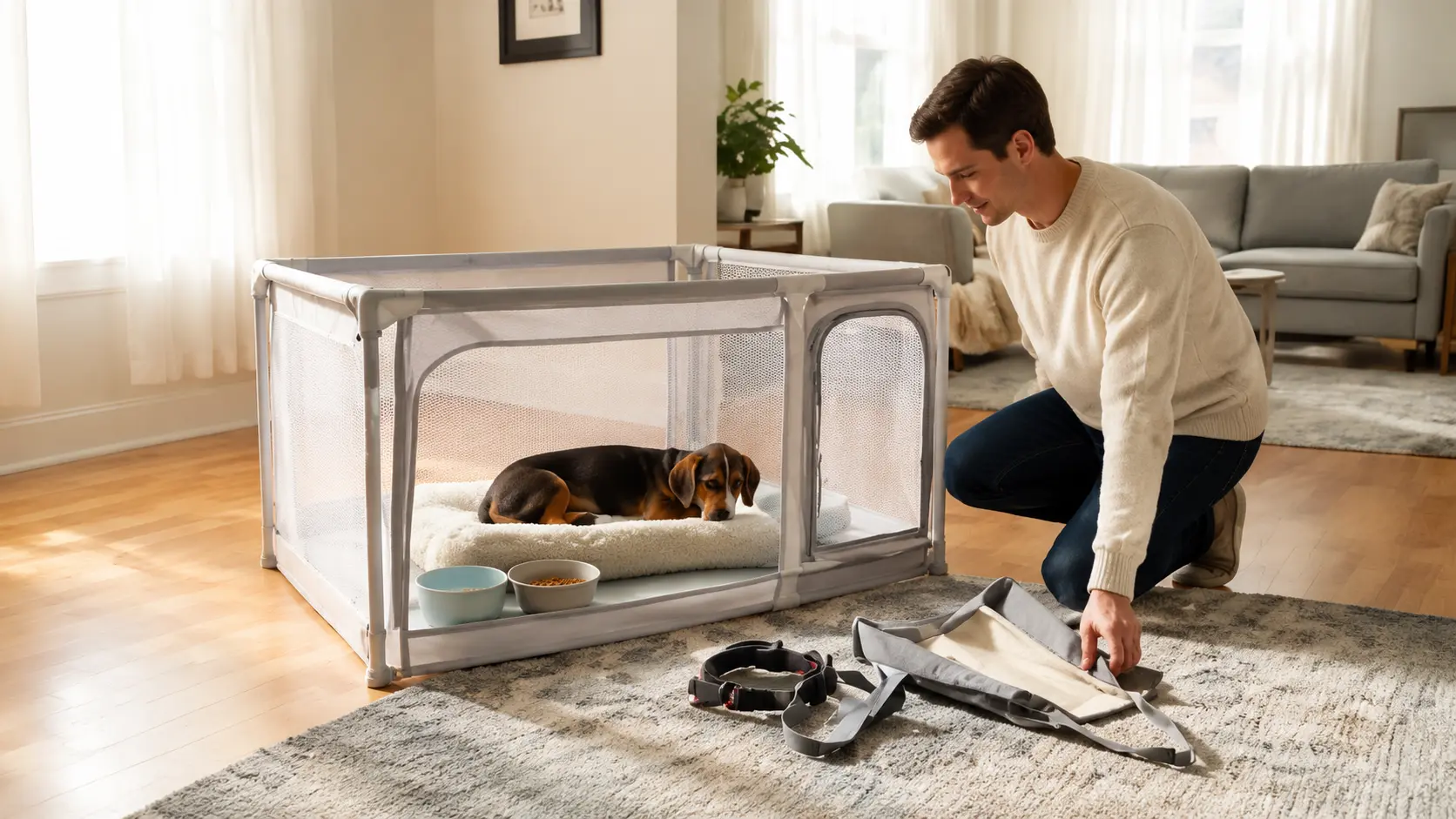
Consistent rest, medication, nursing care, and daily monitoring support recovery. Follow the veterinarian’s instructions closely.
- Set up a small recovery space with clean, padded bedding, food, and water nearby
- Support the chest and rear when lifting; use a sling only if your vet says to
- Give medications on schedule and stick to only the exercises your vet has approved
- Keep an eye on pain, mobility, urination, bowel movements, skin, and any incision
- Use nonslip flooring and don’t skip rechecks
A quick daily note, or even a short video on your phone, can be genuinely useful for your vet in tracking progress and adjusting the plan as your dog heals.
Can IVDD Come Back?
Unfortunately, yes. Treating one herniated disc doesn’t stop degeneration in the others.
The American College of Veterinary Surgeons reports another herniation in about 25% of patients, while Merck reports recurrence in 30–40% of medically managed cases.
The differences in those numbers likely come down to patient groups, injury types, and how long dogs were followed after treatment.
Breed, past episodes, weight, and the number of abnormal discs can all play a role. Nothing guarantees prevention completely, but the steps below can help.
How Can You Reduce Spinal Strain After Recovery?
After veterinary approval, a few home and lifestyle changes may reduce unnecessary spinal strain and make movement safer.
- Maintain a healthy body weight.
- Cover slippery floors with rugs.
- Limit unsupervised stairs and furniture access.
- Use a stable ramp if approved.
- Provide regular, controlled exercise.
- Support the chest and rear when lifting.
These steps cannot prevent every recurrence or reverse disc degeneration. The goal is safe movement, not permanent inactivity. Stop exercise and contact the veterinarian if spinal pain returns.
When is IVDD Too Severe?
Paralysis alone does not automatically mean poor quality of life. Some dogs remain comfortable and engaged with pain control, bladder care, rehabilitation, home support, or a properly fitted mobility cart.
| Consider | What to Assess |
|---|---|
| Comfort | Can pain be controlled? |
| Daily function | Can the dog eat, sleep, and interact normally? |
| Nursing needs | Can bladder, bowel, and skin care be managed? |
| Overall well-being | Are good days more frequent than difficult days? |
Talk openly with your vet about your dog’s day-to-day comfort. If pain, infections, pressure sores, or basic care needs become too much to manage, your vet can walk you through supportive care options and, if it comes to it, help you think through humane decisions with compassion.
Final Thoughts
IVDD in dogs can range from manageable spinal pain to a neurological emergency. Restrict movement and contact a veterinarian if your dog develops sudden neck or back pain, wobbling, weakness, or unusual paw placement.
Loss of walking ability, voluntary movement, or normal bladder function requires emergency assessment.
Some walking dogs recover with strict rest and medication, while severe or worsening cases may need imaging and surgery. Prognosis depends mainly on the neurological function that remains, especially conscious pain perception.
During recovery, careful confinement, prescribed medication, bladder monitoring, approved rehabilitation, and veterinary follow-ups can help protect healing and track progress. If you notice possible IVDD signs, keep your dog still and call your veterinarian for guidance.
Frequently Asked Questions
Can IVDD Develop Without an Injury?
Yes. IVDD often results from gradual disc degeneration rather than a clear accident. Symptoms may appear during normal movement, although physical activity can coincide with a weakened disc rupturing.
Can IVDD Be Mistaken for Arthritis?
Yes. Pain, stiffness, and difficulty standing can resemble arthritis. Wobbling, knuckled paws, limb dragging, or bladder changes suggest neurological involvement and require veterinary assessment.
Can a Dog Travel During IVDD Recovery?
Travel should be limited to necessary veterinary visits unless approved. Keep the dog confined on firm, padded support and prevent unnecessary walking, jumping, or twisting during transportation.
Can IVDD Affect More than One Disc?
Yes. More than one disc may degenerate, although only one may cause current symptoms. Treating an affected disc does not prevent another weakened disc from herniating later.