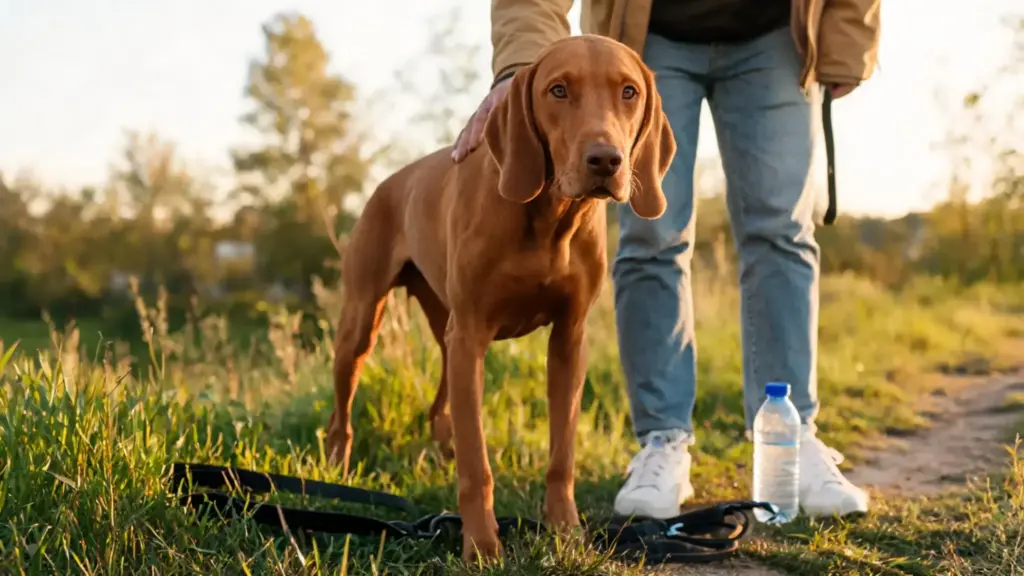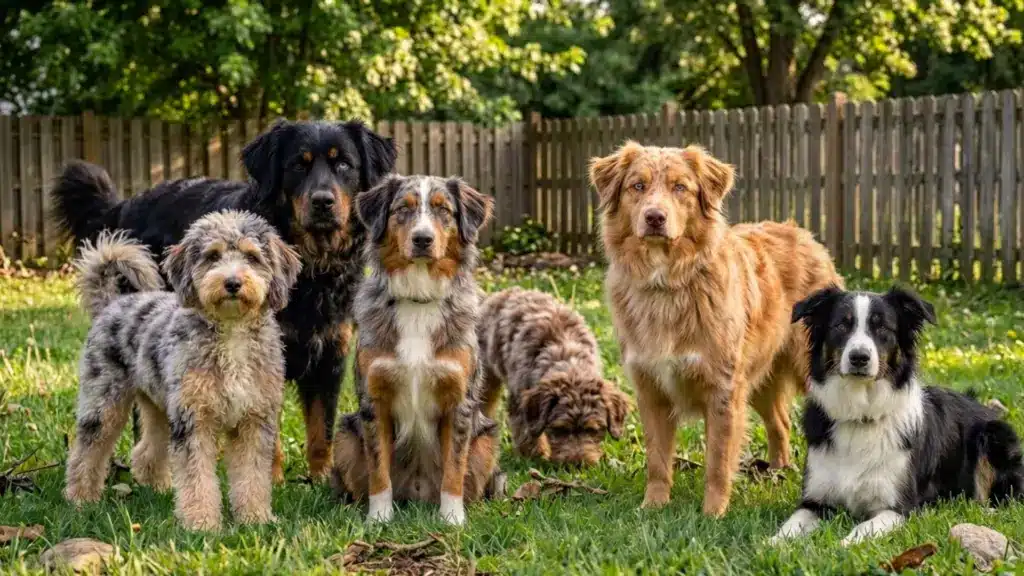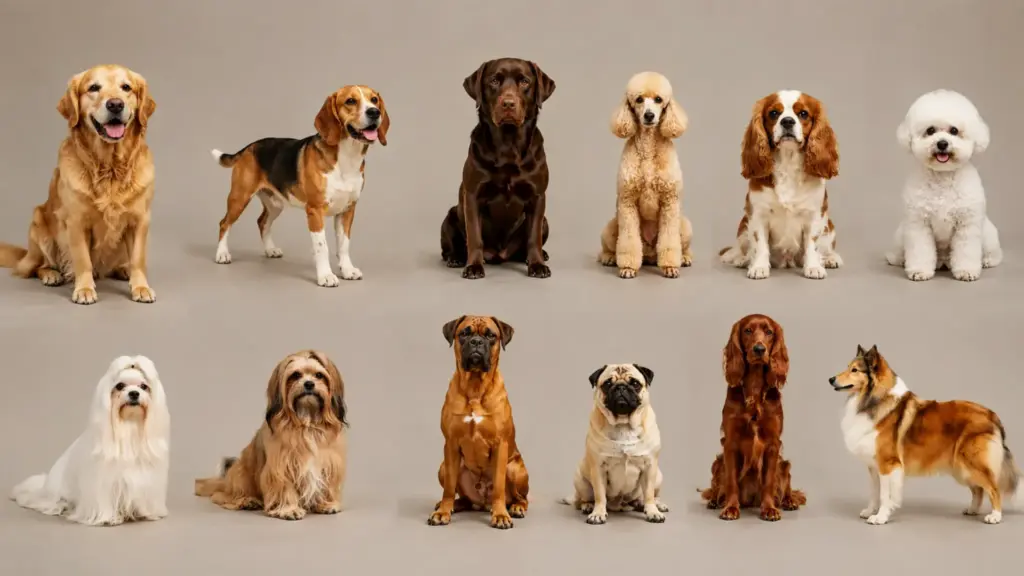
A friendly dog can make family life feel easier, but breed reputation alone cannot predict every individual. The best choice must also suit your children, other pets, available space, and daily routine.
If you are asking what the friendliest dog breed is, the Golden Retriever is a strong all-around recommendation because the breed is typically outgoing, cooperative, and family-oriented.
Labrador Retrievers are a close alternative for active homes, while smaller companion breeds like the Cavalier King Charles Spaniel or Bichon Frise may suit apartments better.
The nicest dog breeds still differ in energy, grooming, size, and comfort around strangers. The comparisons below explain those differences and help you choose based on household fit rather than a friendliness label alone.
What is the Friendliest Dog Breed?
Both the Golden Retriever and Labrador Retriever were developed to work closely with people, which shows up today as cooperative, trainable temperaments. That heritage of close teamwork with humans is part of why both breeds are so eager to please.
That said, breed reputation cannot guarantee an individual dog’s behavior. A Golden Retriever raised without early socialization can still be reserved around strangers. Early experiences, training, health, age, and household management all matter just as much as genetics.
The right choice ultimately comes down to the dog whose size, energy, grooming needs, and social behavior suit your household, not the breed with the friendliest reputation on paper.
What Makes a Dog Breed Friendly?
Friendliness is not one universal behavior. A dog may welcome unfamiliar people but avoid other dogs, or live calmly with adults while finding young children overwhelming.
Common signs of sociable behavior include:
- Comfort With People: Approaches familiar and unfamiliar people without marked fear or tension.
- Relaxed Body Language: Maintains loose posture and can move away when interaction becomes uncomfortable.
- Child Compatibility: Remains manageable around movement and noise when interactions are supervised.
- Animal Compatibility: Responds calmly to other animals after gradual introductions.
- Trainability: Can learn greetings, boundaries, recall, and calm household behavior.
- Recovery: Settles after a new sound, visitor, place, or unexpected event.
Research examining therapy-dog temperament supports the friendly reputation of Golden and Labrador Retrievers while noting variation between individual dogs. One positive reaction cannot prove total compatibility across every person, animal, or setting.
Friendliest Dog Breeds for Families
These breeds show up often on family recommendations, though their energy, grooming, and space needs vary quite a bit. The specs below highlight what actually differs day to day.
1. Golden Retriever
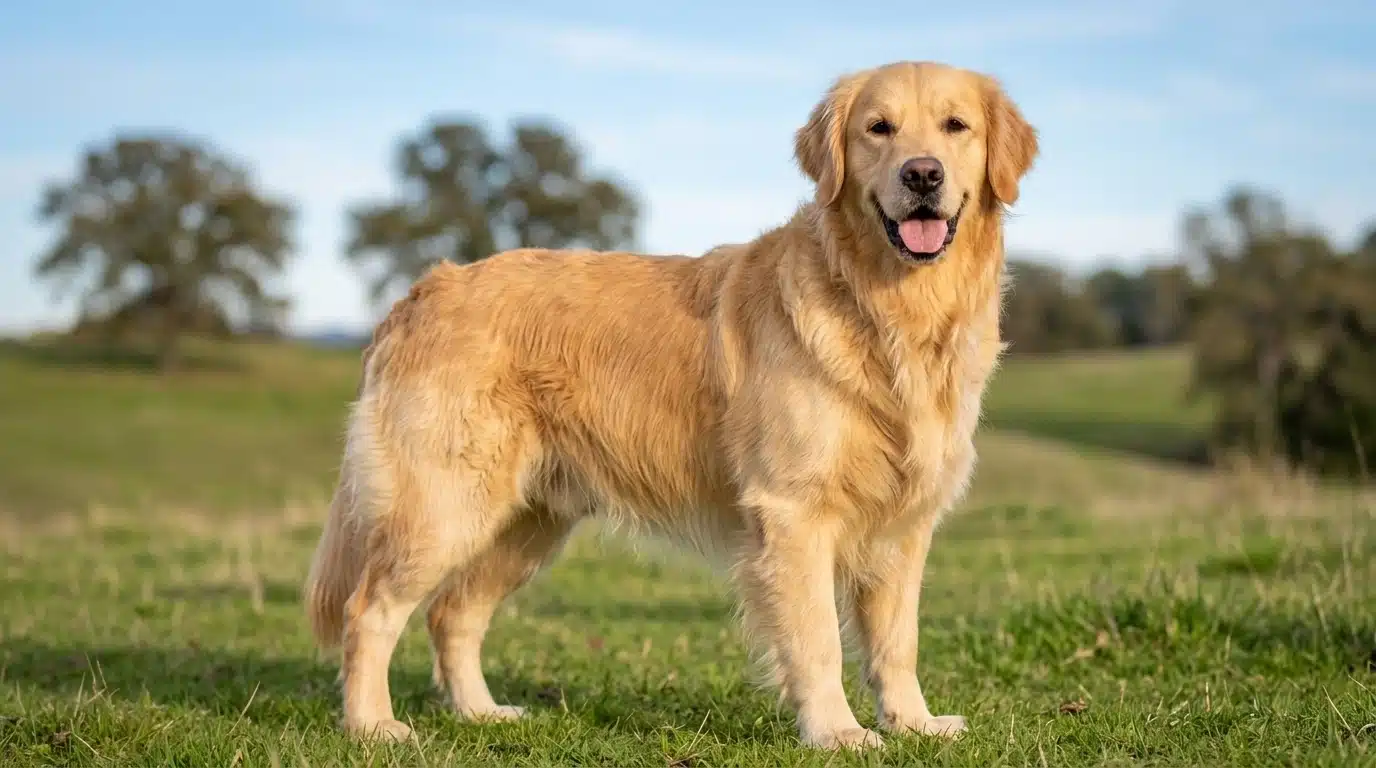
Height: 21.5 to 24.5 inches | Weight: 55 to 75 pounds | Lifespan: 10 to 12 years | Energy Level: High
The Golden Retriever profile describes the breed as outgoing, trustworthy, eager to please, and relatively easy to train. These traits make Goldens a strong starting point for families prepared to provide daily activity and regular coat care.
- Temperament: Social, cooperative, and playful
- Children: Often suitable with supervision and gentle handling
- Other Pets: May live successfully with other animals after gradual introductions
- Daily Needs: Walks, play, training, and regular brushing
Goldens remain energetic into adulthood and can become overexcited without suitable outlets. It’s worth noting that not every Golden fits one mold, since lines within the breed can differ in build and temperament. Their friendly reputation does not remove the need for training, child supervision, or individual assessment.
2. Labrador Retriever
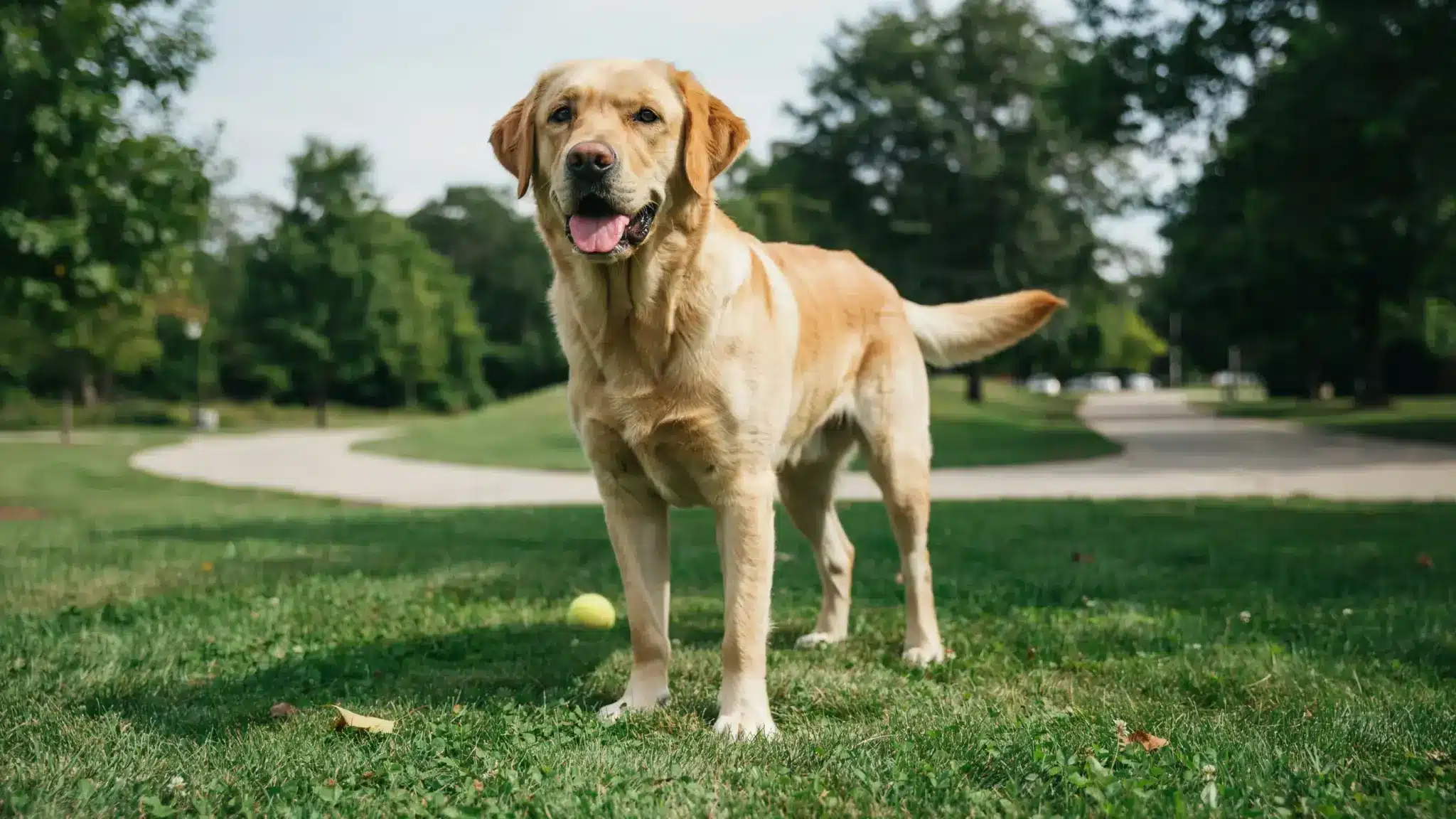
Height: 21.5 to 24.5 inches| Weight: 55 to 80 pounds | Lifespan: 10 to 13 years | Energy Level: High
Labs bond quickly with new people and rarely show reservations around visitors. Their high energy makes them a better match for active households than quiet ones; a bored Lab can turn destructive, but a well-exercised one is one of the easiest family dogs to live with.
- Temperament: Outgoing, playful, and food-motivated
- Children: Often suitable with supervision and respectful handling
- Other Pets: May live successfully with other animals after gradual introductions
- Daily Needs: Exercise, training, active play, and mental stimulation
With proper exercise, training, and attention, Labs can become loyal companions. Their social temperament and adaptable nature help them fit into many family environments.
3. Cavalier King Charles Spaniel
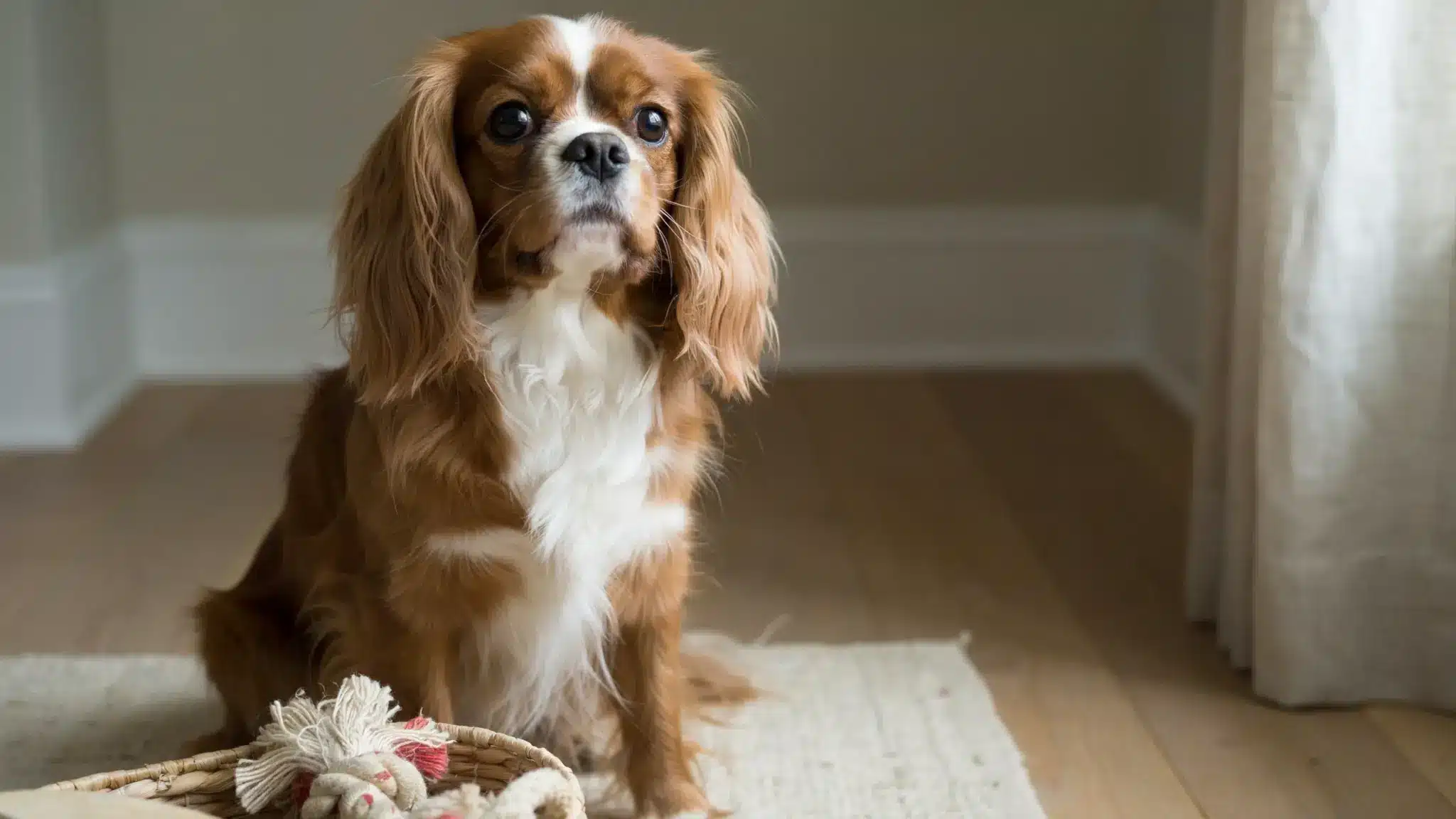
Height: 12 to 13 inches | Weight: 13 to 18 pounds | Lifespan: 12 to 15 years | Energy Level: Moderate
This breed was raised as a companion dog for centuries, and it shows; Cavaliers want to be near people more than almost anything else. Their smaller size and calmer indoor energy make them a strong fit for apartments and first-time owners.
- Temperament: Gentle, affectionate, and adaptable
- Children: Often suitable with supervision and gentle handling
- Other Pets: May live successfully with other animals after gradual introductions
- Daily Needs: Short walks, indoor play, training, and coat care
With regular care and daily interaction, Cavaliers can become devoted companions. Their calm indoor behavior and friendly attitude make them suitable for many households.
4. Beagle
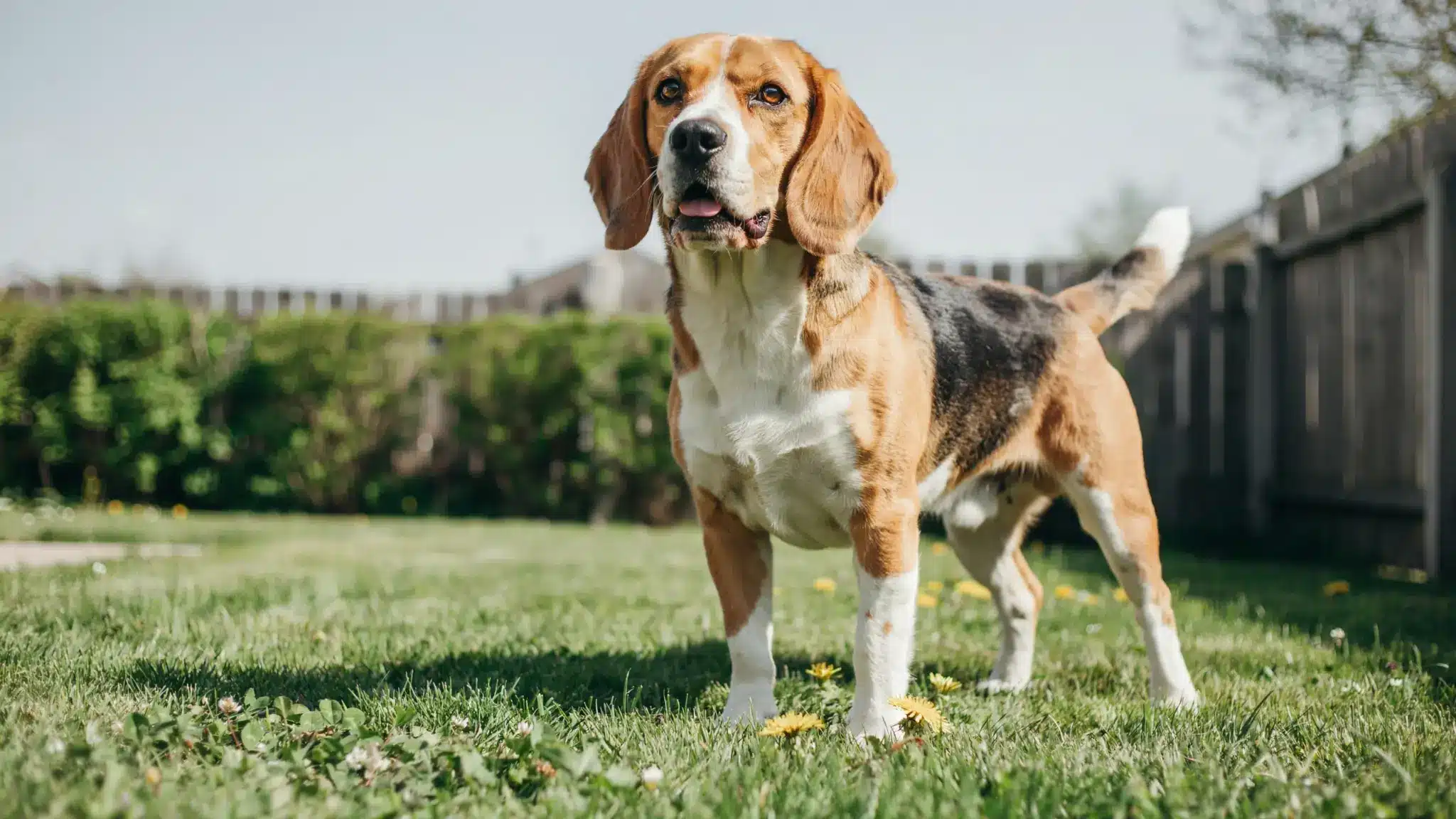
Height: 13 to 15 inches | Weight: 20 to 30 pounds | Lifespan: 12 to 15 years | Energy Level: Moderate to high
Beagles were bred to hunt in packs, which explains why they get along so easily with other dogs. TheyThey’reious and food-driven, traits that make training rewarding when done consistently, but scent-following instincts mean a secure yard matters.
- Temperament: Curious, friendly, and pack-oriented
- Children: Often suitable with supervision and respectful handling
- Other Pets: Often social with other dogs, but interest in smaller animals requires careful introductions and supervision
- Daily Needs: Daily walks, scent games, training, and mental activity
With consistent training, exercise, and supervision around smaller pets, Beagles can become loving family companions. Their curiosity and playful nature keep daily life engaging.
5. Poodle
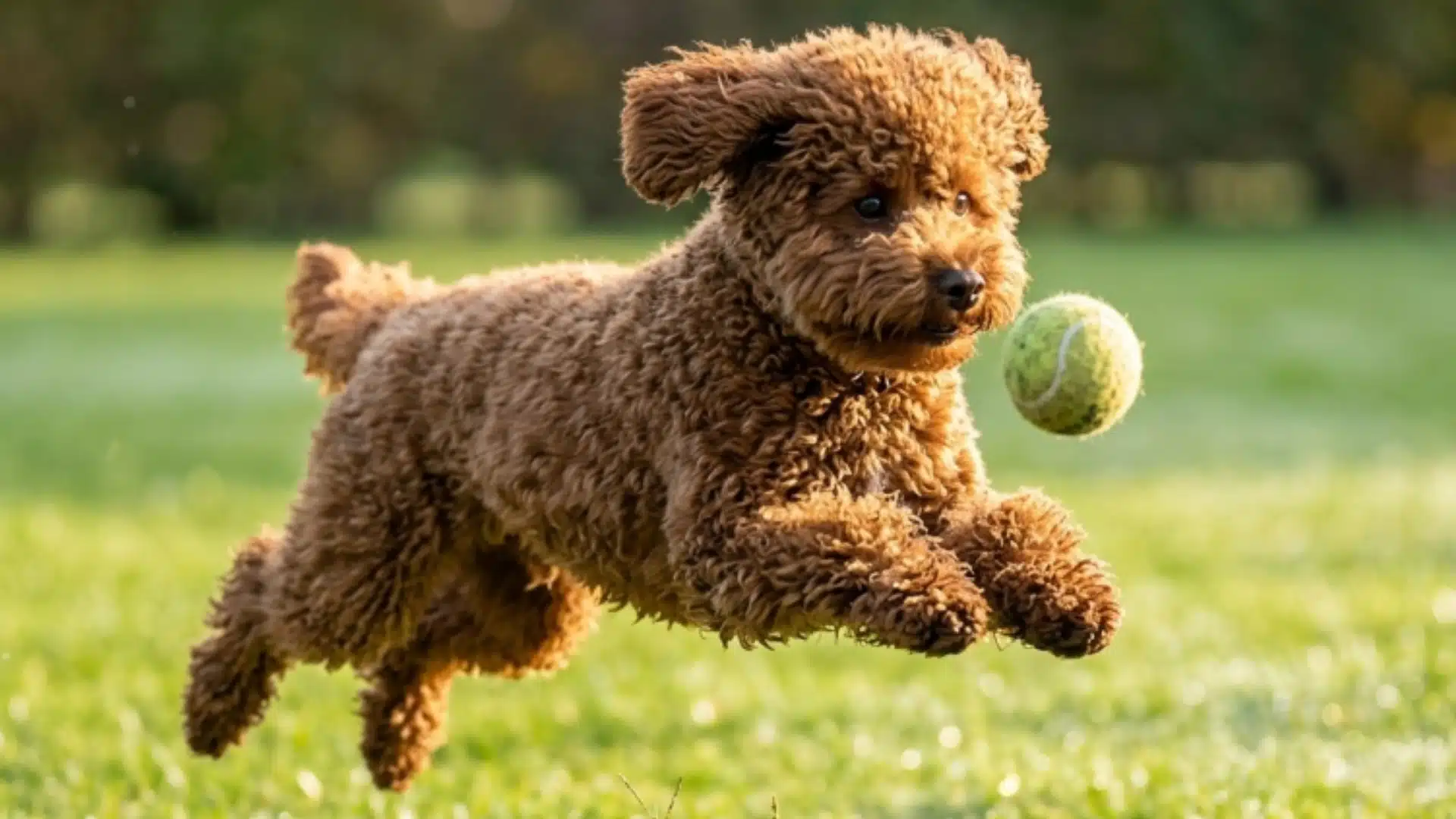
Height: Varies by size (Standard, Miniature, Toy) | Weight: Varies by size | Lifespan: 2 to 15 years | Energy Level: High
Poodle trainers frequently cite poodles among the easiest breeds to teach, which helps friendliness translate into good household manners quickly. Their intelligence means they need mental stimulation, not just physical exercise, to stay well-adjusted, and problem-solving toys built for dogs n help fill that need between training sessions.
- Temperament: Intelligent, affectionate, and eager to learn
- Children: Often suitable with supervision and positive training
- Other Pets: May adapt well after gradual introductions
- Daily Needs: Exercise, training games, mental stimulation, and grooming
With regular mental challenges, exercise, and grooming, Poodles can remain happy and well-behaved. Their affectionate nature makes them a strong choice for many households.
6. Bichon Frise
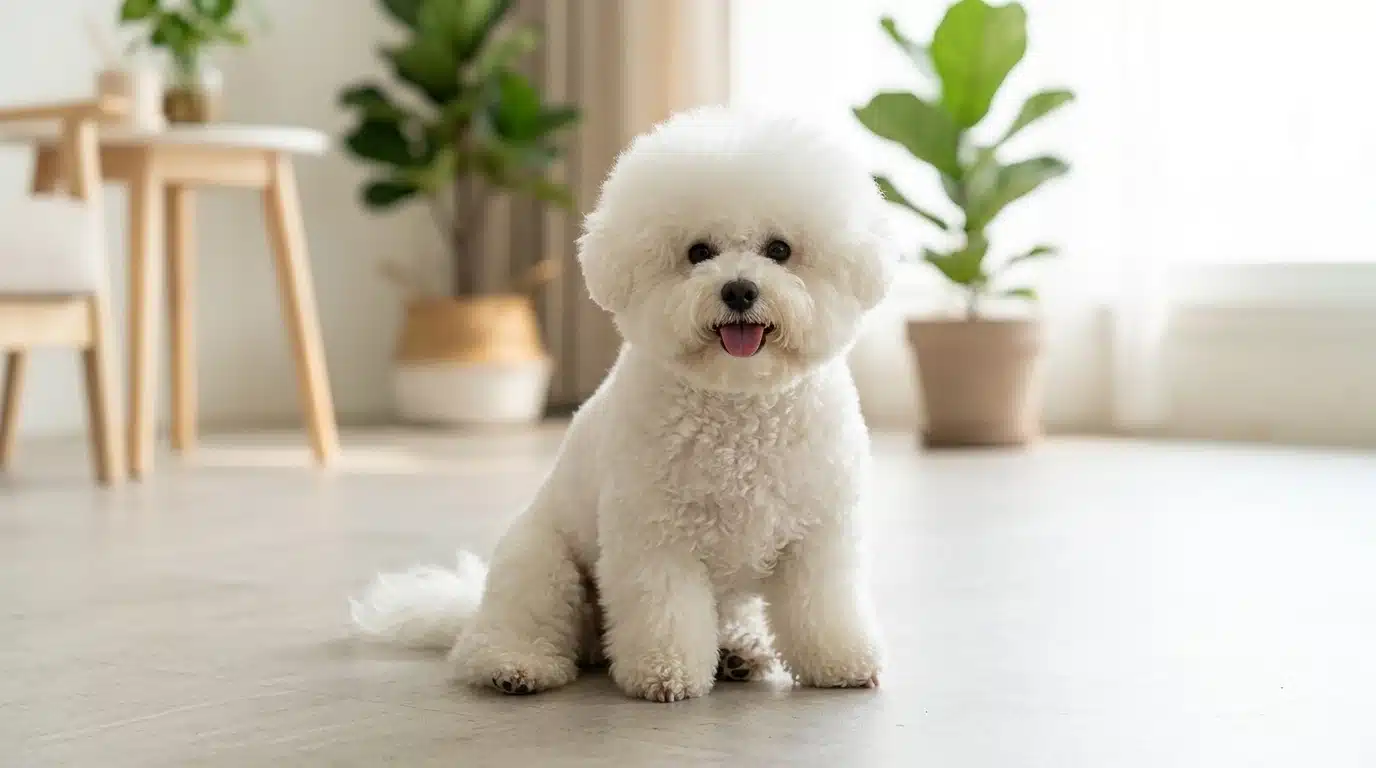
Height: 9.5 to 11.5 inches | Weight: 12 to 18 pounds | Lifespan: 14 to 15 years | Energy Level: Moderate
Bichons are small companion dogs commonly described as playful, social, and comfortable around people. Their size may suit apartments, but they still need daily interaction, play, training, and regular coat care.
- Temperament: Cheerful, social, and responsive
- Children: Often suitable with considerate handling
- Other Pets: May adapt well after careful introductions
- Daily Needs: Short walks, play, brushing, and professional trimming
Bichons shed very little, but no dog is guaranteed to be suitable for someone with allergies. Their continuously growing coat requires frequent brushing and scheduled grooming to prevent tangles.
7. Havanese
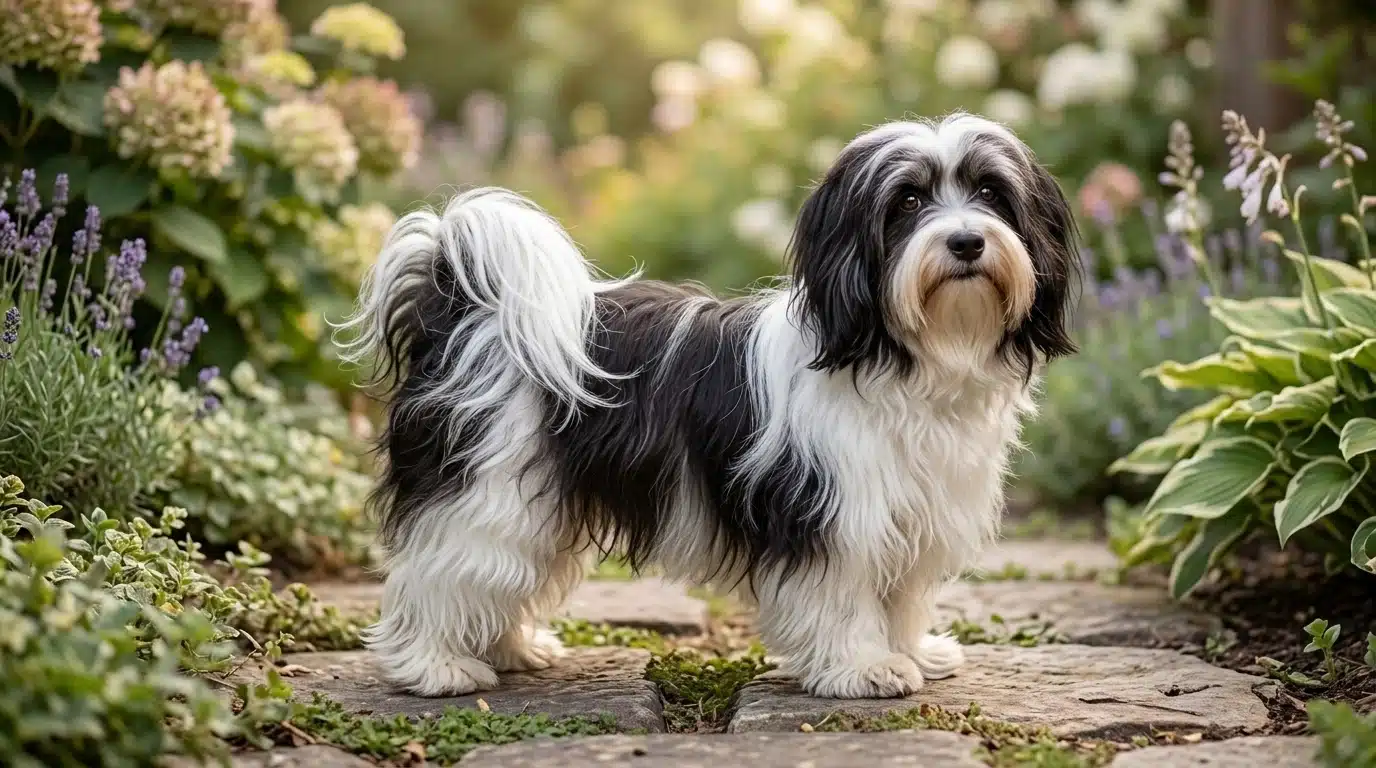
Height: 8.5 to 11.5 inches | Weight: 7 to 13 pounds | Lifespan: 14 to 16 years | Energy Level: Moderate
Havanese dogs were developed as companions and often prefer staying close to their families. Their smaller size and moderate activity needs can suit apartments when they receive enough play, training, and social contact.
- Temperament: Affectionate, social, and attentive
- Children: Often suitable with respectful handling
- Other Pets: Compatibility depends on introductions and experience
- Daily Needs: Short walks, play, coat care, and company
With regular attention, grooming, and daily activity, Havanese dogs can become loving household companions. Their social personality helps them build strong connections with their families.
8. Boxer
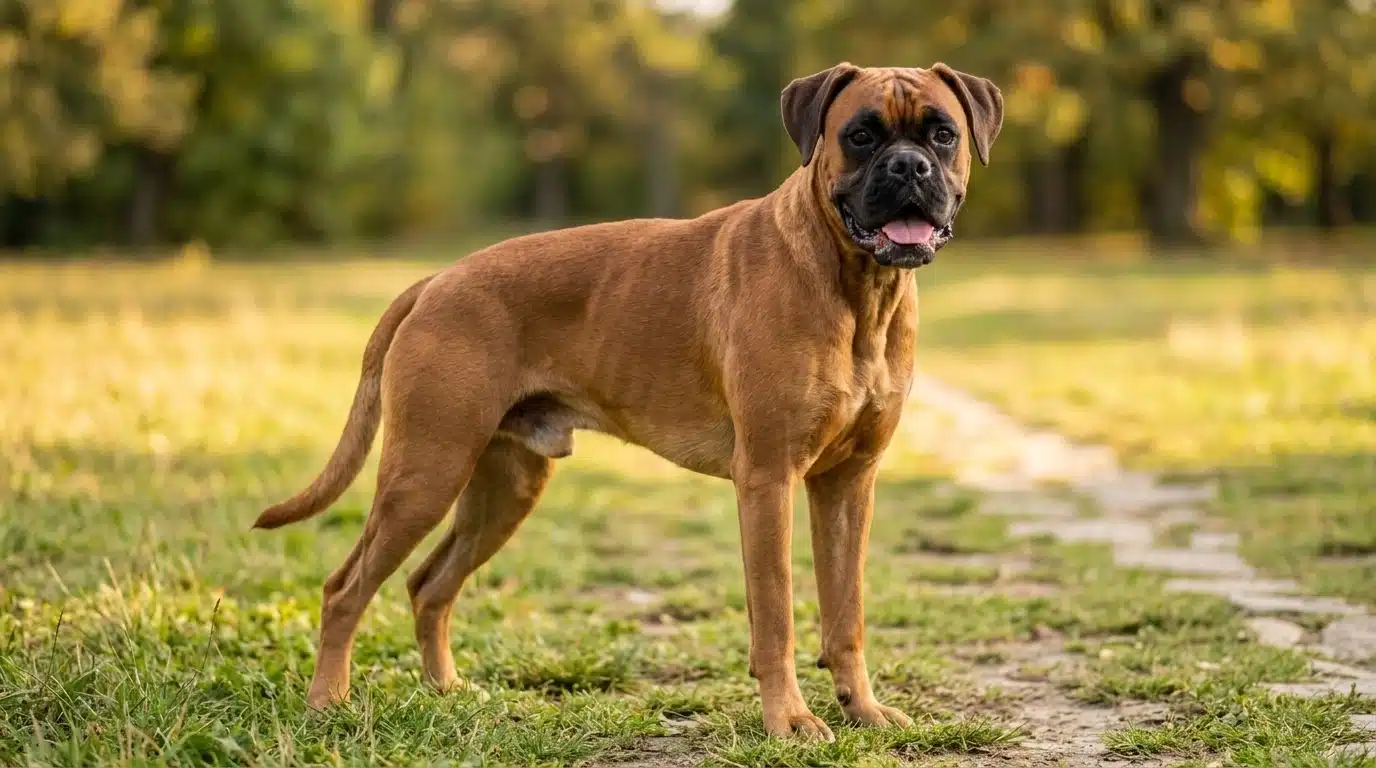
Height: 21.5 to 25 inches | Weight: 50 to 80 pounds | Lifespan: 10 to 12 years | Energy Level: High
Boxers are known for forming strong protective bonds with children in the household while staying playful and patient with them. Their high energy and strength mean early training matters, especially around smaller kids or other pets.
- Temperament: Playful, protective, and energetic
- Children: Often playful with children, but strength and excitement require close supervision
- Other Pets: May adapt after early socialization and careful introduction.
- Daily Needs: Exercise, training, active play, and mental stimulation
With regular exercise, early socialization, and regular training, Boxers can become well-mannered family members. Their loyalty and fun-loving personality help them fit active households.
9. Cocker Spaniel
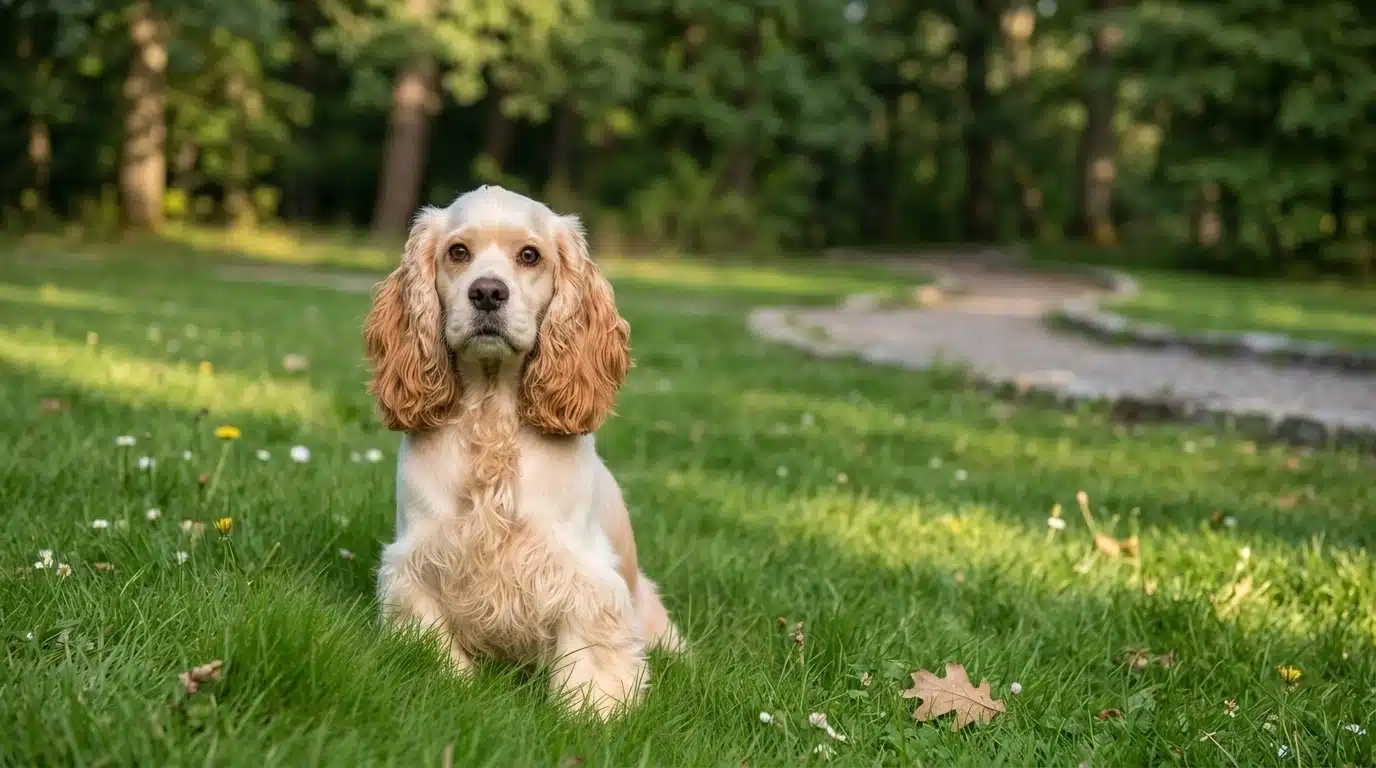
Height: 14 to 15 inches | Weight: 20 to 30 pounds | Life span: 10 to 14 years | Energy Level: Moderate.
Cocker Spaniels are gentle by nature and adjust comfortably to indoor family life. Their long ears require regular cleaning, but that’s a small tradeoff for a breed known for its even temperament around both people and other animals.
- Temperament: Gentle, sweet, and sociable
- Children: Often suitable with supervision and respectful handling
- Other Pets: May live successfully with other animals after gradual introductions
- Daily Needs: Moderate exercise, training, play, and regular grooming
With regular grooming, exercise, and positive training, Cocker Spaniels can become devoted companions. Their friendly attitude and balanced energy make them suitable for many families.
10. Maltese
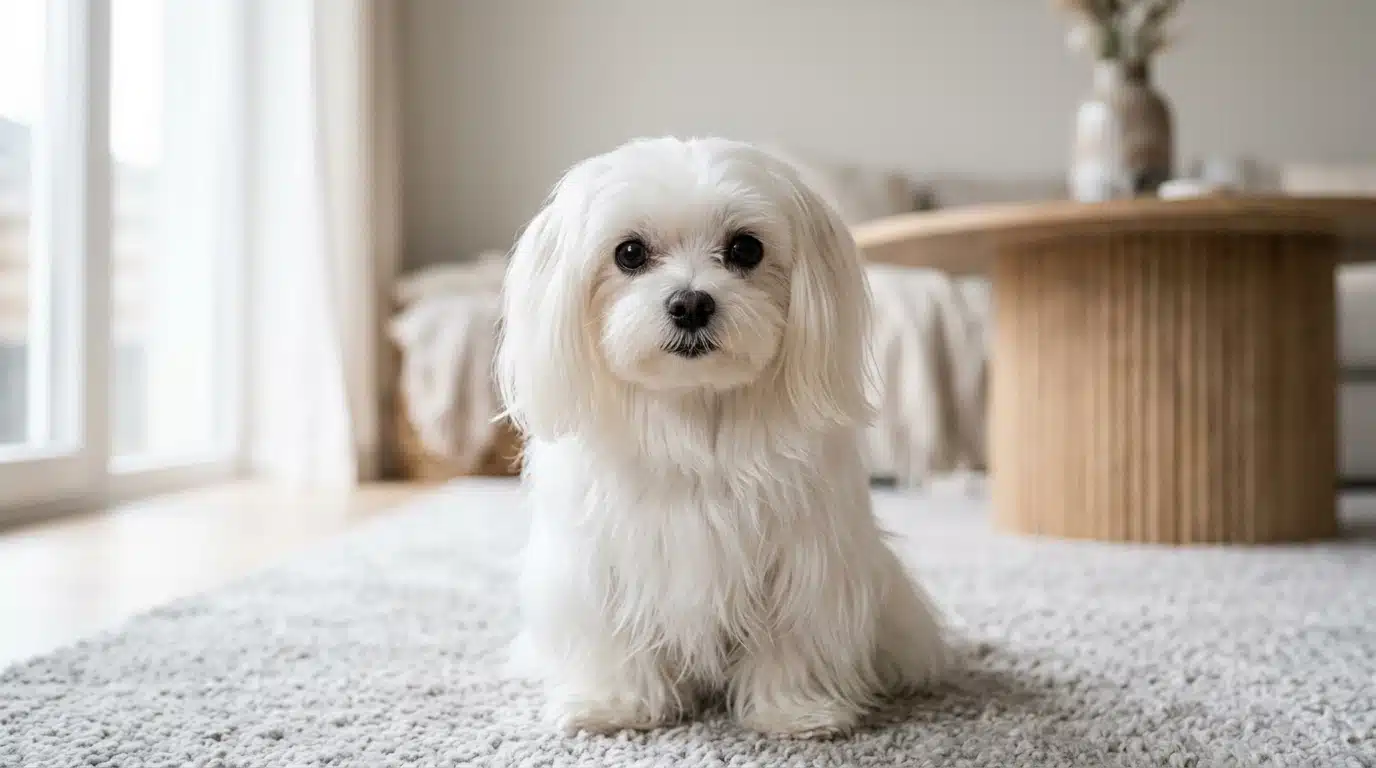
Height: 7 to 9 inches | Weight: Under 7 pounds | Lifespan: 12 to 15 years | Energy Level: Low to moderate
Maltese dogs are affectionate and attentive companions best suited to calmer households. Their small size makes them easy to bring along on trips, and they tend to bond closely with whoever spends the most time with them.
- Temperament: Sweet, devoted, and attentive
- Children: Usually better suited to older children who can handle a small dog carefully
- Other Pets: May adapt after gradual introductions
- Daily Needs: Short walks, indoor play, training, and coat care
With proper grooming, companionship, and daily care, Maltese dogs can become devoted pets. Their loving temperament and manageable size help them fit many households.
11. Pug
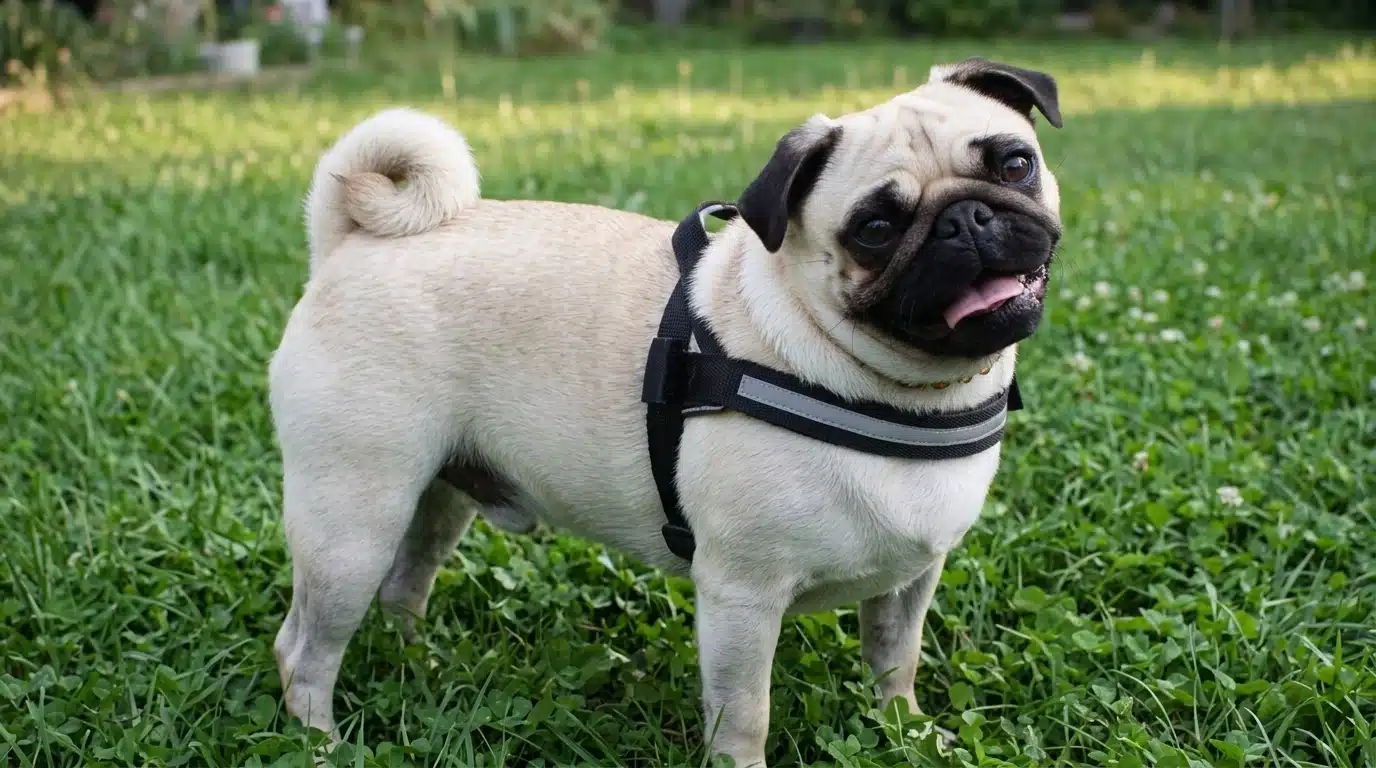
Height: 10 to 13 inches | Weight: 14 to 18 pounds | Lifespan: 12 to 15 years | Energy Level: Low
Pugs are commonly affectionate and people-oriented. Their smaller size and moderate activity needs may suit apartments, although their short muzzle requires careful exercise management during warm or humid weather.
- Temperament: Affectionate, social, and easygoing
- Children: Often suitable with supervision
- Other Pets: May adapt after gradual introductions
- Daily Needs: Brief walks, indoor play, training, and heat protection
Behavior still varies, and no breed can be assumed safe with every person or animal. Prospective owners should also consider the breathing, eye, skin, and heat-related problems associated with flat-faced dogs.
12. Collie
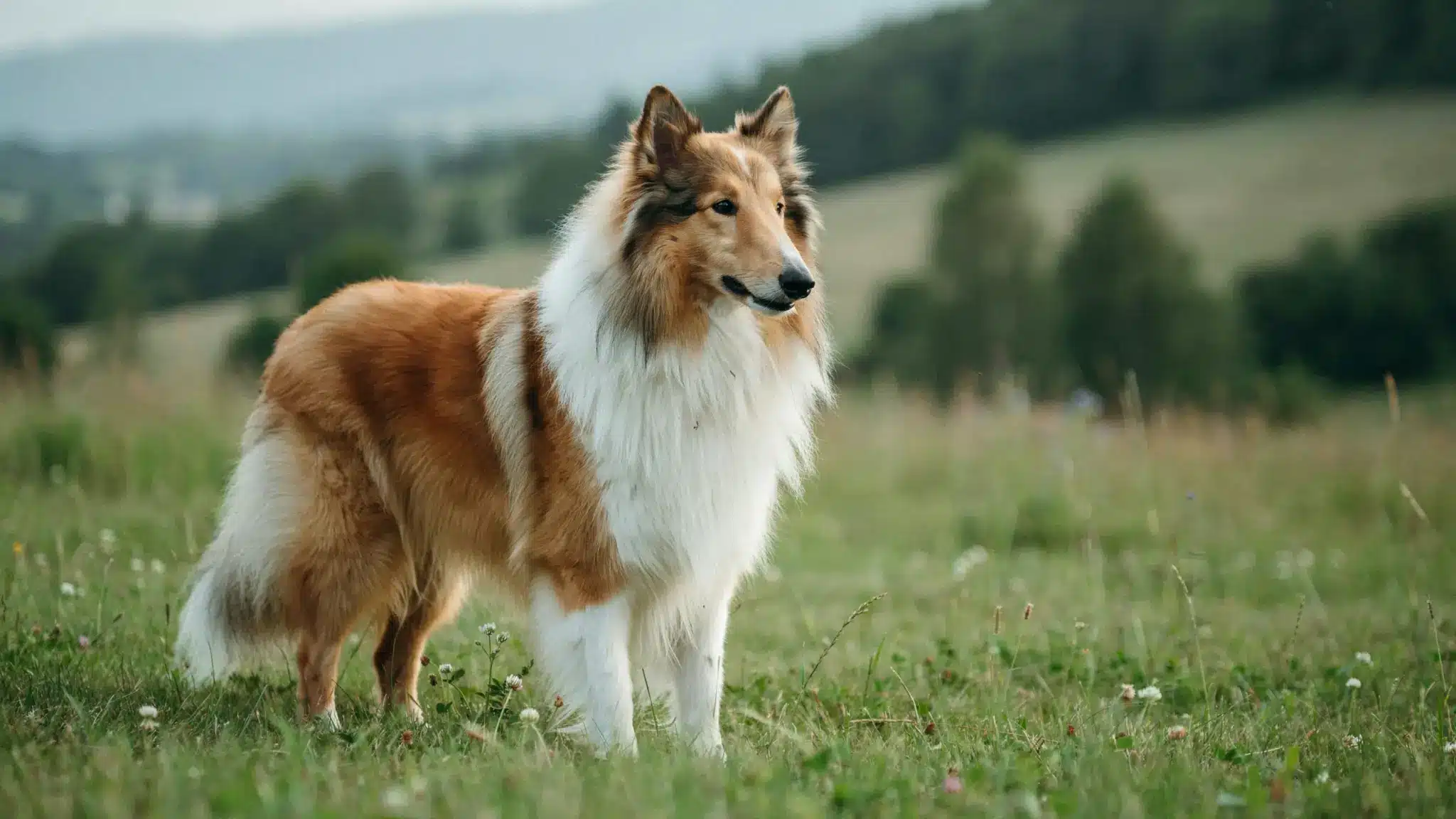
Height: 22 to 26 inches | Weight: 50 to 75 pounds | Lifespan: 12 to 14 years | Energy Level: High
Collies were bred to work alongside shepherds, and that cooperative instinct extends to families today; they’re known for being especially gentle and watchful around children. Their double coat needs regular brushing to stay in good condition, and having the right brush for the job makes that upkeep considerably easier.
- Temperament: Loyal, gentle, and watchful
- Children: Often suitable with supervision and respectful handling
- Other Pets: May live successfully with other animals after gradual introductions
- Daily Needs: Walks, outdoor activity, training, and regular brushing
With regular brushing, exercise, and training, Collies can remain happy and well-adjusted family dogs. Their watchful personality and gentle approach help them connect with people.
13. Newfoundland
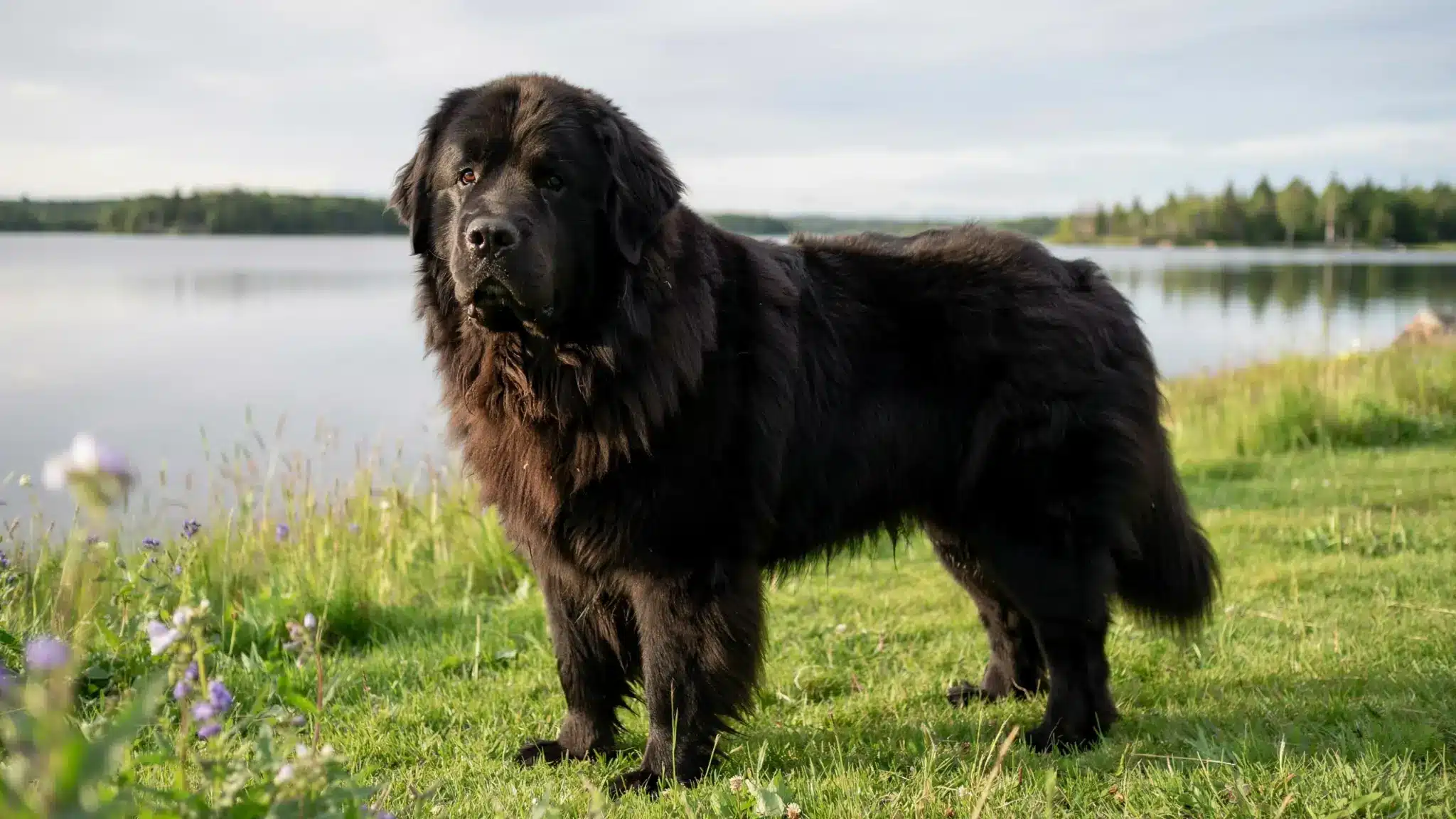
Height: 26 to 28 inches | Weight: 100 to 150 pounds | Lifespan:9 to 10 years | Energy Level: Moderate
Newfoundlands are commonly described as calm, patient, and devoted to their families. Their temperament may suit family life, but their large size, heavy coat, drooling, and care costs require serious consideration.
- Temperament: Calm, patient, and family-oriented
- Children: Often gentle with children, but supervision remains necessary due to size and strength
- Other Pets: May live successfully with other animals after gradual introductions
- Daily Needs: Moderate exercise, coat care, space, and heat management
A Newfoundland can accidentally knock over a small child despite having friendly intentions. The breed also needs enough room to move comfortably and may struggle during strenuous activity in hot weather.
14. Bernese Mountain Dog
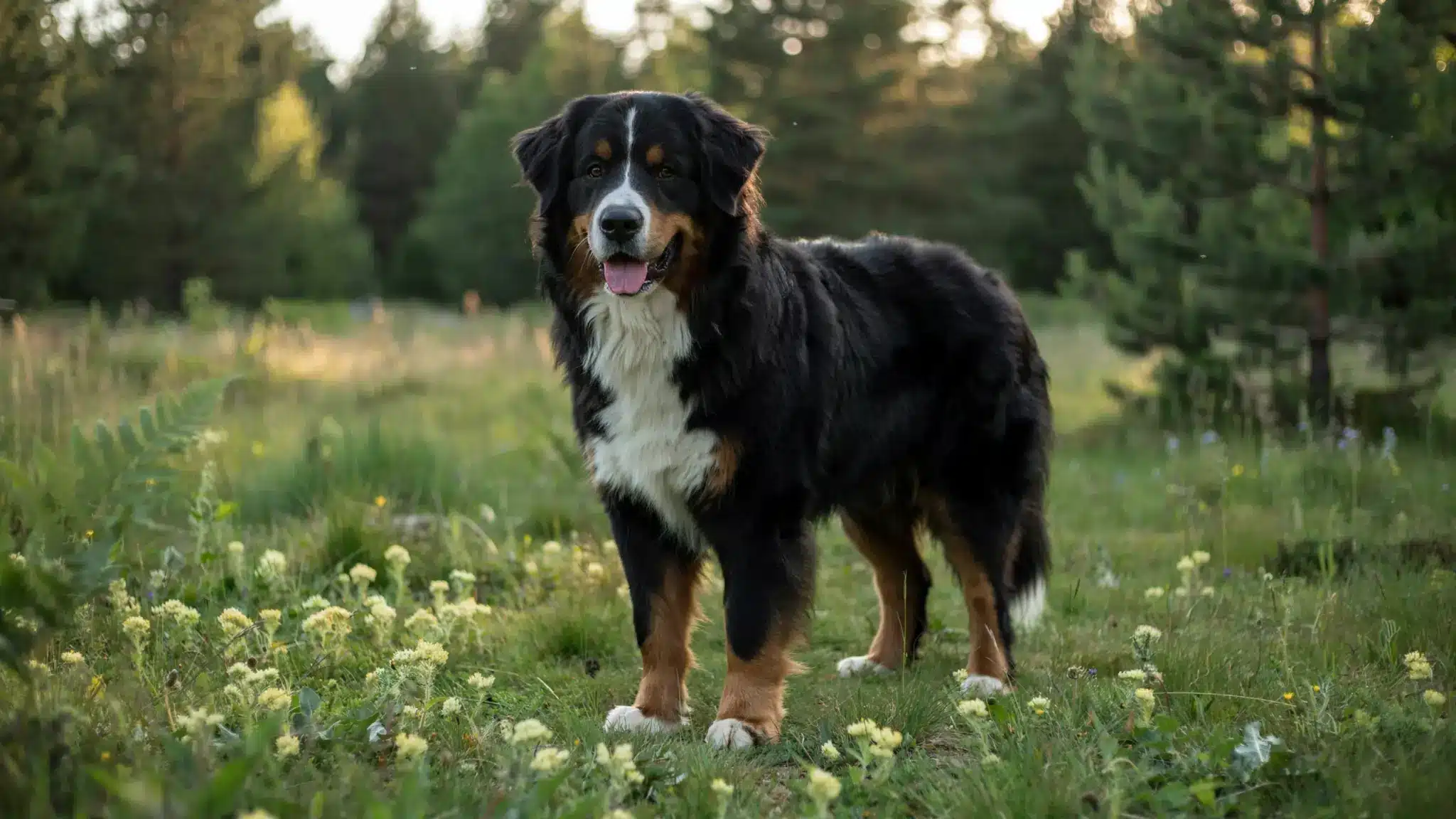
Height: 23 to 27.5 inches| Weight: 70 to 115 pounds | Lifespan: 7 to 10 years | Energy Level: Moderate
Originally bred as farm dogs in Switzerland, Berners are known for their affectionate, family-oriented nature. They need consistent grooming and enough space to stretch out, making them a better fit for houses than small apartments.
- Temperament: Warm, calm, and family-oriented
- Children: Often suitable with supervision and respectful handling
- Other Pets: May adapt well after gradual introductions
- Daily Needs: Moderate exercise, training, grooming, and companionship
With regular grooming, exercise, and companionship, Berners can become devoted family dogs. Their patient nature and loyalty help them build close bonds with their owners.
15. Shih Tzu
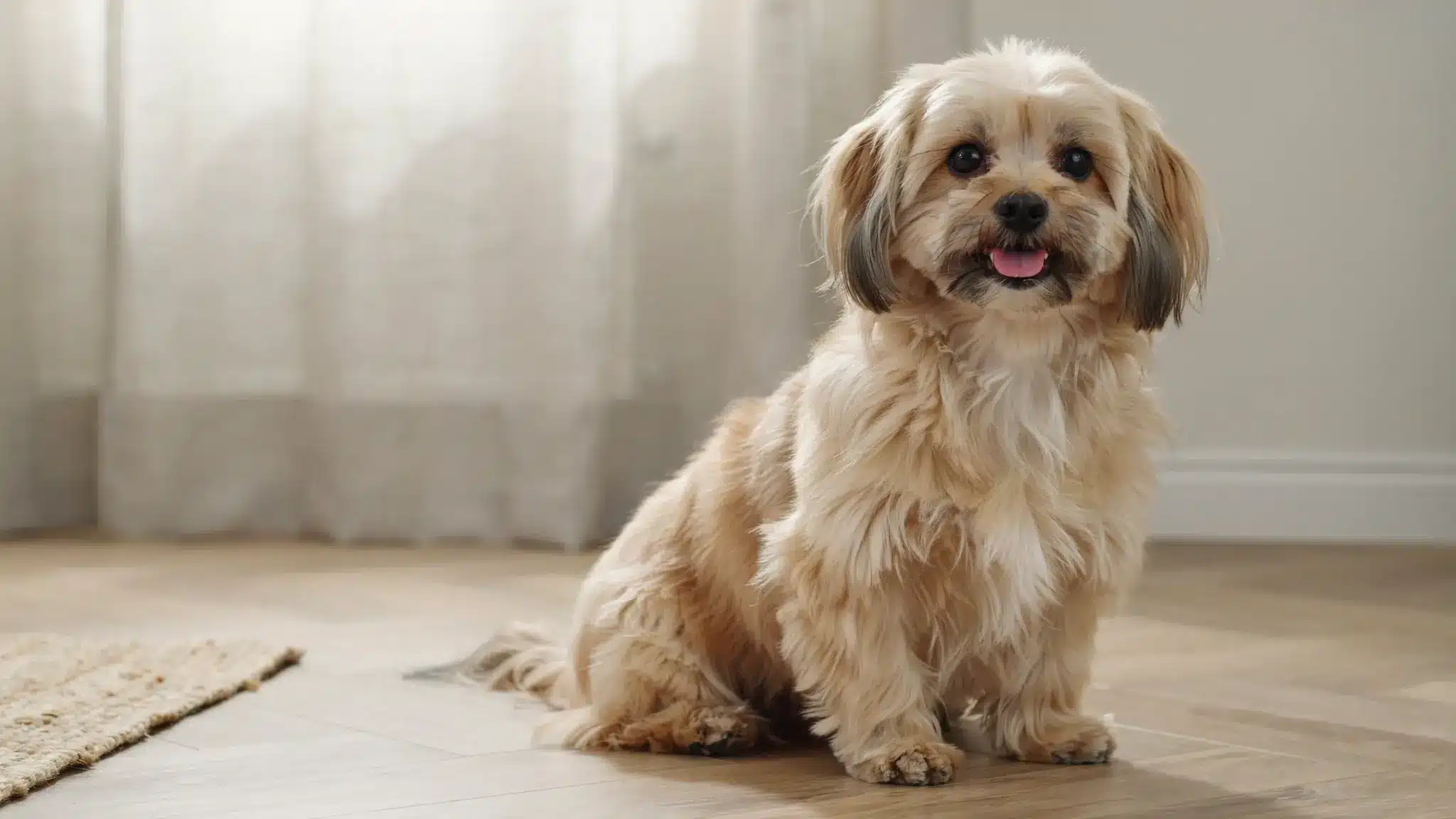
Height : 9 to 10.5 inches | Weight: 9 to 16 pounds | Lifespan: 10 to 16 years | Energy Level: Low
Shih Tzus were bred as palace companions, and their personality still reflects that role, content close to their owners and generally unbothered by a busy household. Their long lifespan makes them a long-term companion for families that adopt young.
- Temperament: Happy, affectionate, and easygoing
- Children: Often suitable with gentle handling and supervision
- Other Pets: May adapt after gradual introductions
- Daily Needs: Short walks, indoor play, training, and coat care
With regular grooming, gentle training, and daily interaction, Shih Tzus can become loving companions. Their easygoing nature helps them fit well into family homes.
16. Irish Setter
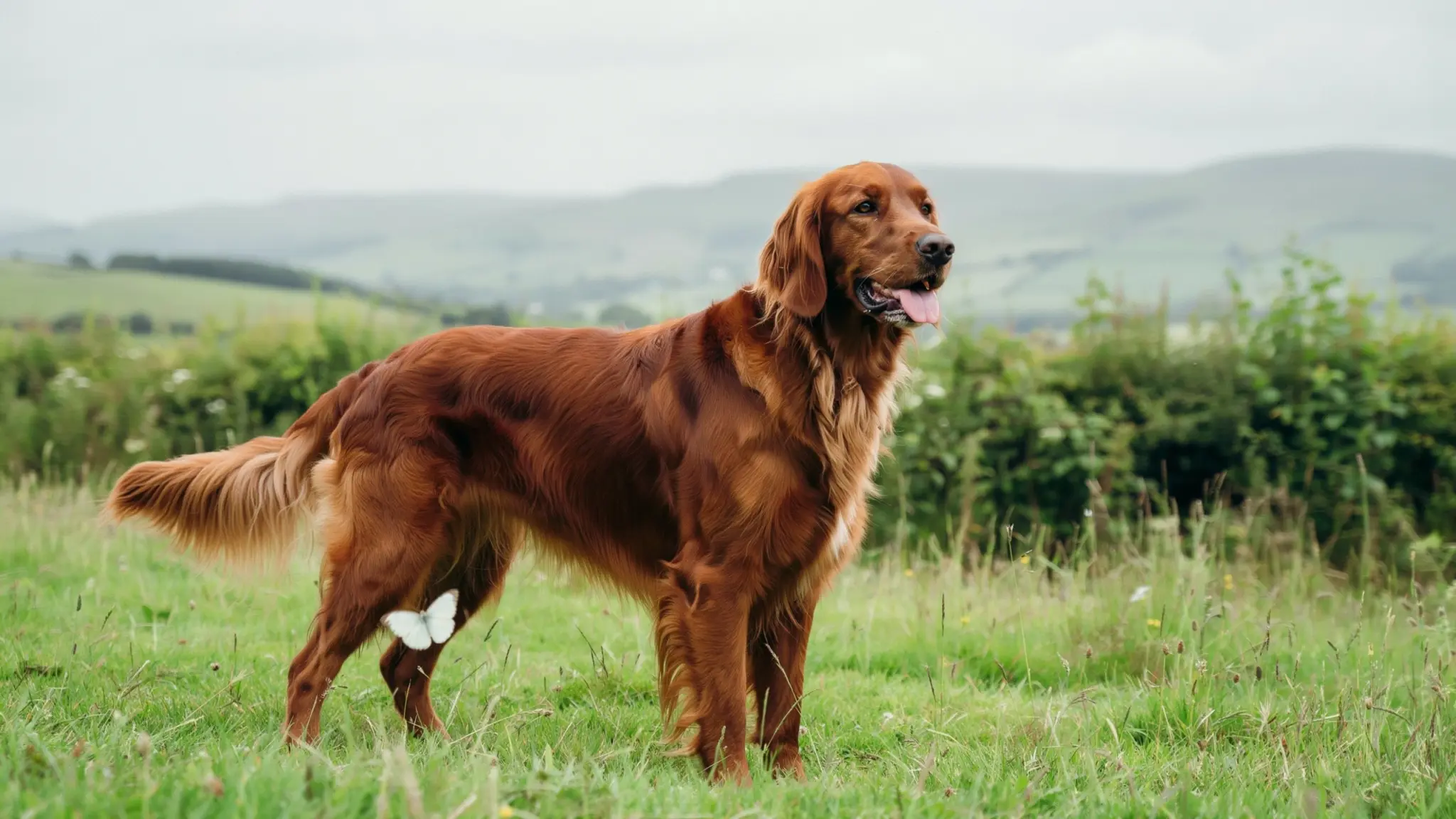
Height : 25 to 27 inches | Weight : 60 to 70 pounds | Lifespan: 12 to 15 years | Energy Level: High
Irish setters are outgoing sporting dogs that often enjoy meeting people and taking part in family activities. Their enthusiasm can suit active households prepared for daily exercise and consistent training.
- Temperament: Outgoing, playful, and affectionate
- Children: Often suitable with supervision
- Other Pets: May adapt after gradual introductions
- Daily Needs: Running, walks, play, training, and coat care
Their size and excitement may overwhelm small children until calm greetings are taught. Irish Setters suit families that can provide space, activity, and regular companionship.
17. Boston Terrier
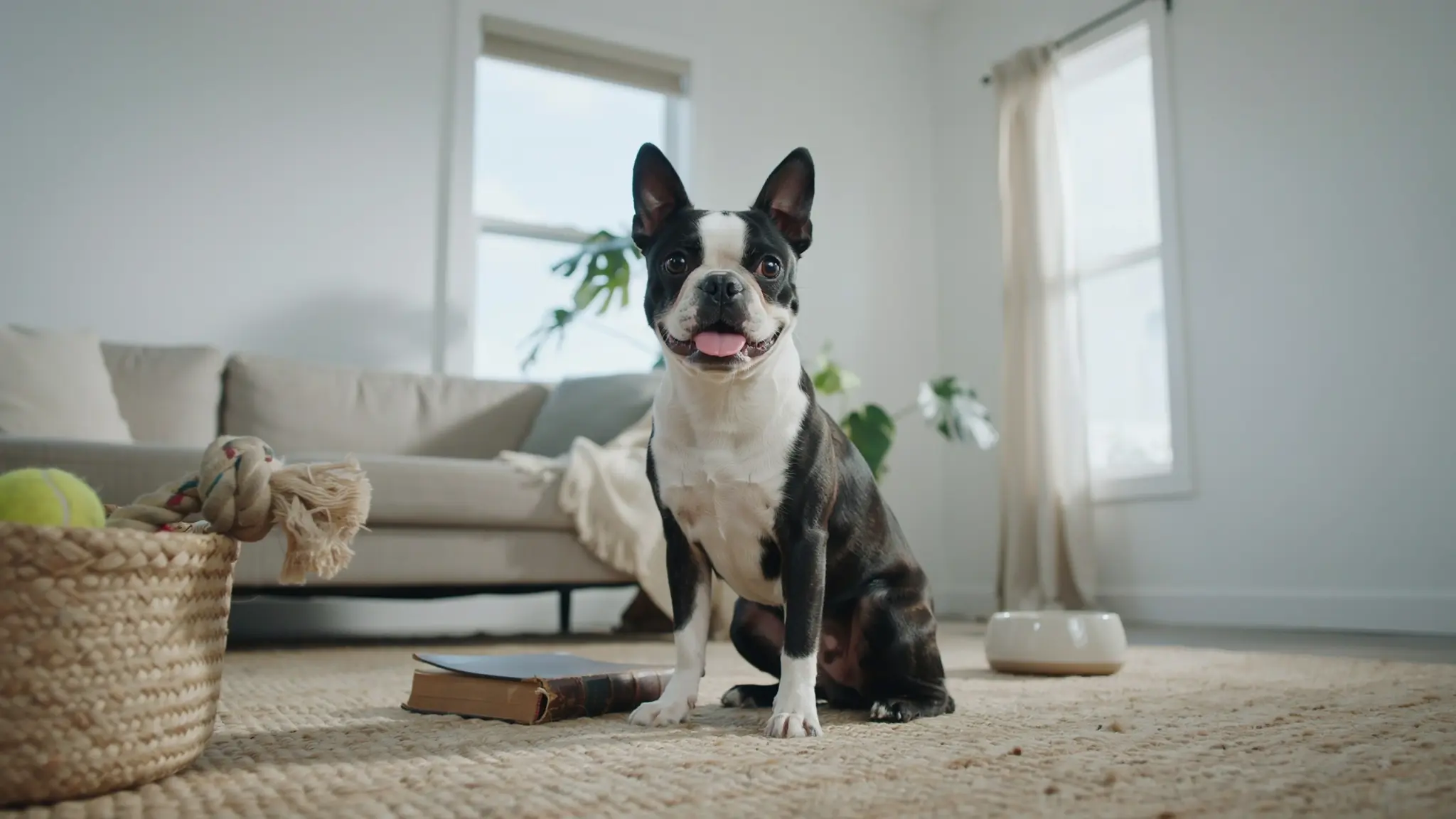
Height : 15 to 17inchess | Weight : 12 to 25 pounds | Lifespan: 11 to 13 years| Energy Level : Moderate
Boston Terriers are compact companion dogs that commonly form close bonds with their households. Their manageable size and moderate activity needs can work well in apartments and smaller homes.
- Temperament: Social, lively, and attentive
- Children: Often suitable with considerate handling
- Other Pets: Compatibility varies by individual
- Daily Needs: Short walks, indoor play, training, and company
Their short muzzle can limit strenuous exercise during warm weather. Prospective owners should also consider the eye, breathing, and heat-related problems reported in flat-faced dogs.
18. English Springer Spaniel
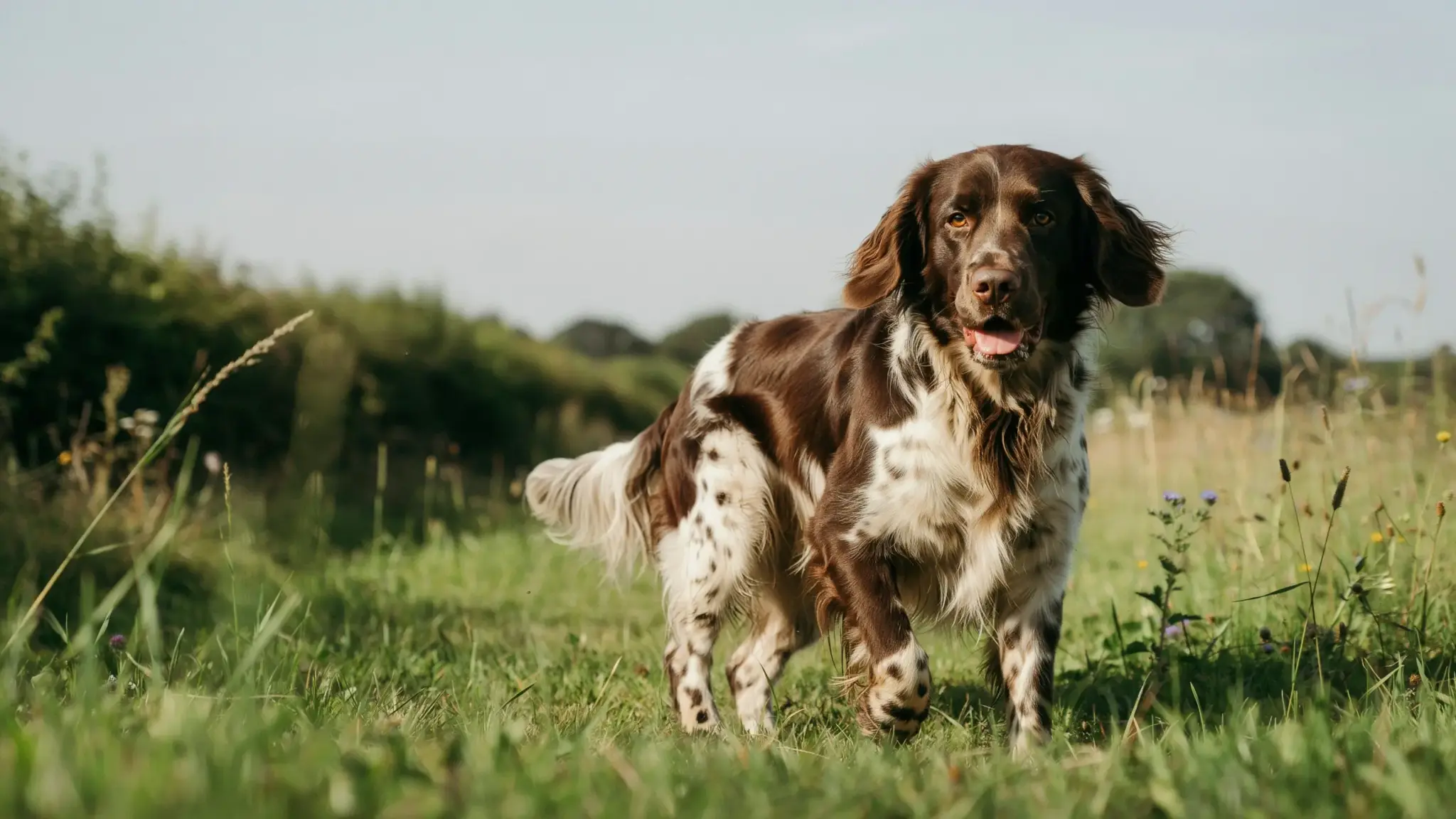
Height: 19 to 20 inches | Weight: 40 to 50 pounds |Lifespan: 12 to 14 years | Energy level: High
EnglishSpringerr Spaniels are active sporting dogs that generally enjoy working closely with people. Their cooperative nature can suit families that want an involved companion for walks, training, and outdoor activities.
- Temperament: Affectionate, active, and responsive
- Children: Often suitable with supervision
- Other Pets: May adapt after careful introductions
- Daily Needs: Exercise, training, play, and coat care
Regular physical activity and mental work help manage their energy. Their feathered coat and ears also require routine brushing, inspection, and cleaning.
19. Coton de Tulear
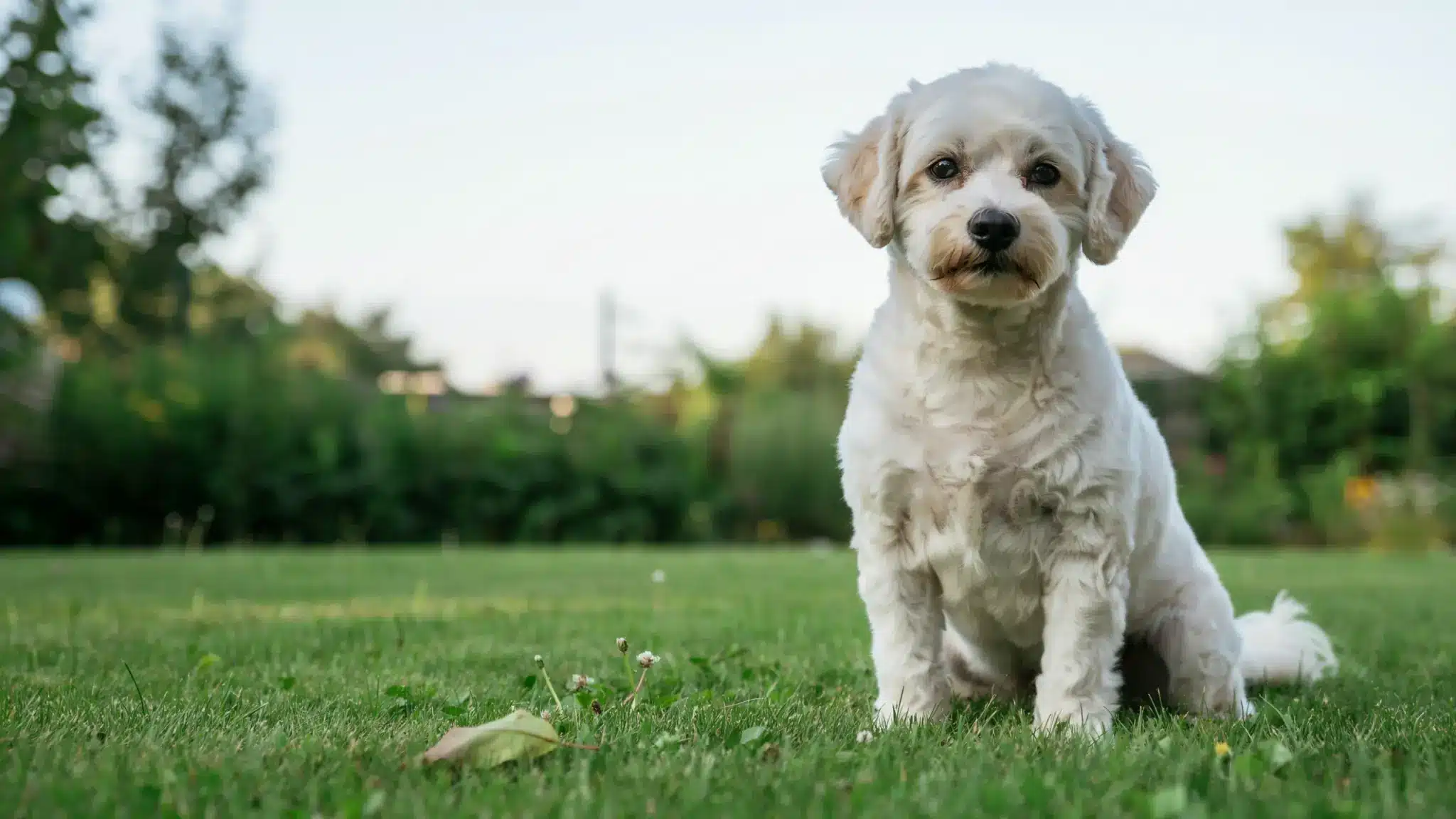
Height: 9 to 11 inches | Weight: 8 to 15 pounds | Lifespan: 15 to 19 years | Energy Level: Moderate
The Coton de Tulear is a small companion breed that often enjoys staying near familiar people. Its size may suit apartments, although the long coat and need for company require regular attention.
- Temperament: Affectionate, social, and playful
- Children: Better with gentle, considerate handling
- Other Pets: May adapt after gradual introductions
- Daily Needs: Short walks, play, training, and brushing
The coat can mat without regular maintenance, and some individuals dislike being left alone for extended periods. Household routines should provide both company and independent settling practice.
20. Papillon
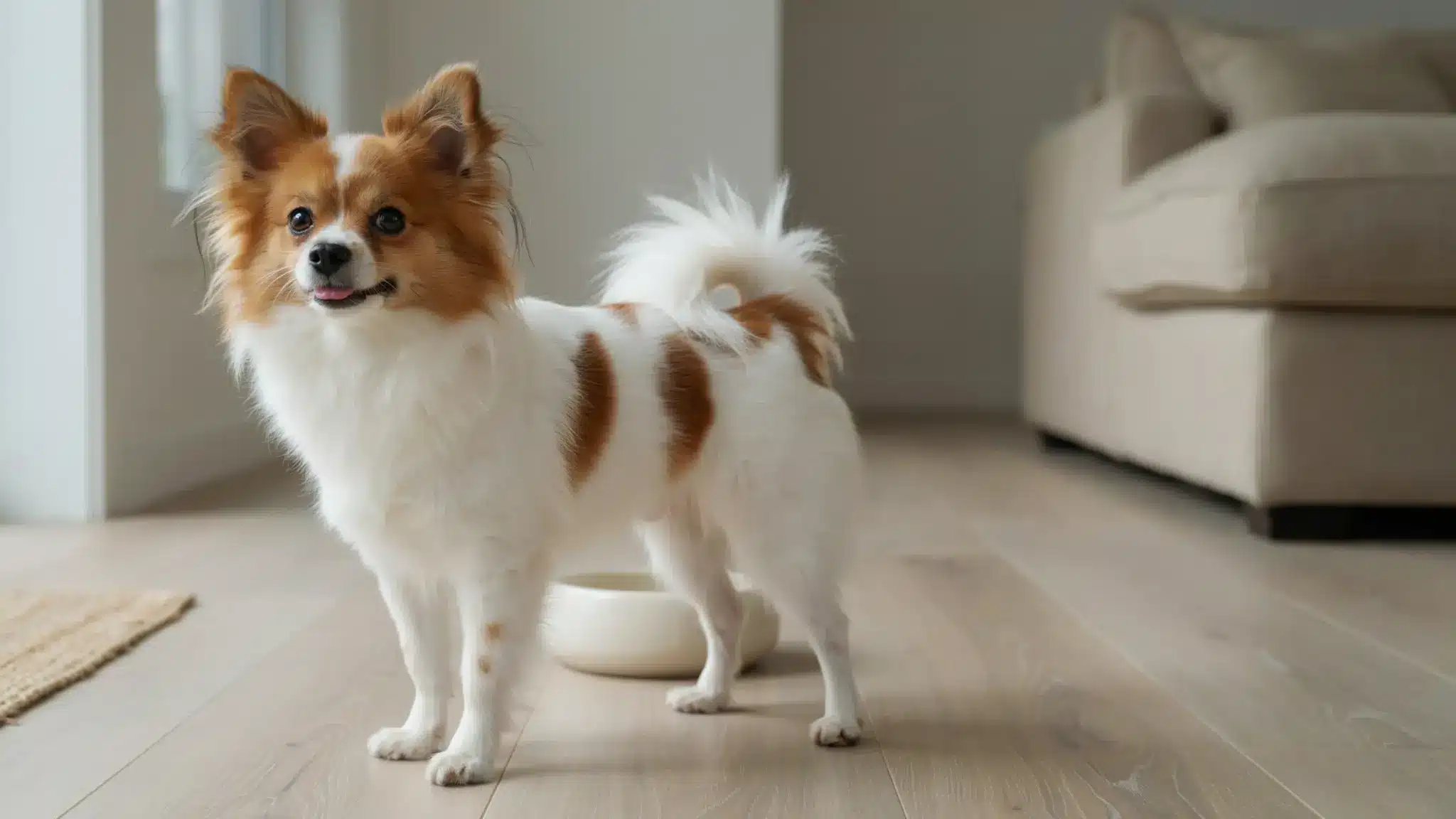
Height: 8 to 11 inches | Weight: 5 to 10 pounds | Lifespan: 14 to 16 years | Energy Level: Moderate
Papillons are small companion dogs with an active, attentive personality. They often enjoy training and games, making them suitable for owners who want a small dog that remains mentally and physically involved.
- Temperament: Alert, social, and responsive
- Children: Better with older, gentle children
- Other Pets: Compatibility depends on introductions
- Daily Needs: Walks, play, training, and coat care
Their small frame makes careful handling necessary. Papillons still require regular activity and should not be treated as inactive lap dogs simply because of their size.
21. Samoyed
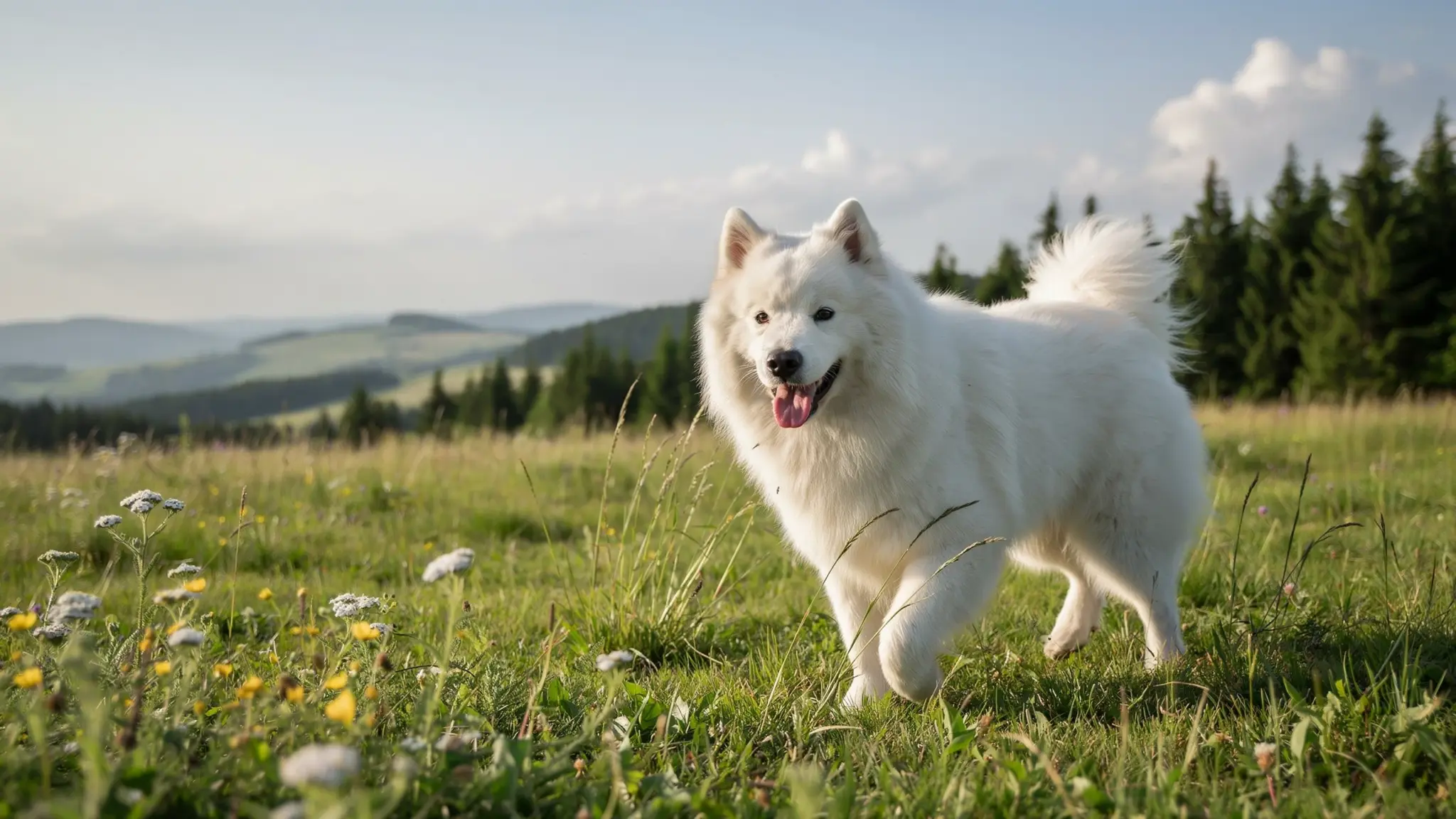
Height: 19 to 23.5 inches | Weight: 35 to 65 pounds | Lifespan: 12 to 14 years | Energy Level: High
Samoyeds are social working dogs that commonly prefer taking part in household life. Their active nature and thick coat suit owners prepared for exercise, training, shedding, and regular grooming.
- Temperament: Social, alert, and playful
- Children: Often suitable with supervision
- Other Pets: May adapt after careful introductions
- Daily Needs: Exercise, mental activity, training, and brushing
Their strength, vocal behavior, and heavy shedding can be difficult in some homes. Warm-weather exercise also requires care because of their dense double coat.
22. Great Dane
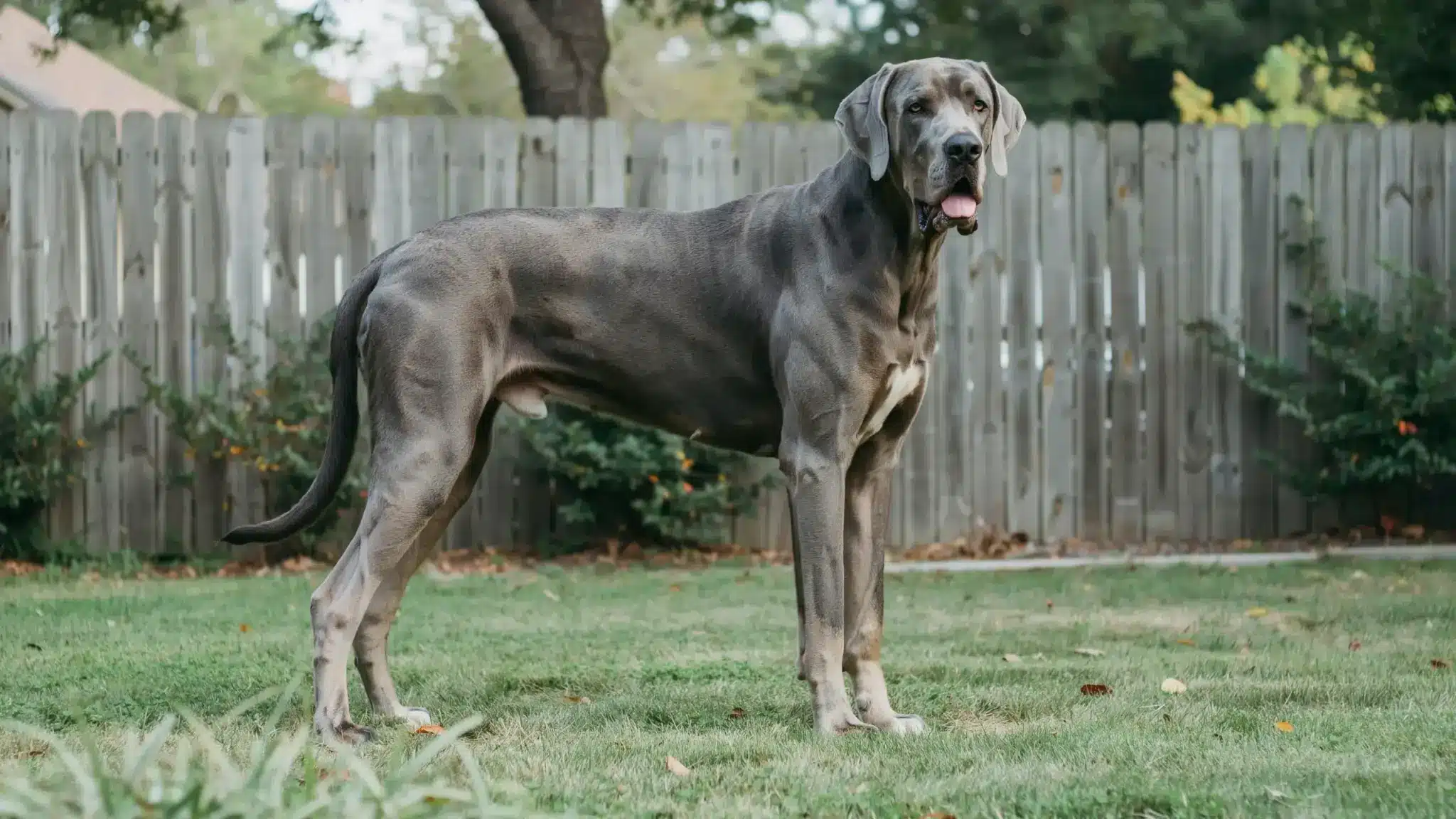
Height: 28 to 32 inches | Weight: 110 to 175 pounds | Lifespan: 7 to 10 years | Energy Level: Moderate
Great Danes are often calm and affectionate with familiar people. Their moderate activity needs may seem manageable, but their height, weight, food costs, and shorter life expectancy require careful planning.
- Temperament: Calm, affectionate, and people-oriented
- Children: May suit families with close supervision
- Other Pets: Compatibility varies by individual
- Daily Needs: Walks, training, space, and secure handling
Even friendly play can knock over a child or smaller animal. Early manners, suitable flooring, large equipment, and enough indoor space are particularly important for this giant breed.
23. Flat-Coated Retriever
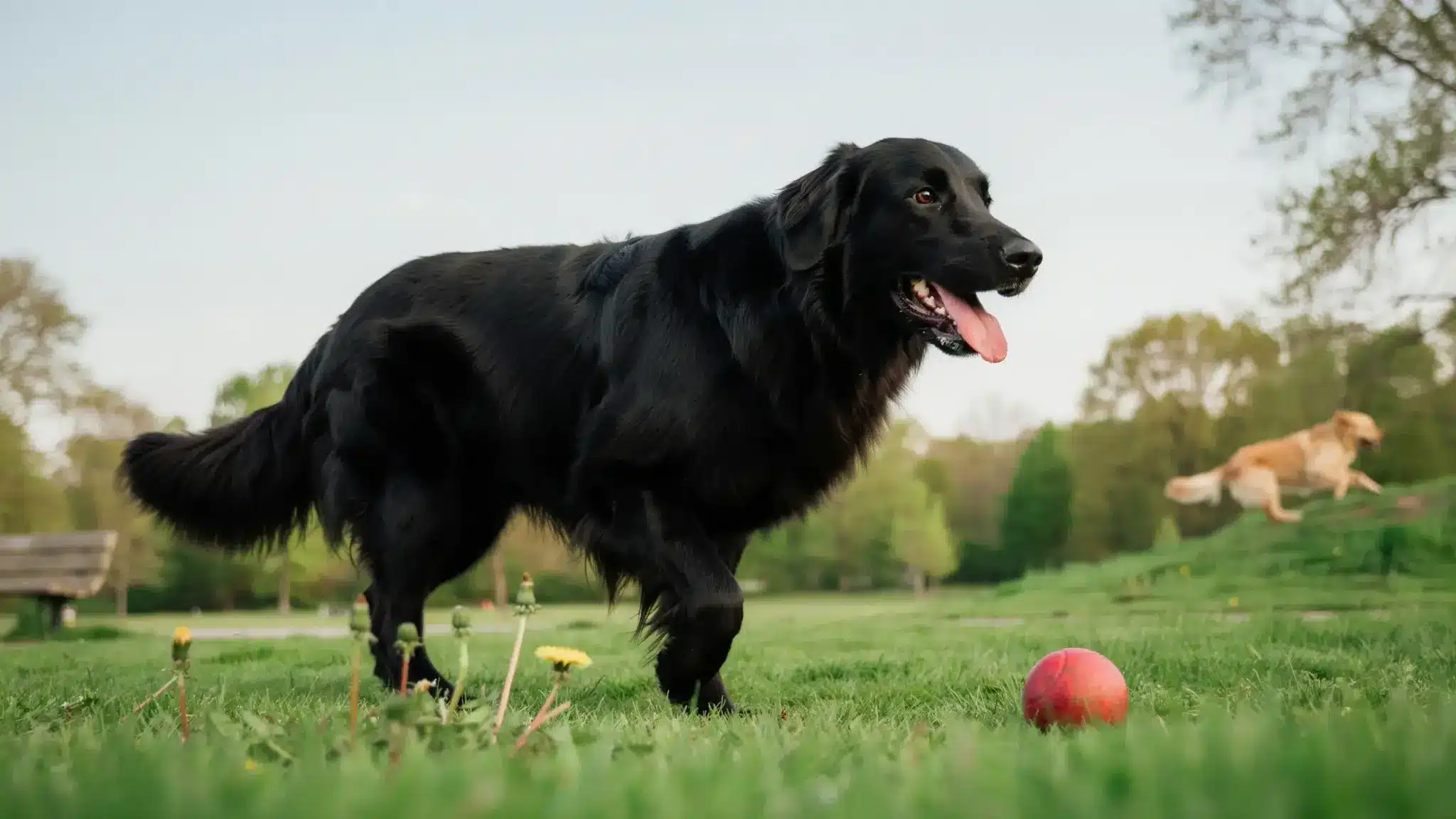
Height: 22 to 24.5 inches | Weight: 60 to 70 pounds | Lifespan: 8 to 10 years | Energy Level: High
Flat-Coated Retrievers are active sporting dogs commonly known for an outgoing and playful manner. They can suit energetic families that want a companion for training, games, walks, and outdoor activities.
- Temperament: Outgoing, cheerful, and active
- Children: Often suitable with supervision
- Other Pets: May adapt after gradual introductions
- Daily Needs: Vigorous exercise, training, play, and brushing
Their energetic behavior can remain puppy-like into adulthood. Prospective owners should also consider the breed’s relatively short life expectancy and ask breeders for documented health-screening results.
Why Some Breeds Seem Less Friendly
Some dogs are naturally more reserved, independent, or watchful around unfamiliar people. That does not automatically make them unfriendly or aggressive.
Breeds such as the Akita and Chinese Shar-Pei may need more time and space when meeting strangers. Chihuahuas can also show fear or defensive behavior when they feel overwhelmed, although individuals vary widely.
Safe early socialization can help puppies become more comfortable with different people, animals, sounds, and settings. It cannot erase genetics or guarantee friendliness, but it can support calmer responses and better coping skills.
Reserved dogs may suit owners who respect boundaries and can manage introductions carefully. A quieter response to strangers should not be treated as a character fault.
Setting Your Home Up for a Friendly Dog
A welcoming home environment can help a new dog feel secure and adjust more comfortably. Simple preparations during the first few weeks can support positive interactions and help reveal the dog’s true personality over time.
- Secure loose cords, small objects, and household items that a curious dog or young child could pull, chew, or accidentally knock over.
- Place non-slip mats near food and water bowls, especially in homes with playful children or slippery flooring.
- Create a quiet resting area where the dog can relax and step away when the household becomes busy or unfamiliar.
- Introduce new pets slowly, using calm meetings and neutral spaces instead of immediate face-to-face introductions at home.
- Spend the first weeks observing how the dog responds to visitors, sounds, children, and other animals before making assumptions about its behavior.
A little patience and preparation can help a new dog feel comfortable while giving the family time to build trust and understand its individual needs.
Conclusion
Golden Retrievers are a strong answer to what is the friendliest dog breed, but no breed is automatically suitable for every household. Labrador Retrievers may suit active families, while Cavaliers and Bichons can fit smaller homes with owners prepared for their care needs.
Even the nicest dog breeds need suitable exercise, gradual introductions, supervision around children, and reward-based training. Look beyond a friendly reputation and compare size, energy, grooming, health, and behavior around unfamiliar people or animals.
Meeting an individual dog can also reveal traits that a breed description cannot guarantee. Review your household routine, speak with a responsible breeder or rescue, and choose the dog whose daily needs you can meet.
Frequently Asked Questions
Can Shelter Staff Assess a Dog’s Sociability?
Shelter staff can share observations from handling, walks, kennels, and foster homes, but behavior may change after adoption. Ask how the dog responds to visitors, children, animals, food, touch, separation, and unfamiliar settings before deciding.
Are Male or Female Dogs Usually Friendlier?
Sex alone does not reliably determine friendliness. Genetics, early experiences, training, health, reproductive status, and the individual dog’s personality matter more. Meet the dog and review its observed behavior instead of choosing solely by sex.
Can a Social Dog Still Be a Watchdog?
Yes. A social dog may bark when someone approaches without reacting aggressively toward visitors. Watchdog behavior means alerting the household, while guard behavior involves confrontation. Breed tendencies vary, and training should focus on calm, controlled responses.
Should Every Family Member Meet the Dog First?
Ideally, every household member should meet the dog before adoption. Watch how the dog responds to movement, voices, handling, and personal space. A calm meeting cannot guarantee future behavior, but it can reveal immediate concerns.