

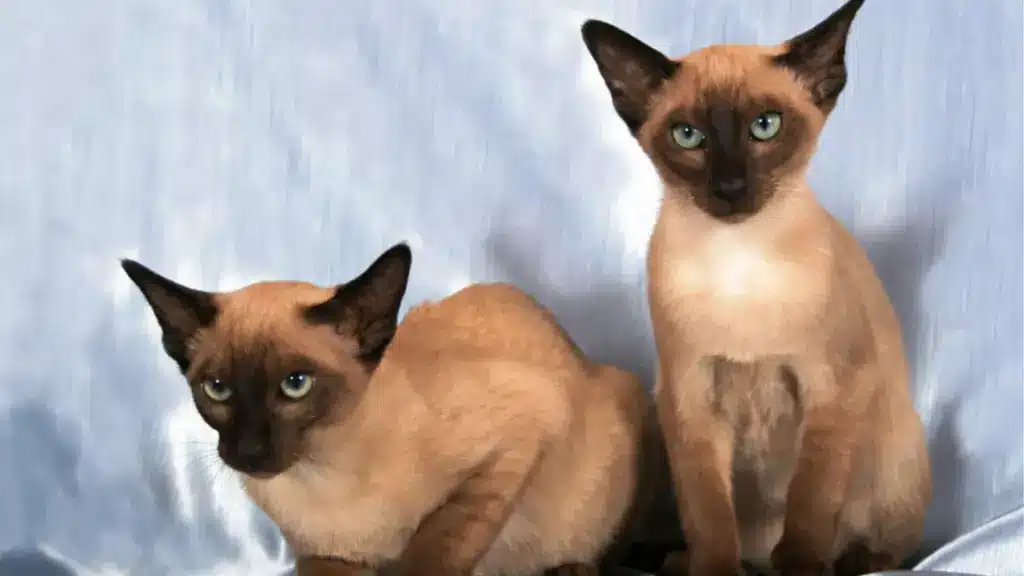
There’s a certain kind of cat that doesn’t wait to be invited into your day; it just shows up. Mid-phone-call, mid-cooking, mid-anything, and plants itself right in the middle of it. If you’ve ever met a Tonkinese, you already know exactly the cat I mean.
We’ve spent a lot of time around rescues over the years, and Tonkinese cats (or Tonks, as most people end up calling them) are some of the most talkative, people-obsessed cats you’ll come across.
They follow conversations like they have opinions about them. They claim laps like it’s their job. And if you’re the kind of person who wants a cat that actually hangs out with you, this breed tends to deliver on that in a big way.
Before you fall for those personality-forward eyes, though, it helps to know the full picture: where this breed came from, what the standards actually call for, and what day-to-day life with one really looks like.
History and Origin of Tonkinese Cats
Cats resembling modern Tonkinese appeared among Southeast Asian cats brought to Western countries during the nineteenth century. Some were called chocolate Siamese because they had darker bodies and less contrast than the pale, blue-eyed Siamese preferred at the time.
Wong Mau arrived in the United States in 1930 and later became foundation stock for the Burmese breed. Breeding records showed that she carried both Siamese-pointed and Burmese-sepia pattern genes, producing kittens with pointed, mink, and solid appearances.
Crossbreeding programs like this later shaped other breeds too, including a similarly crossbred cat breed developed from Burmese ancestry.
The registered breed took its modern form during the 1960s. Jane Barletta in the United States and Margaret Conroy in Canada worked with Siamese and Burmese lines to establish a moderate body type and consistent temperament. The International Cat Association describes this modern breed development.
The breed gained Canadian recognition in 1960. CFA accepted it for registration in 1982, gave mink-patterned cats championship status in 1984, and admitted pointed and solid patterns to championship competition in 2002.
This history explains why the breed shares traits with Siamese and Burmese cats while maintaining its own registry standard.
Tonkinese Appearance and Breed Standards
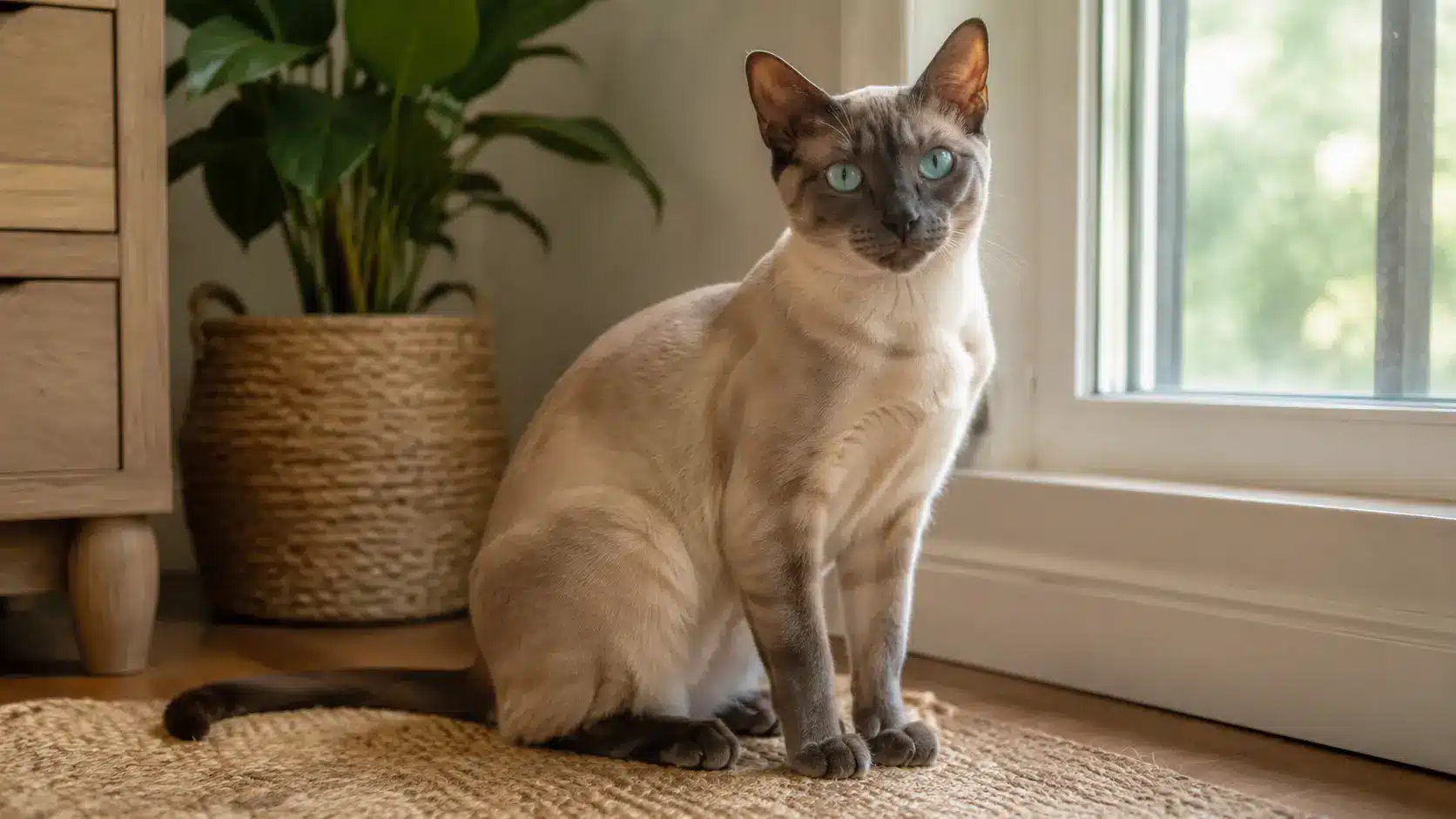
The Tonkinese is a medium-sized, muscular cat positioned between the slender Siamese and compact Burmese in body type. Official standards place greater value on balance, muscle tone, and proportion than size alone.
The CFA breed standard calls for a modified rounded wedge-shaped head, blunt muzzle, open almond-shaped eyes, medium ears, slim legs, oval paws, and a tapering tail.
| Feature | Breed-Standard Description |
|---|---|
| Weight | Males commonly weigh 8 to 12 pounds; females often weigh 6 to 8 pounds |
| Body | Medium length, muscular, firm, and surprisingly heavy |
| Head | Modified, slightly rounded wedge with a blunt muzzle |
| Eyes | Open almond shape with color linked to coat pattern |
| Ears | Medium size, broad base, and oval tips |
| Legs and Paws | Slim, proportionate legs with oval paws |
| Tail | Proportionate to the body and tapering |
| Coat | Short, fine, soft, and close-lying |
| Base Colors | Natural, champagne, blue, and platinum under CFA standards |
| Patterns | Mink, pointed, and solid |
| Eye Colors | Aqua with mink, blue with pointed, and green to yellow-green with solid |
Mink coats have moderate contrast, pointed coats have stronger contrast, and solid coats show little difference between the body and points.
Champagne appears buff-cream to beige, blue appears blue-gray, natural is brown, and platinum is pale silvery gray. The pointed pattern’s blue eyes place the Tonkinese among several breeds known for striking blue eyes that owners often research together.
Accepted colors can differ between registries, so confirm which standard applies before entering a cat in competition. Coat color and pattern affect appearance but do not determine personality, affection, or activity level.
Personality and Temperament
Tonkinese cats are known for being social, vocal, active, and closely involved in household life. They often follow family members, investigate daily activity, seek laps or shoulders, and respond with meows or trills.
Many enjoy fetch, climbing, puzzle toys, and interactive games, and trying out additional interactive play ideas can keep an energetic cat from getting bored. They may live comfortably with respectful children, other cats, or cat-friendly dogs when introductions are gradual and supervised.
This breed often needs more interaction than an independent cat. Long periods alone may lead to boredom, so regular play, climbing areas, toys, and human company are useful parts of daily life.
Individual behavior still varies based on genetics, early socialization, training, health, and previous experiences. Consider the cat’s observed temperament alongside general breed traits before deciding if it suits your household.
Caring for Your Tonkinese Cat
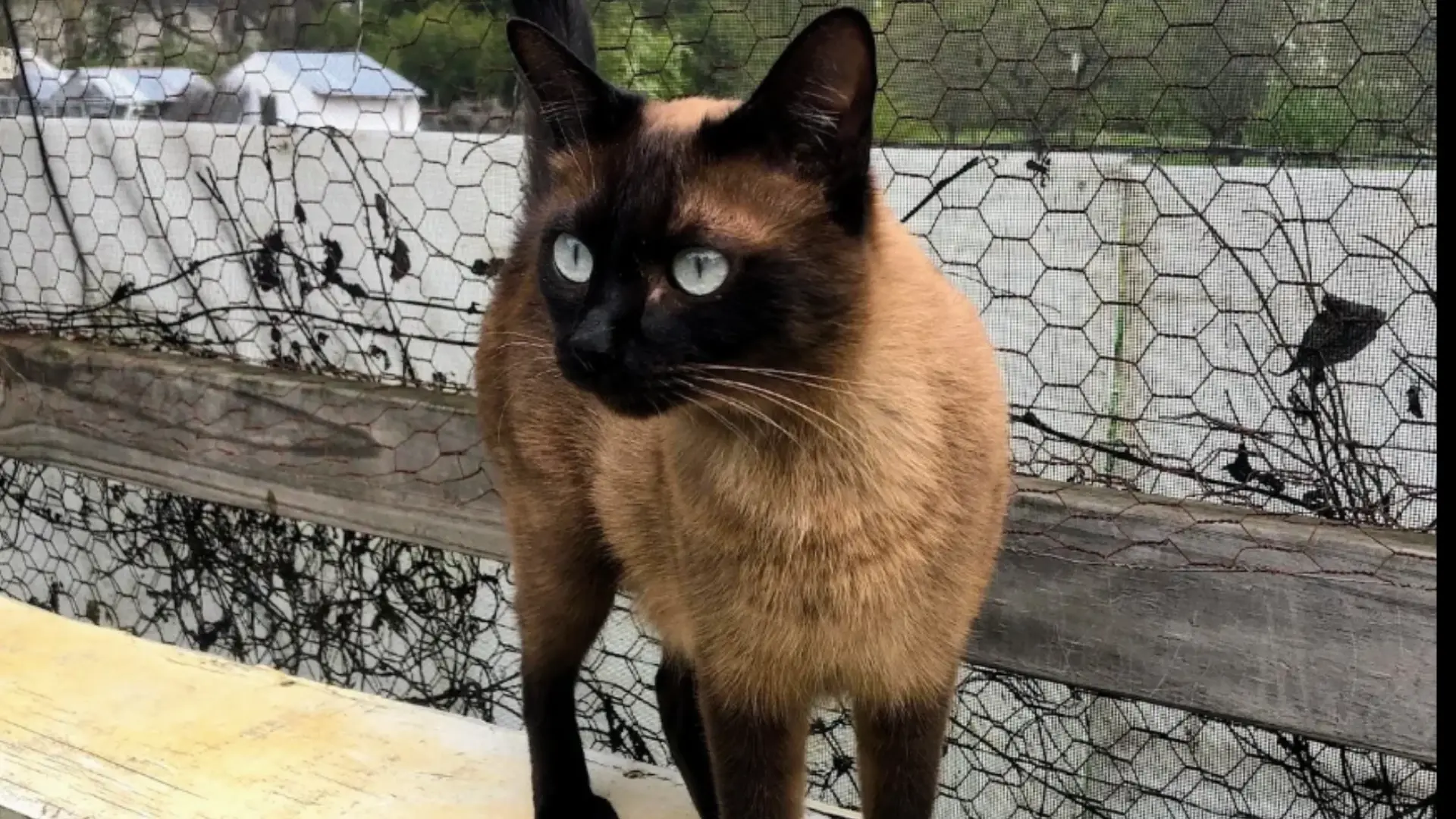
Tonkinese cats have simple grooming needs, but their diet, activity, dental care, and social needs still require regular attention. A steady routine can support healthy weight, coat condition, and daily comfort.
1. Grooming and Coat Care
The short, close-lying coat requires little grooming and rarely develops mats. Brushing once a week with a soft rubber grooming tool can remove loose hair and maintain its smooth texture.
Shedding is usually manageable and may become more noticeable during seasonal coat changes. Check the nails, teeth, skin, coat, and ears regularly, but clean the ears only when needed or when your veterinarian recommends it.
2. Diet and Weight Control
Tonkinese cats are active and muscular, but their appetite can outpace their exercise if meals are not managed. Feed a complete and balanced diet suited to the cat’s age, weight, activity level, and health. Use measured portions and ask your veterinarian for advice if your cat has special dietary needs.
When choosing food, look for a “complete and balanced” statement on the label; the FDA explains what that phrase actually means and why it matters.
3. Health and Lifespan
Tonkinese cats are generally considered healthy, but reported concerns include dental disease, urinary tract problems, inflammatory bowel disease, and amyloidosis. These conditions do not affect every cat.
Ask breeders about health screening and request records for both parents. Routine examinations, dental care, vaccinations, parasite prevention, and weight checks remain necessary.
Many Tonkinese live 12 to 16 years or longer, though genetics, diet, body weight, environment, and veterinary care affect individual lifespan.
Contact your veterinarian about lasting appetite changes, vomiting, diarrhea, urinary trouble, mouth pain, weight loss, or reduced activity. Consistent care and daily interaction can support the cat’s physical health and social needs.
Is a Tonkinese Right for You?
Every cat breed fits some lifestyles better than others, and the Tonkinese is no different. Before you commit, it helps to weigh your daily routine, your household, and how much attention you can give. Here is a quick gut check.
| Good Match | Not Ideal |
|---|---|
| A social cat that talks and bonds closely | Travel often or leave pets alone for long hours |
| A playful pet for kids and other animals | Prefer a quiet, low-interaction cat |
| An interactive breed for engaged owners | Would rather skip daily play sessions |
| A vocal, people-focused indoor companion | Want a cat that keeps to itself |
Family Note: Tonkinese cats are often social with respectful children, but interactions should still be supervised. The Centers for Disease Control and Prevention provides useful cat-safety advice for families
A Tonkinese may suit you if you want a social, active cat and can provide daily interaction. A quieter breed may work better in households where pets regularly spend long periods alone.
Bringing It All Together
A Tonkinese asks for company, play, measured meals, light grooming, and regular vet visits, and gives back a genuinely social, expressive companion in return.
The medium muscular build, short coat, and range of eye colors and patterns make for a distinctive look, but none of that determines who your particular cat turns out to be.
Before you commit to a kitten or adult, take the time to look over registration papers, health records, and breeder screening practices, and spend time with the cat’s actual temperament rather than relying on breed traits alone. If you’ve got kids or other pets at home, plan for gradual, supervised introductions.
Once you’ve weighed the standard and the daily care against your own routine, reach out to a registered breeder or a rescue; they’ll have real answers for whatever’s still on your mind
Frequently Asked Questions
How Much Does this Breed Usually Cost?
Prices differ by breeder, region, pedigree, age, demand, and included veterinary services. Request a written breakdown covering registration, vaccinations, health records, contract terms, and return policies. Rescue groups set their own adoption fees and requirements.
Are these Cats Hypoallergenic?
No cat breed is proven to be hypoallergenic. Tonkinese cats produce allergens found in saliva, skin particles, and urine. Anyone with cat allergies should spend time around the individual cat and speak with an allergy specialist before adoption.
Do Kittens Keep their Birth Color?
Kittens may be lighter than adults because temperature-sensitive coat color develops gradually. Full body color and contrast can take many months to appear, especially in dilute colors, while coat pattern and eye color depend on inherited genes.
How Can You Confirm a Pedigree?
Ask for registration documents from a recognized cat association and records identifying both parents. A pedigree, written contract, veterinary history, and verifiable breeder details provide stronger evidence of ancestry than appearance, advertised color, or the seller’s verbal claim.