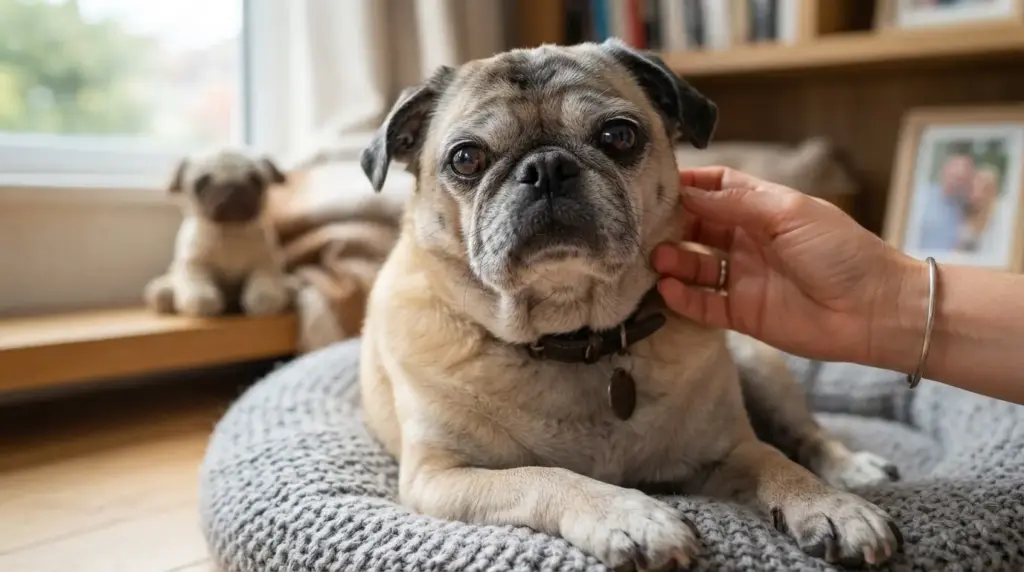
Many pug owners find themselves wondering about their companion’s future as those little habits and funny expressions become part of daily life.
If you have ever asked how long do pugs live, the answer is usually influenced by a range of factors, but several factors can shape their health and comfort over time.
I look at the key things that influence pug longevity, including age-related changes, common health concerns, and care choices that support a better quality of life.
You will find helpful information about what affects their lifespan and the habits that may help them stay healthier as they grow older.
Understanding these details can help you notice important changes early and make thoughtful decisions for your pug’s everyday wellbeing.
How Long Do Pugs Live?
Pugs typically live around 12 to 15 years, although some may reach their mid-teens with good care and healthy genetics. Their lifespan depends on several everyday factors, including diet quality, body weight, activity level, and early detection of health concerns.
Pugs are a brachycephalic breed, meaning their short nose and flat facial structure can make them more prone to breathing-related problems, as is often seen in other flat-faced breeds. This does not mean every pug will experience serious issues, but it makes regular health monitoring important.
A pug’s quality of life matters just as much as the number of years they live. Proper nutrition, safe exercise, dental care, and routine veterinary visits can support healthier aging and help prevent problems from becoming severe.
Note: A pug’s lifespan is only an average estimate and does not predict exactly how long an individual dog will live. Genetics, existing health conditions, lifestyle, and quality of care can all influence lifespan
Pug Life Stages: From Puppy to Senior
Every pug changes differently as they grow, but their needs usually shift across three main life stages. Understanding these changes helps owners adjust care, food, activity, and health monitoring at the right time.
Pug Puppy Stage : 0–1 Year
Pug puppies experience rapid growth during their first year and need proper nutrition, vaccinations, training, and socialization.
This stage helps shape future habits and behavior. Gentle activities, positive reinforcement, and safe exercise are important because their developing bodies and breathing systems need extra care. Regular veterinary visits also help track healthy growth.
Adult Pug Stage: 1–7 Years
Adult pugs are usually affectionate, playful, and energetic, but this stage requires focus on maintaining a healthy lifestyle. Balanced meals, regular walks, dental care, and routine vet visits support their long-term wellbeing.
Keeping their weight under control is especially important because extra weight can increase stress on joints and make breathing concerns more noticeable.
Senior Pug Stage: 8+ Years
Senior pugs often become less active and may need changes in their daily routine to stay comfortable. Joint support, softer bedding, senior-friendly nutrition, and regular health checks can help manage age-related changes.
Owners should monitor movement, appetite, breathing, and behavior because early attention to changes can improve comfort and support a better quality of life.
Factors that Affect a Pug’s Longevity
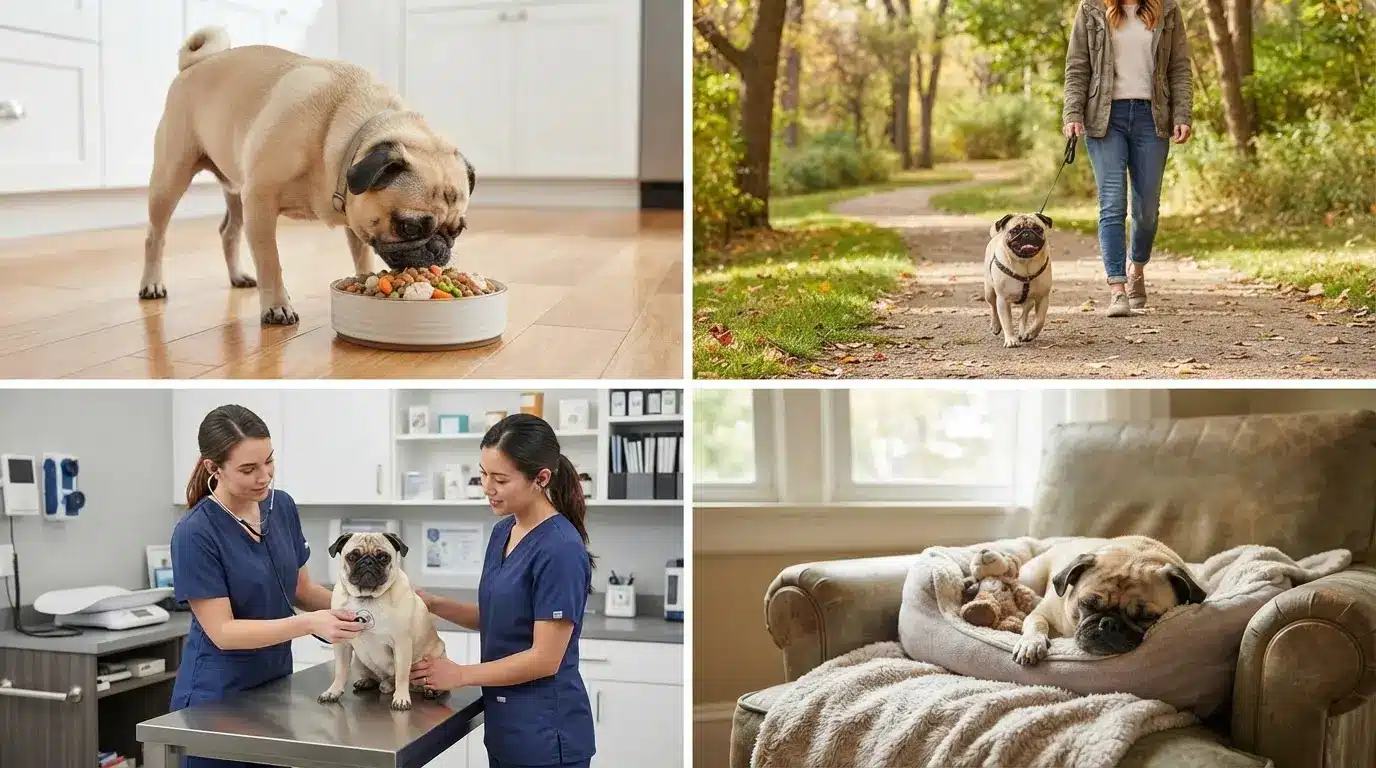
A pug’s lifespan depends on more than age. Genetics, daily habits, nutrition, and health care all influence how comfortably they age. Small care choices can support better health over time.
- Genetics and Breeding Quality: Genetics can influence the occurrence of breathing, eye, and joint problems. Responsible breeding and regular health monitoring may help reduce risks.
- Healthy Weight Management: Maintaining a healthy weight reduces pressure on joints and supports easier breathing. Proper portions and regular weight checks are important.
- Proper Diet and Nutrition: Balanced meals, correctly measured portions, and fresh water help support energy levels, muscle health, and overall wellbeing.
- Exercise and Daily Activity: Moderate exercise, gentle play, and mental activities help keep pugs active while avoiding strain on their bodies.
- Preventive Veterinary Care: Regular checkups, vaccinations, dental care, and health screenings help detect concerns early and support long-term health.
Note: Lifestyle improvements can support better health, but they cannot remove all genetic risks. Some health conditions may still occur despite proper care
These factors work together to shape a pug’s health and comfort. Consistent care, regular monitoring, and healthy routines can support a better quality of life throughout their years.
Common Health Problems that Affect Pug Lifespan
Pugs can be prone to certain health concerns because of their unique body structure. Knowing these problems helps owners notice early signs and provide better care.
| Health Problem | Signs to Watch For | Care Tips |
|---|---|---|
| Breathing Problems | Noisy breathing, snoring, overheating, exercise difficulty | Maintain a healthy weight, avoid heat, and schedule checkups |
| Obesity | Low energy, weight gain, reduced activity | Control portions, limit treats, and provide regular exercise |
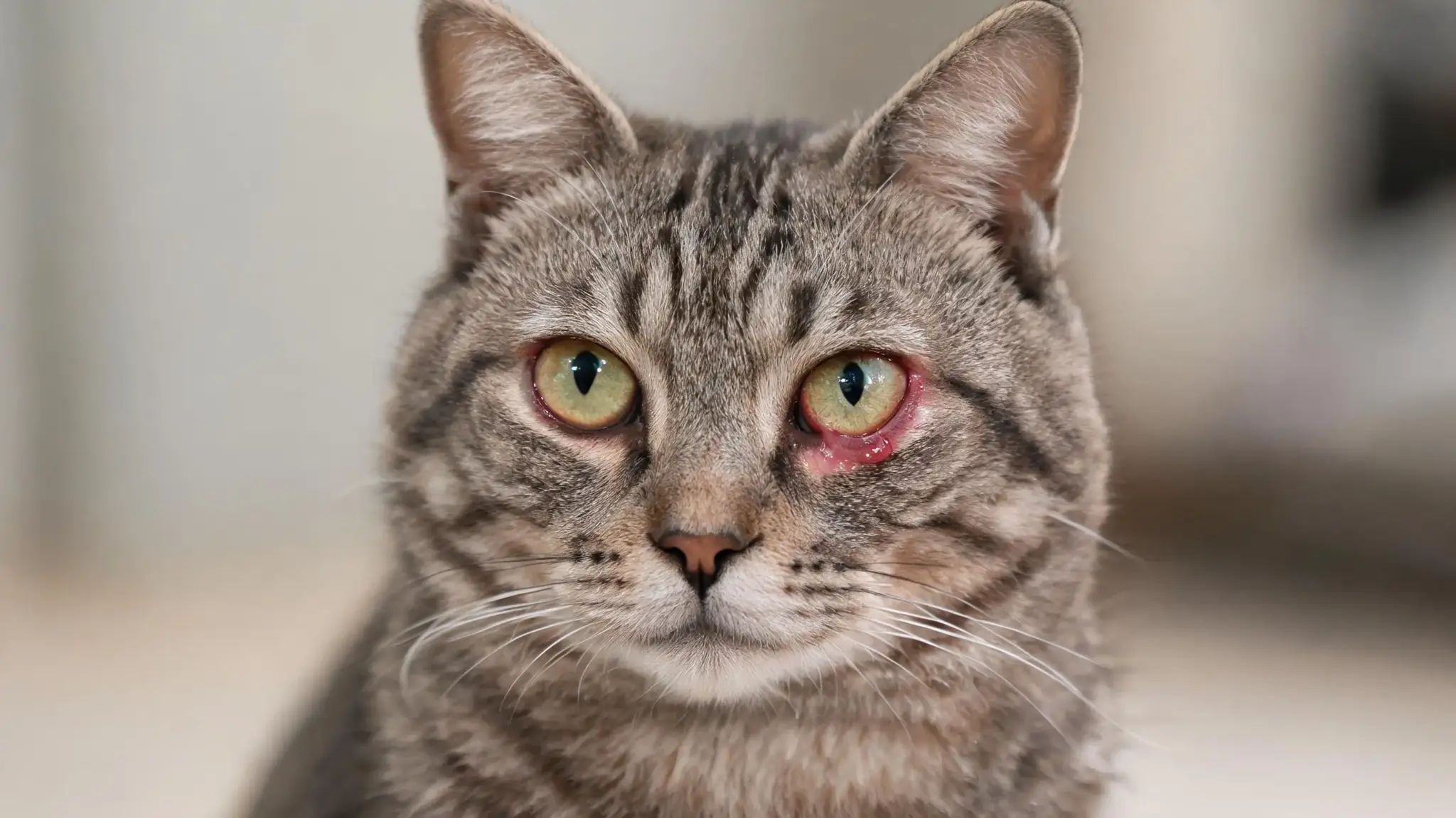
| Eye Problems | Redness, tearing, rubbing, irritation | Monitor changes and seek veterinary care when needed |
| Skin Problems | Itching, redness, irritation, odor | Clean wrinkles regularly and manage allergies |
| Joint Issues | Stiffness, trouble walking, reduced movement | Support a healthy weight and provide gentle activity |
Caution: Not every pug will develop these health problems. These conditions are common concerns within the breed, but only a veterinarian can diagnose specific issues.
These health concerns do not affect every pug in the same way, but being aware of possible problems helps owners respond early. Regular care, healthy habits, and attention to small changes can support better comfort and wellbeing throughout a pug’s life.
How to Help Your Pug Live Longer
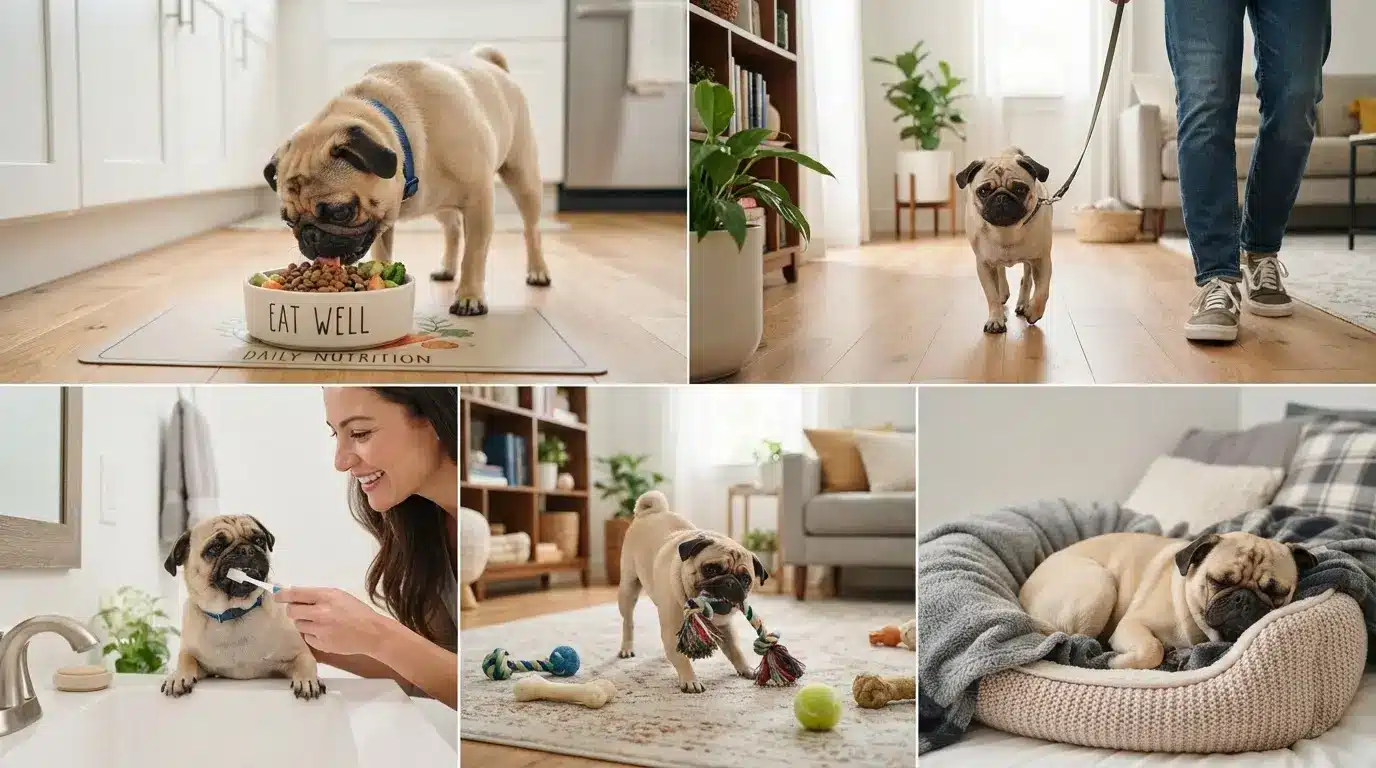
Small daily habits often have the biggest effect on a pug’s health over time. A consistent routine focused on nutrition, movement, and preventive care can support better aging.
1. Maintain a Healthy Body Weight
Keeping a pug at a healthy weight is one of the most effective ways to protect their health. Extra pounds can increase strain on joints, affect movement, and make breathing more challenging. A veterinarian can also help determine an ideal body condition based on age, size, and health needs. Helpful habits include:
- Measuring meals instead of guessing portions
- Choosing lower-calorie treats
- Avoiding frequent table scraps
- Checking weight regularly
2. Schedule Regular Veterinary Visits
Routine veterinary appointments help track changes that may not be obvious at home. Many health concerns are easier to manage when identified early. Senior pugs may need additional checkups because age-related changes can develop gradually. Regular visits allow monitoring of:
- Breathing function
- Weight changes
- Dental health
- Skin and eye condition
- Mobility issues
3. Protect Your Pug’s Breathing
Because of their short facial structure, pugs need extra care during physical activity and warm weather. Heat can make breathing more difficult, so outdoor time should be planned carefully. Breathing changes should never be ignored, especially if they appear suddenly. Helpful steps include:
- Avoiding exercise during peak heat
- Providing access to fresh water
- Watching for excessive panting
- Using comfortable walking equipment
4. Provide Appropriate Exercise
Pugs still need daily activity to maintain muscle strength and prevent weight gain. However, their exercise should match their physical abilities. Exercise should be consistent but not exhausting. A pug that becomes unusually tired or struggles to breathe may need a health check. Suitable activities include:
- Short walks
- Gentle indoor games
- Training exercises
- Food puzzles
5. Focus on Dental Care
Dental health is often overlooked but plays an important role in a dog’s overall wellbeing. Plaque and bacterial buildup can contribute to gum problems and discomfort. Starting dental care early makes it easier for pugs to accept the routine as they grow older. Good dental habits include:
- Regular tooth brushing
- Veterinary dental evaluations
- Dental-friendly chew options
6. Create a Comfortable Living Environment
A safe home environment becomes even more important as pugs age. Older dogs may have reduced mobility, so small adjustments can be helpful. These changes can help senior pugs stay relaxed and maintain independence. Consider:
- Soft supportive bedding
- Easy access to food and water
- Reduced slippery surfaces
- Comfortable resting spaces
Note: Healthy habits can improve comfort and support overall wellbeing, but they cannot guarantee a specific lifespan. Every pug has unique health needs based on genetics and individual conditions.
Signs Your Pug May Be Aging
Aging is a natural part of a pug’s life, and changes often appear slowly rather than all at once. Recognizing these signs helps owners adjust routines and provide better comfort as their companion gets older.
| Aging Sign | What It May Mean |
|---|---|
| Less energy | Older pugs may need more rest between activities |
| Stiff movement | Joint changes can make movement slower |
| More sleeping | Senior dogs often require extra rest |
| Weight changes | Metabolism and activity levels may shift |
| Cloudy eyes | Some age-related eye changes can appear |
Caution: Slower movement or increased sleeping can happen with age, but sudden changes may indicate pain or illness. Avoid assuming every change is only due to aging.
Older pugs may also become less interested in long walks or active play. These changes are not always a concern, but sudden differences in behavior, appetite, or movement should be discussed with a veterinarian.
When Should You Take a Pug to the Vet?
Not every change in a pug’s behavior means there is a serious problem, but certain signs need professional attention. Early veterinary care can help identify health concerns before they become more difficult to manage.
A vet visit may be needed if your pug shows difficulty breathing, unusual breathing sounds, sudden loss of appetite, repeated vomiting or diarrhea, extreme tiredness, weakness, changes in walking ability, persistent scratching, skin irritation, redness, swelling, or eye discomfort.
Owners usually know their pets’ normal habits best, so noticing unusual changes early can make a difference. Checking with a veterinarian when something feels wrong can help provide clarity and support better long-term health.
Tips for Supporting a Senior Pug’s Comfort
Senior pugs may need small adjustments to stay comfortable and active as they age. Their care routine should focus on reducing physical stress while keeping them mentally engaged.
A senior pug may benefit from simple changes that make daily life easier, including:
- Providing a soft bed that supports joints
- Keeping food and water within easy reach
- Maintaining a consistent daily routine
- Offering gentle play instead of intense activity
- Tracking weight changes
- Noticing changes in breathing
- Checking skin folds regularly
- Monitoring appetite and bathroom habits
Older pugs still benefit from interaction and enrichment. Simple training exercises, sniffing games, and puzzle toys can keep their minds active without putting extra strain on their bodies. These activities help support their comfort and keep them engaged as they grow older.
Final Thoughts
A pug’s lifespan is shaped by the care, attention, and daily choices made throughout each stage of life. I believe understanding their health needs can help you provide better support as your companion grows older.
Learning about weight management, regular checkups, exercise, and common health concerns gives you a clearer idea of what matters most. Knowinghow long pugs live also helps set realistic expectations and prepare for their changing needs.
Small steps, like noticing early signs and maintaining healthy routines, can improve their comfort over time.
Share your pug’s experiences in the comments, try these care tips at home, and check out related pet health blogs for more guidance.
Frequently Asked Questions
What is the Best Age to Adopt a Pug?
The best adoption age depends on your lifestyle and experience. Puppies need more training and attention, while adult pugs may already have established habits. Choosing a pug that matches your routine can support a better relationship.
Do Pugs Need Special Care During Winter?
Pugs may need extra protection during cold weather because their short coats provide limited insulation. Comfortable indoor temperatures, warm bedding, and shorter outdoor periods can help them stay comfortable during colder months.
Can Lifestyle Changes Improve a Pug’s Quality of Life?
Yes, lifestyle adjustments can support better comfort and wellbeing. A consistent routine, mental stimulation, appropriate activities, and regular health monitoring can help pugs enjoy their daily lives as they age.
How Can I Tell If My Pug is Happy?
A happy pug often shows relaxed body language, normal appetite, playful behavior, and interest in family interaction. Changes like withdrawal, reduced activity, or unusual habits may indicate stress or discomfort.