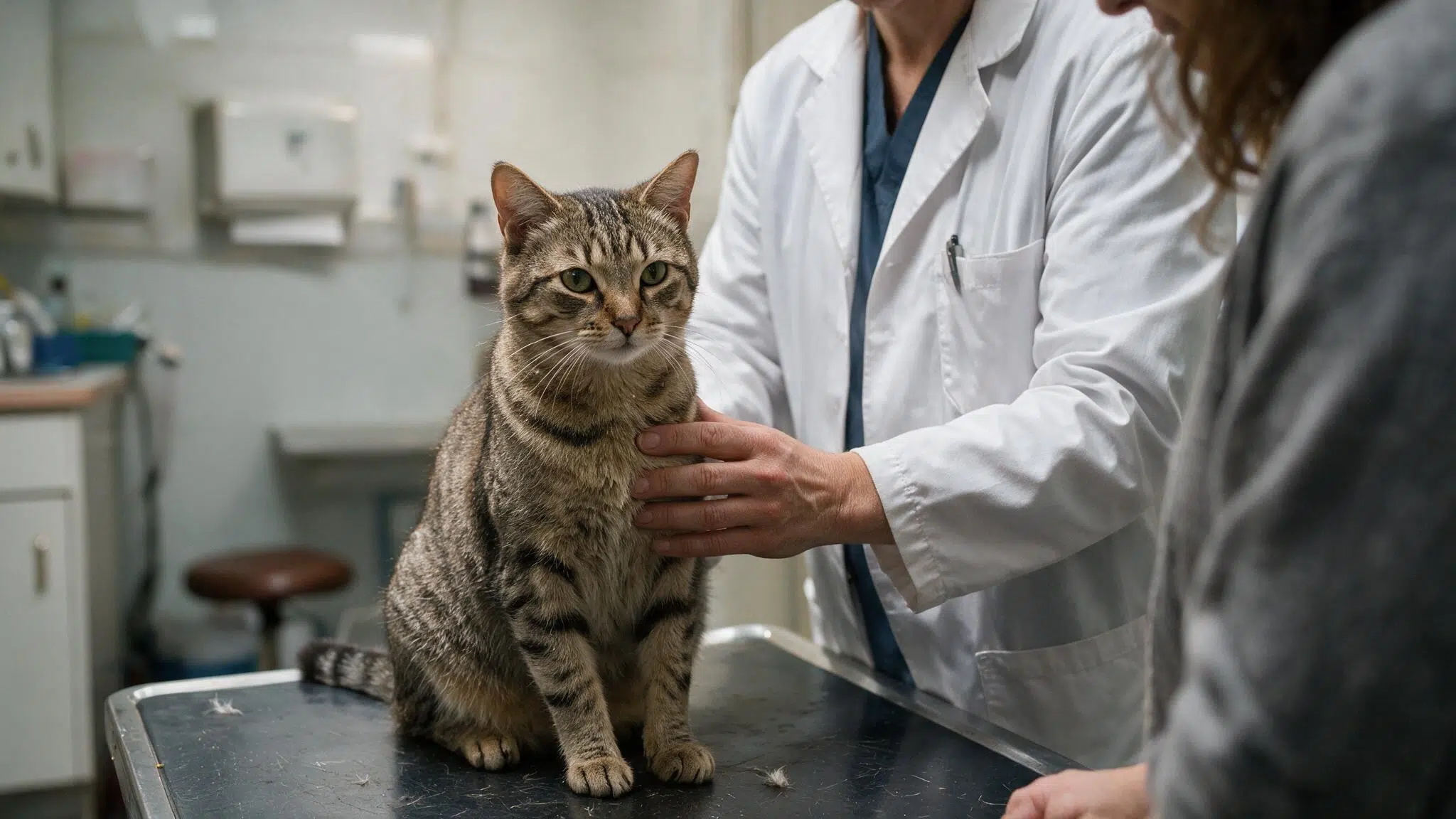
French Bulldogs can be affectionate, playful companions, but throughout my years in veterinary practice, I’ve found they often need more medical care than many other breeds.
I’ve treated Frenchies with breathing difficulties, skin disease, eye injuries, and spinal disorders caused by their unique body structure.
While it’s unfair to label French Bulldogs as “the worst,” I understand why some owners feel overwhelmed by the health challenges and veterinary costs they face.
My goal is to help you understand the most common health problems, what to expect as an owner, and how early recognition and proper care can make a meaningful difference.
Why Do French Bulldogs Have So Many Health Problems?
French Bulldogs have several inherited and conformational risk factors. Their flat faces explain many problems involving breathing, temperature control, eyes, teeth, and skin folds, but they do not account for every disorder.
Brachycephalic obstructive airway syndrome can involve narrowed nostrils, an elongated or thickened soft palate, everted laryngeal saccules, a narrow trachea, and progressive laryngeal collapse. These changes restrict airflow and can worsen with heat, humidity, excitement, exercise, or excess weight.
Separate inherited traits increase the risk of early disc degeneration, abnormal vertebrae, hip problems, allergies, and recurring ear disease. A dog may inherit several risks even when it appears healthy as a puppy.
Careful breeding decisions and health screening may reduce uncertainty, but no breeder can guarantee that a French Bulldog will remain free of structural disease.
Are French Bulldogs Unhealthy Compared with Other Breeds?

Individual health varies, but French Bulldogs have higher documented odds of several disorders than the wider dog population.
A VetCompass study found increased odds for narrowed nostrils, brachycephalic obstructive airway syndrome, ear discharge, skin-fold dermatitis, and difficult birth.
This does not mean every French Bulldog will develop severe illness. Some need limited treatment, while others require repeated medication, specialist care, or surgery.
Weight control, heat precautions, routine examinations, and early treatment may reduce complications and improve comfort.
They cannot remove narrowed airways, abnormal vertebrae, disc degeneration, or other inherited anatomy. The health difference is therefore a matter of increased risk, not a prediction of one dog’s medical future.
The Most Common French Bulldog Health Issues
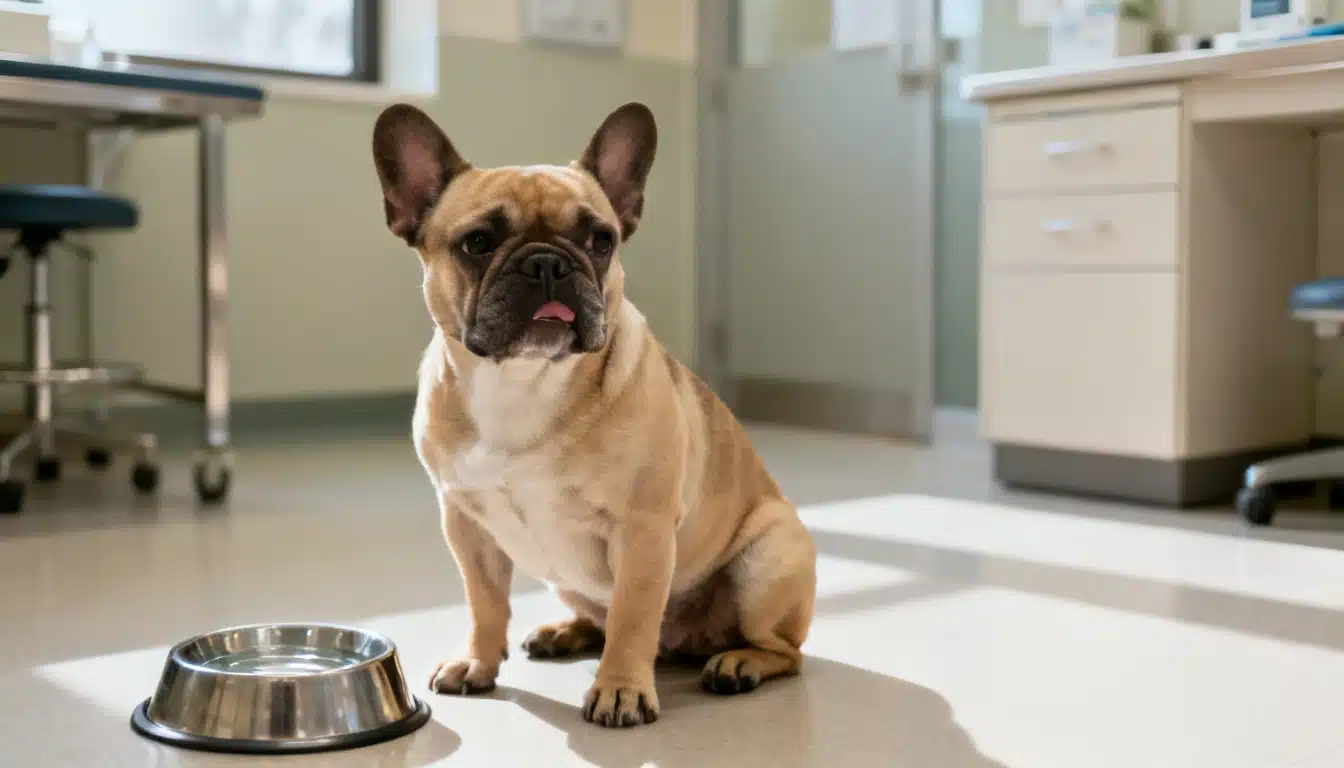
French Bulldogs may develop conditions involving the airway, spine, skin, ears, eyes, digestion, and joints. Knowing the warning signs helps owners seek care before a problem becomes more painful or difficult to manage.
1. Airway Problems and Heat Intolerance
Brachycephalic obstructive airway syndrome may involve narrowed nostrils, an elongated or thickened soft palate, everted laryngeal saccules, a narrow trachea, or laryngeal collapse. Signs include noisy breathing, gagging, poor exercise tolerance, blue gums, and collapse.
Restricted airflow also makes cooling through panting less efficient. Heat, humidity, strenuous exercise, excitement, and excess weight can increase the risk of respiratory distress or heatstroke. Some affected dogs require airway surgery.
2. Spinal, Vertebral, and Joint Conditions
French Bulldogs are predisposed to intervertebral disc disease because chondrodystrophy can cause early disc degeneration. Congenital vertebral malformations, hip dysplasia, and kneecap instability may also affect comfort and movement.
Signs include back or neck pain, limping, stiffness, weakness, an unsteady gait, reluctance to jump, paralysis, or loss of bladder control. Sudden neurological changes require urgent veterinary care.
3. Skin Allergies and Ear Problems
Environmental or food allergies may cause itching, licking, hair loss, redness, ear inflammation, and recurring infections.
Facial and tail folds can also retain moisture and debris, while yeast or bacteria may affect irritated skin and ears, and knowing the right way to clear buildup can support whatever treatment plan a veterinarian recommends.
Watch for head shaking, scratching, odor, discharge, swelling, or pain. Recurring problems require diagnosis and ongoing management rather than repeated cleaning without identifying the cause.
4. Eye Disorders
Prominent eyes and shallow eye sockets increase exposure to dryness, debris, and injury. French Bulldogs may develop corneal ulcers, dry eye, cherry eye, or other painful eye conditions, some of which share redness and discharge patterns veterinarians evaluate in any breed.
Squinting, cloudiness, redness, discharge, swelling, or rubbing at an eye requires prompt veterinary assessment. Corneal damage can worsen quickly and may threaten vision without treatment.
5. Digestive Problems
Some French Bulldogs develop regurgitation, vomiting, reflux, swallowing difficulty, or hiatal hernia, and short-term diet changes are sometimes used alongside settling an upset stomach while the underlying cause is investigated.
Digestive and airway signs may occur together, so repeated gagging should not automatically be dismissed as normal for a flat-faced dog.
Ongoing vomiting, regurgitation, appetite loss, weight loss, or abdominal discomfort requires veterinary evaluation.
Not every French Bulldog develops these conditions. However, labored breathing, collapse, overheating, sudden weakness, paralysis, loss of bladder control, or severe eye pain should never be treated as harmless breed behavior.
Clinical signs can overlap with many other conditions, and French Bulldogs may have more than one health problem at the same time. If your dog has difficulty breathing, collapses, develops sudden weakness or paralysis, shows severe eye pain, or becomes overheated, seek veterinary care immediately rather than monitoring symptoms at home. Early diagnosis often improves treatment options and outcomes.
How Long Do French Bulldogs Usually Live?
No single condition can be named as the universal leading cause of death in French Bulldogs. Studies have reported different findings because they examined different countries, time periods, age groups, and numbers of dogs.
One veterinary-record study identified brain and spinal cord disorders as common grouped causes among French Bulldogs with recorded causes of death. Other research has produced different rankings, so BOAS should not be described as the confirmed leading cause.
A 2024 study involving more than half a million UK dogs estimated a median survival of approximately 9.8 years for French Bulldogs. This population figure cannot predict the lifespan of an individual dog in the United States.
Breathing disease, neurological problems, cancer, trauma, and other illnesses may affect longevity. Early diagnosis and treatment can improve comfort and outcomes, but they cannot guarantee a particular lifespan.
What Can French Bulldog Health Care Cost?
French Bulldog medical needs can create expenses beyond routine examinations, vaccines, parasite prevention, and dental care. Owners should prepare for repeated appointments, diagnostic imaging, medication, specialist consultations, emergency care, or surgery.
1. Veterinary Expenses
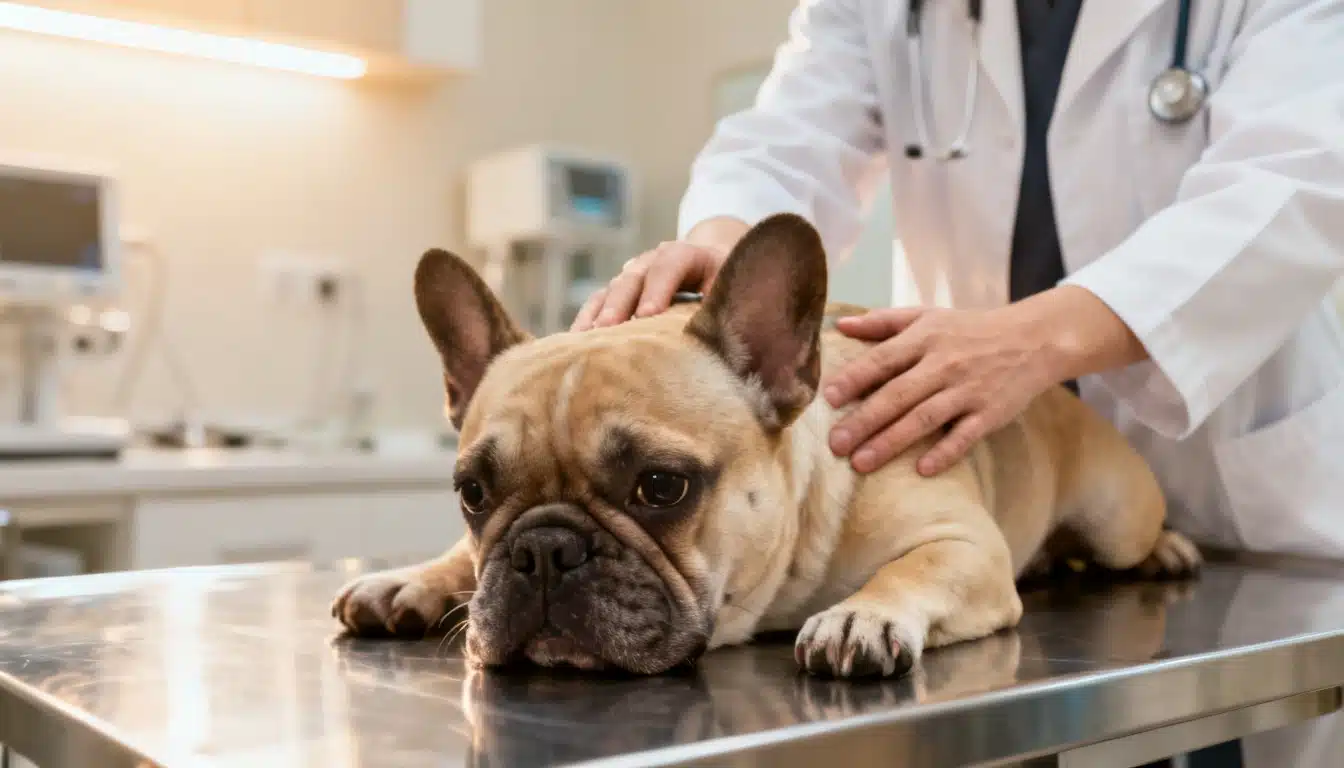
Airway surgery, spinal imaging or surgery, emergency hospitalization, allergy treatment, eye care, and reproductive care can cost thousands of dollars. Exact prices vary by region, hospital, procedure, emergency status, and the severity of the condition.
Ask local primary-care and emergency hospitals about examination, imaging, surgery, and hospitalization fees. A dedicated veterinary fund may help cover expenses that fall outside routine care.
2. Pet Insurance

Insurance premiums vary by the dog’s age, location, deductible, reimbursement rate, annual limit, and provider. Obtain current quotes before symptoms or diagnoses appear because policies generally exclude pre-existing conditions.
Read the full policy to confirm whether hereditary, congenital, orthopedic, neurological, and brachycephalic conditions are eligible. Check waiting periods, examination-fee coverage, rehabilitation limits, and bilateral-condition rules.
Insurance may reduce some financial risk, but exclusions, deductibles, reimbursement rules, and annual limits mean owners can still face substantial direct costs.
What Real Owners Say About French Bulldogs

Owner discussions provide useful context about daily life, but they cannot predict the health or cost of an individual dog. Experiences differ according to genetics, age, disease severity, veterinary access, and insurance coverage.
In the cited Reddit discussion, some owners describe recurring allergies, digestive problems, breathing concerns, spinal treatment, and unexpected veterinary expenses. Others report relatively few major medical problems.
Many participants also describe the breed as affectionate, playful, people-focused, and emotionally rewarding. Positive temperament does not cancel the medical risks, just as difficult owner experiences do not mean every dog will follow the same course.
Use community reports to understand possible routines and expenses, but base health decisions on veterinary evidence and the records of the specific dog, breeder, or rescue.
How Can Owners Reduce the Risks?
No routine can eliminate inherited or conformational disease. However, informed sourcing, early veterinary care, weight control, and environmental precautions may reduce complications or help identify problems sooner.
- Verify health screening: Ask for public results from breed-relevant evaluations. The Orthopedic Foundation for Animals explains that screening records improve transparency but do not guarantee a disease-free puppy.
- Request an airway assessment: Quiet breathing at rest does not rule out BOAS. Ask about nostril width, exercise tolerance, sleep-related breathing, gagging, regurgitation, and respiratory grading.
- Maintain a lean weight: Excess body fat can worsen airway obstruction, heat intolerance, and joint strain.
- Limit heat and strenuous exercise: Use short walks during cooler hours and stop immediately if breathing becomes labored.
- Use a harness: Pressure from a neck collar may increase discomfort in a dog with airway problems.
- Monitor mobility: Sudden pain, weakness, an unsteady gait, paralysis, or loss of bladder control requires urgent veterinary care.
- Check folds, ears, and eyes: Redness, odor, discharge, cloudiness, squinting, or pain should not be treated as normal breed traits.
- Choose suitable veterinary care: Ask how the clinic manages brachycephalic patients during sedation, anesthesia, recovery, and respiratory emergencies.
These measures support safer care, but prospective owners should still prepare for conditions that cannot be prevented or controlled at home.
Is a French Bulldog Still a Good Choice?
A French Bulldog may suit someone prepared for financial uncertainty, heat restrictions, moderate exercise, routine skin and ear care, and the possibility of specialist treatment. Affectionate behavior alone should not determine the decision.
The breed may be a poor match for households that cannot manage emergency expenses, need a dog for strenuous outdoor activity, live without reliable cooling, or want a low-maintenance companion.
Prospective owners can also consider adopting an adult French Bulldog through a reputable rescue. An adult dog’s breathing, mobility, temperament, and current medical needs may be easier to assess than those of a young puppy.
The phrase “French bulldogs are the worst” reflects frustration rather than a fair judgment of the dogs. The more useful question is whether the documented risks fit the household’s budget, schedule, climate, and expectations.
Final Thoughts
French Bulldogs can be wonderful companions, but they are not a low-maintenance breed.
In my experience, the owners who do best are those who understand the potential health challenges before bringing one home, rather than being surprised by them later.
Regular veterinary care, careful weight management, protection from heat, and early attention to new symptoms can make a meaningful difference in quality of life.
If you’re considering a French Bulldog, make your decision with realistic expectations, a plan for long-term care, and a commitment to meeting the breed’s unique health needs.
Frequently Asked Questions
Do All French Bulldogs Need Airway Surgery?
No. Many French Bulldogs live comfortably without ever needing surgery, especially with weight management and heat precautions. Surgery becomes necessary only in more severe BOAS cases where breathing genuinely limits the dog’s quality of life.
Can French Bulldogs Go on Walks and Play Like Other Dogs?
Yes, but with limits. Short, frequent walks in cool weather work better than long or intense exercise, since their airway can’t support the same level of exertion as in breeds with a normal-length snout.
Is It True French Bulldogs Can’t Swim?
Generally, yes. Their heavy, front-loaded body shape and short legs make swimming difficult and risky, so most owners avoid unsupervised access to pools or open water and use a life vest if water is unavoidable.