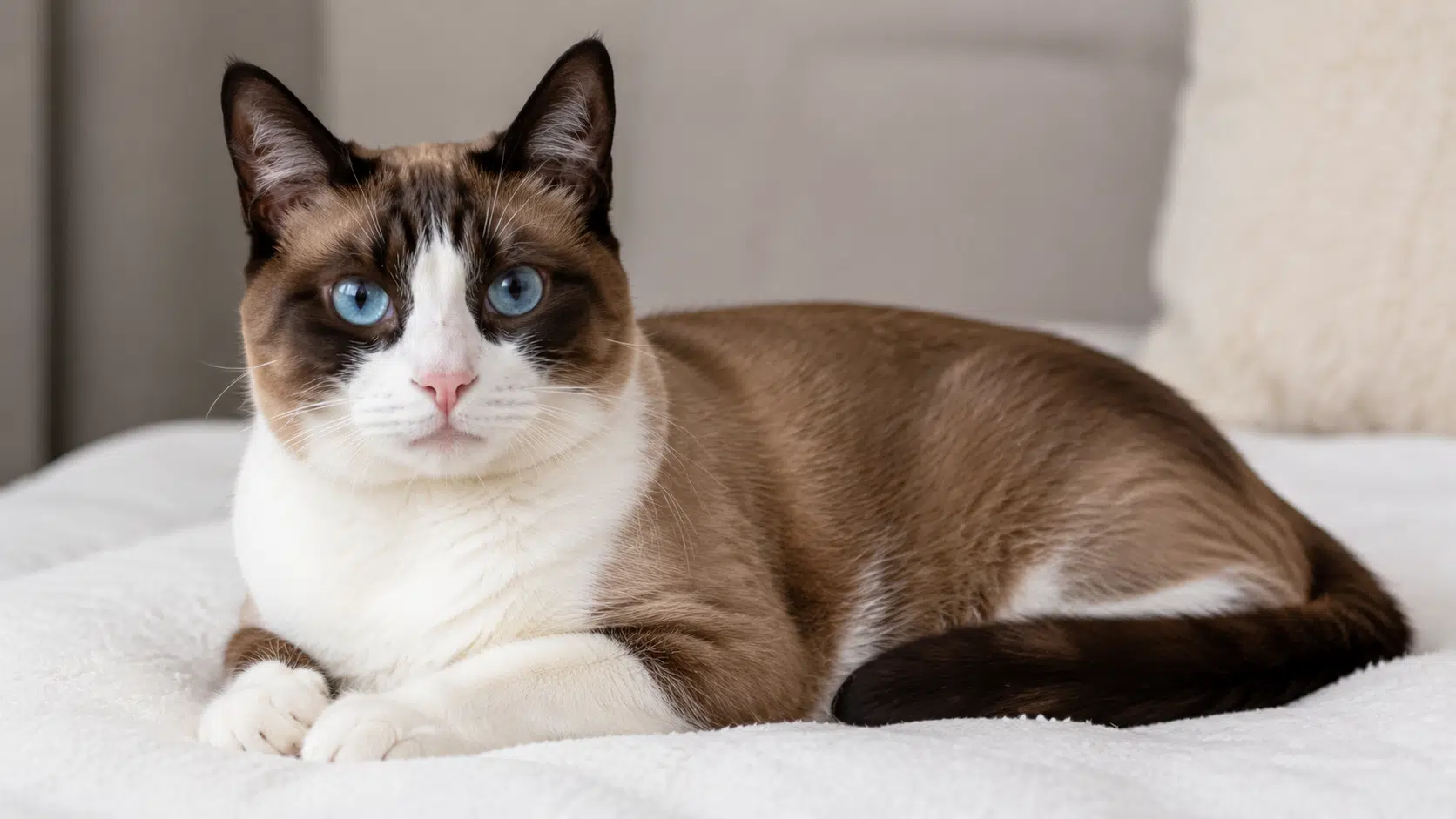
White feet, blue eyes, and pointed coloring give the Snowshoe cat an unmistakable look, but its friendly, people-oriented personality is just as memorable.
Over the years, I’ve learned that families often focus on the breed’s appearance while overlooking its care needs, activity level, and social nature.
Developed in the United States from Siamese cats and shorthaired cats with white markings, the Snowshoe is now a distinct pedigreed breed, although some people still use the informal name “Snowshoe Siamese.”
This article covers the breed’s history, temperament, grooming, health, lifespan, and the factors that can influence Snowshoe cat price.
The Origins of the Snowshoe Cat
The modern breed originated in Philadelphia during the early 1960s. Breeder Dorothy Hinds-Daugherty began developing the line after finding three white-footed kittens in a Siamese litter.
She bred the Siamese cats with a shorthaired domestic cat showing tuxedo-style white markings. Producing a consistent combination of pointed coloring and balanced white areas proved difficult, which slowed the breed’s early development.
Interest declined until only one documented breeder remained in 1977. Other breeders later joined the program and helped establish a formal standard. According to The International Cat Association, the Snowshoe received championship recognition in 1994.
Although the term snowshoe Siamese is sometimes used informally, the Snowshoe has developed into a separate pedigreed breed with its own standard.
Snowshoe Cat Traits and Appearance
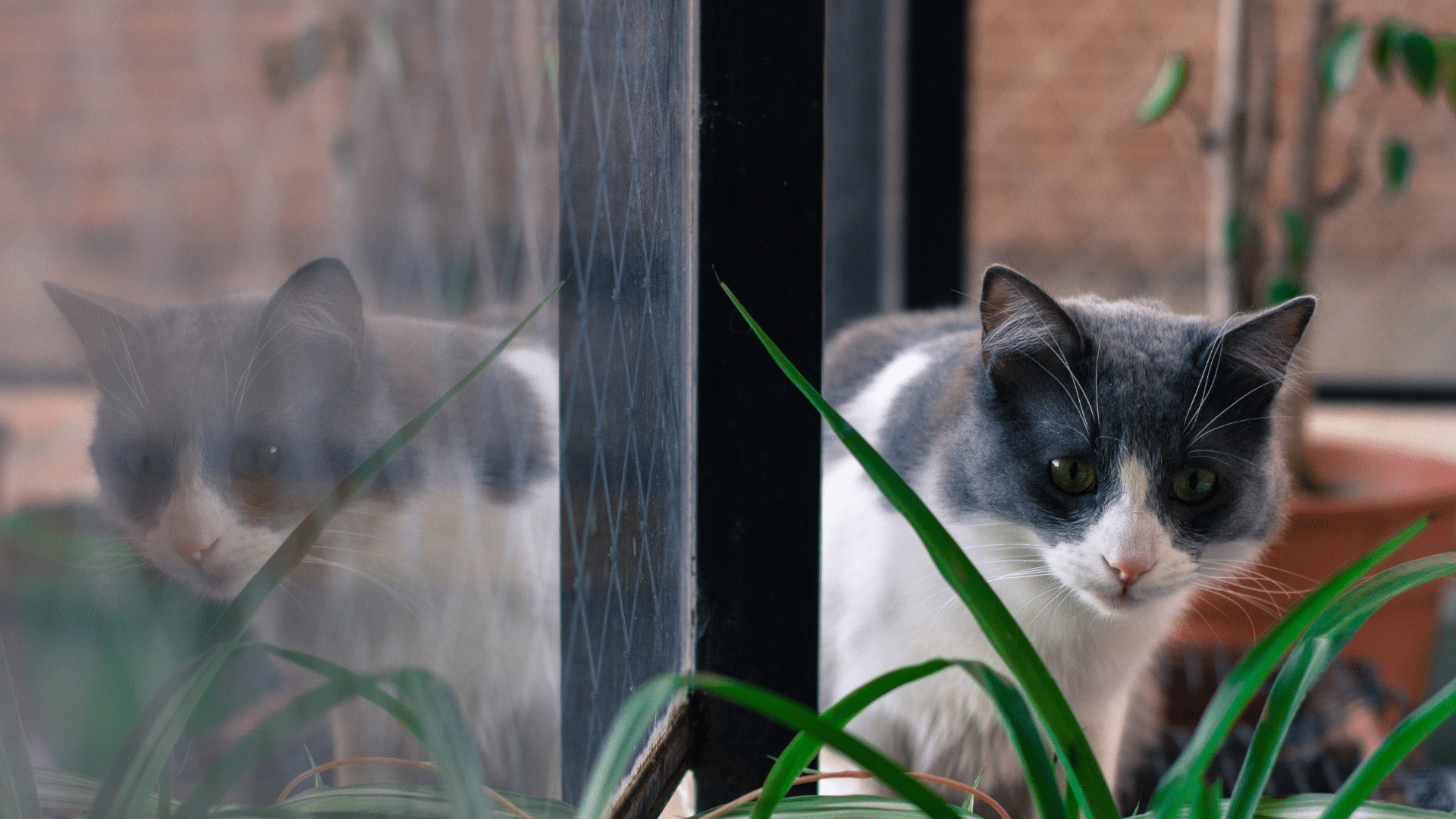

The Snowshoe is a medium-sized, shorthaired cat with blue eyes, pointed coloring, and white feet. Its body should look balanced and muscular rather than extremely slender or heavy.
| Characteristic | Typical Description |
|---|---|
| Size | Females generally weigh 7–10 pounds, while males generally weigh 9–12 pounds |
| Body | Medium-sized, balanced, muscular, and athletic |
| Head | Modified wedge shape with balanced proportions |
| Eyes | Blue and usually oval or walnut-shaped |
| Coat | Short, smooth, and close-lying |
| Pattern | Pointed coloring combined with white spotting |
| Feet | White markings on all four feet |
| Facial Markings | May include an inverted white V, although shape and symmetry vary |
| Grooming | Weekly brushing is usually sufficient |
| Activity | Active and interested in regular interactive play |
Snowshoe kittens are born pale, and the point color becomes clearer as they mature. Full color and contrast can take up to two years to develop.
Accepted colors and patterns can differ between registries. The Governing Council profile can help readers understand how one established registry describes the breed.
A cat with blue eyes, points, and white feet is not automatically a pedigreed Snowshoe. Registration or documented ancestry is needed to confirm its breed.
What is a Snowshoe Cat Like?
Snowshoes are commonly described as social, active, and intelligent. However, these are general breed tendencies, and individual cats can be quiet, outgoing, reserved, or strongly attached to one person.
Many enjoy interactive toys, climbing structures, puzzle feeders, and reward-based training. Some learn fetch-style games or simple routines when food, toys, or praise are used as rewards.
Some Snowshoes are vocal, while others communicate more quietly. Vocal individuals are often described as having a softer voice than the typical Siamese voice.
Many can live successfully with respectful children, cats, or cat-friendly dogs when introductions are gradual. Compatibility still depends on the animals’ ages, previous experiences, and individual behavior.
Because many Snowshoes seek regular human contact, they may not suit a home where they are routinely left without company or activity for long periods.
Snowshoe Care and Health

Snowshoes have relatively simple grooming requirements, but coat care is only one part of responsible ownership. Nutrition, play, preventive veterinary care, and attention to behavioral changes remain important throughout the cat’s life.
1. Grooming
Snowshoes have short, smooth coats that usually need brushing once or twice a week. Brushing removes loose hair, distributes natural skin oils, and gives you a chance to notice irritation, lumps, or coat changes.
Trim the nails as needed and provide routine dental care, since getting comfortable with keeping a cat’s teeth clean early on makes the habit easier to maintain.
Check the ears regularly, but clean them only when necessary and with a veterinarian-approved product. Contact a veterinarian if you notice redness, odor, discharge, swelling, persistent scratching, or sudden hair loss.
2. Feeding
Choose food labeled complete and balanced for the cat’s species and life stage. The Association of American Feed Control Officials recommends checking the nutritional adequacy statement and following feeding directions as a starting point.
Portions may need to change based on age, activity, body condition, pregnancy, or medical needs. Ask a veterinarian for help if the cat is gaining or losing weight unexpectedly, and settling on a consistent daily feeding routine can also make portion changes easier to track over time.
3. Activity and Attention
Provide daily play using wand toys, balls, climbing areas, and food puzzles, along with other engaging indoor activities that keep a curious cat occupied. Rotate toys periodically so the cat has different activities without needing constant access to new products.
Social interaction is equally important. A compatible pet may provide company for some Snowshoes, but another animal is not a guaranteed replacement for human attention.
4. Health and Lifespan
Snowshoes are generally considered healthy, but breed-specific health and lifespan data are limited. Polycystic kidney disease has been reported, although its prevalence is unknown.
Routine veterinary care, dental care, parasite prevention, and weight management support long-term health. Prospective buyers should also request parental health records and ask about inherited conditions within the kitten’s family line.
Snowshoe and Siamese Differences
Snowshoe and Siamese cats share ancestry, pointed coloring, and blue eyes. They remain separate breeds with different standards, markings, body types, and availability.
| Feature | Snowshoe | Siamese |
|---|---|---|
| Origin | Developed in the United States | Originated in Thailand, formerly Siam |
| Body | Balanced, muscular, and moderately built | Slender, long, and fine-boned under the modern standard |
| Markings | Pointed coloring with white feet and other possible white areas | Pointed coloring without required white spotting |
| Eyes | Blue | Blue |
| Voice | May be vocal or quiet; often described as softer | Commonly associated with frequent, noticeable vocalization |
| Availability | Less commonly available | More widely available |
| Household Fit | Often seeks interaction and daily play | Often active, social, and interested in regular interaction |
Temperament cannot be predicted from breed alone. Meet the individual cat and ask about its behavior, social history, activity level, and response to children or other animals.
Snowshoe Cat Price and Buying Considerations
Finding a registered Snowshoe may take time because the breed is less widely available than the Siamese. Costs also vary too widely for one fixed national average to remain accurate.
The snowshoe cat price can depend on:
- Location and availability
- Age and pedigree
- Registration status
- Breeder practices
- Veterinary care already provided
- Transportation costs
- Whether the cat is sold as a companion or show prospect
Request a current written quote with an explanation of what the price includes. A higher price does not automatically prove that a breeder follows responsible health, housing, and socialization practices.
Before paying a deposit, use a recognized pet buyer checklist and request:
- Registration and pedigree information
- Parental health records
- Vaccination and veterinary records
- A written sales contract
- Health guarantees and return terms
- Information about where the kittens are raised
- A live meeting or video call with the breeder and kitten
Avoid sellers who refuse to provide records or demand payment through wire transfers or gift cards. Adoption may also be considered, but markings alone cannot confirm that a shelter cat is a pedigreed Snowshoe.
Final Verdict
A Snowshoe cat can suit a home that offers daily company, play, routine care, and room for individual personality.
Breed standards call for blue eyes, pointed coloring, white feet, and a balanced, muscular body, but markings and behavior vary among cats.
The term snowshoe Siamese may describe the breed’s ancestry, yet the Snowshoe is a distinct pedigreed breed.
A short coat makes grooming simple, while responsible ownership still requires complete nutrition, preventive veterinary care, enrichment, and attention to health changes.
Since the snowshoe cat price and availability vary, compare breeders carefully, request health and pedigree records, review the contract, or consider adoption. Use a registry’s buyer checklist before paying a deposit.
Frequently Asked Questions
Are these Cats Suitable for Children?
Snowshoes can live with respectful children when introductions are gradual, and adults supervise interactions. Temperament varies by cat, so teach children to avoid chasing, grabbing, or disturbing a cat while it eats, sleeps, or uses the litter box.
Is this Breed Hypoallergenic?
No cat breed is truly hypoallergenic. Snowshoes still produce allergenic proteins in saliva and skin secretions, and their short coat does not prevent reactions. Anyone with allergies should spend time with the individual cat before making a commitment.
Can One Be Left Alone?
Many Snowshoes are social and may struggle with long, frequent periods without interaction. Provide play, climbing areas, puzzle feeders, and reliable human contact. A compatible pet may help some cats, but it is not a guaranteed solution.
What Should Buyers Request?
Ask for registration details, parental health records, vaccination information, a veterinary record, and a written sales contract. Verify the breeder independently, see where kittens are raised, and avoid sellers demanding payment by wire transfer or gift card.