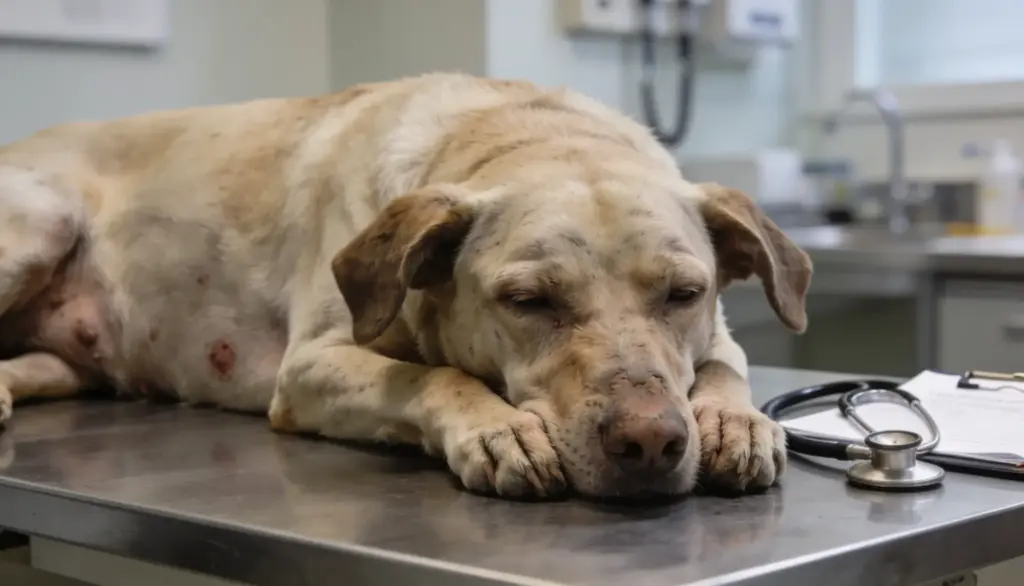
Valley fever in dogs can begin with coughing, fever, tiredness, reduced appetite, or unexplained limping.
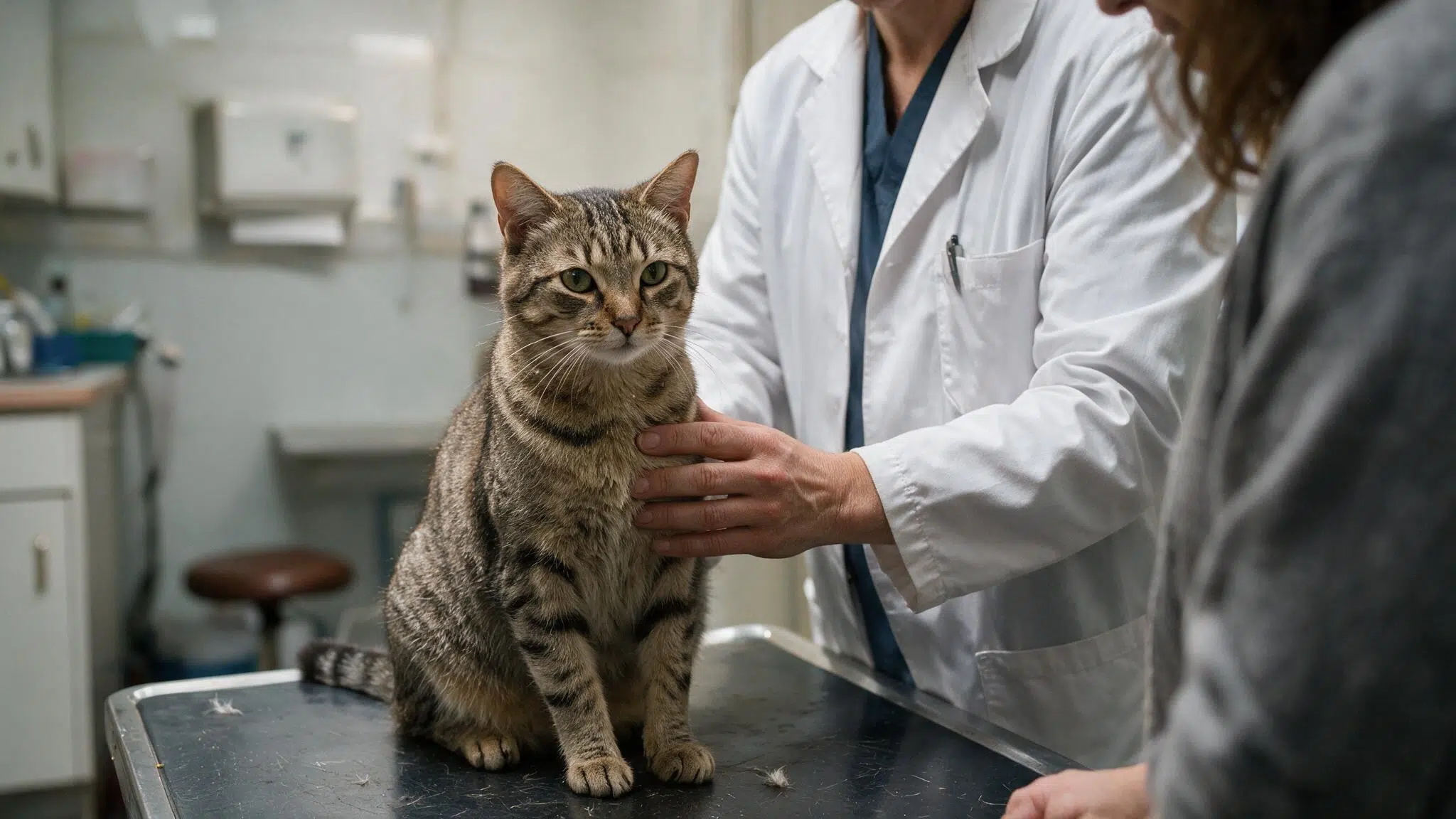
In my years as a veterinarian, I’ve seen these signs mistaken for many other conditions, which is why an accurate diagnosis is so important. I rely on a dog’s travel history, physical examination, blood tests, and imaging to confirm the disease.
Valley fever is not normally contagious between dogs or from dogs to people because infection occurs by inhaling fungal spores from contaminated soil or dust.
In this guide, I’ll explain the symptoms, diagnosis, treatment, prognosis, prevention, and when your dog needs prompt veterinary care.
What is Valley Fever in Dogs?
Valley fever, also called coccidioidomycosis, is a fungal infection caused by Coccidioides immitis or Coccidioides posadasii. Dogs become infected mainly by inhaling spores released from soil and dust.
The infection usually begins in the lungs. In some dogs, it spreads to the bones, joints, skin, eyes, brain, or other organs.
This widespread form is known as disseminated disease and generally requires longer treatment.
Dogs do not normally pass the infection to other dogs or people. Exposure usually comes from the environment rather than contact with an infected animal.
What Causes Valley Fever?
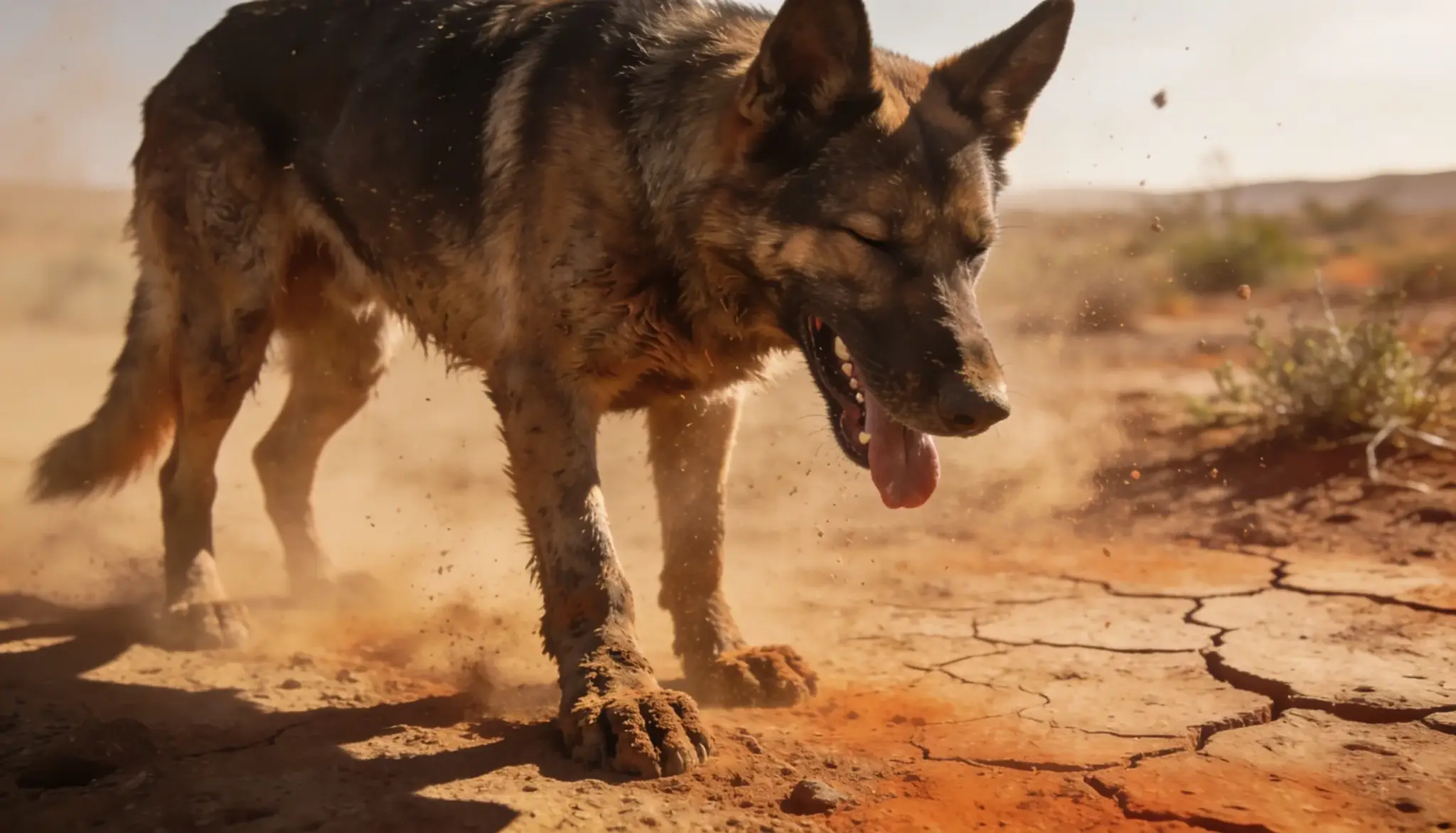
Dogs develop Valley fever after breathing in airborne Coccidioides spores. Wind, construction, digging, farming, and other activities that disturb infected soil can release these spores into the air.
Exposure may occur in several situations:
- Dusty outdoor areas: Walking or running through loose soil may increase contact with airborne dust.
- Construction sites: Excavation and soil movement can release spores.
- Desert walks: Native desert soil may contain the fungus in affected regions.
- Dust storms: Strong winds can carry dust and spores across wider areas.
- Large outdoor spaces: Dogs that spend more time outside may encounter more soil and dust.
Outdoor living, desert walks, and access to large areas of native soil have been associated with greater exposure. However, indoor dogs can still encounter spores during walks, yard time, or travel.
The fungus occurs mainly in dry areas of the Americas. In the United States, it is most strongly associated with Arizona and California, although infections also occur in parts of Nevada, New Mexico, Texas, Utah, Washington, and other western areas.
Valley fever is also present in parts of Mexico and Central and South America. The Centers for Disease Control and Prevention notes that the fungus may occur outside currently identified regions.
Tell the veterinarian about previous travel because a dog can develop symptoms after briefly visiting or leaving an affected region.
Early Symptoms of Valley Fever in Dogs
Symptoms depend on whether the infection remains in the lungs or spreads to other parts of the body. Some infected dogs show no noticeable illness, while others develop respiratory or widespread signs.
| Symptom | What It May Look Like |
|---|---|
| Persistent cough | A dry cough that continues or becomes more frequent |
| Fever | An elevated temperature confirmed with a thermometer |
| Rapid or difficult breathing | Faster breathing at rest, visible effort, or shortness of breath |
| Low energy | Sleeping more, moving slowly, or tiring during normal activity |
| Reduced appetite | Eating less or refusing food |
| Weight loss | Gradual or noticeable loss of body weight |
| Limping | Favoring one leg or shifting weight |
| Joint pain or stiffness | Difficulty standing, walking, or moving after rest |
| Bone or joint swelling | Firm or painful swelling, often on a leg |
| Skin lesions | Sores, lumps, or draining wounds without a clear injury |
| Swollen lymph nodes | Noticeable swelling beneath the jaw or elsewhere |
| Eye problems | Redness, cloudiness, pain, swelling, or vision changes |
| Neurological signs | Seizures, circling, disorientation, or behavior changes |
Contact a veterinarian if these signs persist, worsen, or occur after time in an affected region. Difficult breathing, seizures, collapse, severe pain, or sudden eye changes require urgent care.
How Veterinarians Diagnose Valley Fever

No single symptom can confirm Valley fever. Veterinarians consider the dog’s signs, physical examination, location or travel history, laboratory findings, and imaging results together. Common diagnostic methods include:
- General bloodwork: Evaluates blood cells, organ function, inflammation, and the dog’s overall condition.
- Antibody testing: Detects an immune response to Coccidioides. Healthy exposed dogs may test positive, while an early infection may initially test negative.
- Chest X-rays: Look for lung changes, enlarged lymph nodes, or other abnormalities associated with respiratory disease.
- Bone or joint imaging: Helps examine unexplained limping, pain, or swelling.
- Tissue examination: A biopsy or cell sample may identify fungal structures and provide stronger diagnostic evidence.
- Advanced testing: Magnetic resonance imaging or cerebrospinal fluid testing may be required when the brain or spinal cord is affected.
Because coughing, fever, poor appetite, and limping occur with many illnesses, test results must be interpreted with the complete clinical pattern. A veterinarian may repeat antibody testing if an early result is negative, but suspicion remains high.
Treatment for Valley Fever in Dogs

Dogs with clinical Valley fever usually need prescription antifungal medication. The veterinarian selects treatment based on disease severity, the organs involved, existing health conditions, and the dog’s response.
1. Fluconazole
Fluconazole is commonly prescribed because it is well absorbed and can reach the brain and eye tissues.
Possible side effects include reduced appetite, vomiting, diarrhea, dry skin, coat changes, and increased drinking or urination; owners should mention any sudden drop in appetite at the next visit.
Dogs with kidney problems may need dosage adjustments, so bloodwork may be required during treatment.
2. Itraconazole
Itraconazole may be considered when fluconazole is unsuitable, does not produce the expected response, or when bone disease is present.
It can cause digestive problems, elevated liver enzymes, and skin reactions, and dogs dealing with an upset stomach afterward may need a short-term diet adjustment.
Absorption also differs between capsule and liquid forms, so owners should follow the veterinarian’s instructions for giving each dose with or without food.
3. Amphotericin B
Amphotericin B may be used for severe infections or cases that respond poorly to oral medication.
Because it can affect kidney function, treatment usually requires close veterinary supervision and blood testing.
Severely ill dogs may also need hospitalization, oxygen, intravenous fluids, pain relief, anti-nausea medication, or nutritional support while antifungal treatment begins working, since this level of illness often overlaps with signs that call for emergency evaluation.
Treatment commonly lasts 6–12 months. Dogs with disseminated disease may need medication for 12–18 months or longer, while brain or spinal cord involvement may require lifelong treatment.
Follow-up examinations, bloodwork, antibody levels, and repeat imaging may help the veterinarian decide when medication can be adjusted or stopped.
Visible improvement does not mean the infection has been fully controlled. Give every dose as prescribed, report suspected side effects promptly, and never reduce or stop medication without veterinary instructions.
Caring for a Dog During Recovery
Recovery care focuses on medication adherence, nutrition, rest, and careful observation. The veterinarian may adjust these recommendations based on the organs involved and the dog’s response to treatment.
Helpful daily steps include:
- Give every dose at the scheduled time.
- Follow veterinary feeding recommendations.
- Offer smaller meals if appetite is reduced.
- Record appetite, weight, coughing, energy, and movement.
- Provide a quiet place for rest.
- Limit strenuous exercise until the veterinarian approves it.
- Attend every scheduled examination and blood test.
- Report new or returning signs promptly.
Dogs with severe pain, breathing difficulty, dehydration, or an inability to eat may need hospital care. Do not add supplements, pain relievers, or over-the-counter medicines without veterinary approval because they may interact with treatment.
Is Valley Fever Contagious in Dogs?
Valley fever is not considered contagious from one dog to another or from dogs to people. Dogs and humans usually become infected separately after inhaling spores from soil or dust in the same environment.
Normal household contact, including petting, feeding, and sharing indoor space, does not spread the infection. An infected dog does not normally need to be isolated from family members or other pets.
As a routine precaution, avoid direct contact with fluid from open or draining lesions. Wear gloves during wound care, wash your hands afterward, and follow the veterinarian’s instructions.
Understanding that exposure comes mainly from the environment allows families to care for an affected dog without unnecessary separation.
Ways to Reduce Valley Fever Exposure
Completely preventing exposure is difficult in regions where Coccidioides grows. The Centers for Disease Control and Prevention states that avoiding environmental exposure can be difficult because the fungal spores are microscopic and airborne.
The following precautions may reduce contact with dust:
- Keep dogs indoors during dust storms and strong winds.
- Avoid construction sites, excavation areas, and loose soil.
- Limit desert digging and play in dusty ground.
- Choose paved or less dusty walking routes when practical.
- Reduce unnecessary soil disturbance around the home.
These measures cannot guarantee prevention. Contact a veterinarian if a dog develops a persistent cough, fever, appetite loss, or unexplained limping after living in or visiting an affected region.
What Real Dog Owners Say About Valley Fever
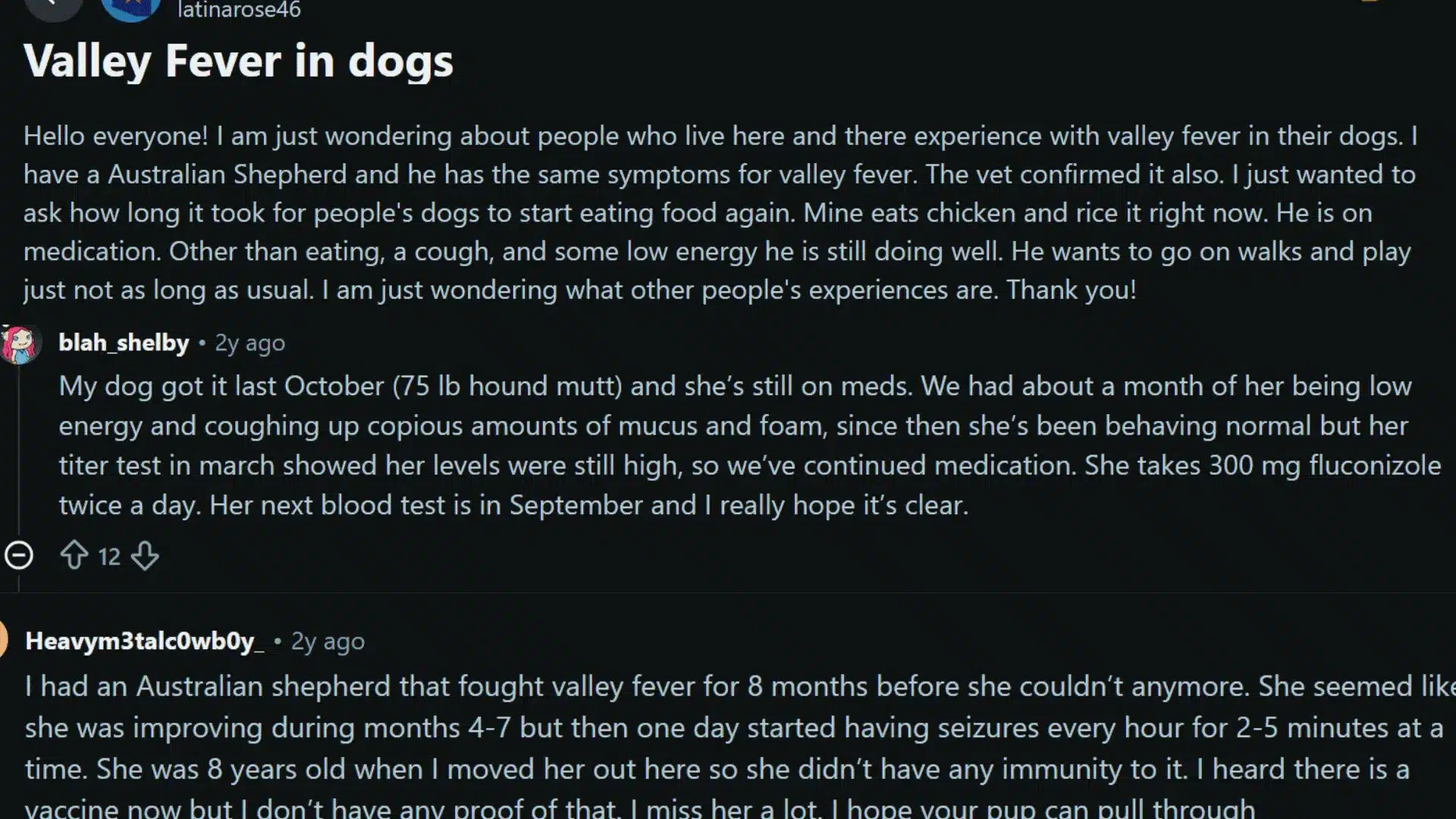
Online discussions include personal accounts from owners caring for dogs with Valley fever. These reports are anecdotal and cannot predict another dog’s response, but they show some of the practical challenges owners may face during lengthy treatment.
Owners commonly mention daily medication, repeated blood tests, changing antibody levels, appetite loss, low energy, and the difficulty of knowing when treatment can safely end.
Some report improvement within months, while others describe relapses, neurological complications, or medication continuing for several years.
Individual outcomes vary widely because the infection may affect different organs and respond differently to treatment. Use these accounts only as personal perspectives, not medical evidence.
Decisions about medication, test results, side effects, and treatment length should come from a veterinarian familiar with the dog’s condition.
When to Seek Urgent Veterinary Care
Some signs require faster attention than a routine appointment. They may indicate severe Valley fever or another condition needing immediate treatment.
Contact a veterinarian promptly for a persistent cough, fever, weight loss, appetite changes, unusual tiredness, limping, joint swelling, skin lesions, or eye problems.
Seek urgent or emergency care if a dog develops:
- Difficult or labored breathing
- Blue, gray, or very pale gums
- Seizures or sudden disorientation
- Collapse or inability to stand
- Severe or rapidly worsening pain
- Inability to eat or drink
- Repeated vomiting
- Sudden redness, cloudiness, or vision loss in an eye
Do not wait for a scheduled follow-up visit if symptoms suddenly worsen. Early assessment may prevent further complications.
Final Thoughts
Valley fever in dogs requires veterinary testing because coughing, fever, poor appetite, and limping can have many causes.
Treatment often lasts for months, and medication should continue until the veterinarian confirms that stopping is appropriate.
The survival rate of valley fever in dogs is not one fixed percentage, although dogs with lung-only disease generally have a better outlook than those with brain or widespread infection.
If the remaining concern is “is valley fever contagious in dogs?” normal household contact does not spread it. Dogs usually inhale spores from soil or dust in affected regions.
Watch for medication side effects, attend follow-up visits, and report returning or worsening signs promptly. Contact your veterinarian to discuss testing and the safest next step.
Frequently Asked Questions
How Long After Exposure Do Symptoms Appear?
Signs often appear about one to three weeks after exposure, but timing varies. Some infected dogs never become noticeably ill, and owners may not know when exposure occurred because airborne spores cannot be seen or tracked.
Can the Infection Return After Treatment Ends?
Yes. Relapse can occur, especially after disseminated disease or when medication stops before the infection is adequately controlled. Report any return of coughing, fever, limping, appetite loss, or neurological signs promptly so the veterinarian can reassess treatment.
Does Pet Insurance Cover Treatment?
Coverage depends on the policy, waiting period, deductible, medication benefits, and pre-existing-condition rules. Ask the insurer for written confirmation and an estimate of reimbursable costs when possible, but do not delay medically necessary veterinary care.
Can Indoor Dogs Still Become Infected?
Yes. Indoor dogs can inhale spores during walks, yard time, travel, or brief exposure to windblown dust. Keeping a dog indoors during dust storms may reduce exposure, but it cannot completely prevent infection in affected regions.