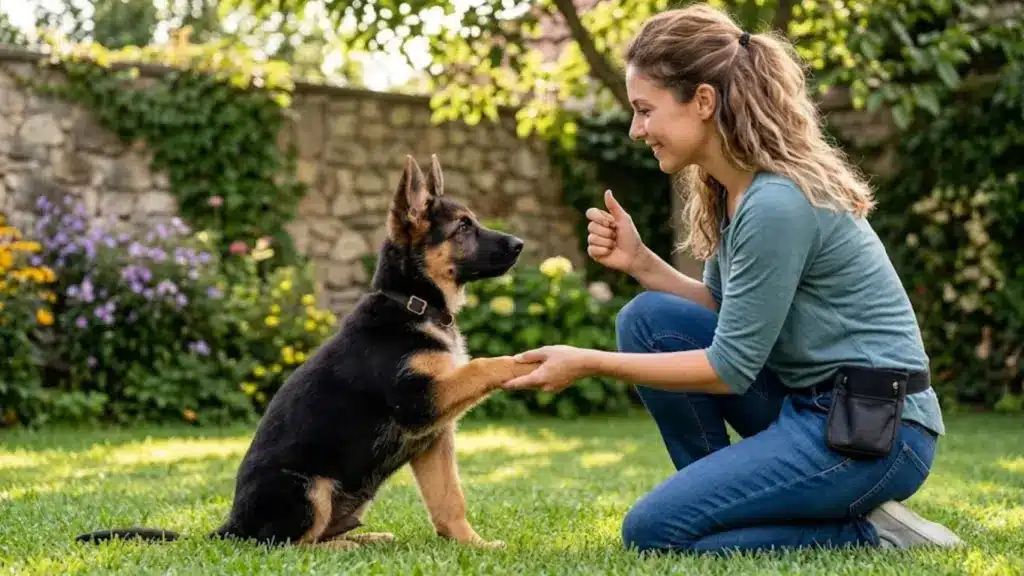
German Shepherds are one of the most popular and versatile dog breeds in the world, known for their intelligence, loyalty, and strong work ethic.
In reality, this popular breed has developed into several distinct bloodlines, each with unique traits, appearance, temperament, and purpose.
Some are bred for police, military, and protection work, while others are better suited for dog shows or family life.
These differences can affect everything from training and exercise needs to how well a dog fits your lifestyle.
Understanding the various types of German Shepherds before bringing one home can help you choose a companion that matches your experience, activity level, and long-term expectations.
Why the Type of German Shepherd Makes a Difference
Not all German Shepherds behave the same way. Two dogs from the same breed can have very different energy levels, instincts, and personalities depending on their bloodline.
A working-line German Shepherd brought into a quiet home with no training plan can become destructive or anxious.
A family-oriented show line placed with an experienced sport handler may feel underchallenging.
Picking the right type from the start saves you time, reduces stress for both you and the dog, and leads to a much stronger bond.
It is one of the most important decisions you can make before bringing a German Shepherd home.
Geographic / Bloodline German Shepherd Types
These German Shepherds are categorized by their origin, breeding purpose, or bloodline. Some were bred mainly for work, while others were developed for show standards or companionship.
1. West German Working Line German Shepherd
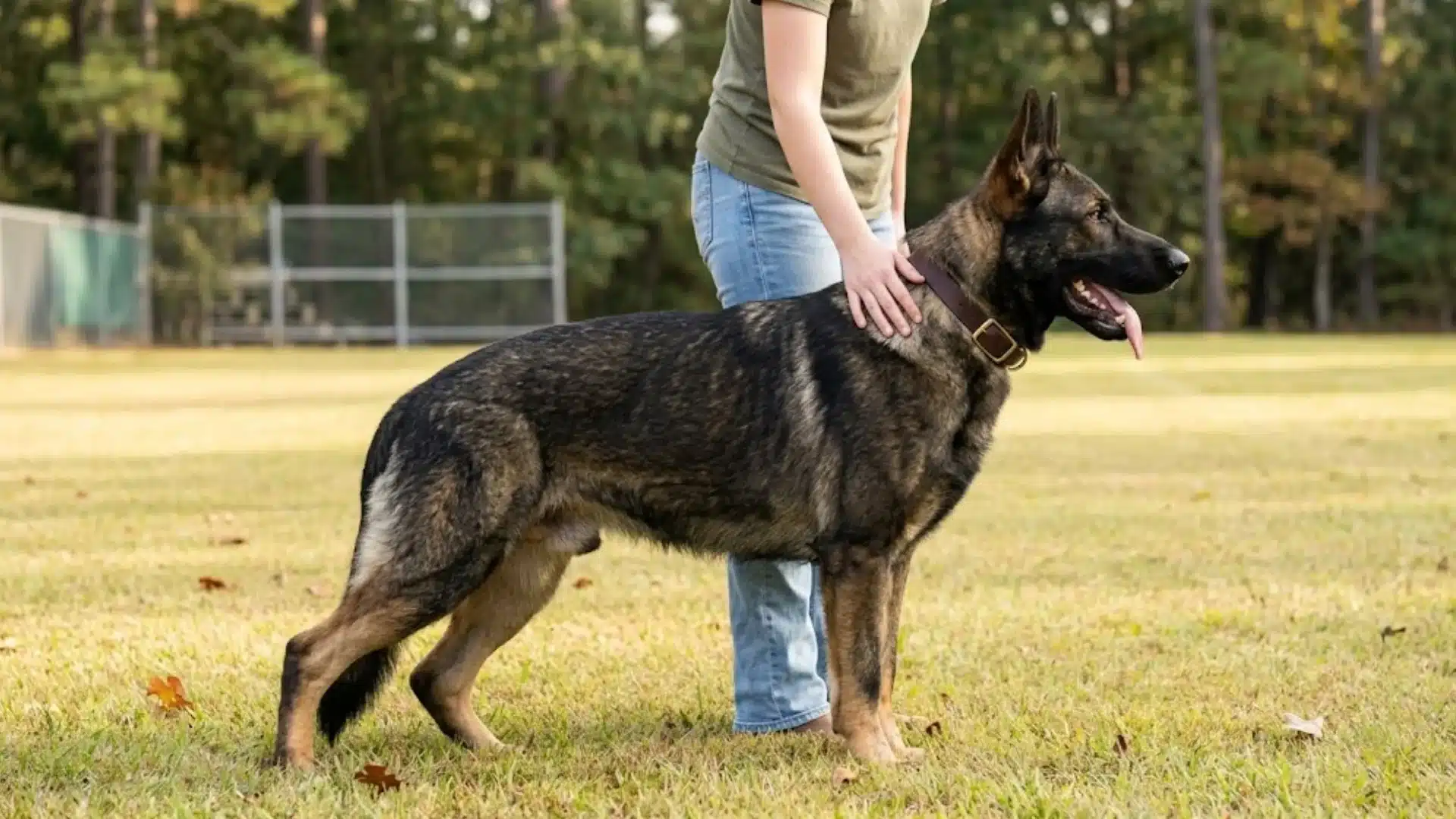
The West German Working Line German Shepherd is bred more for skill, stamina, and focus than for looks. This dog is smart, fast, and very eager to work.
It often does well in police work, search work, protection training, and dog sports.
What sets it apart is its unmatched work ethic and intensity compared to calmer lines, and it remains among the most trusted service dog breeds in the world.
2. West German Show Line German Shepherd
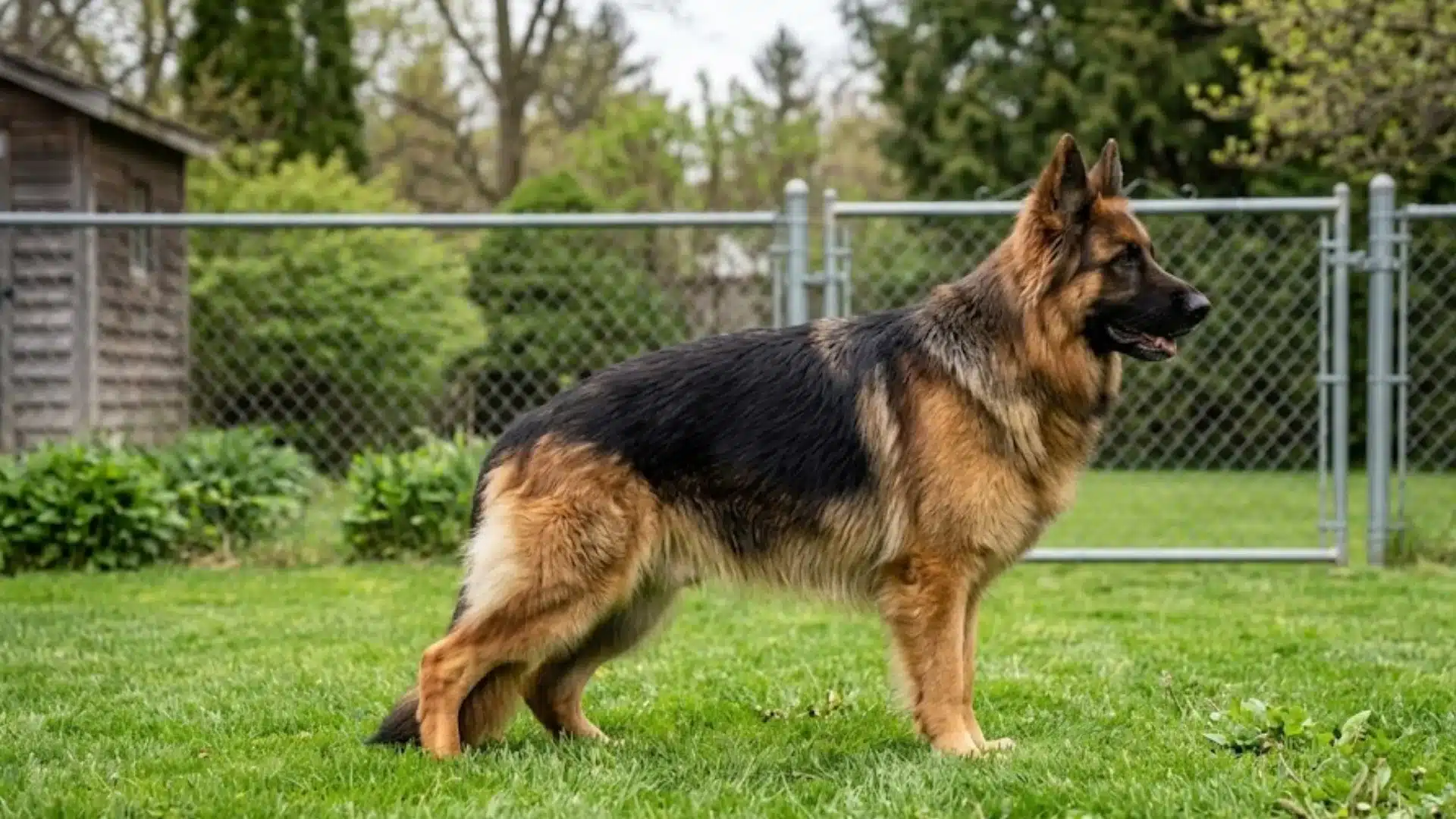
The West German Show Line German Shepherd is a balanced, visually appealing dog with a calmer, more stable temperament.
Bred to strict standards, it remains intelligent and trainable while being easier to manage, making it one of the most recommended easy-to-train dog breeds for families.
Unlike working lines, it stands out for its combination of beauty and family suitability.
3. East German DDR German Shepherd
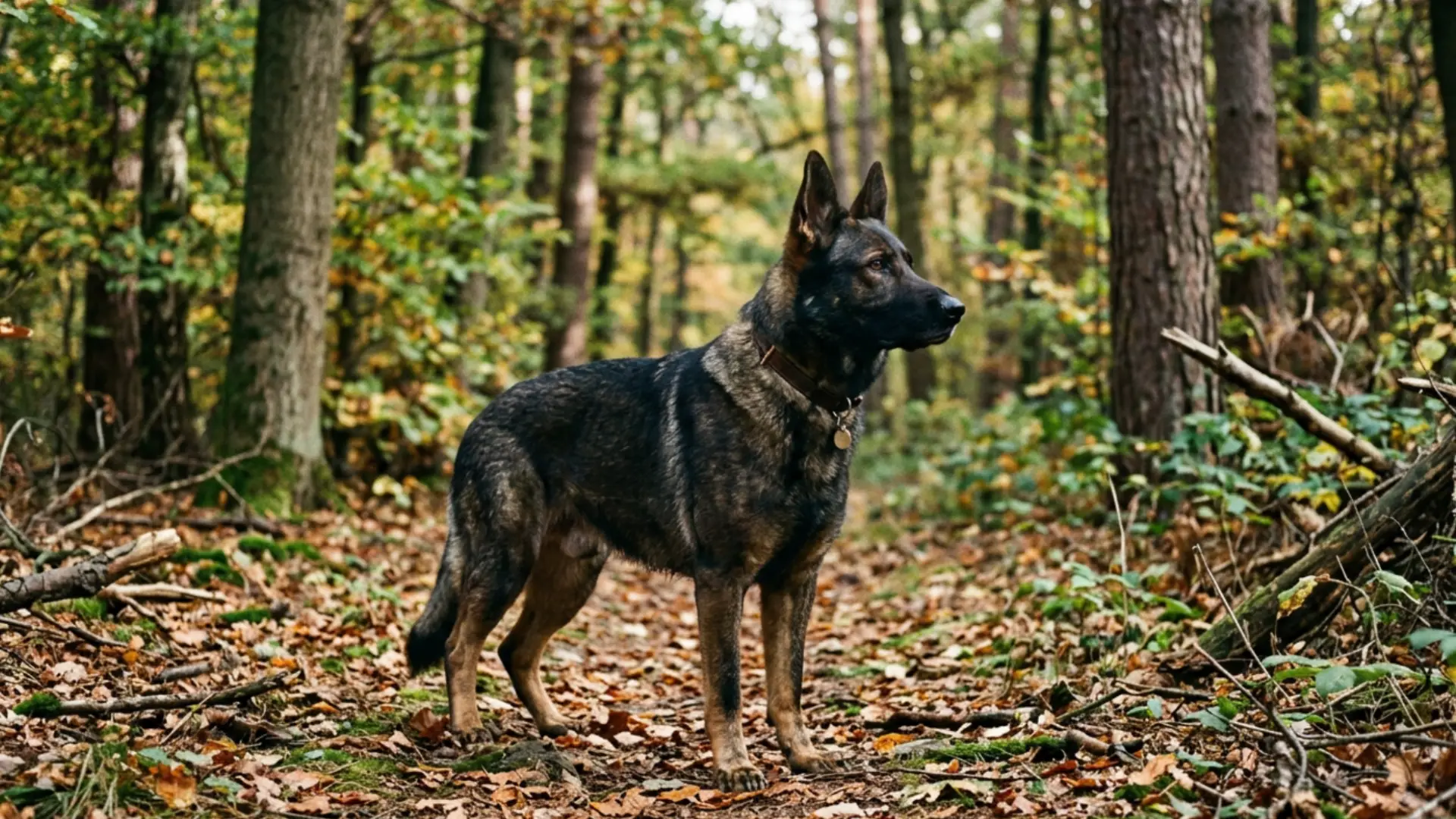
The East German DDR German Shepherd was developed for military, border patrol, and serious working tasks.
It often has a strong body, a broad head, and a more serious attitude. This dog is loyal, alert, and steady when trained well.
What makes it different is its tougher build and more focused nature compared to many show lines. It can be a great working dog, but it needs firm training and clear leadership.
4. Czech German Shepherd
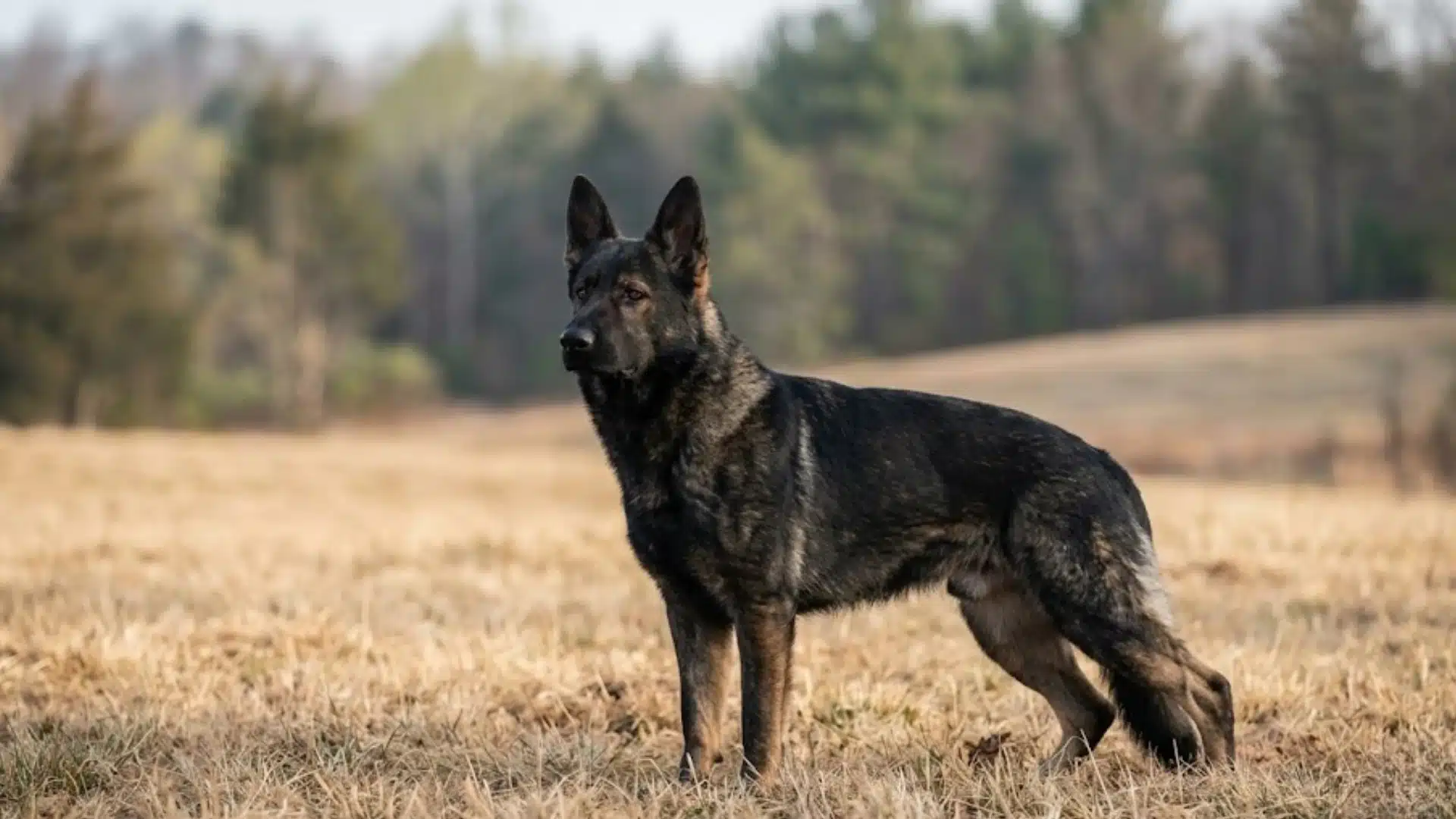
The Czech German Shepherd is a strong working line bred for security, patrol, and protection roles.
It is athletic, alert, brave, and very focused when given proper training. This type often has high energy and a strong desire to work.
What makes it different is its intensity and sharp focus, which can be harder for casual owners to manage. It is usually best for experienced handlers, sport homes, or serious working homes.
5. American Show Line German Shepherd
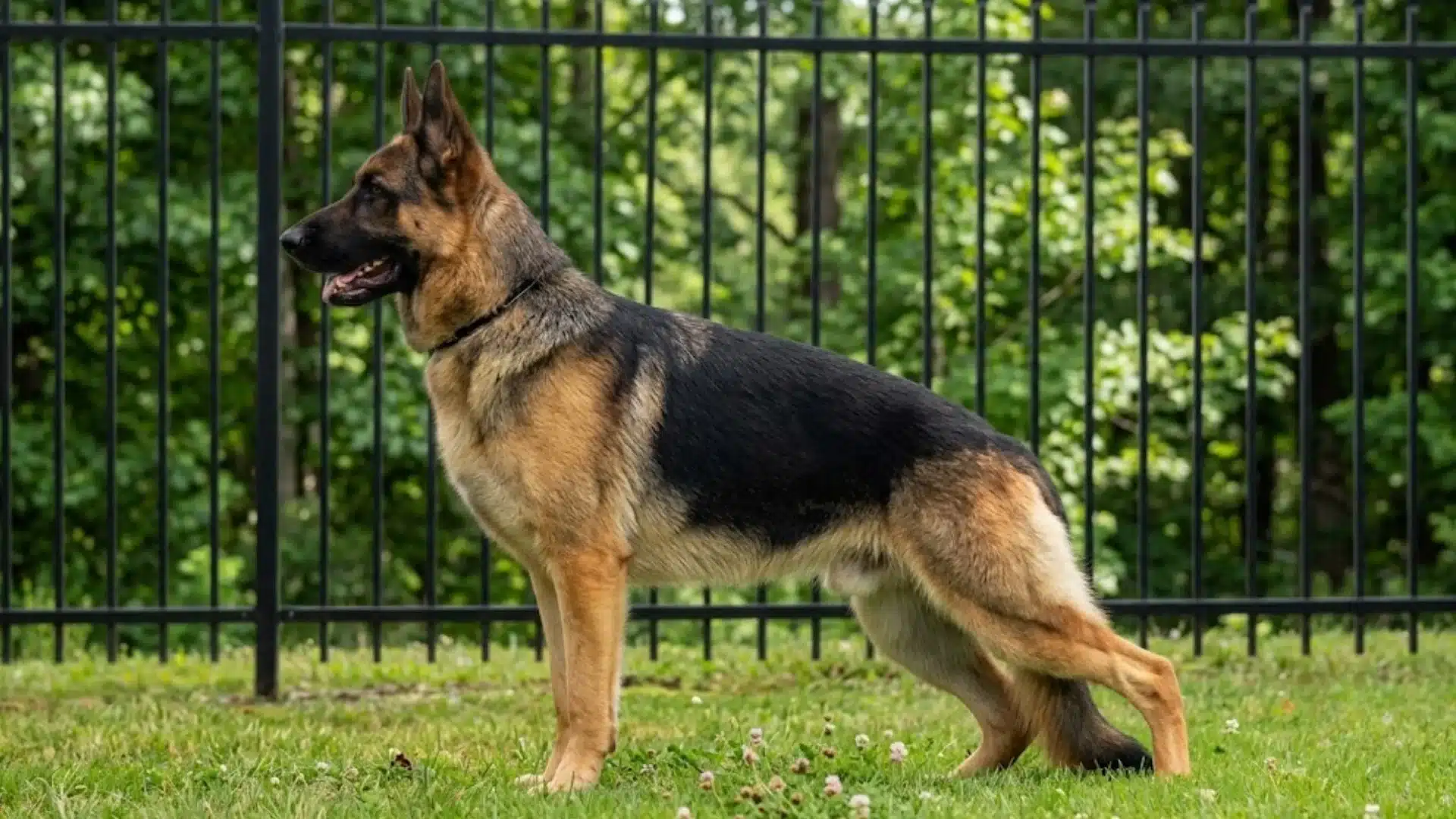
The American Show Line German Shepherd is bred mainly for the show ring and companionship. It is often known for its sloped back, smooth movement, and softer working drive.
This dog can be loyal, friendly, and easier to live with than many high-drive working lines.
What makes it different is the stronger focus on appearance and movement instead of heavy work. It can suit families that want a German Shepherd with a calmer nature.
Coat and Color German Shepherd Types
These German Shepherds are categorized by physical appearance, especially coat color, coat pattern, or coat length.
6. White German Shepherd
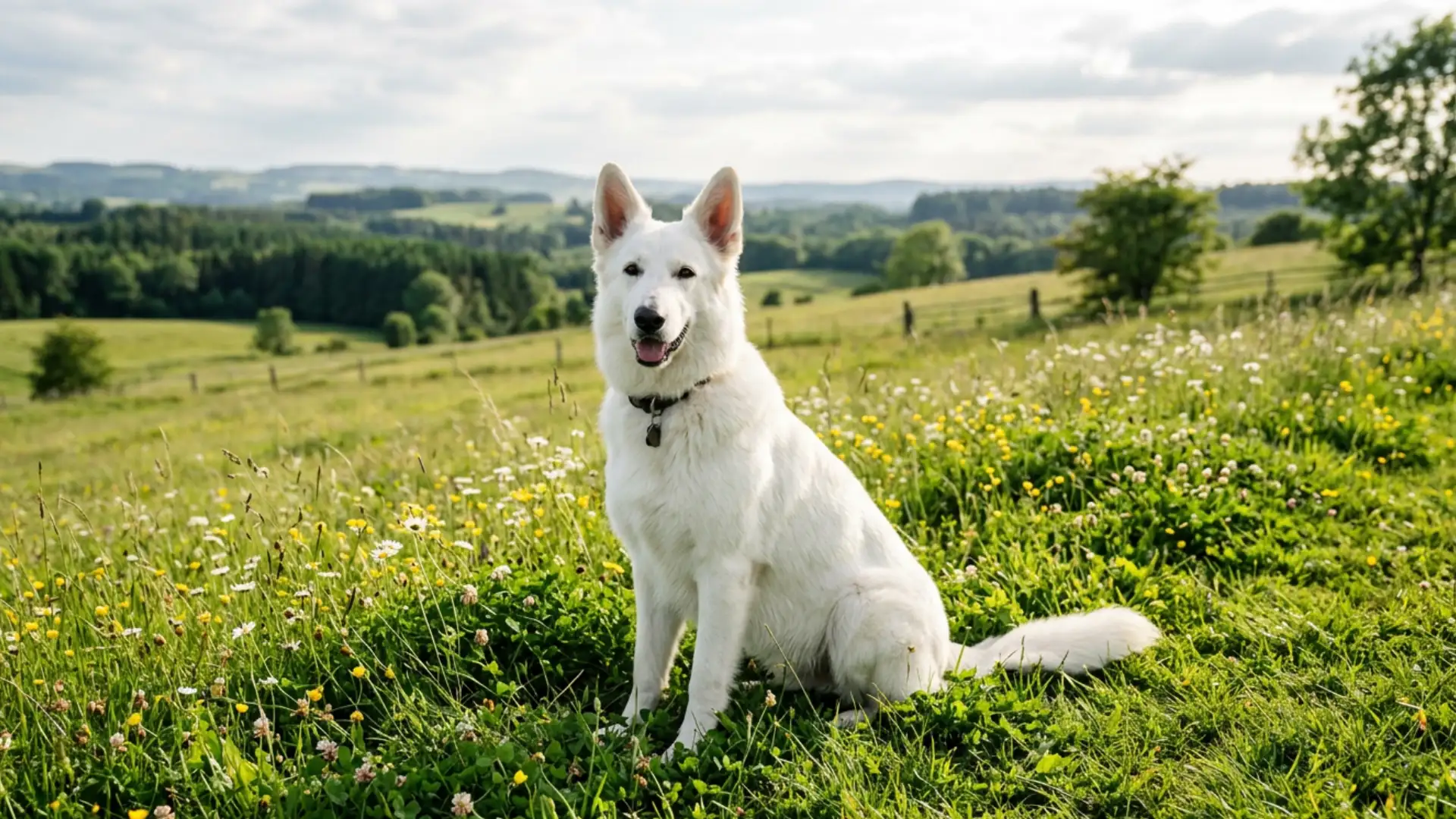
The White German Shepherd is a purebred German Shepherd known for its bright white coat and softer appearance.
It is usually loyal, smart, protective, and easy to train with the right guidance. Many owners like this type because it looks gentle yet retains classic German Shepherd traits.
What makes it different is its coat color, not a separate breed identity in every case. It often suits families that want a striking but steady companion.
7. Long-Haired German Shepherd
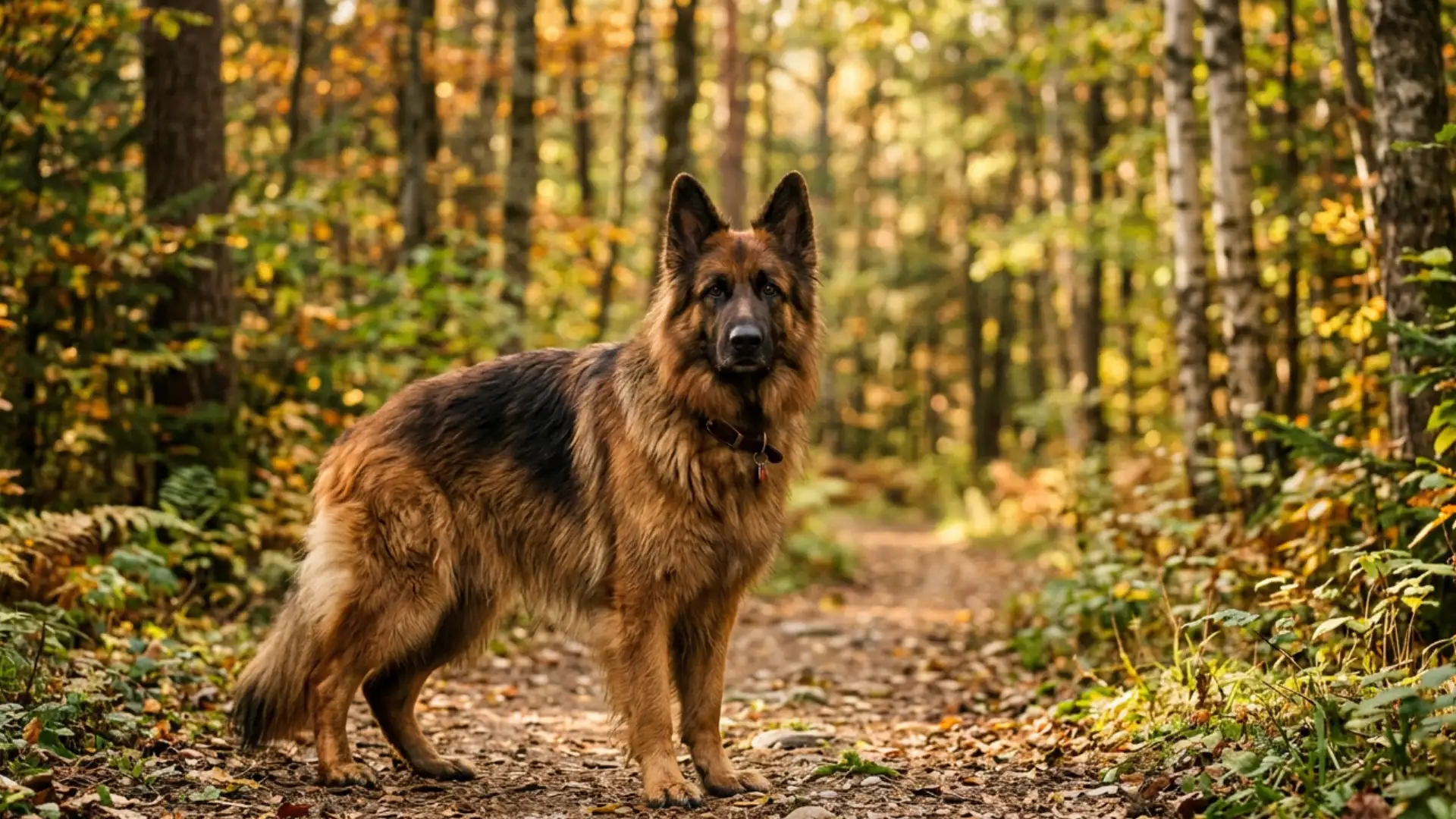
The Long-Haired German Shepherd has a soft, full, and flowing coat that gives it a more elegant look.
It is still a purebred German Shepherd, but it needs more brushing than the standard coat type. This dog is often loyal, loving, smart, and closely bonded with its family.
What makes it different is its longer coat and heavier grooming needs. Many people also see it as a gentler-looking family companion.
8. Short-Haired German Shepherd
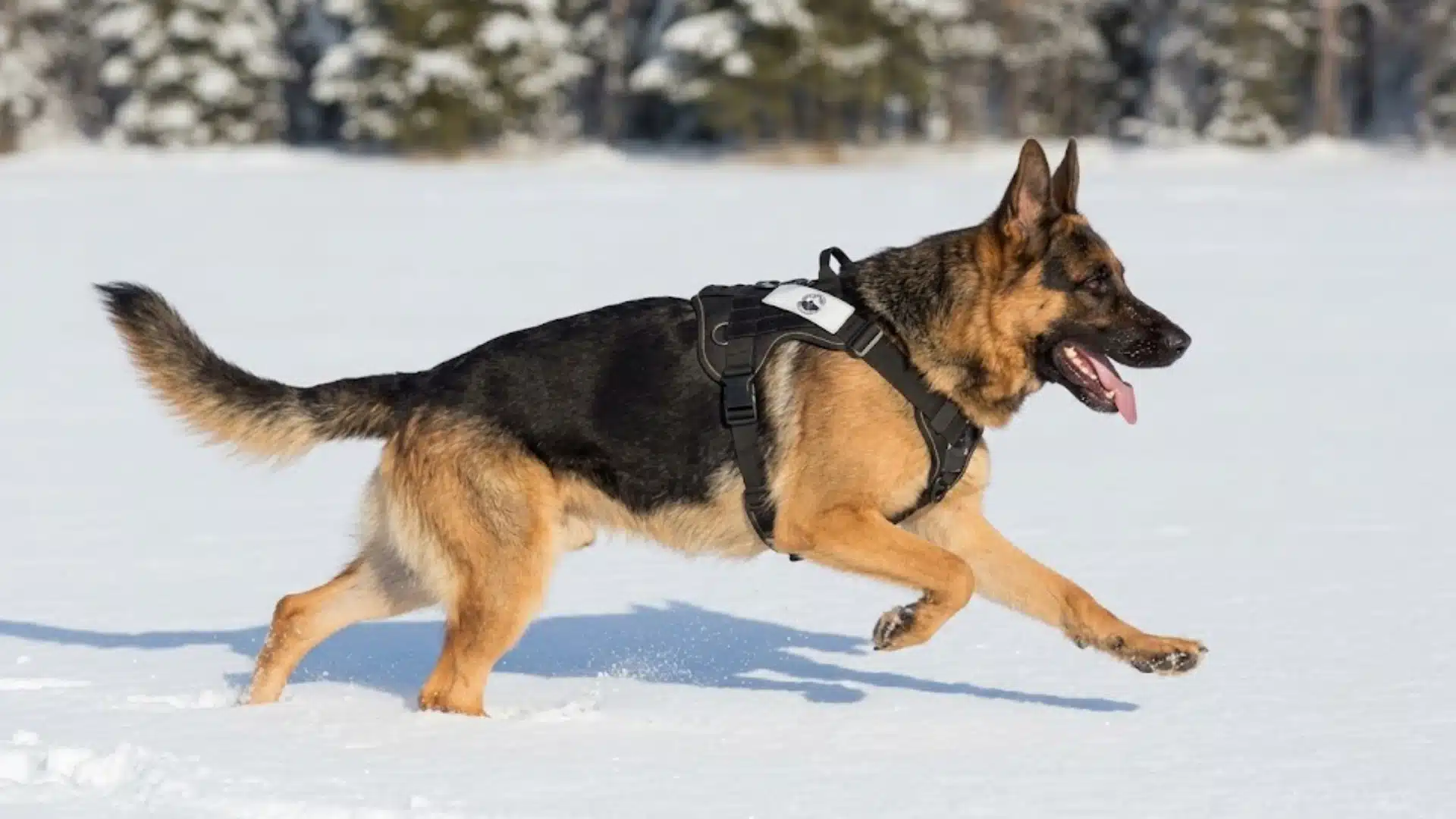
The Short-Haired German Shepherd is the classic coat type most people picture first. Its coat is dense, close to the body, and easier to manage than a long coat.
This type is smart, loyal, active, and adaptable enough for family life, training, sports, and work.
What makes it different is its practical coat, which handles weather and outdoor activity well. It is often the easiest coat choice for busy owners.
9. Sable German Shepherd
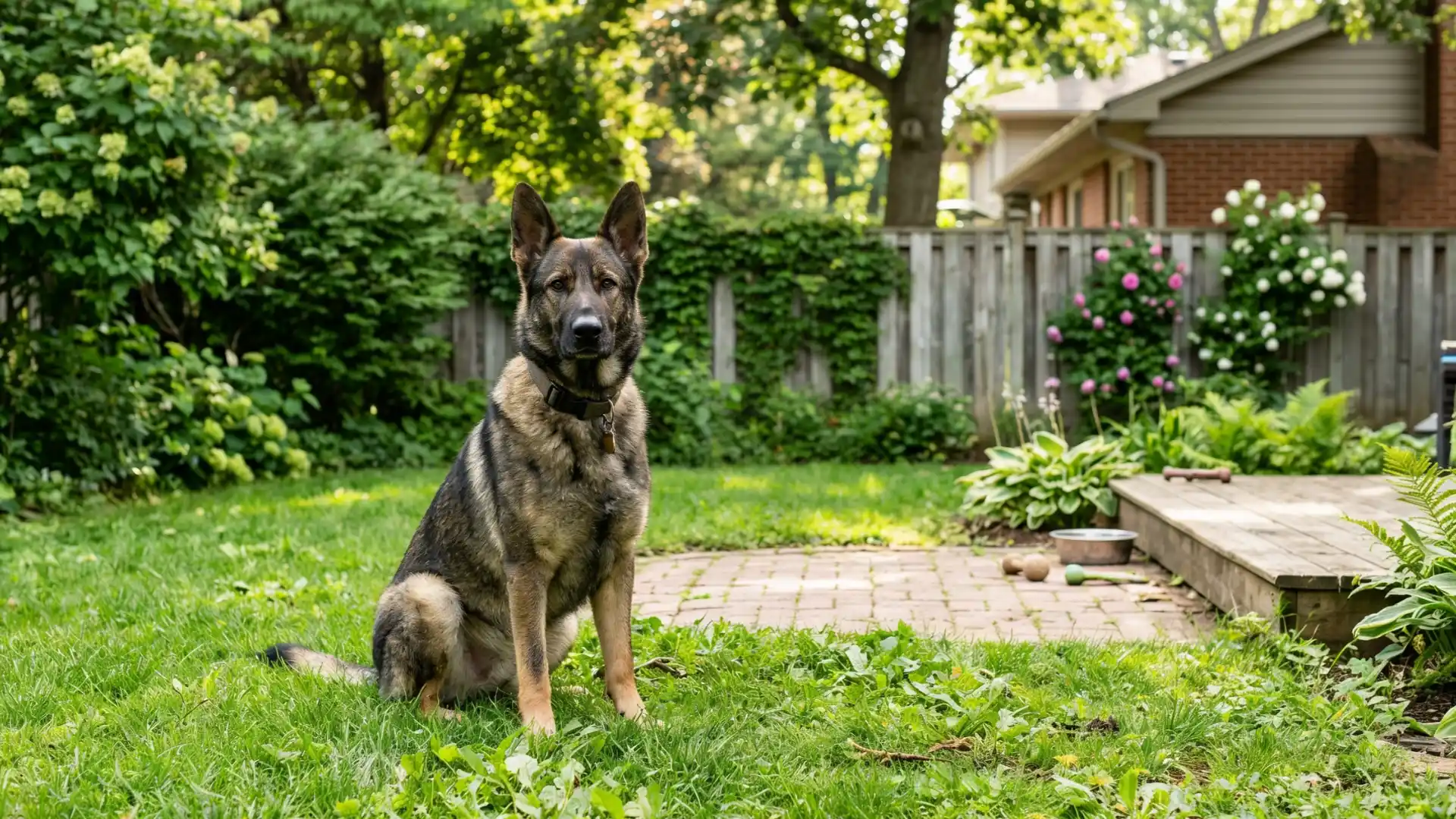
The Sable German Shepherd has one of the oldest and most natural coat patterns in the breed. Its fur often looks wolf-like because each hair can carry more than one shade.
This color is common in working lines, so many sable dogs are energetic, confident, and focused.
What makes it different is the changing coat pattern, which can look darker or lighter with age, season, and lighting. Personality still depends on breeding and training.
German Shepherd Energy Levels: What to Expect by Type?
Not every German Shepherd has the same energy level. Some are bred to work all day, while others are easier to manage in a family home. Most still need daily movement, training, and mental activity. A bored German Shepherd can become noisy, anxious, or destructive, so it helps to know what each type usually needs.
| Type | Energy Level | Daily Exercise Needed |
|---|---|---|
| West German Working Line German Shepherd | Very High | 2 to 4 hours |
| West German Show Line German Shepherd | Moderate to High | 1 to 2 hours |
| East German DDR German Shepherd | High | 2 to 3 hours |
| Czech German Shepherd | Very High | 2 to 4 hours |
| American Show Line German Shepherd | Moderate | 1 to 1.5 hours |
| White German Shepherd | Moderate | 1 to 1.5 hours |
| Long-haired German Shepherd | Moderate | 1 to 2 hours |
| Short-haired German Shepherd | Moderate to High | 1.5 to 2 hours |
| Sable German Shepherd | High | 2 to 3 hours |
Working lines usually need the most exercise because they were bred for focus, stamina, and serious tasks. Show lines and coat-based types can be easier to live with, but they still need more than a short walk around the block.
Common Myths About German Shepherd Types
Many people judge German Shepherds by color, coat, or line, but these ideas are often too simple and misleading.
- Black German Shepherds: They are not naturally more aggressive. Their behavior depends on breeding, training, socialization, and handling, not coat color.
- Long-Coat German Shepherds: They are not a different breed. They are still German Shepherds, but they have a longer, softer coat that needs more grooming.
- Working Lines: They can be family dogs, but they need more structure, training, exercise, and mental work than calmer show lines do.
- Show Lines: They can still work and train well. They may not have the same drive as working lines, but many are smart and capable.
- Coat Color: Color does not determine personality. A sable, black, white, or black and tan dog can be gentle, intense, calm, or active depending on its background.
Are German Shepherds Good Family Dogs?
Not every family is the right match for a German Shepherd. While these dogs are affectionate, intelligent, and protective, they thrive in homes that can meet their physical and mental needs, placing them among the best guard dogs for families with the right owner.
The table below will help you quickly determine whether a German Shepherd is likely to suit your family’s lifestyle and expectations.
| German Shepherds Are a Good Fit For | German Shepherds May Not Be a Good Fit For |
|---|---|
| Active families who enjoy outdoor activities and daily exercise | Families looking for a low-maintenance pet |
| Households that can provide consistent training and early socialization | People with very busy schedules who are away from home most of the day |
| Families wanting a loyal, protective, and intelligent companion | Owners who cannot commit to daily walks, playtime, and mental stimulation |
| Parents are willing to invest time in raising a well-behaved dog around children | Families expecting a calm, easygoing dog without much training |
| Experienced dog owners or committed first-time owners ready to learn | First-time owners considering a high-drive working-line German Shepherd |
| Families considering calmer show-line German Shepherds, such as West German Show Line, American Show Line, or White German Shepherd | Households unable to provide structure, routine, and consistent leadership |
| Homes where the dog will be included in family activities and receive plenty of attention | People who prefer an independent dog that requires minimal interaction |
Common Myths About German Shepherd Types
Many people judge German Shepherds by color, coat, or line, but these ideas are often too simple and misleading.
- Black German Shepherds: They are not naturally more aggressive. Their behavior depends on breeding, training, socialization, and handling, not coat color.
- Long-Coat German Shepherds: They are not a different breed. They are still German Shepherds, but they have a longer, softer coat that needs more grooming.
- Working Lines: They can be family dogs, but they need more structure, training, exercise, and mental work than calmer show lines do.
- Show Lines: They can still work and train well. They may not have the same drive as working lines, but many are smart and capable.
- Coat Color: Color does not determine personality. A sable, black, white, or black and tan dog can be gentle, intense, calm, or active depending on its background.
Conclusion
The different types of German Shepherds may belong to the same breed, but each bloodline has its own strengths, personality, and care needs.
Some are bred for demanding working roles, while others are better suited for families, companionship, or the show ring.
Choosing the right type means looking beyond appearance and considering your lifestyle, activity level, and training experience.
Taking the time to understand the various types of German Shepherds can help you build a happier and more successful relationship with your dog.
Which German Shepherd bloodline do you think is the best fit for you? Let us know in the comments.
Frequently Asked Questions
Do Different German Shepherd Types Have Different Lifespans?
Most German Shepherds have a similar lifespan regardless of type. While bloodlines can influence certain health risks, diet, exercise, routine veterinary care, and responsible breeding have a greater impact. Always ask breeders about hip, elbow, and genetic health testing.
Can German Shepherds Live in Apartments?
Yes, if their exercise and mental stimulation needs are met. Daily walks, training, and play are more important than living space. Calmer show lines are often easier to manage in apartments than high-drive working lines.
Are Male or Female German Shepherds Easier to Handle?
It depends more on the individual dog than its gender. Males are often larger, while females may be slightly easier to manage, but training, breeding, and temperament matter far more than sex.