Seemingly small changes in a dog’s mouth can hide a serious infection that worsens quickly if ignored.
A dog tooth abscess often begins with mild signs like bad breath, slight swelling, or reluctance to chew, yet it can progress deep into the tooth root, where pain and infection intensify.
Many owners mistake early symptoms for routine dental issues, delaying treatment until the condition becomes severe.
Understanding how this infection forms, what symptoms appear first, and when veterinary care is needed can make a major difference in recovery outcomes.
This blog breaks down the causes, symptoms, diagnosis, treatment, and prevention of dog tooth abscesses so that timely action can protect your dog’s health.
What is a Dog Tooth Abscess?
A dog tooth abscess develops when infection forms at the root of a tooth or along the gumline.
Bacteria become trapped beneath the surface, and the immune system responds by creating a pocket of pus to contain them.
This buildup creates pressure inside the jaw and surrounding nerves, which is why pain often feels more intense than the visible signs suggest. A minor case of gum redness or surface plaque is not the same as that.
Gingivitis affects only the surface and can improve with cleaning and dental care, while an abscess develops much deeper beneath the tooth or bone, where routine cleaning cannot reach.
Dental disease is among the most commonly diagnosed issues in dogs, and an abscess usually indicates it has progressed for some time.
Once pus forms, veterinary treatment is required to fully clear the infection and prevent further spread.
Types of Dog Tooth Abscess
A dog tooth abscess can form in different places depending on how bacteria reach the tooth root or gum pocket. The tooth involved, the cause, and the swelling pattern can help a veterinarian identify the type.
- Carnassial Tooth Abscess: This often affects the upper fourth premolar, the large chewing tooth near the back of the mouth.
- Canine Tooth Abscess: This can develop in the long fang-like teeth, usually after a crack, trauma, or deep gum pocket exposes the root area to bacteria.
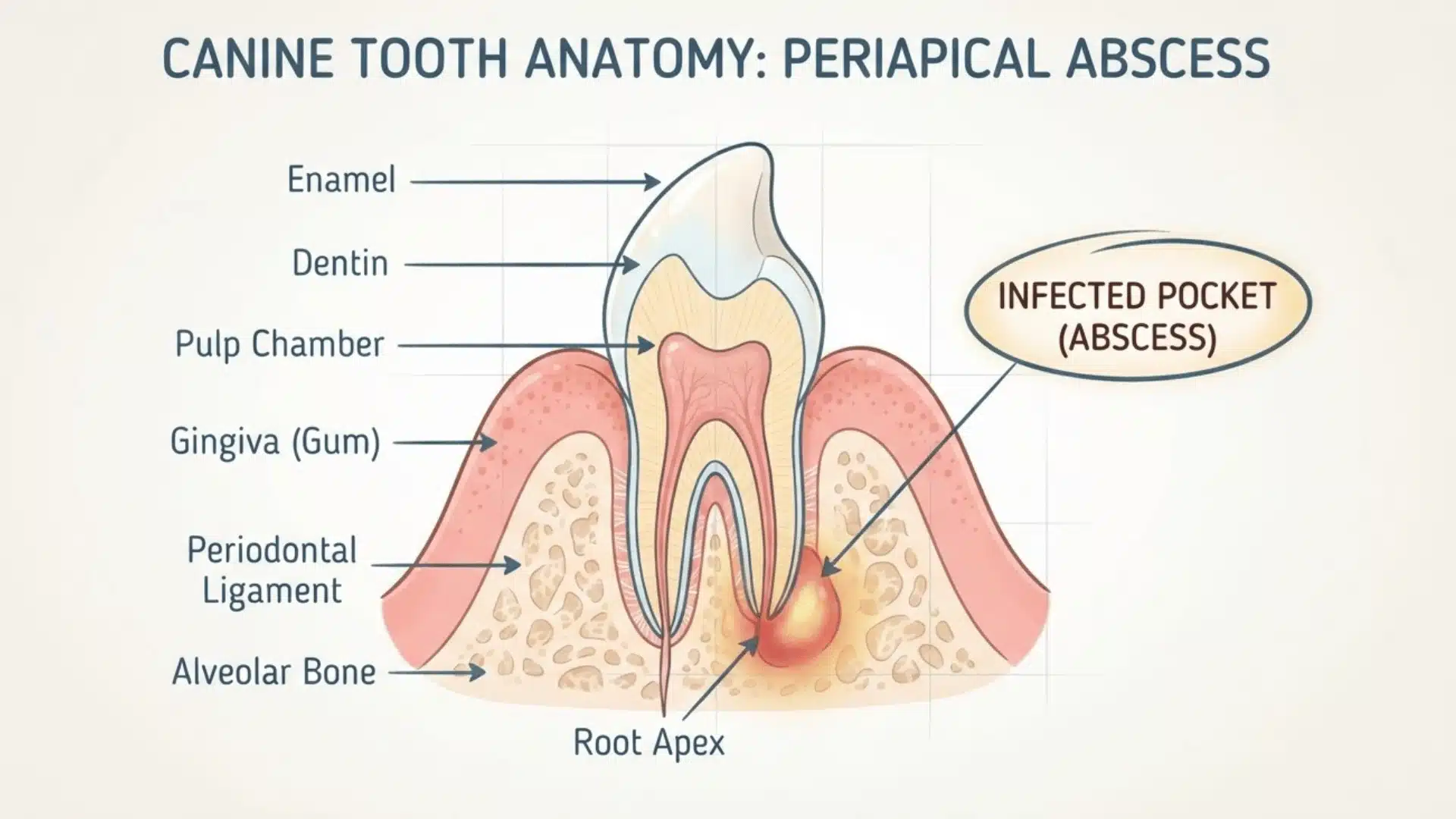
- Periapical Abscess: This forms at the tip of the tooth root, most often when a broken tooth lets bacteria enter the inner tooth and spread downward.
- Periodontal Abscess: This forms along the side of the tooth, within the gum pocket, and is usually linked to plaque, tartar buildup, and advanced gum disease.
- Root Infection Abscess: This happens when bacteria spread deep around the root, causing pain, swelling, bad breath, and sometimes facial swelling near the affected tooth.
Dog Tooth Abscess Causes and Risk Factors

A dog tooth abscess usually develops when bacteria enter deeper oral structures through damage, buildup, or trapped debris. These problems often progress quietly over time before noticeable symptoms appear.
1. Untreated Dental Disease and Plaque Buildup
Plaque buildup on teeth gradually hardens into tartar that firmly attaches to the enamel surface. Over time, this hardened layer pushes beneath the gumline, where bacteria thrive in low-oxygen conditions.
As infection progresses, it damages supporting structures around the tooth root, creating pockets where pus can form.
Without treatment, this slow process often becomes a primary cause of deep dental infections and abscess formation.
2. Broken or Fractured Teeth
A cracked or broken tooth exposes the inner dentin layer, which is far more sensitive and vulnerable than the outer enamel.
Once this protective barrier is damaged, bacteria quickly enter through the fracture line and reach deeper tissues. Even small chips can create an opening for infection to develop near the root.
If left untreated, inflammation builds, pain increases, and the risk of abscess formation rises significantly.
3. Gum Infections that Spread Deeper
Gingivitis begins as mild gum inflammation but can worsen when plaque is not removed regularly. As bacteria continue to multiply, the infection can extend below the gumline and affect deeper connective tissues.
This progression allows harmful microbes to reach the tooth’s supporting structures, weakening stability.
Without intervention, the infection may transition from surface-level gum disease into a more serious condition involving the tooth root and surrounding bone.
4. Foreign Objects Stuck in Gums or Between Teeth
Small objects such as splinters, grass seeds, or bone fragments can become lodged between teeth or along the gumline.
These foreign materials irritate the surrounding tissue and create an entry point for bacteria. The body responds with inflammation, but the object often prevents proper healing.
As infection builds around the trapped debris, localized swelling and pain may develop, which can eventually lead to a dental abscess if left untreated.
5. Weaker Immune Response in Older Dogs
As dogs age, their immune systems become less effective at controlling bacterial growth in the mouth. Even minor infections that would normally be cleared quickly can persist longer and spread more easily.
Reduced healing ability also means damaged tissues take more time to recover, giving bacteria a better chance to invade deeper structures.
This is why senior dogs face a higher risk of developing severe dental infections and abscesses.
Dog Tooth Abscess Symptoms and Early Warning Signs
Dogs are good at masking pain, so these signs are often subtle at first and get more obvious over a few days.
- Swelling around the face or jaw: Often the first visible sign, and it can look like a lump under one eye or along the jawline, becoming noticeable early.
- Bad breath that gets stronger: A sudden jump in odor, not the usual dog-breath smell, often becoming noticeably worse within days and signaling deeper infection inside the tooth root area.
- Drooling or trouble eating hard food: Chewing on one side, dropping kibble, or avoiding hard treats altogether due to increasing pain and pressure around the infected tooth, making it difficult to manage.
- Pawing at the mouth or face: A dog trying to relieve pressure or pain on its own as discomfort continues and worsens with chewing or touching areas around the jaw, increasing sensitivity.
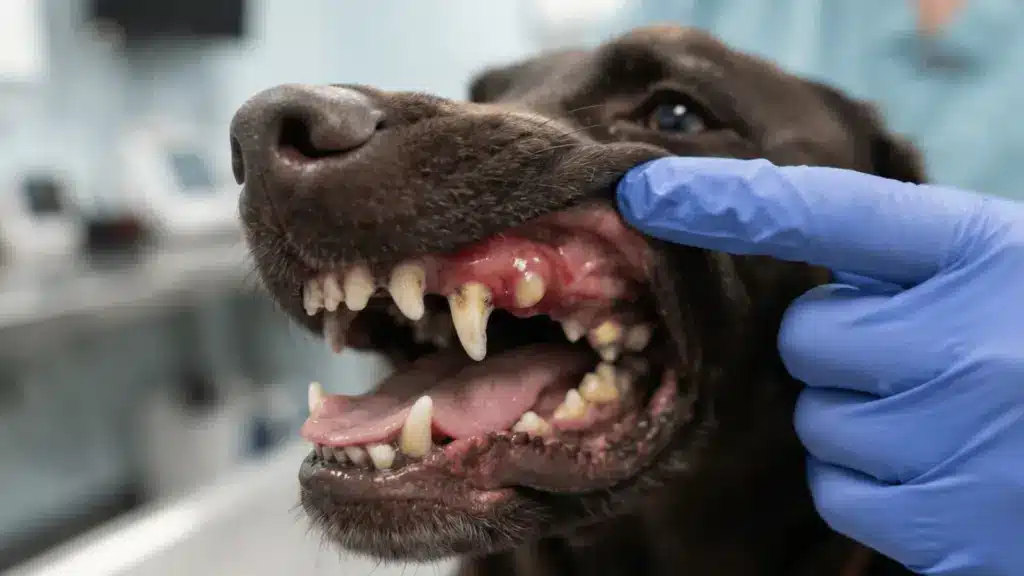
- Bleeding gums or visible pus: Sometimes noticeable when lifting the lip to look, especially during advanced infection stages, and may require immediate veterinary attention and a careful oral examination at the clinic visit.
- Behavior changes: Irritability, hiding, or unusual quiet can indicate a dog tooth abscess, even without obvious swelling, as pain progresses and the infection spreads deeper into the tissues, affecting appetite and sleep patterns.
When to Call a Vet
Certain symptoms require immediate veterinary care and should not be monitored at home. Rapid facial swelling that increases within hours can indicate a spreading infection.
A dog refusing food or water entirely also needs same-day attention because dehydration and worsening infection can develop quickly.
Visible pus or bleeding from the mouth or face suggests the infection has broken through surrounding tissue and is progressing.
Signs of severe pain, such as crying out, strong flinching from light touch, or persistent hiding, show significant discomfort that should not be ignored.
Lethargy or sudden behavior changes, especially when combined with any of these symptoms, may signal systemic involvement.
In all of these situations, a same-day or emergency veterinary visit is strongly recommended.
Waiting to see if improvement happens on its own increases the risk of complications and can quickly worsen the condition.
How Do Vets Diagnose a Dog Tooth Abscess?
Veterinarians combine visual examination, pain assessment, and diagnostic tools such as X-rays and blood tests to accurately confirm the severity of infection and identify hidden root-level dental problems in dogs.
- Physical oral exam: The vet inspects the mouth for swelling, gum redness, broken teeth, discharge, and foul odor, and also assesses the dog’s response to gentle touch in the affected areas.
- Dental X-rays: These scans reveal what cannot be seen on the surface, including root infections, bone loss, and abscess formation beneath the gumline, helping confirm the severity and exact location of infection.
- Pressure and pain response checks: The vet gently applies pressure around the tooth and jaw to identify sensitivity, helping to locate hidden infection sites that may not be visible during the examination.
- Blood work: In suspected advanced cases, blood tests help determine whether the infection has spread into the bloodstream, assessing white blood cell levels and overall systemic health before treatment decisions are made.
- Sedation, oral evaluation, and periodontal probing: In difficult cases, the vet may gently sedate the dog to thoroughly examine the area beneath the gumline, measure pocket depth, and confirm any hidden periodontal disease.
How Fast Can a Tooth Abscess Kill a Dog?
The question of how fast a tooth abscess can kill a dog does not have a single fixed timeline, but it can become life-threatening within days if left untreated.
The infection does not remain limited to the tooth root and can spread into the jawbone, nasal passages, or bloodstream.
Once bacteria enter circulation, organs such as the heart, kidneys, and liver may be affected, raising the risk of severe complications.
The speed of progression depends on factors such as age, overall immune strength, and how long the infection has already been present.
Puppies, senior dogs, and those with existing health issues tend to decline more quickly. Warning signs such as facial swelling, loss of appetite, fever, and extreme tiredness suggest the infection is progressing quickly.
Immediate veterinary treatment is essential to prevent systemic infection and reduce the risk of serious outcomes.
Dog Tooth Abscess Treatment Options
Treatment depends on how far the infection has spread, but most cases follow a similar path.
A dog tooth abscess almost always needs more than antibiotics alone. Pills can knock the infection down for a while, but if the damaged tooth stays in place, the same problem tends to come back.
- Antibiotics: Used to bring the infection under control before or after any procedure, helping reduce bacterial spread, limit swelling, and stabilize the dog while dental treatment is planned.
- Dental cleaning and scaling: Remove tartar buildup from teeth and beneath the gums, reduce the bacterial load, and help manage early infections before they progress to more severe dental disease.
- Tooth extraction: Often necessary when infection reaches the tooth root, as the tooth becomes non-restorable, preventing ongoing pain and stopping bacteria from spreading to surrounding tissues.
- Pain management and anti-inflammatories: Help reduce pain, swelling, and inflammation after dental treatment, allowing the dog to eat more comfortably and recover with less stress.
- Follow-up monitoring: Confirms the infection has fully resolved after treatment, ensures no hidden abscess remains, and checks that healing is progressing normally without recurrence of symptoms.
Dog Tooth Abscess Recovery and Home Care Tips

Recovery at home after dental treatment improves when medication, diet, and monitoring are followed carefully to support steady healing progress.
- Soft food during healing: Soft food helps reduce pressure on the surgical site, making chewing easier, preventing irritation, and supporting smoother recovery as mouth tissues gradually heal without stress.
- Sticking to the medication schedule ensures antibiotics and pain relief work effectively, preventing bacterial regrowth, reducing discomfort, and lowering the risk of complications during the recovery phase and healing process overall.
- Watching swelling and appetite: Helps track healing progress, as improvement should be gradual, with reduced facial swelling and a steady return to normal eating behavior patterns, observed daily and closely monitored.
- Gentle mouth care as directed: Avoid disturbing healing tissues; typically limit brushing early on while focusing on keeping the mouth clean and comfortable as healing progresses, with veterinary guidance and instructions followed.
- Keeping follow-up appointments allows the veterinarian to confirm proper healing, check for hidden infection, and ensure the treatment plan is fully effective before returning to a normal routine and confident recovery.
How to Prevent a Dog Tooth Abscess?
Preventing a dog tooth abscess starts with regular dental care and early attention to small mouth problems. Plaque, tartar, cracked teeth, and gum disease can all lead to infection if ignored.
A simple routine at home, combined with veterinary dental checks, can lower the risk of painful abscesses over time.
- Brush your dog’s teeth a few times each week using dog-safe toothpaste.
- Use dental chews or vet-approved oral products to help reduce tartar buildup.
- Schedule routine veterinary dental exams to catch gum disease, decay, or cracked teeth early.
- Do not ignore bad breath, drooling, pawing at the mouth, or trouble chewing.
- Treat small cracks, loose teeth, or early gingivitis before infection reaches the root.
- Choose dental diets or treats designed to support cleaner teeth and healthier gums.
Consistency matters most when it comes to dental prevention. Regular brushing, safe chewing products, and professional checkups work best when used together.
Even if a dog’s teeth look normal, hidden root problems can still develop, so early exams help prevent minor dental issues from becoming serious infections.
Conclusion
This condition may look minor at first, but a dog tooth abscess can escalate quickly without proper treatment and veterinary attention.
Early signs such as bad breath, facial swelling, or changes in eating habits should never be ignored because they often signal a deeper infection.
Prompt diagnosis, proper treatment, and follow-up care are essential to prevent the infection from spreading to surrounding tissues or organs.
At-home care after treatment also plays a key role in ensuring smooth recovery and reducing the chances of recurrence over time.
Pay close attention to your dog’s behavior and do not wait for symptoms to become severe before seeking professional help.
Share your experience in the comments if you have ever dealt with a dog tooth abscess or noticed early warning signs in your dog.
Frequently Asked Questions
Can a Dog Tooth Abscess Spread to the Brain or Eyes?
Yes, severe untreated dental infections can spread to nearby structures, such as the eyes or sinuses, especially in upper-jaw teeth. This is why early treatment is critical.
How Long Does a Dog Tooth Abscess Take to Heal After Treatment?
Most dogs improve within a few days after treatment, but full healing after extraction or deep infection may take 2-3 weeks, depending on severity.
What Happens if a Dog Tooth Abscess is Left Untreated?
It can lead to bone infection, severe pain, tooth loss, and, in rare cases, systemic infection affecting major organs, making early veterinary care essential.