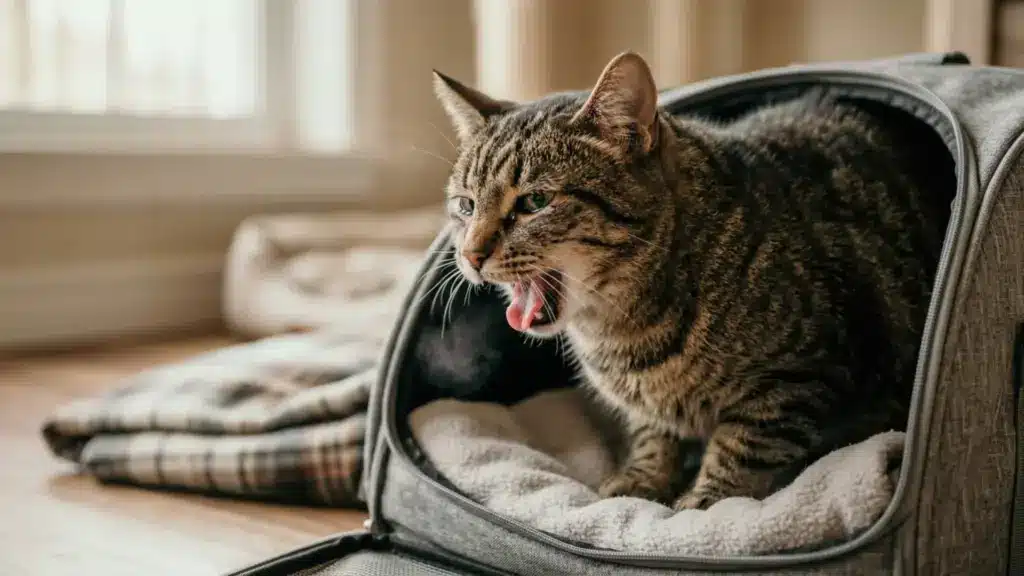
You hear a rough hacking sound from another room, and instinct kicks in because something about it feels instantly worrying.
Most of the time, it is harmless, like a hairball or brief airway irritation, but sometimes it signals something that deserves attention.
Cats tend to hide discomfort, which makes unusual respiratory noise harder to interpret without context or guidance on common patterns.
What sounds concerning may actually be a passing irritant, whereas a true problem involves consistent changes in breathing patterns and energy levels.
Once the differences are clear, it becomes easier to understand when observation is enough and when veterinary care is needed.
What Does a Cat Coughing Sound Like?
A true cough originates in the chest rather than the stomach, and the body posture usually makes this clear.
Cats often crouch low, extend their necks forward, and produce short, dry, hacking sounds that may recur in quick bursts.
In many cases, nothing comes up afterward, although a strong episode may end with a small amount of foam or clear fluid.
Different patterns can offer clues. A dry, sharp sound is often associated with airway irritation, asthma, or early infection.
A wetter sound with a rattling quality may suggest mucus or fluid in the respiratory tract and a more developed condition.
Listening closely to both sound and body behavior can help narrow down what may be happening, especially when episodes are brief or inconsistent.
Common Causes of Cat Coughing
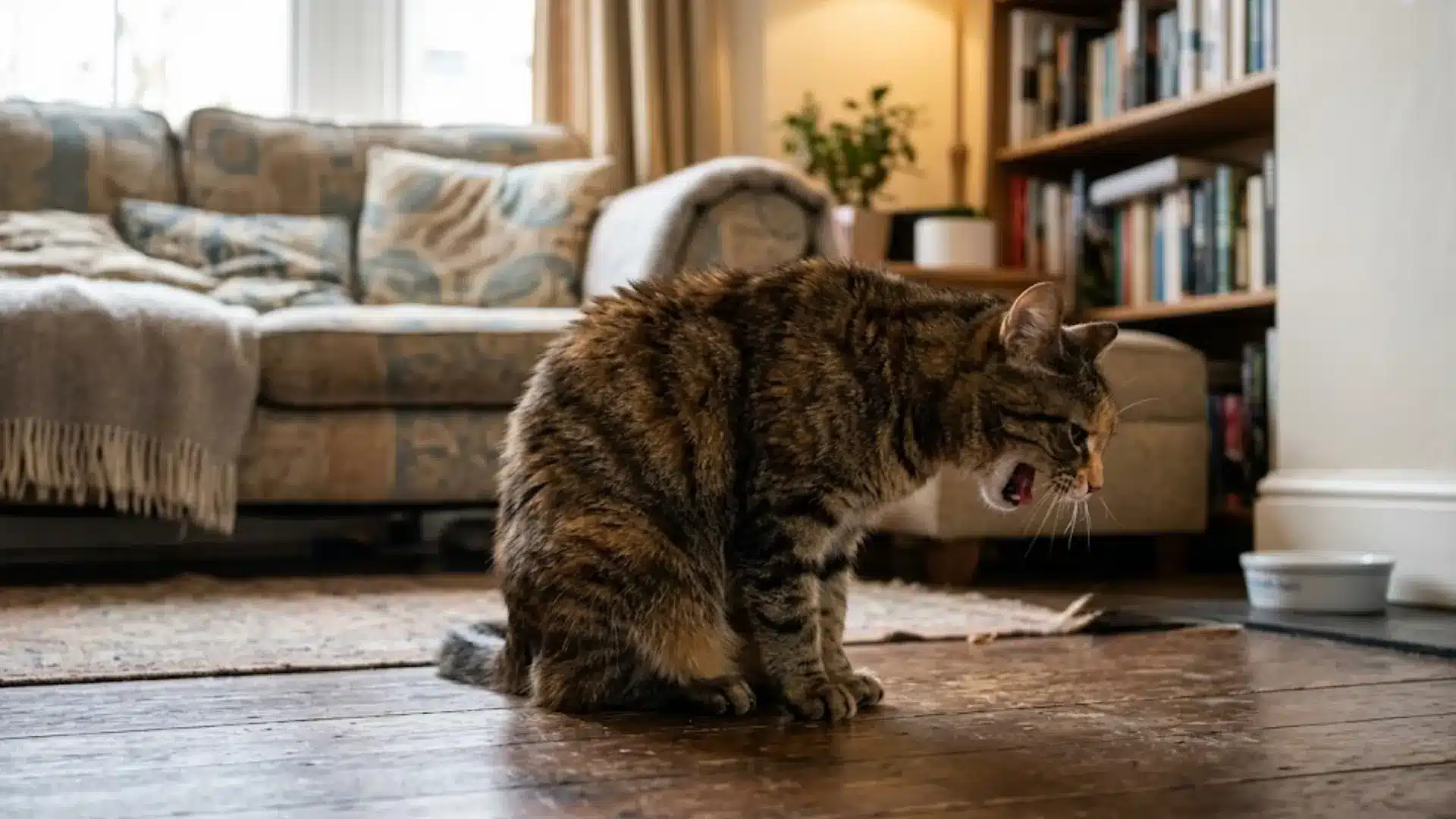
Cat coughing rarely has a single cause. Several lower airway and respiratory conditions tend to appear most often, and their symptoms can overlap, making it harder to identify the exact issue without a closer look.
1. Hairballs
Hairballs can look like coughing, but they usually involve gagging, retching, or hacking as the cat tries to bring up swallowed fur.
This is more common in long-haired cats, heavy shedders, or cats that groom often.
An occasional hairball is usually not a major concern, especially if the cat is eating, breathing, and behaving normally.
However, frequent hairballs may indicate excessive grooming, skin irritation, digestive issues, or too much loose fur being swallowed.
2. Feline Asthma
Feline asthma is a chronic breathing condition that causes inflammation inside the airways. When the airways become irritated, they narrow, making it harder for the cat to breathe normally.
This can lead to coughing, wheezing, open-mouth breathing, or fast breathing during flare-ups.
Common triggers include cigarette smoke, dust, pollen, mold, strong perfumes, scented candles, air fresheners, and dusty litter.
Some cats only cough occasionally, while others have more severe breathing episodes.
3. Upper Respiratory Infections
Upper respiratory infections are common in cats and are often caused by viruses such as feline herpesvirus or calicivirus.
These infections usually affect the nose, throat, and eyes, but they can also cause coughing in some cats.
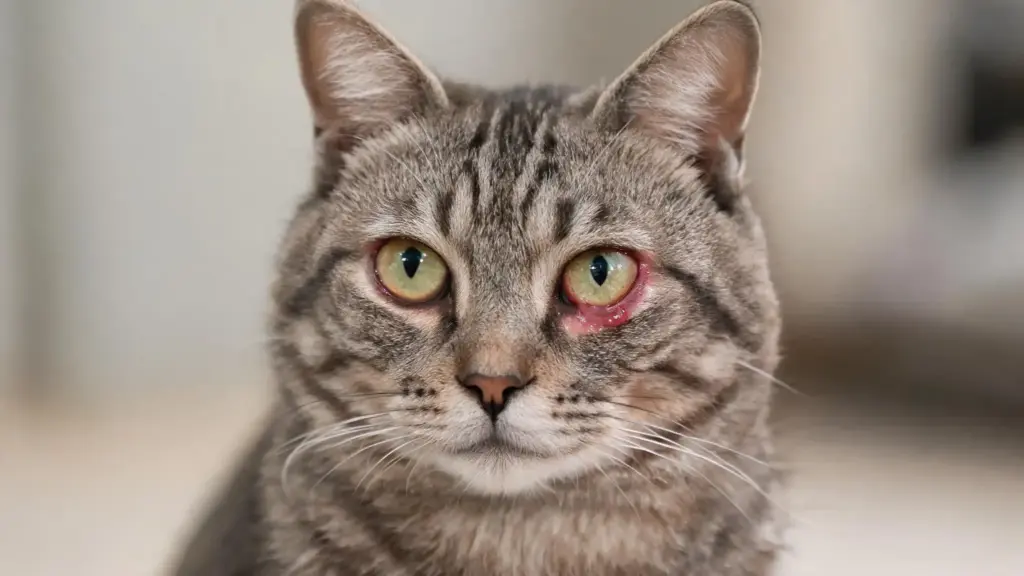
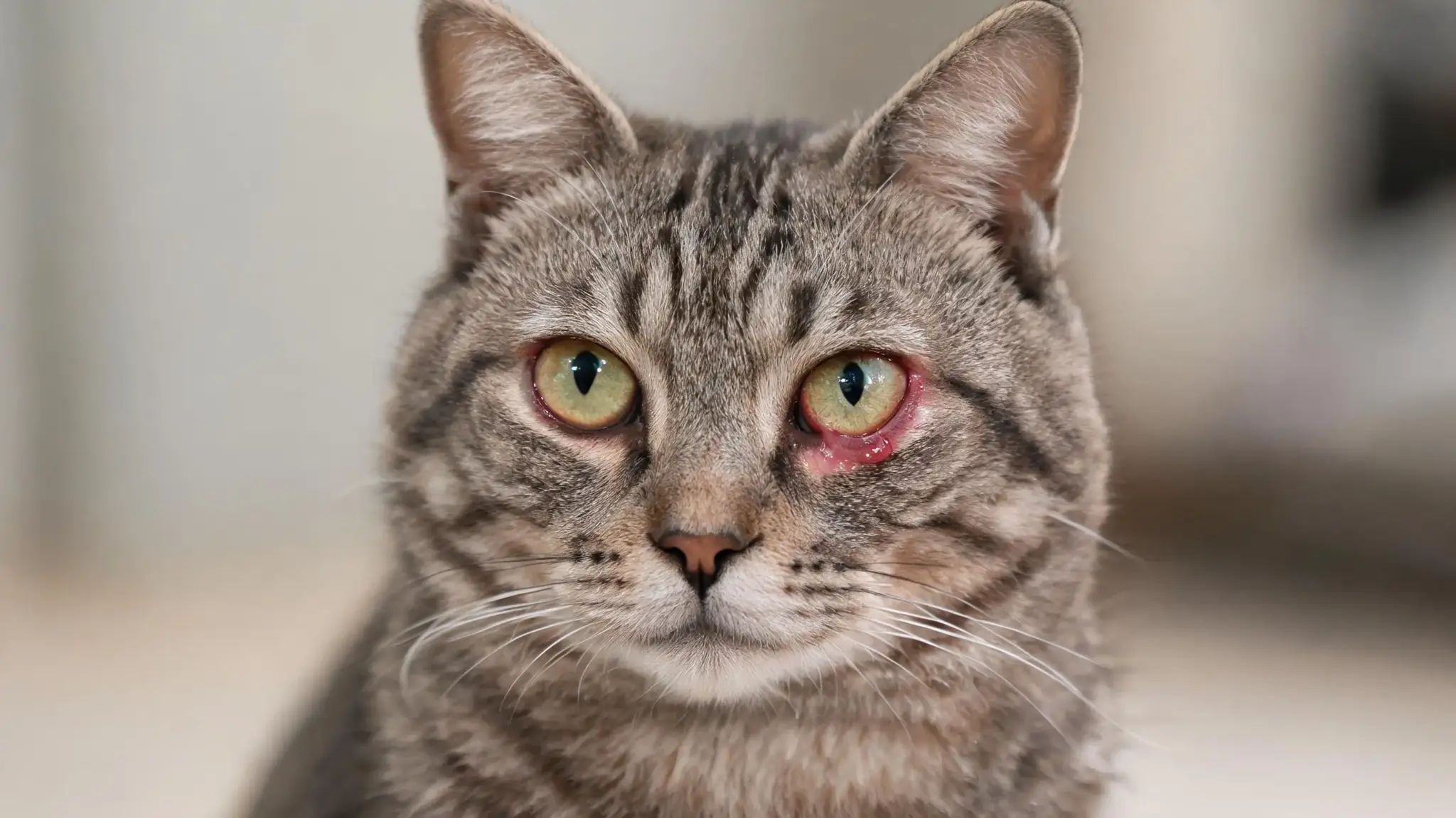
Other signs may include sneezing, nasal discharge, watery eyes, fever, low appetite, drooling, or tiredness. Kittens, shelter cats, senior cats, and cats with weaker immune systems may be more likely to get sick.
4. Allergies
Allergies can irritate a cat’s airways and lead to a recurring dry cough. Common triggers include pollen, mold, dust, smoke, cleaning sprays, scented litter, perfumes, candles, and other strong household odors.
The cough may come and go depending on the season, indoor air quality, or recent exposure to irritants. Some cats may also sneeze, scratch, develop watery eyes, or groom more than usual.
Since allergy symptoms can look similar to asthma or infection, it is important not to guess. If the cough keeps returning or gets worse, a vet can help identify the cause.
5. Parasites
Respiratory parasites can sometimes cause coughing in cats, especially outdoor cats or cats that hunt. Lungworms are one possible cause because they can affect the lungs and airways.
Heartworms are less common in cats than in dogs, but they can still cause serious breathing signs in some cases. Affected cats may cough, breathe faster, wheeze, seem tired, lose weight, or show reduced activity.
Because parasite-related coughing can be difficult to recognize from symptoms alone, a vet may recommend testing, imaging, or specific treatment.
6. Foreign Objects
A foreign object can cause sudden coughing if a cat inhales or gets something stuck near the throat or airway.
Small debris such as grass seeds, plant material, dust, or tiny fragments can irritate the breathing passages and trigger repeated coughing or gagging.
This type of cough often starts suddenly and may seem more intense than a mild recurring cough. The cat may paw at the mouth, drool, panic, breathe noisily, or struggle to settle.
7. Heart Disease or Tumors
Heart disease or tumors are less common causes of coughing in cats, but they are still possible, especially in older cats or cats with other warning signs.
These problems may cause coughing along with weight loss, reduced appetite, low energy, faster breathing, weakness, or a noticeable drop in normal activity.
In some cases, breathing changes may appear before obvious coughing.
Since these causes cannot be confirmed by observation alone, a vet may need X-rays, bloodwork, or other tests to find the real issue.
Kennel Cough in Cats: What Pet Parents Need to Know
Kennel cough in cats, also called Bordetellosis, is caused by the bacterium Bordetella bronchiseptica.
It spreads mainly among cats through close contact, shared spaces, or contaminated items such as bowls and bedding, and is most common in shelters or multi-cat homes.
Cats can also pass it to dogs in some cases. Healthy adult cats often develop mild, cold-like signs.
Still, kittens, older cats, and those with weak immunity may show more severe illness, including a persistent cough, sneezing, nasal or eye discharge, and low fever. In severe cases, it can progress to pneumonia.
Treatment usually includes rest, supportive care, and antibiotics when needed, along with isolating the affected cat to prevent spread.
A nasal vaccine exists but is generally recommended only for high-risk cats with frequent exposure, not for all pets.
What Do Cat Owners Say About Cat Coughing?
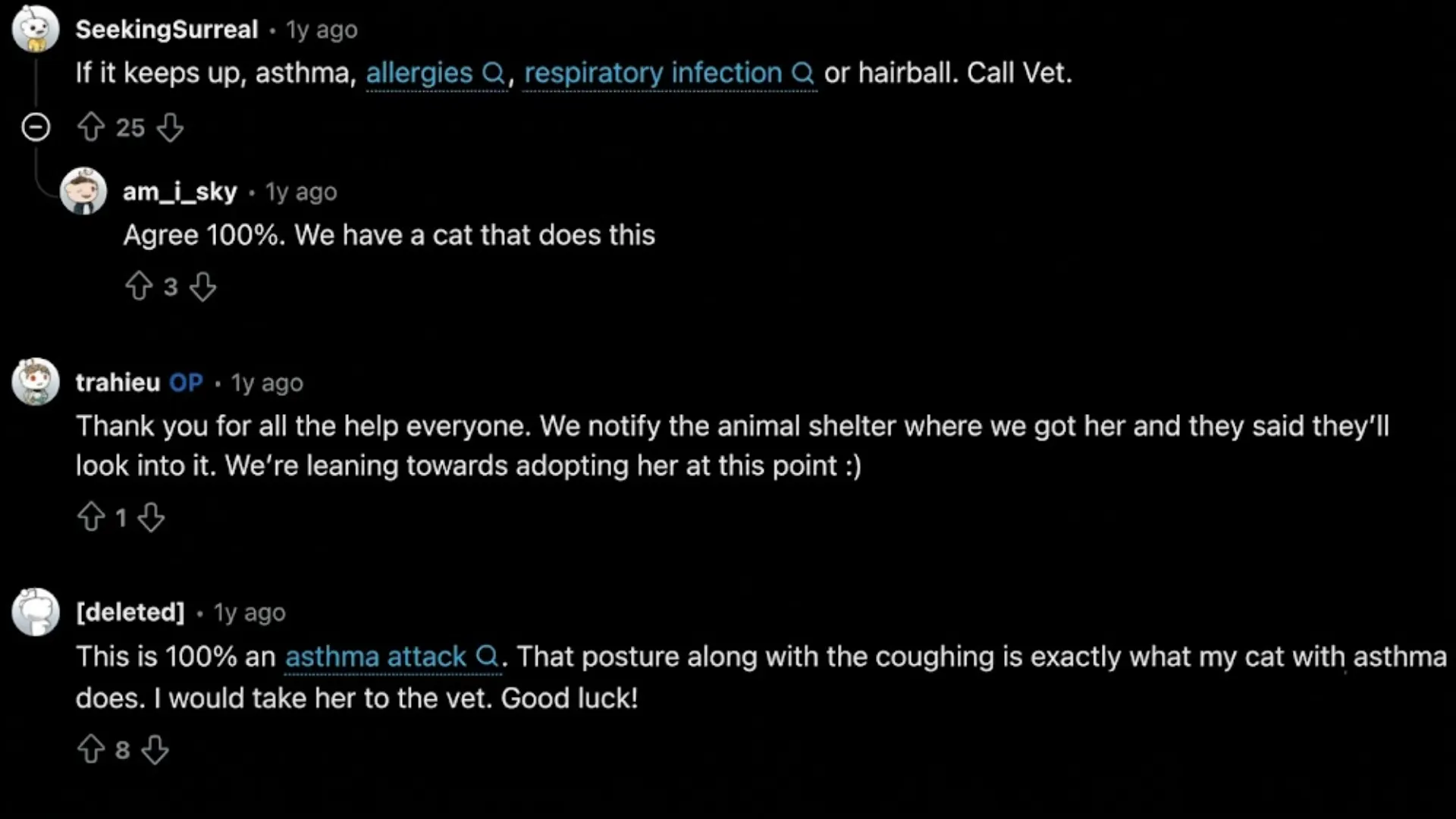
Reddit cat owners often describe the same worry: a cat makes a harsh coughing sound, but no hairball ever comes up.
In one discussion, several users said this can look like a hairball attempt, but repeated coughing may indicate asthma, allergies, a respiratory infection, or airway inflammation.
Some owners shared that their cats were later treated with inhalers or steroid shots after a vet diagnosed asthma.
Others said the coughing stopped after the cat adjusted to its new home, suggesting that stress or environmental triggers may have played a role.
The biggest takeaway is to record the coughing sound, note how often it happens, and ask a vet about asthma, allergies, infections, parasites, and hairball blockage.
How Serious is Your Cat’s Cough?
An occasional cough in an otherwise active, eating, and playful cat is usually not urgent.
Concern increases when coughing becomes frequent or more intense, or when accompanied by other symptoms such as changes in breathing, appetite, or energy levels.
Episodes that continue for more than a day or two, sound wet or congested, or worsen over time should be evaluated by a vet.
Emergency warning signs include:
- Open-mouth or visibly labored breathing
- Blue, gray, or pale gums or tongue
- Sudden collapse or extreme weakness
- Coughing blood or blood-tinged mucus
- Repeated coughing fits with no recovery
Any of these signs requires immediate veterinary care. Persistent or worsening coughing may indicate deeper lung or airway disease rather than a minor irritant and should not be delayed for observation.
This section is for informational purposes only and does not constitute medical advice. Consult a qualified veterinarian before making any decisions about your cat’s health.
What to Do When Your Cat is Coughing?

Before you call the vet, a little prep work makes the visit far more productive. I’ve had owners walk in with a video that told me more in fifteen seconds than five minutes of description ever could.
- Record an episode. A short video shows your vet the sound, posture, and duration better than words can.
- Track the pattern. Note how often it happens, what time of day, and whether anything (cleaning products, a new candle, a dusty litter) seems to trigger it.
- Check for other symptoms. Sneezing, discharge, changes in appetite, and energy level all help narrow down the cause.
- Rule out household irritants. Switch to unscented litter and skip aerosol sprays near your cat’s favorite spots, just in case.
- Know your cat’s history. Be ready to answer questions about vaccination status, recent boarding or shelter stays, and outdoor access.
When you do call, mention the frequency, the sound, and anything else you noticed. That context helps your vet decide whether to see your cat today or schedule a routine exam.
What to Expect at the Vet
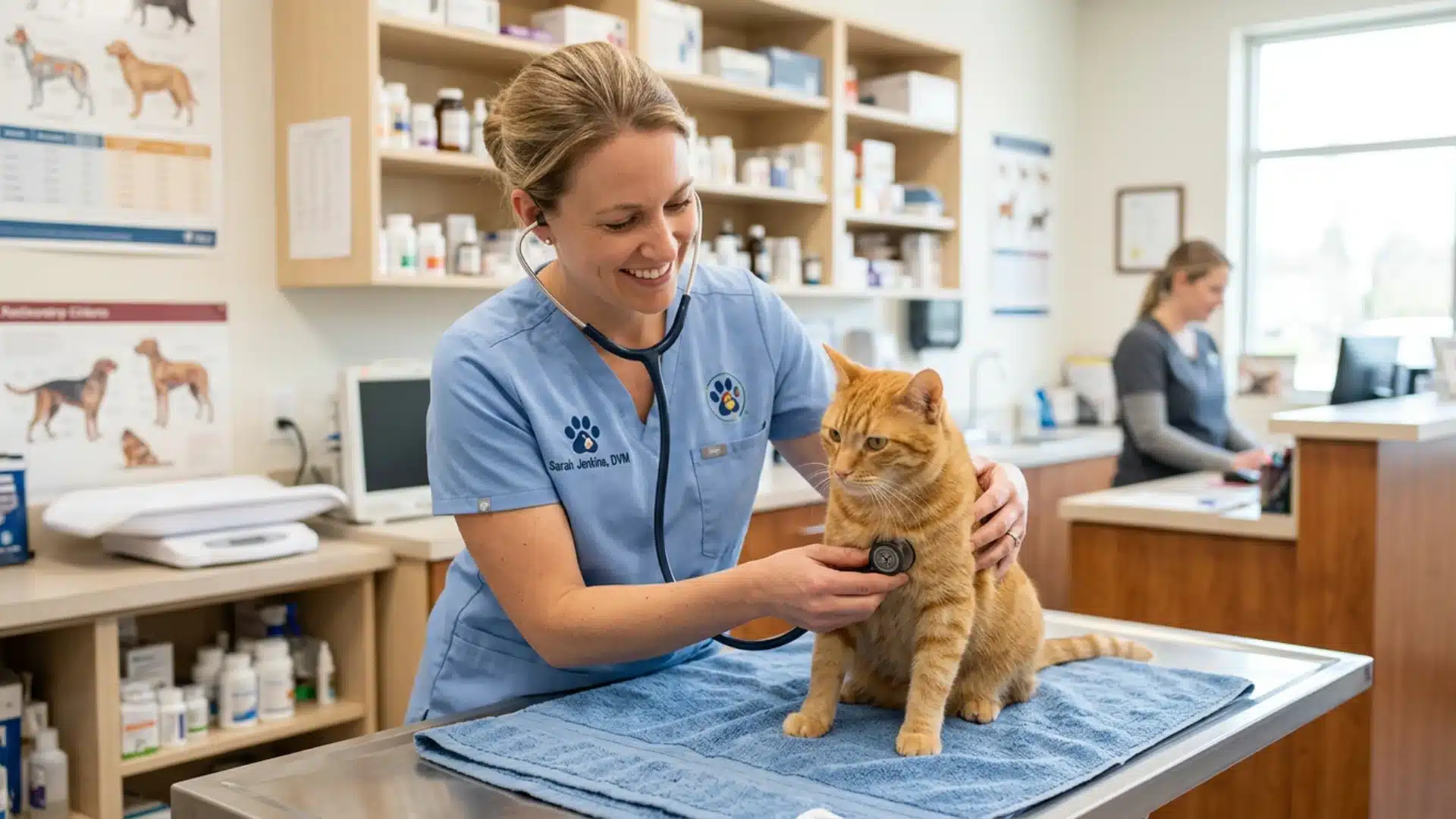
When a coughing cat is examined, the first step is usually a basic physical check, followed by more targeted tests if needed. The goal is to quickly narrow down whether the issue is mild irritation or something deeper in the airways or lungs.
- Physical exam: The vet listens to the lungs and heart, checks gum color, and reviews how long the coughing has been present.
- Chest X-rays: Help identify signs of asthma, infections, fluid buildup, or abnormal growths.
- Bloodwork: Used to detect infection or signs of broader illness affecting the respiratory system.
- Fecal or heartworm testing: Rules out parasites, especially in outdoor cats or higher-risk cases.
Bringing a short video of the coughing episode can be extremely helpful, often giving clearer insight than a verbal description alone.
Treatment Options for a Coughing Cat
Treatment for a coughing cat depends on the cause, so the safest approach is to match symptoms with a vet diagnosis rather than guessing at home.
| Likely Cause | Typical Treatment |
|---|---|
| Feline Asthma | Inhaled or oral corticosteroids; bronchodilators to open airways |
| Allergies or Irritants | Removing the trigger; antihistamines in selected cases |
| Upper Respiratory Infection | Supportive care: fluids, rest, appetite support; antibiotics only if bacterial |
| Bordetella / Kennel Cough-Like Infection | Antibiotics if bacterial infection is confirmed; rest and isolation |
| Hairballs | Brushing, diet adjustment, hairball-control support if recommended |
| Lungworm or Heartworm | Antiparasitic medication, monitoring, and follow-up testing |
| Foreign Object | Emergency removal, sometimes with imaging or sedation |
| Heart Disease or Tumors | X-rays, bloodwork, heart medication, cancer treatment, or supportive care depending on diagnosis |
| Severe Pneumonia, Dehydration, or Breathing Trouble | Hospitalization, oxygen support, fluids, medication, and close monitoring |
Diagnosis usually begins with a physical exam and listening to the heart and lungs, followed by chest X-rays, blood tests, or parasite testing when the cause is unclear.
A cough in cats should not be treated based on symptoms alone. If your cat has a persistent cough, trouble breathing, or other signs of illness, seek veterinary care promptly to identify the cause and begin appropriate treatment.
How to Prevent Cat Coughing?
While not every cause of coughing in cats can be prevented, simple daily habits can reduce the risk of respiratory infections, airway irritation, and certain chronic lung conditions.
- Keep Vaccinations Current: Routine vaccines help protect against common respiratory infections that may trigger coughing in cats.
- Use Parasite Prevention: Year-round parasite control lowers the risk of lungworms and other parasites affecting the lungs.
- Maintain Clean Indoor Air: Reduce smoke, dust, aerosols, and strong fragrances that can irritate sensitive feline airways daily.
- Choose Low Dust Litter: Dust-free litter reduces airborne particles that may trigger coughing or worsen breathing problems in cats.
- Support Healthy Weight: Maintaining a healthy weight improves breathing efficiency and reduces stress on your cat’s respiratory system.
- Limit Contact with Sick Animals: Avoid exposure to coughing pets to reduce transmission of contagious respiratory infections between animals.
Conclusion
Cat coughing can be confusing, especially when it sounds like a hairball but nothing comes up.
The safest approach is to monitor the pattern, record the cough, and note any changes in breathing, appetite, energy, or behavior.
Occasional irritation may pass, but repeated coughing can indicate asthma, allergies, infection, parasites, or another airway problem that may require veterinary care.
Kennel cough in cats is less common than in dogs, but respiratory infections can still spread, especially in shelters or multi-pet homes.
If your cat keeps coughing, struggles to breathe, or seems weak, call a vet promptly.
Have you dealt with a cat coughing before? Share your experience in the comments below to help other cat owners know what to watch for.
Frequently Asked Questions
Can Stress Make a Cat Cough?
Stress doesn’t directly cause coughing, but it can trigger or worsen asthma and allergy flare-ups in sensitive cats.
Why Does My Kitten Cough After Playing?
Mild coughing after intense play is often a harmless irritation. If it happens often, it should be checked during a vet visit.
Is Human Cough Medicine Safe for Cats?
No. Human cough and cold medicines can be toxic to cats. Never give them without veterinary guidance.
Does Coughing Always Mean a Cold?
No. Upper respiratory infections often include sneezing and discharge, while asthma or hairballs can cause coughing on their own.